

Mtatsminda (Tbilisi) Travel Guide - Free
Explore Mtatsminda in Tbilisi with Evendo's free guide. Find the best shops, historic streets, restaurants, and gems on web or mobile.


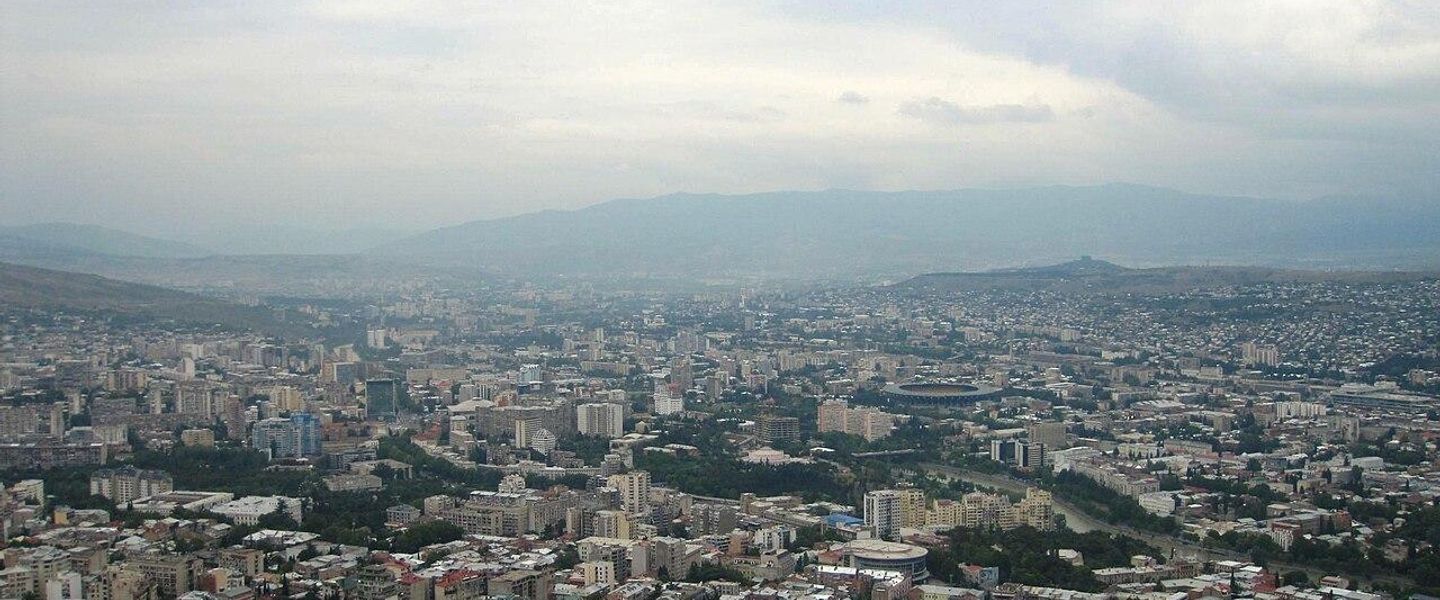


Mtatsminda in Tbilisi pairs the Funicular, Georgian literary history, hillside walks and city views with cafés, parks and Rustaveli culture and city life.
Hillside Character
Mtatsminda rises above central Tbilisi, its wooded slopes and steep residential streets forming a dramatic backdrop to Rustaveli Avenue and the city centre. The name means “Holy Mountain”, a reference to the Church of Saint David, or Mamadaviti, near the summit. For visitors, the neighbourhood is experienced vertically: the lower slopes lead through streets associated with Georgian cultural life, while the funicular climbs towards broad terraces, woodland paths and views across the Mtkvari valley.Read more about Mtatsminda
Culture and Memory
Park and Panorama
Best attractions in Mtatsminda
Mtatsminda’s principal attractions are arranged along its rising slopes. The Tbilisi Funicular is both a practical ascent and a sightseeing experience, carrying visitors from the lower city to the mountain’s recreational summit. Mtatsminda Park spreads through the upper woodland with amusement facilities, open areas and viewing points overlooking Tbilisi, while the distinctive TV Tower marks the skyline above it. On a quieter section of the hillside, the Mtatsminda Pantheon offers a chance to encounter the graves of major Georgian cultural figures beside Mamadaviti Church. Lower down, the streets adjoining Rustaveli Avenue connect the neighbourhood’s mountain character with theatres, museums and cultural institutions, although some attractions on and beyond the avenue lie in neighbouring central districts. The contrast between steep lanes, wooded paths, solemn memorial spaces and expansive city views is the area’s defining sightseeing experience.
-
Tourist attraction
Rike Park
Discover Rike Park in Tbilisi: A modern recreational space with vibrant gardens, unique architecture, and stunning city views.
19 min walk · 1.5 km from neighbourhood centre
-
Tourist attraction
Funicular Park
Ascend to panoramic views of Tbilisi via the historic funicular, and discover mountaintop thrills at Mtatsminda Park. A must-do for all!
10 min walk · 0.8 km from neighbourhood centre
-
Tourist attraction
Mtatsminda Pantheon
Explore Mtatsminda Pantheon: A serene memorial park with breathtaking views and rich Georgian heritage in Tbilisi.
5 min walk · 0.4 km from neighbourhood centre
-
Tourist attraction
Mtatsminda View Point
Experience Tbilisi's beauty from above at Mtatsminda View Point, offering panoramic city views and a tranquil escape.
7 min walk · 0.5 km from neighbourhood centre


Best landmarks in Mtatsminda
Mtatsminda’s landmarks express several different chapters of Tbilisi’s history. Mamadaviti Church, dedicated to Saint David, gives the mountain its religious identity and remains the focal point of the hillside’s sacred landscape. Beside it, the Mtatsminda Pantheon is a significant cultural landmark, with memorials and graves of Georgian writers, artists and public figures arranged along the slope. The Tbilisi Funicular, opened in 1905, is an important piece of urban infrastructure as well as a transport link, while the upper station and Mtatsminda Park form a recognisable recreational ensemble. Above them, the Tbilisi TV Tower creates a modern vertical marker visible from much of the city. Together these structures make the mountain legible from below: church and cemetery, railway and park, and communications tower layered across one prominent ridge.
-
Amusement park
მთაწმინდის პარკი -Mtatsminda Park
Discover the thrill and beauty of Mtatsminda Park, where adventure meets stunning views in the heart of Tbilisi.
12 min walk · 1.0 km from neighbourhood centre
-
Park
Funicular Park
Experience the beauty of Tbilisi from Funicular Park, a serene spot perfect for relaxation, exploration, and stunning panoramic views of the city.
10 min walk · 0.8 km from neighbourhood centre
-
Sculpture
Monument of St. George
Explore Tbilisi's iconic Monument of St. George at Freedom Square, a breathtaking tribute to Georgia's cultural heritage and history.
10 min walk · 0.8 km from neighbourhood centre
-
Memorial park
Mtatsminda Pantheon
Explore the beautiful Mtatsminda Pantheon in Tbilisi, a serene memorial park that offers breathtaking views and a rich tapestry of Georgian culture and history.
5 min walk · 0.4 km from neighbourhood centre


Explore Mtatsminda on the map
A handpicked selection of must-see spots in Mtatsminda, mapped for you.
Best hotels in Mtatsminda
Best restaurants in Mtatsminda
Mtatsminda’s dining scene is concentrated rather than extensive, with the most distinctive setting around the funicular and the upper mountain. The Funicular complex is associated with Georgian and international dishes served alongside elevated views, making it a natural pause during a visit to Mtatsminda Park. Around the lower slopes and Rustaveli Avenue, cafés, bakeries and restaurants provide easier access to Georgian staples such as khachapuri, khinkali, grilled meats, salads with walnuts and seasonal vegetable dishes, alongside coffee and contemporary international food. The avenue’s cultural traffic supports a wider choice than the residential hillside itself, but the boundaries between Mtatsminda and adjacent central neighbourhoods can be informal. Visitors seeking a meal with a panorama should focus on the upper station area, while those wanting broader choice should explore the streets near Rustaveli, checking locations and current opening arrangements independently.
-
Restaurant
Funicular
Savor exquisite Georgian cuisine with stunning views at Funicular – Tbilisi's culinary gem on Mtatsminda plateau.
7 min walk · 0.6 km from neighbourhood centre
-
Georgian
Zodiaqo
Discover the authentic flavors of Georgia at Zodiaqo, where traditional cuisine meets warm hospitality in Tbilisi's charming Dzveli district.
7 min walk · 0.5 km from neighbourhood centre
-
Georgian
Klike's Khinkali
Discover authentic Georgian flavors at Klike's Khinkali - Tbilisi's premier destination for delicious khinkali and traditional cuisine.
4 min walk · 0.3 km from neighbourhood centre
-
Restaurant
TANNINI, Bar-Restaurant
Discover TANNINI: A top-rated bar-restaurant in Tbilisi serving exquisite Georgian cuisine and delightful international dishes.
5 min walk · 0.4 km from neighbourhood centre


Best bars in Mtatsminda
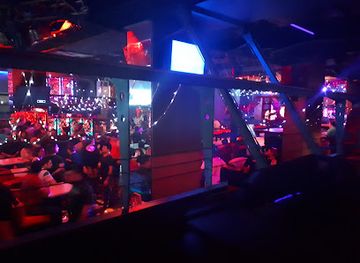
Mtatsminda is not primarily a club district, and the upper slopes become notably quiet after the park and funicular facilities close. Evening activity is strongest at the lower edge near Rustaveli Avenue, where cafés, hotel bars and restaurants serve theatre-goers, office workers and visitors before or after cultural events. The avenue and its side streets offer more dependable nightlife than the mountain itself, with occasional live music and late-evening social venues, though many lie close to or beyond the neighbourhood’s informal boundary. The upper funicular area is better suited to an early evening meal and illuminated city views than to bar-hopping. Visitors walking back downhill should expect steep, poorly continuous pavements in places; a taxi is a sensible option after dark, particularly for routes away from the main avenue.
-
Wine bar
DADI wine bar and shop
Explore the best of Georgian wines at DADI Wine Bar and Shop, a cozy haven in Tbilisi for wine lovers and food enthusiasts.
11 min walk · 0.9 km from neighbourhood centre
-
Bar
Warszawa
Experience the lively nightlife of Tbilisi at Warszawa, a vibrant bar perfect for socializing and enjoying local drinks in a unique atmosphere.
10 min walk · 0.8 km from neighbourhood centre
-
Bar
Canudos Ethnic Bar
Discover the lively Canudos Ethnic Bar in Tbilisi for an unforgettable night of culture, music, and affordable drinks in a vibrant setting.
11 min walk · 0.9 km from neighbourhood centre
-
Bar
Sma Craft Beer Bar
Savor the best craft beers and gourmet burgers at Sma Craft Beer Bar, the perfect spot for beer lovers in Tbilisi's historic district.
12 min walk · 1.0 km from neighbourhood centre


Best nightclubs in Mtatsminda
Mtatsminda is not primarily a club district, and the upper slopes become notably quiet after the park and funicular facilities close. Evening activity is strongest at the lower edge near Rustaveli Avenue, where cafés, hotel bars and restaurants serve theatre-goers, office workers and visitors before or after cultural events. The avenue and its side streets offer more dependable nightlife than the mountain itself, with occasional live music and late-evening social venues, though many lie close to or beyond the neighbourhood’s informal boundary. The upper funicular area is better suited to an early evening meal and illuminated city views than to bar-hopping. Visitors walking back downhill should expect steep, poorly continuous pavements in places; a taxi is a sensible option after dark, particularly for routes away from the main avenue.
-
Night club
Night Office
Discover Tbilisi’s electrifying nightlife at Night Office, where music and dancing come alive until dawn in a vibrant atmosphere.
15 min walk · 1.2 km from neighbourhood centre
-
Night club
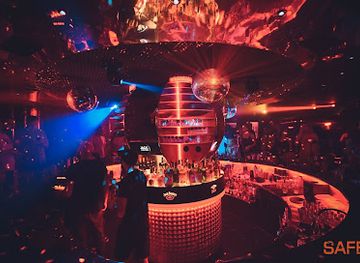
Safe Night Club
Immerse yourself in Tbilisi's vibrant nightlife at Safe Night Club, where music, dancing, and unforgettable moments await.
5 min drive · 1.5 km from neighbourhood centre
-
Night club
Floor 8
Experience Tbilisi's nightlife at Floor 8, a vibrant night club with stunning views, exquisite cocktails, and unforgettable music.
11 min walk · 0.9 km from neighbourhood centre
-
Night club
Underwheel Club
Discover Tbilisi's nightlife at Underwheel Club, the ultimate destination for dancing, music, and unforgettable experiences!
12 min walk · 1.0 km from neighbourhood centre


Best shops in Mtatsminda
Shopping is secondary to Mtatsminda’s cultural, religious and recreational uses. The upper mountain has visitor-oriented concessions and places to buy refreshments within the park area, but it is not a specialised retail destination. More useful browsing is found along and around Rustaveli Avenue, where bookshops, galleries, cultural institutions, cafés and everyday shops reflect the area’s connection with Tbilisi’s arts and education scene. Small businesses on the lower slopes serve local residents rather than offering a concentrated souvenir quarter. Visitors looking for Georgian wine, crafts, antiques or a larger market selection will generally need to continue into other central neighbourhoods, particularly around the Old Town and Dry Bridge areas, rather than assuming these are part of Mtatsminda. The most characteristic purchases locally are therefore cultural—books, exhibition catalogues and small gallery items—rather than a single neighbourhood-specific craft tradition.
-
Vintage clothing store
Fidel
Explore Fidel, Tbilisi's premier vintage clothing store, where unique fashion meets sustainability in a charming atmosphere.
12 min walk · 0.9 km from neighbourhood centre
-
Vintage clothing store
Vintylator Vintage shop
Explore Tbilisi's fashion scene at Vintylator Vintage Shop, where unique vintage clothing pieces await every stylish traveler.
8 min walk · 0.6 km from neighbourhood centre
-
Showroom
Phubber Consignment
Uncover unique fashion finds and sustainable treasures at Phubber Consignment, Tbilisi's premier showroom for pre-loved items.
2 min walk · 0.2 km from neighbourhood centre
-
Clothing store
Bohista Store
Explore Bohista Store in Tbilisi, where natural fabrics meet unique patterns, offering a memorable shopping experience steeped in Georgian culture.
8 min walk · 0.7 km from neighbourhood centre


Mtatsminda essentials
Getting There
Getting Around
Safety
Emergency Situations
Do's and Don'ts
Local Tips

From Eve
Local phrases worth knowing
You don't need to get them perfect. A few words go a long way, and locals appreciate the effort.
Basics
| English | Local | Say it |
|---|---|---|
| Hello | გამარჯობა | [gamardjoba] |
| Goodbye | ნახვამდე | [nakvamde] |
| Yes | კი | [ki] |
| No | არა | [ara] |
| Please/You're welcome | გთხოვთ | [gtkhovt] |
| Thank you | მადლობა | [madloba] |
| Excuse me/Sorry | შემაშინებელი ვარ | [shemashinebeli var] |
| How are you? | როგორ ხარ? | [rogor khar?] |
| Fine. And you? | კარგად. შენ? | [kargad. shen?] |
| Do you speak English? | იცით ინგლისური? | [itsit inglisuri?] |
| I don't understand | არ მეცდით | [ar metsdit] |
Eating & Drinking
| English | Local | Say it |
|---|---|---|
| I'd like to see the menu, please | გთხოვთ მენიუს ვნახოთ | [gtkhovt menuis vnakhoto] |
| I don't eat meat | მე ხორი არ ვჭამ | [me khori ar vtcham] |
| Cheers! | გაუმარჯოს! | [gaumarjos!] |
| I would like to pay, please | გთხოვთ გადავხდეთ | [gtkhovt gadavkhdet] |
Emergencies
| English | Local | Say it |
|---|---|---|
| Help! | დამეხმარეთ! | [damexmaret!] |
| Go away! | წავებით! | [tsavebit!] |
| Call the Police! | დაწესეთ პოლიცია! | [datseset politsia!] |
| Call a doctor! | დაწესეთ ექიმი! | [datseset ekimi!] |
| I'm lost | შევკაცებ | [shevkatsheb] |
| I'm ill | მე ავადმყოფი ვარ | [me avadmyopi var] |
Shopping
| English | Local | Say it |
|---|---|---|
| I'd like to buy... | მე მიყვარხარ... | [me miqvarkhar...] |
| I'm just looking | მხოლოდ ვუყვარდები | [mkholod vuyvardebi] |
| How much is it? | რამდენი არის? | [ramdeni aris?] |
| That's too expensive | ეს ძალიან არის ზღვისავით | [es dzalian aris zghvisavit] |
| Can you lower the price? | შეიძინოთ ფასი? | [sheidzinot fasi?] |
Time & Numbers
| English | Local | Say it |
|---|---|---|
| What time is it? | რა საათია? | [ra saatia?] |
| It's one o'clock | ერთი საათია | [erti saatia] |
| Half past (10) | ათის ნახრია | [at'is nakhria] |
| Morning | დილი | [dili] |
| Afternoon | საღამო | [saghamo] |
| Evening | საღამო | [saghamo] |
| Yesterday | გუშინ | [gushin] |
| Today | დღეს | [dg'es] |
| Tomorrow | ხვალ | [khval] |
| 1 | 1 | [1] |
| 2 | 2 | [2] |
| 3 | 3 | [3] |
| 4 | 4 | [4] |
| 5 | 5 | [5] |
| 6 | 6 | [6] |
| 7 | 7 | [7] |
| 8 | 8 | [8] |
| 9 | 9 | [9] |
| 10 | 10 | [10] |
Transport & Directions
| English | Local | Say it |
|---|---|---|
| Where's a/the...? | სადაა... | [sad'aa...] |
| What's the address? | რომელ მისამართია? | [romel misamartia?] |
| Can you show me (on the map)? | შეიგარეთ (რუკაზე) | [sheigaret (ruk'aze)] |
| When's the next (bus)? | როდის მოხდება შემდეგი (ავტობუსი)? | [rodis mod'eba shemdegi (avtobusi)?] |
| A ticket (to ....) | ბილეთი (სადამრიგას) | [bileti (sadamarigas)] |
History of Mtatsminda
The Holy Mountain
Mtatsminda’s name, commonly translated as “Holy Mountain”, reflects its religious association with Saint David Garejeli, one of Georgia’s revered monastic figures. The Church of Saint David, known locally as Mamadaviti, occupies the hillside and helped establish the mountain as a place of pilgrimage and devotion above Tbilisi. The surrounding slopes were less densely built than the city below, allowing religious memory, woodland and elevated views to remain central to the area’s identity. Although the modern neighbourhood is connected with culture and recreation, its earliest enduring significance is spiritual rather than commercial.
A Cemetery of Georgian Culture
The Mtatsminda Pantheon developed on the hillside beside Mamadaviti and became one of Georgia’s most important burial places for writers, artists, scholars and public figures. Its graves connect the neighbourhood with the development of modern Georgian literature and national cultural consciousness. Visitors encounter names associated with the country’s literary and artistic history in a setting that is both commemorative and architectural, with paths rising through the slope rather than forming a conventional urban cemetery. The Pantheon gave Mtatsminda a lasting role as a place where the cultural history of Georgia is made physically visible.
The Funicular Reaches the Summit
The Tbilisi Funicular opened in 1905, creating a direct mechanical link between the city and Mtatsminda’s upper slopes. Its arrival encouraged recreational use of the mountain and helped turn the summit into a destination for views, leisure and public gatherings. The route also reinforced the neighbourhood’s distinctive layered geography: theatres, institutions and dense streets below could be connected with open hillside spaces above. The railway has been modernised over time, but its basic role remains central to how visitors understand Mtatsminda as both an urban district and an elevated retreat.
Park, Broadcasting and Modern Tbilisi
During the twentieth century, the summit developed further as a recreational zone, with Mtatsminda Park becoming associated with family outings, amusement facilities and panoramic views. The mountain’s communications infrastructure, including the prominent Tbilisi TV Tower, added a modern landmark to its religious and cultural landscape. At the lower elevations, streets around Rustaveli Avenue continued to accommodate theatres, museums, hotels and civic institutions, while residential development spread across the slopes. Today Mtatsminda combines these different layers—sacred site, cultural memorial, transport monument, leisure park and central-city neighbourhood—without losing its strongly vertical character.
Mtatsminda in Photos
Browse through our photo collection highlighting the charm and character of the destination.
Neighbourhoods near Mtatsminda
The closest neighbourhoods to Mtatsminda, if you have time for more than one stop.
-

-
-


Swipe for more neighbourhoods
Explore more

Explore more of Tbilisi
Tbilisi combines sulphur baths, Old Town streets, Georgian cuisine, qvevri wine and layered Caucasian history beneath a dramatic hillside skyline.
Explore Tbilisi