

Westman Islands Travel Guide - Free Web & App
Your ultimate guide to Westman Islands. Discover top landmarks, proposed trips, and local tips. Free on the web or via the Evendo companion app.


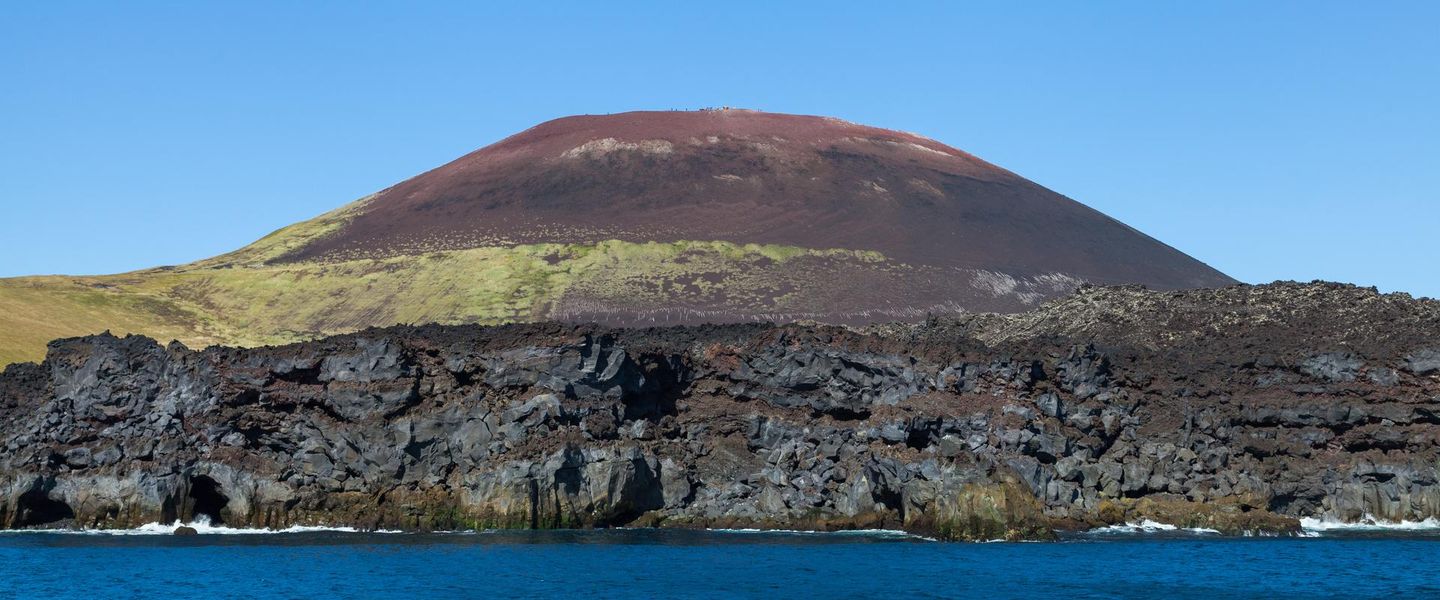


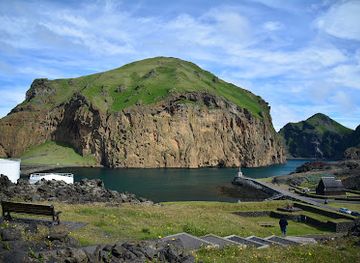
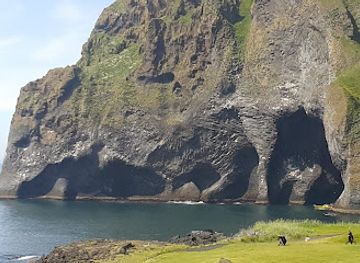
Discover the Westman Islands: Iceland's volcanic marvels, rich history, and the world's largest puffin colony await. A perfect blend of nature and culture.
Read more about Westman Islands
When is the best time to visit Westman Islands?
Best: June–August · 14–15°C| Month | High (°C) | Rainfall (mm) |
|---|---|---|
| January | 7 | 90 |
| February | 6 | 80 |
| March | 6 | 80 |
| April | 8 | 70 |
| May | 11 | 60 |
| June (best) | 14 | 40 |
| July (best) | 15 | 40 |
| August (best) | 15 | 50 |
| September | 12 | 70 |
| October | 10 | 80 |
| November | 7 | 90 |
| December | 7 | 90 |
Getting to and around Westman Islands
How to get there
Transportation
Best attractions in Westman Islands
Westman Islands in Iceland offers visitors a unique blend of natural beauty and historical significance. From the stunning volcanic landscapes and picturesque coastal views to the fascinating history of the 1973 eruption and the subsequent rebuilding of the town, there is something for everyone to explore. Visitors can hike up Eldfell volcano, take a boat tour to see puffins and other seabirds, visit the Eldheimar Museum to learn about the eruption, and relax in the geothermal pools at Sundlaugin Laugaland. With its rich history and breathtaking scenery, Westman Islands is a must-visit destination for any traveler looking for a truly unforgettable experience.
-
 Restaurant
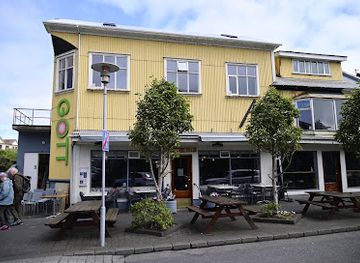
Gott restaurant
Discover the essence of Icelandic cuisine at Gott Restaurant in Vestmannaeyjar, where fresh local ingredients meet culinary creativity.
-
Bakery
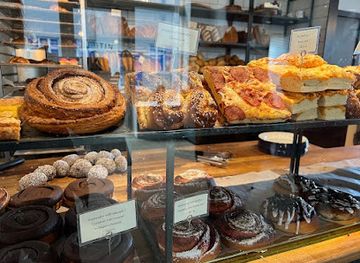
Vigtin bakhús
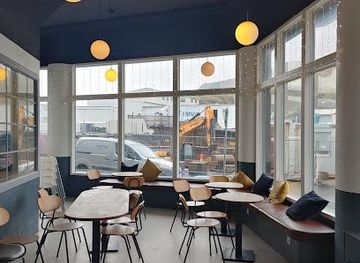
Discover the charm of Vigtin Bakhús, a bakery and coffee shop in Vestmannaeyjabær, offering freshly baked treats and aromatic beverages for every palate.
-
Sightseeing tour agency
Ribsafari
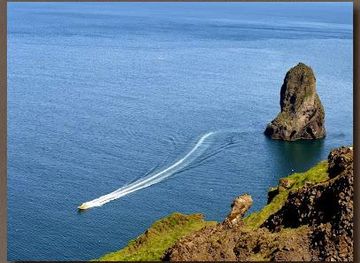
Discover the breathtaking beauty and thrilling adventures of Vestmannaeyjabær with Ribsafari's unforgettable speedboat tours.
-
Sightseeing tour agency
Eyjatours - Puffin Tours in Iceland
Experience the majestic puffins and stunning volcanic landscapes of Iceland with Eyjatours, your gateway to unforgettable wildlife adventures.
Best landmarks in Westman Islands
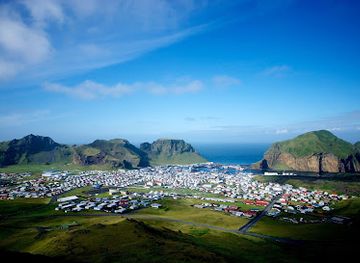
The Westman Islands in Iceland offer visitors a unique blend of natural beauty and historical significance. From the breathtaking volcanic landscapes to the charming fishing villages, there is something for everyone to explore. Visit the Eldfell volcano and learn about the dramatic eruption of 1973, take a boat tour to see the puffins and other wildlife, or explore the quaint streets of Heimaey town. Don't miss the chance to hike to the top of Helgafell volcano for panoramic views of the surrounding islands. With a rich history and stunning scenery, the Westman Islands are a must-see destination for any traveler.
-
Museum
Eldheimar
Explore Eldheimar, the museum that reveals the incredible volcanic history of Vestmannaeyjar, Iceland, through engaging exhibits and breathtaking views.
-
Bird watching area
Puffin Lookout
Experience the enchanting Puffin Lookout in Heimaey, a top birdwatching destination in Iceland's stunning Westman Islands.
-
Brewpub
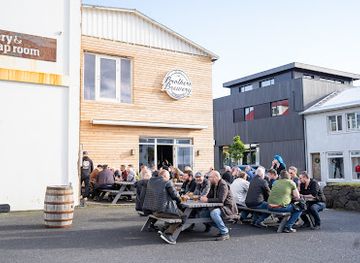
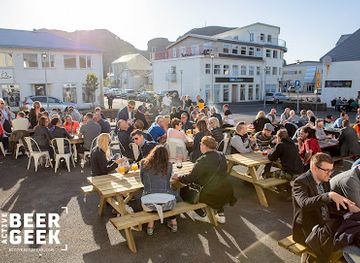
The Brothers Brewery
Experience the essence of Icelandic brewing at The Brothers Brewery in Vestmannaeyjabær, where craft beer meets local culture.
-
Restaurant
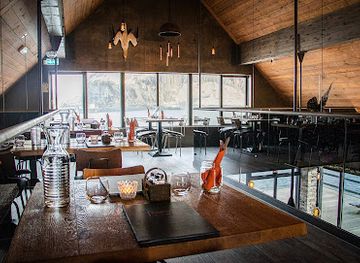
Slippurinn
Discover the flavors of Iceland at Slippurinn, where fresh seafood meets warm hospitality in the heart of Vestmannaeyjabær.
Explore Westman Islands on the map
Plan your trip on one map. See where the top attractions, landmarks, restaurants and hotels are, and book hotels and experiences in a few clicks.
Best hotels in Westman Islands
Best restaurants in Westman Islands
The dining scene in Westman Islands offers a unique culinary experience for visitors, with a focus on fresh seafood caught daily by local fishermen. From cozy cafes serving traditional Icelandic dishes to upscale restaurants with stunning ocean views, there is something for every palate. Don't miss the opportunity to try the local specialty, freshly grilled puffin, a dish that is both delicious and culturally significant. With a variety of dining options to choose from, visitors can immerse themselves in the rich culinary history of the island while enjoying the breathtaking natural beauty that surrounds them.
-
Restaurant
Gott restaurant
Experience the best of Icelandic cuisine at Gott Restaurant in Vestmannaeyjabær – where local flavors meet culinary creativity.
-
Brewpub
The Brothers Brewery
Discover the essence of Icelandic craft beer at The Brothers Brewery in Vestmannaeyjar, where tradition meets innovation in every glass.
-
Restaurant
Slippurinn
Experience authentic Icelandic cuisine with local ingredients at Slippurinn in Vestmannaeyjabær - a culinary gem with stunning ocean views.
-
Restaurant
Tanginn
Discover Tanginn: Experience Authentic Icelandic Cuisine Amidst Stunning Coastal Views in Vestmannaeyjar.
Best bars in Westman Islands
The nightlife scene in Westman Islands offers a unique and vibrant experience for visitors. With a variety of cozy pubs, lively bars, and trendy nightclubs scattered throughout the island, there is something for everyone to enjoy. Whether you're looking to relax with a local beer, dance the night away to live music, or mingle with friendly locals and fellow travelers, you'll find it all in this charming and welcoming community. Don't miss the opportunity to sample Icelandic spirits, catch a live performance, and immerse yourself in the lively atmosphere of Westman Islands after dark.
-
Restaurant
Gott restaurant
Experience the best of vegan and Icelandic cuisine at Gott Restaurant in Vestmannaeyjar, where fresh ingredients meet innovative flavors.
-
Brewpub
The Brothers Brewery
Experience the essence of Icelandic brewing at The Brothers Brewery in Vestmannaeyjabær, where local flavors meet stunning island views.
-
Restaurant
Slippurinn
Experience authentic Icelandic cuisine at Slippurinn, a premier restaurant in the breathtaking Westman Islands, renowned for its seasonal local ingredients.
-
Restaurant
Tanginn
Experience the best of Icelandic cuisine at Tanginn, where fresh seafood meets stunning views in the heart of Vestmannaeyjar.
Best nightclubs in Westman Islands
The nightlife scene in Westman Islands offers a unique and vibrant experience for visitors. With a variety of cozy pubs, lively bars, and trendy nightclubs scattered throughout the island, there is something for everyone to enjoy. Whether you're looking to relax with a local beer, dance the night away to live music, or mingle with friendly locals and fellow travelers, you'll find it all in this charming and welcoming community. Don't miss the opportunity to sample Icelandic spirits, catch a live performance, and immerse yourself in the lively atmosphere of Westman Islands after dark.
-
Restaurant
Gott restaurant
Experience the essence of Icelandic cuisine at Gott Restaurant in Vestmannaeyjabær, where local flavors meet modern dining aesthetics.
-
Restaurant
Slippurinn
Discover the flavors of Iceland at Slippurinn, a culinary haven in Vestmannaeyjar offering seasonal dishes made from the freshest local ingredients.
-
Restaurant
Tanginn
Discover the flavors of Iceland at Tanginn - a culinary gem in the heart of Vestmannaeyjar, offering a delightful blend of tradition and modern cuisine.
-
Pub
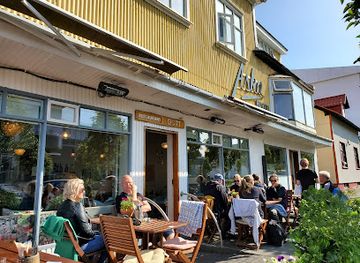
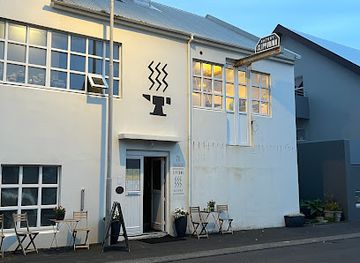
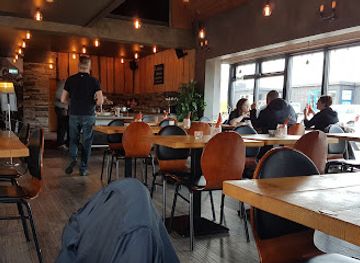
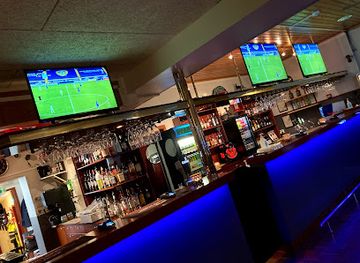
Lundinn (Original Puffin Bar)
Discover the lively spirit of Lundinn, the Original Puffin Bar in Vestmannaeyjabær - your gateway to Icelandic nightlife and local culture.
Best shops in Westman Islands
Westman Islands offers a unique shopping scene for visitors, with a variety of local shops and boutiques showcasing handmade Icelandic crafts, wool products, and souvenirs inspired by the island's volcanic landscape and rich history. Visitors can browse through traditional Icelandic sweaters, lava rock jewelry, and locally produced skincare products. The bustling harbor area is lined with charming shops selling everything from locally caught seafood to handmade chocolates, providing a delightful shopping experience that captures the essence of this remote island destination.
-
Bakery
Vigtin bakhús
Discover the authentic flavors of Iceland at Vigtin Bakhús, a charming bakery and coffee shop in Vestmannaeyjabær, perfect for sweet indulgences and local treats.
-
Supermarket
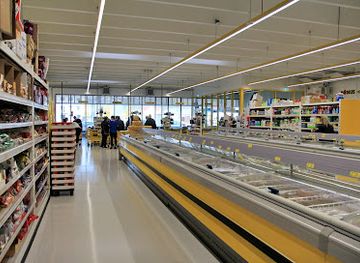
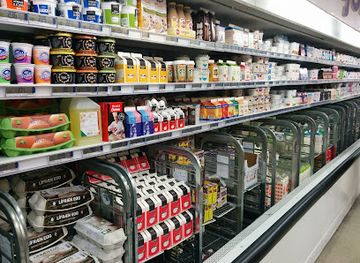
Bónus
Explore the local flavors at Bónus in Vestmannaeyjabær, your ultimate discount supermarket for groceries and Icelandic delicacies.
-
Discount supermarket
Krónan
Discover affordable shopping in Vestmannaeyjabær at Krónan, your go-to discount supermarket for local and international groceries.
-
State liquor store
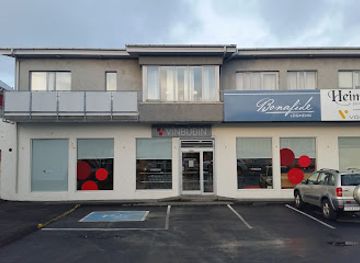
Vínbúðin Vestmannaeyjum
Explore Icelandic liquor culture at Vínbúðin Vestmannaeyjum, your source for local and international beverages in the heart of Vestmannaeyjar.
Get your free copy of our complete guide to Westman Islands, delivered straight to you.
Everything on this page, from attractions and restaurants to essentials and local phrases, in one PDF you can read offline, print or share.
Already have an account? Sign in
Your Westman Islands guide is ready.
We'll send it to · Not you? Sign out

Getting your guide ready…
We are putting together a fresh copy of the Westman Islands guide. This can take up to a minute.
This can take a few moments. If your browser asks, choose Allow so the download can start. You'll find the guide in your Downloads folder.
Nothing happened? Download it again
Sorry, the guide is taking longer than usual. Please try again in a minute, or get it by email instead.
Westman Islands essentials
Currency and Payment
Safety
Emergency Situations
Do's and Don'ts
Local Tips
From Eve
Local phrases worth knowing
You don't need to get them perfect. A few words go a long way, and locals appreciate the effort.
Basics
| English | Local | Say it |
|---|---|---|
| Hello | Halló | [HAH-loh] |
| Goodbye | Bless | [bless] |
| Yes | Já | [yow] |
| No | Nei | [nay] |
| Please/You're welcome | Gjörðu svo vel | [GYOH-thoo svaw vell] |
| Thank you | Takk fyrir | [tahk fur-ir] |
| Excuse me/Sorry | Fyrirgefðu | [FEER-ir-gyef-thoo] |
| How are you? | Hvernig hefur þú það? | [KVER-nik HEH-ur thoo thahth] |
| Fine. And you? | Í lagi. Og þú? | [EE lah-gee. ohg thoo] |
| Do you speak English? | Talar þú ensku? | [TAH-lar thoo ENS-koo] |
| I don't understand | Ég skil ekki | [yeh skil EK-ki] |
Eating & Drinking
| English | Local | Say it |
|---|---|---|
| I'd like to see the menu, please | Ég ætla að sjá matsedilinn, takk | [yeh EYT-lah ath shauh MAT-seh-dil-inn, tahk] |
| I don't eat meat | Ég borða ekki kjöt | [yeh BOR-tha EK-ki chyut] |
| Cheers! | Skál! | [skowl] |
| I would like to pay, please | Ég vildi greiða, takk | [yeh VIL-dee gray-tha, tahk] |
Emergencies
| English | Local | Say it |
|---|---|---|
| Help! | Hjálp! | [HYOWLP] |
| Go away! | Farðu út! | [FARTH-oo oot] |
| Call the Police! | Hringið í lögregluna! | [HRIN-gith ee LOG-re-gluna] |
| Call a doctor! | Hringið í lækni! | [HRIN-gith ee LAIK-ni] |
| I'm lost | Ég er týndur | [yeh air TEEN-thur] |
| I'm ill | Ég er veikur | [yeh air VAY-kur] |
Shopping
| English | Local | Say it |
|---|---|---|
| I'd like to buy... | Ég ætla að kaupa... | [yeh EYT-lah ath KOY-pa...] |
| I'm just looking | Ég er bara að skoða | [yeh air BAR-ah ath SKO-tha] |
| How much is it? | Hvað kostar það? | [kvath KOS-tar thahth] |
| That's too expensive | Það er of dýrt | [thath air ov DEER-t] |
| Can you lower the price? | Getur þú lækkað verðið? | [GEH-tur thoo LYE-kath VER-dith] |
Time & Numbers
| English | Local | Say it |
|---|---|---|
| What time is it? | Hvað er klukkan? | [kvath air KLUTH-kahn] |
| It's one o'clock | Klukkan er ein | [KLUTH-kahn air ayn] |
| Half past (10) | Hálf tíu | [HOWLF tee-oo] |
| Morning | Morgunn | [MOR-gun] |
| Afternoon | Eftirmiðdagur | [EF-tir-mith-thah-gur] |
| Evening | Kvöld | [kvulth] |
| Yesterday | Í gær | [ee gire] |
| Today | Í dag | [ee thahk] |
| Tomorrow | Á morgun | [ow MOR-gun] |
| 1 | Eitt | [ayt] |
| 2 | Tveir | [TVAYR] |
| 3 | Þrír | [THREER] |
| 4 | Fjórir | [FYOH-reer] |
| 5 | Fimm | [fimm] |
| 6 | Sex | [seks] |
| 7 | Sjö | [syoh] |
| 8 | Átta | [OWH-tah] |
| 9 | Níu | [NEE-oo] |
| 10 | Tíu | [tee-oo] |
Transport & Directions
| English | Local | Say it |
|---|---|---|
| Where's a/the...? | Hvar er... | [kvahr air] |
| What's the address? | Hvað er heimilisfangið? | [kvath air HAY-mil-is-fahn-gith] |
| Can you show me (on the map)? | Getur þú sýnt mér (á kortinu)? | [GEH-tur thoo seent mair (ow KOR-tinu)] |
| When's the next (bus)? | Hvenær kemur næsti (strætisvagn)? | [KVER-nair KEH-mur NAY-sti (stray-tis-vahn)] |
| A ticket (to ....) | Einn miða (til ...) | [aytn MEE-tha (til ...)] |
History of Westman Islands
The Settlement Era
The Westman Islands, or Vestmannaeyjar, were first settled in the year 874 AD by Norsemen. According to the Landnámabók (The Book of Settlements), the first settler was Herjólfur Bárðarson. The islands were named after Irish slaves, known as 'Westmen', who escaped to the islands but were eventually recaptured.
The Turkish Abductions of 1627
One of the most dramatic events in the history of the Westman Islands occurred in 1627 when pirates from the Barbary Coast, often referred to as 'Turkish pirates', raided the islands. They captured around 240 inhabitants and sold them into slavery. This event remains a significant part of the local lore and is commemorated annually.
The Great Eruption of 1973
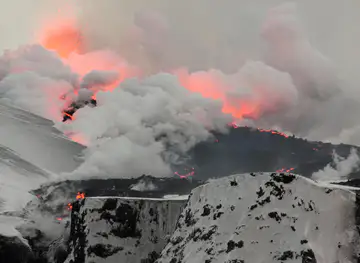
Eldfell, a volcanic cone, erupted without warning on January 23, 1973, forcing the evacuation of all 5,300 residents. Lava flows destroyed around 400 homes and reshaped the island of Heimaey. The eruption lasted for about six months, and the resilience shown by the inhabitants during this period is a testament to their strength and unity. The event is well-documented in the Eldheimar Museum.
The Fishing Industry
Fishing has been the lifeblood of the Westman Islands for centuries. The islands' location provides rich fishing grounds, particularly for cod and herring. The industry has shaped the culture and economy of the islands, making them one of Iceland's most important fishing centers. The annual festival 'Þjóðhátíð', which takes place in August, celebrates this heritage with music, dance, and fireworks.
Surtsey: The Birth of a New Island
In 1963, a volcanic eruption south of Heimaey led to the formation of a new island, Surtsey. This event provided a unique opportunity for scientists to study the process of ecological succession. The island is a UNESCO World Heritage site and access is restricted to protect its pristine environment for ongoing scientific research.
Cultural Heritage and Modern Life
Despite the challenges posed by their remote location and natural disasters, the people of the Westman Islands have maintained a rich cultural heritage. The islands are known for their vibrant community, traditional music, and strong maritime traditions. Modern amenities coexist with historical landmarks, creating a unique blend of old and new that attracts visitors year-round.
Westman Islands in Photos
Browse through our photo collection highlighting the charm and character of the destination.
Neighbouring destination travel guides
The closest destinations to Westman Islands, if you have time for more than one.
-

-
-

-

-


Swipe for more destinations
Explore more
Explore more of Southern Region
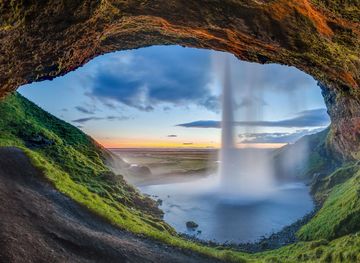
Explore the Southern Region of Iceland: From majestic waterfalls to black sand beaches, glaciers, and geothermal wonders, this is a land of dramatic contrasts and natural beauty.
Explore Southern Region
Explore more of Iceland
Discover Iceland, where glaciers meet volcanoes, Northern Lights dance in the skies, and natural wonders await at every turn.
Explore Iceland