

Free Westport Travel Guide & Mobile App
Plan your Westport trip with Evendo. Get free guides to top attractions, restaurants, hotels, and bars. Web access or download the mobile app.


Westport, Ireland combines Georgian streets, Mayo heritage, traditional music, Clew Bay scenery, Croagh Patrick views and Greenway cycling.
A Planned Town in Mayo
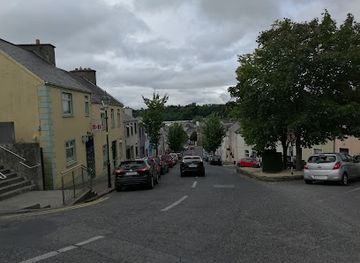
Westport is one of Ireland’s most elegant small towns, laid out in the late eighteenth century on the estate of the Browne family. Its centre is defined by a graceful Georgian plan: tree-lined streets, colourful façades, stone bridges and the tree-fringed Carrowbeg River, which flows through the town towards Clew Bay. The result is a place that feels carefully composed without losing the sociable character of a working town in County Mayo.Read more about Westport
Heritage, Music and the Atlantic Landscape
Exploring the Town and Its Surroundings
When is the best time to visit Westport?
Best: June–August · 17–19°C| Month | High (°C) | Rainfall (mm) |
|---|---|---|
| January | 9 | 110 |
| February | 9 | 90 |
| March | 10 | 101 |
| April | 12 | 81 |
| May | 14 | 70 |
| June (best) | 17 | 61 |
| July (best) | 19 | 51 |
| August (best) | 19 | 61 |
| September | 16 | 80 |
| October | 14 | 91 |
| November | 11 | 101 |
| December | 10 | 110 |
Getting to and around Westport
How to get there
Transportation
Best attractions in Westport
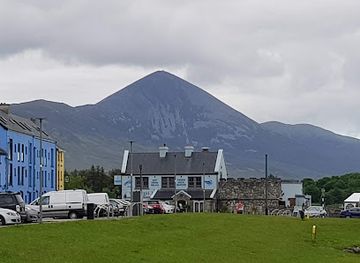
Westport’s principal attractions combine a carefully planned town centre with the broad landscapes of western Mayo. The Mall follows the Carrowbeg River through the Georgian core, where bridges, mature trees and painted façades create a rewarding architectural walk. Westport House, associated with the Browne family and the area’s O’Malley heritage, provides a deeper connection with the town’s estate history. The Great Western Greenway begins in Westport and follows a former railway alignment towards Newport and Achill, making cycling and walking central to the visitor experience. Croagh Patrick, rising across Clew Bay near Murrisk, is one of the region’s defining natural landmarks, while the bay itself opens towards islands, beaches and maritime scenery. The nearby National Famine Memorial and Murrisk Abbey add historical depth to excursions beyond town, though both lie outside Westport proper. Riverside paths, independent shops and traditional pubs complete the sightseeing experience.
-
Tourist attraction
Westport House
Experience the rich history and stunning landscapes of Westport House, an iconic attraction in Co. Mayo, Ireland, perfect for families and history enthusiasts alike.
10 min walk · 0.8 km from city centre
-
Tourist attraction
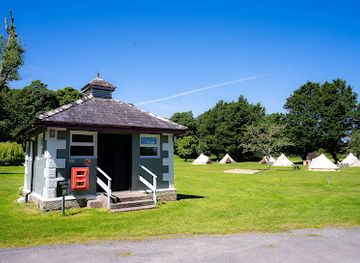
The Caravan & Camping Park at Westport Estate
Experience the thrill of adventure and the tranquility of nature at The Caravan & Camping Park at Westport Estate, a gem in County Mayo.
15 min walk · 1.2 km from city centre
-
Indoor playground
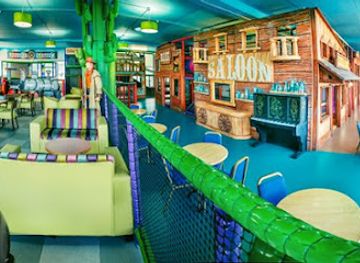
The Wild West
Experience endless fun and adventure at The Wild West indoor playground in Westport, Co. Mayo—perfect for families seeking a thrilling escape!
11 min walk · 0.9 km from city centre
-
Heritage museum
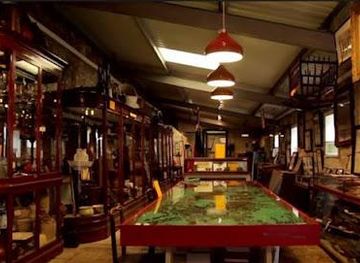
Clew Bay Heritage Centre CLG
Explore the captivating history and culture of County Mayo at the Clew Bay Heritage Centre, a treasure trove of local heritage and genealogy.
6 min drive · 2.0 km from city centre

Best landmarks in Westport
Westport’s most distinctive landmark setting is the Mall, a Georgian riverside avenue framed by mature trees, bridges and orderly terraces that reveal the town’s eighteenth-century planning. Westport House, outside the central streets, represents the Browne estate and is linked by tradition to an earlier O’Malley stronghold, making it an important architectural and historical reference point. The stone bridges over the Carrowbeg River give the town much of its visual character, while the Octagon forms a memorable focal point in the planned centre. Beyond Westport, Murrisk Abbey, a ruined fifteenth-century Augustinian foundation, and the National Famine Memorial connect the area with medieval religious history and the suffering of the Great Famine. Croagh Patrick, visible across the landscape, is both a natural landmark and a major site of Irish Christian pilgrimage.
-
Tourist attraction
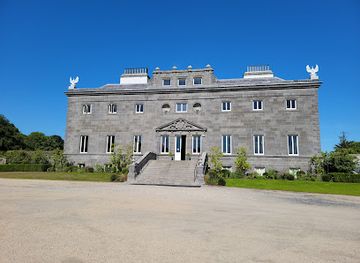
Westport House
Discover the beauty and history of Westport House, a stunning Georgian mansion set in the heart of County Mayo, Ireland.
10 min walk · 0.8 km from city centre
-
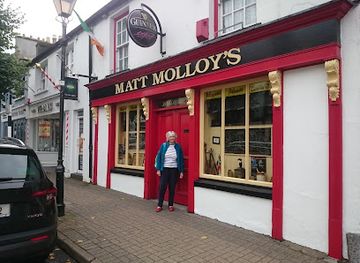
Pub
Matt Molloy's
Discover the heart of Irish culture at Matt Molloy's, Westport's iconic pub known for its lively music sessions and traditional cuisine.
2 min walk · 0.1 km from city centre
-
Restaurant
The Helm Westport
Experience the essence of Irish hospitality at The Helm in Westport, where local flavors meet stunning views in a warm and inviting atmosphere.
5 min drive · 1.5 km from city centre
-
Hotel
The Wyatt Hotel
Experience the heart of Westport at The Wyatt Hotel, where comfort meets local culture in a stunning Irish setting.
2 min walk · 0.1 km from city centre
Explore Westport on the map
Plan your Westport trip on one map. See where the top attractions, landmarks, restaurants, bars and hotels are, find what's near where you're staying, and book hotels and experiences in a few clicks.
Best hotels in Westport
Best restaurants in Westport
Westport’s dining scene reflects County Mayo’s Atlantic setting and strong rural traditions, with menus commonly shaped by local seafood, meat, vegetables, farmhouse produce and Irish baking. Restaurants and cafés cluster around the town centre, particularly near the Mall and the streets leading towards Bridge Street, where Georgian surroundings frame everything from casual lunches to more considered evening meals. Seafood is a natural choice in a town close to Clew Bay, while hearty soups, soda bread, lamb and seasonal produce express the food culture of the west. Pubs may offer substantial Irish cooking alongside drinks, and cafés provide coffee, pastries and lighter meals for walkers and cyclists. Local food shops and occasional markets are useful for picnic supplies before heading onto the Greenway or towards the coast, while contemporary kitchens increasingly combine traditional ingredients with modern presentation.
-
Restaurant
Westport House
Explore Westport House: A Historical Gem Offering Scenic Beauty, Family Fun Activities, and Delicious Dining Experiences.
10 min walk · 0.8 km from city centre
-
Gastropub
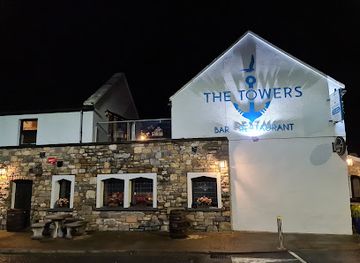
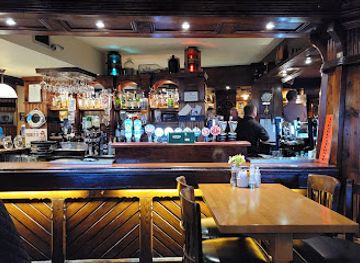
The Towers Bar & Restaurant Westport
Discover The Towers Bar & Restaurant in Westport - A gastropub offering local flavors, stunning views, and unforgettable dining experiences.
5 min drive · 1.7 km from city centre
-
Restaurant
The Helm Westport
Discover authentic Irish cuisine at The Helm in Westport—where great food meets breathtaking views along the scenic Quay.
5 min drive · 1.5 km from city centre
-
Hotel
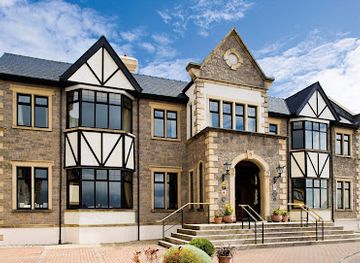
Knockranny House Hotel
Discover luxury and tranquility at Knockranny House Hotel in Westport - your gateway to County Mayo's stunning landscapes.
14 min walk · 1.2 km from city centre
Best bars in Westport
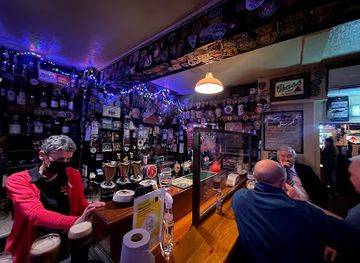
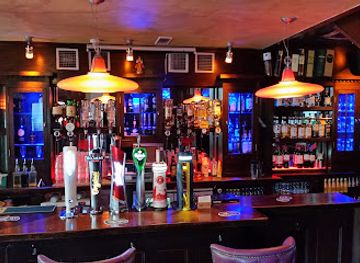
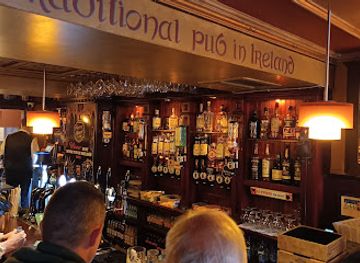
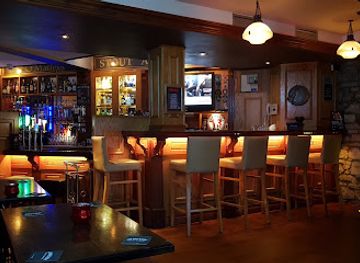
Westport’s evenings are sociable rather than dominated by large nightclubs, with traditional pubs, modern bars and restaurants providing the main settings for nightlife. The central streets around Bridge Street, the Octagon and the Mall fill with conversation after work and dinner, while live traditional music is an important part of the town’s cultural life. Sessions may be informal and should be approached with the same respect as any local gathering rather than treated as a staged show. Some venues also present contemporary music or other live entertainment, and the compact centre makes it easy to move between places on foot. In summer and at weekends the town can feel notably busier, whereas quieter evenings offer time to appreciate its Georgian streets and riverside atmosphere. Visitors should remember that licensing, age restrictions and closing practices follow Irish law and local venue policy.
-
Pub
Matt Molloy's
Discover the vibrant culture of Westport at Matt Molloy's, a beloved pub known for its traditional Irish music and warm hospitality.
2 min walk · 0.1 km from city centre
-
Cocktail bar
Cosy Joe's
Discover the vibrant atmosphere of Cosy Joe's, Westport's premier cocktail bar, where every drink tells a story and every visit is unforgettable.
2 min walk · 0.2 km from city centre
-
Irish pub
Porterhouse
Discover the heart of Irish hospitality at Porterhouse, where traditional flavors and vibrant culture come together in Westport.
2 min walk · 0.2 km from city centre
-
Bar
JJ O'Malleys
Discover the heart of Irish hospitality at JJ O'Malleys, a lively bar and restaurant in Westport, Co. Mayo, famous for its local cuisine and live music.
1 min walk · 0.1 km from city centre
Best nightclubs in Westport
Westport’s evenings are sociable rather than dominated by large nightclubs, with traditional pubs, modern bars and restaurants providing the main settings for nightlife. The central streets around Bridge Street, the Octagon and the Mall fill with conversation after work and dinner, while live traditional music is an important part of the town’s cultural life. Sessions may be informal and should be approached with the same respect as any local gathering rather than treated as a staged show. Some venues also present contemporary music or other live entertainment, and the compact centre makes it easy to move between places on foot. In summer and at weekends the town can feel notably busier, whereas quieter evenings offer time to appreciate its Georgian streets and riverside atmosphere. Visitors should remember that licensing, age restrictions and closing practices follow Irish law and local venue policy.
-
Disco club
Henehans Late Bar
Experience the vibrant nightlife at Henehans Late Bar, Westport's premier disco club for unforgettable nights filled with music, dancing, and fun.
1 min walk · 0.1 km from city centre
-
Night club
Castle Late Night Venue
Discover the heart of Westport's nightlife at Castle Late Night Venue, where music, dancing, and fun come together for an unforgettable experience.
5 min walk · 0.4 km from city centre


Best shops in Westport
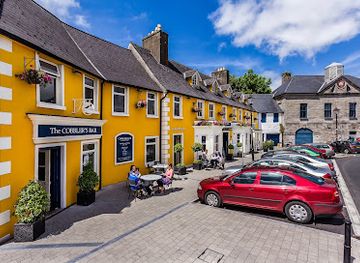
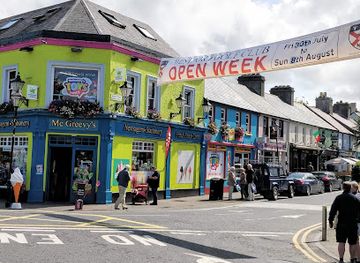
Shopping in Westport is concentrated in the compact centre, where painted Georgian-fronted premises accommodate independent clothing shops, bookshops, cafés, galleries, craft retailers and specialist food businesses. Bridge Street, Shop Street, the Octagon and the streets around the Mall are useful areas for browsing rather than a single enclosed retail district. Visitors will find Irish-made knitwear, handmade gifts, ceramics, jewellery, artwork and locally produced foods, with the strongest purchases reflecting Mayo’s craft traditions and Atlantic setting. Food shops are practical for assembling provisions for the Greenway or a coastal outing, while smaller galleries and studios offer a more personal alternative to standard souvenirs. Retail hours and stock vary, particularly outside the main season, so the town’s shopping is best understood as independent and locally scaled rather than centred on major international chains.
-
Toy store
McGreevys Toys Direct
Explore the enchanting McGreevys Toys Direct in Westport, Co. Mayo, where toys, ice cream, and imagination come together for an unforgettable experience.
4 min walk · 0.3 km from city centre
-
Department store
Carraig Donn Westport
Discover a unique shopping experience at Carraig Donn Westport, where local crafts and Irish culture come alive in a vibrant department store.
2 min walk · 0.2 km from city centre
-
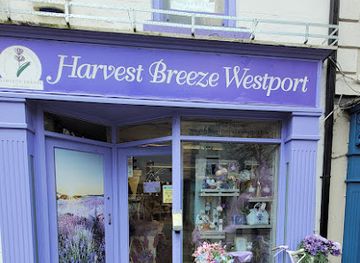
Gift shop
Harvest Breeze Westport
Discover a unique gift shop in Westport, offering exquisite cosmetics and aromatherapy products, all crafted with care and local charm.
1 min walk · 0.1 km from city centre
-
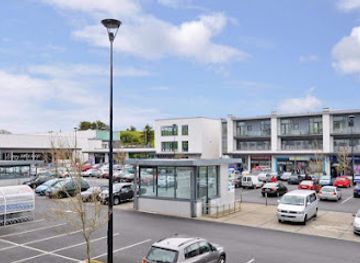
Shopping mall
Westpoint Shopping Centre
Discover shopping bliss at Westpoint Shopping Centre in Westport, Co. Mayo, where retail therapy meets local charm and dining delights.
11 min walk · 0.9 km from city centre
Get your free copy of our complete guide to Westport, delivered straight to you.
Everything on this page, from attractions and restaurants to essentials and local phrases, in one PDF you can read offline, print or share.
Already have an account? Sign in
Your Westport guide is ready.
We'll send it to · Not you? Sign out

Getting your guide ready…
We are putting together a fresh copy of the Westport guide. This can take up to a minute.
This can take a few moments. If your browser asks, choose Allow so the download can start. You'll find the guide in your Downloads folder.
Nothing happened? Download it again
Sorry, the guide is taking longer than usual. Please try again in a minute, or get it by email instead.
Westport essentials
Currency and Payment
Safety
Emergency Situations
Do's and Don'ts
Local Tips
From Eve
Local phrases worth knowing
You don't need to get them perfect. A few words go a long way, and locals appreciate the effort.
Basics
| English | Local | Say it |
|---|---|---|
| Hello | Dia dhuit | [dee-ah gwitch] |
| Goodbye | Slán | [slawn] |
| Yes | Tá | [taw] |
| No | Níl | [neel] |
| Please/You're welcome | Le do thoil | [leh duh hull] |
| Thank you | Go raibh maith agat | [guh rev mah agut] |
| Excuse me/Sorry | Maith thú | [mah hoo] |
| How are you? | Conas atá tú? | [kun-iss a-taw too] |
| Fine. And you? | Tá mé go maith. Agus tú? | [taw may guh mah. ah-gus too] |
| Do you speak English? | An labhraíonn tú Béarla? | [on low-reen too bayr-lah] |
| I don't understand | Ní thuigim | [nee hug-im] |
Eating & Drinking
| English | Local | Say it |
|---|---|---|
| I'd like to see the menu, please | Ba mhaith liom an billeog a fheiceáil, le do thoil | [ba wah lum on bil-ogue ah eck-aw-il, leh duh hull] |
| I don't eat meat | Ní ithim feoil | [nee ih-him foh-il] |
| Cheers! | Sláinte! | [slahn-cheh] |
| I would like to pay, please | Ba mhaith liom íoc, le do thoil | [ba wah lum ee-uck, leh duh hull] |
Emergencies
| English | Local | Say it |
|---|---|---|
| Help! | Cabhair! | [cah-ir] |
| Go away! | Imigh uaim! | [ih-mee ooh-im] |
| Call the Police! | Glan an Garda! | [glahn on gar-dah] |
| Call a doctor! | Glan dochtúir! | [glahn duckh-too-ir] |
| I'm lost | Táim caillte | [taw-im ky-alt-eh] |
| I'm ill | Tá tinneas orm | [taw chin-ess urm] |
Shopping
| English | Local | Say it |
|---|---|---|
| I'd like to buy... | Ba mhaith liom ceannach... | [ba wah lum can-ukh] |
| I'm just looking | Táim ag faire amach | [taw-im egg fah-reh ah-mockh] |
| How much is it? | Cé mhéad atá air? | [kay vayd ah-taw er] |
| That's too expensive | Tá sé sin ró-dhaor | [taw shay shin row-gwair] |
| Can you lower the price? | An féidir leat an praghas a laghdú? | [on fay-dur lat on prug-huss ah lay-goo] |
Time & Numbers
| English | Local | Say it |
|---|---|---|
| What time is it? | Cén t-am é? | [kayn t-ahm ay] |
| It's one o'clock | Tá sé a haon | [taw shay ah hayn] |
| Half past (10) | Leathuair tar éis a deich | [lah-hoo-ir tar es ah deh] |
| Morning | Maidin | [mah-jin] |
| Afternoon | Tráthnóna | [traw-noh-nah] |
| Evening | Tráthnóna | [traw-noh-nah] |
| Yesterday | Inné | [in-ay] |
| Today | Inniu | [in-yoo] |
| Tomorrow | Amárach | [ah-maw-ruckh] |
| 1 | Aon | [ayn] |
| 2 | Dó | [doh] |
| 3 | Trí | [tree] |
| 4 | Ceathair | [cah-her] |
| 5 | Cúig | [coo-ig] |
| 6 | Sé | [shay] |
| 7 | Seacht | [shakht] |
| 8 | Nóí | [noh-ee] |
| 9 | Naoi | [nee] |
| 10 | Deich | [deh] |
Transport & Directions
| English | Local | Say it |
|---|---|---|
| Where's a/the...? | Cá bhfuil...? | [kaw will] |
| What's the address? | Cad é an seoladh? | [cod ay on show-lah] |
| Can you show me (on the map)? | An féidir leat é a thaispeáint (ar an léarscáil)? | [on fay-dur lat ay ah hass-paynt (ar on lay-ers-kawl)] |
| When's the next (bus)? | Cathain atá an chéad (bus) eile? | [cah-hain ah-taw on khay-ad (bus) el-eh] |
| A ticket (to ....) | Ticéad (go dtí ....) | [tick-ayd (guh dee)] |
History of Westport
Gaelic Mayo and Grace O’Malley
Before the planned town emerged, the surrounding region was shaped by Gaelic lordships, maritime trade and the O’Malley family, whose influence extended across Clew Bay. Grace O’Malley, or Granuaile, became the best-known member of that family during the sixteenth century. She was a seafarer, landholder and political leader who negotiated with both Gaelic powers and the English authorities. The site now associated with Westport House is traditionally connected with an O’Malley fortification, although the modern town itself belongs to a later period. This earlier history remains central to Westport’s identity because the town’s position reflects the enduring relationship between inland Mayo, its islands and the Atlantic coast.
The Browne Estate Town
Westport was created as a planned estate town in the late eighteenth century by the Browne family, who developed the settlement near their residence, Westport House. The architect James Wyatt is associated with the town’s formal layout, including the Mall, the central bridge crossings and the orderly arrangement of streets along the Carrowbeg River. Rather than growing piecemeal around a medieval core, Westport was designed as a coherent Georgian settlement serving the estate and the surrounding agricultural district. Its architecture combined practical commercial premises with an ordered civic appearance, and much of that plan remains legible in the town centre today.
Canals, Markets and Coastal Trade
During the nineteenth century, Westport developed as a market and port town serving a broad rural hinterland. The Carrowbeg River and nearby waterways supported movement of goods, while Clew Bay connected the district to coastal traffic and island communities. Agriculture, fishing and local trade shaped daily life, with the town’s streets accommodating shops, workshops, inns and public institutions. Westport House remained an important estate, but the settlement also became a centre of administration and commerce for western Mayo. The planned streets and river crossings visible today reflect this period of economic growth, when the town’s Georgian design acquired a busy practical purpose.
Famine, Emigration and Railway Change
The Great Famine of 1845–52 brought severe hardship to Westport and the surrounding countryside. Eviction, disease, hunger and emigration altered families and communities throughout Mayo, while local workhouse and relief systems struggled under immense pressure. In the later nineteenth century, improved communications began to reshape the town. The railway reached Westport in 1894, linking it with the national network and making the market town more accessible to passengers and goods. Rail access supported commerce and later tourism, while also connecting local residents with employment, migration and education beyond County Mayo.
Westport in Modern Mayo
Twentieth-century Westport evolved from a market and railway town into a centre for services, heritage and tourism. Its Georgian streets survived substantial change, while the surrounding landscape became increasingly important to visitors interested in walking, cycling, sailing and coastal exploration. The Great Western Greenway, developed along the former railway alignment between Westport and Achill, gave new life to a historic transport corridor. Westport House and the legacy of Grace O’Malley continue to anchor the town’s historical narrative, while traditional music, independent businesses and connections with the wider Mayo Gaeltacht and coastal communities contribute to its contemporary cultural character.
Travel experiences inspired by this city
-
 9 Day Trip
Family Summer Adventure in Connemara National Park, Ireland
Family-friendly summer adventure in Connemara National Park, Ireland: Diamond Hill hikes, Atlantic beaches, Galway day trips, and sustainable travel tips.
9 Day Trip
Family Summer Adventure in Connemara National Park, Ireland
Family-friendly summer adventure in Connemara National Park, Ireland: Diamond Hill hikes, Atlantic beaches, Galway day trips, and sustainable travel tips.
 20 Jul 2026
By Aya Kouassi -
Upcoming trip10 Day Trip Solo Exploration of Achill Island: A Cultural and Scenic Journey Discover the stunning landscapes and rich cultural history of Achill Island on a solo adventure, exploring the hidden gems of this Irish treasure.
 5 Jul 2025
By Domingos Lopes -
 7 Day Trip
Revisiting Roots: A Family Adventure in Westport
Experience Westport's charm through family adventures and cultural exploration, staying at The Wyatt Hotel for a delightful Irish holiday.
7 Day Trip
Revisiting Roots: A Family Adventure in Westport
Experience Westport's charm through family adventures and cultural exploration, staying at The Wyatt Hotel for a delightful Irish holiday.
 15 Jun 2025
By Aoife Walsh -
 7 Day Trip
Family Adventure in Connemara: A Week in Ireland's Natural Beauty
Explore the breathtaking landscapes of Connemara National Park with family, indulging in nature and nostalgia through a memorable camping experience.
7 Day Trip
Family Adventure in Connemara: A Week in Ireland's Natural Beauty
Explore the breathtaking landscapes of Connemara National Park with family, indulging in nature and nostalgia through a memorable camping experience.
 15 May 2025
By Róisín Boyle -
 7 Day Trip
A Family Journey to Connemara: Embracing Nature and Nostalgia
Explore the stunning landscapes of Connemara National Park with your family, embracing nature and nostalgia in a memorable Irish adventure.
5 Jan 2025
7 Day Trip
A Family Journey to Connemara: Embracing Nature and Nostalgia
Explore the stunning landscapes of Connemara National Park with your family, embracing nature and nostalgia in a memorable Irish adventure.
5 Jan 2025
By Róisín Boyle
Swipe for more travel diaries
Westport in Photos
Browse through our photo collection highlighting the charm and character of the destination.
Cities near Westport
The closest cities to Westport, if you have time for more than one stop.
-

-

-

-

-


Swipe for more cities
Explore more
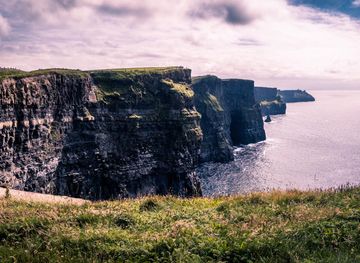
Explore more of Ireland
Discover Ireland: A land of enchanting landscapes, rich history, and vibrant culture, where every corner tells a story and every visit feels like coming home.
Explore Ireland