Itsukushima Jinja, Hiroshima Countryside Travel Guide
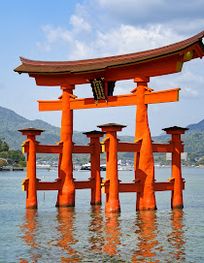
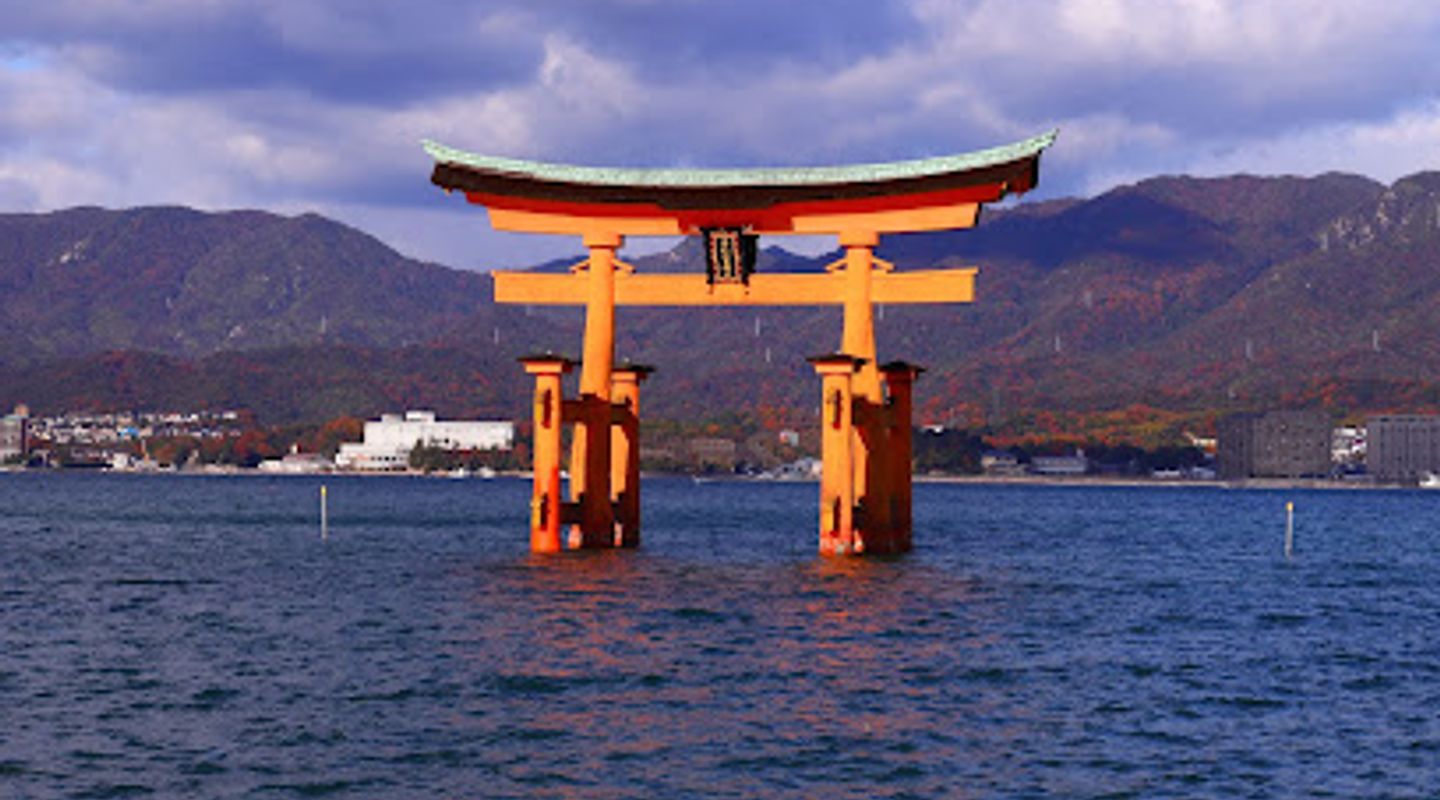
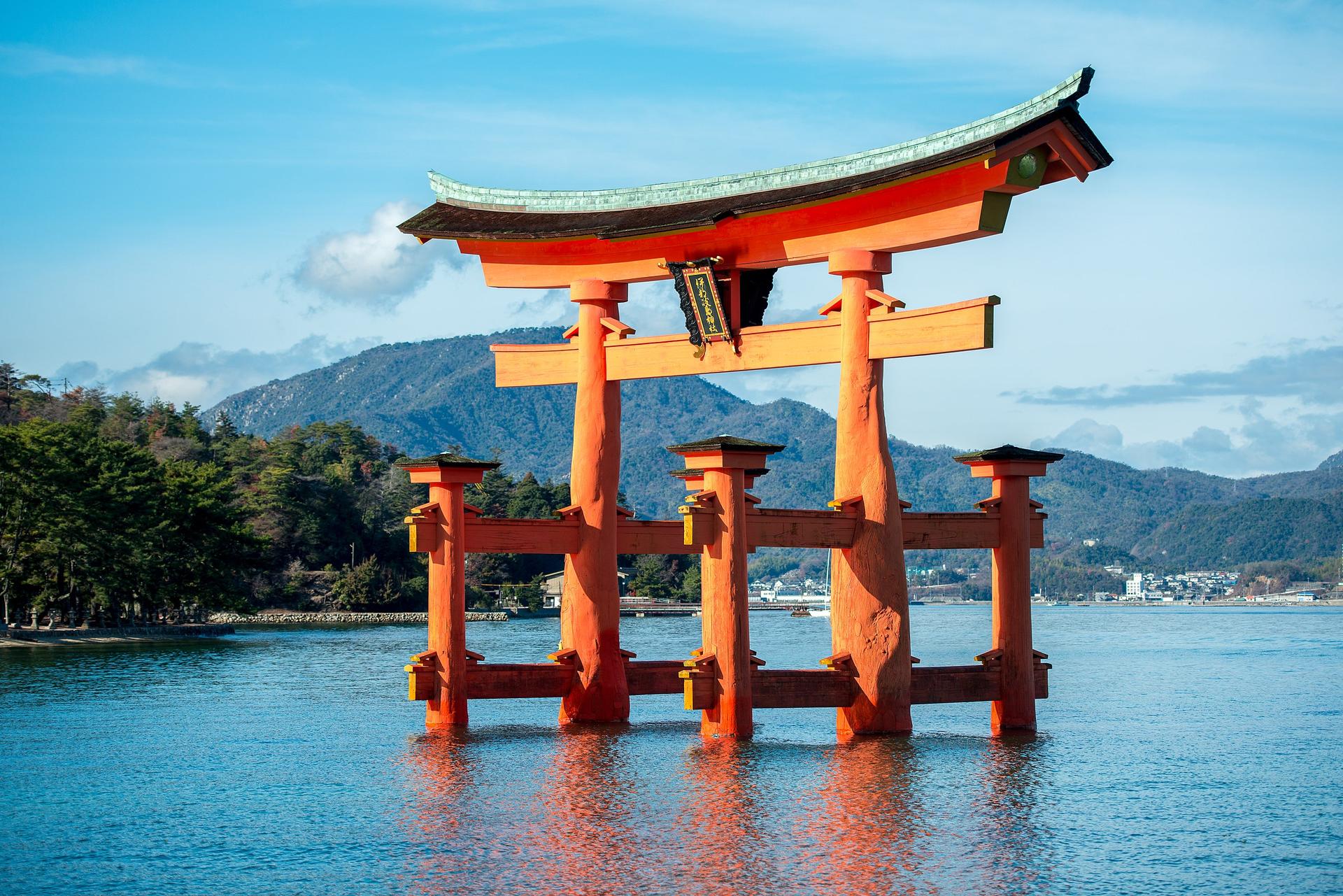
Discover the iconic 'floating' torii gate and serene beauty of Itsukushima Shrine, a UNESCO World Heritage site on Miyajima Island, Japan.
Itsukushima Shrine, a UNESCO World Heritage site on Miyajima Island, is famed for its iconic 'floating' torii gate and unique architecture built over water. This Shinto shrine, with a history spanning over 1400 years, offers a mesmerizing blend of natural beauty and cultural significance.
A brief summary to Itsukushima Jinja
- 1-1 Miyajimacho, Hatsukaichi, Miyajimacho, Hiroshima, 739-0588, JP
- Click to display
- Click to display
- Monday 6:30 am-6 pm
- Tuesday 6:30 am-6 pm
- Wednesday 6:30 am-6 pm
- Thursday 6:30 am-6 pm
- Friday 6:30 am-6 pm
- Saturday 6:30 am-6 pm
- Sunday 6:30 am-6 pm

Know before you go
Hi, I'm Eve. Here are a few practical things to know before exploring Itsukushima Jinja.
- Check the tide schedule before visiting to see the iconic torii gate 'floating' at high tide or walk up to it during low tide.
- Arrive early in the morning to avoid crowds and experience the shrine's peaceful atmosphere.
- Wear comfortable shoes for walking on the island's slopes and stone paths.
- Consider visiting during sunrise or sunset for magical lighting and stunning photo opportunities.
- Take a boat tour to see the shrine and torii gate from a different perspective.
Do you manage this location?
Take control to get all the benefits, like improved information, better appearance, and stronger visibility across AI-powered discovery. Learn more about listing your business on Evendo
Activate your presenceOther nearby places you may find interesting
The closest places of the same kind, if this one is not quite what you had in mind.
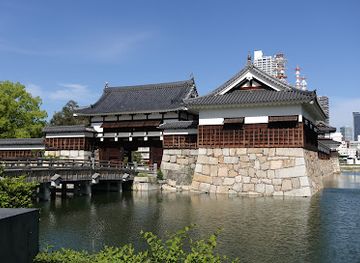
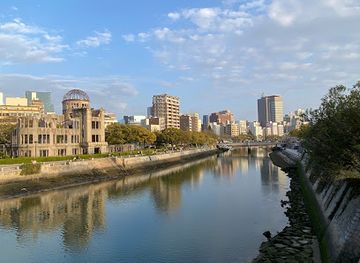

Explore Itsukushima Jinja on the Map
A handpicked selection of must-see spots near Itsukushima Jinja, mapped for you.
Unlock the Best of Itsukushima Jinja
Buy tickets
-
No tickets available
Book tours with entry


Getting There
-
Public Transport
From Hiroshima Station, take the JR Sanyo Line to Miyajimaguchi Station (25 minutes, ¥420). Alternatively, take tram line number 2 from central Hiroshima to Miyajimaguchi (70 minutes, ¥270). From Miyajimaguchi, take a ferry to Miyajima Island (10 minutes, ¥200 one way). Note that a ¥100 visitor tax will be collected at the ferry terminal. JR ferries are covered by the Japan Rail Pass.
-
Walking
From Miyajima Pier, Itsukushima Shrine is a 15-minute walk. Follow the main path along the waterfront, passing shops and restaurants. The shrine entrance is clearly marked.
Discover more about Itsukushima Jinja













Your all‑in‑one travel companion app
Explore expert travel guides, compare and book tours, experiences, hotels, and more—all from the palm of your hand. Download now for seamless trip planning wherever your wanderlust takes you.


Explore More of Hiroshima Countryside
Looking beyond Itsukushima Jinja? Discover Hiroshima Countryside for broader travel guides, local hot-spots, and regional highlights.
Explore Hiroshima Countryside