

Seneca Creek State Park, Maryland Travel Guide
Explore the lush landscapes and tranquil waters of Seneca Creek State Park in Maryland, a perfect destination for hiking, fishing, and family picnics amid nature's beauty.
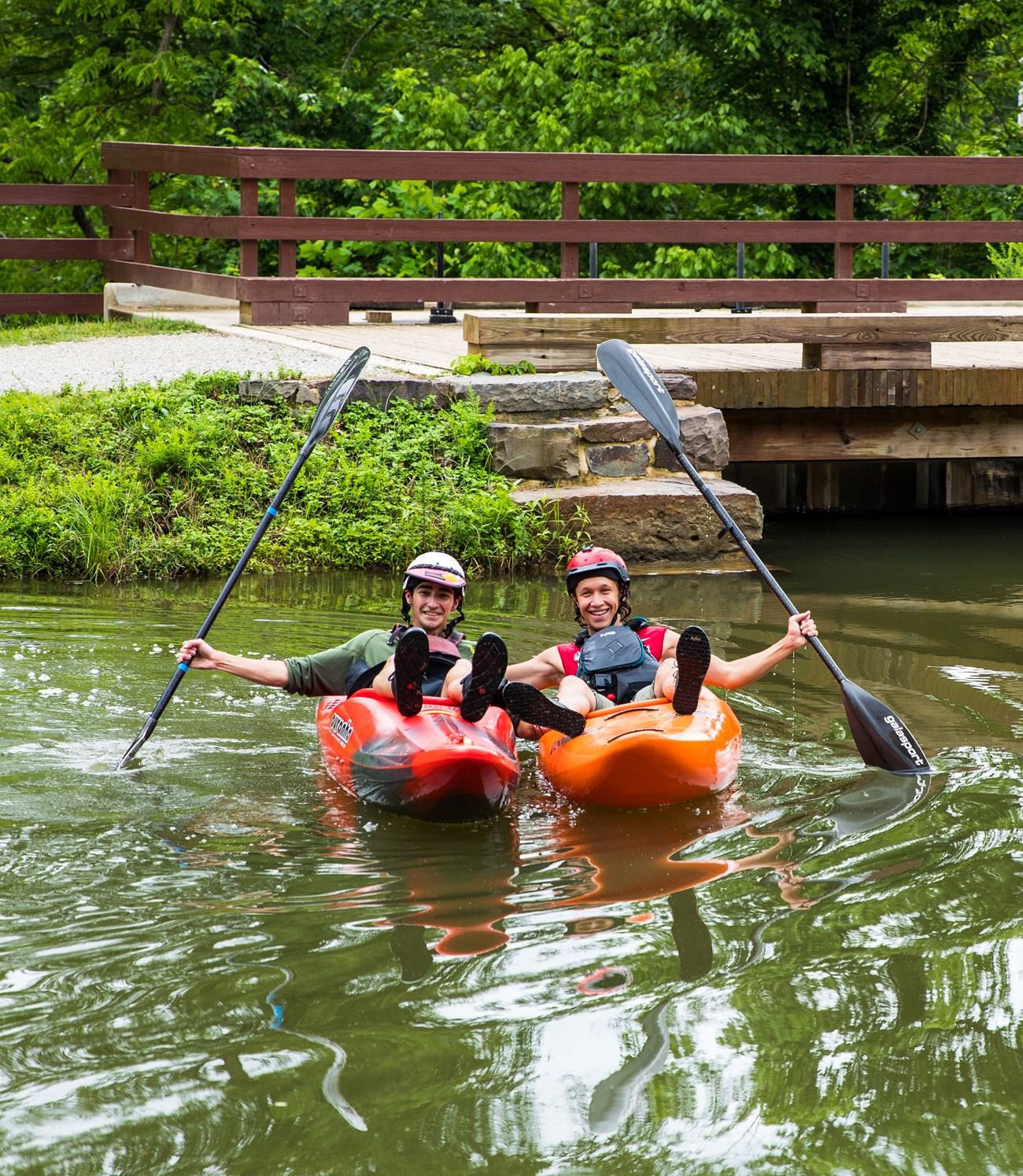
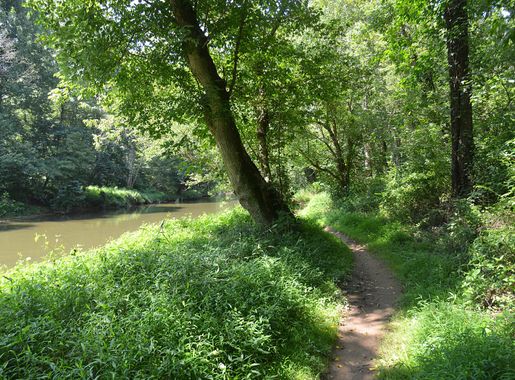
Nestled in the heart of Montgomery County, Maryland, Seneca Creek State Park is a sprawling 6,300-acre park that offers a perfect escape into nature. With its lush forests, serene lakes, and diverse wildlife, this park is a dream destination for outdoor enthusiasts. The park stretches along 14 miles of Seneca Creek, providing ample opportunities for hiking, fishing, and boating. One of the park's most popular attractions is Clopper Lake, a 90-acre man-made lake that is perfect for a peaceful day of fishing or kayaking. The surrounding picnic areas and playgrounds make it an ideal spot for families to relax and enjoy the beauty of the outdoors. For those who love hiking, the park boasts over 50 miles of trails, ranging from easy paths to more challenging routes, ensuring there is something for everyone. In the fall, Seneca Creek State Park transforms into a vibrant tapestry of autumn colors, making it a favorite spot for photographers and nature lovers alike. The park also hosts various events throughout the year, including guided nature tours and educational programs, offering visitors a chance to learn more about the local ecosystem and history. Whether you're looking for a quiet retreat or an active adventure, Seneca Creek State Park is a must-visit destination in Maryland.

Know before you go
Hi, I'm Eve. Here are a few practical things to know before exploring Seneca Creek State Park.
- Visit in the fall to experience the stunning autumn foliage.
- Rent a kayak or canoe for a peaceful paddle on Clopper Lake.
- Check the park's event calendar for guided tours and educational programs.
- Bring a picnic to enjoy at one of the many scenic picnic areas.
- Wear sturdy hiking shoes if planning to explore the more challenging trails.
Explore Seneca Creek State Park: Things to Do, Places to Eat, Hotels & More
Handpicked recommendations for top attractions, local dining, accommodations, and more

Best attractions in Seneca Creek State Park
Top-rated picks
Best Attractions

Nationals Park
Discover the excitement of Major League Baseball at Nationals Park, Washington DC's premier stadium, featuring thrilling games and vibrant entertainment.

Harpers Ferry National Historical Park
Explore the historical wonders and breathtaking landscapes of Harpers Ferry National Historical Park, a must-visit destination for every tourist.

L'Enfant Plaza
Explore the culinary delights and shopping treasures at L'Enfant Plaza, the heart of Washington, DC's vibrant lifestyle.

Arlington National Cemetery Welcome Center
Discover the rich history and solemn beauty of Arlington National Cemetery at the Welcome Center—where heroes are honored and stories are told.

Best landmarks in Seneca Creek State Park
Top-rated picks
Best Landmarks

Seneca Ridge Trail at Riffle Ford Road
Discover the natural beauty of Seneca Ridge Trail in Darnestown, Maryland, a perfect hiking destination for nature enthusiasts and families alike.

Great Seneca Stream Valley Park
Experience tranquility at Great Seneca Stream Valley Park, a nature-filled retreat in Montgomery Village, MD, perfect for outdoor enthusiasts and families alike.

Great Seneca Park 355
Experience the serenity and natural beauty of Great Seneca Park in Germantown, Maryland, with scenic trails and picturesque landscapes.

Seneca Creek State Park Offices
Discover the natural beauty and outdoor adventures at Seneca Creek State Park in Gaithersburg, Maryland, a perfect retreat for nature enthusiasts.

Best restaurants in Seneca Creek State Park
Top-rated picks
Best Restaurants

Firebirds Wood Fired Grill
Experience the best wood-fired steaks and seafood at Firebirds Wood Fired Grill in Gaithersburg, MD – where flavor meets hospitality.

Seneca Creek State Park
Explore Seneca Creek State Park: A Nature Lover's Paradise in Gaithersburg with Scenic Trails and Abundant Wildlife.

Bonefish Grill
Experience fresh seafood and American classics at Bonefish Grill in Gaithersburg – where every meal is crafted with passion.

Great Seneca Stream Valley Park
Discover Great Seneca Stream Valley Park: A Serene Retreat in Germantown's Natural Splendor

Best bars in Seneca Creek State Park
Top-rated picks
Best Bars

Seneca Creek State Park
Discover nature's tranquility at Seneca Creek State Park, a breathtaking destination in Maryland for outdoor enthusiasts and families.

Sunset Cove
Discover Sunset Cove in Bowleys Quarters, where American cuisine meets stunning waterfront views for a perfect dining experience.

The Greene Turtle Sports Bar & Grille
Experience the perfect blend of sports and dining at The Greene Turtle Sports Bar & Grille in Deep Creek, offering a vibrant atmosphere and delicious menu.

Seneca Creek State Park Boat Center
Discover the beauty of nature at Seneca Creek State Park Boat Center, where adventure awaits on tranquil waters amidst lush landscapes.


Best shops in Seneca Creek State Park
Top-rated picks
Best Shops

Seneca Creek State Park
Experience the serene beauty and diverse activities at Seneca Creek State Park, a perfect getaway for nature lovers and outdoor adventurers.

Great Seneca Stream Valley Park
Discover the beauty of Great Seneca Stream Valley Park, a tranquil oasis in Germantown, Maryland, perfect for hiking, picnicking, and wildlife watching.

Great Seneca Park 355
Explore Great Seneca Park: A Natural Haven for Hiking, Picnicking, and Wildlife Watching in Germantown, Maryland.

Seneca Creek State Park Offices
Discover the breathtaking landscapes and diverse activities at Seneca Creek State Park, a natural retreat near Gaithersburg, Maryland.

Explore Seneca Creek State Park on the Map
A handpicked selection of must-see spots in Seneca Creek State Park, mapped for you.
Seneca Creek State Park Essentials
-
Seneca Creek State Park is located in Gaithersburg, Maryland, approximately 25 miles northwest of Washington, D.C. The nearest major airport is Washington Dulles International Airport (IAD), about 30 miles away. From the airport, you can rent a car or take a taxi to reach the park. Public transportation is also an option; you can take the Metro to Shady Grove Station and then use a local bus or rideshare service to get to the park.
-
Within Seneca Creek State Park, the best way to get around is by car or on foot. The park features over 50 miles of trails for hiking and biking. If you prefer not to drive, local taxis, rideshare services, and bike rentals are available. Public buses also provide access to certain areas around the park, but services may be limited, so it's advisable to check schedules in advance.
-
The official currency in the United States is the US Dollar (USD). Credit cards are widely accepted, but it's a good idea to carry some cash for smaller purchases and in areas where card payments may not be accepted. ATMs are available in Gaithersburg and other nearby towns for cash withdrawals.
-
Seneca Creek State Park is generally a safe destination for tourists. However, standard precautions should be taken, such as not leaving valuables in your car and staying vigilant in less crowded areas. There are no specific high-crime areas targeting tourists within the park, but it is always best to be aware of your surroundings.
-
In case of emergency, dial 911 for immediate assistance. The nearest hospitals are Adventist HealthCare Shady Grove Medical Center in Rockville and Holy Cross Germantown Hospital. First aid stations and park rangers are also available within the park to assist with minor injuries or issues.
-
Fashion: Do wear comfortable and weather-appropriate clothing, especially for hiking and outdoor activities. Avoid wearing overly revealing clothing. Religion: Respect is essential; avoid loud behavior in serene or secluded areas. Public Transport: Be courteous and follow local transit rules. Greetings: A simple 'hello' or a handshake is appropriate when meeting locals. Eating & Drinking: Do try local food from nearby eateries. Carry out all trash to keep the park clean.
-
To experience Seneca Creek State Park like a local, visit during weekdays when the park is less crowded. Engage with park rangers and staff; they are knowledgeable and can provide valuable insights into the park's history and natural features. Don't miss the chance to paddle on Clopper Lake or hike the scenic trails like the Seneca Greenway Trail for a more immersive experience.
When is the best time to visit Seneca Creek State Park?
Useful Local Phrases for Seneca Creek State Park
You don't need to speak the language perfectly. Even learning a few simple words can make conversations warmer—and locals usually appreciate the effort.
— Eve

Here are the phrases I use most often in Seneca Creek State Park. Try a few—you'll be surprised how far they go! 😊
❤️
-
- HelloYá'át'ééh
[yah-ah-tay] - GoodbyeAdios
[ah-dee-ohs] - YesHaa
[hah] - NoDahí
[da-hee] - Please/You're welcomeAhe'hee
[ah-hay-hee] - Thank youAhéhee'
[ah-hay-hay] - Excuse me/SorryT'áá hwó'ají
[taa-ah hwo-ah-hee] - How are you?Aheehee' nínííhaa?
[ah-hay-hay nee-nee-hah] - Fine. And you?Dóó adóó?
[doh oh-doh] - Do you speak English?Diné bizaad yee anííníshni?
[dee-nay bee-zaad yee ah-nee-nee-shnee] - I don't understandT'áá hwó'ají
[taa-ah hwo-ah-hee]
- HelloYá'át'ééh
-
- I'd like to see the menu, pleaseMenu yee níłts'íí?
[meh-noo yee neel-tsee] - I don't eat meatNaasht'ézhí Dibé yee ałk'idaago
[naasht-ay-zhee dee-bay yee al-kee-dah-go] - Cheers!Yá'át'ééh
[yah-ah-tay] - I would like to pay, pleaseKéyah níłts'íí
[kay-yah neel-tsee]
- I'd like to see the menu, pleaseMenu yee níłts'íí?
-
- Help!T'áá hwó'ají
[taa-ah hwo-ah-hee] - Go away!Dóó naat'áanii
[doh nah-taa-nee] - Call the Police!Biihóóhai
[bee-hoh-hai] - Call a doctor!Biihóóhai baa hózhóó
[bee-hoh-hai bah hoh-zhoh] - I'm lostÁkoh bééshdzin
[ah-koh bay-sh-dzeen] - I'm illÁkoh nááhad
[ah-koh nah-had]
- Help!T'áá hwó'ají
-
- I'd like to buy...Bidziil t'áadoo
[beed-zee ntaa-doo] - I'm just lookingKanííshdá
[ka-nee-shdah] - How much is it?T'áá hwó'ají
[taa-ah hwo-ah-hee] - That's too expensiveÁkoh daadééł
[ah-koh dah-day] - Can you lower the price?Béésh bá naazná
[bay-sh bah nahz-nah]
- I'd like to buy...Bidziil t'áadoo
-
- What time is it?Nahxééhí dóó níłch'i
[nah-hay-hee doh neel-chee] - It's one o'clockNizhóní
[nee-zhoh-nee] - Half past (10)Níłch'i
[neel-chee] - MorningNízhóní
[neezh-hoh-nee] - AfternoonDóó Nízhóní
[doh neezh-hoh-nee] - EveningHólóní
[hoh-loh-nee] - YesterdayÉétsoh
[ay-ay-tsoh] - TodayYázhí
[yah-zhee] - TomorrowYisdá
[yis-dah] - 1Táá'
[taah] - 2Naaki
[nah-kee] - 3Táá'í
[taah-ee] - 4Dįį'
[dee-ee] - 5Ashdla'
[ash-dlah] - 6Hastąą'
[hah-stah-ah] - 7Tseebíí
[tsee-bee] - 8Dįį'
[dee-ee] - 9Ndaa'
[nah-dah] - 10Naaki
[nah-kee]
- What time is it?Nahxééhí dóó níłch'i
-
- Where's a/the...?Hózhǫ' naałnii
[hoh-zhoh nah-lnee] - What's the address?Bilasáana yee at'é
[bee-lah-sah-nah yee ah-tay] - Can you show me (on the map)?Béésh nílts'íí
[bay-sh neel-tsee] - When's the next (bus)?Nahxééhí dóó naalkidí?
[nah-hay-hee doh nah-al-kee-dee] - A ticket (to ....)Kéyah naasht'ézhí
[kay-yah naasht-ay-zhee]
- Where's a/the...?Hózhǫ' naałnii
History of Seneca Creek State Park
-
Before European settlers arrived, the area now known as Seneca Creek State Park was home to Native American tribes, including the Piscataway and the Seneca. These tribes utilized the rich natural resources of the creek and surrounding forests for hunting, fishing, and agriculture. Ancient trails and artifacts discovered in the park provide a glimpse into the lives of these early inhabitants.
-
In the 18th century, European settlers began to establish farms along Seneca Creek. The fertile land and abundant water supply made it an ideal location for agriculture. Some of the earliest structures, such as mills and farmhouses, were built during this period, remnants of which can still be found within the park.
-
One of the most significant historical sites within Seneca Creek State Park is the Seneca Quarry. Operating from the early 19th century until the early 20th century, the quarry produced the distinctive red sandstone used in constructing notable buildings in Washington, D.C., including the Smithsonian Castle. Visitors can explore the remains of the quarry and the nearby Seneca Stone Cutting Mill.
-
During the Civil War, Seneca Creek and its surrounding area played a strategic role. The Chesapeake and Ohio Canal, which runs near the park, was a key transportation route. Union and Confederate forces clashed in the region, and remnants of encampments and fortifications can still be found. The park offers a fascinating glimpse into this turbulent period of American history.
-
Seneca Creek State Park was officially established in 1958, aimed at preserving the natural beauty and historical significance of the area. Over the decades, the park has expanded to include nearly 6,300 acres of diverse landscapes, from dense forests to serene creeks. It serves as a recreational haven while protecting the rich history embedded in its grounds.
Cities in Seneca Creek State Park
Browse our curated selection of top destinations, scenic points, and must-visit spots in the area.
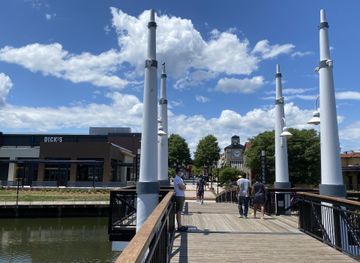
Neighbouring destination travel guides
Browse our curated selection of top destinations, scenic points, and must-visit spots in the area.


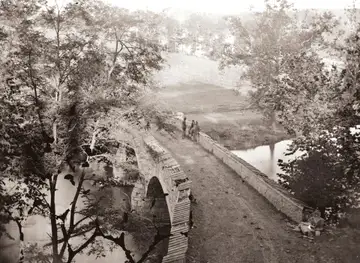

Your all‑in‑one travel companion app
Explore expert travel guides, compare and book tours, experiences, hotels, and more—all from the palm of your hand. Download now for seamless trip planning wherever your wanderlust takes you.


Explore More of Capital Region
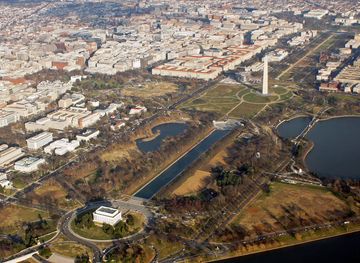
Looking beyond Seneca Creek State Park? Discover Capital Region for broader travel guides, local hot-spots, and regional highlights.
Explore Capital RegionExplore More of Maryland

Looking beyond Seneca Creek State Park? Discover Maryland for broader travel guides, local hot-spots, and regional highlights.
Explore MarylandSeneca Creek State Park in Photos
Browse through our photo collection highlighting the charm and character of the destination.
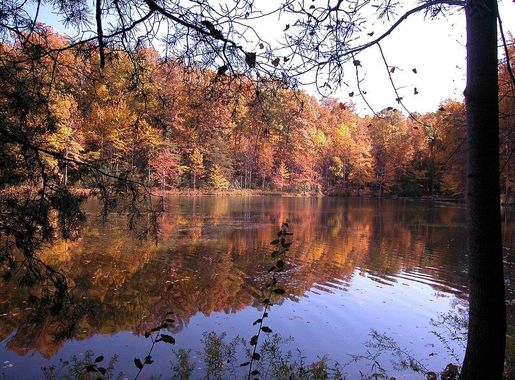




Seneca Creek State Park: A Nature Lover's Haven in Maryland
Nestled in the heart of Montgomery County, Maryland, Seneca Creek State Park is a sprawling 6,300-acre park that offers a perfect escape into nature. With its lush forests, serene lakes, and diverse wildlife, this park is a dream destination for outdoor enthusiasts. The park stretches along 14 miles of Seneca Creek, providing ample opportunities for hiking, fishing, and boating. One of the park's most popular attractions is Clopper Lake, a 90-acre man-made lake that is perfect for a peaceful day of fishing or kayaking. The surrounding picnic areas and playgrounds make it an ideal spot for families to relax and enjoy the beauty of the outdoors. For those who love hiking, the park boasts over 50 miles of trails, ranging from easy paths to more challenging routes, ensuring there is something for everyone. In the fall, Seneca Creek State Park transforms into a vibrant tapestry of autumn colors, making it a favorite spot for photographers and nature lovers alike. The park also hosts various events throughout the year, including guided nature tours and educational programs, offering visitors a chance to learn more about the local ecosystem and history. Whether you're looking for a quiet retreat or an active adventure, Seneca Creek State Park is a must-visit destination in Maryland.