

Harbor Springs Travel Guide - Free Web & App
Your ultimate guide to Harbor Springs. Discover top landmarks, proposed trips, and local tips. Free on the web or via the Evendo companion app.


Harbor Springs, Michigan pairs Lake Michigan beaches, Odawa heritage, a lively harbour, scenic M-119 drives and four-season outdoor adventures.
Water, Woods and Bay
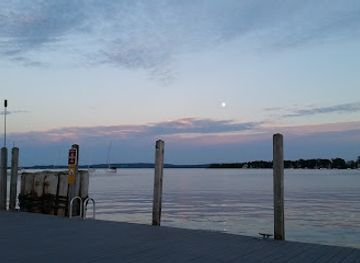
Harbor Springs occupies the northern shore of Little Traverse Bay on Michigan's Lower Peninsula, where clear Lake Michigan water, wooded bluffs and a sheltered harbour shape the town's character. Its compact centre overlooks the bay and combines a working marina, public waterfront parks, independent shops, galleries and restaurants with quiet residential streets shaded by mature trees. Beaches and parks provide access to the shoreline, while nearby country roads lead through farms, forests and small communities.Read more about Harbor Springs
Odawa Heritage and Resort Traditions
Exploring the Shore and Inland Roads
When is the best time to visit Harbor Springs?
Best: June–August · 23–26°C| Month | High (°C) | Rainfall (mm) |
|---|---|---|
| January | -2 | 50 |
| February | -1 | 45 |
| March | 4 | 50 |
| April | 12 | 60 |
| May | 18 | 70 |
| June (best) | 23 | 80 |
| July (best) | 26 | 80 |
| August (best) | 25 | 80 |
| September | 20 | 70 |
| October | 14 | 60 |
| November | 7 | 60 |
| December | 1 | 50 |
Getting to and around Harbor Springs
How to get there
Transportation
Best attractions in Harbor Springs
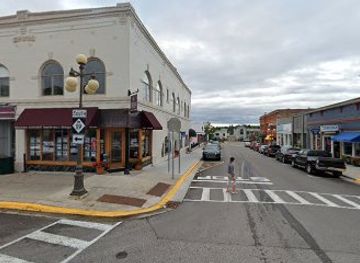
Harbor Springs' principal attractions centre on its waterfront, where the marina, harbour, public parks and Little Traverse Bay create a natural focus for walking, sailing, paddling and seasonal swimming. Downtown streets offer independent galleries, shops and restaurants within easy reach of the shore. The Andrew Blackbird Museum provides an important introduction to Odawa and local history, while nearby Bay View presents a separate historic summer community known for its nineteenth-century cottages and cultural setting. North of town, M-119 becomes the Tunnel of Trees, a slow scenic drive through hardwood forest towards Cross Village and the Lake Michigan coast. Petoskey, just south across the bay, adds additional shops, cultural attractions and access to the waterfront. Outdoor visitors can explore beaches, country roads, wooded paths and boating waters around the bay, with conditions and access varying by season. The wider area also serves as a base for journeys towards the Mackinac Bridge and northern Michigan's inland forests.
-
Tourist attraction
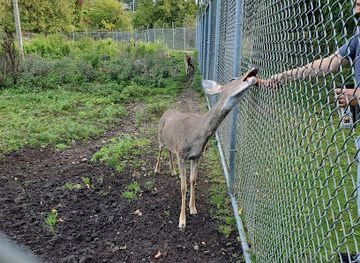
Harbor Springs Deer Park
Explore the enchanting Harbor Springs Deer Park, a serene wildlife sanctuary perfect for families and nature lovers seeking tranquility in Michigan.
-
Tourist attraction
Kosequat Park
Explore Kosequat Park in Harbor Springs, MI – a tranquil park perfect for relaxation, family fun, and enjoying Michigan's stunning natural beauty.
-
City park
Josephine Ford Park
Experience the natural beauty and tranquility of Josephine Ford Park in Harbor Springs, a perfect getaway for nature lovers and families alike.
-
Tourist attraction
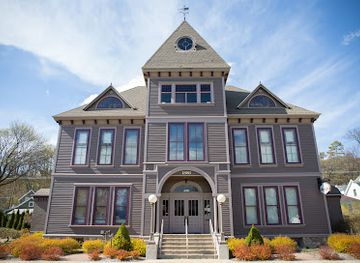
Harbor Springs Area Historical Society
Uncover the captivating history of Harbor Springs, MI at the Harbor Springs Area Historical Society, where local stories come to life.
Best landmarks in Harbor Springs
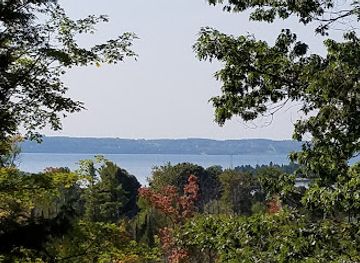
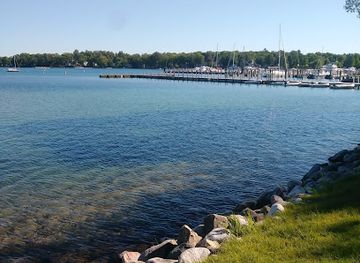
Little Traverse Bay is Harbor Springs' defining natural landmark, its protected waters opening towards Lake Michigan and shaping the town's maritime identity. The harbour, shoreline parks and wooded bluffs provide the most immediate sense of place, while the M-119 Tunnel of Trees forms a celebrated nearby landscape landmark as it follows a narrow route through mature forest towards Cross Village. The Andrew Blackbird Museum is an important cultural landmark because of its connection with Odawa and regional history. Nearby Bay View is distinguished by its historic resort architecture and planned lakeside setting, although it is a separate community beside Petoskey. Historic homes, churches and waterfront buildings in Harbor Springs reflect the town's nineteenth-century development as a lakeside settlement and summer resort. Together, these natural and built features show how Indigenous heritage, maritime geography, woodland scenery and seasonal tourism have shaped the area's identity.
-
Festival
Harbor Springs Festival of the Book
Join the Harbor Springs Festival of the Book for a vibrant celebration of literature, featuring renowned authors, engaging discussions, and community spirit.
-
Museum
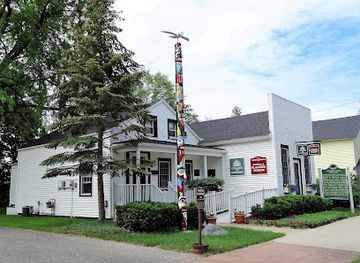
Andrew J Blackbird Museum
Explore the Andrew J Blackbird Museum and uncover the rich history of the Odawa people in Harbor Springs, Michigan.
-
Historical landmark
State of Michigan Historical Marker
Explore Michigan's rich history at the State of Michigan Historical Marker in Harbor Springs, a landmark that tells the stories of the past.
Explore Harbor Springs on the map
Plan your trip on one map. See where the top attractions, landmarks, restaurants and hotels are, and book hotels and experiences in a few clicks.
Best hotels in Harbor Springs
Best restaurants in Harbor Springs
Dining in Harbor Springs is concentrated around the compact downtown and waterfront, with restaurants, cafés, bakeries and seasonal food businesses serving residents, boaters and summer visitors. Menus typically reflect northern Michigan's mixture of Great Lakes influence, American comfort food and contemporary regional cooking, with seasonal produce, local meats, baked goods and freshwater fish appearing where available. The harbour setting brings a strong summer emphasis on relaxed meals and refreshments, while nearby Petoskey provides a broader choice of restaurants and food shops. Rural roads around the bay lead to a smaller number of country establishments and farm-oriented producers rather than a continuous dining district, so visitors exploring the Tunnel of Trees should plan food stops in advance. Availability changes outside the main season, particularly in smaller communities and businesses dependent on summer trade.
-
Seafood
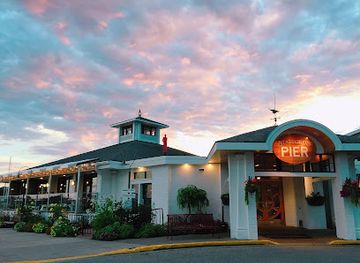
Stafford's Pier Restaurant
Experience exquisite seafood dining with breathtaking harbor views at Stafford's Pier Restaurant in Harbor Springs.
-
Grill
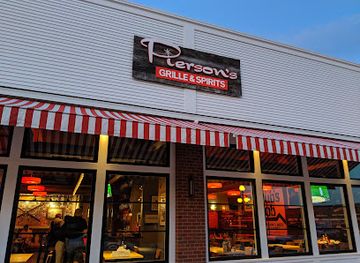
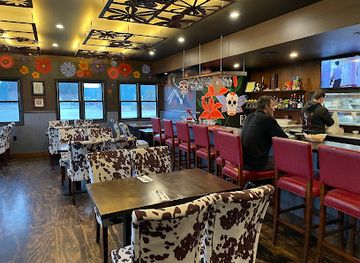
Pierson's Grille & Spirits
Experience the heart of Harbor Springs at Pierson's Grille & Spirits – where delicious food meets Michigan charm.
-
Mexican
Rodrigo's
Savor authentic Mexican cuisine at Rodrigo's in Harbor Springs - where every dish tells a story of flavor and tradition.
-
Bistro
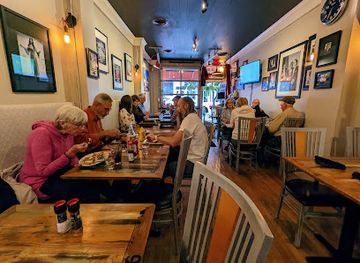
The Paper Station Bistro
Experience the best of local cuisine at The Paper Station Bistro in Harbor Springs - where flavor meets cozy ambiance.
Best bars in Harbor Springs
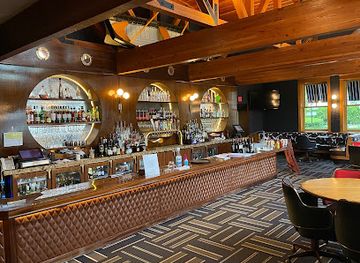
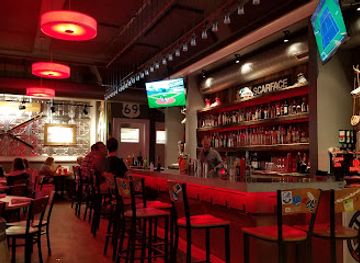
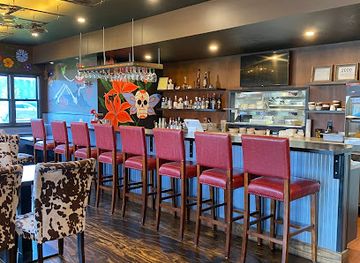
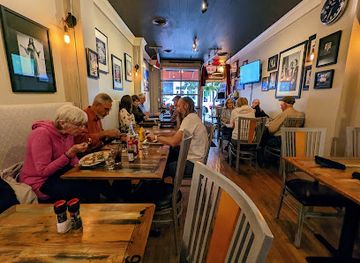
Harbor Springs has a restrained evening scene rather than a nightclub culture. Downtown restaurants, hotel bars and traditional pubs provide places for dinner, drinks and conversation, with the liveliest atmosphere generally occurring during the summer boating and holiday season. Some venues may offer local beer, wine, cocktails or occasional music, but programming and opening patterns are seasonal and should be checked locally. Petoskey, a short drive away, offers a wider selection of bars and evening restaurants, while Bay View's cultural events can add talks, concerts or performances when scheduled. Outside the towns, evenings are primarily shaped by quiet waterfront walks, private gatherings and dark rural skies, and visitors should arrange transport before drinking because the surrounding roads are dispersed and sometimes winding.
-
Seafood
Stafford's Pier Restaurant
Discover exquisite seafood dining with stunning waterfront views at Stafford's Pier Restaurant in Harbor Springs, Michigan.
-
Grill
Pierson's Grille & Spirits
Discover the vibrant flavors of Pierson's Grille & Spirits in Harbor Springs, MI, where great food and a lively atmosphere await.
-
Mexican
Rodrigo's
Experience authentic Mexican cuisine in the heart of Harbor Springs, MI, at Rodrigo's, where every dish is a celebration of flavor and tradition.
-
Bistro
The Paper Station Bistro
Discover the flavors of Harbor Springs at The Paper Station Bistro, where local ingredients meet culinary creativity in a charming atmosphere.
Best nightclubs in Harbor Springs
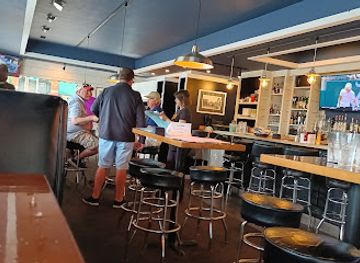
Harbor Springs has a restrained evening scene rather than a nightclub culture. Downtown restaurants, hotel bars and traditional pubs provide places for dinner, drinks and conversation, with the liveliest atmosphere generally occurring during the summer boating and holiday season. Some venues may offer local beer, wine, cocktails or occasional music, but programming and opening patterns are seasonal and should be checked locally. Petoskey, a short drive away, offers a wider selection of bars and evening restaurants, while Bay View's cultural events can add talks, concerts or performances when scheduled. Outside the towns, evenings are primarily shaped by quiet waterfront walks, private gatherings and dark rural skies, and visitors should arrange transport before drinking because the surrounding roads are dispersed and sometimes winding.
-
Grill
Bar Harbor
Experience the flavors of Michigan at Bar Harbor, a charming grill in Harbor Springs with a delightful menu and inviting atmosphere.
-
Club
Little Harbor Club
Discover the vibrant nightlife of Little Harbor Club, where unforgettable experiences and lively entertainment await in Harbor Springs, Michigan.
Best shops in Harbor Springs
Shopping in Harbor Springs is concentrated in the downtown area, where independent shops, galleries, clothing retailers, gift businesses and food sellers cater to both local residents and seasonal visitors. Regional products may include artwork inspired by the Great Lakes, locally made gifts, books, outdoor clothing, nautical goods and speciality foods, although individual stock changes throughout the year. The town is also a practical place to obtain provisions and equipment before travelling along the more rural M-119 corridor. Nearby Petoskey offers a larger commercial centre with additional galleries, boutiques, bookshops and food retailers. Farm stands and small producers appear in the surrounding countryside on a seasonal basis rather than forming a permanent market district. Visitors should distinguish genuine regional craft and food businesses from general resort merchandise, and should expect fewer retail choices outside Harbor Springs and Petoskey.
-
Supermarket
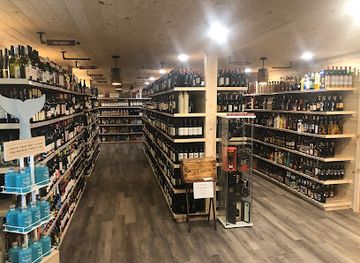
Harbor Springs Market
Explore Harbor Springs Market for a taste of local Michigan produce and gourmet delights, perfect for tourists seeking authentic culinary experiences.
-
Outdoor sports store
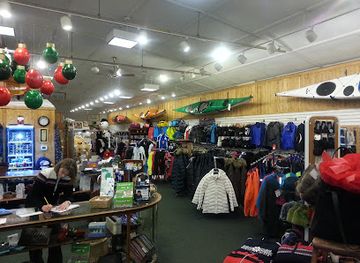
The Outfitter of Harbor Springs
Discover outdoor adventures at The Outfitter of Harbor Springs - your go-to store for kayaking, skiing, and more in Michigan's stunning landscapes.
-
Book store
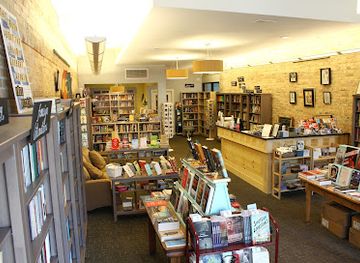
Between the Covers
Discover literary treasures at Between the Covers, the charming bookstore in Harbor Springs, MI, perfect for every book lover's journey.
-
Gift shop
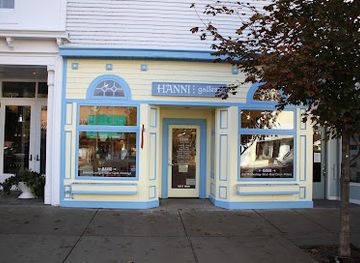
Hanni Gallery
Explore Hanni Gallery in Harbor Springs for unique art, handcrafted jewelry, and exquisite pottery, celebrating local talent and creativity.
Get your free copy of our complete guide to Harbor Springs, delivered straight to you.
Everything on this page, from attractions and restaurants to essentials and local phrases, in one PDF you can read offline, print or share.
Already have an account? Sign in
Your Harbor Springs guide is ready.
We'll send it to · Not you? Sign out

Getting your guide ready…
We are putting together a fresh copy of the Harbor Springs guide. This can take up to a minute.
This can take a few moments. If your browser asks, choose Allow so the download can start. You'll find the guide in your Downloads folder.
Nothing happened? Download it again
Sorry, the guide is taking longer than usual. Please try again in a minute, or get it by email instead.
Harbor Springs essentials
Currency and Payment
Safety
Emergency Situations
Do's and Don'ts
Local Tips
From Eve
Local phrases worth knowing
You don't need to get them perfect. A few words go a long way, and locals appreciate the effort.
Basics
| English | Local | Say it |
|---|---|---|
| Hello | Howdy | [hah-dee] |
| Goodbye | See ya | [see yah] |
| Yes | Yup | [yuhp] |
| No | Nope | [nohp] |
| Please/You're welcome | Please/You're welcome | [pleez / yer welcome] |
| Thank you | Thanks | [thanks] |
| Excuse me/Sorry | Pardon me | [par-dun mee] |
| How are you? | How's it goin'? | [hows it go-in] |
| Fine. And you? | Good. And you? | [good. and yah] |
| Do you speak English? | Ya speak English? | [yah speak ing-glish] |
| I don't understand | I don't git it | [eye dont git it] |
Eating & Drinking
| English | Local | Say it |
|---|---|---|
| I'd like to see the menu, please | I'd like to see the menu, please | [ahd like to see the menu, pleez] |
| I don't eat meat | I don't eat meat | [eye dont eat meet] |
| Cheers! | Cheers! | [cheers] |
| I would like to pay, please | I would like to pay, please | [ahd like to pay, pleez] |
Emergencies
| English | Local | Say it |
|---|---|---|
| Help! | Help! | [help] |
| Go away! | Git away! | [git away] |
| Call the Police! | Call the cops! | [call the cops] |
| Call a doctor! | Call a doc! | [call a dock] |
| I'm lost | I'm lost | [ahm lost] |
| I'm ill | I'm feelin' sick | [ahm feelin sick] |
Shopping
| English | Local | Say it |
|---|---|---|
| I'd like to buy... | I'd like to buy... | [ahd like to buy] |
| I'm just looking | I'm just lookin' | [ahm just lookin] |
| How much is it? | How much is it? | [how much is it] |
| That's too expensive | That's too pricey | [thats too pry-see] |
| Can you lower the price? | Can ya lower the price? | [can yah low-er the pryce] |
Time & Numbers
| English | Local | Say it |
|---|---|---|
| What time is it? | What time is it? | [what time is it] |
| It's one o'clock | It's one o'clock | [its one o-clock] |
| Half past (10) | Half past (10) | [half past ten] |
| Morning | Morning | [morning] |
| Afternoon | Afternoon | [afternoon] |
| Evening | Evening | [evening] |
| Yesterday | Yesterday | [yesterday] |
| Today | Today | [today] |
| Tomorrow | Tomorrow | [tomorrow] |
| 1 | One | [wun] |
| 2 | Two | [too] |
| 3 | Three | [three] |
| 4 | Four | [four] |
| 5 | Five | [five] |
| 6 | Six | [six] |
| 7 | Seven | [seven] |
| 8 | Eight | [eight] |
| 9 | Nine | [nine] |
| 10 | Ten | [ten] |
Transport & Directions
| English | Local | Say it |
|---|---|---|
| Where's a/the...? | Where's the...? | [wheres the] |
| What's the address? | What's the address? | [whats the address] |
| Can you show me (on the map)? | Can ya show me (on the map)? | [can yah show me on the map] |
| When's the next (bus)? | When's the next (bus)? | [whens the next bus] |
| A ticket (to ....) | A ticket (to ....) | [a ticket to] |
History of Harbor Springs
Odawa Homeland on Little Traverse Bay
Harbor Springs lies within the historic homeland of the Odawa, one of the Anishinaabe peoples of the Great Lakes. Odawa communities used the shores, islands, forests and waterways of the region for residence, travel, fishing, hunting and trade, linking Little Traverse Bay with a much wider network around Lake Michigan. The name L'Arbre Croche, meaning “crooked tree” in French, was applied historically to the bay's northern shoreline and to the Odawa settlements associated with it. This Indigenous history remains central to understanding the region and is represented locally through the work of the Little Traverse Bay Bands of Odawa Indians and institutions such as the Andrew Blackbird Museum.
Treaty, Mission and Settlement Change
During the nineteenth century, federal treaties and expanding American settlement altered Odawa control and access to land around Little Traverse Bay. The Treaty of Washington in 1836 ceded large areas of present-day Michigan while reserving rights and lands for Indigenous communities, and later agreements further shaped the region's legal and social geography. Missionary activity, commercial exchange, fishing and lumbering accompanied the growth of non-Indigenous settlements. The community that became Harbor Springs developed around the protected harbour, while nearby Odawa settlements continued to give the bay a distinctive cultural identity.
From Lumber Port to Summer Resort
Harbor Springs grew during the nineteenth century as northern Michigan's timber economy expanded and as improved lake transport made the bay more accessible. The harbour supported trade and local commerce, but the setting also attracted visitors seeking cooler summers, boating and a landscape different from the industrialising cities farther south. Harbour facilities, shops, churches and homes developed around the waterfront, and the settlement was incorporated as a city in the late nineteenth century. The surviving street pattern and historic buildings reflect the transition from a working lakeside community towards a resort-oriented town.
Bay View and the Resort Landscape
The neighbouring Bay View community was established in 1876 as a Methodist summer retreat and developed a planned collection of cottages, meeting spaces and landscape features overlooking Little Traverse Bay. Its buildings and long-running cultural programme form an important part of the area's resort history, although Bay View is distinct from Harbor Springs and lies beside Petoskey. Harbor Springs itself became associated with summer homes, sailing and seasonal recreation, while the wider bay developed as a destination for visitors from the Midwest. This resort tradition remains visible in the area's architecture, social institutions and strong seasonal rhythm.
Conservation and the Modern Visitor Economy
Twentieth-century road building, changing transport patterns and the decline of northern Michigan's lumber economy reshaped Harbor Springs, but the town retained its harbour and small-scale commercial centre. Scenic roads through the surrounding forests, especially M-119's Tunnel of Trees, became part of the area's visitor identity. Protection of shoreline, woodland and historic character now exists alongside boating, tourism and residential development. Modern Harbor Springs is therefore both a community and a gateway: its history is encountered through Odawa heritage, resort architecture, maritime activity, preserved landscapes and the continuing use of Little Traverse Bay.
Harbor Springs in Photos
Browse through our photo collection highlighting the charm and character of the destination.
Neighbouring destination travel guides
The closest destinations to Harbor Springs, if you have time for more than one.
-

-

-

-

-


Swipe for more destinations
Explore more

Explore more of Northern Michigan
Northern Michigan pairs Great Lakes shorelines, island heritage, forest trails, mining history, seasonal produce and outdoor adventures across the state’s north.
Explore Northern Michigan
Explore more of Michigan
Explore Michigan's stunning Great Lakes, vibrant cities, and untouched natural beauty. Discover the state's rich cultural heritage and endless outdoor adventures.
Explore Michigan