

Tahquamenon Falls State Park Travel Guide - Free Web & App
Your ultimate guide to Tahquamenon Falls State Park. Discover top landmarks, proposed trips, and local tips. Free on the web or via the Evendo companion app.


Tahquamenon Falls State Park in Michigan offers amber waterfalls, forest trails, river scenery and Upper Peninsula wildlife for memorable outdoor escapes.
Water, Forest and Northern Light
Tahquamenon Falls State Park occupies more than 46,000 acres in Michigan’s eastern Upper Peninsula, following the Tahquamenon River through a broad landscape of northern forest, wetlands and open water. Its best-known feature is the river’s tea-coloured cascade, stained by tannins released from cedar, spruce and hemlock swamps. The Upper Falls form the park’s defining spectacle, while the smaller Lower Falls lie several miles downstream among wooded islands and quieter picnic areas.Read more about Tahquamenon Falls State Park
Exploring the Park
Gateway Communities and Local Character
When is the best time to visit Tahquamenon Falls State Park?
Best: June–August · 21–23°C| Month | High (°C) | Rainfall (mm) |
|---|---|---|
| January | -3 | 43 |
| February | -3 | 40 |
| March | 3 | 46 |
| April | 10 | 60 |
| May | 16 | 76 |
| June (best) | 21 | 88 |
| July (best) | 23 | 95 |
| August (best) | 23 | 95 |
| September | 18 | 80 |
| October | 12 | 76 |
| November | 5 | 65 |
| December | -1 | 55 |
Getting to and around Tahquamenon Falls State Park
How to get there
Transportation
Best attractions in Tahquamenon Falls State Park
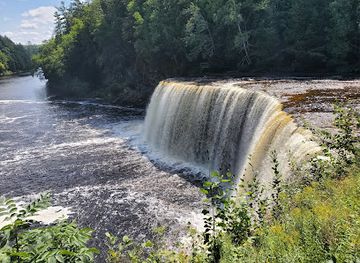
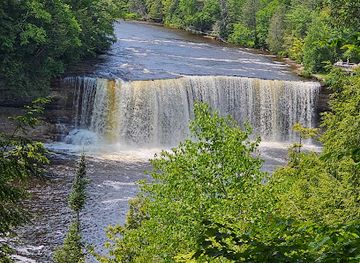
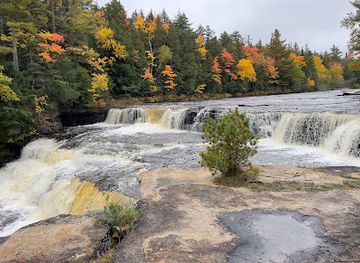
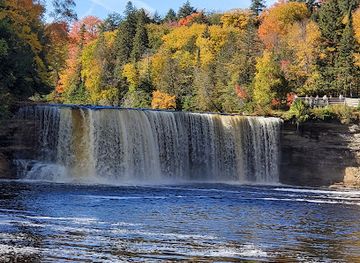
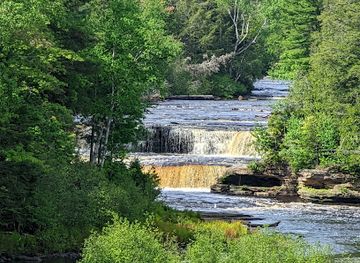
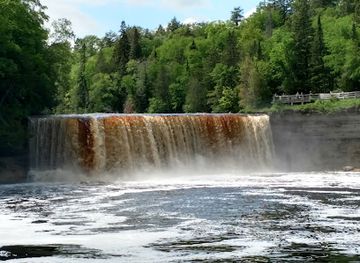
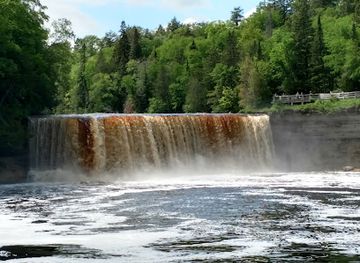
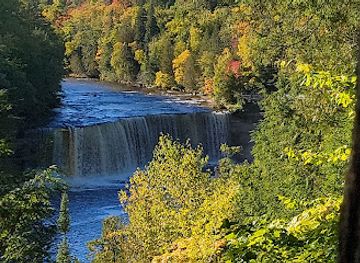
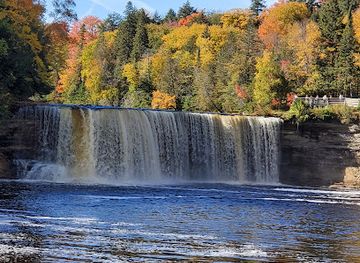
The Upper Falls are the park’s principal attraction: the Tahquamenon River broadens and drops through a wooded gorge, its tannin-darkened water creating a distinctive amber cascade viewed from established paths and platforms. Several miles downstream, the Lower Falls form a group of smaller cascades around wooded islands, with walking routes and seasonal access for boating excursions. Between and beyond these signature sites, the park offers extensive forest trails through spruce, fir, birch, cedar and mixed woodland, together with wetlands, riverbanks and quiet picnic areas. The Tahquamenon River Trail provides a longer way to experience the corridor, although distances and seasonal conditions demand preparation. Campgrounds and day-use areas make the park suitable for multi-day exploration, while wildlife observation may include waterfowl, songbirds, beavers and other northern forest species without guaranteeing sightings. Paradise provides the closest gateway services, and the wider region adds Lake Superior scenery and smaller rural communities beyond the park boundary.
-
Tourist attraction
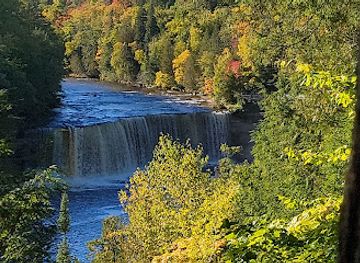
Tahquamenon Upper Falls
Explore the breathtaking Tahquamenon Upper Falls, a natural gem in Michigan's Upper Peninsula, renowned for its stunning amber waters and scenic trails.
-
Waterfall
Tahquamenon Falls
Experience the breathtaking beauty and natural wonder of Tahquamenon Falls, a stunning waterfall in Michigan's pristine wilderness.
-
Tourist attraction
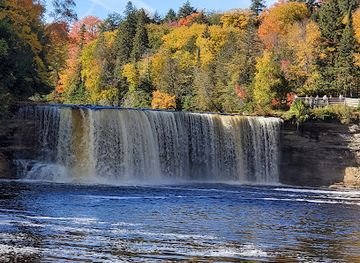
Tahquamenon Falls Lower Falls
Discover the breathtaking beauty of Tahquamenon Falls Lower Falls, a natural wonder offering stunning views and outdoor adventures in Michigan's pristine wilderness.
Best landmarks in Tahquamenon Falls State Park
Tahquamenon Falls themselves are the park’s defining landmarks, but the Upper and Lower Falls express different aspects of the river. The Upper Falls are a broad, powerful cascade whose tea-coloured water reflects the organic wetlands and conifer forests of the watershed. The Lower Falls are a series of smaller drops and channels surrounding islands downstream, creating a more intimate river landscape. The Tahquamenon River is also a landmark in its own right, linking the falls with forest, marsh and Lake Superior country. Rather than relying on monumental architecture, the park’s identity rests on this combination of water, bedrock, woodland and seasonal change. Boardwalks, viewing structures, picnic areas and campgrounds provide a managed way to encounter these features, while the surrounding eastern Upper Peninsula preserves the sense of a working rural region shaped by Indigenous travel, timber history and modern conservation.
-
Brewpub
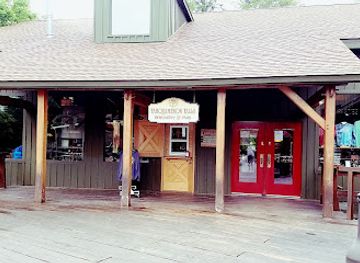
Tahquamenon Falls Brewery & Pub
Discover local craft brews and delicious fare at Tahquamenon Falls Brewery & Pub, surrounded by stunning natural beauty in Michigan's Upper Peninsula.
-
Tourist attraction
Tahquamenon Upper Falls
Experience the breathtaking beauty of Tahquamenon Upper Falls in Michigan's scenic wilderness, a must-see natural wonder for every nature lover.
-
Waterfall
Tahquamenon Falls
Experience the breathtaking beauty of Tahquamenon Falls, Michigan's stunning waterfall with vibrant amber waters and scenic trails.
-
Tourist attraction
Tahquamenon Falls Lower Falls
Experience the breathtaking beauty of Tahquamenon Falls Lower Falls, a natural wonder in Michigan's Upper Peninsula, perfect for outdoor enthusiasts and nature lovers.


Explore Tahquamenon Falls State Park on the map
Plan your trip on one map. See where the top attractions, landmarks, restaurants and hotels are, and book hotels and experiences in a few clicks.
Best hotels in Tahquamenon Falls State Park
Best restaurants in Tahquamenon Falls State Park
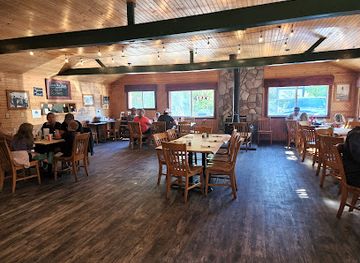
Dining within Tahquamenon Falls State Park is limited compared with an urban or resort destination, so visitors commonly bring provisions or eat at facilities near the park’s developed areas and in gateway communities. Paradise is the principal place to look for casual meals, cafés and traditional Upper Peninsula hospitality, while Newberry offers a broader range of everyday services farther west. Regional menus often reflect Michigan’s northern food culture, including freshwater fish where locally sourced, burgers, soups, baked goods and hearty fare suited to outdoor travel. Pasties, a well-known Cornish-influenced speciality of Michigan’s mining districts, are also associated with the Upper Peninsula, although availability varies by establishment. Farm shops and small local retailers may provide snacks and supplies, but opening arrangements can be seasonal, making it sensible to carry food and water for excursions into the park.
-
Brewpub
Tahquamenon Falls Brewery & Pub
Experience local craft beer and delicious food at Tahquamenon Falls Brewery & Pub near Michigan's stunning waterfalls.
-
Restaurant
The INN
Discover delightful dining at The INN in Paradise, Michigan - where fresh ingredients meet stunning natural views.
-
Restaurant
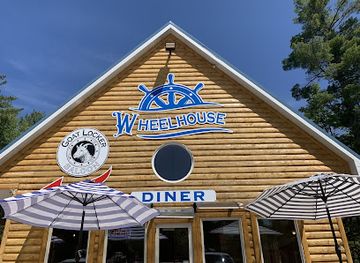
Wheelhouse Diner & Goatlocker Saloon
Discover delicious home-cooked meals at Wheelhouse Diner & Goatlocker Saloon in Paradise, Michigan – a perfect stop after exploring Tahquamenon Falls.
-
Restaurant
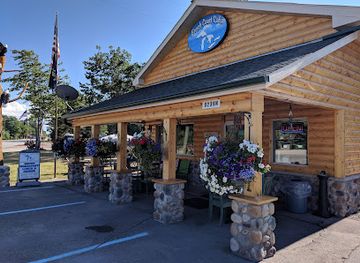
Fresh Coast Cafe'
Discover Fresh Coast Cafe', where delicious local cuisine meets stunning natural beauty in Paradise, Michigan.
Best bars in Tahquamenon Falls State Park
Tahquamenon Falls State Park has no concentrated nightlife district and is best suited to quiet evenings after time outdoors. The principal evening options are informal meals and drinks at rural establishments in or around Paradise, with additional traditional pubs, taverns and casual hospitality venues in Newberry and other nearby Upper Peninsula communities. These places generally serve local residents, travellers and seasonal visitors rather than operating as late-night entertainment centres. Campers may spend the evening around permitted facilities, subject to current rules, weather and consideration for neighbouring sites. Summer and autumn bring the greatest number of visitors, while winter evenings are notably quieter. Because distances are considerable and rural roads may be dark, snowy or icy, arrange transport responsibly rather than planning to drive after drinking.
-
State park
Tahquamenon Falls State Park
Experience the breathtaking beauty of Tahquamenon Falls State Park - a natural paradise in Michigan's Upper Peninsula with stunning waterfalls and lush trails.
-
Brewpub
Tahquamenon Falls Brewery & Pub
Discover the best of local craft brews and delicious cuisine at Tahquamenon Falls Brewery & Pub, where nature meets flavor.
-
Tourist attraction
Tahquamenon Upper Falls
Experience the breathtaking beauty of Tahquamenon Upper Falls, a stunning natural wonder surrounded by lush forests and rich wildlife in Michigan.
-
Restaurant
The INN
Discover The INN in Paradise, MI, where local flavors and warm hospitality create an unforgettable dining experience.
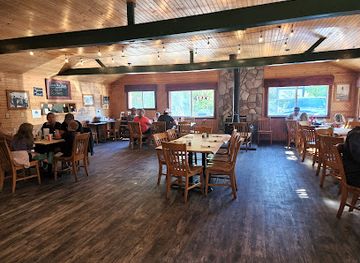
Best nightclubs in Tahquamenon Falls State Park
Tahquamenon Falls State Park has no concentrated nightlife district and is best suited to quiet evenings after time outdoors. The principal evening options are informal meals and drinks at rural establishments in or around Paradise, with additional traditional pubs, taverns and casual hospitality venues in Newberry and other nearby Upper Peninsula communities. These places generally serve local residents, travellers and seasonal visitors rather than operating as late-night entertainment centres. Campers may spend the evening around permitted facilities, subject to current rules, weather and consideration for neighbouring sites. Summer and autumn bring the greatest number of visitors, while winter evenings are notably quieter. Because distances are considerable and rural roads may be dark, snowy or icy, arrange transport responsibly rather than planning to drive after drinking.
-
Brewpub
Tahquamenon Falls Brewery & Pub
Discover the essence of Michigan at Tahquamenon Falls Brewery & Pub, where local brews and stunning scenery unite in a perfect getaway.
Best shops in Tahquamenon Falls State Park
Shopping inside Tahquamenon Falls State Park is limited to practical visitor needs and souvenirs associated with a major state-park attraction. The most useful supplies are generally found in gateway communities, particularly Paradise and Newberry, where small shops and general retailers serve residents as well as visitors. Travellers may find regional food products, outdoor essentials, postcards, books and locally themed crafts, although selection and seasonal opening vary. Upper Peninsula specialities such as pasties, maple products, smoked foods and locally made preserves may appear in independent food businesses or farm-related outlets across the wider region. The park is not a destination for extensive retail browsing, designer goods or permanent craft markets; its strongest connection with local purchasing is through small rural businesses and products that reflect northern Michigan’s food, forestry and outdoor culture.
-
State park
Tahquamenon Falls State Park
Experience the breathtaking waterfalls and lush wilderness of Tahquamenon Falls State Park, a premier destination for outdoor enthusiasts in Michigan.
-
Brewpub
Tahquamenon Falls Brewery & Pub
Experience the beauty of Tahquamenon Falls Brewery & Pub, where handcrafted brews meet delicious local cuisine in Michigan's stunning wilderness.
-
Tourist attraction
Tahquamenon Upper Falls
Explore the breathtaking beauty of Tahquamenon Upper Falls, a stunning natural wonder nestled in Michigan's scenic Paradise region.
-
Tourist attraction
Tahquamenon Falls Lower Falls
Explore the enchanting beauty of Tahquamenon Falls Lower Falls, a stunning natural attraction in Michigan's wilderness, perfect for adventure and relaxation.


Get your free copy of our complete guide to Tahquamenon Falls State Park, delivered straight to you.
Everything on this page, from attractions and restaurants to essentials and local phrases, in one PDF you can read offline, print or share.
Already have an account? Sign in
Your Tahquamenon Falls State Park guide is ready.
We'll send it to · Not you? Sign out

Getting your guide ready…
We are putting together a fresh copy of the Tahquamenon Falls State Park guide. This can take up to a minute.
This can take a few moments. If your browser asks, choose Allow so the download can start. You'll find the guide in your Downloads folder.
Nothing happened? Download it again
Sorry, the guide is taking longer than usual. Please try again in a minute, or get it by email instead.
Tahquamenon Falls State Park essentials
Currency and Payment
Safety
Emergency Situations
Do's and Don'ts
Local Tips
From Eve
Local phrases worth knowing
You don't need to get them perfect. A few words go a long way, and locals appreciate the effort.
Basics
| English | Local | Say it |
|---|---|---|
| Hello | Boozhoo | [Boo-zhoo] |
| Goodbye | Miigwech | [Mee-gwetch] |
| Yes | Eya | [Ay-ya] |
| No | Aaniin | [Ah-nee] |
| Please/You're welcome | Boozhoo | [Boo-zhoo] |
| Thank you | Miigwech | [Mee-gwetch] |
| Excuse me/Sorry | Miigwech | [Mee-gwetch] |
| How are you? | Giin | [Geen] |
| Fine. And you? | Aniin | [Ah-neen] |
| Do you speak English? | Ozaawi daa-ayaamagad | [Oh-zow-we dah-ah-yaa-mah-gahd] |
| I don't understand | Aaniin ezhi-maajaa'ang | [Ah-nee eh-zhee-mah-jaa-ang] |
Eating & Drinking
| English | Local | Say it |
|---|---|---|
| I'd like to see the menu, please | Niminwendam gaa-maajiishkaa'iganan | [Nee-meen-wen-dam gah-mah-jee-shkah-ee-gah-nan] |
| I don't eat meat | Wiisin | [Wee-seen] |
| Cheers! | Boozhoo! | [Boo-zhoo!] |
| I would like to pay, please | Nimindaman gaa-maajiiw | [Nee-min-dah-man gah-mah-jee-oo] |
Emergencies
| English | Local | Say it |
|---|---|---|
| Help! | Aaniin | [Ah-nee] |
| Go away! | Zaagid | [Zah-geed] |
| Call the Police! | Zaaga'iganiing | [Zah-gah-ee-gah-neeng] |
| Call a doctor! | Zaagi'idiwin | [Zah-gee-ee-dee-win] |
| I'm lost | Zaagi | [Zah-gee] |
| I'm ill | Niimishoomis | [Nee-mee-shoo-mis] |
Shopping
| English | Local | Say it |
|---|---|---|
| I'd like to buy... | Nimindaman gaa-wiidookawaa | [Nee-min-dah-man gah-wee-doo-kah-wah] |
| I'm just looking | Niminwendamaan gaa-miinawaa | [Nee-meen-wen-dah-maan gah-mee-nah-wah] |
| How much is it? | Anishinaabeg bimaadiziwin | [Ah-ne-shee-nah-beg bee-maa-dee-zee-win] |
| That's too expensive | Waasa | [Wah-sah] |
| Can you lower the price? | Aaniin ezhi-naagozi | [Ah-nee eh-zhee-nah-goh-zee] |
Time & Numbers
| English | Local | Say it |
|---|---|---|
| What time is it? | Izhaayeg | [Eez-haa-yeg] |
| It's one o'clock | Bakade | [Bah-kah-day] |
| Half past (10) | Niso gigii | [Nee-soh gee-gee] |
| Morning | Biindaakwe | [Been-dah-kweh] |
| Afternoon | Aabendaagozi | [Ah-ben-dah-goh-zee] |
| Evening | Waaban | [Wah-bahn] |
| Yesterday | Gikendaasowin | [Gee-ken-dah-soh-win] |
| Today | Bimose | [Bee-moh-say] |
| Tomorrow | Nibi | [Nee-bee] |
| 1 | Bakade | [Bah-kah-day] |
| 2 | Niiwin | [Nee-win] |
| 3 | Niswi | [Nee-swee] |
| 4 | Niiwinan | [Nee-win-ahn] |
| 5 | Naanan | [Nah-nahn] |
| 6 | Ngodwaaswi | [Ngo-dwah-swee] |
| 7 | Niiwinan | [Nee-win-ahn] |
| 8 | Niizhwaaswi | [Nee-zhwah-swee] |
| 9 | Zhaangaswi | [Zhaan-gah-swee] |
| 10 | Midaaswi | [Mee-dah-swee] |
Transport & Directions
| English | Local | Say it |
|---|---|---|
| Where's a/the...? | Eya | [Ay-ya] |
| What's the address? | Eya | [Ay-ya] |
| Can you show me (on the map)? | Aaniin ezhi-naagozi | [Ah-nee eh-zhee-nah-goh-zee] |
| When's the next (bus)? | Aaniin ezhi-naagozi | [Ah-nee eh-zhee-nah-goh-zee] |
| A ticket (to ....) | Mii iwe | [Mee ee-way] |
History of Tahquamenon Falls State Park
An Ancient River Landscape
The Tahquamenon River flows across the eastern Upper Peninsula towards Lake Superior, through terrain shaped by glacial activity and long-term erosion. Its falls occur where the river descends through resistant bedrock and softer materials, while surrounding wetlands and forests influence the river’s distinctive dark colouring. Organic compounds from cedar, spruce and hemlock environments give the water its familiar amber-brown appearance. This geological and ecological setting created the landscape later valued for recreation and conservation, although the river has always been part of a wider living environment rather than an isolated scenic attraction.
Ojibwe Connections to the River
The Tahquamenon region lies within the traditional homeland of the Ojibwe, whose communities travelled the rivers and lakes of the Upper Great Lakes for fishing, hunting, gathering and trade. The river was a route through a densely wooded landscape, and its name reflects an Indigenous geographical and cultural presence that predates modern tourism. Visitors should understand the park as part of a longer human history, not an empty wilderness created by twentieth-century conservation. Indigenous communities remain part of the cultural story of Michigan’s Upper Peninsula.
Timber and Settlement
During the nineteenth and early twentieth centuries, the Upper Peninsula’s forests supported a major lumber industry. Logging altered extensive areas around the Tahquamenon watershed, while rivers and nearby transport routes helped move timber and supplies through the region. Small settlements and roads developed in response to extractive industries, although the eastern Upper Peninsula remained comparatively sparsely populated. The effects of historic forestry can still be considered when observing the age and character of woodland stands, the pattern of regeneration and the relationship between working landscapes and protected forest.
From Scenic Site to State Park
Tahquamenon Falls became increasingly recognised as a scenic destination as roads and leisure travel expanded across Michigan’s Upper Peninsula. Michigan established the state park to protect the falls, river corridor and surrounding forest while providing managed opportunities for camping, walking and day visits. Modern park management balances public access with the protection of water, woodland, wetlands and wildlife habitat. The result is a destination where a highly visited waterfall is presented within a much larger conserved landscape rather than separated from its ecological setting.
Tahquamenon Falls State Park in Photos
Browse through our photo collection highlighting the charm and character of the destination.
Neighbouring destination travel guides
The closest destinations to Tahquamenon Falls State Park, if you have time for more than one.
-

-

-

-

-


Swipe for more destinations
Explore more

Explore more of Northern Michigan
Northern Michigan pairs Great Lakes shorelines, island heritage, forest trails, mining history, seasonal produce and outdoor adventures across the state’s north.
Explore Northern Michigan
Explore more of Michigan
Explore Michigan's stunning Great Lakes, vibrant cities, and untouched natural beauty. Discover the state's rich cultural heritage and endless outdoor adventures.
Explore Michigan