

Forest Park (St. Louis) Travel Guide - Free
Explore Forest Park in St. Louis with Evendo's free guide. Find the best shops, historic streets, restaurants, and gems on web or mobile.


Forest Park in St. Louis pairs free museums, the Saint Louis Zoo, gardens, trails and historic World's Fair landscapes across a vast urban park.
A Park Within the City
Forest Park occupies more than 1,300 acres in west St. Louis, between Skinker Boulevard, Kingshighway Boulevard, Oakland Avenue and Lindell Boulevard. Although it is officially a public park rather than a conventional residential neighbourhood, it functions as one of the city’s most important civic districts. Broad lawns, mature trees, wooded paths, open meadows and gently rolling ground create a striking contrast with the surrounding streets, universities and medical institutions. The park is large enough to feel varied rather than uniform: one route leads to quiet Kennedy Woods, another to the boating lake at Post-Dispatch Lake, while the central cultural institutions form a compact museum and education quarter.Read more about Forest Park
Museums, Wildlife and Performance
Park Life and Historic Ground
Best attractions in Forest Park
Forest Park’s attractions combine major cultural institutions with open-air recreation. The Saint Louis Art Museum occupies the former Palace of Fine Arts from the 1904 World’s Fair and overlooks Art Hill and the Grand Basin, while the Missouri History Museum presents St. Louis’s past from its Lindell Boulevard setting. The Saint Louis Science Center links galleries and hands-on learning with an overpass across Interstate 64, and the Saint Louis Zoo occupies a substantial south-western section of the park. For quieter visits, the Jewel Box offers a historic conservatory, the Boathouse sits beside Post-Dispatch Lake, and Kennedy Woods provides shaded paths. The Muny’s open-air stage is a major summer attraction, while the World's Fair Pavilion and park drives preserve the sense of a designed civic landscape. Golf courses, tennis facilities, ice skating and broad lawns add recreational variety without requiring a museum visit.
-
Zoo
Saint Louis Zoo
Discover the excitement and education at Saint Louis Zoo, a leading wildlife destination with diverse exhibits and experiences for all ages.
10 min walk · 0.8 km from neighbourhood centre
-
Science museum
Saint Louis Science Center
Discover interactive exhibits and celestial wonders at the Saint Louis Science Center, a hub for curiosity and learning in St. Louis.
18 min walk · 1.4 km from neighbourhood centre
-
History museum
Missouri History Museum
Discover the captivating stories and rich heritage of Missouri at the Missouri History Museum in St. Louis.
12 min walk · 0.9 km from neighbourhood centre


Best landmarks in Forest Park
Forest Park’s landmarks express its history as both a public park and a major exposition ground. The Saint Louis Art Museum occupies the former Palace of Fine Arts, the only permanent building remaining from the 1904 Louisiana Purchase Exposition, while the nearby Grand Basin and Art Hill form one of the park’s most recognisable formal landscapes. The World's Fair Pavilion, built later on a prominent rise, commemorates the exposition without being an original fair building. The Jewel Box is a distinctive 1930s greenhouse, and the Muny’s open-air theatre has been part of St. Louis cultural life since 1918. The park’s lakes, bridges, drives and wooded areas are significant as a designed ensemble: they connect institutions and recreation while preserving the broad scale created for a city eager to present itself on an international stage.
-
Park
Forest Park
Explore St. Louis's iconic Forest Park: a vibrant hub of culture, history, and natural beauty, offering free attractions and endless activities.
2 min walk · 0.2 km from neighbourhood centre
-
Tourist attraction
Art Hill
Experience the beauty and history of St. Louis at Art Hill in Forest Park, a landmark for recreation, culture, and community events.
13 min walk · 1.0 km from neighbourhood centre
-
Historical landmark
Apotheosis of St.Louis/Statue of St.Louis
A majestic bronze statue of King Louis IX in Forest Park, symbolizing St. Louis' history and artistic heritage in front of the Art Museum.
13 min walk · 1.0 km from neighbourhood centre
-
Nature preserve
John F. Kennedy Memorial Forest
Explore a natural oasis within St. Louis's Forest Park, with diverse habitats and peaceful trails in the Kennedy Memorial Forest.
5 min drive · 1.7 km from neighbourhood centre


Explore Forest Park on the map
A handpicked selection of must-see spots in Forest Park, mapped for you.
Best hotels in Forest Park
Best restaurants in Forest Park
Dining inside Forest Park is shaped more by visitor facilities, cafés and picnic culture than by a dense restaurant district. The Boathouse provides the park’s best-known waterside dining setting beside Post-Dispatch Lake, while cafés and food services associated with institutions such as the Saint Louis Art Museum, Missouri History Museum, Science Center and Zoo offer convenient options during a day of sightseeing; availability varies by venue and season. The park’s lawns and designated areas also suit a packed lunch, although visitors should follow current rules and leave no waste. For a broader choice of restaurants, visitors generally travel outside the park to the Central West End, the Delmar Loop or nearby Clayton, each a separate area with its own dining identity. Forest Park itself is best understood as a place where meals support museum visits, family outings, theatre evenings and time beside the water rather than as a standalone culinary quarter.
-
American
Boathouse at Forest Park
Savor American cuisine with breathtaking lake views at Boathouse at Forest Park - a must-visit dining spot in St. Louis.
4 min walk · 0.3 km from neighbourhood centre
-
Restaurant
Sauce on the Side
Discover authentic Italian cuisine at Sauce on the Side in St. Louis, famous for its delicious calzones and welcoming atmosphere.
8 min drive · 2.5 km from neighbourhood centre
-
Southern
Grace Meat + Three
Discover the heart of Southern cuisine at Grace Meat + Three in St. Louis—where comfort food meets unforgettable flavors.
8 min drive · 2.5 km from neighbourhood centre
-
Gastropub
Stone Turtle Restaurant and Bar
Discover Stone Turtle Restaurant and Bar: A gastropub in St. Louis serving inventive dishes made from fresh local ingredients.
16 min walk · 1.3 km from neighbourhood centre


Best bars in Forest Park
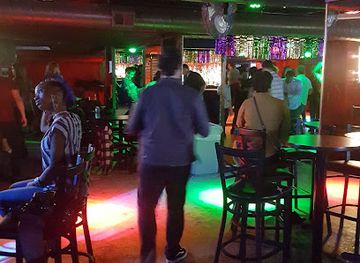
Forest Park is not a bar or nightclub district, and evenings are usually organised around scheduled performances, seasonal events and the closing times of its museums and attractions. The Muny is the park’s defining night-time venue, presenting outdoor musical theatre in an amphitheatre setting during its summer season; the atmosphere before and after performances is more cultural and communal than club-oriented. Occasional events and activities at other institutions can extend the park’s use after dark, but programmes and access change. Visitors seeking dedicated cocktail bars, pubs or late-night music should look beyond the park, particularly towards the Central West End or the Delmar Loop, which are nearby but distinct neighbourhoods. After an event, use the most direct lit route to transport or parking rather than treating the park’s quieter paths as nightlife streets.
-
American
Boathouse at Forest Park
Experience delightful American cuisine at The Boathouse at Forest Park, where stunning nature meets exceptional dining.
4 min walk · 0.3 km from neighbourhood centre
-
Restaurant
Applebee's Grill + Bar
Discover the flavors of America at Applebee's Grill + Bar in St. Louis, offering a family-friendly atmosphere and a diverse menu of classic dishes.
5 min drive · 1.8 km from neighbourhood centre
-
Gastropub
Stone Turtle Restaurant and Bar
Explore the culinary delights of Stone Turtle Restaurant and Bar, a premier gastropub in St. Louis, offering a unique blend of flavors and a warm atmosphere.
16 min walk · 1.3 km from neighbourhood centre
-
Bar
Platypus
Discover the lively charm of Platypus Bar in St. Louis, where unique cocktails and a fun atmosphere create unforgettable evenings.
7 min drive · 2.2 km from neighbourhood centre


Best nightclubs in Forest Park
Forest Park is not a bar or nightclub district, and evenings are usually organised around scheduled performances, seasonal events and the closing times of its museums and attractions. The Muny is the park’s defining night-time venue, presenting outdoor musical theatre in an amphitheatre setting during its summer season; the atmosphere before and after performances is more cultural and communal than club-oriented. Occasional events and activities at other institutions can extend the park’s use after dark, but programmes and access change. Visitors seeking dedicated cocktail bars, pubs or late-night music should look beyond the park, particularly towards the Central West End or the Delmar Loop, which are nearby but distinct neighbourhoods. After an event, use the most direct lit route to transport or parking rather than treating the park’s quieter paths as nightlife streets.
-
Night club
Club Viva
Discover the electrifying nightlife at Club Viva in St. Louis, a vibrant night club offering an unforgettable experience filled with music and dancing.
7 min drive · 2.3 km from neighbourhood centre
-
Gay bar
Prism
Experience the vibrant nightlife at Prism, St. Louis' premier gay bar, known for its inclusive atmosphere and exciting themed events.
7 min drive · 2.2 km from neighbourhood centre

Best shops in Forest Park
Shopping in Forest Park is limited and closely tied to its cultural attractions rather than organised around a retail street. Museum shops at the Saint Louis Art Museum, Missouri History Museum, Science Center and Zoo provide books, educational material, art-related gifts and souvenirs associated with their collections, though individual offerings and access change. Visitors may also find seasonal merchandise connected with performances at the Muny. The park’s principal appeal is therefore its museums, landscapes and activities rather than independent boutiques, antiques or specialist food retail. For a more substantial shopping outing, the Central West End, the Delmar Loop and nearby Clayton offer separate commercial areas with restaurants, independent businesses and larger retail selections. These districts are accessible from Forest Park but should not be presented as part of the park itself.
-
Antique store
The Green Shag Market
Explore The Green Shag Market: St. Louis' premier destination for antiques, vintage collectibles, and unique furniture pieces.
5 min drive · 1.6 km from neighbourhood centre
-
Women's clothing store
City Boutique
Discover unique women's fashion at City Boutique in St. Louis, where style meets personalized service in a cozy shopping environment.
8 min drive · 2.5 km from neighbourhood centre
-
Gift shop
Provisions St Louis
Discover unique gifts and local treasures at Provisions St Louis, a charming boutique in the heart of the Central West End.
6 min drive · 2.0 km from neighbourhood centre
-
Boutique
Holliday
Explore Holliday, a charming boutique in St. Louis offering unique local finds and a glimpse into the city’s vibrant artisan culture.
8 min drive · 2.6 km from neighbourhood centre


Forest Park essentials
Getting There
Getting Around
Safety
Emergency Situations
Do's and Don'ts
Local Tips

From Eve
Local phrases worth knowing
You don't need to get them perfect. A few words go a long way, and locals appreciate the effort.
Basics
| English | Local | Say it |
|---|---|---|
| Hello | Howdy | [haw-dee] |
| Goodbye | See ya | [see yuh] |
| Yes | Yep | [yep] |
| No | Nah | [nah] |
| Please/You're welcome | Please/You're welcome | [please/yur welcome] |
| Thank you | Thanks | [thanks] |
| Excuse me/Sorry | Excuse me/Sorry | [excuse me/sorry] |
| How are you? | How's it goin'? | [hows it goin] |
| Fine. And you? | Good. How 'bout you? | [good how bout yuh] |
| Do you speak English? | Ya speak English? | [yah speak english] |
| I don't understand | I don't get it | [I dont get it] |
Eating & Drinking
| English | Local | Say it |
|---|---|---|
| I'd like to see the menu, please | Can I see the menu? | [can eye see the menu] |
| I don't eat meat | I don't eat meat | [I dont eat meat] |
| Cheers! | Cheers! | [cheers] |
| I would like to pay, please | I'll pay now, please | [ill pay now please] |
Emergencies
| English | Local | Say it |
|---|---|---|
| Help! | Help! | [help] |
| Go away! | Get lost! | [get lost] |
| Call the Police! | Call the cops! | [call the cops] |
| Call a doctor! | Call a doc! | [call a doc] |
| I'm lost | I'm lost | [I'm lost] |
| I'm ill | I'm sick | [I'm sick] |
Shopping
| English | Local | Say it |
|---|---|---|
| I'd like to buy... | I wanna buy... | [I wanna buy] |
| I'm just looking | Just lookin' | [just lookin] |
| How much is it? | How much? | [how much] |
| That's too expensive | Too pricey | [too pricey] |
| Can you lower the price? | Can ya cut the price? | [can ya cut the price] |
Time & Numbers
| English | Local | Say it |
|---|---|---|
| What time is it? | What time is it? | [what time is it] |
| It's one o'clock | It's one | [it's one] |
| Half past (10) | Half past ten | [half past ten] |
| Morning | Morning | [morning] |
| Afternoon | Afternoon | [afternoon] |
| Evening | Evening | [evening] |
| Yesterday | Yesterday | [yesterday] |
| Today | Today | [today] |
| Tomorrow | Tomorrow | [tomorrow] |
| 1 | One | [wun] |
| 2 | Two | [too] |
| 3 | Three | [three] |
| 4 | Four | [four] |
| 5 | Five | [five] |
| 6 | Six | [six] |
| 7 | Seven | [seven] |
| 8 | Eight | [eight] |
| 9 | Nine | [nine] |
| 10 | Ten | [ten] |
Transport & Directions
| English | Local | Say it |
|---|---|---|
| Where's a/the...? | Where's the...? | [wheres the] |
| What's the address? | What's the address? | [whats the address] |
| Can you show me (on the map)? | Show me (on the map) | [show me on the map] |
| When's the next (bus)? | When's the next (bus)? | [whens the next bus] |
| A ticket (to ....) | A ticket (to ....) | [a ticket to] |
History of Forest Park
From Rural Ground to City Park
Before becoming a public park, the area west of central St. Louis consisted largely of rural land, farms and dispersed settlement beyond the city’s older built-up districts. Forest Park was established in 1876 as part of St. Louis’s programme of large public parks, opening during the United States Centennial year. Its creation reflected changing ideas about urban improvement: a substantial green space could provide recreation, preserve open land and give a rapidly expanding city a civic landscape. Early planning gradually introduced drives, paths, water features and planted areas, although the park’s present arrangement developed over many decades rather than from one completed design.
The 1904 World's Fair
Forest Park became the principal site of the Louisiana Purchase Exposition, held from April to December 1904. The fair transformed the park with exhibition buildings, landscaped grounds, lagoons and temporary infrastructure, attracting international attention to St. Louis. Most of the fair’s structures were designed to be temporary and were later removed, but the event permanently influenced the park’s circulation, topography and civic symbolism. The Palace of Fine Arts survived and was adapted as the Saint Louis Art Museum, while the fair’s memory remains visible in the park’s broad vistas, formal spaces and surviving commemorative features.
Museums and Civic Institutions
During the twentieth century, Forest Park developed into a major cultural and educational centre. The Saint Louis Art Museum occupied the former Palace of Fine Arts, while the Missouri History Museum, Saint Louis Zoo and later the Saint Louis Science Center expanded the range of public institutions associated with the park. The Muny, founded in 1918, established a durable tradition of outdoor musical theatre, and the Jewel Box opened in 1936 as a city conservatory. Together, these institutions shifted Forest Park from a picturesque recreational ground into a landscape where public education, performance, science, art and natural history were central to everyday civic life.
A Contemporary Public Landscape
Forest Park’s modern identity has been shaped by conservation, restoration and continuing public use. Roads, lakes, gardens and historic buildings have required repeated maintenance, while changing ideas about accessibility, ecology and recreation have influenced later improvements. The park remains closely connected to nearby institutions such as Washington University in St. Louis, the Central West End and the city’s medical district, yet it retains a distinct open-space character. Its cultural venues continue to draw visitors, while residents use its paths, sports facilities, woodland and lawns as an ordinary part of city life rather than treating it solely as a tourist precinct.
Forest Park in Photos
Browse through our photo collection highlighting the charm and character of the destination.
Neighbourhoods near Forest Park
The closest neighbourhoods to Forest Park, if you have time for more than one stop.
-

-

-

-

-


Swipe for more neighbourhoods
Explore more

Explore more of St. Louis
St. Louis blends Gateway Arch views, blues and barbecue, grand museums, historic neighbourhoods and Mississippi River heritage for memorable Missouri city breaks.
Explore St. Louis