

Downtown Omaha (Omaha) Travel Guide - Free
Explore Downtown Omaha in Omaha with Evendo's free guide. Find the best shops, historic streets, restaurants, and gems on web or mobile.


Downtown Omaha blends the Old Market, riverfront parks, museums, theatres, local restaurants and Nebraska history in a walkable urban centre by the Missouri River.
Historic Core and Riverfront Setting
Downtown Omaha occupies the city's compact central business district between the Missouri River and the older residential areas to the west. Its most recognisable quarter is the Old Market, where nineteenth-century warehouses and commercial buildings line cobbled streets, shaded pavements and narrow passages. Farther north, the Capitol District and the convention centre reflect Omaha's contemporary growth, while the riverfront has been reshaped with parks, fountains, gardens and recreation spaces.Read more about Downtown Omaha
Culture Along the River
Old Market and Everyday Downtown
Best attractions in Downtown Omaha
Downtown Omaha's attractions are concentrated enough to form a varied walking circuit. The Old Market provides the district's most distinctive streetscape, with nineteenth-century warehouses, brick paving, galleries, boutiques, cafés and public art. East of the central blocks, Gene Leahy Mall forms part of the RiverFront project, with lawns, gardens, play areas and paths leading towards Heartland of America Park and Lewis and Clark Landing. The Durham Museum occupies the former Union Station and combines regional history with the drama of its historic railway interior. The nearby Orpheum Theater and Holland Performing Arts Center anchor the performing-arts scene, while CHI Health Center Omaha brings major concerts, sporting events and conventions to the riverfront edge. The Bob Kerrey Pedestrian Bridge, whose Omaha approach is beside the RiverFront, offers a distinctive walk over the Missouri River into Council Bluffs, Iowa.
-
Museum
Museum Of Shadows
Explore the intriguing and mysterious artifacts of the supernatural at Omaha's Museum of Shadows, where history meets the paranormal.
10 min walk · 0.8 km from neighbourhood centre

Best landmarks in Downtown Omaha
Downtown Omaha's landmarks record the city's rise as a railway and commercial centre. The Durham Museum is housed in the former Union Station, a substantial historic railway building whose grand interior expresses the importance of passenger travel to Omaha's development. In the Old Market, the landmark value lies less in one monumental structure than in the survival of a coherent group of late-nineteenth- and early-twentieth-century commercial buildings, many retaining brick façades and warehouse proportions. The Orpheum Theater is a major historic performance venue on Capitol Avenue, while the Holland Performing Arts Center represents the district's later cultural investment. Along the riverfront, the Bob Kerrey Pedestrian Bridge has become a recognisable contemporary structure linking Omaha with Council Bluffs. Gene Leahy Mall and the adjoining parks are civic landscapes rather than heritage monuments, but their redesign has made the river a more central part of downtown identity.
-
Bridge
Bob Kerrey Pedestrian Bridge.
Experience the beauty of the Bob Kerrey Pedestrian Bridge, a stunning connection between Omaha and Iowa with breathtaking views and outdoor activities.
5 min drive · 1.7 km from neighbourhood centre
-
Park
Heartland of America Park at The RiverFront
Explore the natural beauty and vibrant community spirit at Heartland of America Park, Omaha's urban oasis by the water.
17 min walk · 1.3 km from neighbourhood centre
-
Park
Lewis & Clark Landing at The RiverFront
Experience the rich history and natural beauty of Lewis & Clark Landing at The RiverFront, a vibrant park in downtown Omaha perfect for all ages.
17 min walk · 1.4 km from neighbourhood centre
-
Business center
The Old Market
Explore the eclectic shops, delightful dining, and vibrant art scene at The Old Market in downtown Omaha, Nebraska.
12 min walk · 0.9 km from neighbourhood centre


Explore Downtown Omaha on the map
A handpicked selection of must-see spots in Downtown Omaha, mapped for you.
Best hotels in Downtown Omaha
Best restaurants in Downtown Omaha
Downtown Omaha's dining scene ranges from long-established Old Market restaurants to newer venues around the Capitol District and the riverfront. The Old Market is the main concentration, with choices that include independent restaurants, cafés, bakeries, bars and places suited to theatre or event evenings. Established names such as M's Pub, Le Bouillon and Block 16 reflect different strands of the district's food culture, from classic downtown dining to more contemporary, ingredient-led cooking. Steak and Midwestern comfort food remain visible in the wider restaurant mix, while international flavours and modern small plates broaden the choice. Food and drink businesses are also found along Farnam Street and around the newer downtown developments. Rather than a single ethnic quarter or market tradition, Downtown Omaha offers a compact cross-section of the city's restaurant culture shaped by office workers, residents, visitors and performance audiences.
-
Italian
Spaghetti Works
Discover authentic Italian flavors at Spaghetti Works in downtown Omaha – where every bite tells a story.
11 min walk · 0.9 km from neighbourhood centre
-
Restaurant
M's Pub
Experience the best of Omaha dining at M's Pub – where exquisite flavors meet vibrant nightlife in downtown Omaha.
11 min walk · 0.9 km from neighbourhood centre
-
Grill
Twisted Fork
Discover Twisted Fork in Omaha: A top-rated grill offering American cuisine with a modern twist and an inviting atmosphere.
12 min walk · 0.9 km from neighbourhood centre
-
Steak
801 Chophouse at the Paxton
Experience exquisite steak and seafood at Omaha's 801 Chophouse, where fine dining meets Midwestern hospitality.
6 min walk · 0.5 km from neighbourhood centre


Best bars in Downtown Omaha
After dark, Downtown Omaha's activity centres on the Old Market, where bars occupy converted historic buildings and evening crowds move between restaurants, live-music rooms and late-opening venues. Cocktail bars, sports-oriented establishments and more informal drinking places create a varied scene without making the whole district a dedicated clubbing quarter. The Capitol District becomes particularly active around concerts, games and other events at CHI Health Center Omaha, while theatres and performance venues bring a different rhythm to Farnam Street and the surrounding blocks. The Old Market's Max is a long-established LGBTQ+ nightlife venue, and other bars in the district reflect the broader mix of downtown audiences. Visitors should expect event nights to be busier and noisier than ordinary evenings, with traffic and queues concentrated around venues rather than evenly spread through every street.
-
Cocktail bar
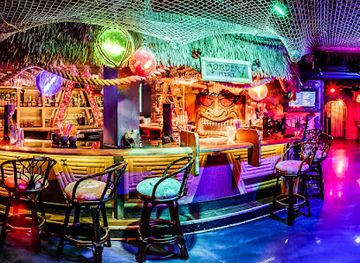
Laka Lono Rum Club
Discover the vibrant spirit of the tropics at Laka Lono Rum Club, Omaha's premier cocktail bar with an extensive rum selection and a lively atmosphere.
10 min walk · 0.8 km from neighbourhood centre
-
Bar
Wicked Rabbit
Experience Omaha's nightlife at Wicked Rabbit, a lively bar with craft cocktails and a vibrant atmosphere, perfect for socializing and relaxation.
5 min walk · 0.4 km from neighbourhood centre
-
Pub
Mr. Toad
Experience the lively atmosphere at Mr. Toad, Omaha's favorite pub, serving craft beers and unique cocktails in a charming setting.
12 min walk · 1.0 km from neighbourhood centre
-
Cocktail bar
The Berry & Rye
Discover the exquisite cocktails and unique ambiance of The Berry & Rye in downtown Omaha, where mixology meets vibrant nightlife.
11 min walk · 0.9 km from neighbourhood centre


Best nightclubs in Downtown Omaha
After dark, Downtown Omaha's activity centres on the Old Market, where bars occupy converted historic buildings and evening crowds move between restaurants, live-music rooms and late-opening venues. Cocktail bars, sports-oriented establishments and more informal drinking places create a varied scene without making the whole district a dedicated clubbing quarter. The Capitol District becomes particularly active around concerts, games and other events at CHI Health Center Omaha, while theatres and performance venues bring a different rhythm to Farnam Street and the surrounding blocks. The Old Market's Max is a long-established LGBTQ+ nightlife venue, and other bars in the district reflect the broader mix of downtown audiences. Visitors should expect event nights to be busier and noisier than ordinary evenings, with traffic and queues concentrated around venues rather than evenly spread through every street.
-
Cocktail bar
Laka Lono Rum Club
Discover a tropical paradise in downtown Omaha at Laka Lono Rum Club, where expertly crafted cocktails and vibrant ambiance await.
10 min walk · 0.8 km from neighbourhood centre
-
Lounge
HAVANA GARAGE
Experience the essence of Cuban-inspired nightlife at Havana Garage - a lively lounge, cocktail bar, and cigar shop in Omaha.
12 min walk · 1.0 km from neighbourhood centre
-
Night club
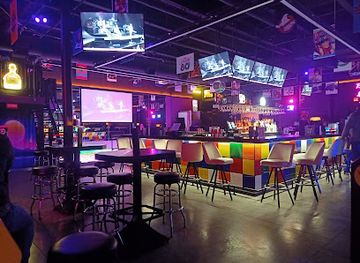
Throwback Arcade Lounge
Discover the ultimate blend of nostalgia and nightlife at Throwback Arcade Lounge in Omaha, where retro gaming meets vibrant club energy.
7 min walk · 0.6 km from neighbourhood centre
-
Bar
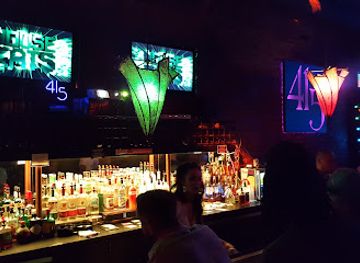
Bar 415
Experience Omaha's nightlife at Bar 415, where great drinks, lively music, and a welcoming atmosphere await you.
9 min walk · 0.7 km from neighbourhood centre

Best shops in Downtown Omaha
Shopping in Downtown Omaha is most distinctive in the Old Market, where former warehouse buildings contain independent boutiques, galleries, jewellery shops, gift stores, book-related businesses and specialist retailers. The area is suited to browsing rather than to a single large-scale shopping trip, with side passages and ground-floor premises adding variety to the main streets. Visitors can find locally made art, Nebraska-themed gifts, clothing, design objects and products from regional makers, although stock and business line-ups naturally change. The Capitol District and newer downtown blocks provide additional convenience retail and event-related businesses, while the central business district has more weekday-oriented services than destination shopping. The Old Market's setting is part of the appeal: historic façades, brick paving and compact blocks make it possible to combine shopping with cafés, restaurants and galleries without leaving the neighbourhood.
-
Gift shop
Hollywood Candy
Discover a delightful candy paradise at Hollywood Candy in Omaha, where nostalgia and sweetness come together in a vibrant gift shop experience.
11 min walk · 0.8 km from neighbourhood centre
-
Gift shop
Amazing Imaginarium
Explore the Amazing Imaginarium in Omaha - a unique gift shop offering vintage toys, comics, antiques, and collectibles for everyone.
11 min walk · 0.9 km from neighbourhood centre
-
Collectibles store
Old Market Emporium
Explore a treasure trove of vintage collectibles and unique finds at Old Market Emporium in Omaha, a must-visit for every tourist.
9 min walk · 0.7 km from neighbourhood centre
-
Gift shop
Ashley's Vintage
Explore Ashley's Vintage in Omaha, a treasure trove of unique collectibles and gifts that celebrate the charm of vintage shopping.
9 min walk · 0.7 km from neighbourhood centre


Downtown Omaha essentials
Getting There
Getting Around
Safety
Emergency Situations
Do's and Don'ts
Local Tips

From Eve
Local phrases worth knowing
You don't need to get them perfect. A few words go a long way, and locals appreciate the effort.
Basics
| English | Local | Say it |
|---|---|---|
| Hello | Howdy | [haw-dee] |
| Goodbye | See ya | [see yuh] |
| Yes | Yep | [yep] |
| No | Nah | [na] |
| Please/You're welcome | Sure thing | [shur thing] |
| Thank you | Thanks | [thanks] |
| Excuse me/Sorry | Pardon me | [par-dun me] |
| How are you? | How's it going? | [hows it go-in?] |
| Fine. And you? | Doing well. You? | [doin well. yuh?] |
| Do you speak English? | Ya speak English? | [ya speak ing-glish?] |
| I don't understand | I'm lost | [I'm lost] |
Eating & Drinking
| English | Local | Say it |
|---|---|---|
| I'd like to see the menu, please | Can I check out the menu? | [can ai chek out the menu?] |
| I don't eat meat | No meat for me | [no meet for mee] |
| Cheers! | Cheers! | [cheers] |
| I would like to pay, please | Can I settle the bill, please | [can ai set-l the bil, please] |
Emergencies
| English | Local | Say it |
|---|---|---|
| Help! | SOS! | [ess-oh-ess!] |
| Go away! | Get lost! | [get lost!] |
| Call the Police! | Call the cops! | [call the cops!] |
| Call a doctor! | Get a doc! | [get a doc!] |
| I'm lost | I'm confused | [I'm con-fyoozd] |
| I'm ill | I'm sick | [I'm sik] |
Shopping
| English | Local | Say it |
|---|---|---|
| I'd like to buy... | I wanna get... | [ai wanna get...] |
| I'm just looking | Just browsing | [just brows-ing] |
| How much is it? | What's the price? | [whats the price?] |
| That's too expensive | That's pricey | [thats prys-ee] |
| Can you lower the price? | Can ya bring it down? | [can ya bring it doun?] |
Time & Numbers
| English | Local | Say it |
|---|---|---|
| What time is it? | What's the time? | [whats the time?] |
| It's one o'clock | It's one | [its wun] |
| Half past (10) | Ten-thirty | [ten-thur-tee] |
| Morning | AM | [ay-em] |
| Afternoon | PM | [pee-em] |
| Evening | Evening | [ee-ven-ing] |
| Yesterday | Yest'day | [yest-day] |
| Today | Today | [tuh-day] |
| Tomorrow | Tomorrow | [tuh-mor-row] |
| 1 | One | [wun] |
| 2 | Two | [too] |
| 3 | Three | [three] |
| 4 | Four | [four] |
| 5 | Five | [five] |
| 6 | Six | [six] |
| 7 | Seven | [seven] |
| 8 | Eight | [ate] |
| 9 | Nine | [nine] |
| 10 | Ten | [ten] |
Transport & Directions
| English | Local | Say it |
|---|---|---|
| Where's a/the...? | Where's the...? | [wheres the...?] |
| What's the address? | What's the addy? | [whats the addy?] |
| Can you show me (on the map)? | Can you point it out? | [can ya point it out?] |
| When's the next (bus)? | When's the next (bus)? | [whens the next (bus)?] |
| A ticket (to ....) | A ticket (to ....) | [a ticket (to ....)] |
History of Downtown Omaha
River Settlement and Early Omaha
Downtown Omaha developed on the Missouri River terrace after the founding of Omaha in 1854, when the new settlement became an important point of contact between eastern markets and the expanding American West. The river landing supported transport and trade, while surveyors laid out a street grid rising west from the water. The district's position opposite Council Bluffs, Iowa, helped make it a practical transfer point for people and goods moving across the river before rail connections transformed the city. Much of the later downtown area therefore grew from commerce rather than from a single planned civic centre.
Railways and the Commercial City
Railway expansion after the Civil War changed Omaha's scale and reinforced downtown's role as a regional distribution and business centre. Warehouses, offices, hotels and retail premises followed the tracks and the river trade, while depots connected Nebraska with national markets. The Burlington Station, now home to The Durham Museum, opened in 1898 as a major passenger terminal and remains one of the clearest physical reminders of this period. The brick commercial buildings now associated with the Old Market were shaped by this nineteenth-century economy, accommodating wholesalers, merchants, workshops and storage before later changes in retail and transport.
The Old Market's Decline and Revival
As twentieth-century commerce moved towards larger roads, modern offices and suburban shopping areas, the warehouse district lost much of its original commercial purpose. From the 1960s, preservation-minded owners and local advocates helped retain its historic buildings rather than replacing them wholesale. Restaurants, galleries, specialist shops and residences gradually occupied the former warehouses, creating the Old Market district recognised today. Its revival preserved a concentrated section of downtown's nineteenth-century fabric while also changing the area's social and commercial role from wholesale trading quarter to visitor, dining and entertainment district.
Riverfront Redevelopment and a New Downtown
Late twentieth- and early twenty-first-century projects expanded Downtown Omaha's civic and cultural focus eastwards. The Durham Museum opened in the former Union Station in 1995, and the Holland Performing Arts Center followed in 2005, strengthening the district's cultural infrastructure. More recent RiverFront redevelopment connected Gene Leahy Mall, Heartland of America Park and Lewis and Clark Landing through redesigned public spaces, paths and gardens. At the same time, the Capitol District and continuing residential development added new uses around the central business area, leaving Downtown Omaha as a layered district of historic commerce, civic venues, entertainment and river-oriented public space.
Downtown Omaha in Photos
Browse through our photo collection highlighting the charm and character of the destination.
Neighbourhoods near Downtown Omaha
The closest neighbourhoods to Downtown Omaha, if you have time for more than one stop.
-

-

-


Swipe for more neighbourhoods
Explore more

Explore more of Omaha
Discover Omaha: A Midwest treasure with top-rated attractions, rich history, and vibrant culture, perfect for families, nature lovers, and art enthusiasts.
Explore Omaha