

Hemsedal Travel Guide - Free Web & App
Your ultimate guide to Hemsedal. Discover top landmarks, proposed trips, and local tips. Free on the web or via the Evendo companion app.


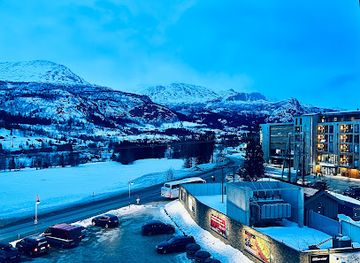
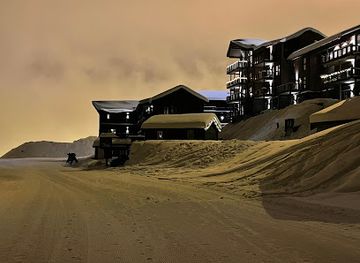
Hemsedal, Norway, combines high-mountain skiing, summer hiking, waterfalls and Hallingdal culture, with outdoor adventures around a lively village.
Mountain Landscapes and Outdoor Life
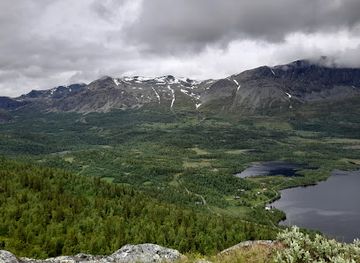
Hemsedal lies in the upper Hallingdal valley of southern Norway, roughly between Oslo and Bergen, where the Hemsila river runs through a broad mountain landscape framed by rounded summits, high plateaux and steep-sided valleys. The municipality is best known for Hemsedal Skisenter, one of Norway’s principal alpine resorts, but its identity extends well beyond winter sport. In summer, marked mountain paths lead towards peaks such as Skogshorn and Storehorn, while waterfalls including Hydnefossen and Rjukandefossen add drama to the surrounding landscape. The terrain changes noticeably with altitude: cultivated valley floors and scattered farms give way to birch woodland, open moorland and mountain terrain.Read more about Hemsedal
A Valley Shaped by Farming and Travel
Winter Resort and Summer Base
When is the best time to visit Hemsedal?
Best: June–August · 19–22°C| Month | High (°C) |
|---|---|
| January | -4 |
| February | -2 |
| March | 1 |
| April | 7 |
| May | 13 |
| June (best) | 19 |
| July (best) | 22 |
| August (best) | 20 |
| September | 15 |
| October | 8 |
| November | 3 |
| December | -2 |
Getting to and around Hemsedal
How to get there
Transportation
Best attractions in Hemsedal
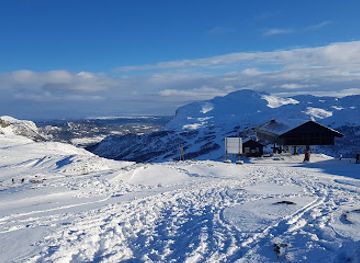
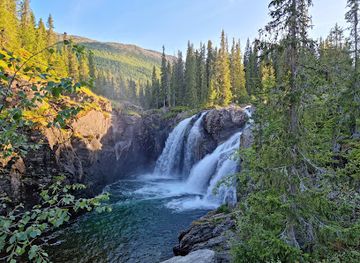
Hemsedal’s attractions are distributed through a wide mountain valley rather than concentrated in one centre. Hemsedal Skisenter is the principal winter draw, with alpine terrain and lifts on the slopes above the village, while the surrounding mountains become a network of hiking and cycling territory in summer. Skogshorn is one of the area’s most recognisable peaks, rising above the valley with a distinctive profile, and Storehorn and Veslehorn provide further high-level objectives for experienced walkers in appropriate conditions. Hydnefossen, one of Norway’s better-known waterfalls, drops dramatically from the mountains near the valley, while Rjukandefossen offers another powerful river landscape. The Hemsila and Mørkedøla valleys reveal quieter scenery of birch woodland, open pasture and rushing water. Around Hemsedal and nearby farm settlements, local heritage buildings and the Hemsedal Bygdetun provide a connection with traditional rural life, complementing the area’s strongly outdoor-focused attractions.
-
Scenic spot
Rjukandefoss
Experience the breathtaking beauty of Rjukandefoss, Hemsedal's top scenic spot showcasing nature's power and charm.
-
Stave church
Gol Stavkyrkje
Discover the architectural marvel of Gol Stavkyrkje, a historic stave church nestled in the breathtaking landscapes of Norway.
-
Tourist attraction
Fekjanåenefossen
Experience the breathtaking beauty of Fekjanåenefossen, a must-visit waterfall in the stunning Hemsedal region of Norway, perfect for nature lovers and adventurers.
-
Tourist attraction
Panoramavegen Dam
Discover the stunning Panoramavegen Dam in Røn, Norway, a breathtaking destination for nature lovers and photography enthusiasts alike.

Best landmarks in Hemsedal
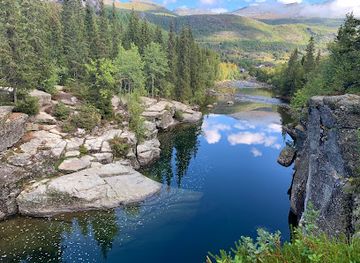
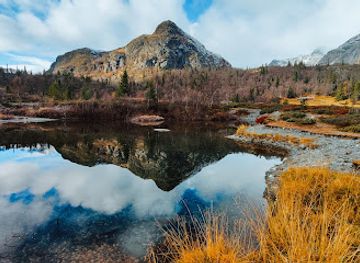
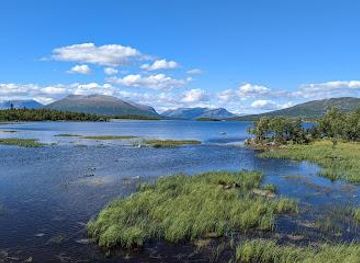
Hemsedal’s defining landmarks are primarily mountainous and natural. Skogshorn forms a prominent visual marker above the valley, while Storehorn and Veslehorn contribute to the distinctive skyline of rounded and rocky high peaks. Hydnefossen is a major waterfall landmark, dropping through steep mountain terrain, and Rjukandefossen is recognised for its concentrated rush of water through a rugged river setting. The Hemsila gives the valley a strong geographical spine, linking settlements, farms and recreational landscapes. Hemsedal Church is an important built landmark in the central community, representing the valley’s established religious and social history, while the Hemsedal Bygdetun preserves traditional rural buildings and local heritage. Together these features express the area’s identity as a settled Hallingdal valley opening into a high-mountain environment.
-
Scenic spot
Rjukandefoss
Experience the breathtaking beauty of Rjukandefoss Waterfall in Hemsedal, Norway - a must-see natural wonder surrounded by stunning landscapes.
-
Ski resort
Gravset resorts
Explore Gravset Resorts in Hemsedal for unparalleled skiing, winter sports, and breathtaking mountain views in Norway's premier alpine destination.
-
Ski resort
Roniheisens topp
Experience the breathtaking slopes and stunning scenery at Roniheisens Topp, Hemsedal's premier ski resort for an unforgettable winter getaway.
-
Ski resort
Tindenheisens topp
Discover the exhilarating slopes and breathtaking views at Tindenheisens Topp, a premier ski resort in Hemsedal, Norway, perfect for winter enthusiasts.
Explore Hemsedal on the map
Plan your trip on one map. See where the top attractions, landmarks, restaurants and hotels are, and book hotels and experiences in a few clicks.
Best hotels in Hemsedal
Best restaurants in Hemsedal
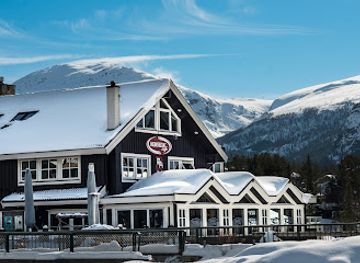
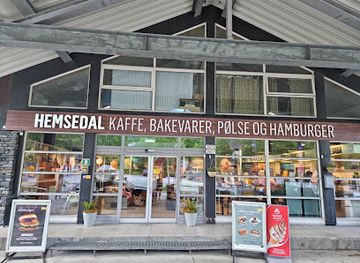
Dining in Hemsedal reflects the practical needs of a mountain resort and the food traditions of Hallingdal. The village and ski area provide the main concentration of restaurants, cafés, bakeries and casual places to eat, with options shaped by winter visitors and summer outdoor activity. Menus commonly draw on familiar Norwegian ingredients such as fish, game, potatoes, dairy produce and locally sourced meat, while cafés and bakeries are useful for provisions before walking or skiing. Traditional rural food from the wider Hallingdal region may include hearty dishes based on grains, dairy and preserved ingredients, although availability varies between establishments. Outside the central settlement, eating places are more scattered and may be associated with accommodation or farms rather than a separate dining district. Visitors staying in remote cabins or travelling to trailheads should plan food supplies in Hemsedal village or another service point.
-
Restaurant
Hemsedal Cafe
Discover Hemsedal Cafe - where authentic Norwegian cuisine meets stunning mountain views in the heart of Hemsedal.
-
Restaurant
SkiStar Lodge Hemsedal Alpin
Discover exquisite Norwegian cuisine at SkiStar Lodge Hemsedal Alpin amidst stunning alpine scenery.
-
 Hotel
HotelSkarsnuten Hotel
Experience luxury and adventure at Skarsnuten Hotel in Hemsedal – where stunning mountain views meet exceptional hospitality.
-
Cafe
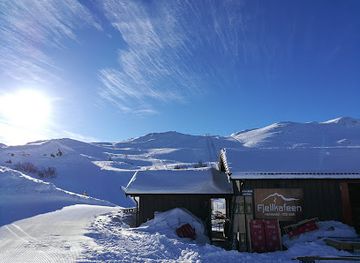
Fjellkafeen
Experience the heartwarming flavors of Norway at Fjellkafeen in Hemsedal—your cozy escape after outdoor adventures.
Best bars in Hemsedal
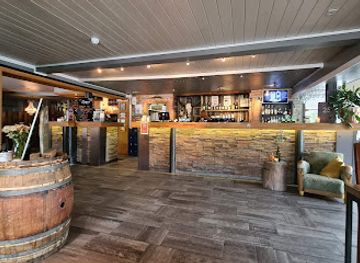
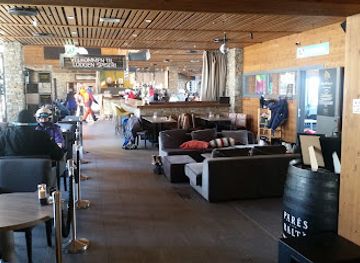
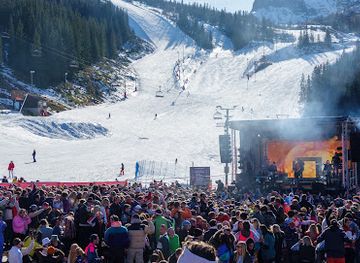
Hemsedal has a more developed evening scene than many Norwegian mountain villages because of its ski-resort identity. After a day on the slopes, the resort area and village offer established bars, pubs and après-ski venues, with the liveliest atmosphere generally associated with the winter season and holiday periods. The character is informal and activity-led rather than that of a large city nightlife district; music, conversations over drinks and social gatherings are more typical than extensive late-night clubbing. Summer evenings are quieter, centred on restaurants, accommodation venues and outdoor-friendly hospitality in the village. Opening patterns and entertainment vary considerably by season, so visitors should check current local information rather than assume every venue operates year-round. In outlying parts of the valley, evening options are limited and largely tied to where visitors are staying.
-
Bar
Hemsedal Cafe
Experience the warmth of Hemsedal Cafe, where delicious local cuisine meets breathtaking mountain views in Norway.
-
Hotel
Fyri Resort
Discover the luxury and adventure of Fyri Resort in Hemsedal, your gateway to breathtaking landscapes and outdoor activities in Norway.
-
Restaurant
SkiStar Lodge Hemsedal Alpin
Experience the perfect blend of exquisite dining and breathtaking mountain views at SkiStar Lodge Hemsedal Alpin, your culinary retreat in Norway's ski paradise.
-
Hotel
Skarsnuten Hotel
Experience the perfect blend of adventure and relaxation at Skarsnuten Hotel in the stunning landscapes of Hemsedal, Norway.
Best nightclubs in Hemsedal
Hemsedal has a more developed evening scene than many Norwegian mountain villages because of its ski-resort identity. After a day on the slopes, the resort area and village offer established bars, pubs and après-ski venues, with the liveliest atmosphere generally associated with the winter season and holiday periods. The character is informal and activity-led rather than that of a large city nightlife district; music, conversations over drinks and social gatherings are more typical than extensive late-night clubbing. Summer evenings are quieter, centred on restaurants, accommodation venues and outdoor-friendly hospitality in the village. Opening patterns and entertainment vary considerably by season, so visitors should check current local information rather than assume every venue operates year-round. In outlying parts of the valley, evening options are limited and largely tied to where visitors are staying.
-
Restaurant
Hemsedal Cafe
Discover Hemsedal Cafe, where delicious cuisine meets stunning mountain views in Norway's beautiful Hemsedal region.
-
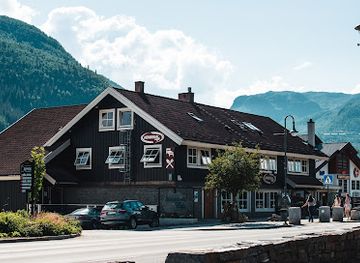
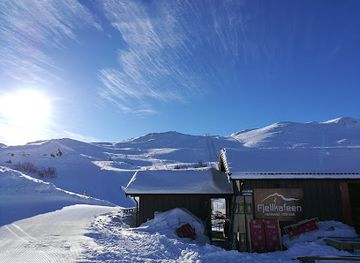
Cafe
Fjellkafeen
Discover the charm of Fjellkafeen in Hemsedal: a cozy cafe offering authentic Norwegian cuisine and a relaxed atmosphere for all visitors.
-
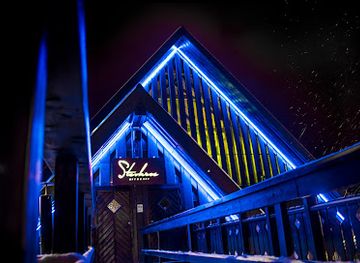
Night club
Stavkroa
Experience the electrifying nightlife at Stavkroa in Hemsedal, Norway's premier dance club and live music venue.
-
Bar
Skistua Hemsedal
Experience the perfect blend of ski culture and nightlife at Skistua Hemsedal, your go-to bar and restaurant in Norway's stunning Hemsedal valley.
Best shops in Hemsedal
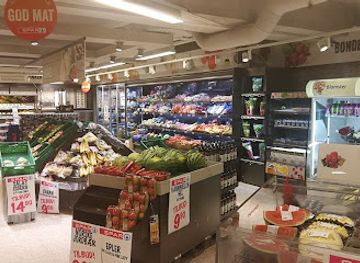
Shopping in Hemsedal is concentrated in the village and resort area rather than spread across a large retail district. Visitors will find practical everyday shops, outdoor and ski retailers, cafés, local services and businesses serving the seasonal visitor economy. These are useful places for clothing, equipment and provisions, particularly when weather or mountain conditions require additional layers or supplies. Regional products and crafts may be found through local producers, farm businesses, galleries or seasonal outlets, although the range and opening pattern can change through the year. Traditional food from Hallingdal, locally produced goods and small craft items offer more meaningful souvenirs than generic resort merchandise when available. Outside Hemsedal village, retail facilities are sparse, so visitors staying in cabins or travelling into the outlying valleys should obtain essential groceries and equipment before leaving the main service area.
-
Serviced apartment
Skigaarden
Discover Skigaarden in Hemsedal: a cozy serviced apartment and restaurant offering delicious cuisine and stunning mountain views for a perfect getaway.
-
Grocery store
Extra Hemsedal
Stock up on essentials at Extra Hemsedal, a local grocery store in the heart of Norway’s stunning mountain landscape.
-
Scenic spot
Rjukandefoss
Experience the breathtaking beauty of Rjukandefoss, a stunning waterfall in Hemsedal, Norway, surrounded by serene landscapes and nature's tranquility.
-
Gas station
SHELL HEMSEDAL
Discover SHELL HEMSEDAL – your ultimate travel hub in Norway with fuel, food, and convenience, all in one stunning location.
Get your free copy of our complete guide to Hemsedal, delivered straight to you.
Everything on this page, from attractions and restaurants to essentials and local phrases, in one PDF you can read offline, print or share.
Already have an account? Sign in
Your Hemsedal guide is ready.
We'll send it to · Not you? Sign out

Getting your guide ready…
We are putting together a fresh copy of the Hemsedal guide. This can take up to a minute.
This can take a few moments. If your browser asks, choose Allow so the download can start. You'll find the guide in your Downloads folder.
Nothing happened? Download it again
Sorry, the guide is taking longer than usual. Please try again in a minute, or get it by email instead.
Hemsedal essentials
Currency and Payment
Safety
Emergency Situations
Do's and Don'ts
Local Tips
From Eve
Local phrases worth knowing
You don't need to get them perfect. A few words go a long way, and locals appreciate the effort.
Basics
| English | Local | Say it |
|---|---|---|
| Hello | Hei | [hay] |
| Goodbye | Ha det | [ha deh] |
| Yes | Ja | [ya] |
| No | Nei | [nay] |
| Please/You're welcome | Vær så god | [ver so go] |
| Thank you | Takk | [tahk] |
| Excuse me/Sorry | Unnskyld | [oonskuld] |
| How are you? | Hvordan har du det? | [vohr-dan har doo deh] |
| Fine. And you? | Fint. Og du? | [feent oh doo] |
| Do you speak English? | Snakker du engelsk? | [snah-ker doo engelsk] |
| I don't understand | Jeg forstår ikke | [yay for-stor eeg-neh] |
Eating & Drinking
| English | Local | Say it |
|---|---|---|
| I'd like to see the menu, please | Jeg vil gjerne se menyen, takk | [yay veal year-neh seh meh-nyen, tahk] |
| I don't eat meat | Jeg spiser ikke kjøtt | [yay spee-ser eek-eh shøtt] |
| Cheers! | Skål! | [skohl] |
| I would like to pay, please | Jeg vil gjerne betale, takk | [yay veal year-neh beh-tah-leh, tahk] |
Emergencies
| English | Local | Say it |
|---|---|---|
| Help! | Hjelp! | [yelp] |
| Go away! | Gå vekk! | [goh veck] |
| Call the Police! | Ring politiet! | [reeng poh-lee-tee-et] |
| Call a doctor! | Ring en lege! | [reeng ehn leh-geh] |
| I'm lost | Jeg er borte | [yay ehr bohr-teh] |
| I'm ill | Jeg er syk | [yay ehr sook] |
Shopping
| English | Local | Say it |
|---|---|---|
| I'd like to buy... | Jeg vil kjøpe... | [yay veal shø-peh] |
| I'm just looking | Jeg bare ser | [yay bah-reh seer] |
| How much is it? | Hvor mye koster det? | [vor mee-yeh kohs-ter deh] |
| That's too expensive | Det er for dyrt | [deh ehr for deert] |
| Can you lower the price? | Kan du senke prisen? | [kan doo sen-keh prees-en] |
Time & Numbers
| English | Local | Say it |
|---|---|---|
| What time is it? | Hva er klokka? | [vah ehr klo-kah] |
| It's one o'clock | Klokken er ett | [klo-ken ehr et] |
| Half past (10) | Halv ti | [halv tee] |
| Morning | Morgen | [mohr-gehn] |
| Afternoon | Ettermiddag | [et-tehr-meed-dahg] |
| Evening | Kveld | [kvehld] |
| Yesterday | I går | [ee gohr] |
| Today | I dag | [ee dahg] |
| Tomorrow | I morgen | [ee mohr-gehn] |
| 1 | En | [ehn] |
| 2 | To | [too] |
| 3 | Tre | [treh] |
| 4 | Fire | [fee-reh] |
| 5 | Fem | [fem] |
| 6 | Seks | [seks] |
| 7 | Syv | [seev] |
| 8 | Åtte | [oh-teh] |
| 9 | Ni | [nee] |
| 10 | Ti | [tee] |
Transport & Directions
| English | Local | Say it |
|---|---|---|
| Where's a/the...? | Hvor er...? | [vor ehr] |
| What's the address? | Hva er adressen? | [vah ehr ah-dress-en] |
| Can you show me (on the map)? | Kan du vise meg (på kartet)? | [kan doo vee-seh may (poh kahr-teh)] |
| When's the next (bus)? | Når går neste (buss)? | [nahr gohr nehs-teh (boos)] |
| A ticket (to ....) | En billett (til ....) | [ehn bee-let (teel)] |
History of Hemsedal
A Valley Formed by Ice and Water
Hemsedal’s physical setting was shaped over long geological periods and heavily modified by repeated glaciation. Ice moving through the upper Hallingdal region deepened valleys, smoothed mountain surfaces and left the combination of steep slopes, rounded summits and upland plateaux visible today. Meltwater and rivers continued to carve channels and gorges, producing features such as the waterfalls and rocky courses associated with the Hemsila and Mørkedøla valleys. This geological inheritance explains why Hemsedal supports both a settled agricultural valley floor and extensive mountain terrain, while also providing the natural framework for modern hiking, skiing and climbing.
Farming and Seasonal Mountain Pastures
Human settlement in Hemsedal developed around farming in the valley and the seasonal use of higher pastures, known in Norway as seter or støl traditions. Summer movement of livestock to mountain grazing areas allowed limited valley farmland to support larger households and helped shape tracks, buildings and land divisions across the uplands. Timber construction, hay meadows and scattered farmsteads remain part of the cultural landscape. Life was historically demanding and largely self-sufficient, with transport and communication governed by the valley’s terrain and winter conditions. These older patterns still inform local heritage and the appearance of the countryside beyond the resort.
Hallingdal Connections
Hemsedal has long been connected to the wider Hallingdal region through routes following the valley and mountain passes. Trade, church life, seasonal work and movement between farms linked local communities with neighbouring settlements, even when travel was slow. The valley’s culture shares features with Hallingdal more broadly, including timber traditions, rural music and dance, and distinctive forms of folk dress and craftsmanship. Hemsedal Church, built in the nineteenth century, reflects the continuing importance of an established local community as the valley developed from scattered agricultural settlements into a municipality with a central village and growing visitor economy.
The Rise of Mountain Tourism
Visitors began to value Hemsedal’s scenery and mountain air before the area became a major ski destination, and tourism gradually added accommodation, guiding and improved road connections to the established farming economy. The modern ski resort developed during the twentieth century and transformed Hemsedal’s winter profile, bringing lifts, marked pistes and a wider service industry to the mountain slopes. Summer tourism expanded alongside it through hiking and other outdoor activities. Today, tourism remains closely bound to the landscape, while local planning and responsible recreation are important in balancing visitor access with farming, wildlife and the vulnerability of high-mountain environments.
Hemsedal in Photos
Browse through our photo collection highlighting the charm and character of the destination.
Neighbouring destination travel guides
The closest destinations to Hemsedal, if you have time for more than one.
-

-

-

-

-


Swipe for more destinations
Explore more
Explore more of Buskerud
Discover the enchanting landscapes and rich heritage of Buskerud, Norway – from majestic mountains to charming villages, perfect for adventurers and culture lovers alike.
Explore Buskerud
Explore more of Norway
Explore Norway's spectacular fjords, vibrant cities, and natural wonders. Experience the Northern Lights, Midnight Sun, and rich cultural heritage in this Scandinavian gem.
Explore Norway