

Strip District (Pittsburgh) Travel Guide - Free
Explore Strip District in Pittsburgh with Evendo's free guide. Find the best shops, historic streets, restaurants, and gems on web or mobile.


Strip District, Pittsburgh, blends riverfront trails, historic food markets, global groceries, museums, restaurants and lively weekend street life.
Warehouses, Markets and River Light
Between the Allegheny River and the rising streets of central Pittsburgh, the Strip District occupies a long, narrow band of former warehouses, wholesale businesses and railway-linked industry. Its character is immediately legible along Smallman Street, Penn Avenue and Liberty Avenue, where old brick commercial buildings now contain food shops, restaurants, breweries, design stores and entertainment venues. The district is compact enough to explore on foot, yet broad enough to reward an unhurried wander between the riverfront and the busy market streets.Read more about Strip District
A Food-Led Cultural Quarter
From Industry to Everyday Exploration
Best attractions in Strip District
The Senator John Heinz History Center is the Strip District’s principal cultural attraction, presenting Pennsylvania history through exhibitions on industry, immigration, politics, sport and everyday life in a substantial former industrial building. Along Smallman Street and Penn Avenue, the district’s food markets and specialist grocers are attractions in their own right, offering a close look at Pittsburgh’s longstanding wholesale and imported-food culture. The Three Rivers Heritage Trail creates a contrasting riverfront experience, with open views across the Allegheny and walking or cycling connections towards Downtown and the North Shore. The Strip District Terminal, a renovated market and retail complex, reflects the neighbourhood’s transition from warehouse commerce to a broader visitor economy. Architecture is part of the sightseeing: low-rise brick warehouses, old commercial signs and surviving loading details give the streets a practical character that differs from Pittsburgh’s office-centred Downtown.
-
History museum
Senator John Heinz History Center
Discover the fascinating history of Western Pennsylvania at the Senator John Heinz History Center, a premier museum showcasing rich cultural narratives and artifacts.
8 min walk · 0.7 km from neighbourhood centre
-
Park
Mellon Square
Explore Mellon Square, an urban park in Downtown Pittsburgh, offering greenery, art, and a serene escape from the city's hustle and bustle.
18 min walk · 1.4 km from neighbourhood centre
-
Bridge
Andy Warhol Bridge
Explore the iconic Andy Warhol Bridge in Pittsburgh, a vibrant landmark celebrating art and engineering with stunning city views.
17 min walk · 1.3 km from neighbourhood centre


Best landmarks in Strip District
The Senator John Heinz History Center occupies the former Chautauqua Lake Ice Company building, linking one of Pennsylvania’s major historical institutions with the Strip District’s industrial past. The district’s most characteristic landmarks are less monumental than functional: long brick warehouse fronts, loading bays, commercial signs and market buildings along Smallman Street and Penn Avenue record the area’s history as a wholesale and distribution quarter. The Strip District Terminal is another important physical marker, its renewed market buildings illustrating the conversion of older commercial premises to retail, food and community uses. At the river edge, the Three Rivers Heritage Trail provides a public line through a landscape once dominated by transport and industrial activity. Together these structures and routes explain how the neighbourhood developed around storage, movement and food commerce rather than around civic monuments or grand residential avenues.
-
History museum
Senator John Heinz History Center
Explore the rich history of Pittsburgh and its cultural heritage at the Senator John Heinz History Center, the largest history museum in Pennsylvania.
8 min walk · 0.7 km from neighbourhood centre
-
Distillery
Wigle Whiskey Distillery
Explore the rich tradition of craft distilling at Wigle Whiskey Distillery in Pittsburgh's historic Strip District.
7 min walk · 0.6 km from neighbourhood centre
-
Bridge
Andy Warhol Bridge
Experience the artistic essence of Pittsburgh at the Andy Warhol Bridge, a historic suspension bridge offering stunning views and cultural significance.
17 min walk · 1.3 km from neighbourhood centre
-
Escape room center
Bold Escape Rooms - Pittsburgh Strip District
Experience thrilling adventures at Bold Escape Rooms in Pittsburgh's Strip District, where teamwork meets fun in an unforgettable escape challenge.
8 min walk · 0.6 km from neighbourhood centre


Explore Strip District on the map
A handpicked selection of must-see spots in Strip District, mapped for you.
Best hotels in Strip District
Best restaurants in Strip District
Dining in the Strip District ranges from longstanding market counters and casual eateries to contemporary restaurants, breweries and cafés occupying converted commercial spaces. The district’s culinary identity is rooted in its food businesses: Pennsylvania Macaroni Company supplies imported Italian and Mediterranean ingredients, while Wholey’s Market and other established merchants maintain the atmosphere of a working provisions quarter. Visitors can browse for coffee, pastries, prepared food, spices, cheese and specialist groceries before choosing among restaurants along Smallman Street and Penn Avenue. The mix reflects both Pittsburgh’s immigrant food traditions and the neighbourhood’s newer role as a social destination, with menus extending beyond the older market staples. Restaurant choices are concentrated in the busier western and central blocks, while the eastern end has a more mixed commercial feel. Individual businesses and market counters have different schedules, so the food scene is best approached as a collection of distinct local stops rather than a single organised hall.
-
Seafood
Roland's Seafood Grill
Discover fresh seafood delights at Roland's Seafood Grill in Pittsburgh’s vibrant Strip District – where taste meets tradition!
3 min walk · 0.2 km from neighbourhood centre
-
Italian
DiAnoia's Eatery
Discover the authentic taste of Italy at DiAnoia's Eatery in Pittsburgh’s vibrant Strip District.
10 min walk · 0.8 km from neighbourhood centre
-
Seafood
Luke Wholey's Wild Alaskan Grille
Experience the essence of Alaskan seafood at Luke Wholey's Wild Alaskan Grille in Pittsburgh's vibrant Strip District.
5 min walk · 0.4 km from neighbourhood centre
-
Caribbean
Kaya
Experience the vibrant flavors of Caribbean cuisine at Kaya in Pittsburgh's Strip District, where every dish tells a story.
3 min walk · 0.2 km from neighbourhood centre


Best bars in Strip District
The Strip District’s evening scene is centred on restaurants, breweries, bars and activity-led venues rather than a dense nightclub strip. Cinderlands Warehouse brings a brewery setting to the former industrial landscape, while venues such as Shorty’s Pins x Pints combine drinks with games and late-day entertainment. Bars and restaurants around Smallman Street and the Strip District Terminal tend to be more social after work and at weekends, when the area’s daytime market energy gives way to dining and group gatherings. The neighbourhood also has spaces for live entertainment and informal evening activity, though the atmosphere changes quickly outside the busiest blocks. Visitors seeking a conventional large-club circuit may find more choice elsewhere in Pittsburgh; the Strip’s appeal after dark lies in its food, beer, games and repurposed warehouse settings.
-
Irish pub
Mullaney's Harp & Fiddle
Discover the heart of Irish culture at Mullaney's Harp & Fiddle, a lively pub in Pittsburgh's Strip District featuring traditional dishes and live music.
7 min walk · 0.6 km from neighbourhood centre
-
Italian
Bar Marco
Discover the heart of Italian cuisine at Bar Marco, where fresh ingredients and a vibrant atmosphere create a dining experience unlike any other in Pittsburgh.
6 min walk · 0.5 km from neighbourhood centre
-
 Bar
The BeerHive
Explore the best of craft beer at The BeerHive in Pittsburgh's vibrant Strip District, where every pint tells a story.
5 min walk · 0.4 km from neighbourhood centre
-
Bar
Lefty's
Experience the vibrant nightlife at Lefty's, a must-visit bar in Pittsburgh's Strip District with an extensive drink menu and welcoming atmosphere.
4 min walk · 0.3 km from neighbourhood centre


Best nightclubs in Strip District
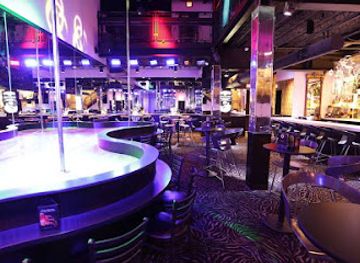
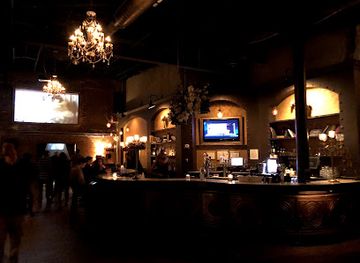
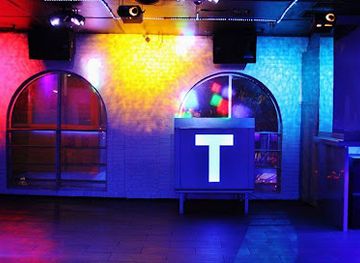
The Strip District’s evening scene is centred on restaurants, breweries, bars and activity-led venues rather than a dense nightclub strip. Cinderlands Warehouse brings a brewery setting to the former industrial landscape, while venues such as Shorty’s Pins x Pints combine drinks with games and late-day entertainment. Bars and restaurants around Smallman Street and the Strip District Terminal tend to be more social after work and at weekends, when the area’s daytime market energy gives way to dining and group gatherings. The neighbourhood also has spaces for live entertainment and informal evening activity, though the atmosphere changes quickly outside the busiest blocks. Visitors seeking a conventional large-club circuit may find more choice elsewhere in Pittsburgh; the Strip’s appeal after dark lies in its food, beer, games and repurposed warehouse settings.
-
Night club
Rick's Cabaret & Sports Bar Pittsburgh
Discover Pittsburgh's vibrant nightlife at Rick's Cabaret & Sports Bar, where adult entertainment meets an exhilarating sports bar atmosphere.
16 min walk · 1.2 km from neighbourhood centre
-
Night club
Cavo Night Club
Discover the electrifying nightlife at Cavo Night Club, where live music, comedy, and unforgettable moments await in Pittsburgh's Strip District.
2 min walk · 0.2 km from neighbourhood centre
-
Gay bar
Real Luck Café (Lucky's Bar)
Experience the vibrant nightlife of Pittsburgh at Real Luck Café, your premier gay bar and dance club in the Strip District.
4 min walk · 0.3 km from neighbourhood centre
-
Night club
Tilden
Experience the vibrant nightlife at Tilden, Pittsburgh's top night club with electrifying music, creative cocktails, and an unforgettable atmosphere.
15 min walk · 1.2 km from neighbourhood centre

Best shops in Strip District
Shopping in the Strip District is strongest in food and specialist retail, with a character shaped by the neighbourhood’s long history as a wholesale market quarter. Pennsylvania Macaroni Company is a central stop for imported Italian and Mediterranean groceries, while Wholey’s Market is associated with seafood and fresh provisions. Other businesses along Penn Avenue and Smallman Street sell spices, produce, sweets, kitchen goods, international ingredients and prepared foods, making a food-shopping walk more distinctive than a conventional high-street circuit. The Strip District Terminal adds renovated market and retail space, with independent businesses and visitor-oriented shops occupying part of the former commercial landscape. Retail varies from long-established family-run operations to newer boutiques and lifestyle businesses, and the atmosphere is most market-like around the busier weekend periods. Visitors should distinguish shopping here from the larger chain-led retail areas of Downtown and nearby East Liberty.
-
Shopping mall
Strip District Terminal
Experience the vibrant atmosphere of the Strip District Terminal in Pittsburgh, where shopping, dining, and fitness meet in a unique urban setting.
1 min walk · 0.1 km from neighbourhood centre
-
Gift shop
AlbertsGifts.com
Explore unique gifts and local crafts at Albert's Gifts in Pittsburgh's Strip District, a must-visit for every tourist seeking authentic souvenirs.
5 min drive · 1.5 km from neighbourhood centre
-
Gift shop
Art of Steel Ltd.
Discover unique handcrafted gifts at Art of Steel Ltd. in Pittsburgh's vibrant Strip District, reflecting the city's rich culture and history.
5 min walk · 0.4 km from neighbourhood centre
-
Gift shop
Lucy's Handmade Clothing Shop Strip District
Discover unique handmade clothing and souvenirs in the heart of Pittsburgh's Strip District at Lucy's Handmade Clothing Shop.
4 min walk · 0.3 km from neighbourhood centre


Strip District essentials
Getting There
Getting Around
Safety
Emergency Situations
Do's and Don'ts
Local Tips

From Eve
Local phrases worth knowing
You don't need to get them perfect. A few words go a long way, and locals appreciate the effort.
Basics
| English | Local | Say it |
|---|---|---|
| Hello | Hey | [hey] |
| Goodbye | See ya | [see ya] |
| Yes | Yinz | [yinz] |
| No | Nah | [nah] |
| Please/You're welcome | Please/N'at | [please/n'at] |
| Thank you | Thanks | [thanks] |
| Excuse me/Sorry | Excuse me | [excuse me] |
| How are you? | How yinz doin'? | [how yinz doin'?] |
| Fine. And you? | A'right. N'you? | [a'right. n'you?] |
| Do you speak English? | Yinz speak English? | [yinz speak english?] |
| I don't understand | I ain't gettin' it | [i ain't gettin' it] |
Eating & Drinking
| English | Local | Say it |
|---|---|---|
| I'd like to see the menu, please | Let me see the menu, please | [let me see the menu, please] |
| I don't eat meat | I don't eat meat | [i don't eat meat] |
| Cheers! | Cheers! | [cheers!] |
| I would like to pay, please | I gotta pay, please | [i gotta pay, please] |
Emergencies
| English | Local | Say it |
|---|---|---|
| Help! | Help! | [help!] |
| Go away! | Get outta here! | [get outta here!] |
| Call the Police! | Call the cops! | [call the cops!] |
| Call a doctor! | Get a doctor! | [get a doctor!] |
| I'm lost | I'm turned around | [i'm turned around] |
| I'm ill | I'm sick | [i'm sick] |
Shopping
| English | Local | Say it |
|---|---|---|
| I'd like to buy... | I wanna buy... | [i wanna buy...] |
| I'm just looking | I'm just lookin' | [i'm just lookin'] |
| How much is it? | How much? | [how much?] |
| That's too expensive | That's too much | [that's too much] |
| Can you lower the price? | Can ya knock the price down? | [can ya knock the price down?] |
Time & Numbers
| English | Local | Say it |
|---|---|---|
| What time is it? | What time is it? | [what time is it?] |
| It's one o'clock | It's one | [it's one] |
| Half past (10) | Half ten | [half ten] |
| Morning | Morning | [morning] |
| Afternoon | Afternoon | [afternoon] |
| Evening | Evening | [evening] |
| Yesterday | Yesterday | [yesterday] |
| Today | Today | [today] |
| Tomorrow | Tomorrow | [tomorrow] |
| 1 | One | [one] |
| 2 | Two | [two] |
| 3 | Three | [three] |
| 4 | Four | [four] |
| 5 | Five | [five] |
| 6 | Six | [six] |
| 7 | Seven | [seven] |
| 8 | Eight | [eight] |
| 9 | Nine | [nine] |
| 10 | Ten | [ten] |
Transport & Directions
| English | Local | Say it |
|---|---|---|
| Where's a/the...? | Where's the...? | [where's the...?] |
| What's the address? | What's the address? | [what's the address?] |
| Can you show me (on the map)? | Can you show me (on the map)? | [can you show me (on the map)?] |
| When's the next (bus)? | When's the next (bus)? | [when's the next (bus)?] |
| A ticket (to ....) | A ticket (to ....) | [a ticket (to ....)] |
History of Strip District
A Riverfront Industrial Strip
The area took shape as Pittsburgh expanded along the Allegheny River and required space for manufacturing, storage and wholesale trade. Its flat riverfront land, access to water transport and connection with rail infrastructure made it especially suitable for yards, warehouses and commercial depots. The name Strip District reflects this elongated geography rather than a traditional town centre. By the late nineteenth and early twentieth centuries, the district had become a working zone between the river and the residential hills, with industrial buildings and transport activity defining its streetscape.
Wholesale Markets and Immigrant Commerce
The Strip’s commercial identity developed through produce, meat, fish and grocery businesses serving Pittsburgh’s expanding population. Wholesale houses and specialist food merchants occupied the district’s warehouses, while immigrant-owned businesses introduced ingredients and culinary traditions from across Europe and later from a wider range of communities. Penn Avenue and Smallman Street became associated with market activity, early deliveries and Saturday shopping. Businesses that continue to sell imported foods and specialist provisions preserve part of this older commercial pattern, even as the surrounding land uses have changed.
Railways, Warehouses and Changing Industry
Railway connections strengthened the Strip District’s role as a distribution and industrial quarter, linking its warehouses with regional markets and Pittsburgh’s wider manufacturing economy. Companies handled food and other goods in buildings designed for storage, loading and movement rather than display. The district was also affected by the long decline of heavy industry and the relocation or contraction of traditional wholesale operations during the twentieth century. As industrial land became less intensively used, former commercial structures offered a distinctive setting for new retail, cultural and hospitality businesses.
A New Market and Cultural Economy
From the late twentieth century onwards, the Strip District attracted restaurants, cafés, specialist shops, offices and entertainment venues alongside surviving food wholesalers. The Senator John Heinz History Center opened in the former Chautauqua Lake Ice Company building, connecting the neighbourhood’s industrial fabric with Pennsylvania history. More recent development has added apartments, hotels and renovated commercial spaces, while the riverfront trail has made the Allegheny edge more accessible. The result is a mixed district in which long-established market businesses coexist with newer residential, recreational and hospitality uses.
Strip District in Photos
Browse through our photo collection highlighting the charm and character of the destination.
Neighbourhoods near Strip District
The closest neighbourhoods to Strip District, if you have time for more than one stop.
-

-
-


Swipe for more neighbourhoods
Explore more

Explore more of Pittsburgh
Pittsburgh blends steel-era history, dramatic riverside views, renowned museums, sports culture and lively neighbourhoods in western Pennsylvania.
Explore Pittsburgh