

Bratislava Castle (Hrad) (Bratislava) Travel Guide - Free
Explore Bratislava Castle (Hrad) in Bratislava with Evendo's free guide. Find the best shops, historic streets, restaurants, and gems on web or mobile.


Bratislava Castle (Hrad) rises above Slovakia’s capital with royal history, Baroque gardens, Danube views, museum collections and Old Town walks.
Castle Hill Above the Danube
Bratislava Castle (Bratislavský hrad), known locally as Hrad, occupies a broad plateau above the historic centre of Bratislava. Its four corner towers and pale façades form one of the city’s defining silhouettes, while the hilltop position opens views across the Danube towards Petržalka, the river frontier and, on clear days, the surrounding countryside. The area is not a conventional residential neighbourhood but a compact historic precinct shaped by the castle, its grounds, government buildings and the streets climbing towards the Old Town.Read more about Bratislava Castle (Hrad)
Royal History and Reconstructed Grandeur
Gardens, Streets and Danube Views
Best attractions in Bratislava Castle (Hrad)
The principal attraction is Bratislava Castle itself, whose courtyards, reconstructed palace rooms and Museum of History introduce visitors to the political and cultural history of Slovakia and the former Kingdom of Hungary. The Crown Tower provides an elevated outlook, while the castle terraces frame the Danube, Petržalka and the city’s historic core. On the eastern side, the restored Baroque garden offers formal planting, gravel paths and a quieter way to appreciate the palace’s eighteenth-century transformation. The castle walls and outer approaches are rewarding in their own right, with changing views along the hill. Below the plateau, Zámocká street provides a natural link towards the Old Town, and St Martin’s Cathedral lies nearby, although it belongs to the cathedral quarter rather than the castle precinct itself.
-
Historical landmark
Michael's Gate
Explore the historic Michael's Gate in Bratislava, a stunning medieval landmark that offers a glimpse into the city's rich cultural heritage.
7 min walk · 0.6 km from neighbourhood centre
-
War memorial
Slavín
Explore Slavín, a breathtaking war memorial in Bratislava, commemorating WWII heroes with stunning views and rich historical significance.
16 min walk · 1.3 km from neighbourhood centre
-
Garden
Baroque garden
Experience breathtaking floral displays and serene paths at the Baroque Garden in Bratislava, a perfect blend of nature and history.
2 min walk · 0.1 km from neighbourhood centre
-
Museum
SNM-Historical Museum in Bratislava
Explore Slovakia's vibrant history at the SNM-Historical Museum in Bratislava, housed in the iconic Bratislava Castle, a blend of culture and stunning views.
1 min walk · 0.1 km from neighbourhood centre


Best landmarks in Bratislava Castle (Hrad)
Bratislava Castle is the defining landmark, a four-towered palace whose white façades and red roofs dominate the city’s northern skyline. Its present form reflects Baroque rebuilding over a much older fortified site, while the Crown Tower preserves the memory of the complex’s royal and defensive functions. The castle terraces, enclosing walls and formal Baroque garden are important parts of the landmark rather than incidental surroundings, revealing how the hill was shaped for both ceremony and control. Below the palace, the castle approach and Zámocká street retain a historic relationship between the elevated stronghold and the Old Town. Nearby St Martin’s Cathedral, recognisable by its crown-topped tower, belongs to the adjoining cathedral quarter but helps explain the castle hill’s place within Bratislava’s former coronation landscape.
-
Castle
Bratislava Castle
Discover the rich history and stunning vistas at Bratislava Castle, a historic gem overlooking the beautiful Danube River.
1 min walk · 0.1 km from neighbourhood centre
-
Garden
Baroque garden
Explore the Baroque Garden in Bratislava-Hrad: A tranquil oasis of beauty, history, and serene landscapes perfect for leisurely strolls and picturesque moments.
2 min walk · 0.1 km from neighbourhood centre
-
Museum
SNM-Historical Museum in Bratislava
Uncover Slovakia's vibrant past at the SNM-Historical Museum in Bratislava, where history and culture intertwine in a stunning castle setting.
1 min walk · 0.1 km from neighbourhood centre
-
Historical place
Medieval City Walls
Uncover the historical charm of the Medieval City Walls, a must-see attraction that offers stunning views and insights into the region's rich past.
4 min walk · 0.3 km from neighbourhood centre


Explore Bratislava Castle (Hrad) on the map
A handpicked selection of must-see spots in Bratislava Castle (Hrad), mapped for you.
Best hotels in Bratislava Castle (Hrad)
Best restaurants in Bratislava Castle (Hrad)
Dining directly on the castle plateau is limited, so the most useful food options lie on the slopes and along Zámocká street below it, with further choice a short walk away in the Old Town. The area suits a meal or coffee before or after visiting the museum rather than a dedicated food tour. Menus in central Bratislava commonly combine Slovak dishes with broader Central European cooking, while cafés provide pastries, light meals and drinks for visitors exploring the hill. Restaurants near the castle serve a mixed audience of residents, office workers and sightseers, and the setting can be more atmospheric than the larger pedestrian squares. Because businesses and opening arrangements change, visitors should check current listings, especially outside the main daytime sightseeing period.
-
Restaurant
Bratislava Flagship
Experience the rich flavors of Slovakia at Bratislava Flagship - where tradition meets innovation in every dish.
11 min walk · 0.9 km from neighbourhood centre
-
Modern European
Lemontree & Sky Bar Restaurant Bratislava
Discover modern European flavors and spectacular views at Lemontree & Sky Bar in Bratislava – where fine dining meets vibrant nightlife.
7 min walk · 0.5 km from neighbourhood centre
-
Restaurant
Rio Restaurant & Bar
Experience culinary excellence at Rio Restaurant & Bar in Bratislava - where local flavors meet international cuisine amidst stunning city views.
6 min walk · 0.5 km from neighbourhood centre
-
Restaurant
Modrá Hviezda / Blue Star
Experience authentic Slovak cuisine at Modrá Hviezda in Old Town-Hrad, where tradition meets modern culinary artistry.
3 min walk · 0.2 km from neighbourhood centre


Best bars in Bratislava Castle (Hrad)
Bratislava Castle is not a nightlife district, and the hilltop becomes comparatively quiet once museum and garden visits have ended. Evening options are concentrated around Zámocká street and the adjoining Old Town, where cafés, wine bars and restaurants provide a calmer setting than the city’s larger clubbing areas. The castle itself is occasionally used for formal cultural or public events, but visitors should not assume that regular performances or late-night access are available. For a wider choice of music venues, late bars and clubs, travel downhill into the central Old Town rather than treating Hrad as a dedicated entertainment quarter. Residents live on and below the hill, so noise should be kept modest on the narrow surrounding streets.
-
Irish pub
The Dubliner Irish Pub
Discover the heart of Ireland in the vibrant atmosphere of The Dubliner Irish Pub, where authentic dishes and drinks await every visitor.
7 min walk · 0.5 km from neighbourhood centre
-
Pub
Goblins Pub
Experience the vibrant nightlife of Bratislava at Goblins Pub, where live music and comedy meet a whimsical atmosphere.
7 min walk · 0.6 km from neighbourhood centre
-
Cocktail bar
Michalska Cocktail Room
Experience the vibrant cocktail culture at Michalska Cocktail Room in Bratislava, where unique drinks meet an inviting atmosphere.
7 min walk · 0.5 km from neighbourhood centre
-
Bar
Baudelaire Bar
Discover Baudelaire Bar: A lively Bratislava hotspot for cocktails and local brews, perfect for unwinding and enjoying the vibrant nightlife.
7 min walk · 0.6 km from neighbourhood centre


Best nightclubs in Bratislava Castle (Hrad)
Bratislava Castle is not a nightlife district, and the hilltop becomes comparatively quiet once museum and garden visits have ended. Evening options are concentrated around Zámocká street and the adjoining Old Town, where cafés, wine bars and restaurants provide a calmer setting than the city’s larger clubbing areas. The castle itself is occasionally used for formal cultural or public events, but visitors should not assume that regular performances or late-night access are available. For a wider choice of music venues, late bars and clubs, travel downhill into the central Old Town rather than treating Hrad as a dedicated entertainment quarter. Residents live on and below the hill, so noise should be kept modest on the narrow surrounding streets.
-
Night club
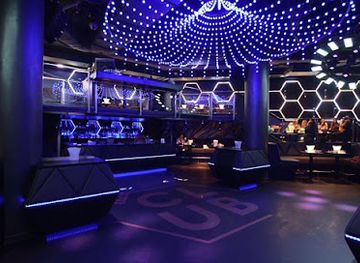
Great Club Bratislava
Discover the exhilarating nightlife at Great Club Bratislava, where electrifying music and vibrant energy create unforgettable memories.
9 min walk · 0.7 km from neighbourhood centre
-
Disco club
The Club Bratislava
Discover the vibrant nightlife at The Club Bratislava, where electrifying music and a lively atmosphere create unforgettable nights in the heart of the city.
6 min walk · 0.5 km from neighbourhood centre
-
Night club
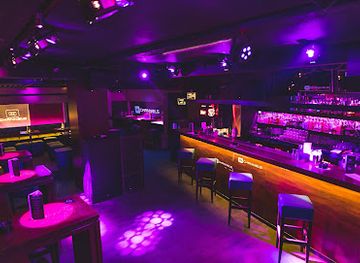
Channels Club
Experience the vibrant nightlife of Bratislava at Channels Club, where electrifying music and exquisite cocktails create unforgettable nights.
8 min walk · 0.6 km from neighbourhood centre
-
Disco club
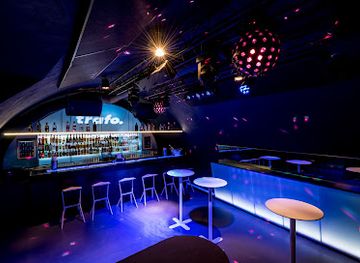
Trafo
Discover the electrifying atmosphere of Trafo, Bratislava's premier disco club, where unforgettable nights and vibrant music await.
6 min walk · 0.5 km from neighbourhood centre

Best shops in Bratislava Castle (Hrad)
Shopping on Bratislava Castle hill is modest and primarily connected with museums, cafés and the surrounding Old Town rather than a specialised retail district. The Museum of History shop may provide culturally themed books and souvenirs, while independent shops and everyday retail are more readily found downhill along the central pedestrian streets. Visitors seeking Slovak design, food products, books or traditional gifts should treat the castle as one stop within a wider Old Town circuit, not as a market area. Zámocká street has local services and places to eat, but it does not function as a continuous shopping boulevard. The strongest reason to browse here is the chance to combine heritage-focused purchases with the castle’s own historical setting, while checking current opening arrangements before relying on a particular shop.
-
Shopping mall
Aupark Bratislava
Experience the best of shopping, dining, and entertainment at Aupark Bratislava, a must-visit destination for tourists in Slovakia.
15 min walk · 1.2 km from neighbourhood centre
-
Book store
FUNTASTIC
Discover the charm of FUNTASTIC, Bratislava's premier book and game store, where every visit unveils new literature and entertainment treasures.
10 min walk · 0.8 km from neighbourhood centre
-
Gift shop
Flying Tiger Copenhagen
Explore the whimsical world of Flying Tiger Copenhagen, where creativity meets affordability in a delightful gift shopping experience.
14 min walk · 1.1 km from neighbourhood centre
-
Gift shop
The Oldest shop in town
Explore the Oldest Shop in Town, a blend of history and charm with unique gifts, candies, and local wines in the heart of Old Town.
7 min walk · 0.6 km from neighbourhood centre


Bratislava Castle (Hrad) essentials
Getting There
Getting Around
Safety
Emergency Situations
Do's and Don'ts
Local Tips

From Eve
Local phrases worth knowing
You don't need to get them perfect. A few words go a long way, and locals appreciate the effort.
Basics
| English | Local | Say it |
|---|---|---|
| Hello | Ahoj | [ahoy] |
| Goodbye | Dovidenia | [doh-vee-deh-nya] |
| Yes | Áno | [ah-noh] |
| No | Nie | [nye] |
| Please/You're welcome | Prosím | [pro-seem] |
| Thank you | Ďakujem | [dja-koo-yem] |
| Excuse me/Sorry | Prepáčte | [pre-paach-te] |
| How are you? | Ako sa máte? | [ah-ko sa ma-teh] |
| Fine. And you? | Dobre. A vy? | [doh-breh. ah vee] |
| Do you speak English? | Hovoríte po anglicky? | [ho-vo-ree-teh poh ahng-lih-tski] |
| I don't understand | Nerozumiem | [neh-roh-zoo-myem] |
Eating & Drinking
| English | Local | Say it |
|---|---|---|
| I'd like to see the menu, please | Chcel by som si pozrieť menu, prosím | [khe-tsel bih som see poh-zrye-tye meh-noo pro-seem] |
| I don't eat meat | Nemám rád mäso | [neh-mahm raad mah-so] |
| Cheers! | Na zdravie! | [nah zdraa-vee-eh] |
| I would like to pay, please | Chcel by som zaplatiť, prosím | [khe-tsel bih som zap-la-teet pro-seem] |
Emergencies
| English | Local | Say it |
|---|---|---|
| Help! | Pomoc! | [po-mohts] |
| Go away! | Choďte preč! | [khoy-teh prech] |
| Call the Police! | Volať políciu! | [vo-laht poh-lee-tsyooh] |
| Call a doctor! | Volajte lekára! | [vo-lahteh leh-kaa-rah] |
| I'm lost | Stratil som sa | [stra-teel som sa] |
| I'm ill | Som chorý | [som kho-ree] |
Shopping
| English | Local | Say it |
|---|---|---|
| I'd like to buy... | Chcel by som kúpiť... | [khe-tsel bih som koo-pee-tye] |
| I'm just looking | Len sa pozerám | [len sa po-ze-rahm] |
| How much is it? | Koľko to stojí? | [kol-ko toh stoy-ee] |
| That's too expensive | To je príliš drahé | [toh ye pree-leesh drah-heh] |
| Can you lower the price? | Môžete znížiť cenu? | [moh-zhe-te znee-zheet tseh-noo] |
Time & Numbers
| English | Local | Say it |
|---|---|---|
| What time is it? | Koľko je hodín? | [kol-ko yeh hoh-deen] |
| It's one o'clock | Je jedna hodina | [yeh yehd-nah hoh-dee-nah] |
| Half past (10) | Polovica desiatej | [poh-loh-vee-tsah deh-sya-tyeh] |
| Morning | Ráno | [rah-noh] |
| Afternoon | Popoludní | [poh-po-loo-dnee] |
| Evening | Večer | [ve-chehr] |
| Yesterday | Včera | [v-cheh-rah] |
| Today | Dnes | [dnes] |
| Tomorrow | Zajtra | [zai-tra] |
| 1 | Jedna | [yehd-nah] |
| 2 | Dve | [dveh] |
| 3 | Tri | [tree] |
| 4 | Štyri | [shtee-ree] |
| 5 | Päť | [pyat] |
| 6 | Šesť | [shest] |
| 7 | Sedem | [seh-dem] |
| 8 | Osem | [oh-sem] |
| 9 | Deviat | [deh-vee-aht] |
| 10 | Desať | [deh-saht] |
Transport & Directions
| English | Local | Say it |
|---|---|---|
| Where's a/the...? | Kde je... | [kdeh yeh] |
| What's the address? | Aká je adresa? | [ah-kah yeh ah-dre-sah] |
| Can you show me (on the map)? | Môžete mi ukázať (na mape)? | [moh-zhe-teh mee oo-kaa-zaht (nah mah-peh)] |
| When's the next (bus)? | Kedy je ďalší (autobus)? | [keh-dee yeh dyaal-shee (ow-toh-boos)] |
| A ticket (to ....) | Jedno lístok (do ...) | [yehd-no lees-tohk (doh)] |
History of Bratislava Castle (Hrad)
Early Fortifications on the Hill
The castle hill has been a strategic settlement site since antiquity, commanding a crossing of the Danube and routes through the region. Archaeological evidence records Celtic and Roman activity in the wider area, while a fortified settlement existed here by the early medieval period. In the ninth century, the site formed part of the Great Moravian sphere, and later Hungarian rulers maintained its defensive importance. The hill’s position explains the castle’s enduring role: it overlooks both the river and the approaches to what is now Bratislava, making it valuable as a military stronghold, administrative centre and symbol of authority.
Medieval Royal Stronghold
The medieval castle developed from earlier fortifications, with major rebuilding during the thirteenth and fourteenth centuries as the Kingdom of Hungary strengthened its frontier settlements. Under King Sigismund of Luxembourg in the early fifteenth century, the complex received a substantial late-Gothic reconstruction, including stronger walls and more representative royal accommodation. Its fortunes followed the wider political importance of the town, which became Pressburg and, after the Ottoman advance into central Europe, served as a significant royal and parliamentary centre. The castle thus moved beyond a purely defensive role, accommodating ceremonies and institutions connected with the Hungarian crown.
Baroque Transformation and Coronation Era
During the eighteenth century, the Habsburg monarchy remodelled the castle in the Baroque manner, creating the formal palace and gardens that shaped its later appearance. Maria Theresa’s reign brought renewed royal attention, and the complex was adapted for court use while nearby Pressburg hosted the coronations of Hungarian monarchs, including ceremonies at St Martin’s Cathedral below the hill. The castle was not itself the coronation church, but its position formed part of the same royal landscape. As the political centre shifted towards Buda and Vienna, the building gradually lost its courtly role and was used for military and institutional purposes.
Fire, Ruin and Modern Reconstruction
A disastrous fire in 1811 severely damaged the castle, leaving the palace in ruins for more than a century. The neglected complex became a powerful historical presence above the town, even as Bratislava’s urban identity changed through industrialisation, the creation of Czechoslovakia in 1918 and the later formation of Slovakia. Reconstruction began after the Second World War and continued through the 1950s and 1960s, restoring a version of the Baroque palace rather than recreating every earlier phase. Further work in the twenty-first century included the renewal of the Baroque garden, strengthening the hilltop’s role as a cultural and ceremonial landmark.
Bratislava Castle (Hrad) in Photos
Browse through our photo collection highlighting the charm and character of the destination.
Neighbourhoods near Bratislava Castle (Hrad)
The closest neighbourhoods to Bratislava Castle (Hrad), if you have time for more than one stop.
-

-
-


Swipe for more neighbourhoods
Explore more

Explore more of Bratislava
Bratislava pairs a medieval Old Town and castle with Danube views, riverside culture, cafés, galleries and relaxed sightseeing in Slovakia year-round.
Explore Bratislava