
Angostura Recreation Area, South Dakota Travel Guide
Discover tranquility and adventure at Angostura Recreation Area in South Dakota, where clear waters, sandy beaches, and scenic trails await nature lovers and outdoor enthusiasts.
Nestled in the southern Black Hills of South Dakota, the Angostura Recreation Area is a hidden gem for nature lovers and outdoor enthusiasts. This expansive area is known for its clear waters, sandy beaches, and abundant wildlife, making it a perfect spot for a tranquil getaway. The Angostura Reservoir, a key feature of the area, provides ample opportunities for boating, fishing, and swimming, while the surrounding landscapes offer scenic trails for hiking and biking. Families and solo travelers alike will find plenty to do at Angostura Recreation Area. The campgrounds are well-maintained and offer various amenities to ensure a comfortable stay. Picnic areas are scattered throughout, complete with tables and grills, providing the ideal setting for a leisurely outdoor meal. Bird watchers will be delighted by the variety of species that can be spotted in the area, including bald eagles and ospreys. The rich history and cultural significance of the area add another layer of interest for visitors. The nearby town of Hot Springs offers additional attractions such as the Mammoth Site and the Evans Plunge Mineral Springs, which can be great additions to your itinerary. Whether you're seeking adventure or relaxation, Angostura Recreation Area offers a serene escape into nature, away from the hustle and bustle of everyday life.

Know before you go
Hi, I'm Eve. Here are a few practical things to know before exploring Angostura Recreation Area.
- Visit in the early morning for the best chance to see wildlife, including bald eagles and ospreys.
- Bring your own firewood for campfires, as collecting wood is not allowed within the recreation area.
- Pack a good quality sunscreen and hat; the open areas can get quite sunny, especially in summer.
- Check the local fishing regulations and obtain any necessary permits if you plan to fish in the reservoir.
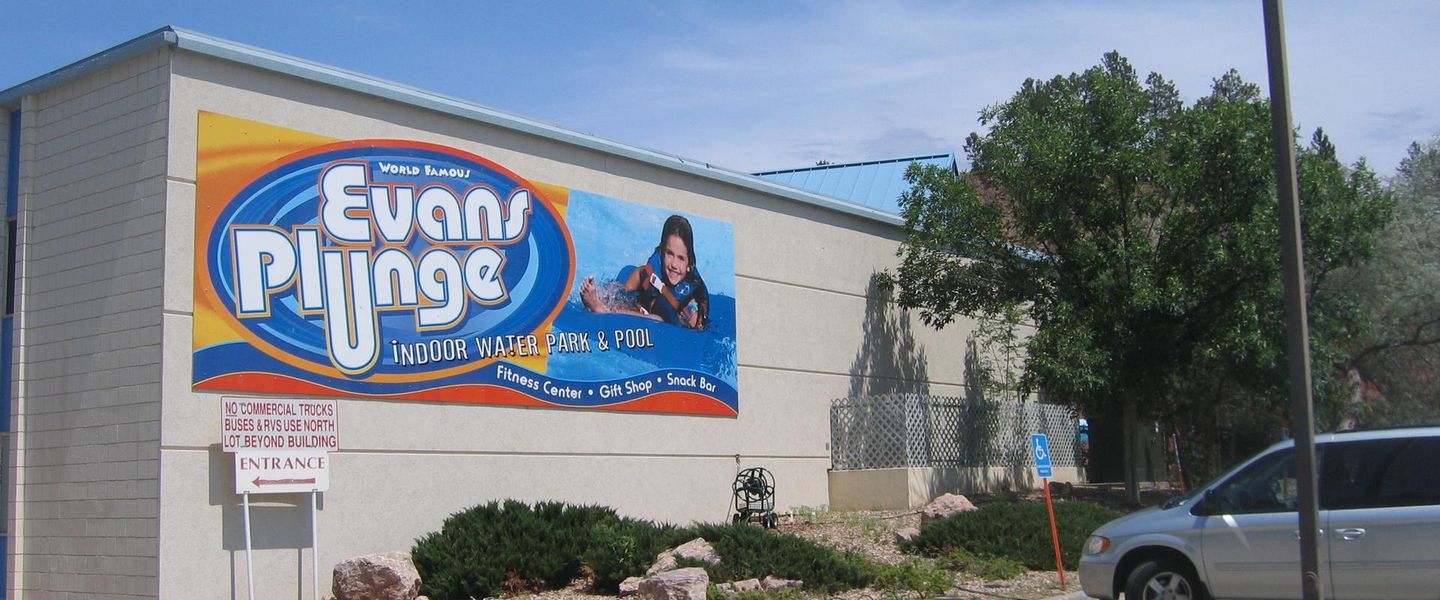
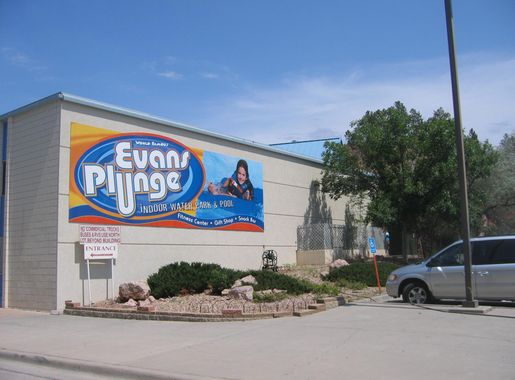
- Explore the nearby Hot Springs town for additional attractions like the Mammoth Site and Evans Plunge Mineral Springs.
Explore Angostura Recreation Area: Things to Do, Places to Eat, Hotels & More
Handpicked recommendations for top attractions, local dining, accommodations, and more

Best attractions in Angostura Recreation Area
Top-rated picks
Best Attractions

Dignity of Earth and Sky
Explore the Dignity of Earth and Sky, a stunning cultural landmark honoring Native American heritage in Chamberlain, South Dakota.

Crazy Horse Memorial
Discover the awe-inspiring Crazy Horse Memorial, a monumental tribute to Native American heritage nestled in the stunning Black Hills of South Dakota.

Pinnacles Overlook
Experience stunning views of the Badlands at Pinnacles Overlook, a must-visit scenic spot in South Dakota's breathtaking landscape.

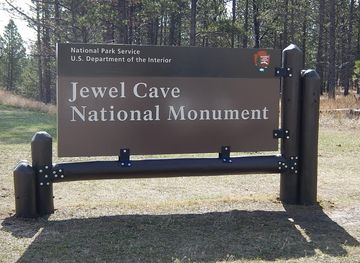
Jewel Cave National Monument
Discover the underground beauty of Jewel Cave National Monument, a mesmerizing natural wonder in South Dakota with stunning geological formations and rich history.

Best landmarks in Angostura Recreation Area
Top-rated picks
Best Landmarks

Angostura State Recreation Area
Explore the natural beauty and outdoor adventures of Angostura State Recreation Area in South Dakota, a perfect destination for nature lovers.

Angostura Dam
Experience Angostura Dam, a historical landmark in Hot Springs, SD, blending stunning views, outdoor recreation, and rich engineering history.

Best restaurants in Angostura Recreation Area


Best shops in Angostura Recreation Area
Top-rated picks
Best Shops

Angostura State Recreation Area
Explore Angostura State Recreation Area: A Nature Lover's Haven in South Dakota with Hiking, Fishing, and Scenic Views.

Coolidge General Store
Explore the unique offerings of Coolidge General Store in Custer, South Dakota, where local charm meets essential travel supplies.

Bomgaars
Explore Bomgaars in Hot Springs for a diverse selection of clothing, pet supplies, and outdoor gear, making your trip to South Dakota unforgettable.

Chautauqua Artisans Market
Explore the Chautauqua Artisans Market in Hot Springs, SD for unique craftsmanship, local artistry, and a vibrant community atmosphere.

Explore Angostura Recreation Area on the Map
A handpicked selection of must-see spots in Angostura Recreation Area, mapped for you.
Angostura Recreation Area Essentials
-
Angostura Recreation Area is located in the southwestern part of South Dakota, near the town of Hot Springs. The closest major airport is Rapid City Regional Airport, approximately 70 miles to the north. From the airport, you can rent a car and drive south on US-385 to reach the recreation area. Alternatively, you can take a shuttle or taxi service from Rapid City to Hot Springs, and then a short drive to the recreation area.
-
While in Angostura Recreation Area, the best way to get around is by car. The area is expansive, and having a vehicle allows you to explore the various campsites, beaches, and hiking trails at your own pace. There are no public transportation options within the recreation area, so renting a car is highly recommended. Bicycles are also a great way to explore the park, and there are several bike trails available.
-
The official currency in South Dakota is the US Dollar (USD). Credit and debit cards are widely accepted in most establishments, including restaurants, shops, and gas stations around the Angostura Recreation Area. However, it is advisable to carry some cash for smaller transactions, such as entrance fees at the park or for purchases at local markets. ATMs are available in Hot Springs and other nearby towns.
-
Angostura Recreation Area is generally considered a safe destination for tourists. However, it's always important to take standard precautions. Keep an eye on your belongings, especially in crowded areas like the beaches and campgrounds. Avoid isolated areas at night and be aware of your surroundings. There are no specific high-crime areas targeting tourists, but it's always best to stay vigilant.
-
In case of emergency, dial 911 for immediate assistance. There are emergency services available in Hot Springs, including a hospital and a police station. It's advisable to have travel insurance that covers medical emergencies. For minor health issues, there are pharmacies in Hot Springs where you can purchase over-the-counter medications. Park rangers are also available for assistance within the recreation area.
-
Fashion: Do wear comfortable and weather-appropriate clothing. Avoid overly revealing attire, especially in family-oriented areas. Religion: Do respect any religious or cultural sites you may encounter. Public Transport: There is no public transport within the park. Ensure you have a reliable mode of transport. Greetings: Do greet others with a friendly wave or hello. Eating & Drinking: Do try local cuisine and be respectful of park rules regarding food and drink. Don't leave trash behind; always use designated waste bins.
-
To experience Angostura Recreation Area like a local, consider visiting during weekdays to avoid the weekend crowds. Early morning or late afternoon are the best times for wildlife viewing and photography. The local fishing spots are a favorite among residents—try your hand at fishing for a relaxing experience. Don't miss the opportunity to hike the various trails that offer stunning views of the lake and surrounding landscapes.
When is the best time to visit Angostura Recreation Area?
Useful Local Phrases for Angostura Recreation Area
You don't need to speak the language perfectly. Even learning a few simple words can make conversations warmer—and locals usually appreciate the effort.
— Eve

Here are the phrases I use most often in Angostura Recreation Area. Try a few—you'll be surprised how far they go! 😊
❤️
-
- HelloHau
[how] - GoodbyeHokahey
[ho-ka-hey] - YesHan
[han] - NoHehanka
[he-han-ka] - Please/You're welcomeAho
[ah-ho] - Thank youPilamaya
[pee-la-ma-ya] - Excuse me/SorryWoyuonihan
[wo-yu-o-ni-han] - How are you?He ceu?
[he-chey-oo] - Fine. And you?Wopila. Eya?
[wo-pee-la. ay-ya] - Do you speak English?Mazaska ceu?
[ma-za-ska-chey-oo] - I don't understandAnpetu ki wa
[an-pe-tu-kee-wa]
- HelloHau
-
- I'd like to see the menu, pleaseMenu hwo, ecen
[me-nu-hwo, ay-chen] - I don't eat meatWahonpi yuha
[wa-hon-pee-yu-ha] - Cheers!Olowan
[o-lo-wan] - I would like to pay, pleaseWotanin Kiksuya, ecen
[wo-ta-nin-ki-ksu-ya, ay-chen]
- I'd like to see the menu, pleaseMenu hwo, ecen
-
- Help!Wamakaskan
[wa-ma-kas-kan] - Go away!Iyokipi
[ee-yo-kee-pee] - Call the Police!Wicasa ota
[we-cha-sa-o-ta] - Call a doctor!Wica wakan ota
[we-cha-wa-kan-o-ta] - I'm lostWanahon
[wa-na-hon] - I'm illWicasa ota
[we-cha-sa-o-ta]
- Help!Wamakaskan
-
- I'd like to buy...Icicupi kta
[ee-chee-chu-pee-kta] - I'm just lookingKiya nakun
[kee-ya-na-kun] - How much is it?Tokahe ki yelo?
[to-ka-hey-kee-ye-lo] - That's too expensiveTokahe ki yelo
[to-ka-hey-kee-ye-lo] - Can you lower the price?Kiksuya ki yelo kte
[ki-ksu-ya-kee-ye-lo-kte]
- I'd like to buy...Icicupi kta
-
- What time is it?Iyamni he tuwe?
[ee-yam-ni-he-tu-we] - It's one o'clockHe tuwe kte
[he-tu-we-kte] - Half past (10)Kiksuya wica iyamni
[ki-ksu-ya-we-cha-ee-yam-ni] - MorningIcimani
[ee-chee-ma-nee] - AfternoonIcimani wakpala
[ee-chee-ma-nee-wak-pa-la] - EveningIcimani waste
[ee-chee-ma-nee-wa-shte] - YesterdayAnpetu waste
[an-pe-tu-wa-shte] - TodayAnpetu
[an-pe-tu] - TomorrowAnpetu waste
[an-pe-tu-wa-shte] - 1Iyamni
[ee-yam-ni] - 2Numpa
[num-pa] - 3Yamni
[yam-ni] - 4Topa
[to-pa] - 5Zaptan
[zap-tan] - 6Sicun
[see-chun] - 7Sakpe
[sak-pe] - 8Nahasapa
[na-ha-sa-pa] - 9Wakta
[wak-ta] - 10Wicayuha
[we-cha-yu-ha]
- What time is it?Iyamni he tuwe?
-
- Where's a/the...?Taku yelo...
[ta-ku-ye-lo] - What's the address?Hehan yelo?
[he-han-ye-lo] - Can you show me (on the map)?Wanagi yelo kihe?
[wa-na-gi-ye-lo-ki-he] - When's the next (bus)?Hehan yelo kihe?
[he-han-ye-lo-ki-he] - A ticket (to ....)Wicayuha wotanin
[we-cha-yu-ha-wo-ta-nin]
- Where's a/the...?Taku yelo...
History of Angostura Recreation Area
-
Long before European settlers arrived, the area around Angostura Recreation Area was home to Native American tribes, including the Lakota Sioux. The region provided a rich environment for hunting, fishing, and gathering, and many archaeological sites testify to their long-standing presence.
-
In 1804, the famous Lewis and Clark Expedition passed through the region on their journey to explore the newly acquired Louisiana Territory. Their journals provide some of the earliest written accounts of the region's geography and native inhabitants.
-
In the mid-19th century, the United States government established Fort Bennett near the present-day Angostura Recreation Area to protect settlers and travelers from potential conflicts with Native American tribes. The fort became an important military outpost during the Indian Wars.
-
The Homestead Act of 1862 brought an influx of settlers to South Dakota, transforming the landscape. Many families settled in the area around the future site of Angostura Recreation Area, drawn by the promise of free land and the opportunity for a new life.
-
The Angostura Dam was constructed between 1946 and 1949 as a part of the Missouri River Basin Project. The dam was built to provide irrigation, hydroelectric power, and flood control. Its creation led to the formation of Angostura Reservoir, which is now a key feature of the recreation area.
-
Following the completion of the Angostura Dam, the surrounding area was developed into a recreation area. Managed by the State of South Dakota, Angostura Recreation Area offers a variety of outdoor activities such as boating, fishing, camping, and hiking, attracting visitors from across the region.
-
In recent decades, efforts have been made to restore and preserve the natural habitats within Angostura Recreation Area. Projects have focused on improving water quality, enhancing wildlife habitats, and promoting sustainable recreation practices to ensure the area's ecological health for future generations.
Neighbouring destination travel guides
Browse our curated selection of top destinations, scenic points, and must-visit spots in the area.




Your all‑in‑one travel companion app
Explore expert travel guides, compare and book tours, experiences, hotels, and more—all from the palm of your hand. Download now for seamless trip planning wherever your wanderlust takes you.


Explore More of Black Hills

Looking beyond Angostura Recreation Area? Discover Black Hills for broader travel guides, local hot-spots, and regional highlights.
Explore Black HillsExplore More of South Dakota

Looking beyond Angostura Recreation Area? Discover South Dakota for broader travel guides, local hot-spots, and regional highlights.
Explore South DakotaAngostura Recreation Area in Photos
Browse through our photo collection highlighting the charm and character of the destination.
Serenity by the Waters: Angostura Recreation Area
Nestled in the southern Black Hills of South Dakota, the Angostura Recreation Area is a hidden gem for nature lovers and outdoor enthusiasts. This expansive area is known for its clear waters, sandy beaches, and abundant wildlife, making it a perfect spot for a tranquil getaway. The Angostura Reservoir, a key feature of the area, provides ample opportunities for boating, fishing, and swimming, while the surrounding landscapes offer scenic trails for hiking and biking. Families and solo travelers alike will find plenty to do at Angostura Recreation Area. The campgrounds are well-maintained and offer various amenities to ensure a comfortable stay. Picnic areas are scattered throughout, complete with tables and grills, providing the ideal setting for a leisurely outdoor meal. Bird watchers will be delighted by the variety of species that can be spotted in the area, including bald eagles and ospreys. The rich history and cultural significance of the area add another layer of interest for visitors. The nearby town of Hot Springs offers additional attractions such as the Mammoth Site and the Evans Plunge Mineral Springs, which can be great additions to your itinerary. Whether you're seeking adventure or relaxation, Angostura Recreation Area offers a serene escape into nature, away from the hustle and bustle of everyday life.