

Södermalm (Stockholm) Travel Guide - Free
Explore Södermalm in Stockholm with Evendo's free guide. Find the best shops, historic streets, restaurants, and gems on web or mobile.


Södermalm in Stockholm blends island views, historic churches, creative shops, waterfront walks, cafés, galleries and lively evening streets.
Island Streets and Urban Character
Södermalm occupies Stockholm’s southern central island, rising from the waterfront around Slussen and stretching west towards Hornstull and Liljeholmen. Its personality changes noticeably across a relatively compact area: the old lanes around Mariaberget and Katarinaberget give way to busy squares, leafy allotments, independent shops and the café-lined streets of SoFo, the name commonly used for the area south of Folkungagatan. Steep slopes and stairways are part of the experience, while broad views across Lake Mälaren, Riddarfjärden and the Baltic-facing waterfront reveal why the district is one of the city’s most rewarding places to explore on foot.Read more about Södermalm
History, Culture and Everyday Life
Waterfront Walks and Public Spaces
Best attractions in Södermalm
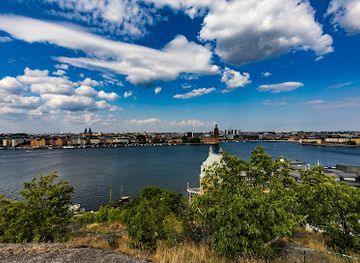
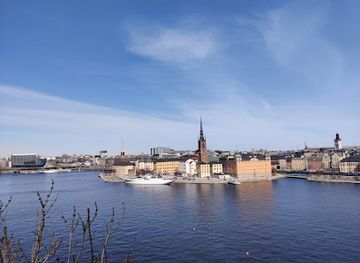
Södermalm’s attractions are closely tied to its topography and contrasting local quarters. Monteliusvägen is a narrow elevated walking route with broad views over Riddarfjärden, Stockholm City Hall and the northern skyline, while Fjällgatan offers a different outlook across the harbour towards Djurgården. Stockholm City Museum at Slussen interprets the city’s history and the lives of its inhabitants, and Fotografiska, on the eastern waterfront, presents contemporary photography in a former customs-house setting. Tantolunden combines lawns, paths and allotment gardens, particularly appealing for a slower walk in the western part of the district. Mosebacke’s terrace and the surrounding streets provide a cultural stop near Södra Teatern, while Hornstull brings together riverside routes, cafés and neighbourhood life. The older lanes around Mariaberget connect these experiences with Södermalm’s surviving wooden and nineteenth-century streets.
-
Tourist attraction
Tantolunden
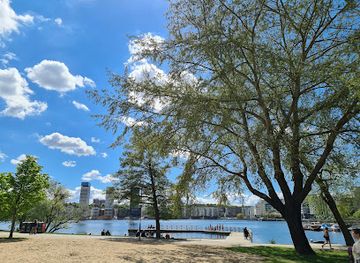
Tantolunden is a lively, expansive park in Södermalm, Stockholm, known for family fun, scenic allotment gardens, swimming, sports, and vibrant local atmosphere year-round.
16 min walk · 1.2 km from neighbourhood centre
-
Scenic spot
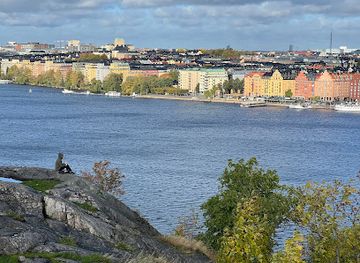
Skinnarviksberget
Experience stunning views of Stockholm from Skinnarviksberget, the city's picturesque scenic spot perfect for relaxation and exploration.
17 min walk · 1.3 km from neighbourhood centre
-
Observation deck
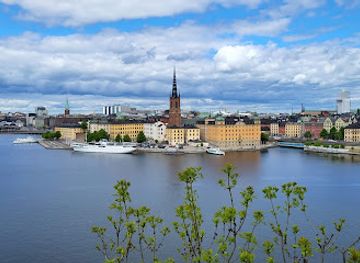
Mariaberget
Discover Mariaberget: A Scenic Observation Deck Offering Stunning Views of Stockholm's Skyline and Historical Landmarks.
11 min walk · 0.9 km from neighbourhood centre
-
Cathedral
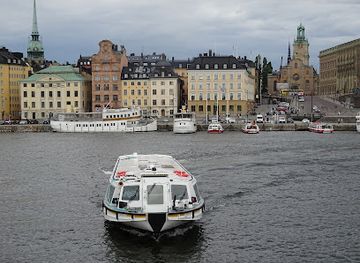
Storkyrkan
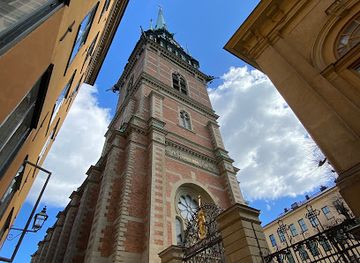
Discover the stunning Storkyrkan Cathedral in Stockholm, a historical masterpiece with breathtaking architecture and rich cultural significance.
17 min walk · 1.3 km from neighbourhood centre
Best landmarks in Södermalm
Södermalm’s landmarks express the district’s layered development rather than a single monumental style. Maria Magdalena Church and Katarina Church are major historic religious buildings associated with two of the island’s long-established parishes, while Högalid Church marks the western skyline near Hornstull. The timber houses and lanes of Mariaberget preserve a sense of earlier working Södermalm, and Stockholm City Museum occupies the former town hall at Slussen, an important civic building at the island’s northern gateway. The old industrial and maritime surroundings near Stadsgården connect the neighbourhood to Stockholm’s harbour history, while the elevated streets of Fjällgatan and Monteliusvägen function as landscape landmarks because of their views. Södra Teatern and its Mosebacke setting add cultural significance to the eastern heights, where public space, performance and urban history meet.
-
 Castle
The Royal Palace
Discover the grandeur of The Royal Palace in Stockholm, a stunning historical landmark and museum that showcases Sweden's royal heritage.
18 min walk · 1.4 km from neighbourhood centre
-
Scenic spot
Skinnarviksberget
Experience breathtaking views of Stockholm from Skinnarviksberget, the city's highest natural point, perfect for photography, picnics, and serene moments.
17 min walk · 1.3 km from neighbourhood centre
-
Observation deck
Mariaberget
Discover Mariaberget, Stockholm's scenic observation deck offering stunning panoramic views and a peaceful escape in the heart of the city.
11 min walk · 0.9 km from neighbourhood centre
-
Entertainer
Stockholm Ghost Walk AB
Discover Stockholm's eerie secrets and haunting legends on the captivating Ghost Walk through the city's historical heart.
14 min walk · 1.1 km from neighbourhood centre
Explore Södermalm on the map
A handpicked selection of must-see spots in Södermalm, mapped for you.
Best hotels in Södermalm
Best restaurants in Södermalm
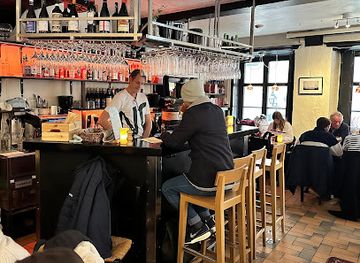
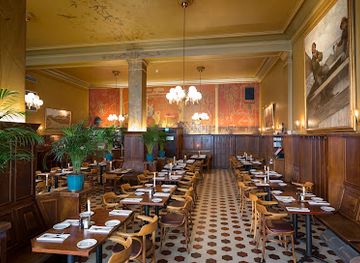
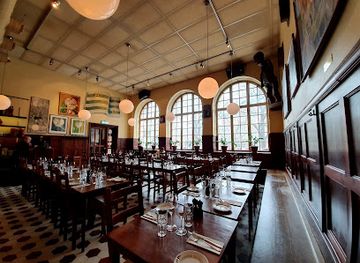
Södermalm has one of Stockholm’s broadest concentrations of independent dining, ranging from everyday cafés and bakeries to modern Nordic cooking, vegetarian restaurants, wine bars and informal international food. The streets around Mariatorget and Hornstull are particularly useful for relaxed meals, while the blocks of SoFo south of Folkungagatan combine restaurants with coffee shops and small bars. Medborgarplatsen and its surrounding streets offer a busier evening scene, with cuisines reflecting Stockholm’s cosmopolitan population rather than one single local tradition. Food halls and market-style venues provide casual options, while established restaurants around the central squares tend to support longer meals. Visitors should distinguish Södermalm’s café and restaurant culture from its markets and retail districts: eating here is as much about observing ordinary neighbourhood life as seeking a historic speciality.
-
Scandinavian
Aifur
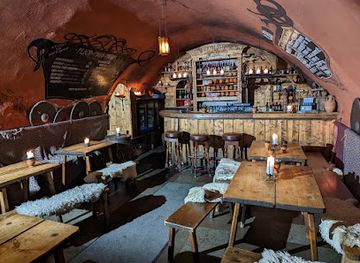
Experience the magic of Scandinavian cuisine at Aifur, where tradition meets flavor in Stockholm's vibrant culinary scene.
13 min walk · 1.0 km from neighbourhood centre
-
Swedish
Stockholms Gästabud
Discover authentic Swedish cuisine at Stockholms Gästabud in the heart of Stockholm—where tradition meets taste.
17 min walk · 1.3 km from neighbourhood centre
-
Swedish
Restaurant Pelikan
Experience authentic Swedish cuisine at Restaurant Pelikan in Stockholm—where tradition meets taste in every dish.
6 min walk · 0.5 km from neighbourhood centre
-
Restaurant
Kvarnen
Experience the vibrant atmosphere at Kvarnen – where traditional Swedish cuisine meets modern nightlife in Stockholm.
3 min walk · 0.2 km from neighbourhood centre
Best bars in Södermalm
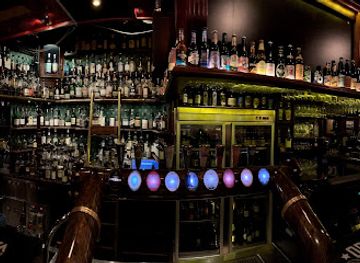
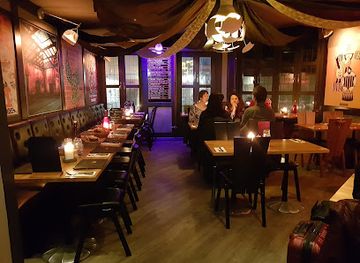
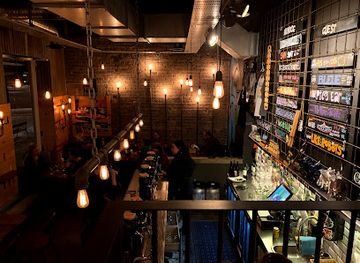
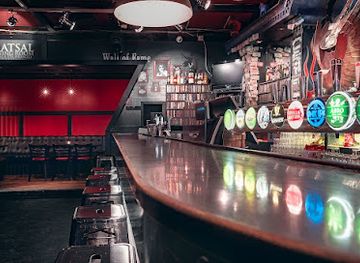
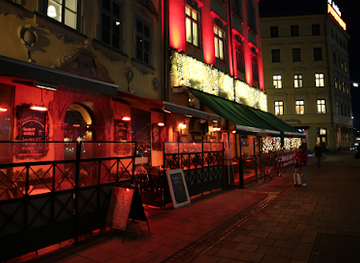
After dark, Södermalm is one of Stockholm’s most active areas for informal nightlife, although its atmosphere varies from residential streets to busy entertainment pockets. Södra Teatern at Mosebacke combines theatre, music and cultural programming with evening social spaces, while the streets around Medborgarplatsen, Mariatorget and Hornstull contain pubs, cocktail bars, wine bars and late cafés. SoFo is associated with smaller, design-conscious venues, whereas the western side of the island has a more relaxed bar-and-music character. Nightclubs exist within the wider central entertainment scene, but Södermalm is not defined solely by large clubs; live performances, conversation and neighbourhood drinking are equally important. Residential buildings stand close to many venues, so visitors should keep noise down when leaving and check current programme and admission details independently.
-
Gastropub
Restaurant Akkurat - Södermalm
Discover Restaurant Akkurat in Södermalm - a top gastropub offering exquisite food, an extensive beer selection, and a cozy atmosphere in Stockholm.
8 min walk · 0.7 km from neighbourhood centre
-
Pub
Oliver Twist
Explore the vibrant atmosphere of Oliver Twist, a beloved Stockholm pub offering a wide selection of drinks and delicious pub fare in a cozy setting.
6 min walk · 0.5 km from neighbourhood centre
-
Bar
BrewDog Södermalm
Discover BrewDog Södermalm, a vibrant bar in Stockholm offering an extensive selection of craft beers in a lively atmosphere perfect for beer lovers and socializers.
11 min walk · 0.9 km from neighbourhood centre
-
Bar
Kellys
Experience the lively atmosphere of Kellys, a rock music bar in Stockholm, offering a unique blend of drinks, food, and live performances.
3 min walk · 0.2 km from neighbourhood centre
Best nightclubs in Södermalm
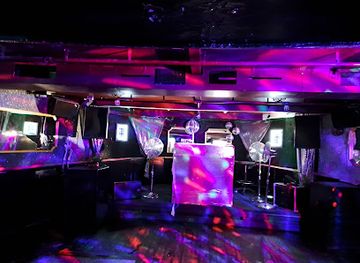
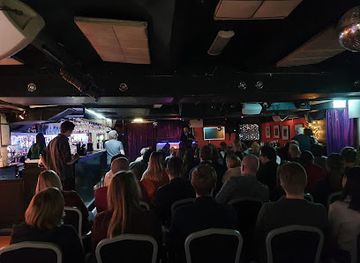
After dark, Södermalm is one of Stockholm’s most active areas for informal nightlife, although its atmosphere varies from residential streets to busy entertainment pockets. Södra Teatern at Mosebacke combines theatre, music and cultural programming with evening social spaces, while the streets around Medborgarplatsen, Mariatorget and Hornstull contain pubs, cocktail bars, wine bars and late cafés. SoFo is associated with smaller, design-conscious venues, whereas the western side of the island has a more relaxed bar-and-music character. Nightclubs exist within the wider central entertainment scene, but Södermalm is not defined solely by large clubs; live performances, conversation and neighbourhood drinking are equally important. Residential buildings stand close to many venues, so visitors should keep noise down when leaving and check current programme and admission details independently.
-
Night club
Engelen
Experience Stockholm's nightlife at Engelen, a lively night club and restaurant offering delicious food, cocktails, and vibrant music.
12 min walk · 1.0 km from neighbourhood centre
-
Night club
The Secret Garden
Discover The Secret Garden, a vibrant night club in Stockholm offering an eclectic mix of bar, café, and event experiences, perfect for nightlife enthusiasts.
12 min walk · 1.0 km from neighbourhood centre
-
Night club
Patricia Restaurang & Nattklubb
Experience Stockholm's nightlife at Patricia Restaurang & Nattklubb – where dining meets dancing along the picturesque waterfront.
17 min walk · 1.3 km from neighbourhood centre
-
Night club
Bonden
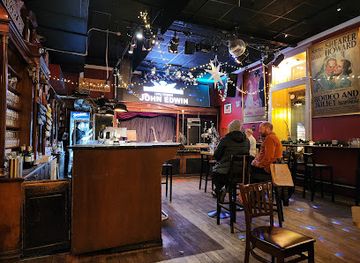
Discover Bonden, a premier night club in Stockholm known for its vibrant atmosphere, live music, and unforgettable events.
4 min walk · 0.3 km from neighbourhood centre
Best shops in Södermalm
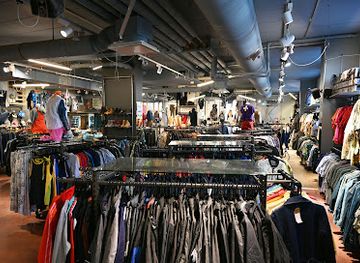
Shopping in Södermalm is strongest in small-scale independent retail rather than large department stores. The area known as SoFo, broadly south of Folkungagatan, is associated with boutiques, Scandinavian fashion, interiors, vintage clothing, design objects and specialist shops, though its commercial mix changes over time. Around Mariatorget and Hornstull, visitors find further independent retailers, bookshops, cafés and everyday services woven into residential streets. Hornstull’s market culture and occasional outdoor selling add a more informal dimension, while the central squares provide practical rather than purely souvenir-oriented shopping. The district is also a useful place to browse Swedish design and contemporary goods without the scale of the main city-centre shopping streets. Opening patterns vary among small businesses, and browsing works best when treated as a neighbourhood walk rather than a single retail destination.
-
Vintage clothing store
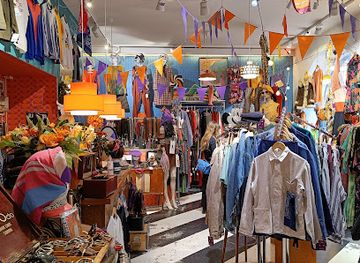
Beyond Retro Zinken
Explore Beyond Retro Zinken in Stockholm for a unique vintage shopping experience with sustainable fashion finds and eclectic styles.
16 min walk · 1.3 km from neighbourhood centre
-
Clothing store
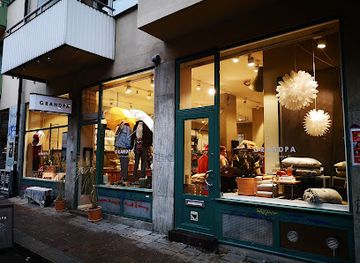
Grandpa Södermannagatan
Explore Grandpa Södermannagatan in Stockholm for a curated selection of vintage and contemporary clothing that defines Swedish fashion.
7 min walk · 0.6 km from neighbourhood centre
-
Vintage clothing store
POP Stockholm
Explore the eclectic charm of POP Stockholm, a vintage clothing store brimming with unique pieces and sustainable fashion treasures.
6 min walk · 0.5 km from neighbourhood centre
-
Souvenir store
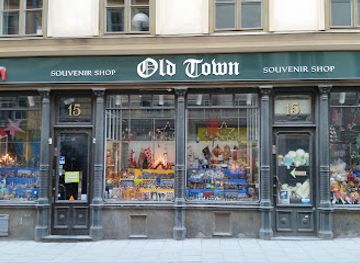
The Old Town Souvenir
Discover authentic Swedish gifts and souvenirs at The Old Town Souvenir in the heart of Stockholm's historic district, Gamla Stan.
17 min walk · 1.3 km from neighbourhood centre
Södermalm essentials
Getting There
Getting Around
Safety
Emergency Situations
Do's and Don'ts
Local Tips

From Eve
Local phrases worth knowing
You don't need to get them perfect. A few words go a long way, and locals appreciate the effort.
Basics
| English | Local | Say it |
|---|---|---|
| Hello | Hej | [hey] |
| Goodbye | Hej då | [hey doh] |
| Yes | Ja | [yah] |
| No | Nej | [nay] |
| Please/You're welcome | Tack | [tahck] |
| Thank you | Tack | [tahck] |
| Excuse me/Sorry | Ursäkta mig | [oor-sack-tah me] |
| How are you? | Hur mår du? | [hoor mohr doo] |
| Fine. And you? | Bra. Och du? | [bra. oh-sh doo] |
| Do you speak English? | Talar du engelska? | [tah-lahr doo eng-els-kah] |
| I don't understand | Jag förstår inte | [yahg foor-stohr een-te] |
Eating & Drinking
| English | Local | Say it |
|---|---|---|
| I'd like to see the menu, please | Jag skulle vilja se menyn, tack | [yahg skool-leh veel-yah seh men-uhn, tahck] |
| I don't eat meat | Jag äter inte kött | [yahg a-tehr een-teh shurt] |
| Cheers! | Skål! | [skohl] |
| I would like to pay, please | Jag skulle vilja betala, tack | [yahg skool-leh veel-yah beh-tah-lah, tahck] |
Emergencies
| English | Local | Say it |
|---|---|---|
| Help! | Hjälp! | [yelp] |
| Go away! | Gå bort! | [goh bohrt] |
| Call the Police! | Ring polisen! | [reeng poh-lee-sen] |
| Call a doctor! | Ring en läkare! | [reeng ehn leh-kah-reh] |
| I'm lost | Jag är vilse | [yahg air veel-seh] |
| I'm ill | Jag är sjuk | [yahg air shoohk] |
Shopping
| English | Local | Say it |
|---|---|---|
| I'd like to buy... | Jag skulle vilja köpa... | [yahg skool-leh veel-yah chuh-pah] |
| I'm just looking | Jag tittar bara | [yahg tee-tahr bah-rah] |
| How much is it? | Hur mycket kostar det? | [hoor mookt kohs-tahr deht] |
| That's too expensive | Det är för dyrt | [deht air foor deert] |
| Can you lower the price? | Kan du sänka priset? | [kahn doo sahn-kah prees-et] |
Time & Numbers
| English | Local | Say it |
|---|---|---|
| What time is it? | Vad är klockan? | [vahd air klohk-ahn] |
| It's one o'clock | Klockan är ett | [klohk-ahn air eht] |
| Half past (10) | Halv tio | [hahlv tee-oh] |
| Morning | Morgon | [mohr-gohn] |
| Afternoon | Eftermiddag | [ehf-ter-meed-dahg] |
| Evening | Kväll | [kvehl] |
| Yesterday | Igår | [eeg-ohr] |
| Today | Idag | [ee-dahg] |
| Tomorrow | Imorgon | [ee-mohr-gohn] |
| 1 | Ett | [eht] |
| 2 | Två | [twoh] |
| 3 | Tre | [treh] |
| 4 | Fyra | [fy-rah] |
| 5 | Fem | [fem] |
| 6 | Sex | [sehx] |
| 7 | Sju | [shoo] |
| 8 | Åtta | [ott-ah] |
| 9 | Nio | [nee-oh] |
| 10 | Tio | [tee-oh] |
Transport & Directions
| English | Local | Say it |
|---|---|---|
| Where's a/the...? | Var finns en/den...? | [vahr feens ehn/dehn] |
| What's the address? | Vad är adressen? | [vahd air ah-dress-en] |
| Can you show me (on the map)? | Kan du visa mig (på kartan)? | [kahn doo vee-sah meeg (poh kahr-tahn)] |
| When's the next (bus)? | När går nästa (buss)? | [nahr gohr nes-tah (boos)] |
| A ticket (to ....) | En biljett (till ....) | [ehn beel-yet (teel)] |
History of Södermalm
From Rural Island to Southern Suburb
For centuries Södermalm was outside Stockholm’s fortified medieval town and was known for rural land, settlements and approaches to the city from the south. As Stockholm expanded, the island became a place for modest housing, workshops and market gardening. The name Södermalm refers to the southern island district, distinguishing it from the northern part of the historic city. Its hilly terrain shaped development, leaving a pattern of slopes, narrow routes and elevated viewpoints that remains visible today.
Workers, Workshops and Wooden Houses
During the seventeenth and eighteenth centuries, Södermalm developed as a working district beyond Gamla Stan. Craftsmen, labourers and small manufacturers lived among timber buildings, gardens and workshops, while churches including Maria Magdalena and Katarina anchored growing communities. The neighbourhood’s social character was less aristocratic than that of the northern island, and its steep streets and modest dwellings formed a distinctive southern counterpart to Stockholm’s commercial centre. Fires, rebuilding and gradual regulation repeatedly altered the built environment.
Industrial Growth and New Connections
The nineteenth century brought denser construction, improved roads and transport links, together with factories and working-class housing. Rail infrastructure reached the southern island, and Stockholm South station became an important connection on the city’s southern approach. Industrial and maritime activity around the waterfront influenced areas such as Stadsgården, while new stone apartment blocks appeared beside older wooden quarters. The period established much of the architectural mixture for which Södermalm is known: substantial urban buildings alongside surviving fragments of earlier domestic streets.
Preservation, Renewal and Creative Identity
Twentieth-century redevelopment transformed parts of Södermalm, particularly around Slussen and major traffic routes, but conservation efforts also protected older environments such as Mariaberget. In the later twentieth and early twenty-first centuries, former working areas gained cafés, design shops, galleries, music venues and restaurants, with SoFo becoming a recognised shorthand for the retail and cultural scene south of Folkungagatan. The district remains a mixture rather than a single uniform quarter, combining preserved heritage, municipal housing, contemporary apartments, workplaces and long-established public institutions.
Södermalm in Photos
Browse through our photo collection highlighting the charm and character of the destination.
Neighbourhoods near Södermalm
The closest neighbourhoods to Södermalm, if you have time for more than one stop.
-

-

-

-


Swipe for more neighbourhoods
Explore more

Explore more of Stockholm
Stockholm blends medieval Gamla Stan, island-dotted waterways, royal palaces, acclaimed museums and Nordic design with easy urban exploration.
Explore Stockholm