

Ulus (Ankara) Travel Guide - Free
Explore Ulus in Ankara with Evendo's free guide. Find the best shops, historic streets, restaurants, and gems on web or mobile.


Ulus in Ankara brings Roman ruins, Ottoman mosques, Republic-era museums, traditional markets and historic streets together in Türkiye’s capital.
Layers of Ankara’s Past
Ulus occupies the historic centre of Ankara, where ancient remains, Ottoman streets and the institutions of the early Turkish Republic stand close together. The district rises northwards towards Ankara Castle and opens southwards into broad civic avenues, making it one of the clearest places to understand how Ankara grew from a provincial settlement into the capital of modern Türkiye. Its streets can feel practical and unpolished rather than conventionally picturesque, but that everyday quality is part of its character: traders, office workers, pilgrims, students and museum visitors share the same squares and pavements.Read more about Ulus
Monuments and Museums
Street Life and Local Character
Best attractions in Ulus
Ulus’s attractions are concentrated within a walkable historic area. Hacı Bayram Veli Mosque and the adjoining Temple of Augustus and Rome form the district’s most evocative pairing, placing an active Ottoman-era religious site beside substantial Roman remains. The First Grand National Assembly building, now the Independence War Museum, and the Second Assembly building, now the Republic Museum, explain Ankara’s central role in the formation of the Turkish Republic. The Ethnography Museum offers further insight into Turkish material culture, while the route north towards Ankara Castle leads to the Museum of Anatolian Civilizations in the adjoining historic quarter. Ulus Square, the Victory Monument and the busy streets around Anafartalar provide a more contemporary view of the district, where shopping, transport and everyday commerce continue alongside archaeological and political heritage.
-
Tourist attraction
Ataturk Statue
Discover the Ataturk Statue in Ankara, a monumental tribute to Turkey's founder, surrounded by lush gardens and steeped in history.
1 min walk · 0.1 km from neighbourhood centre
-
Park
Gençlik Park
Explore the lush landscapes of Gençlik Park, a serene urban oasis in Ankara, perfect for relaxation, recreation, and family fun.
8 min walk · 0.7 km from neighbourhood centre
-
Tourist attraction
Museum of the War of Independence
Explore the Museum of the War of Independence in Ankara for a unique journey through Turkey's fight for freedom and national identity.
1 min walk · 0.1 km from neighbourhood centre
-
Tourist attraction
Hamamönü old Ankara Houses
Discover the historic allure of Hamamönü Old Ankara Houses, a picturesque district showcasing Ottoman architecture and vibrant cultural experiences.
5 min drive · 1.6 km from neighbourhood centre


Best landmarks in Ulus
Ulus contains an unusually concentrated sequence of landmarks from Ankara’s ancient, Ottoman and republican past. The Temple of Augustus and Rome preserves inscriptions and architectural remains from the Roman period, while Hacı Bayram Veli Mosque and its tomb remain an active religious centre associated with one of the city’s most important spiritual figures. The First and Second Grand National Assembly buildings are significant not only for their architecture but for the political decisions made there during the founding years of the republic. At Ulus Square, the Victory Monument provides a prominent republican symbol amid traffic and commercial streets. The district also forms the lower approach to Ankara Castle, whose walls and elevated position define the wider historic skyline, although the castle quarter is commonly treated as a distinct adjoining area.
-
Mosque
Haci Bayram Mosque
Explore the stunning Haci Bayram Mosque in Ankara, a cultural gem that embodies Turkey's rich heritage and architectural beauty.
6 min walk · 0.5 km from neighbourhood centre
-
Sculpture
Ataturk Statue
Discover the Ataturk Statue in Ankara, a monumental tribute to Turkey's founder, where history, beauty, and culture converge.
1 min walk · 0.1 km from neighbourhood centre
-
Castle
Ankara Castle
Discover the history and stunning views at Ankara Castle, a historical landmark that brings Turkey's rich past to life in the heart of Ankara.
13 min walk · 1.1 km from neighbourhood centre
-
Museum
Museum of Anatolian Civilizations
Discover the fascinating history of Anatolia at the Museum of Anatolian Civilizations, a must-visit cultural gem in Ankara, Turkey.
10 min walk · 0.8 km from neighbourhood centre


Explore Ulus on the map
A handpicked selection of must-see spots in Ulus, mapped for you.
Best hotels in Ulus
Best restaurants in Ulus
Ulus’s dining scene reflects its role as an old commercial centre rather than a dedicated restaurant quarter. Around Anafartalar Street, Ulus Square and the streets leading towards the castle, visitors find straightforward lokanta-style restaurants, kebab shops, soup kitchens, bakeries and tea houses serving workers, traders and museum visitors. Menus commonly draw on central Anatolian and wider Turkish home-style cooking, with dishes such as soups, rice, grilled meats, stews and pide appearing more often than elaborate international cuisine. The shopping lanes around Çıkrıkçılar Yokuşu and the historic bazaar area also offer practical places for tea or a quick meal, although businesses can change and individual opening arrangements vary. Dining here is generally informal and daytime-oriented, making it a useful complement to a museum and market itinerary rather than a destination for a long evening meal.
-
Turkish
Bogazici Lokantasi
Discover exquisite Turkish dishes in Ankara's vibrant dining scene at Bogazici Lokantasi - where tradition meets taste.
8 min walk · 0.7 km from neighbourhood centre
-
Restaurant
Urfali Haci Mehmet
Discover authentic Turkish flavors at Urfali Haci Mehmet in Ankara - where tradition meets taste in every bite.
3 min walk · 0.3 km from neighbourhood centre
-
Meat
Tevhid Et Lokantasi
Experience authentic Turkish steakhouse delights at Tevhid Et Lokantası in Ankara – where every bite celebrates rich culinary traditions.
5 min walk · 0.4 km from neighbourhood centre
-
Restaurant
ANGARA SOFRASI ULUS
Experience authentic Turkish cuisine at Angara Sofrası Ulus in Ankara's historic district, where every meal tells a story.
3 min walk · 0.2 km from neighbourhood centre


Best bars in Ulus
Ulus is not one of Ankara’s principal nightlife districts, and its evenings are shaped more by restaurants, tea houses and the gradual closing of commercial streets than by clubs or late-night entertainment. Around the central avenues, visitors may find casual places for tea, coffee or a simple meal, while the historic lanes towards the castle are often quieter after the museums and shops close. Live music and club-focused nightlife are more strongly associated with other parts of Ankara, particularly Kızılay, Tunali and Bahçelievler, rather than with Ulus itself. Visitors staying nearby should therefore treat the district as an atmospheric place for an early evening walk around illuminated monuments and busy avenues, then use established public transport or a clearly marked taxi for later entertainment elsewhere in the city.
-
Gastropub
Loophole Booze Bite & Fun
Discover the lively atmosphere and exceptional cuisine at Loophole Booze Bite & Fun, Ankara's premier gastropub for food and fun.
7 min drive · 2.4 km from neighbourhood centre
-
Bar
The Muddy Waters
Experience the vibrant nightlife of Ankara at The Muddy Waters, a chic bar serving delightful drinks and live music in a stylish setting.
7 min drive · 2.4 km from neighbourhood centre
-
Bar
Always Rock Bar
Discover the vibrant nightlife and warm atmosphere at Always Rock Bar in Ankara, where affordable drinks and good music come together.
7 min drive · 2.2 km from neighbourhood centre
-
Bar
Back House Grunge&Rock Bar
Experience the pulse of Ankara's nightlife at Back House Grunge & Rock Bar, where live music and a vibrant atmosphere await rock enthusiasts.
7 min drive · 2.2 km from neighbourhood centre


Best nightclubs in Ulus
Ulus is not one of Ankara’s principal nightlife districts, and its evenings are shaped more by restaurants, tea houses and the gradual closing of commercial streets than by clubs or late-night entertainment. Around the central avenues, visitors may find casual places for tea, coffee or a simple meal, while the historic lanes towards the castle are often quieter after the museums and shops close. Live music and club-focused nightlife are more strongly associated with other parts of Ankara, particularly Kızılay, Tunali and Bahçelievler, rather than with Ulus itself. Visitors staying nearby should therefore treat the district as an atmospheric place for an early evening walk around illuminated monuments and busy avenues, then use established public transport or a clearly marked taxi for later entertainment elsewhere in the city.
-
Night club
Manilya Night Club
Discover the lively atmosphere and electrifying energy of Manilya Night Club, the ultimate nightlife destination in Ankara, Turkey.
5 min drive · 1.7 km from neighbourhood centre
-
Night club
Pavyon Kristal
Dive into the dynamic nightlife of Ankara at Pavyon Kristal, where vibrant music and an electrifying atmosphere await every night.
2 min walk · 0.2 km from neighbourhood centre
-
Night club
IZABEL Night Club
Discover the energetic nightlife of Ankara at IZABEL Night Club, a vibrant venue for dancing, music, and unforgettable memories.
8 min walk · 0.6 km from neighbourhood centre
-
Night club
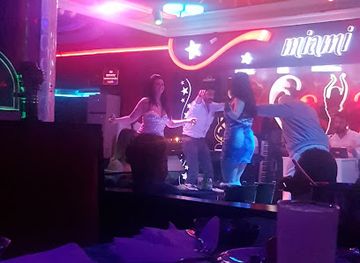
Miami Night Club
Experience the vibrant nightlife of Ankara at Miami Night Club, where electrifying music and entertainment create unforgettable memories.
5 min drive · 1.6 km from neighbourhood centre


Best shops in Ulus
Shopping in Ulus is practical, traditional and closely connected to the district’s historic role as a commercial centre. Anafartalar Street carries a mixture of everyday retail, while the lanes running towards Ankara Castle contain long-established bazaar businesses, craft workshops and small specialist sellers. Çıkrıkçılar Yokuşu is associated with textiles, household goods and traditional market shopping, and the Bakırcılar Çarşısı area is known for copperware and craft-oriented stalls in the adjoining historic quarter. Visitors may also encounter antiques, second-hand objects, souvenirs and locally useful goods rather than the international brands found in Ankara’s modern shopping centres. The market streets are best explored slowly and respectfully: stock, ownership and opening arrangements vary, and bargaining should be handled courteously rather than assumed to be obligatory.
-
Shopping mall
Suluhan Bazaar
Experience the vibrant culture and historical charm of Suluhan Bazaar in Ankara, where shopping meets rich tradition and local flavors.
6 min walk · 0.5 km from neighbourhood centre
-
Shopping mall
Anafartalar Bazaar
Explore Anafartalar Bazaar, Ankara's vibrant shopping haven filled with local culture, unique shops, and delicious culinary delights.
3 min walk · 0.2 km from neighbourhood centre
-
Shopping mall
Ulus Çarşısı
Explore Ulus Çarşısı in Ankara: A shopping paradise blending local culture, delightful cuisine, and vibrant experiences in Turkey's capital.
2 min walk · 0.2 km from neighbourhood centre
-
Antique furniture store
Koç Antik Saklı Çarşı - Ulus
Explore a captivating collection of antique furniture and decor at Koç Antik Saklı Çarşı, a hidden gem in the heart of Ankara.
11 min walk · 0.9 km from neighbourhood centre


Ulus essentials
Getting There
Getting Around
Safety
Emergency Situations
Do's and Don'ts
Local Tips

From Eve
Local phrases worth knowing
You don't need to get them perfect. A few words go a long way, and locals appreciate the effort.
Basics
| English | Local | Say it |
|---|---|---|
| Hello | Merhaba | [Mer-ha-ba] |
| Goodbye | Hoşçakal | [Hosh-cha-kal] |
| Yes | Evet | [Eh-vet] |
| No | Hayır | [Ha-yuhr] |
| Please/You're welcome | Lütfen | [Loot-fen] |
| Thank you | Teşekkür ederim | [Teh-sheh-kur eh-deh-reem] |
| Excuse me/Sorry | Özür dilerim | [O-zoor dee-leh-reem] |
| How are you? | Nasılsın? | [Nah-suhl-suhn] |
| Fine. And you? | İyiyim. Sen? | [Ee-yee-yim. Sen?] |
| Do you speak English? | İngilizce konuşuyor musun? | [Ing-ee-leez-jeh kon-oo-shoo-yor moos-oon?] |
| I don't understand | Anlamıyorum | [An-lah-muh-yor-um] |
Eating & Drinking
| English | Local | Say it |
|---|---|---|
| I'd like to see the menu, please | Menüyü görmek istiyorum, lütfen | [Meh-noo-yu ger-mek is-tee-yor-um, loot-fen] |
| I don't eat meat | Et yemem | [Et yeh-mem] |
| Cheers! | Şerefe! | [Sheh-reh-feh] |
| I would like to pay, please | Ödemek istiyorum, lütfen | [O-deh-mek is-tee-yor-um, loot-fen] |
Emergencies
| English | Local | Say it |
|---|---|---|
| Help! | Yardım edin! | [Yar-duhm eh-deen!] |
| Go away! | Uzaklaş! | [Oo-zak-lash!] |
| Call the Police! | Polisi arayın! | [Poh-lee-see ah-rah-yun!] |
| Call a doctor! | Doktor çağırın! | [Dok-tor cha-uh-ruhn!] |
| I'm lost | Kayboldum | [Kai-bol-doom] |
| I'm ill | Hasta'yım | [Has-tai-yum] |
Shopping
| English | Local | Say it |
|---|---|---|
| I'd like to buy... | Satın almak istiyorum... | [Sa-tuhn al-mak is-tee-yor-um...] |
| I'm just looking | Sadece bakıyorum | [Sah-deh-je bah-kuh-yor-um] |
| How much is it? | Kaç lira? | [Kach lee-rah?] |
| That's too expensive | Çok pahalı | [Chok pah-ha-luh] |
| Can you lower the price? | Fiyatı indirebilir misiniz? | [Fee-yat-uh in-de-reh-bee-leer mee-see-neez?] |
Time & Numbers
| English | Local | Say it |
|---|---|---|
| What time is it? | Saat kaç? | [Saat kach?] |
| It's one o'clock | Saat bir | [Saat beer] |
| Half past (10) | Saat on buçuk | [Saat on boo-chook] |
| Morning | Sabah | [Sah-bah] |
| Afternoon | Öğleden sonra | [Oh-leh-den sonra] |
| Evening | Akşam | [Ak-sham] |
| Yesterday | Dün | [Doon] |
| Today | Bugün | [Boo-goon] |
| Tomorrow | Yarın | [Yah-run] |
| 1 | Bir | [Beer] |
| 2 | İki | [Ee-kee] |
| 3 | Üç | [Ooch] |
| 4 | Dört | [Durt] |
| 5 | Beş | [Besh] |
| 6 | Altı | [Al-tuh] |
| 7 | Yedi | [Yeh-dee] |
| 8 | Sekiz | [Seh-keez] |
| 9 | Dokuz | [Doh-kooz] |
| 10 | On | [On] |
Transport & Directions
| English | Local | Say it |
|---|---|---|
| Where's a/the...? | ... nerede? | [... neh-reh-deh?] |
| What's the address? | Adres nedir? | [Ah-dres neh-deer?] |
| Can you show me (on the map)? | (Haritada) gösterebilir misiniz? | [(Hah-ree-ta-da) ger-steh-reh-bee-leer mee-see-neez?] |
| When's the next (bus)? | Sonraki (otobüs) ne zaman? | [Son-rah-kee (oh-toh-booos) neh zah-man?] |
| A ticket (to ....) | Bir bilet (....’ya) | [Beer bee-let (....’ya)] |
History of Ulus
Ancient Ankara on the Hill
Ulus developed around the ancient settlement of Ankara, known in classical sources as Ancyra. The area’s most visible ancient reminder is the Temple of Augustus and Rome, built in the early Roman imperial period and later incorporated into the surroundings of Hacı Bayram Veli Mosque. Ankara’s position on routes crossing central Anatolia helped it function as a regional centre long before it became the national capital. The Roman city occupied the hill and its approaches, while later fortifications and settlement patterns continued to concentrate activity in the same elevated historic zone.
Ottoman Religious and Commercial District
Under Ottoman rule, the historic centre retained its role as Ankara’s principal urban focus. Hacı Bayram Veli, a fifteenth-century Sufi scholar associated with the city, became central to the district’s religious identity, and the mosque complex around his tomb remains one of Ulus’s defining places. Commercial life grew through hans, small workshops and market streets serving local residents and regional trade. The area’s later bazaars and traditional shopping lanes preserve traces of this practical urban economy, even though many buildings and businesses have changed.
From Provincial Town to National Capital
The decisive transformation came after Ankara was chosen as the centre of the nationalist movement during the Turkish War of Independence and became the capital of the Republic of Türkiye in 1923. The First Grand National Assembly building, now the Independence War Museum, and the later Second Assembly building, now the Republic Museum, place Ulus at the centre of the new state’s political history. Government offices, planned avenues and public monuments altered the area’s scale, while the Victory Monument became a prominent symbol of the republican period.
Modernisation and Changing Urban Roles
As Ankara expanded southwards into districts such as Kızılay and Çankaya, Ulus gradually lost its position as the city’s main commercial and administrative centre. Some historic buildings survived beside twentieth-century shops, transport corridors and later apartment blocks, producing the mixed streetscape visible today. Urban renewal projects and conservation efforts have repeatedly sought to balance the needs of a busy working district with the protection of archaeological remains and republican heritage. Ulus remains important not because it represents a single period, but because ancient, Ottoman and modern national histories remain unusually close together.
Ulus in Photos
Browse through our photo collection highlighting the charm and character of the destination.
Neighbourhoods near Ulus
The closest neighbourhoods to Ulus, if you have time for more than one stop.
-
-

-

-


Swipe for more neighbourhoods
Explore more
Explore more of Ankara
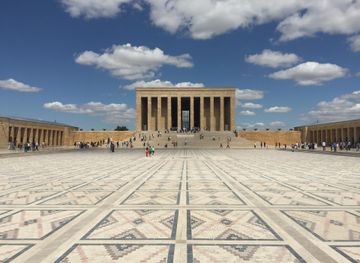
Explore Ankara, where ancient history meets modern vibrancy in the heart of Turkey.
Explore Ankara