

Best Landmarks Near Dunstanburgh Castle
Planning a trip to Dunstanburgh Castle? Discover the best landmarks nearby with history, expert tips, and routes. Free on web or the Evendo app.


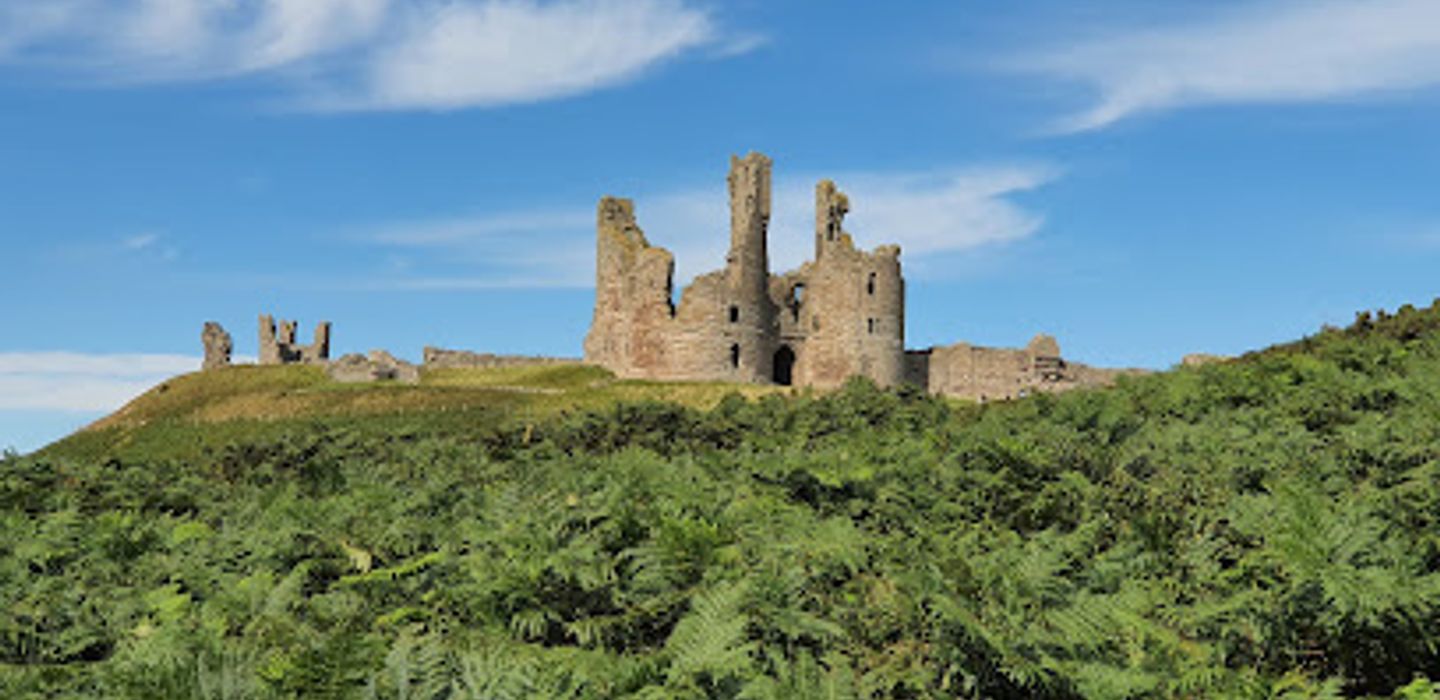
The best landmarks near Dunstanburgh Castle
- Top rated
- Closest to Dunstanburgh Castle
- Price level: low to high
- Time to spend: shortest first
- A–Z
81 landmarks
-
Castle4.5★13,469 reviews
Alnwick Castle
Alnwick Castle stands as one of England's most impressive medieval fortresses, home to the Dukes of Northumberland since 1309. This 11th-century stronghold combines authentic medieval architecture with lavish Italian Renaissance State Rooms, offering visitors a rare glimpse into centuries of aristocratic life. Beyond its historical significance, the castle gained international fame as a filming location for the Harry Potter series, where visitors can experience broomstick-flying lessons in the very courtyards where the films were shot. With museums, interactive exhibits, guided tours, and seasonal activities, Alnwick Castle delivers a rich blend of heritage, entertainment, and cinematic magic.
Daily 10:00–17:30Price level $$Time to spend 2–3.5 hrs
-
Bridge4.7★2,240 reviews
Tyne Bridge
Soaring over the River Tyne, the Tyne Bridge is an iconic steel arch bridge linking Newcastle upon Tyne and Gateshead. Completed in 1928 and officially opened by King George V, it has become a defining symbol of Tyneside. With its striking Art Deco towers and sweeping arch, the bridge offers dramatic views of the river, the Quayside, and the surrounding cityscape. It’s free to cross on foot or by vehicle, and its illuminated form at night makes it a must-see landmark in the North East of England.
Open 24 hoursTime to spend 0.5–2 hrs
-
Cathedral4.6★1,443 reviews
Newcastle Cathedral
Newcastle Cathedral, formally the Cathedral Church of St Nicholas, stands as a magnificent medieval landmark in the heart of Newcastle city centre. This Grade I listed building, dating from around 1350, is the only cathedral in the UK dedicated to St Nicholas and represents over 900 years of the city's spiritual and cultural heritage. Its iconic lantern tower, constructed in 1448, once guided ships sailing up the River Tyne and remains one of the finest examples of this architectural style outside Scotland. Recently restored with support from the National Lottery Heritage Fund, the cathedral welcomes visitors to explore its rich interior featuring intricate Victorian woodwork, spectacular stained glass windows, monuments to industrial pioneers, and one of England's largest collections of ledger stones. Entry is free, and the cathedral functions as both an active place of worship and a dynamic community hub.
Mon–Fri 8:00–18:00 · Sat–Sun 8:00–17:00Time to spend 1–2 hrs
-
Monument4.5★1,311 reviews
Grey's Monument
Grey's Monument, located at 150 Grainger Street in Newcastle upon Tyne, is a striking 135-foot Roman Doric column crowned with a statue of Charles Grey, 2nd Earl Grey. Erected in 1838, it commemorates Earl Grey’s role as Prime Minister and the passing of the Great Reform Act of 1832, a pivotal moment in British political history. This landmark is a central meeting point and symbol of Newcastle’s civic pride, offering historical significance and a glimpse into the city’s rich heritage.
Open 24 hoursTime to spend 0.5–1.5 hrs
-
Cafe4.4★1,299 reviews
The Tower Cafe Ltd
Nestled within the scenic Leazes Park in Newcastle upon Tyne, The Tower Cafe Ltd offers an inviting and affordable café experience. Renowned for its extensive menu including standout vegan pizzas, this charming spot combines a relaxed park setting with friendly service. Open daily from 10 AM to 6 PM, it caters to families, couples, and solo visitors seeking a casual meal or refreshment amidst greenery.
Daily 10:00–18:00Price level $Time to spend 0.5–2 hrs
-
Catholic cathedral4.7★512 reviews
St. Mary's Cathedral
St. Mary's Cathedral in Newcastle upon Tyne is a stunning Catholic cathedral renowned for its rich history, exquisite stained glass windows, and vibrant community worship. Located on Clayton Street West, it serves as the mother church of the Diocese of Hexham and Newcastle and offers daily masses and a welcoming atmosphere for visitors and worshippers alike.
Time to spend 0.5–2 hrs
-
Bridge4.7★501 reviews
Royal Border Bridge
An iconic Grade I listed railway viaduct spanning the River Tweed at Berwick-upon-Tweed, designed by Robert Stephenson and opened by Queen Victoria in 1850. This magnificent Victorian engineering feat features 28 stone arches and stands 37 metres above the river, carrying the East Coast Main Line between London and Edinburgh. Still in active use today, the bridge is one of the most recognisable landmarks in Northumberland and offers stunning views from the riverside walk below.
Open 24 hoursTime to spend 0.5–2 hrs
-
Hotel4.7★420 reviews
Schloss Roxburghe - Destination by Hyatt
SCHLOSS Roxburghe, part of Destination by Hyatt, is a striking Jacobean country estate hotel set on 300 acres of scenic parkland near Kelso in the Scottish Borders. Featuring a historic manor house and a modern extension, it offers 78 elegant rooms and suites, 51 self-catering cottages, a championship golf course, a full-service spa, and multiple dining options focused on fresh, local produce. This family-friendly luxury retreat blends traditional charm with contemporary comforts, ideal for relaxation and outdoor activities.
Price level $$$Time to spend 1–3 hrs
-
Bridge4.7★393 reviews
Union Bridge
Spanning the River Tweed near Berwick-upon-Tweed, the Union Suspension Bridge is a graceful 19th-century ironwork crossing that links England and Scotland. Built in 1820, it’s one of the oldest suspension bridges in the UK still carrying road traffic, offering scenic views of the river and surrounding countryside. The bridge is a quiet, atmospheric spot for a short walk, especially at sunrise or sunset, and serves as a subtle reminder of the historic border between two nations.
Open 24 hoursTime to spend 0.5–2 hrs
-
Historical landmark4.6★337 reviews
Berwick Lighthouse
Berwick Lighthouse, completed in 1826, stands at the end of Berwick Pier, a historic 19th-century breakwater guarding the River Tweed’s entrance. This iconic red-and-white lighthouse is a major landmark in Berwick-upon-Tweed, offering picturesque coastal views and a glimpse into the town’s maritime heritage. Though not open for public access, the lighthouse is a popular destination for a scenic walk along the 877-metre pier, with panoramic vistas of the North Sea and the town.
Open 24 hoursTime to spend 0.5–2 hrs


England / Scotland Border
Stand at the symbolic threshold between two nations at this iconic border crossing near Berwick-upon-Tweed. Located just north of the town on the A1, this landmark offers sweeping coastal views and a tangible sense of crossing from England into Scotland. A simple stile over a fence marks the boundary, making it an accessible and memorable waypoint for travellers journeying along Britain's east coast.
Open 24 hoursTime to spend 0.5–2 hrs

Scoutscroft Leisure Park | Verdant Leisure
Scoutscroft Leisure Park is a charming holiday park near Coldingham Beach on the Berwickshire coast, offering self-catering caravans, lodges, and camping pods. With pet-friendly facilities, a bar, restaurant, and indoor mini golf, it provides a relaxing coastal escape just 46 miles from Edinburgh, ideal for families and couples seeking nature and comfort.
Price level $$Time to spend 1–72 hrs

Duddo Five Stones
The Duddo Five Stones is a prehistoric stone circle located near Duddo in Northumberland, England, dating back around 4,000 years to the Early Bronze Age. Originally comprising seven stones, five remain standing today, set on a grassy knoll with panoramic views of the Cheviot and Lammermuir Hills. This evocative site, steeped in legend and archaeological mystery, invites contemplation of ancient rituals and the region’s rich cultural heritage.
Open 24 hoursTime to spend 0.5–2 hrs

Town Hall
Berwick Town Hall, located at 16 Marygate, is a Grade I listed neoclassical building in Berwick-upon-Tweed, England. Constructed between 1754 and 1760 to replace an earlier tolbooth, it features a prominent 150-foot clock tower and belfry. The hall historically served as the borough council headquarters and houses an assembly hall, council chamber, and former prison cells. Today, it remains a cultural and historic focal point with guided tours showcasing its rich past.
Open 24 hoursPrice level $Time to spend 1–2 hrs

Berwick Town Walls
The Berwick Elizabethan Town Walls, constructed in 1558, are the only complete Elizabethan town walls in Britain and among the best-preserved examples of 16th-century military architecture in Europe. These bastioned fortifications surround Berwick-upon-Tweed, offering visitors a 45-minute walk with panoramic views over the Tweed Estuary and the North Sea. The walls showcase Italian-inspired design, water-filled ditches, and strategic bastions built to defend against Scottish forces.
Open 24 hoursTime to spend 0.8–1.5 hrs

Denton Hall Turret - Hadrian's Wall
Denton Hall Turret is a historic Roman watchtower built into Hadrian’s Wall, located in the western suburbs of Newcastle upon Tyne. Constructed of large sandstone blocks, it features a stone platform that once supported a ladder to upper floors. This turret, part of a 63-metre surviving section of Hadrian’s Wall, offers a glimpse into Roman frontier defense along the empire’s northern boundary. The site is freely accessible and open during daylight hours.
Open 24 hoursTime to spend 0.5–1.5 hrs

Collingwood Monument
The Collingwood Monument in Tynemouth is a striking Grade II* listed statue commemorating Vice Admiral Lord Cuthbert Collingwood, a key figure at the Battle of Trafalgar. Sculpted by John Graham Lough and set atop a pedestal by architect John Dobson, the monument overlooks the mouth of the River Tyne and North Shields, marking Collingwood’s family ties to the area. Surrounded by four cannons from HMS Royal Sovereign, it stands as a powerful tribute to a naval hero rarely overshadowed by Nelson.
Open 24 hoursTime to spend 0.5–1.5 hrs

Kelso
Kelso, located in the Scottish Borders, is a charming historic town known for its medieval origins, picturesque cobbled square, and the ruins of Kelso Abbey. Once a thriving medieval burgh, Kelso offers visitors a rich archaeological and cultural experience, with connections to ancient settlements, royal history, and the scenic Tweed Valley. The town blends historic architecture with vibrant local life, making it a compelling destination for history enthusiasts and travelers seeking authentic Scottish heritage.
Open 24 hoursPrice level $$Time to spend 1–4 hrs

Little Buildings
Tucked away in Newcastle’s Ouseburn Valley, Little Buildings is a beloved live music venue and bar known for its intimate gigs and eclectic atmosphere. With a capacity of around 60, it’s a hub for emerging and established artists, offering a close-up experience of everything from rock and punk to indie and electronic acts. The upstairs bar serves a great selection of craft beers, ciders, spirits, and cocktails, all in a laid-back, friendly setting. While the venue doesn’t serve food itself, excellent options are available nearby, making it a perfect spot for a casual night out centered around great music and good drinks.
Price level $Time to spend 2–6 hrs

Winter's Gibbet
Winter's Gibbet near Morpeth, Northumberland, is a haunting historical landmark marking the site where William Winter's body was displayed after his 1792 execution. This eerie gibbet recalls a brutal era of justice, with a replica wooden figure now standing where the original once hung, embodying centuries of local lore and morbid fascination.
Open 24 hoursTime to spend 0.5–1.5 hrs

Berwick Bridge
Berwick Bridge, also known locally as the Old Bridge, is a magnificent 17th-century sandstone structure spanning the River Tweed in Berwick-upon-Tweed. Built between 1611 and 1624, this Grade I listed bridge features 15 arches and was a vital crossing on the Great North Road connecting London and Edinburgh. Today, it remains open to pedestrians and traffic, showcasing centuries of engineering heritage and offering scenic views of the river and town.
Open 24 hoursTime to spend 0.5–2 hrs

Coxon's Tower
Coxon's Tower is one of the last remaining medieval towers on Berwick-upon-Tweed's famous Elizabethan town walls. Originally a tall medieval fortification, it was transformed in the 16th and 18th centuries into a gun platform guarding the river estuary. The tower offers a fascinating glimpse into Berwick’s turbulent history, with surviving vaulted ceilings and casemates reflecting layers of military architecture from medieval to early modern times.
Open 24 hoursPrice level $Time to spend 0.5–1.5 hrs

Lady's Well
Lady's Well is a historic and atmospheric holy well located near the village of Holystone within Northumberland National Park, England. This large, shallow, arch-shaped spring pool is believed to have Roman origins built atop an even older sacred site. Surrounded by a peaceful grove of trees, it offers visitors a tranquil spot steeped in legend and natural beauty, with crystal-clear waters filtered through fine sand. The well is linked to early Christian saints and is part of a landscape rich in archaeological and natural heritage.
Time to spend 0.5–2 hrs

The Drake Stone
A colossal 2,000-tonne sandstone boulder perched atop a windswept ridge in Northumberland, the Drake Stone is a glacial erratic steeped in legend and mythology. This ancient landmark, said to possess healing powers and once revered by druids, rewards visitors with breathtaking 360-degree panoramic views across the Coquetdale valley, Harbottle village, and the surrounding moorland. The moderate circular walk to reach it takes approximately 2.5 hours and passes near the atmospheric ruins of Harbottle Castle.
Time to spend 2–4 hrs

Warkworth Hermitage
Warkworth Hermitage is a remarkable medieval rock-cut chapel carved directly into sandstone cliffs above the River Coquet in Northumberland. Accessible only by boat from Warkworth Castle, this secluded sanctuary features an ornately designed chapel chamber with vaulted bays and relief sculpture, dating to around 1400. Originally established as a chantry chapel occupied by clergy from 1489 to 1536, the hermitage combines genuine historical significance with an atmosphere of mystery and solitude, making it one of Britain's most elaborate surviving medieval rock-cut chapels.
Price level $Time to spend 0.5–1.5 hrs

All Saints Church
All Saints Presbyterian Church stands as a remarkable architectural gem on Akenside Hill in Newcastle upon Tyne. This distinctive Georgian church, completed in 1796, features England's only elliptical nave—a unique design by architect David Stephenson that floods the interior with light from twenty-seven strategically placed windows. The magnificent Baroque tower rises prominently above the city skyline, making it the third tallest religious structure in Newcastle. Praised by Poet Laureate Sir John Betjeman as one of the finest English Georgian churches, All Saints combines historical significance with active worship, welcoming visitors and congregants for Sunday services at 10:30 am and 5:00 pm.
Thu 13:00–16:00 · Sun 10:30–12:00, 17:00–18:30Time to spend 0.8–2 hrs

The Black Gate
The Black Gate is a formidable medieval gatehouse built between 1247 and 1250 under King Henry III, forming a fortified barbican entrance to Newcastle Castle. This Grade I-listed structure features original architectural elements including portcullis grooves, guardrooms, and vaulted chambers. Now fully accessible with modern facilities, it houses exhibitions on Newcastle's rich history, a gift shop, and serves as the main entry point to the castle complex. The building showcases centuries of adaptation, from its medieval defensive role to its 19th-century use as residential housing.
Price level $$Time to spend 1.5–3 hrs

St John the Baptist Church
A Grade I listed medieval parish church dating from around 1130, St John the Baptist stands at the corner of Grainger Street and Westgate Road in Newcastle's city centre. This Anglo-Catholic church features a striking low square tower, cruciform layout with aisles, and remarkable interior treasures including 15th-century woodwork, medieval stained glass depicting Newcastle's oldest coat of arms, and carvings by renowned furniture maker Robert 'Mousey' Thompson. Surrounded by modern buildings yet retaining its quiet simplicity, it remains one of three surviving medieval churches in central Newcastle.
Time to spend 0.5–2 hrs

St Andrew's Church, Newcastle upon Tyne
St Andrew's Church in Newcastle upon Tyne is a striking Gothic-style parish church built in the 1870s, replacing an earlier chapel from the 1790s. Designed by Thomas Gibson, it features stone construction with ashlar dressings and a slate roof. The church is noted for its elaborate wooden roof, octagonal piers, and historical significance as a center of the Catholic mission in Newcastle. It remains an active place of worship with rich architectural and cultural heritage.
Mon–Fri 10:00–16:00Time to spend 0.5–1.5 hrs

The High Level Bridge
The High Level Bridge in Newcastle upon Tyne is a pioneering double-deck road and railway bridge designed by Robert Stephenson and opened in 1849. Spanning the River Tyne, it was the first major bridge to combine rail and road traffic on separate levels, showcasing Victorian engineering innovation. Today, it remains a Grade I listed iconic structure, carrying rail traffic on the upper deck and limited road traffic below, symbolizing Newcastle’s industrial heritage and engineering prowess.
Open 24 hoursTime to spend 0.5–2 hrs

Morpeth Clock Tower
The Morpeth Clock Tower, standing 60 feet tall in the heart of Morpeth’s Market Place, is a Grade II* listed medieval stone structure built between 1604 and 1634. Constructed from recycled stones likely sourced from Newminster Abbey, it features thick walls and a belfry added in 1706 to house six historic bells. The tower has served diverse roles, including a prison and meat store, and remains a cherished symbol of Morpeth’s heritage and community identity.
Open 24 hoursTime to spend 0.5–1.5 hrs

Trinity House
Trinity House in Newcastle upon Tyne is a historic landmark located on Broad Chare, offering visitors a fascinating glimpse into the city's maritime heritage and medieval past. This well-preserved building serves as an exhibition centre showcasing artifacts spanning over 2000 years of local history, making it a cultural gem in the heart of Newcastle's historic quarter.
Thu–Sun 10:00–22:00Price level $Time to spend 1–2 hrs

Marjoribanks Monument
The Marjoribanks Monument, erected in 1829, stands proudly at the eastern entrance of Coldstream, Scotland. It commemorates Charles Albany Marjoribanks, a notable local MP and public figure known for his talents and political principles. The monument offers panoramic views over the River Tweed and the surrounding countryside, symbolizing resilience after being rebuilt following lightning damage in 1873.
Open 24 hoursTime to spend 0.5–2 hrs

Saint Mary's Well
Saint Mary's Well in Jesmond, Newcastle upon Tyne, is a historic holy spring linked to the medieval chapel of St Mary, once one of the United Kingdom’s major pilgrimage sites. The well, enclosed by stone and famed for its healing waters, has been a spiritual destination since medieval times. Today, it remains a tranquil heritage landmark nestled within Jesmond’s leafy Grove, evoking centuries of sacred tradition and local reverence.
Time to spend 0.5–1.5 hrs

Jesmond Dene Mill
Jesmond Dene Mill, nestled within the lush Jesmond Dene park in Newcastle upon Tyne, is a historic watermill site dating back to at least 1739. Once known as Mabel's Mill and later Heaton Mill, the mill played a vital role in local industry, grinding corn and flint during the 18th and 19th centuries. Today, its evocative ruins sit beside a picturesque waterfall and river, surrounded by ancient woodland and Victorian landscaping, offering visitors a serene glimpse into the area's industrial heritage.
Open 24 hoursTime to spend 1–3 hrs

Old Library Building
At the heart of Newcastle University’s campus, the Old Library Building is a historic academic landmark that once housed the university’s main library. Now home to the School of Modern Languages and conference spaces, its elegant early 20th‑century architecture and central quadrangle position make it a quiet, scholarly presence amid the modern campus bustle. It’s a place where tradition meets contemporary learning, ideal for visitors interested in university heritage and architecture.
Mon–Fri 8:00–17:00Time to spend 0.5–2 hrs

Lord's Mount
Lord's Mount is a remarkable 16th-century artillery fortification located at the north-east angle of Berwick-upon-Tweed's medieval defences. Built under King Henry VIII’s reign, it features massive walls nearly 6 meters thick and was designed to withstand artillery attacks. Today, visitors can explore its surviving lower floor with casemates for swivel guns, living quarters, and a kitchen, while enjoying panoramic views of the historic town and River Tweed.
Open 24 hoursTime to spend 1–2 hrs

Hotspur Tower
Hotspur Tower, also known as Bondgate Tower, is a striking 15th-century gatehouse located in the heart of Alnwick, Northumberland. This historic landmark is famed for its association with Henry Percy, 'Harry Hotspur', a medieval knight immortalized by Shakespeare. The tower stands as a proud symbol of Alnwick's rich heritage, offering visitors a glimpse into the town’s medieval past through its preserved architecture and central location on Bondgate Within.
Mon–Sat 9:00–17:00 · Sun 10:00–16:00Time to spend 0.5–1.5 hrs

Hole in The Wall
Hole in The Wall is a historic landmark in Blyth, Northumberland, known for its unique architectural feature—a large hole offering a captivating view of the beach. This site provides visitors with a glimpse into the area's coastal heritage and serves as a charming beach access point, blending natural beauty with historical intrigue.
Open 24 hoursTime to spend 0.5–1.5 hrs

Lamberton Skerrs
Lamberton Skerrs, near Berwick-upon-Tweed, is a rugged coastal landmark known for the ruins of the Smuggler's Bothy, a historic 18th-century smuggling hideout. Set on dramatic cliffs overlooking the North Sea, it offers visitors a glimpse into maritime history amid stunning natural scenery, with rocky bays, weathered fishing relics, and panoramic sea views.
Open 24 hoursTime to spend 1–3 hrs

Morden Tower
Morden Tower is a historic medieval drum tower built around 1290, located on Back Stowell Street along Newcastle upon Tyne's ancient West Walls. This Grade I listed Scheduled Ancient Monument has evolved into a renowned cultural hub since 1964, hosting poetry readings and experimental music events, largely thanks to custodian Connie Pickard. The tower’s intimate, candlelit upper room has welcomed prominent poets from the Beat and Black Mountain movements, making it a landmark of literary heritage in the North East of England.
Open 24 hoursTime to spend 0.5–1.5 hrs

Coquet Island Lighthouse
Coquet Island Lighthouse, built in 1841 on a small island off the Northumberland coast near Amble, is a distinctive castellated maritime beacon set amidst a vital seabird sanctuary managed by the RSPB. The island is renowned for its rare roseate tern colony and large puffin population. While the lighthouse is automated and not open to the public, seasonal boat trips offer close views of the lighthouse and abundant wildlife in this protected nature reserve.
Price level $$Time to spend 1–3 hrs

Newcastle Keep
A formidable Norman fortress rising from the heart of Newcastle, the Castle Keep stands as a 12th-century stronghold where the city's story began. Climb 99 spiral stone steps through four floors of medieval chambers—from the Great Hall and chapel to former prison cells—and emerge onto the rooftop for commanding 360-degree views of Newcastle, the River Tyne, and the iconic Tyne Bridge. Your admission ticket grants unlimited daytime access for a full year.
Price level $Time to spend 1.5–2.5 hrs

Newcastle and District War Memorial
Standing at the heart of Old Eldon Square on Blackett Street, the Newcastle and District War Memorial is a striking Portland stone monument unveiled in 1923 by Field Marshal Earl Haig. Designed by architects Cackett and Burns with bronze sculptures by Charles Hartwell, this Grade I listed memorial commemorates the men of Newcastle who fell in both World Wars. The centerpiece features a majestic equestrian statue of Saint George slaying the dragon, symbolizing the courage of infantrymen and cavalrymen, while four relief panels depict Memory, Peace, Justice, and the sacrifice of war.
Open 24 hoursTime to spend 0.5–2 hrs

River God
The River God is a striking historical statue located on the Quayside in Newcastle upon Tyne, near the River Tyne. Facing away from the river towards its companion statue, the Siren, and the city centre, it embodies the rich maritime heritage of the area. This iconic landmark offers a glimpse into Newcastle's artistic and cultural past, making it a must-see for visitors exploring the waterfront.
Open 24 hoursTime to spend 0.5–1.5 hrs

Blackfriars Medieval Friary
Blackfriars is a Grade I listed 13th-century Dominican friary in Newcastle's city centre, established in 1239. Once one of the largest friaries in the United Kingdom, it remains the only surviving medieval friary in Newcastle. Today, the restored cloister buildings house craft workshops, a celebrated restaurant, and a cloister garden, preserving centuries of history within its cobbled courtyard.
Price level $$Time to spend 0.5–3 hrs

King's Gate
King's Gate is Newcastle University's modern administrative and student services hub, located prominently on Barras Bridge in the city centre. This five-storey building, completed in 2009, serves as the university's 'front door' with a striking glazed façade framed by natural sandstone cladding. Housing student services, admissions, careers, accommodation, and finance offices, it provides a unified space for essential university functions. The building's contemporary design features solar shading louvers and illuminated glass that transforms by night, seamlessly integrating into Newcastle's urban streetscape.
Mon–Fri 9:00–17:00Time to spend 0.5–2 hrs

Hunkleton stone
The Hunkleton Stone is a striking glacial erratic resting on Newbiggin-by-the-Sea’s beach, a natural monument shaped by the last Ice Age. This massive rock, transported by ice rafts through ancient glacial waters, stands as a symbol of the town’s geological history and community resilience, offering visitors a unique glimpse into the region’s prehistoric past and coastal charm.
Open 24 hoursTime to spend 0.5–2 hrs

The Seeing Stone
The Seeing Stone is a striking contemporary art installation nestled within Exhibition Park in Newcastle upon Tyne. This captivating sculpture blends artistic vision with natural surroundings, inviting visitors to pause and reflect in a tranquil park setting. The stone stands as a testament to Newcastle's thriving cultural scene, offering a unique fusion of modern art and green space that appeals to art enthusiasts, photographers, and those seeking a peaceful escape from the urban bustle.
Open 24 hoursTime to spend 0.5–2 hrs

Broad Shiel
Broad Shiel is a historic landmark located on the banks of the River Tweed in Berwick-upon-Tweed, England. This site offers a glimpse into the region’s rich fishing heritage and its strategic importance near the Anglo-Scottish border. Surrounded by scenic river views and close to the town’s Elizabethan walls and iconic Royal Border Bridge, Broad Shiel stands as a quiet yet evocative reminder of the area's cultural and historical legacy.
Mon–Fri 9:00–17:00 · Sat 10:00–16:00Time to spend 0.5–1.5 hrs

Castle Wall Well
The Castle Wall Well in Newcastle upon Tyne is a historic medieval defensive structure dating back to the 13th and 14th centuries. Once part of an extensive town wall system built to protect the city from Scottish invasions, it stands as a testament to Newcastle’s turbulent history and strategic importance. Visitors can appreciate its robust stone construction and imagine the vital role it played in defending the town during centuries of conflict.
Open 24 hoursTime to spend 0.5–1.5 hrs

Royal Tweed Bridge
The Royal Tweed Bridge is a striking 1920s concrete arch bridge spanning the River Tweed in Berwick-upon-Tweed. Built between 1925 and 1928 to divert traffic from the historic Old Bridge, it was opened by Edward, Prince of Wales. Once part of the main A1 route from London to Edinburgh, it remains a significant landmark offering scenic river views and a glimpse into early 20th-century engineering innovation.
Open 24 hoursTime to spend 0.5–1.5 hrs

Blacksmiths Needle
The Blacksmith's Needle is a striking 7.6-meter conical steel sculpture located on Newcastle's Quayside. Crafted by the British Artist Blacksmiths Association, it features six intricately layered sections representing the five senses plus a mysterious sixth sense, all woven into a maritime theme with mermaids, bells, shells, and sea creatures.
Time to spend 0.2–1 hr

Lord Armstrong Memorial
The Lord Armstrong Memorial is a distinguished bronze statue set on a sandstone pedestal outside the Great North Museum in Newcastle upon Tyne. It commemorates Lord William Armstrong, a pioneering industrialist and inventor renowned for his hydraulic engineering innovations, including the Swing Bridge and the Armstrong Gun. The memorial includes detailed bronze reliefs depicting his engineering achievements and stands as a tribute to his lasting impact on Newcastle’s industrial heritage and public institutions.
Time to spend 0.2–1 hr

The Response - Renwick War Memorial
The Response is a striking Grade I listed war memorial located in the gardens by Newcastle Civic Centre near Barras Bridge. Created by Sir W. Goscombe John, it commemorates the raising of several battalions of the Northumberland Fusiliers during the First World War. The memorial features a dramatic bronze group of soldiers, civilians, and symbolic figures mounted on a granite screen, capturing the spirit and patriotic fervor of 1914.
Time to spend 0.5–1.5 hrs

1914 Monument
One of Britain's most striking war memorials, The Response 1914 stands in the public gardens north of St Thomas the Martyr Church on Barras Bridge in Newcastle. This Grade I listed sculptural monument, created by renowned artist William Goscombe John and unveiled in 1923, depicts soldiers and recruits responding to the call to arms during the First World War. The bronze and granite composition captures the emotional intensity of 1914, with figures in uniform and civilian dress, families saying goodbye, drummer boys leading the charge, and an angel sounding a trumpet overhead. Commissioned by Sir George and Lady Renwick in gratitude for their sons' safe return and in recognition of the sacrifice of others, this powerful memorial remains a poignant tribute to courage and loss.
Time to spend 0.5–1.5 hrs

Durham Tower
Durham Tower is a striking medieval remnant of Newcastle’s 13th-century town wall, standing proudly on W Walls. This semi-circular stone tower, with its vaulted roof and narrow window loops, offers a tangible link to the city’s fortified past. Easily accessible and free to view, it’s a quiet historical gem in the heart of the city, perfect for a brief, atmospheric stop while exploring Newcastle’s heritage.
Time to spend 15–30 min

Mermaid
The Mermaid is a captivating historical landmark located at 100 Quayside, Newcastle upon Tyne. Nestled along the vibrant River Tyne waterfront, it reflects the area's rich maritime heritage and industrial past. Surrounded by iconic bridges and lively cultural spots, the Mermaid offers visitors a glimpse into Newcastle's storied relationship with the river and its regeneration into a thriving arts and leisure district.
Time to spend 0.5–2 hrs

King John's Palace
King John's Palace in Newcastle upon Tyne is the evocative ruin of a fortified 13th-century manor house built by Adam of Jesmond, Sheriff of Newcastle. Despite its name, King John never visited the site, which was constructed decades after his death. The remains reveal thick defensive walls and the once-grand 'camera' or main hall, reflecting a turbulent era of civil war and royal allegiance. Nestled within Heaton Park, this historic site offers a glimpse into medieval northern England's feudal past.
Open 24 hoursTime to spend 0.5–1.5 hrs

Black Friars Postern Gate Plaque
The Black Friars Postern Gate Plaque marks the historic site of a medieval gateway built in 1280 for the Dominican friars, known as Blackfriars, in Newcastle upon Tyne. It commemorates the friars’ access to their gardens beyond the town walls and reflects the rich heritage of the area, linking to the extensive town walls and the legacy of the Blackfriars friary, one of the city’s oldest medieval religious sites.
Open 24 hoursTime to spend 0.2–1 hr

Herber Tower
Herber Tower is a late 13th-century semi-circular drum tower, part of Newcastle’s medieval town walls. Located at the west angle of the surviving wall section near Stowell Street, it stands as a well-preserved example of the city’s defensive architecture. Once restored and used as a meeting place by the Company of Armourers, Curriers and Feltmakers, it now forms part of a Grade I listed historic ensemble with Morden and Ever Towers, offering a tangible link to Newcastle’s medieval past.
Time to spend 15–45 min

A Hadrian's Wall Milecastle Plaque
Embedded in the wall of a modern building on Westgate Road, this small black plaque marks the site of Milecastle 4, a Roman fortified gate that once stood on Hadrian’s Wall in Newcastle upon Tyne. Uncovered in 1985, the stone foundations of this 2nd-century milecastle lie beneath the Newcastle Arts Centre, offering a quiet but powerful reminder of the city’s deep Roman roots. It’s a subtle yet evocative stop for history lovers exploring the city centre.
Time to spend 15–30 min

Beadnell Harbour
Beadnell Harbour, located on the Northumberland coast, is a charming 18th-century harbour known for its unique west-facing entrance on England's east coast. Built and extended in the late 1700s to support local lime export and fishing, the harbour features Grade II listed piers and historic lime kilns. Nestled beside Beadnell Bay’s sweeping sandy beach, it remains a vibrant spot for fishing, boating, and coastal exploration.
Open 24 hoursTime to spend 1–3 hrs

William Coulson Monument
The William Coulson Monument in Newcastle upon Tyne honors Colonel William Lisle Blenkinsopp Coulson, a pioneering humanitarian and animal rights advocate. Situated on Horatio Street near the River Tyne, this bronze bust atop a pink granite plinth features drinking troughs for animals and humans, symbolizing Coulson’s lifelong dedication to protecting the vulnerable. Originally unveiled in 1914, the monument has been relocated several times and remains a poignant tribute to one of Newcastle’s noblest sons.
Open 24 hoursTime to spend 0.2–1 hr

The Custom House Plaque
Located on Newcastle's historic Quayside, The Custom House Plaque marks the site of the original 1766 Custom House where duties were collected from ships docking at the Port of Newcastle. This landmark commemorates the city's rich maritime and commercial heritage, symbolizing Newcastle's pivotal role in trade and shipping along the River Tyne.
Time to spend 15–30 min

Quayside
Quayside is a vibrant riverside area along the River Tyne, spanning Gateshead and Newcastle. Renowned for its iconic bridges like the Tyne Bridge and Gateshead Millennium Bridge, it blends rich industrial heritage with modern cultural landmarks such as the Baltic Centre for Contemporary Art and Sage Gateshead. The lively waterfront offers scenic views, bustling markets, and a dynamic atmosphere that celebrates both history and contemporary urban life.
Time to spend 1–4 hrs

St Aidan and St Cuthbert Stonework
A remarkable collection of medieval stone carvings in Newcastle upon Tyne depicting two pivotal figures of early Northern English Christianity. Located near the Quayside, this stonework showcases intricate artistic craftsmanship and serves as a tangible connection to the 7th-century missionary work that transformed the spiritual landscape of Northumbria. The carvings reflect the artistic heritage and religious significance of Saints Aidan and Cuthbert, whose legacies shaped the region's cultural identity for over thirteen centuries.
Time to spend 0.5–2 hrs

Lozenge Type Coastal Bunker
The Lozenge Type Coastal Bunker near Bamburgh, Northumberland, is a historic WWII fortification uniquely shaped as an elongated hexagon. Built to defend the vulnerable northeast coast of England, this concrete pillbox offers a glimpse into Britain’s wartime defensive strategy and spectacular views of the North Sea coastline. Its distinctive lozenge shape allowed for multiple firing positions, designed to house infantry armed with rifles and light machine guns.
Open 24 hoursTime to spend 0.5–1.5 hrs

Cumberland Bastion
The Cumberland Bastion is a key element of Berwick-upon-Tweed’s historic Elizabethan ramparts, one of Europe’s best-preserved bastioned fortifications. Built in the late 16th century and named after the Duke of Cumberland, this bastion features distinctive gun chambers called flankers, protective orillons, and raised gun platforms known as cavaliers. It offers insight into centuries of military architecture and the turbulent Anglo-Scottish border history.
Time to spend 0.5–2 hrs

Scott/Douglas Mausoleum
The Scott/Douglas Mausoleum is a striking neo-classical temple mausoleum located in Kelso, Scotland. Built in the early 19th century, it serves as a monumental resting place for the Scott and Douglas families, notable figures in the region's history. Its polished ashlar stonework and Roman Doric columns embody classical architectural elegance, set within the historic Springwood estate.
Price level $Time to spend 0.5–1.5 hrs

The Guildhall
The Guildhall in Newcastle upon Tyne is a Grade I listed historic civic building dating back to the mid-17th century. Featuring a neo-Grecian eastern remodelling and classical facades, it stands as a testament to Newcastle’s rich mercantile and judicial heritage. Located near the Quayside, it offers visitors a glimpse into the city’s medieval guilds and architectural evolution.
Price level $Time to spend 0.5–2 hrs

Newcastle city walls
The Newcastle Town Walls are a remarkable medieval defensive structure built during the 13th and 14th centuries to protect the town from Scottish invasion. Stretching approximately 3 kilometres around the medieval city, these stone fortifications once featured six main gates, seventeen towers, and numerous turrets. Today, substantial sections remain visible, particularly along the West Walls near Chinatown and on the eastern side, offering visitors a tangible connection to Newcastle's turbulent medieval past and its strategic importance as a border stronghold.
Open 24 hoursTime to spend 1–3 hrs

W.D.Stephens Memorial
The W.D. Stephens Memorial Fountain, located in Jesmond, Newcastle upon Tyne, is a historic drinking fountain erected circa 1901 in memory of William Davies Stephens, a prominent local figure who served as mayor and sheriff. This commemorative monument honors his contributions to maritime commerce, temperance, and social welfare. Designed by architects Marshall and Tweedy with sculptural work by W. Donaldson, it stands as a testament to civic pride and public philanthropy.
Open 24 hoursTime to spend 0.5–1.5 hrs

Salisbury House
Salisbury House in Wallsend, located at 2 Buddle Street, stands as a distinctive historic building set on land once occupied by the Roman fort of Segedunum. This site reflects Wallsend's rich layered history, bridging Roman military heritage with the town’s industrial past. Though modern in appearance, Salisbury House connects visitors to centuries of local evolution, from ancient fortifications to the shipbuilding boom of the 19th and 20th centuries.
Time to spend 0.5–2 hrs

Claremont Tower
The Henry Daysh Building, formerly known as Claremont Tower, stands as a prominent modernist structure at the heart of Newcastle University's campus. Built in 1968 and refurbished in 2020, this multi-story faculty building houses the Humanities and Social Sciences Faculty, the School of Geography, Politics and Sociology, and School X. Named after Professor Henry Daysh, an influential geographer who led the department from 1930 to 1966, the building serves as an academic and administrative hub for thousands of students and staff annually.
Mon–Fri 9:00–17:00Time to spend 0.5–3 hrs

Grey St
Grey Street is Newcastle's most celebrated thoroughfare, a sweeping curve of neoclassical elegance built between 1837 and 1839 by developer Richard Grainger and architect John Dobson. This Grade I listed street descends gracefully from Grey's Monument toward the Tyne, lined with refined Georgian facades, independent shops, and the Theatre Royal. Often described as one of England's finest streets, Grey Street embodies 19th-century urban ambition and remains the cultural and commercial heart of Grainger Town.
Time to spend 0.5–3 hrs

Grainger St
Grainger Street is one of Newcastle's most iconic thoroughfares, forming the heart of the historic Grainger Town district. Built between 1824 and 1841 as part of developer Richard Grainger's ambitious urban redevelopment, this elegant neo-classical street connects the city centre to Newcastle Central Station. Home to the Grade I listed Grainger Market—a vibrant indoor marketplace established in 1835 with over 100 independent traders—plus historic arcades, period architecture, and diverse shopping and dining options, Grainger Street remains a vital commercial and cultural hub.
Price level $Time to spend 1.5–4 hrs

Richard Grainger Memorial Fountain
The Richard Grainger Memorial Fountain in Newcastle upon Tyne is a historic pink and grey granite fountain and horse trough, erected in 1892 to honor Richard Grainger, a key 19th-century builder who shaped the city’s iconic Neoclassical architecture. Located on Waterloo Street, this elegant memorial reflects Grainger’s lasting legacy in the redevelopment of Newcastle’s city center, including Grainger Town and Grainger Market.
Time to spend 0.2–1 hr

Castle Garth
Newcastle Castle stands as a Grade I listed medieval fortress in the heart of Newcastle upon Tyne, comprising two surviving structures: the imposing 12th-century Keep and the 13th-century Black Gate. Built on a site with roots stretching back to Roman times, this Norman stronghold has witnessed nearly a thousand years of English history, from its foundation by Robert Curthose in 1080 through the English Civil War. Today, visitors explore ancient passageways, climb to panoramic rooftop views, and discover the turbulent stories of medieval life within these enduring stone walls.
Price level $$Time to spend 1.5–3 hrs

11 Waterloo St
11 Waterloo Street stands as a striking example of Newcastle's architectural evolution, blending Victorian industrial heritage with contemporary urban design. Located in the heart of the city centre, this distinctive building reflects the transformative changes that have reshaped Waterloo Street since the early 19th century. The structure showcases the fusion of historic character and modern sensibility that defines Newcastle's evolving cityscape, making it a notable landmark for those exploring the city's architectural diversity and urban regeneration.
Time to spend 0.5–2 hrs

Raecleugh Head Prehistoric Fort
Raecleugh Head Prehistoric Fort is an ancient hillfort located near Choicelee, Duns, in the Scottish Borders. Dating from the Late Bronze Age to the Iron Age, it features substantial earthworks including double ditches and a medial rampart. Perched on a hillock around 230 meters above sea level, the fort offers scenic views and insights into prehistoric defensive architecture, reflecting the rich archaeological heritage of Berwickshire.
Open 24 hoursTime to spend 0.5–2 hrs
Explore Dunstanburgh Castle on the map
A handpicked selection of must-see spots near Dunstanburgh Castle, mapped for you.
More about Dunstanburgh Castle
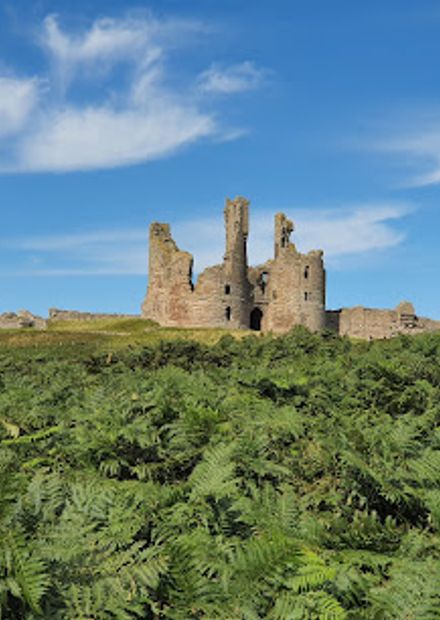
Dunstanburgh Castle travel guide
Explore the dramatic ruins of Dunstanburgh Castle, a majestic 14th-century fortress overlooking the wild Northumberland coast.
Tell me more about Dunstanburgh CastleMore to explore near Dunstanburgh Castle

 Best experiences near Dunstanburgh Castle
 Best hotels near Dunstanburgh Castle
 Best attractions near Dunstanburgh Castle
 Best shops near Dunstanburgh Castle
 Best bars near Dunstanburgh Castle
 Best restaurants near Dunstanburgh Castle
Getting your guide ready…
We are putting together a fresh copy of the Dunstanburgh Castle guide. This can take up to a minute.
This can take a few moments. If your browser asks, choose Allow so the download can start. You'll find the guide in your Downloads folder.
Nothing happened? Download it again
Sorry, the guide is taking longer than usual. Please try again in a minute, or get it by email instead.

