

The Witches' Well, Edinburgh: A Sobering Memorial to Scotland's Witch Trials
A poignant cast iron memorial near Edinburgh Castle honoring the thousands accused and executed for witchcraft in Scotland’s dark past.
The Witches' Well is a cast iron memorial fountain located just outside Edinburgh Castle, commemorating the thousands accused and executed for witchcraft in Scotland between the 15th and 18th centuries. Designed by artist John Duncan in 1894 and commissioned by Sir Patrick Geddes, the well features symbolic carvings reflecting the dual nature of witchcraft beliefs. Despite its small size and discreet location, it stands as a poignant reminder of a dark chapter in Scottish history.
A brief summary to The Witches Well
- Edinburgh, Edinburgh, GB
- Duration: 0.25 to 1 hours
- Free
-
 Outdoor
- Mobile reception: 5 out of 5
Local tips
- Look carefully for the small cast iron fountain on the wall of the Tartan Weaving Mill near Edinburgh Castle’s esplanade—it’s easy to miss.
- Visit during daylight hours for the best view of the detailed carvings and the commemorative plaque above the well.
- Take a moment to reflect on the history of witch trials in Scotland and the symbolism embedded in the fountain’s design.
- Combine your visit with a walk along the Royal Mile to explore other historic sites related to Edinburgh’s darker history.

For the on-the-go comforts that matter to you
- Information Boards
- Seating Areas
- Trash Bins
- Restrooms
- Food Options
- Drink Options
Getting There
-
Public Bus
Take Lothian Buses routes 35 or 36 from Edinburgh city center to the Castlehill stop near the Royal Mile. The journey takes approximately 10-15 minutes. Buses run frequently every 10-15 minutes. A single ticket costs around £1.80 GBP.
-
Walking
From Princes Street or the Royal Mile, walk approximately 15-20 minutes uphill to the foot of Edinburgh Castle where The Witches' Well is located on the wall of the Tartan Weaving Mill. The terrain is paved but includes some inclines.
-
Taxi or Rideshare
A taxi or rideshare from Edinburgh city center to The Witches' Well takes about 5-10 minutes depending on traffic. Fares typically range between £6-£10 GBP. Note that parking is limited near the castle.
The Witches Well location weather suitability
-
 Any Weather
-
 Rain / Wet Weather
-
 Clear Skies
-
 Mild Temperatures
Discover more about The Witches Well
A Monument Born from Tragedy and History
Nestled on the wall of the Tartan Weaving Mill near the foot of Edinburgh Castle, The Witches' Well is a cast iron drinking fountain and memorial dedicated to the thousands of people—mostly women—accused of witchcraft and executed in Scotland from the late 15th century through the early 18th century. This site marks one of the most notorious locations where many were burned at the stake or hanged during the intense witch hunts that gripped Scotland, particularly under the reign of King James VI, who equated witchcraft with devil worship.Design and Symbolism by John Duncan
Commissioned in 1894 by the philanthropist Sir Patrick Geddes and crafted by his friend, the artist John Duncan, the fountain is rich in symbolism. Its bronze reliefs depict a serpent coiled around the heads of Hygeia and Aesculapius, representing the dual nature of witchcraft as both feared evil and misunderstood healing knowledge. Carvings include flora with roots and branches, the Evil Eye, and healing hands holding a bowl, encapsulating the complex perceptions of witches as both malevolent and benevolent figures. Roman numerals on the fountain mark the years 1479 and 1722, framing the period of the harshest persecutions.The Dark Era of Witch Hunts in Scotland
The witch hunts in Scotland were among the most severe in Europe, with over 3,800 accused witches—about 84% women—executed, many at this very site. The paranoia was fueled by King James VI’s obsession with the occult and his belief that witches were responsible for storms and misfortunes, leading to brutal trials often lacking any fair process. Accused individuals ranged from herbalists and the mentally ill to those caught in personal vendettas. The last recorded execution for witchcraft in Scotland occurred in 1727, with the Witchcraft Act repealed in 1736.The Memorial’s Role in Modern Edinburgh
Though small and easy to overlook amid the grandeur of Edinburgh Castle and the bustling Royal Mile, The Witches' Well stands as a solemn tribute to those who suffered unjustly. A bronze plaque installed in 1912 above the fountain explains the dualistic symbolism and commemorates the victims. The water once spouted from beneath the serpent’s head, now dry, with the basin often adorned with flowers by respectful visitors. Plans for a new monument exist, but this historic fountain remains a unique and poignant landmark.Visiting The Witches' Well Today
Located on Castlehill, the well is accessible year-round during daylight hours and is best appreciated with a quiet moment to reflect on the tragic history it represents. Its discreet placement on the wall of the Tartan Weaving Mill means it can be easily missed by visitors focused on the castle itself. However, those who seek it out will find a powerful connection to Scotland’s past and a reminder of the dangers of superstition and injustice.Artistic and Cultural Significance
John Duncan’s design is influenced by Celtic myth and legend, blending artistry with historical memory. The fountain’s intricate reliefs and symbolic elements invite contemplation on the complex legacy of witchcraft accusations, the intersection of fear, folklore, and medicine, and the enduring human stories behind the persecution. The Witches' Well is not only a memorial but also a piece of public art that enriches Edinburgh’s cultural landscape.Iconic landmarks you can’t miss

The Mound & Mound Place
0.2 km
Historic artificial slope linking Edinburgh’s Old and New Towns, home to iconic galleries, grand architecture, and vibrant cultural life.
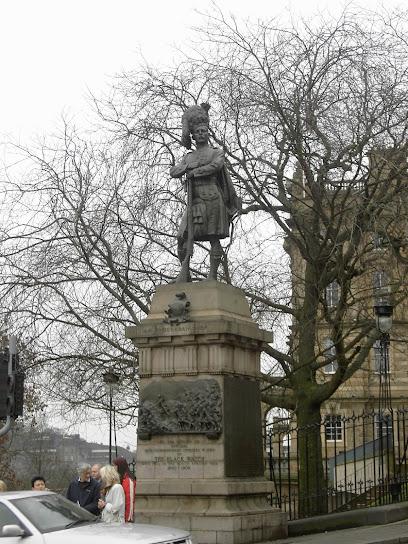
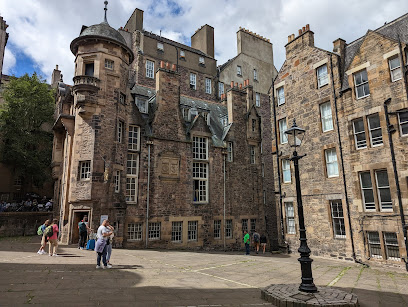
Lady Stair's Close
0.2 km
Discover Lady Stair's Close, a serene historic courtyard in Edinburgh's Old Town, home to the Writers' Museum and Scotland’s literary heritage.
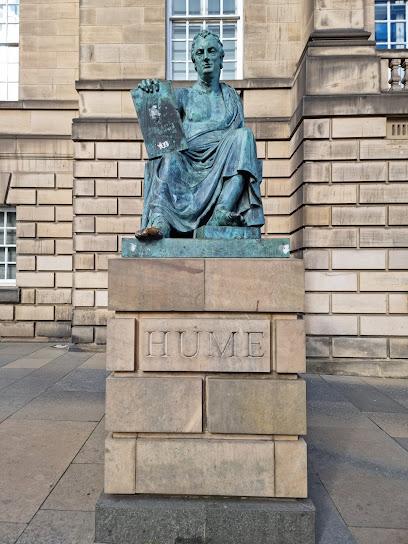
David Hume Statue
0.3 km
A striking bronze tribute to philosopher David Hume, blending classical imagery with Edinburgh’s Enlightenment heritage and a toe-rubbing tradition for luck.
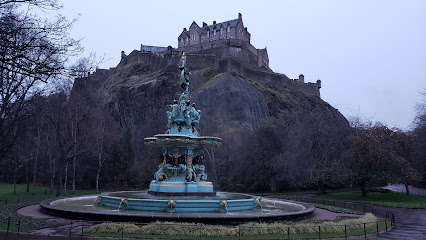
Princes Street Gardens
0.3 km
Explore the enchanting Princes Street Gardens, where lush landscapes meet iconic views of Edinburgh Castle in the heart of Scotland's capital.
Thomas Riddell's Grave
0.3 km
Explore the mystical Thomas Riddell's Grave in Greyfriars Kirkyard, a historic site rich with tales of the past and connections to the Harry Potter universe.
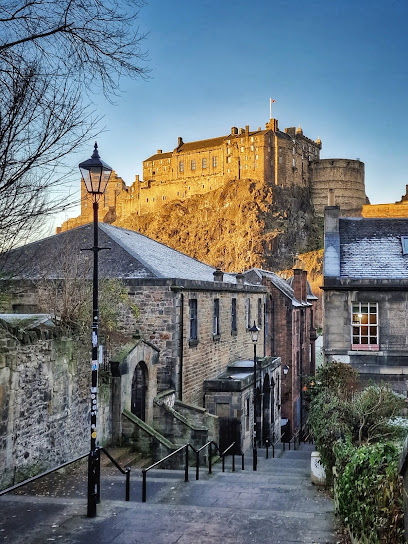
The Vennel Viewpoint Edinburgh Castle
0.3 km
Discover stunning views of Edinburgh Castle at The Vennel Viewpoint, a must-visit scenic spot that showcases the beauty of Scotland's capital.
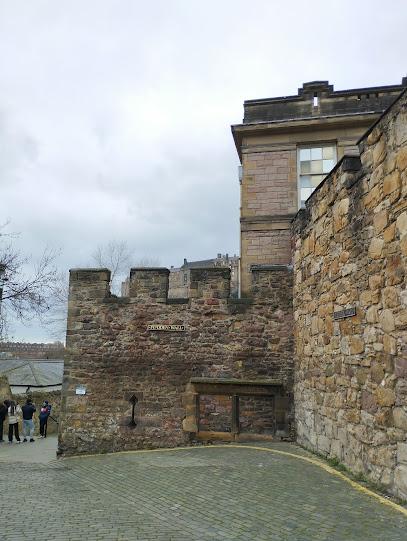
Flodden Wall
0.3 km
Explore Edinburgh’s medieval Flodden Wall, a historic sandstone fortification built after 1513 to protect the city and shape its iconic Old Town skyline.
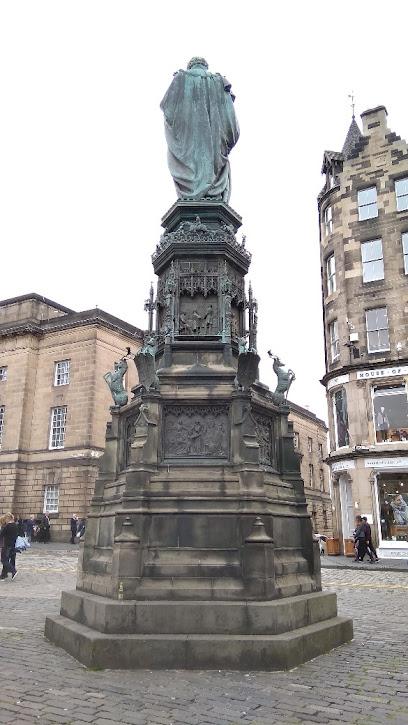
Statue Of Fifth Duke Of Buccleuch
0.3 km
Explore the historical beauty of Edinburgh with a visit to the Statue of the Fifth Duke of Buccleuch, a remarkable sculpture steeped in Scottish heritage.
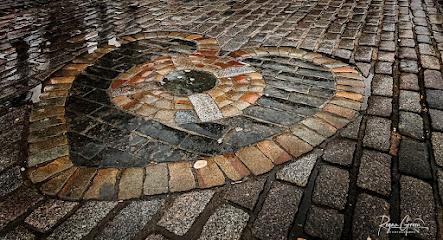
Heart of Midlothian Mosaic
0.3 km
Discover Edinburgh’s iconic Heart of Midlothian mosaic—a historic symbol of justice, tradition, and local lore on the Royal Mile.
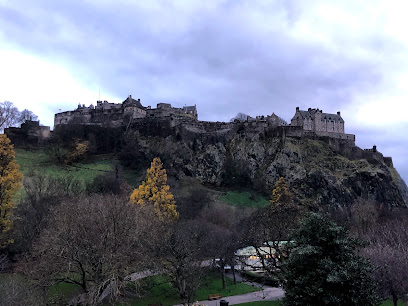
Floral Clock
0.3 km
Discover the world's oldest floral clock—a vibrant, living timepiece blooming with history and horticultural artistry in Edinburgh’s iconic Princes Street Gardens.
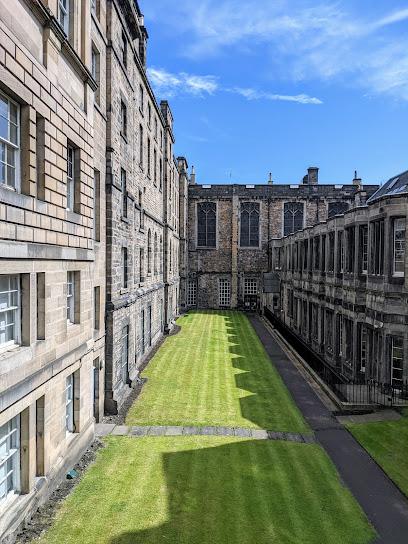
George IV Bridge
0.3 km
Historic elevated street connecting Old Town to the South Side, lined with Victorian architecture and cultural institutions.
Pont George Ⅳ
0.3 km
Historic elevated street and bridge connecting Edinburgh’s South Side to Old and New Towns, rich in architecture, culture, and city views.
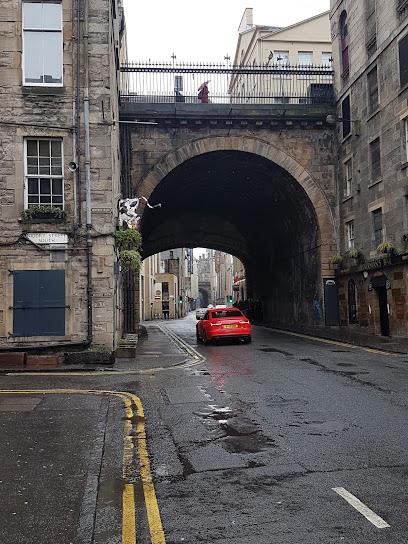
Advocates Close
0.3 km
Explore the historic Advocates Close in Edinburgh, a charming alleyway rich in history and local culture, perfect for a leisurely stroll and discovery.
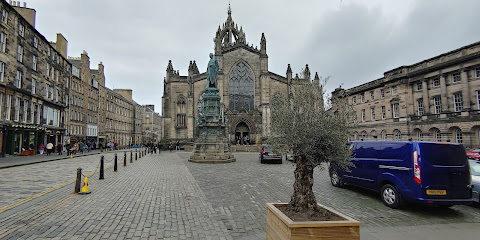
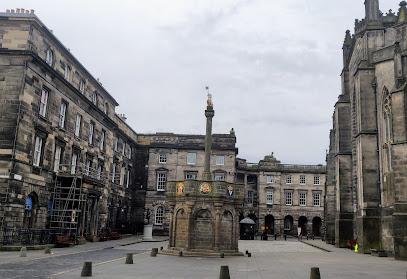
Parliament Sqr
0.3 km
Experience the historic charm and vibrant culture of Edinburgh's Parliament Square, a must-visit destination in Scotland's capital city.
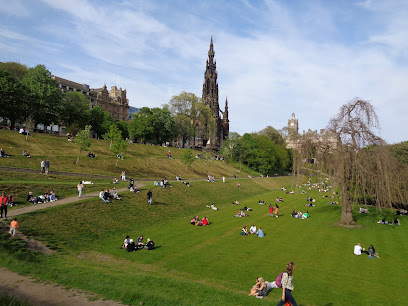
East Princes Street Gardens
0.3 km
Explore the beauty and tranquility of East Princes Street Gardens in Edinburgh, a hidden gem offering stunning views and a peaceful retreat.
Unmissable attractions to see

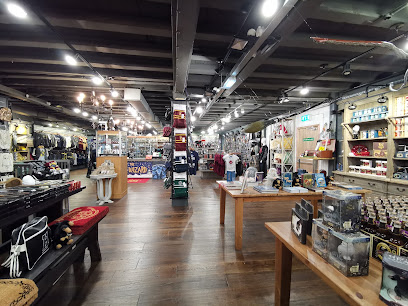
Tartan Weaving Mill and Exhibition
0.0 km
Explore authentic Scottish tartans, handwoven textiles, and bespoke kilts in Edinburgh’s historic Royal Mile weaving mill.
The India Cross
0.0 km
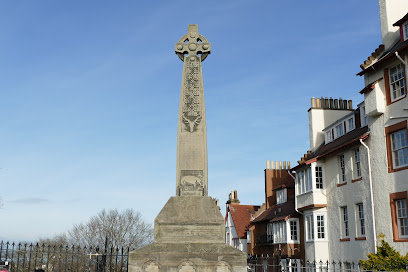
A solemn Celtic cross memorial honoring the 78th Highlanders who fell during the Indian Rebellion, set against Edinburgh Castle’s historic Esplanade.
The Scotch Whisky Experience
0.0 km
Discover Scotland’s whisky heritage through immersive tours, tastings, and one of the world’s largest Scotch whisky collections on Edinburgh’s Royal Mile.
Camera Obscura & World of Illusions
0.0 km
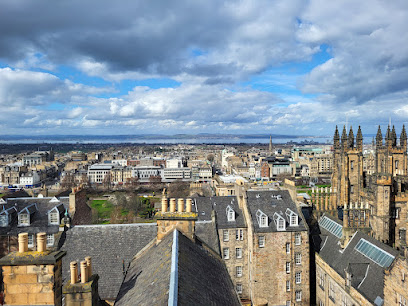
Explore Edinburgh’s historic Camera Obscura and five floors of mind-bending illusions with stunning rooftop views of the city.
John Knox Monument
0.1 km
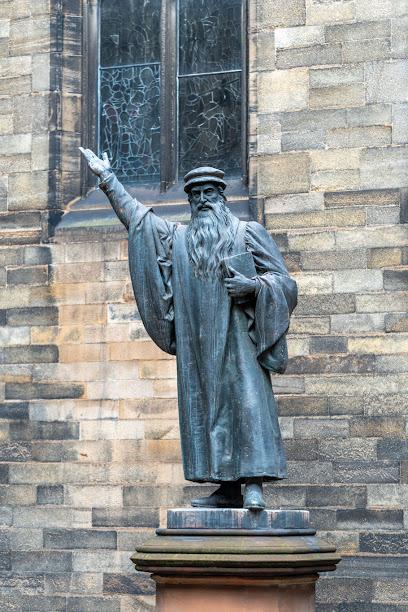
A powerful tribute in Edinburgh to John Knox, the fearless leader of Scotland’s Reformation and founder of Presbyterianism.
Assembly Hall
0.1 km
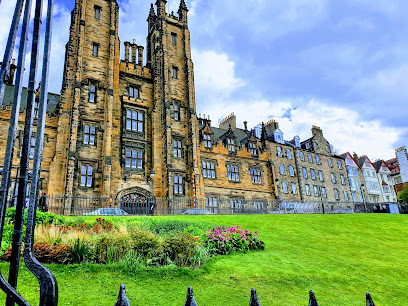
Historic Assembly Hall in Edinburgh’s Old Town, a stunning venue blending ecclesiastical heritage with vibrant festival culture.
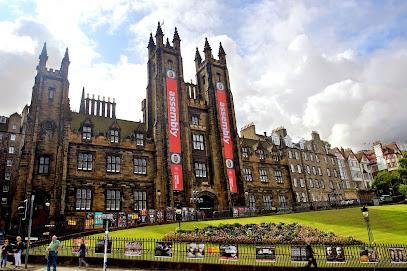
Milne's Court
0.1 km
Discover Milne's Court, Edinburgh’s pioneering open courtyard from 1692, nestled on the historic Royal Mile near the Castle.
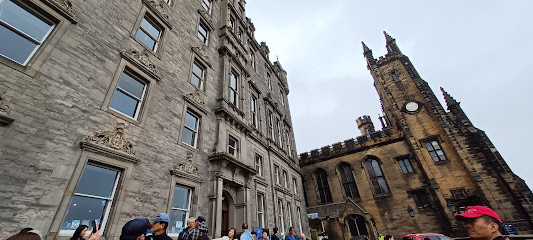
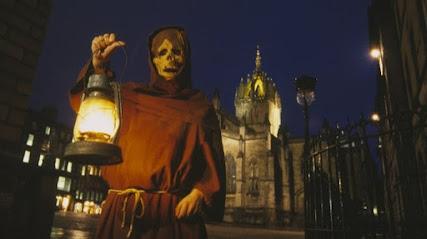
The Cadies & Witchery Tours
0.1 km
Discover Edinburgh’s dark past through thrilling, theatrical walking tours blending history, mystery, and spooky fun on Victoria Street.
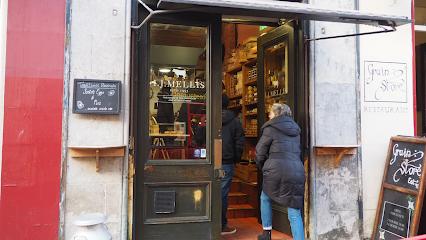
I.J. Mellis Cheesemonger Victoria Street
0.1 km
Artisan cheese haven on Edinburgh’s historic Victoria Street, offering expertly matured farmhouse cheeses and personalized service for over 30 years.
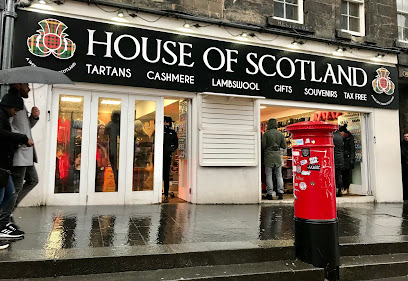
House of Scotland
0.1 km
Discover authentic Scottish heritage and crafts at House of Scotland, a vibrant gift shop nestled on Edinburgh’s historic Royal Mile.
The Comedy Attic
0.2 km
Experience Edinburgh’s vibrant comedy scene in the intimate attic of the historic Beehive Inn with top comedians and lively atmosphere.

The Jolly Judge
0.2 km
Discover the charm of The Jolly Judge, a cozy pub in Edinburgh offering local ales, traditional Scottish dishes, and a welcoming atmosphere.

Forward and Half Moon Battery
0.2 km
Historic artillery batteries shaping Edinburgh Castle’s iconic silhouette with panoramic city views and centuries of military heritage.
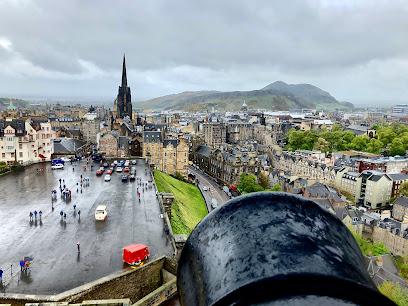
Grassmarket
0.2 km
Historic Edinburgh square blending medieval markets, dark past, and vibrant modern culture beneath the iconic castle.
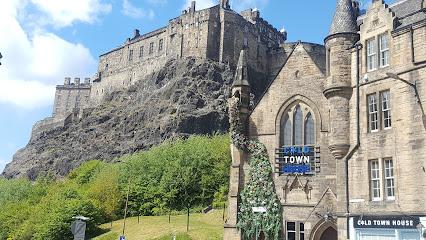
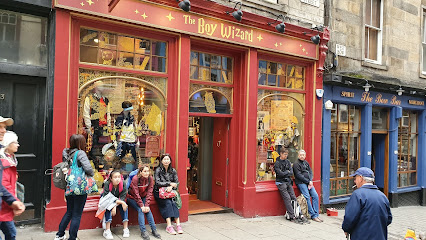
Scottish Experience
0.2 km
Discover authentic Scottish gifts and magical Harry Potter memorabilia in the heart of Edinburgh’s historic Lawnmarket.
Essential places to dine

Amber Restaurant
0.0 km
Experience Scotland’s finest seasonal cuisine expertly paired with over 550 whiskies in the warm, amber-lit heart of Edinburgh’s Royal Mile.
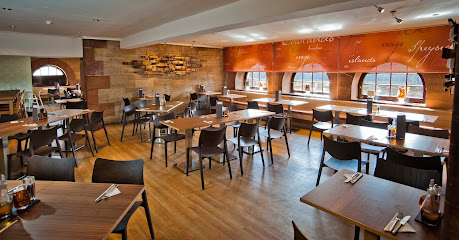
The Witchery by the Castle
0.1 km
A sumptuous gothic retreat on Edinburgh’s Royal Mile, blending historic grandeur with romantic luxury and award-winning Scottish cuisine.
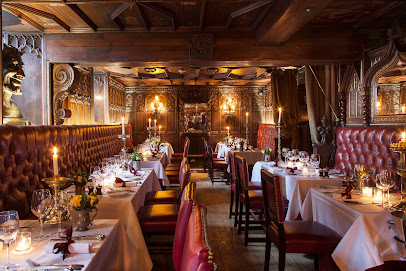
Maison Bleue
0.1 km
French-Moroccan dining in a historic Old Town setting with striking design and exceptional value.
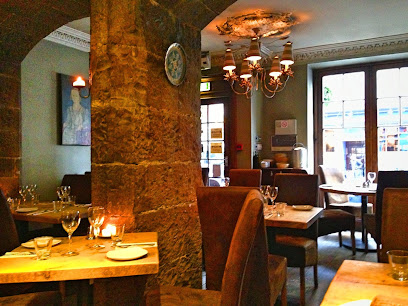
Beehive Inn
0.2 km
Historic pub and vibrant entertainment venue in Edinburgh’s Grassmarket, blending traditional Scottish charm with lively dining and comedy events.
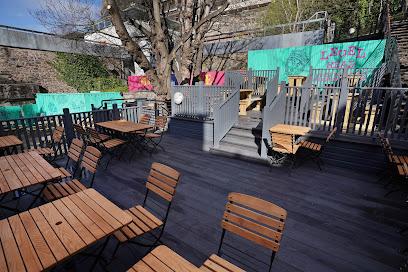
Howies Restaurant
0.2 km
Historic charm meets fresh Scottish flavors on Edinburgh’s iconic Victoria Street, offering seasonal dishes in a warm, relaxed setting.
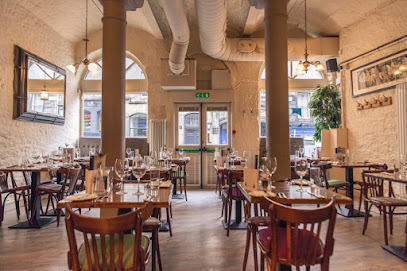
Ondine Restaurant
0.2 km
Edinburgh’s stylish seafood haven offering sustainable shellfish, fresh oysters, and elegant dining in a vibrant Old Town setting.
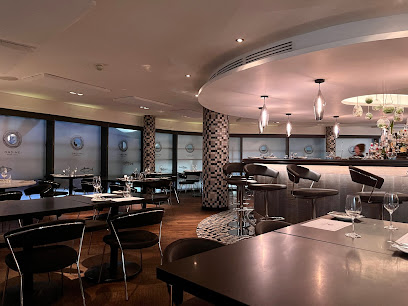
Makars Mash Bar
0.2 km
Scotland's beloved mash bar where premium Scottish meats meet nine distinctive potato creations.
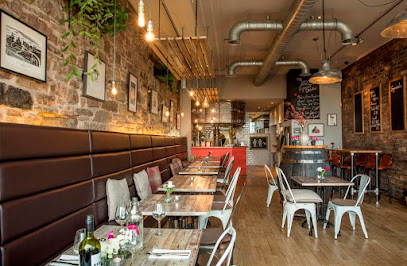
Under The Stairs
0.3 km
Discover Edinburgh’s cozy underground gem blending rustic charm, creative plates, and vibrant cocktails beneath George IV Bridge.
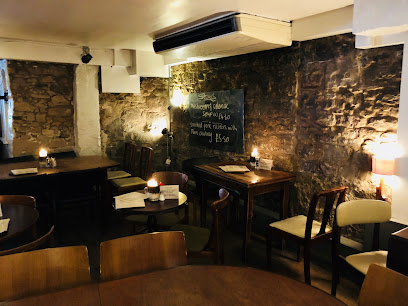
The Outsider Restaurant
0.3 km
Savor creative European cuisine with unbeatable Edinburgh Castle views in a lively, modern setting on George IV Bridge.
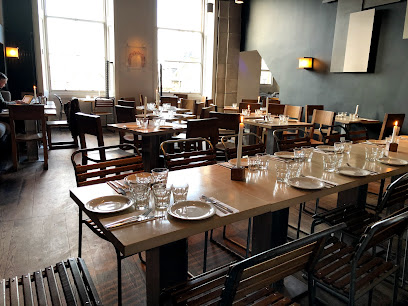
Divino Enoteca Italian Restaurant & Wine Bar
0.3 km
Elegant Italian dining and wine bar in Edinburgh’s Old Town, blending authentic flavors with a cozy, romantic ambiance.
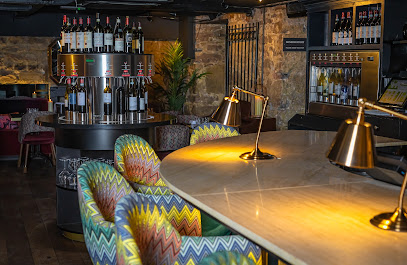
The Cellar Door
0.3 km
Discover modern Scottish cuisine in a cozy, historic underground setting beneath George IV Bridge in Edinburgh’s Old Town.
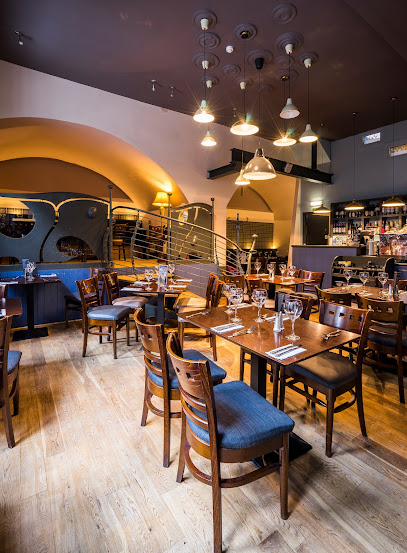
The Devil's Advocate
0.3 km
Discover the culinary delights at The Devil's Advocate – Edinburgh’s premier gastropub offering locally sourced dishes and an extensive drinks menu.
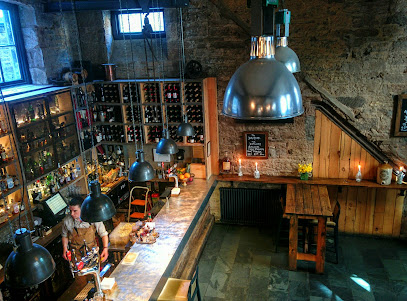
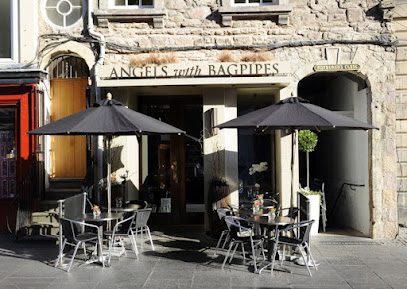
Angels with Bagpipes
0.4 km
Innovative Scottish small plates and seasonal delights in a cozy Old Town setting on Edinburgh’s historic Royal Mile.
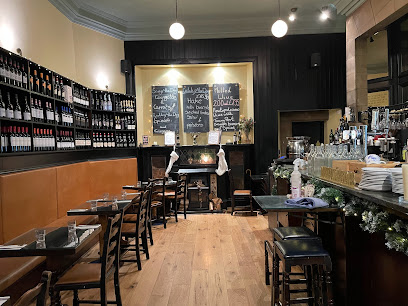
Ecco Vino
0.4 km
Intimate Italian wine bar serving exceptional fresh seafood and handmade pasta in Edinburgh's historic Old Town.
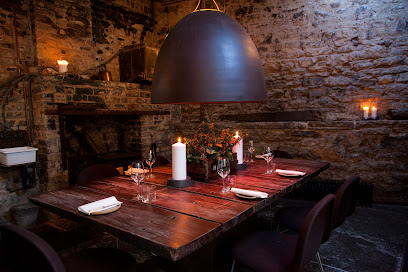
TIMBERYARD
0.4 km
Michelin-starred Modern British dining in a historic Edinburgh warehouse with seasonal, locally sourced cuisine and a celebrated natural wine cellar.
Markets, malls and hidden boutiques

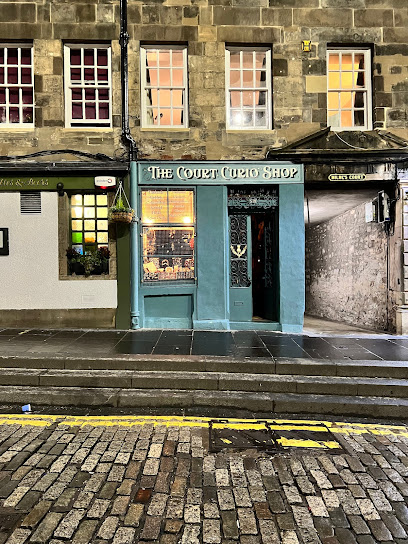
The Court Curio Shop
0.1 km
Discover unique Scottish gifts and artisan jewellery in the heart of Edinburgh’s historic Royal Mile at The Court Curio Shop.
The Enchanted Galaxy
0.2 km
Dive into a wizarding wonderland on Victoria Street, where Harry Potter treasures and fantasy fandoms burst from every shelf in Edinburgh's most enchanting gift shop.
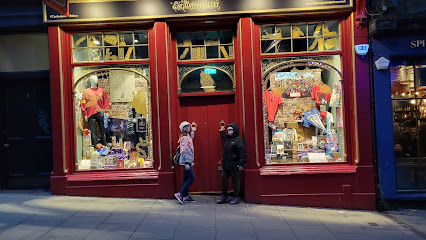
Olde Edinburgh
0.2 km
Independent Scottish gift shop on historic Lawnmarket, specializing in authentic local crafts and traditional shortbread.
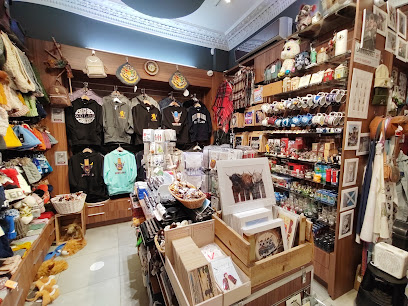
Portcullis Gift Shop
0.2 km
Edinburgh Castle’s largest gift shop, offering exclusive Scottish crafts, clan gifts, and souvenirs in a historic setting.
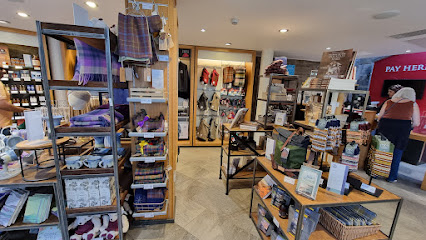
Armstrongs Vintage
0.2 km
Edinburgh's iconic vintage emporium in Grassmarket, brimming with bohemian dresses, chunky knits, and timeless treasures from decades past.
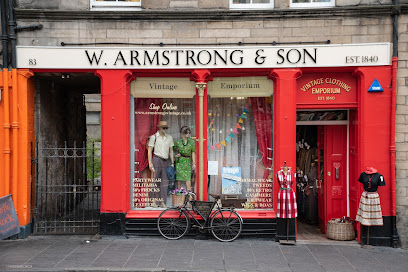
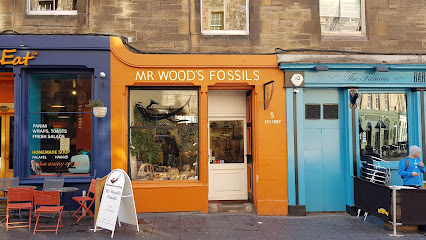
Mr Wood's Fossils
0.2 km
Discover rare fossils, minerals, and meteorites in Edinburgh’s iconic shop founded by legendary fossil hunter Stan Wood.
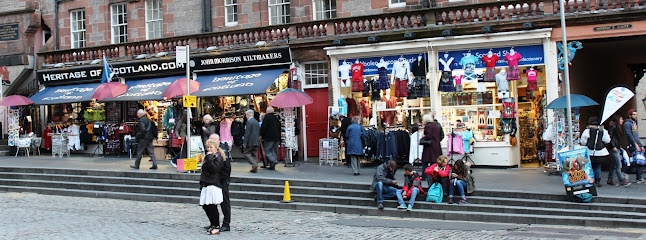
Heritage of Scotland
0.2 km
Discover authentic Scottish kilts, tartans, and treasures on Edinburgh's Lawnmarket, where Highland heritage meets Royal Mile magic in a shopper's delight.
I Love Scotland
0.2 km
Discover affordable, authentic Scottish souvenirs and gifts in the heart of Edinburgh at I Love Scotland on Bank Street.

Godiva
0.2 km
Discover Edinburgh’s premier independent boutique blending vintage treasures with ethical, locally designed fashion in the heart of Grassmarket.
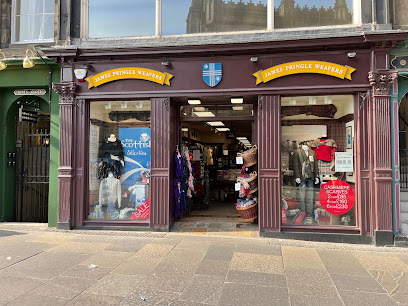
James Pringle Weavers of Inverness
0.3 km
Discover authentic Scottish textiles and menswear steeped in heritage on Edinburgh’s iconic Royal Mile.
Great Scot
0.4 km
Discover authentic Scottish heritage and craftsmanship at Great Scot, a vibrant gift shop on Edinburgh’s iconic Princes Street.

Edinburgh Gifts
0.4 km
Discover authentic Scottish treasures and local craftsmanship in the heart of Edinburgh on iconic Princes Street.
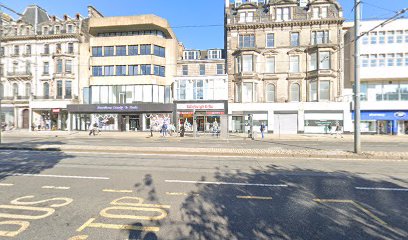
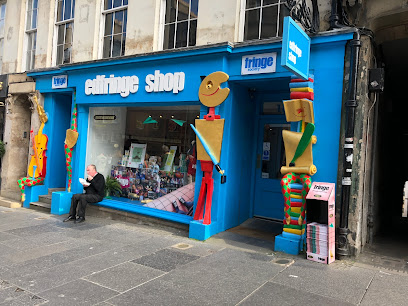
Fringe Shop
0.4 km
Official Edinburgh Festival Fringe Shop on the Royal Mile offering unique festival merchandise and cultural connection year-round.
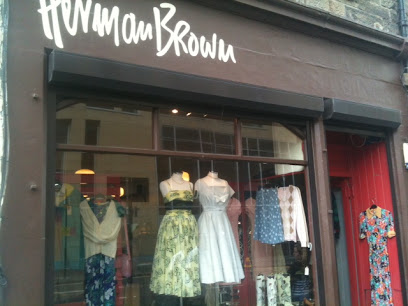
Herman Brown
0.5 km
Discover timeless vintage fashion and sustainable style at Herman Brown, Edinburgh’s iconic vintage clothing shop since 1983.
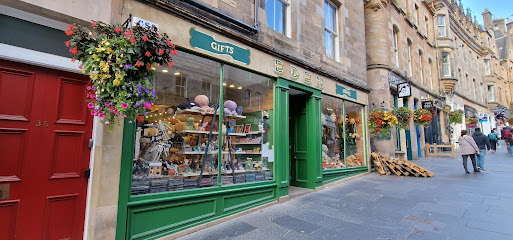
Eden
0.5 km
Discover authentic Scottish crafts and unique gifts in the heart of Edinburgh’s historic Cockburn Street at Eden.
Essential bars & hidden hideouts

The Wee Pub - The Smallest Pub in Scotland
0.1 km
Discover Scotland’s smallest pub in Edinburgh’s Grassmarket—a cosy, whisky-rich haven perfect for intimate gatherings and private celebrations.
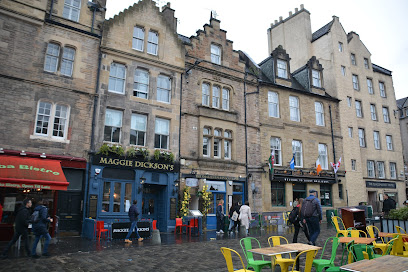
The Bow Bar
0.2 km
A historic Old Town pub famed for its vast whisky selection, traditional ales, and authentic Scottish atmosphere.
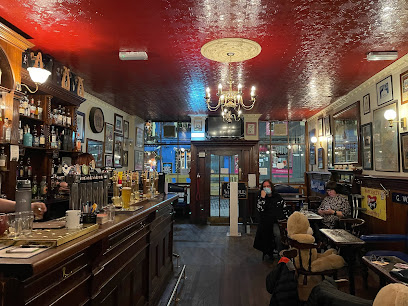
The Oz Bar
0.3 km
A lively, affordable pub in Edinburgh’s city center with friendly staff, Australian flair, pool tables, and a relaxed, welcoming atmosphere.
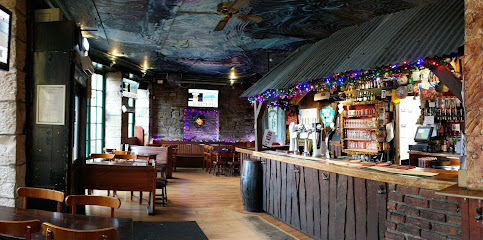
Dragonfly
0.3 km
Edinburgh’s oldest cocktail bar blending historic charm with innovative mixology in a cozy, lively setting.
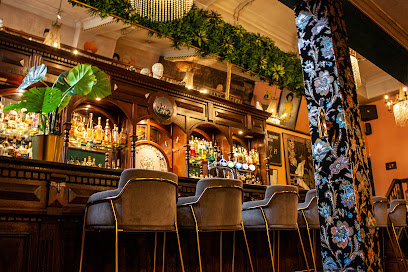
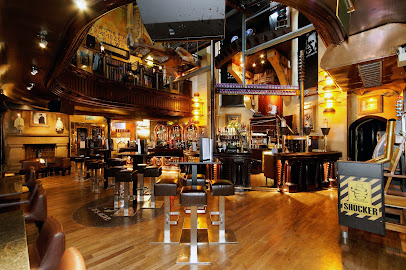
Frankenstein
0.3 km
Step into the gothic world of Mary Shelley’s Frankenstein in a unique bar set within a historic church on Edinburgh’s iconic George IV Bridge.
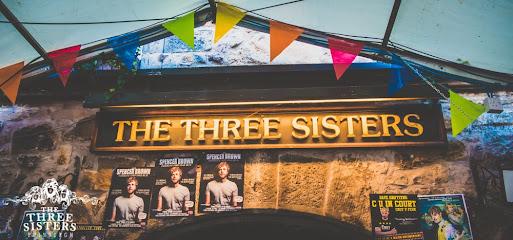
The Three Sisters
0.4 km
A legendary Edinburgh bar and live venue famed for its vibrant atmosphere, historic roots, and nonstop entertainment on Cowgate.
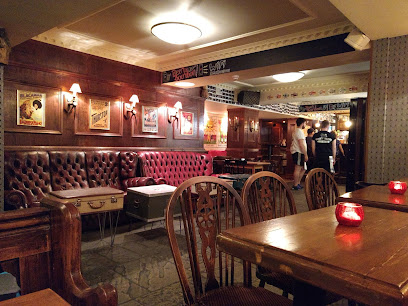
Hoot The Redeemer
0.4 km
A quirky, tarot-themed cocktail bar in Edinburgh offering inventive drinks, playful games, and a lively, intimate atmosphere.
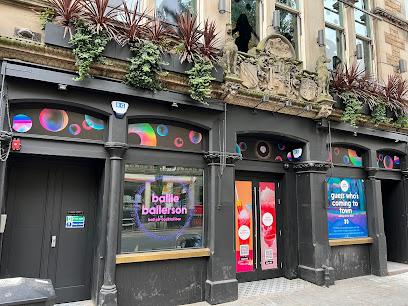
Ballie Ballerson
0.5 km
Edinburgh’s iconic ball pit cocktail bar blending playful fun, creative drinks, and vibrant nightlife in a historic setting.
Copper Still
0.5 km
Cozy Royal Mile retreat dishing fresh Scottish eats and drams amid buskers and historic vibes – from breakfast brekkie to late-night cocktails.
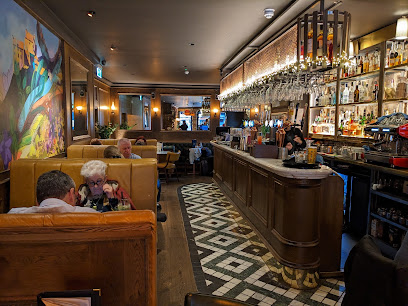
Arcade Bar Haggis & Whisky House, celebrating 20 years of serving The Best Haggis in Town!
0.5 km
Cozy Edinburgh bar serving renowned haggis and over 100 whiskies in a warm, traditional Scottish setting with hearty portions and friendly vibes.
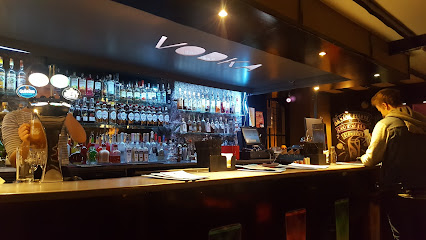
Never Really Here
0.5 km
Edinburgh's ultimate speakeasy: knock the graffiti door for bespoke cocktails in an intimate, menu-free den of mixology magic.
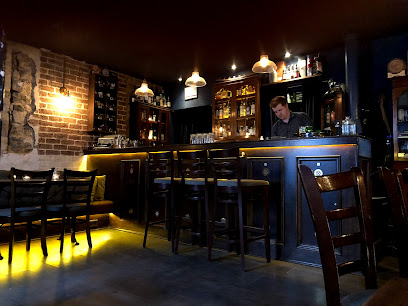
Cask
0.6 km
Discover Cask: Edinburgh's rooftop cocktail bar offering stunning views, innovative drinks, and delectable small plates in a vibrant atmosphere.
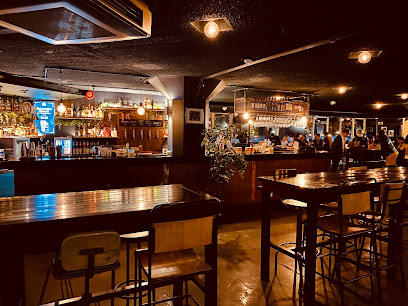
Grand Cru
0.6 km
Edinburgh's cocktail haven on Hanover Street, blending masterful drinks, modern European bites, and seamless day-to-night vibes in the heart of New Town.
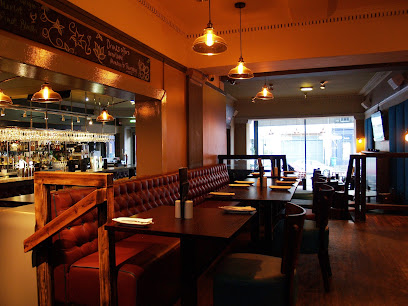
Whistlebinkies
0.6 km
Edinburgh’s legendary underground live music bar offering free entry, vibrant bands, and a cozy vaults atmosphere every night until the early hours.
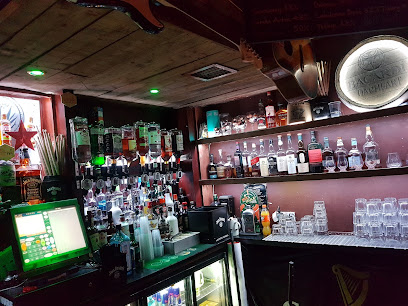
SKYbar Edinburgh
0.6 km
Experience Edinburgh’s skyline with exquisite cocktails and stunning castle views at SKYbar, the city’s premier rooftop destination.
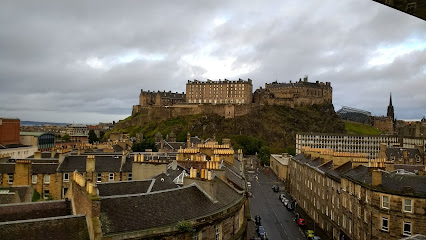
Nightclubs & after hour spots

The Liquid Room
0.2 km
Edinburgh's multi-level nightlife gem: techno thumps, live gigs, and warehouse vibes on historic Victoria Street.
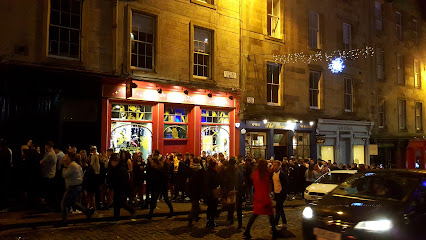
The Bongo Club
0.3 km
Edinburgh’s underground hotspot blending eclectic music, live art, and a vibrant late-night scene in the historic Old Town.

Legends
0.3 km
Edinburgh’s only 24/7 rock nightclub, Legends pulses with raw energy and live alternative music in the heart of Cowgate.
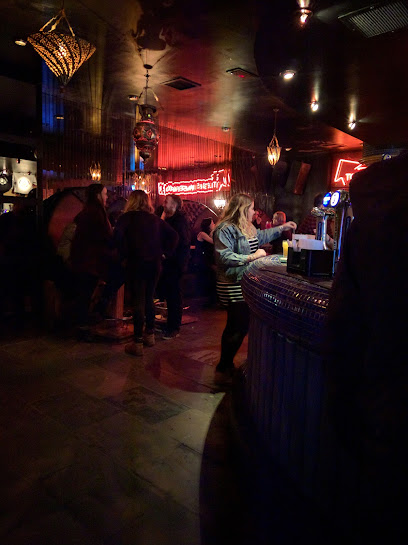
Sneaky Pete's
0.3 km
Intimate live music and club nights in Edinburgh’s Old Town, where emerging talent meets vibrant nightlife.
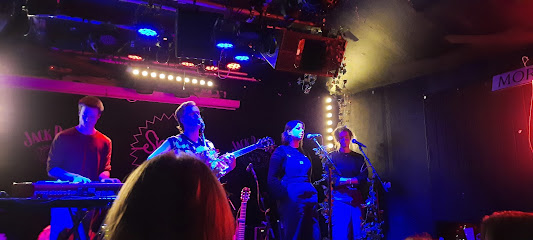
El Barrio Latino
0.5 km
Edinburgh's sizzling Latin nightclub where salsa beats pulse through New Town nights, drawing dancers to its vibrant Hanover Street heart until the early hours.
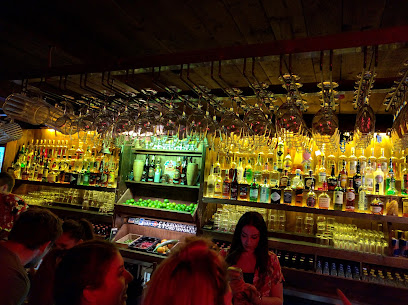
The Shack Retro Bar & Club
0.5 km
Edinburgh's retro dance den blasting 60s-90s hits amid quirky decor and sweaty dance floors—pure nostalgic escapism on Rose Street.

Shanghai Nightclub
0.5 km
Edinburgh's Oriental nightlife den: Asian decor, themed beats, VIP vibes, and non-stop energy on George Street.
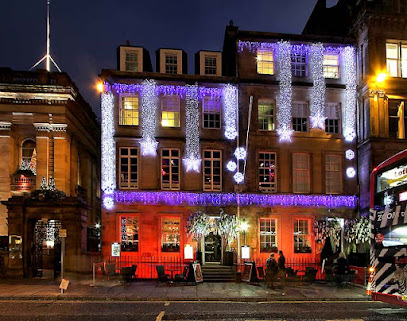
Why Not Nightclub
0.5 km
Edinburgh's multi-award-winning late-night haven with LED immersion, garden vibes, and non-stop beats on George Street.
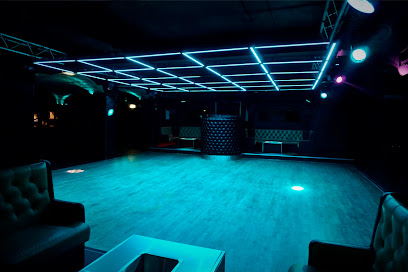
Opal Lounge
0.5 km
A stylish live music bar and nightclub in Edinburgh’s New Town, perfect for celebrations and vibrant nightlife.
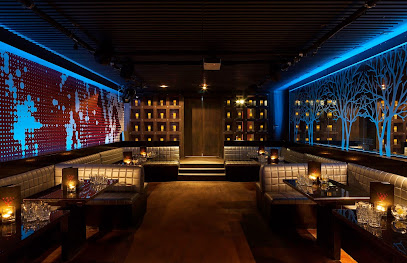
The Mash House
0.5 km
A vibrant Edinburgh nightclub and live music venue blending folk, electronic, and techno in a lively, casual setting.

La Belle Angele
0.6 km
Edinburgh’s intimate nightclub and live music venue blending historic charm with vibrant themed nights and diverse performances.
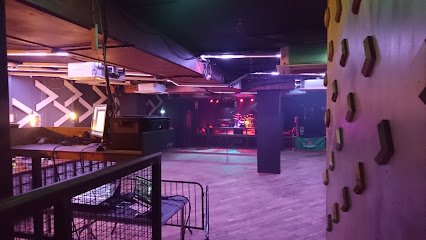
Cabaret Voltaire
0.6 km
Vaulted live-music rooms and a relaxed upstairs bar—Cabaret Voltaire is Edinburgh’s atmospheric hub for alternative gigs and late-night clubbing.
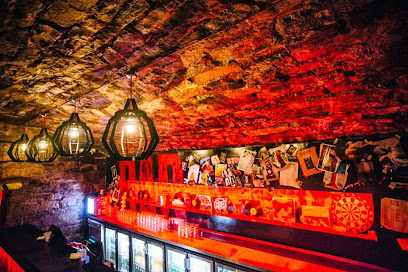
The Hive Nightclub & Venue
0.6 km
Edinburgh's gritty Cowgate nightclub: cheap drinks, multi-room beats, and non-stop energy until 3am in the heart of Old Town.
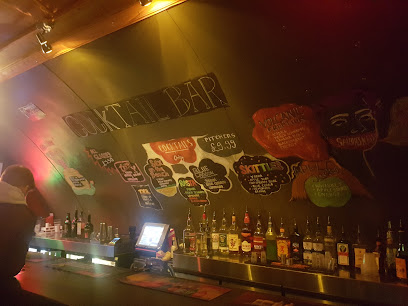
Club Tropicana
0.6 km
Experience Edinburgh’s vibrant retro nightlife with classic disco hits and lively dance floors at Club Tropicana on Lothian Road.
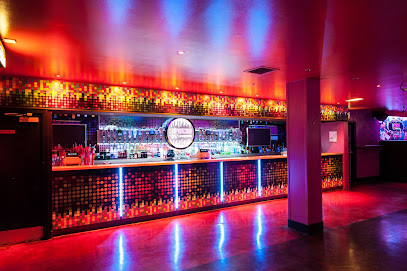
Garibaldi's
0.6 km
Edinburgh's tiniest nightclub packs the biggest late-night punch on Hanover Street, with killer margaritas and a dance floor that never quits till 3am.
For the vibe & atmosphere seeker
- Tranquil
- Scenic
- Unique
- Quirky
For the design and aesthetic lover
- Rustic Designs
- Vintage Styles
For the architecture buff
- Historic
- Landmarks
- Art & Design
For the view chaser and sunset hunter
- Iconic Views
For the social media creator & influencer
- Photo Spots
- Instagrammable
- Architectural Shots
For the eco-conscious traveler
- Public-Transport Accessible
For the kind of experience you’re after
- Cultural Heritage
- Myth & Legends
- Photowalk
- Day Trip
For how adventurous you want the journey to be
- Easy Access
Location Audience
- Family Friendly
- Senior Friendly
- Child Friendly
- Teen Friendly
- Wheelchair Access
- Solo Friendly
- Couple Friendly
- Solo Female Friendly


