Stoke Park Estate, Bristol Travel Guide
Historic and expansive parkland in Bristol with iconic landmarks, diverse wildlife, scenic views, and rich cultural heritage.
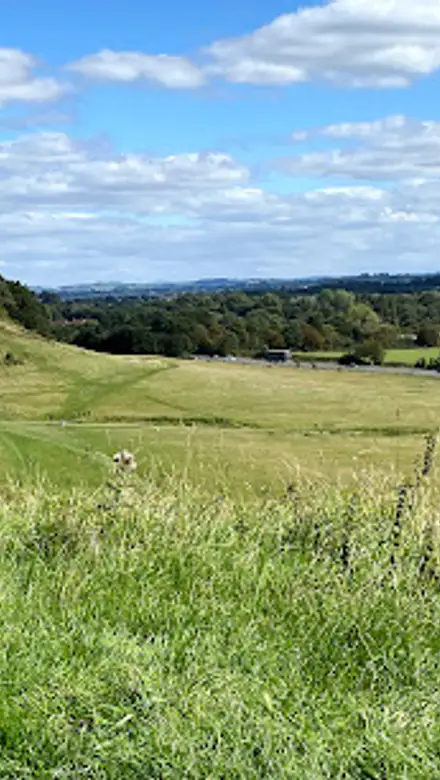
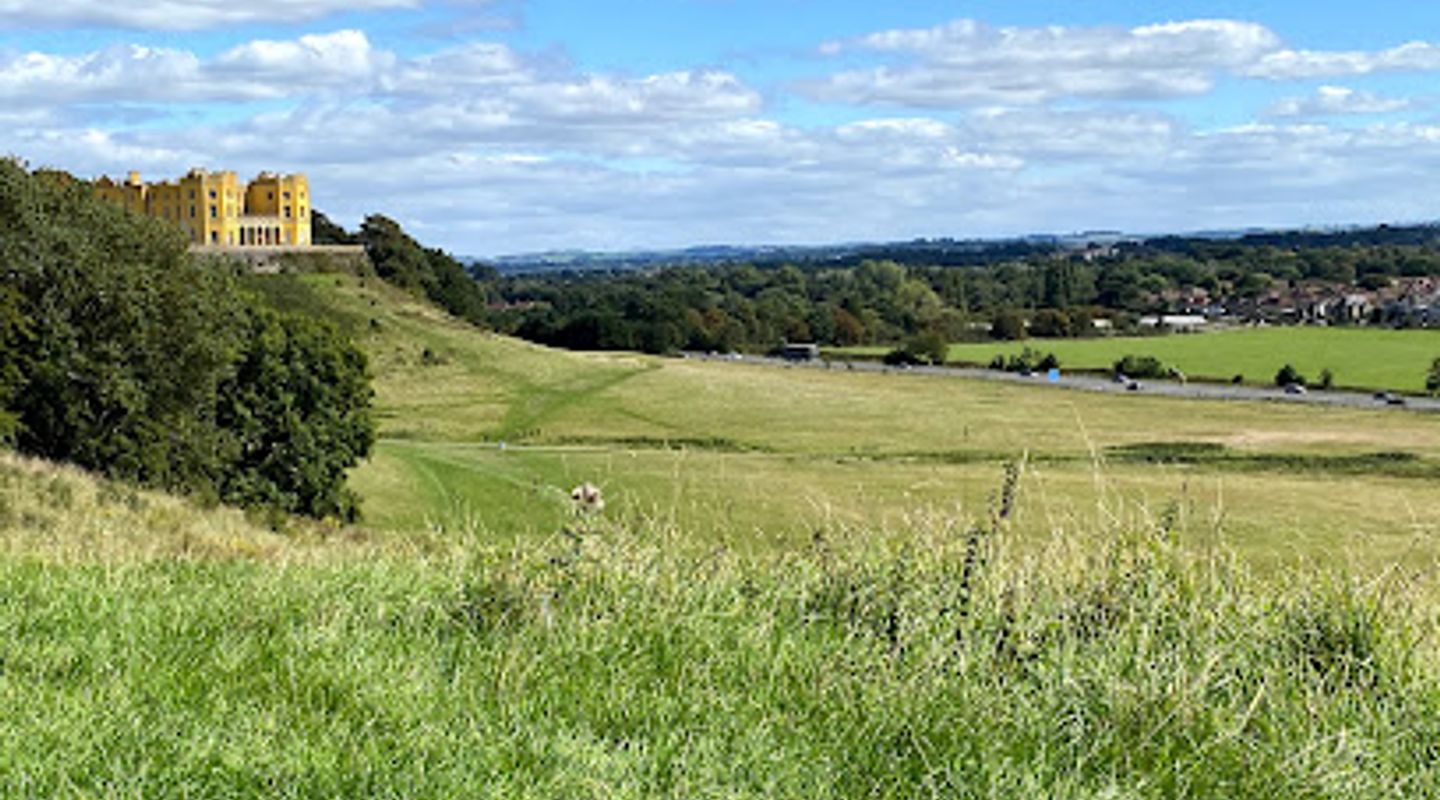
Stoke Park Estate is a vast historic parkland in Bristol spanning 270 acres, featuring diverse landscapes including woodlands, grassy fields, a fishing lake, and panoramic views over East Bristol. It is home to the iconic yellow Dower House, ancient monuments, and WWII gun emplacements. Managed in partnership with conservation bodies, it offers walking trails, wildlife habitats, and cultural heritage in a serene natural setting.
A brief summary to Stoke Park Estate
- M32, Bristol, Duchess Gate, Bristol, BS16 1BX, GB
- Click to display
- Click to display
- Duration: 1 to 4 hours
- Free
-
 Outdoor
- Mobile reception: 4 out of 5

Know before you go
Hi, I'm Eve. Here are a few practical things to know before exploring Stoke Park Estate.
- Wear sturdy shoes as paths can be uneven and muddy, especially off the main trails.
- No dedicated parking is available; plan to use free street parking nearby and allow time to walk to the park.
- Visit higher points in the park for panoramic views over East Bristol and excellent photo opportunities.
- Explore the wooden sculpture trail and watch for grazing cattle and goats in designated fenced areas.
- Check for free guided walking tours offered seasonally to learn about the estate’s history and wildlife.
Do you manage this location?
Take control to get all the benefits, like improved information, better appearance, and stronger visibility across AI-powered discovery. Learn more about listing your business on Evendo
Activate your presenceOther nearby places you may find interesting
The closest places of the same kind, if this one is not quite what you had in mind.



Explore Stoke Park Estate on the Map
A handpicked selection of must-see spots near Stoke Park Estate, mapped for you.
Getting There
-
Bus
Take the First West of England bus services 1 or 2 towards Bristol city centre from nearby stops; journey times vary between 20 to 35 minutes depending on starting point. Buses run frequently during the day but check schedules for evenings and weekends. The nearest stops are a 10-15 minute walk from the park entrances.
-
Car
Driving to Stoke Park Estate is convenient via the M32 motorway. Free street parking is available on roads such as Romney Avenue and Long Down Avenue in Cheswick Village, approximately 5-10 minutes’ walk from the park. Note there is no dedicated car park on site, and parking spaces may be limited during peak times.
-
Walking
For visitors staying nearby, walking to Stoke Park Estate is a pleasant option. From Cheswick Village or Snuff Mills Park, expect a 15-25 minute walk over varied terrain including some hills and uneven paths. Suitable for most fitness levels but wear sturdy shoes.
For the on-the-go comforts that matter to you
-
 Restrooms
-
 Seating Areas
-
 Trash Bins
-
 Information Boards
Discover more about Stoke Park Estate
A Landscape Shaped by Centuries of History
Stoke Park Estate, covering 270 acres on the eastern flanks of Purdown in Bristol, is steeped in history dating back to medieval times. Originally part of the Berkeley family holdings from the 14th century, the estate evolved significantly in the 16th and 18th centuries. The yellow Dower House, built in 1563 by Sir Richard Berkeley, stands prominently atop a hill overlooking the park and the M32 motorway. This Grade II listed building was remodeled in the 18th century by Norborne Berkeley and renowned landscape designer Thomas Wright, whose garden design remains the only surviving example of his work. Throughout the estate, remnants of medieval field systems and pillow mounds—artificial rabbit warrens—reflect the land’s historical use for sustenance and hunting.Natural Beauty and Wildlife Conservation
Stoke Park Estate is designated as a Site of Nature Conservation Interest and a Regionally Important Geological and Geomorphological Site. Its varied habitats include species-rich grasslands, woodlands, scrub, ponds, and the fishing lake known as Duchess Pond. Conservation efforts include restoration of grasslands, hedgerow planting, and orchard cultivation with traditional apple and pear varieties. Grazing by cattle and goats is used to manage scrub and encourage wildflowers, supporting a diversity of wildlife including great crested newts, dragonflies, and glow worms. The estate’s natural environment offers a tranquil escape with multiple walking trails and woodland sculpture trails that engage visitors with both nature and art.Historic Monuments and Wartime Legacy
The estate holds several historic landmarks, including the Hermitage Tunnel and Purdown BT Tower. Notably, it contains well-preserved World War II gun emplacements on Purdown Ridge, known as Purdown Percy, which served as anti-aircraft batteries protecting Bristol during the Blitz. These concrete structures with octagonal gun emplacements and ammunition bays stand as a testament to the city’s wartime history. Additionally, the obelisk on Star Hill commemorates Elizabeth Berkeley, who tragically died on the estate in the 18th century. These monuments add layers of cultural heritage to the natural landscape.Recreational Opportunities and Visitor Experience
Visitors to Stoke Park Estate can enjoy a variety of activities including walking, hiking, fishing, and wildlife watching. The park offers three main walking routes—Stoke Park Walk, Barn Wood Walk, and Hermitage Walk—each showcasing different aspects of the estate’s landscape and history. An all-weather accessible path improves inclusivity, while the wooden sculpture trail provides a playful element for families and children. The park’s hilly terrain and extensive footpaths make it popular for dog walking and jogging, with panoramic views of Bristol rewarding those who explore its higher elevations.Community Engagement and Conservation Partnership
The estate is managed through a partnership between Bristol City Council, Natural England, and Historic England, supported by public funding such as the Countryside Stewardship Scheme. This collaboration focuses on habitat restoration, landscape improvement, and public engagement through free walking tours and educational activities. The estate’s proximity to local communities and campuses like Frenchay and Glenside enhances its role as a green space for wellbeing and outdoor recreation. Conservation grazing and habitat management continue to balance ecological health with visitor access.Practical Information for Visitors
Stoke Park Estate is open year-round with no admission charge. There is no dedicated car park, but free street parking is available nearby. Facilities include scattered benches, limited trash bins, and the nearest public toilets located at Snuff Mills Park within walking distance. The terrain varies from accessible paths to more rugged, hilly areas, so sturdy footwear is recommended. The estate’s large size means visitors can spend anywhere from an hour to several hours exploring its diverse offerings, from peaceful lakeside walks to historic monument visits and woodland adventures.












Your all‑in‑one travel companion app
Explore expert travel guides, compare and book tours, experiences, hotels, and more—all from the palm of your hand. Download now for seamless trip planning wherever your wanderlust takes you.


Explore More of Bristol
Looking beyond Stoke Park Estate? Discover Bristol for broader travel guides, local hot-spots, and regional highlights.
Explore Bristol
Step into the world’s oldest Methodist chapel, where faith, history and social justice meet in the heart of Bristol.

Discover the enchanting Dragon Mushroom Castle sculpture—where mythical dragons and whimsical mushrooms unite in a magical woodcarving at Stoke Park, Bristol.