
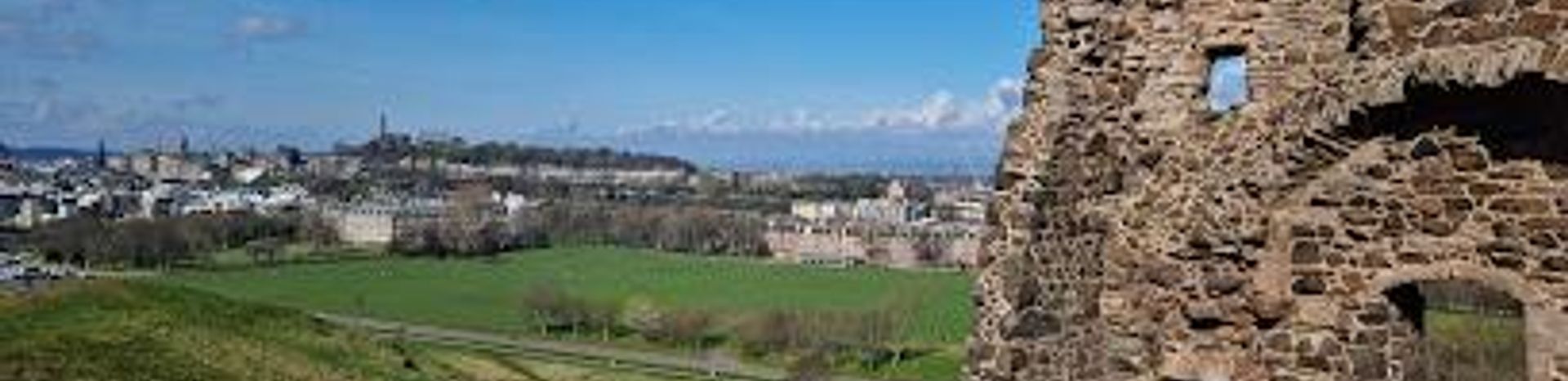
St Anthony's Chapel Ruins at Holyrood Park, Edinburgh
Explore the evocative ruins of St Anthony's Chapel, a medieval beacon perched above Holyrood Park with panoramic views and rich historic mystery.
Perched on a rocky outcrop within Edinburgh’s Holyrood Park, the ruins of St Anthony's Chapel offer a glimpse into a mysterious medieval past. Dating back to at least the early 15th century, this chapel once served as a spiritual beacon for pilgrims and possibly a navigation aid for sailors approaching Leith. Today, the remains of its north wall and ancillary structures overlook St Margaret’s Loch, inviting visitors to explore its historic significance and stunning panoramic views.
A brief summary to St Anthony's Chapel Ruins
- Holyrood Park, Queen's Dr, Edinburgh, Edinburgh, EH8 8JA, GB
- Visit website
- Duration: 0.5 to 2 hours
- Free
-
 Outdoor
- Mobile reception: 4 out of 5
- Monday 12 am-12 am
- Tuesday 12 am-12 am
- Wednesday 12 am-12 am
- Thursday 12 am-12 am
- Friday 12 am-12 am
- Saturday 12 am-12 am
- Sunday 12 am-12 am
Local tips
- Wear sturdy footwear as the path to the chapel involves uneven rocky terrain and moderate uphill walking.
- Visit on clear days to fully appreciate the expansive views over Edinburgh, Leith, and the Firth of Forth.
- Bring water and snacks, as there are limited amenities within Holyrood Park near the chapel.
- Consider timing your visit around St Anthony’s Day (January 17) or other religious observances for special local events.

For the on-the-go comforts that matter to you
- Restrooms
- Drink Options
- Food Options
- Seating Areas
- Information Boards
Getting There
-
Bus
Take Lothian Buses routes 3, 35, or 44 to the Holyrood Park stop near Queen's Drive. The journey from Edinburgh city center takes approximately 15-20 minutes. Buses run frequently but check schedules for evening service. From the stop, a moderate 10-15 minute walk uphill leads to the chapel ruins.
-
Walking
From Edinburgh city center, enjoy a scenic 45-minute walk through Holyrood Park. The terrain includes uphill sections and uneven rocky paths, suitable for visitors with moderate fitness. Wear appropriate footwear and allow extra time for photo stops and exploration.
-
Taxi or Rideshare
A taxi or rideshare from central Edinburgh to Holyrood Park near the chapel takes about 10 minutes, depending on traffic. This option is convenient for those with limited mobility but note that vehicle access is restricted within parts of the park, so some walking is still required.
St Anthony's Chapel Ruins location weather suitability
-
 Any Weather
-
 Clear Skies
-
 Rain / Wet Weather
-
 Windy Conditions
-
 Mild Temperatures
Discover more about St Anthony's Chapel Ruins
A Mysterious Medieval Landmark
St Anthony's Chapel is a haunting ruin situated in Holyrood Park, Edinburgh, perched dramatically above St Margaret's Loch. Though its exact origins remain unclear, historical records confirm the chapel was established by the early 1400s, with a papal grant in 1426 funding repairs. The chapel’s construction likely dates back earlier, possibly into the 1300s, and it was probably linked to the nearby Holyrood Abbey or the Preceptory of St. Anthony, a medieval hospital in Leith specializing in skin diseases. The chapel's unusual proportions—almost as tall as it was long—suggest it was designed not only for worship but also as a visible landmark across the landscape.Religious and Navigational Significance
Scholars propose several theories about the chapel’s purpose. One prominent idea is that it served as a religious beacon for sea-borne pilgrims traveling up the River Forth to Holyrood Abbey, with a fire lit atop the chapel to guide ships safely toward Leith’s harbor. This beacon function would have provided reassurance to sailors facing the perils of sea travel, reminding them of divine protection. Another theory suggests the chapel was a monastic retreat or hermitage, offering solitude away from the bustling abbey. The presence of a well-known holy spring, St Anthony's Well, nearby further enhanced its spiritual significance.Architectural Features and Current Ruins
Originally, St Anthony's Chapel was a small three-bay structure with a three-storey tower approximately 40 feet high at its west end, creating a striking silhouette against the skyline. Today, only the north wall remains largely intact, along with fragments of the west wall and a nearby ancillary building, possibly a store room or monastic cell. The chapel’s vaulted architecture hints at its Gothic style, while the surrounding rocky terrain emphasizes its rugged, sublime setting. Visitors can still trace the historic stone track that once connected the chapel with Holyrood Abbey, passing by St Anthony's Well, a carved stone basin that once held holy water.Historical Context and Decline
The chapel fell into disuse following the Scottish Reformation in 1560, mirroring the fate of Holyrood Abbey itself. By the 18th century, it was described as a picturesque ruin, admired for its Gothic beauty and dramatic location. Over the centuries, the chapel has inspired curiosity and speculation, with archaeological finds such as shallow graves and remnants of monastic life nearby. The site remains an evocative symbol of Edinburgh’s medieval religious heritage and the intertwined history of faith, pilgrimage, and maritime navigation.Experiencing St Anthony's Chapel Today
Accessible to visitors with moderate fitness, the chapel offers a tranquil yet stirring experience amid Holyrood Park’s natural beauty. The panoramic views from the rocky outcrop stretch across North Edinburgh, Leith, and the Firth of Forth, connecting the site visually with the wider landscape it once served. The ruins invite reflection on the mysteries of the past, the lives of monks and pilgrims, and the enduring presence of history in Edinburgh’s urban wilderness.Preservation and Cultural Legacy
St Anthony's Chapel remains a protected historic site, cherished for its cultural and architectural significance. It is a focal point for local heritage and occasional pilgrimages on special days such as St Anthony’s Day, Good Friday, and the Exaltation of the Holy Rood. The chapel’s story continues to be told through educational projects and immersive storytelling, including British Sign Language narrations that highlight its role in Edinburgh’s landscape and spiritual life.Iconic landmarks you can’t miss

Arthur's Seat
0.8 km
Climb Edinburgh’s ancient volcanic peak for breathtaking panoramic views and a journey through natural and historic wonders.
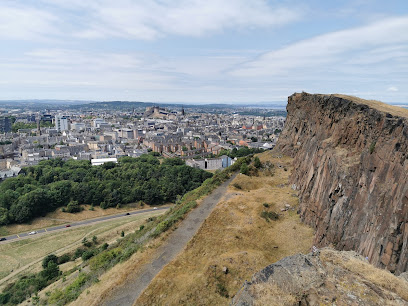
Queen Mary's Bath House
0.8 km
A rare 16th-century Tudor pavilion near Holyrood Palace, steeped in royal mystery and linked to Mary, Queen of Scots.
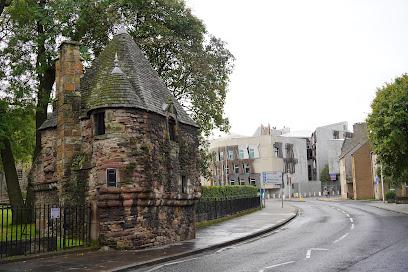
Burns Monument
1.1 km
Edinburgh's classical tribute to Scotland's national poet, a Neo-Greek temple with commanding city views.
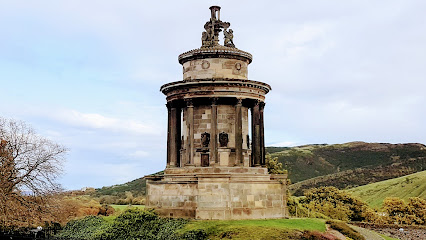
Robert Fergusson Statue
1.1 km
Celebrate the vibrant spirit of Scottish poetry with the Robert Fergusson Statue, a joyful tribute on Edinburgh’s historic Canongate.
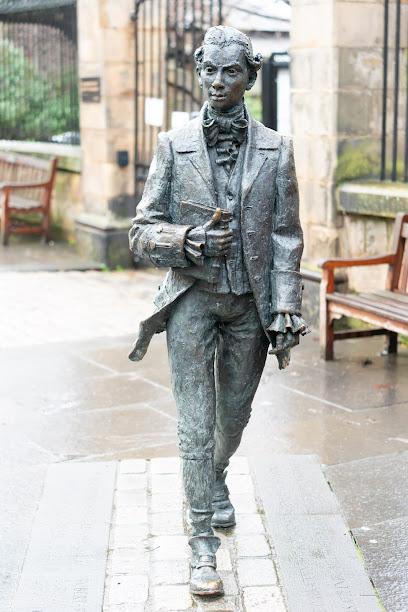
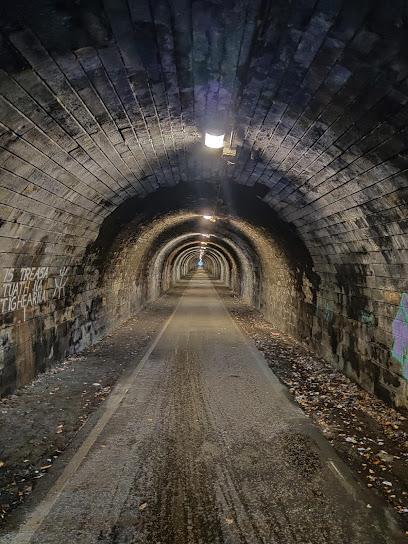
Innocent Railway Tunnel
1.3 km
Explore Scotland’s oldest railway tunnel, a historic horse-drawn coal route transformed into a vibrant urban walking and cycling path in Edinburgh.
Edinburgh UNESCO City of Literature Trust
1.5 km
Explore the literary heart of Edinburgh at the UNESCO City of Literature Trust, a treasure trove of exhibitions and literary heritage.

Wellhead at John Knox House
1.5 km
Discover the medieval charm and Reformation history embodied by the Wellhead at John Knox House on Edinburgh’s iconic Royal Mile.
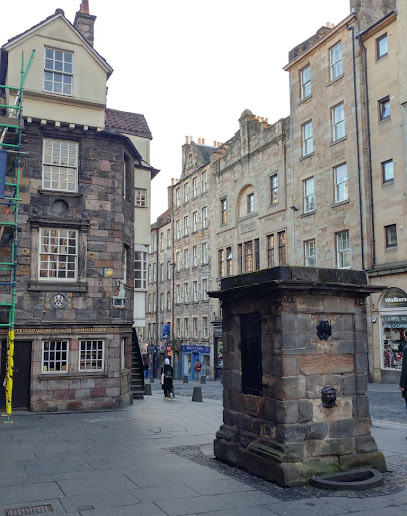
Dugald Stewart Monument
1.5 km
A neoclassical tribute to philosopher Dugald Stewart, offering iconic views over Edinburgh from historic Calton Hill.
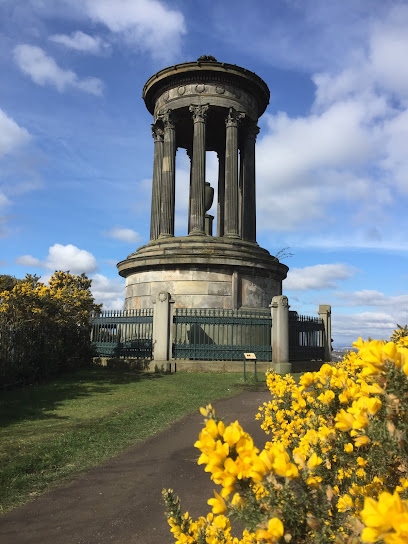
Museum of Magic, Fortune-telling & Witchcraft Ltd
1.5 km
Explore the mystical realm of the Museum of Magic, Fortune-telling & Witchcraft in Edinburgh, where history and enchantment intertwine seamlessly.
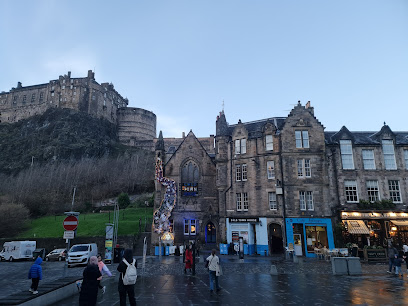
Martyrs of Reform Monument
1.5 km
A towering 27m obelisk in Edinburgh honoring five radical reformists who shaped Britain’s fight for democratic rights in the 18th century.
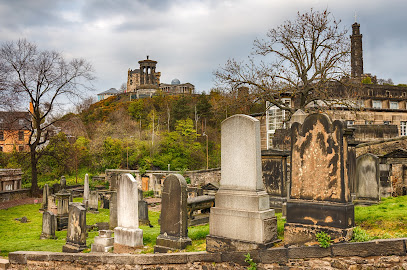
Old Calton Cemetery
1.6 km
Discover the historical significance and serene beauty of Old Calton Cemetery, a must-visit landmark in Edinburgh's rich heritage.
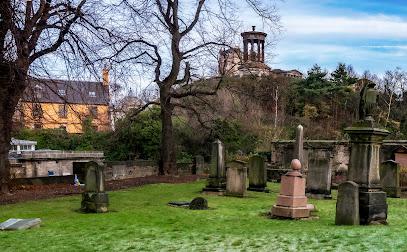
Surgeons' Hall Museums
1.6 km
Explore Edinburgh’s historic Surgeons' Hall Museums, where medical history, pathology, and surgical innovation come vividly to life in a landmark setting.
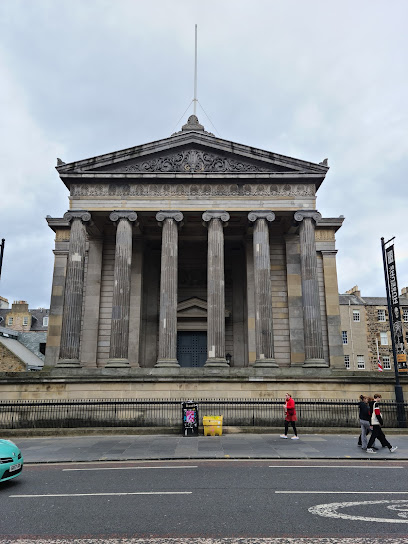
Scottish-American Soldiers Monument
1.6 km
A unique Edinburgh memorial honoring Scottish soldiers who fought in the American Civil War, symbolizing liberty and transatlantic heritage.
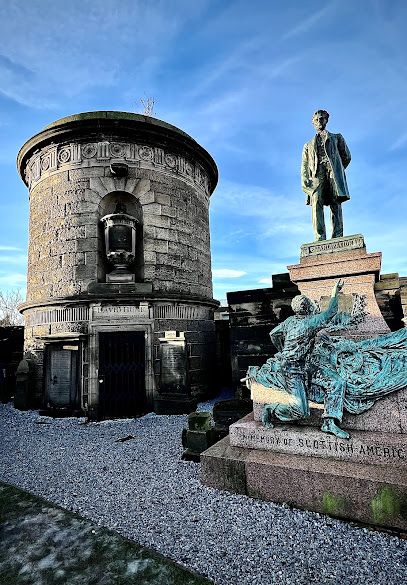
South Bridge Vaults
1.6 km
Unearth the secrets of Edinburgh's past at the South Bridge Vaults, a historical landmark steeped in mystery and intrigue.
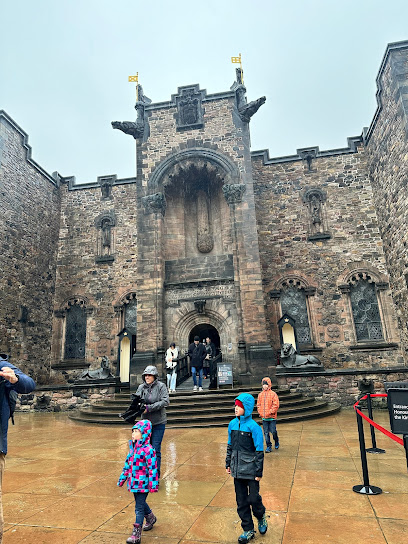
South Bridge
1.6 km
Immerse yourself in the history and culture of Edinburgh at South Bridge, a lively hub that connects the city's past with its modern vibrancy.
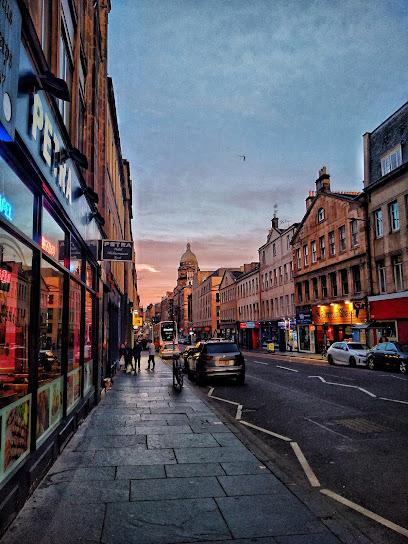
Unmissable attractions to see

Holyrood Park Education Centre
0.5 km
Explore Edinburgh’s historic Holyrood Park through engaging ranger-led education and stunning natural landscapes at the Holyrood Park Education Centre.
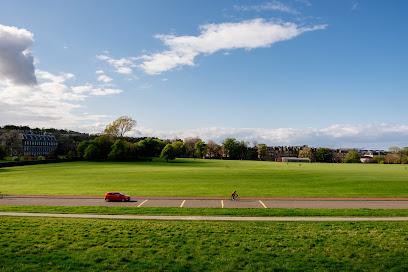
Holyrood Park
0.6 km
Edinburgh’s wild royal park, where an ancient volcano meets city views, Iron Age forts and serene lochs just steps from the Old Town.
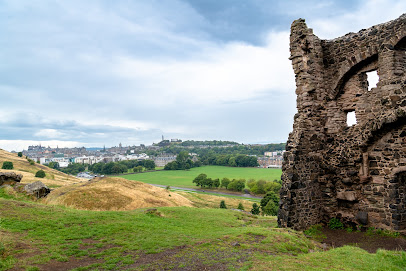
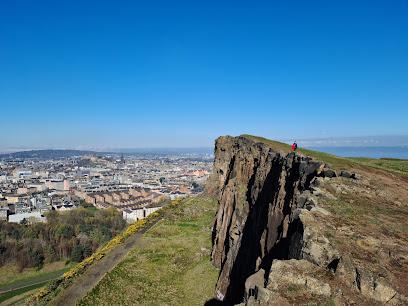
Salisbury Crags
0.6 km
Experience Edinburgh’s iconic cliffside views and historic trails atop Salisbury Crags in Holyrood Park.
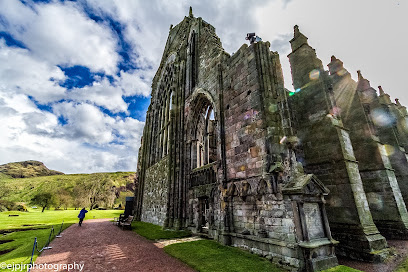
Holyrood Abbey
0.7 km
Explore the evocative ruins of Holyrood Abbey, a medieval royal sanctuary steeped in Scotland’s dramatic history and Gothic splendor.
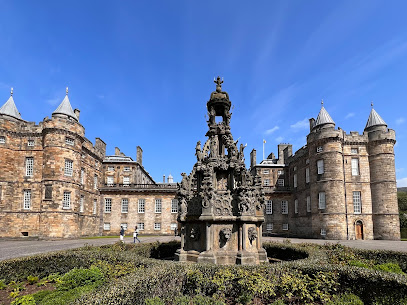
Palace of Holyroodhouse
0.7 km
Explore Scotland’s royal heritage at the magnificent Palace of Holyroodhouse, Edinburgh’s historic seat of monarchy and culture.
The King's Gallery, Palace of Holyroodhouse
0.8 km
Explore exquisite royal art exhibitions in a historic gallery at Edinburgh’s Palace of Holyroodhouse, showcasing treasures from the Royal Collection.
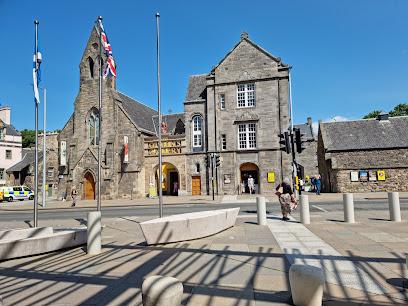
Abbey Sanctuary - Historic Scotland
0.8 km
A historic lane beside the Palace of Holyroodhouse, where royal courtiers once lived and modern visitors now find a quiet, elegant base in Edinburgh’s Old Town.
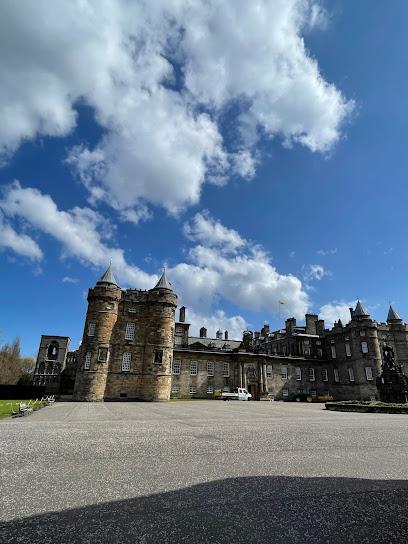
Dynamic Earth
0.8 km
Explore Earth’s incredible story through immersive science, interactive exhibits, and a stunning planetarium at Edinburgh’s Dynamic Earth.
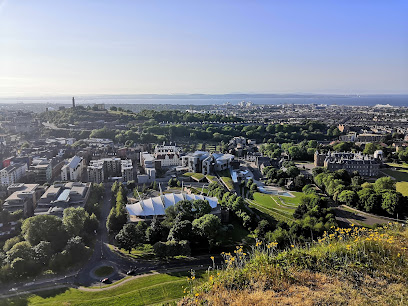
Scottish Parliament Building
0.9 km
Explore Scotland’s modern democratic heart with free tours, debates, and iconic architecture in Edinburgh’s Old Town.
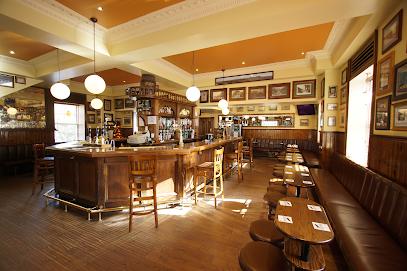
Artisan Bar
0.9 km
Explore the Artisan Bar in Edinburgh for a delightful blend of traditional Scottish pub culture and modern bar experiences.
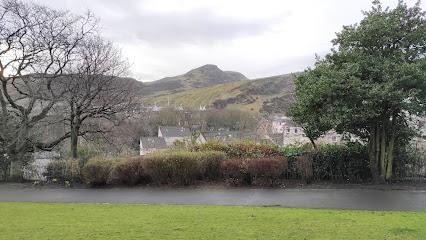
Regent Road Park
0.9 km
A peaceful green oasis in central Edinburgh with iconic views and the symbolic Stones of Scotland monument.
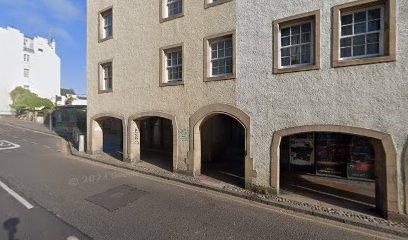
White Horse Close
0.9 km
Discover White Horse Close, a picturesque 17th-century courtyard and former coaching inn steeped in Edinburgh’s royal and social history.
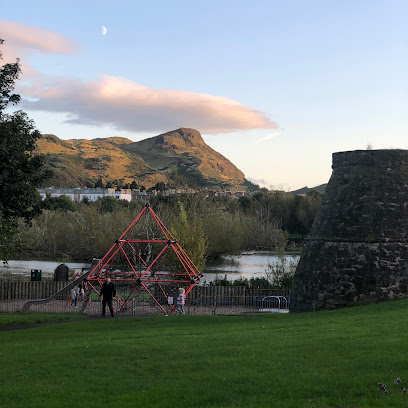
Lochend Park
1.1 km
A peaceful urban retreat in Edinburgh featuring a scenic loch, playgrounds, and abundant wildlife for all ages to enjoy.
Regent Rd
1.1 km
Tranquil urban park and historic street offering stunning views and cultural landmarks in the heart of Edinburgh.
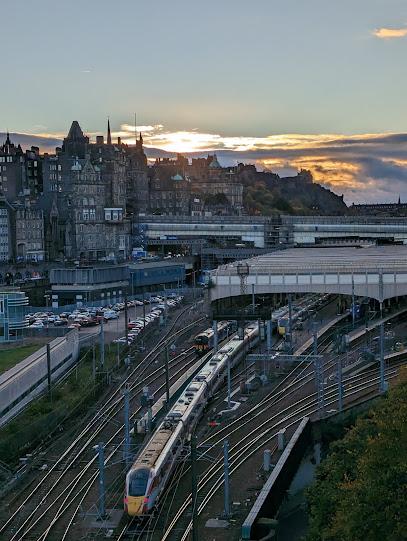
Edinburgh World Heritage
1.1 km
Explore Edinburgh’s UNESCO World Heritage site where medieval charm meets Georgian elegance in a city alive with history and culture.
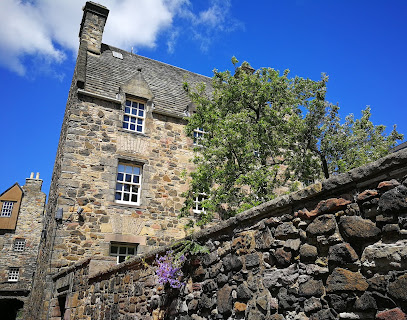
Essential places to dine

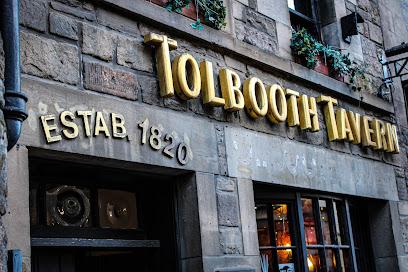
Tolbooth Tavern
1.2 km
Historic Royal Mile pub blending 400 years of Scottish history with authentic cuisine and warm hospitality.
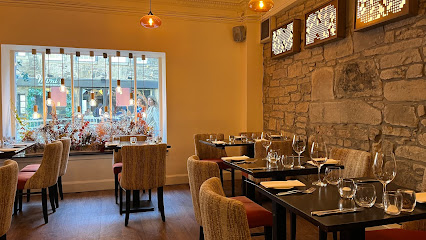
Wedgwood The Restaurant
1.4 km
Fine dining on Edinburgh’s Royal Mile with seasonal Scottish cuisine and foraged ingredients in a cozy, unpretentious setting.
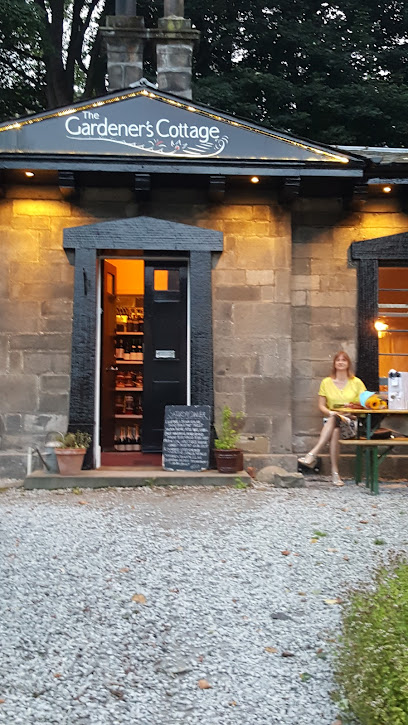
The Gardener's Cottage
1.4 km
An intimate Edinburgh dining gem blending seasonal Scottish produce with rustic charm in a historic garden cottage setting.
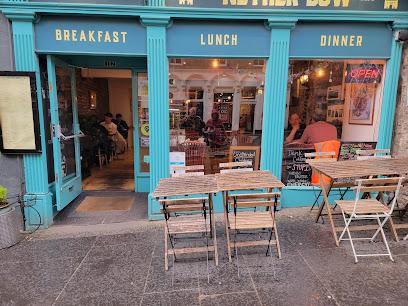
The Nether Bow Port Cafe & Bistro
1.4 km
Cozy bistro on Edinburgh’s Royal Mile serving diverse breakfast and lunch options in a warm, welcoming atmosphere.
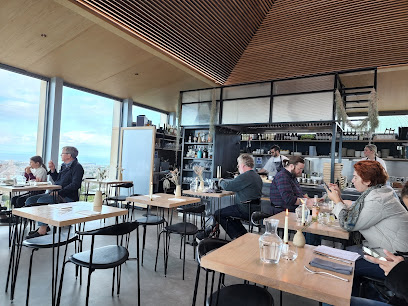
The Lookout by Gardener's Cottage
1.5 km
Suspended fine dining with panoramic Edinburgh views from an architectural marvel atop Calton Hill.
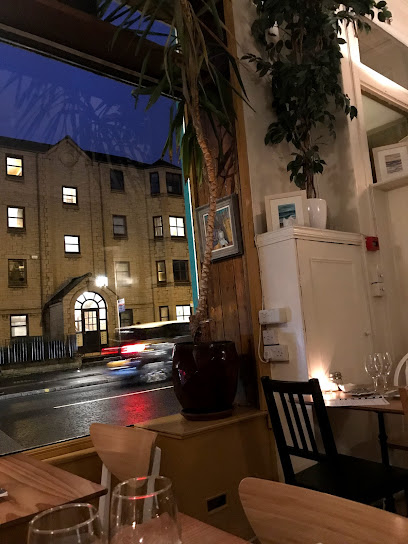
Blonde Restaurant
1.5 km
Modern European dining with a Scottish twist in Edinburgh’s welcoming Southside neighbourhood.
La Garrigue
1.5 km
Experience authentic Languedoc French cuisine in Edinburgh’s charming Old Town bistro with rustic flavours and vibrant ambiance.
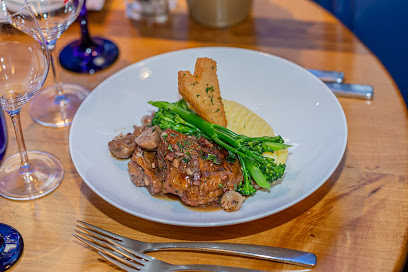
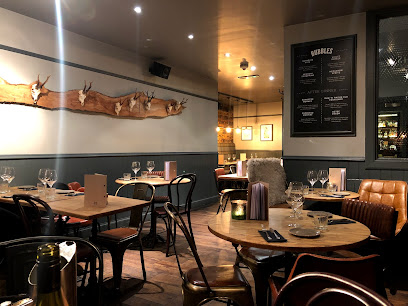
Monteiths
1.5 km
Experience contemporary Scottish dining and crafted cocktails in a stylish, intimate setting on Edinburgh’s historic Royal Mile.
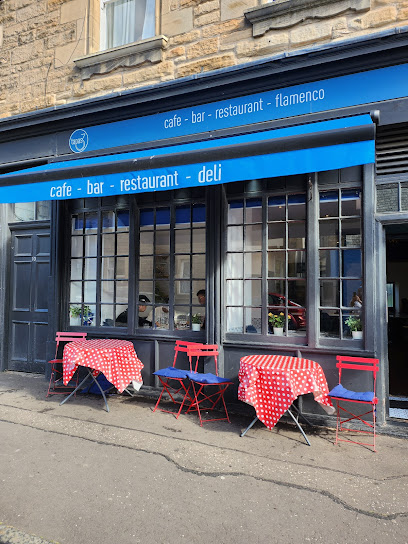
tapas3
1.5 km
Authentic Spanish tapas with generous portions and warm hospitality in Edinburgh’s charming Southside neighborhood.
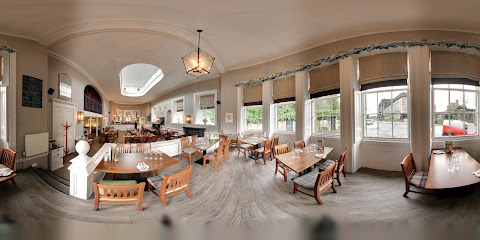
Howies Restaurant
1.6 km
Experience authentic Scottish cuisine in a stunning Georgian dining hall at Howies Waterloo Place, Edinburgh’s beloved local gem.
Rhubarb
1.6 km
Opulent fine dining in historic Prestonfield House, blending exquisite Scottish produce with lavish Regency elegance and exceptional service.
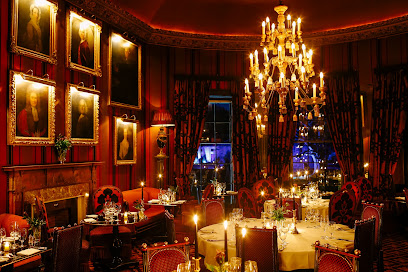
Down The Hatch Edinburgh
1.7 km
Bold Canadian comfort food and lively vibes meet in the heart of Edinburgh’s Antigua Street for a truly unforgettable dining experience.
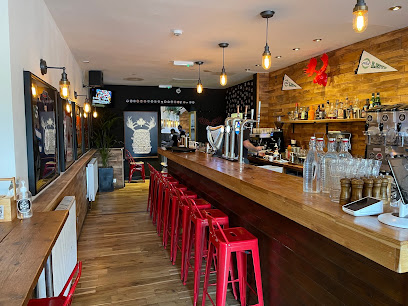
The Piper's Rest
1.7 km
Experience authentic Scottish hospitality with hearty fare, craft drinks, and nightly live music in Edinburgh’s historic Old Town.
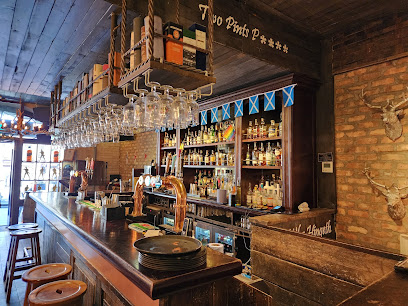
The Walnut
1.7 km
Cozy and unpretentious, The Walnut offers seasonal Scottish dishes with creative flair and excellent value on Edinburgh’s vibrant Leith Walk.
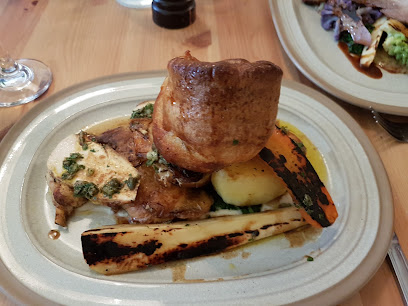
Duck & Waffle
1.7 km
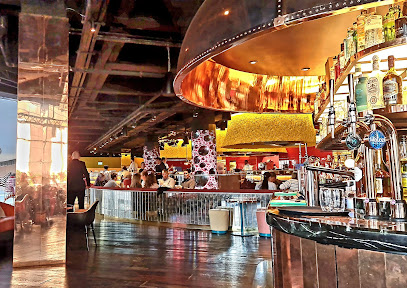
Experience Edinburgh’s vibrant St James Quarter hotspot where modern British cuisine meets playful indulgence and stylish atmosphere.
Markets, malls and hidden boutiques

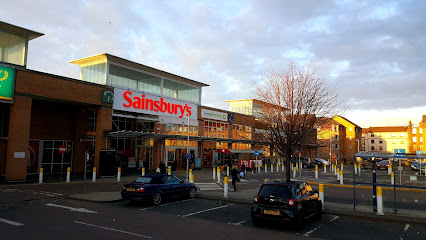
Meadowbank Shopping Park
0.8 km
Edinburgh’s vibrant shopping park offering diverse stores, extended hours, and a welcoming atmosphere for all your retail and dining needs.
Holyrood Gift Shop
0.9 km
Discover authentic Scottish crafts and souvenirs in the heart of Edinburgh’s historic Royal Mile at Holyrood Gift Shop.

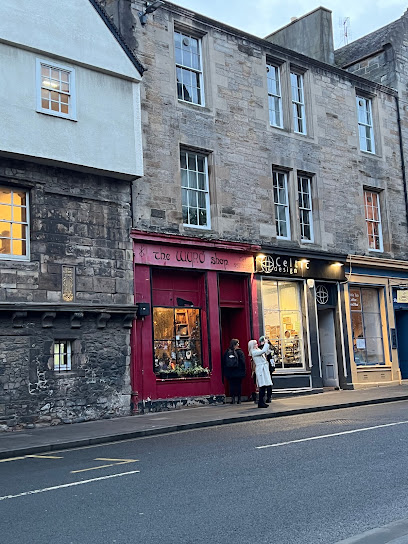
The Wyrd Shop
1.1 km
Edinburgh's esoteric gem on Canongate: crystals, tarot, pagan jewelry, and magickal handmade treasures in a cozy witchy haven.
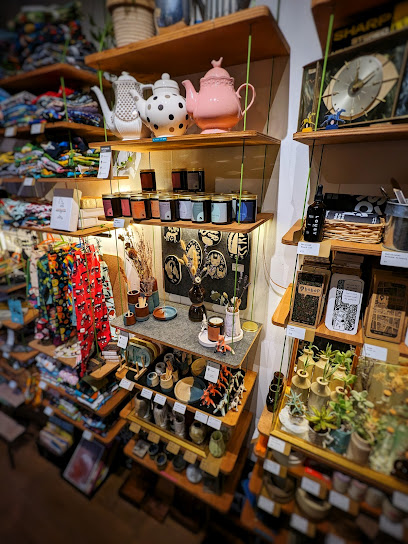
Planet.A Boutique
1.2 km
Discover Edinburgh’s stylish and sustainable gift shop offering unique local treasures and eco-friendly finds on Easter Road.
Prestige Scotland Kilt Maker & Souvenir Shop
1.2 km
Authentic Scottish kilts and Highland dress on Edinburgh's historic Royal Mile.

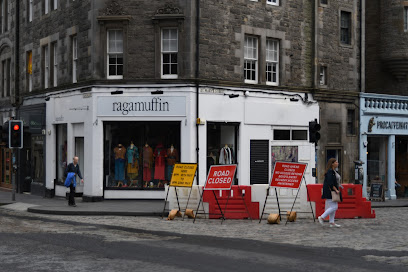
Ragamuffin
1.4 km
Discover unique, beautifully crafted women's knitwear in a charming boutique on Edinburgh’s historic Royal Mile.
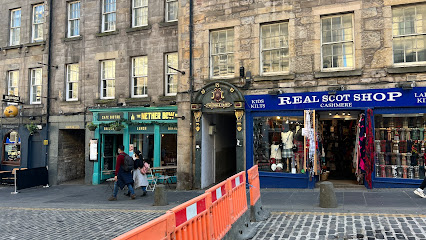
Real Scot Shop
1.4 km
Authentic Scottish gifts and crafts in the heart of Edinburgh’s historic High Street, where heritage meets quality and friendly service.
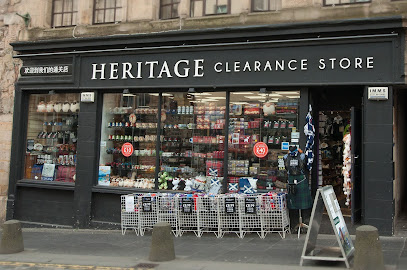
Heritage Clearance Store
1.5 km
Discover authentic Scottish heritage treasures and unbeatable bargains in the heart of Edinburgh’s historic High Street.
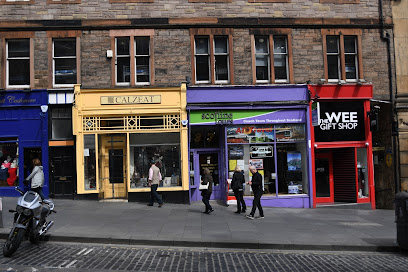
The Wee Gift Shop
1.5 km
Award-winning Scottish gift shop celebrating local talent, sustainability, and authentic cultural heritage on Edinburgh's High Street.
scottish experience cashmere place
1.6 km
Explore the finest cashmere souvenirs at Scottish Experience Cashmere Place, where tradition and quality meet in the heart of Edinburgh.
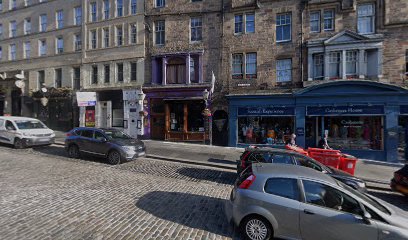
Galaxy
1.6 km
Discover a magical world of Harry Potter collectibles, pop culture treasures, and unique gifts in the heart of Edinburgh’s Old Town.
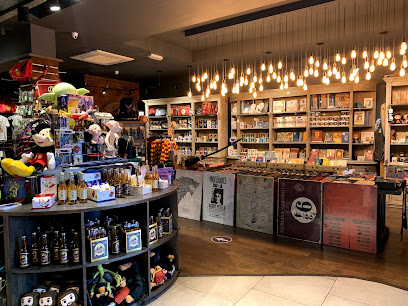
The Enchanted Galaxy
1.6 km
A magical emporium in Edinburgh blending fandom treasures with Scottish charm for a unique shopping adventure.
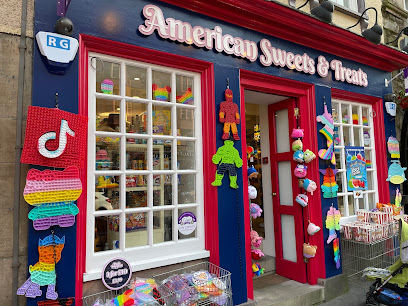
The Scotland Shop
1.6 km
Discover authentic Scottish tartans, bespoke kilts, and heritage gifts at The Scotland Shop in Edinburgh’s historic South Bridge.

The Cats Miaou
1.6 km
A vibrant Leith gift shop bursting with quirky, pun-filled designs and ethically sourced handmade treasures in Edinburgh.
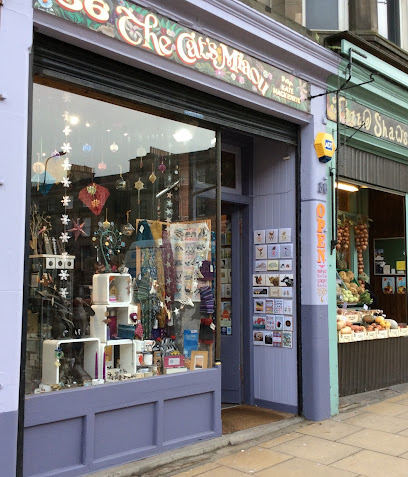
Crest Of Edinburgh
1.7 km
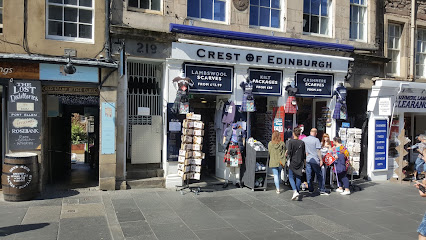
Discover authentic Scottish gifts, kilts, and fashion accessories in the heart of Edinburgh’s historic Royal Mile.
Essential bars & hidden hideouts

The Cocktail Geeks
1.5 km
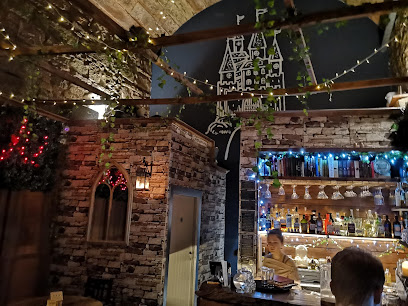
Edinburgh's arch-hidden gem for themed cocktails, geeky immersions, and masterful mixology in a cozy, ever-changing vault.
Whiski Bar & Restaurant
1.6 km
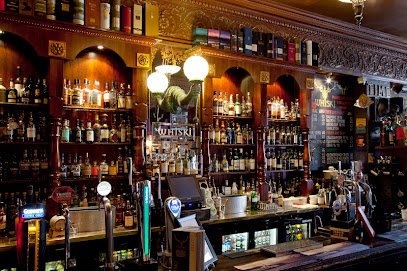
A cosy Royal Mile whisky bar with 300+ Scotch malts, hearty Scottish food and nightly live music in Edinburgh’s Old Town.
Royal Mile Tavern
1.6 km
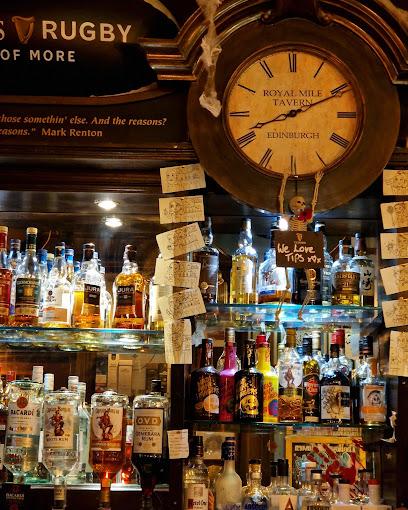
Traditional Scottish pub on Edinburgh’s historic Royal Mile with over 100 whiskies, hearty fare, and nightly live music until 1am.
The Banshee Labyrinth
1.6 km
Discover Scotland’s most haunted pub, a labyrinth of eerie vaults and lively entertainment beneath Edinburgh’s Old Town.
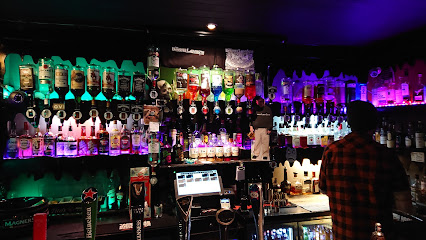
Whistlebinkies
1.6 km
Edinburgh’s legendary underground live music bar offering free entry, vibrant bands, and a cozy vaults atmosphere every night until the early hours.
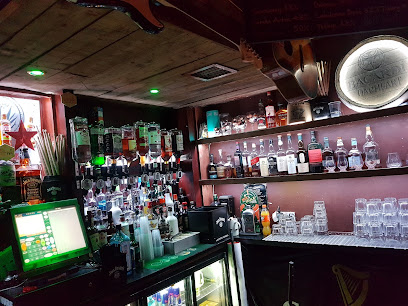
Salisbury Arms Edinburgh
1.6 km
A stylish gastropub blending traditional charm with fresh British fare and vibrant local atmosphere in Edinburgh’s southside.
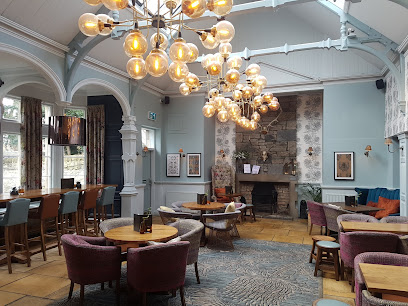
Captain's Bar
1.6 km
Historic Edinburgh pub with daily live Scottish folk music, local ales, and a warm, intimate atmosphere steeped in tradition.
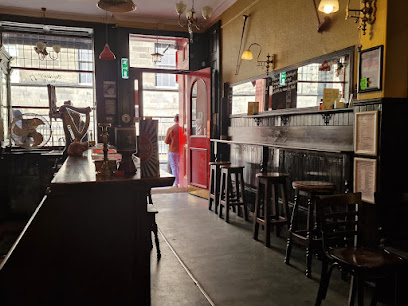
56 North
1.7 km
Scotland’s first dedicated gin bar and distillery offering award-winning spirits, vibrant atmosphere, and delicious food in Edinburgh’s Newington.
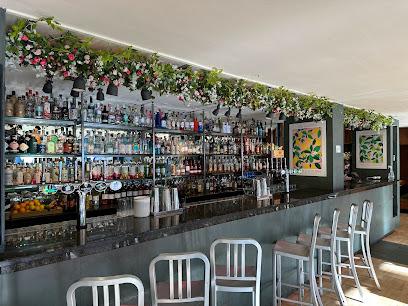
Arcade Bar Haggis & Whisky House, celebrating 20 years of serving The Best Haggis in Town!
1.7 km
Cozy Edinburgh bar serving renowned haggis and over 100 whiskies in a warm, traditional Scottish setting with hearty portions and friendly vibes.
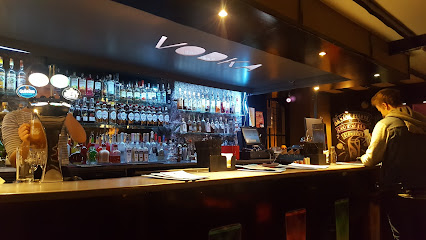
Copper Still
1.7 km
Cozy Royal Mile retreat dishing fresh Scottish eats and drams amid buskers and historic vibes – from breakfast brekkie to late-night cocktails.
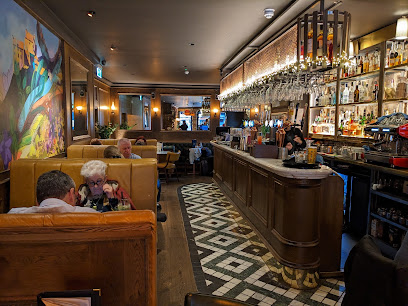
The Alchemist St James Quarter
1.7 km
Experience Edinburgh’s vibrant cocktail theatre and unique dining at The Alchemist St James Quarter, where drinks come alive with magic and flair.

The Street
1.8 km
Casual cocktail bar by day, energetic late-night bar and small club by night — Picardy Place’s go-to spot for social evenings and weekend parties.

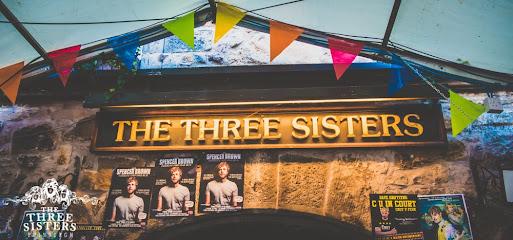
The Three Sisters
1.8 km
A legendary Edinburgh bar and live venue famed for its vibrant atmosphere, historic roots, and nonstop entertainment on Cowgate.
Cask
1.8 km
Discover Cask: Edinburgh's rooftop cocktail bar offering stunning views, innovative drinks, and delectable small plates in a vibrant atmosphere.
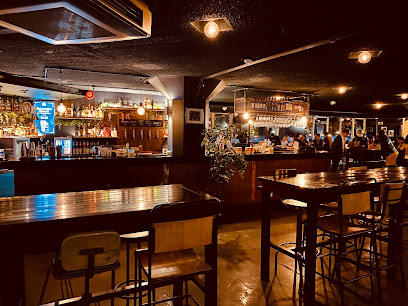
The Voodoo Rooms
1.8 km
Edinburgh's clandestine Victorian lair of cocktails, cabaret, and live tunes in opulent, hidden chambers.
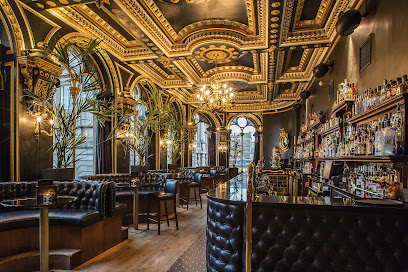
Nightclubs & after hour spots

The Hive Nightclub & Venue
1.6 km
Edinburgh's gritty Cowgate nightclub: cheap drinks, multi-room beats, and non-stop energy until 3am in the heart of Old Town.

Cabaret Voltaire
1.6 km
Vaulted live-music rooms and a relaxed upstairs bar—Cabaret Voltaire is Edinburgh’s atmospheric hub for alternative gigs and late-night clubbing.
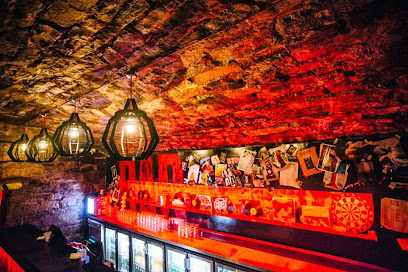
La Belle Angele
1.6 km
Edinburgh’s intimate nightclub and live music venue blending historic charm with vibrant themed nights and diverse performances.
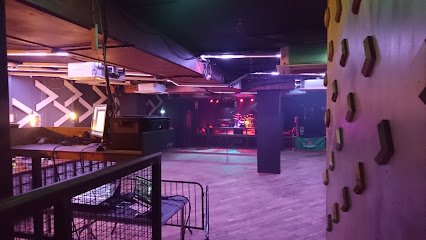
The Mash House
1.7 km
A vibrant Edinburgh nightclub and live music venue blending folk, electronic, and techno in a lively, casual setting.

Sneaky Pete's
1.9 km
Intimate live music and club nights in Edinburgh’s Old Town, where emerging talent meets vibrant nightlife.
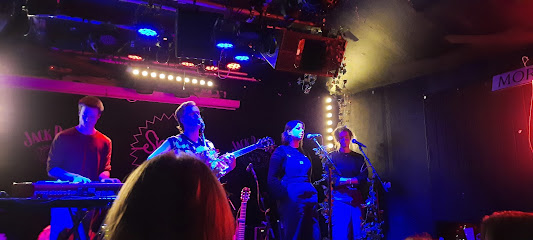
Legends
1.9 km
Edinburgh’s only 24/7 rock nightclub, Legends pulses with raw energy and live alternative music in the heart of Cowgate.
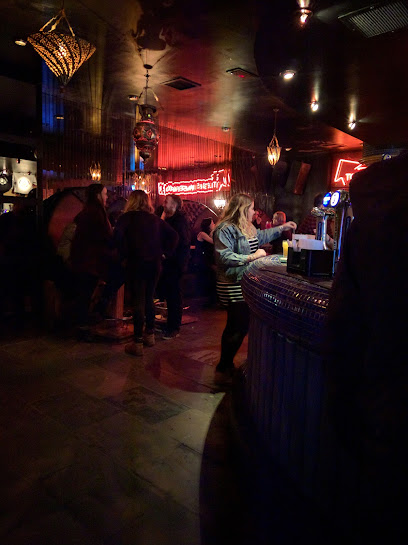
The Bongo Club
1.9 km
Edinburgh’s underground hotspot blending eclectic music, live art, and a vibrant late-night scene in the historic Old Town.

The Liquid Room
2.0 km
Edinburgh's multi-level nightlife gem: techno thumps, live gigs, and warehouse vibes on historic Victoria Street.
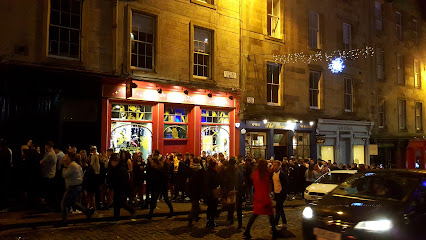
Why Not Nightclub
2.2 km
Edinburgh's multi-award-winning late-night haven with LED immersion, garden vibes, and non-stop beats on George Street.

Shanghai Nightclub
2.2 km
Edinburgh's Oriental nightlife den: Asian decor, themed beats, VIP vibes, and non-stop energy on George Street.
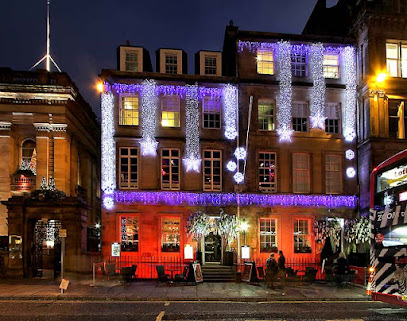
El Barrio Latino
2.2 km
Edinburgh's sizzling Latin nightclub where salsa beats pulse through New Town nights, drawing dancers to its vibrant Hanover Street heart until the early hours.
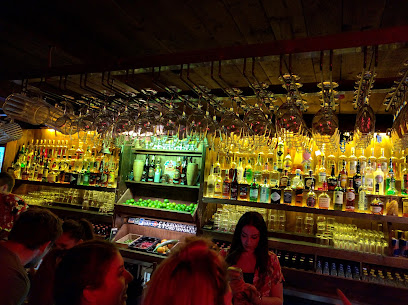
Garibaldi's
2.3 km
Edinburgh's tiniest nightclub packs the biggest late-night punch on Hanover Street, with killer margaritas and a dance floor that never quits till 3am.
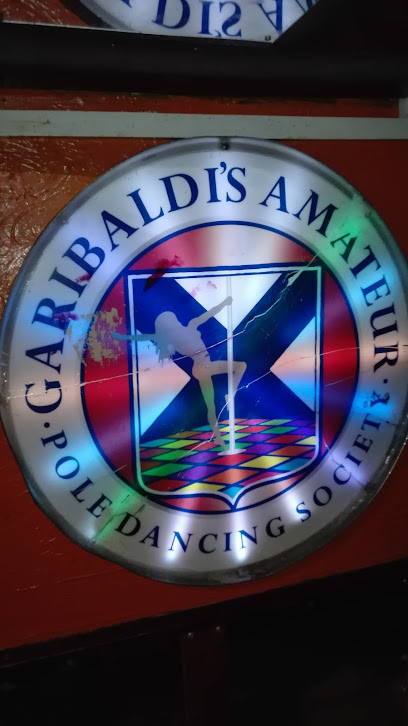
Opal Lounge
2.3 km
A stylish live music bar and nightclub in Edinburgh’s New Town, perfect for celebrations and vibrant nightlife.
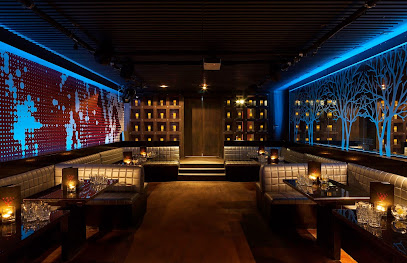
The Shack Retro Bar & Club
2.5 km
Edinburgh's retro dance den blasting 60s-90s hits amid quirky decor and sweaty dance floors—pure nostalgic escapism on Rose Street.

Lulu Bar and Nightclub
2.7 km
Edinburgh's George Street gem: chic cocktails, thumping beats, and dance floors that ignite the night in upscale style.
For the vibe & atmosphere seeker
- Tranquil
- Scenic
- Unique
- Historic
For the design and aesthetic lover
- Rustic Designs
- Vintage Styles
For the architecture buff
- Historic
- Landmarks
For the view chaser and sunset hunter
- Iconic Views
- Panoramas
For the social media creator & influencer
- Instagrammable
- Photo Spots
- Selfie Spots
For the eco-conscious traveler
- Protected Area
- Public-Transport Accessible
- Leave-No-Trace Critical
- Locally Managed
For the kind of experience you’re after
- Cultural Heritage
- Photowalk
- Nature Escape
- Day Trip
- Weekend Getaway
- Myth & Legends
For how adventurous you want the journey to be
- Easy Access
Location Audience
- Family Friendly
- Senior Friendly
- Child Friendly
- Teen Friendly
- Wheelchair Access
- Pet Friendly
- Solo Friendly
- Couple Friendly
- Solo Female Friendly


