Floral Clock, Edinburgh Travel Guide
Discover Edinburgh’s iconic Floral Clock, a vibrant living timepiece blooming with seasonal flowers in the heart of Princes Street Gardens.
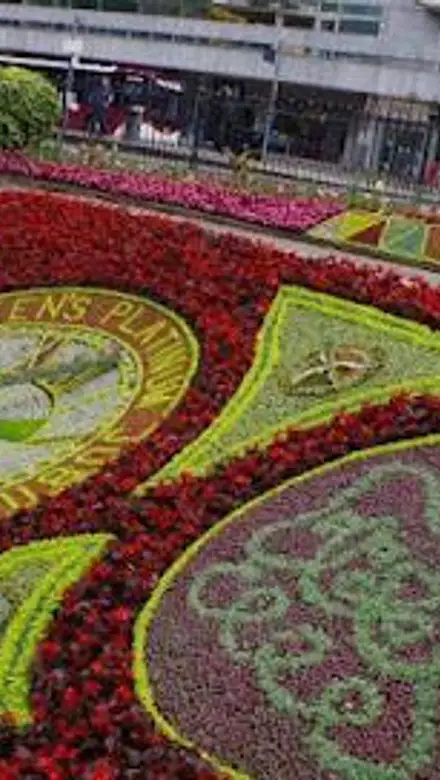
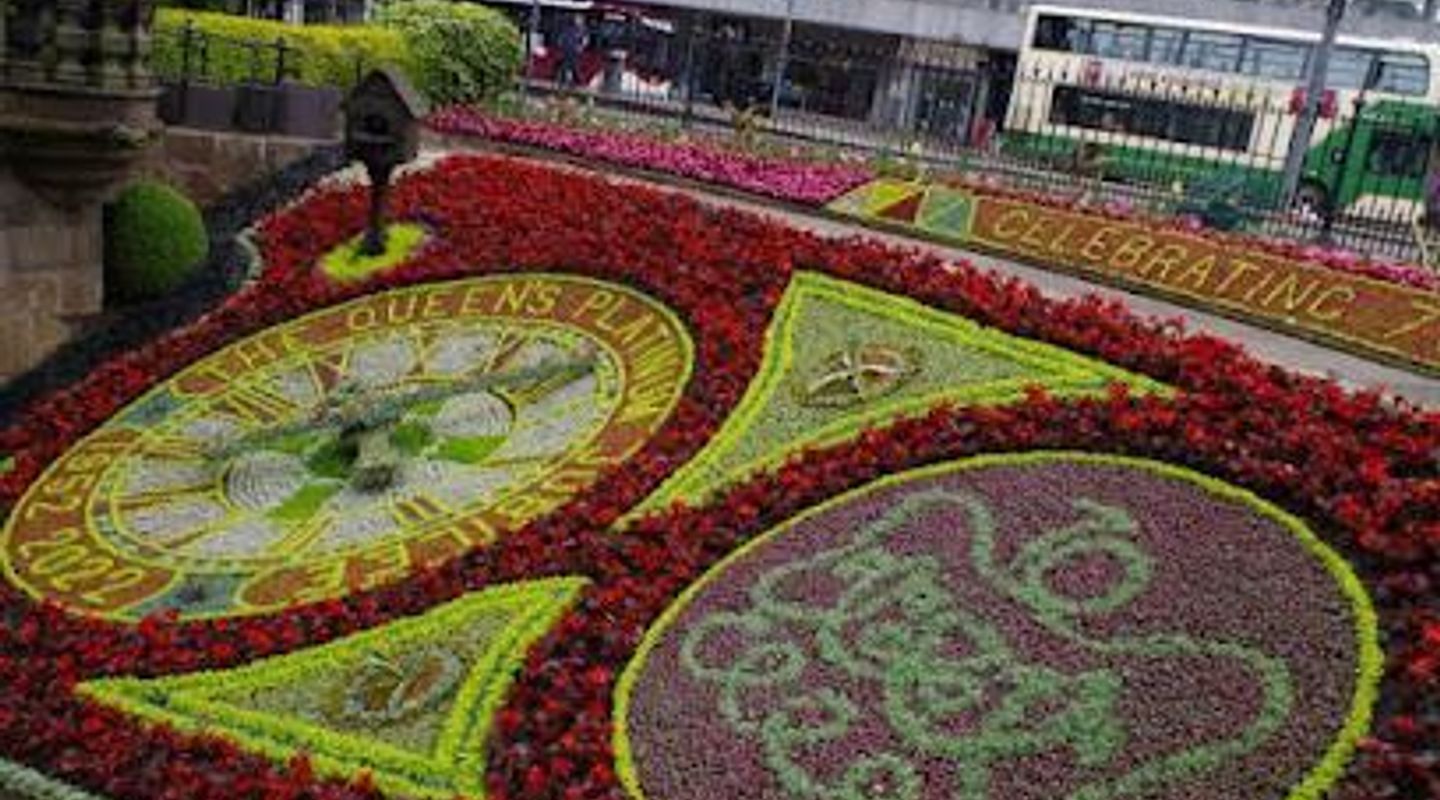
The Floral Clock in Edinburgh’s West Princes Street Gardens is the world’s oldest floral clock, first created in 1903. This unique timepiece blends horticulture and engineering, featuring tens of thousands of colorful plants arranged to form a working clock face with moving hands. Situated halfway down the stairs into the gardens opposite the National Galleries, it blooms from spring through autumn, captivating visitors with its vibrant seasonal displays and meticulous craftsmanship.
A brief summary to Floral Clock
- Princes St, Edinburgh, EH2 4BA, GB
- Click to display
- Duration: 0.25 to 1 hours
- Free
-
 Outdoor
- Mobile reception: 4 out of 5

Know before you go
Hi, I'm Eve. Here are a few practical things to know before exploring Floral Clock.
- Visit between May and October to see the clock in full floral bloom with vibrant seasonal plants.
- Lean over the stone wall halfway down the stairs into West Princes Street Gardens for the best viewing angle.
- Combine your visit with nearby attractions like the National Galleries and Princes Street Gardens.
- Check the clock’s time accuracy; it is a functioning clock with moving hands powered by an electric motor.
Do you manage this location?
Take control to get all the benefits, like improved information, better appearance, and stronger visibility across AI-powered discovery. Learn more about listing your business on Evendo
Activate your presenceOther nearby places you may find interesting
The closest places of the same kind, if this one is not quite what you had in mind.

Explore Floral Clock on the Map
A handpicked selection of must-see spots near Floral Clock, mapped for you.
Unlock the Best of Floral Clock
Buy tickets
-
No tickets available
Book tours with entry
-
No tours available


Getting There
-
Bus
Several Lothian Bus routes serve Princes Street, including routes 3, 23, and 27, with stops within 5-10 minutes walking distance to West Princes Street Gardens. Buses run frequently every 10-20 minutes. A single fare costs approximately £1.80-£2.00.
-
Tram
The Edinburgh Trams stop at Princes Street, about a 10-minute walk from the Floral Clock. Trams run every 7-10 minutes, with tickets costing around £1.80 for a single journey within the city center.
-
Walking
If you are staying in Edinburgh city center, the Floral Clock is accessible via a 10-15 minute walk along Princes Street and through West Princes Street Gardens. The terrain is flat and suitable for wheelchairs and strollers.
For the on-the-go comforts that matter to you
-
 Seating Areas
-
 Information Boards
-
 Trash Bins
Discover more about Floral Clock
A Living Timepiece Rooted in History
Edinburgh’s Floral Clock, located in West Princes Street Gardens, is a remarkable blend of botanical art and mechanical ingenuity. Commissioned in 1903 to commemorate the coronation of Edward VII, it holds the distinction of being the first floral clock in the world. The concept was brought to life by John McHattie, the city’s park superintendent, alongside clockmakers James Ritchie and Son. Initially, the clock featured only an hour hand, with a minute hand added the following year. Its mechanism was originally wound daily until an electric motor was installed in 1973 to power the hands.Botanical Mastery in Seasonal Bloom
The clock face, measuring 3.6 meters in diameter with an 11-meter circumference, is composed of tens of thousands of small plants and flowers. Each year, gardeners spend around five weeks planting varieties such as Lobelia, Pyrethrum, Golden Moss, and succulents like Echeveria and Sedum. The floral display flourishes from May through October, showcasing vibrant seasonal colors that change annually. Maintaining this living clock requires daily care, including trimming, watering, and weeding by dedicated gardeners.Location and Visitor Experience
Nestled halfway down the stairs into West Princes Street Gardens, the Floral Clock is positioned opposite the National Galleries and near the Allan Ramsay monument. Visitors lean over a stone wall to admire the intricate design and watch the clock hands move, a testament to the fusion of nature and technology. Despite its somewhat discreet placement behind railings, it remains a charming and whimsical landmark beloved by locals and tourists alike.Engineering and Design Details
The clock’s hands are substantial in size and weight: the minute hand measures approximately 2.4 meters and weighs around 36 kilograms, while the hour hand is about 1.5 meters long and weighs 23 kilograms. These large hands move precisely over the living dial, powered by a mechanism hidden beneath the floral bed. The clock not only tells time but also serves as a horticultural canvas, combining aesthetic beauty with functional design.Community and Cultural Significance
Beyond its visual appeal, the Floral Clock has cultural resonance, having celebrated milestones such as 200 years of braille in 2023, reflecting its role as a community landmark. It symbolizes Edinburgh’s commitment to blending tradition with innovation and serves as a seasonal highlight within the city’s vibrant green spaces.Seasonal Considerations and Best Times to Visit
The Floral Clock is at its most spectacular during the growing season from late spring to early autumn. Outside these months, the display is less vibrant, as the plants are dormant or removed. Visitors seeking the full floral spectacle should plan visits between May and October when the clock is in full bloom, offering a colorful and dynamic experience in the heart of Edinburgh’s historic gardens.












Your all‑in‑one travel companion app
Explore expert travel guides, compare and book tours, experiences, hotels, and more—all from the palm of your hand. Download now for seamless trip planning wherever your wanderlust takes you.


Explore More of Edinburgh

Looking beyond Floral Clock? Discover Edinburgh for broader travel guides, local hot-spots, and regional highlights.
Explore Edinburgh
Discover Scotland’s literary legends in a charming 17th-century house on Edinburgh’s Royal Mile, featuring rare artifacts and timeless stories.

Edinburgh’s bustling main street with stunning views, historic gardens, iconic monuments, and vibrant shopping in the heart of the city.