Billingsgate Roman House & Baths, Middlesex Travel Guide
Explore one of London’s best-preserved Roman private homes and bathhouses, revealing ancient luxury beneath the modern city streets.
Discover the Billingsgate Roman House & Baths, a rare archaeological gem beneath London’s Lower Thames Street. Built around AD 150 and expanded a century later, this well-preserved Roman private residence features a luxurious bathhouse complex with underfloor heating and multiple heated rooms. The site reveals insights into late Roman Londinium life, with remains used until the early 5th century and evidence of early Anglo-Saxon presence. Access is by guided tour only, offering a unique glimpse into London’s ancient past.
A brief summary to Billingsgate Roman House & Baths
- 101 Lower Thames St, London, EC3R 6DL, GB
- Click to display
- Duration: 1 to 2 hours
- Mid ranged
-
 Indoor
- Mobile reception: 4 out of 5

Know before you go
Hi, I'm Eve. Here are a few practical things to know before exploring Billingsgate Roman House & Baths.
- Book guided tours in advance, as public access is limited to scheduled tours between April and November.
- The site is located in a basement with stair access only; it is not suitable for those with mobility impairments.
- Children under 8 are not permitted; older children must be closely supervised during visits.
- Look out for details like the hypocaust heating system and ancient paw prints on roof tiles for a glimpse of daily Roman life.
Do you manage this location?
Take control to get all the benefits, like improved information, better appearance, and stronger visibility across AI-powered discovery. Learn more about listing your business on Evendo
Activate your presenceOther nearby places you may find interesting
The closest places of the same kind, if this one is not quite what you had in mind.
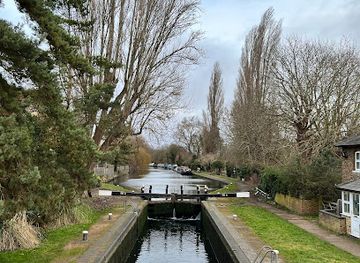
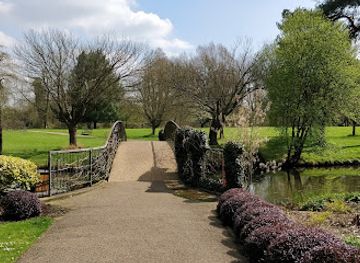
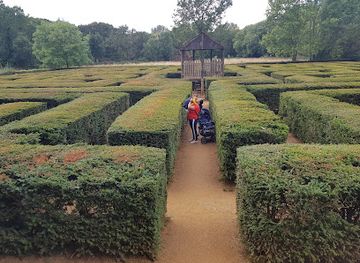
Explore Billingsgate Roman House & Baths on the Map
A handpicked selection of must-see spots near Billingsgate Roman House & Baths, mapped for you.
Unlock the Best of Billingsgate Roman House & Baths
Buy tickets
-
No tickets available
Book tours with entry
-
No tours available


Getting There
-
Public Transport
Take the London Underground to Tower Hill station, approximately a 10-15 minute walk to 101 Lower Thames Street. Frequent Circle and District line services operate, with adult fares typically ranging from £2.50 to £5 depending on ticket type.
-
Bus
Several London bus routes stop near Lower Thames Street, including routes 15 and 17. Travel times vary from 15 to 25 minutes from central London. Pay with an Oyster card or contactless payment for fares around £1.75.
-
Taxi or Rideshare
A taxi or rideshare from central London to Billingsgate Roman House & Baths takes approximately 15-25 minutes depending on traffic. Expect fares in the range of £10-£20.
-
Walking
If staying nearby in the City of London, walking is a pleasant option, taking around 15-20 minutes over mostly flat urban terrain. The site is accessed via stairs and is not wheelchair accessible.
For the on-the-go comforts that matter to you
-
 Information Boards
-
 Seating Areas
-
 Restrooms
Discover more about Billingsgate Roman House & Baths
Unearthing Londinium’s Hidden Past
Beneath the bustling streets of modern London lies the Billingsgate Roman House & Baths, a remarkable archaeological site that transports visitors back nearly two millennia. First discovered in 1848 during construction works for the Victorian Coal Exchange, the site preserves one of the few Roman private residences found in the city. Built around AD 150, the house was situated at the then waterfront of the River Thames, offering its wealthy inhabitants scenic river views and a prestigious address in Roman Londinium.Architectural Grandeur and Bathing Culture
The house was designed with a winged layout, including north and east wings connected by corridors or verandahs. The east wing featured advanced underfloor heating, known as hypocausts, allowing hot air to circulate beneath floors and walls — a sign of luxury in Roman domestic architecture. Around AD 250, a sophisticated bathhouse was added to the courtyard, comprising a cold room (frigidarium), warm room (tepidarium), and hot room (caldarium). Furnaces outside the buildings supplied heat, creating a social and business hub akin to a modern spa or club.Continuity and Decline Through Centuries
Remarkably, parts of the house and bath complex remained in use into the early 5th century, long after Roman rule in Britain began to wane. Archaeological finds, including late Roman coins and a Germanic-style brooch dropped by an early Anglo-Saxon woman, hint at the transitional period when Londinium was evolving from Roman city to early medieval settlement. By the mid-5th century, the buildings had fallen into ruin, with collapsed roofs and debris marking the end of an era.Preservation and Public Access
The site’s preservation is notable for its early in situ conservation, with walls capped and remains protected beneath successive buildings. Excavations in the late 1960s and 1970s expanded understanding of the site’s layout and significance. Today, the remains are accessible in the basement of an office building on Lower Thames Street, presented as a Scheduled Ancient Monument. Public access is by guided tours held seasonally, providing an intimate experience of Roman London’s domestic life.Insights into Roman Daily Life and Commerce
The Billingsgate House likely belonged to a wealthy merchant or official who combined business with leisure, using the bathhouse as a place for socializing and conducting deals. The presence of well-constructed hypocausts and the bath complex illustrates the importance of comfort and status in Roman urban living. The discovery of paw prints on roof tiles adds a humanizing touch, connecting modern visitors to the everyday life of ancient inhabitants.Legacy Beneath the Modern City
Billingsgate Roman House & Baths stands as a rare and evocative window into London’s Roman past, uniquely preserved beneath the city’s evolving landscape. It highlights the layers of history beneath the contemporary metropolis and invites reflection on the continuity and change that have shaped London over two thousand years.More to explore near Billingsgate Roman House & Baths
-

Best experiences near Billingsgate Roman House & Baths
-

Best hotels near Billingsgate Roman House & Baths
-

Best landmarks near Billingsgate Roman House & Baths
-

Best shops near Billingsgate Roman House & Baths
-

Best restaurants near Billingsgate Roman House & Baths
-

Best bars near Billingsgate Roman House & Baths







Your all‑in‑one travel companion app
Explore expert travel guides, compare and book tours, experiences, hotels, and more—all from the palm of your hand. Download now for seamless trip planning wherever your wanderlust takes you.


Explore More of Middlesex
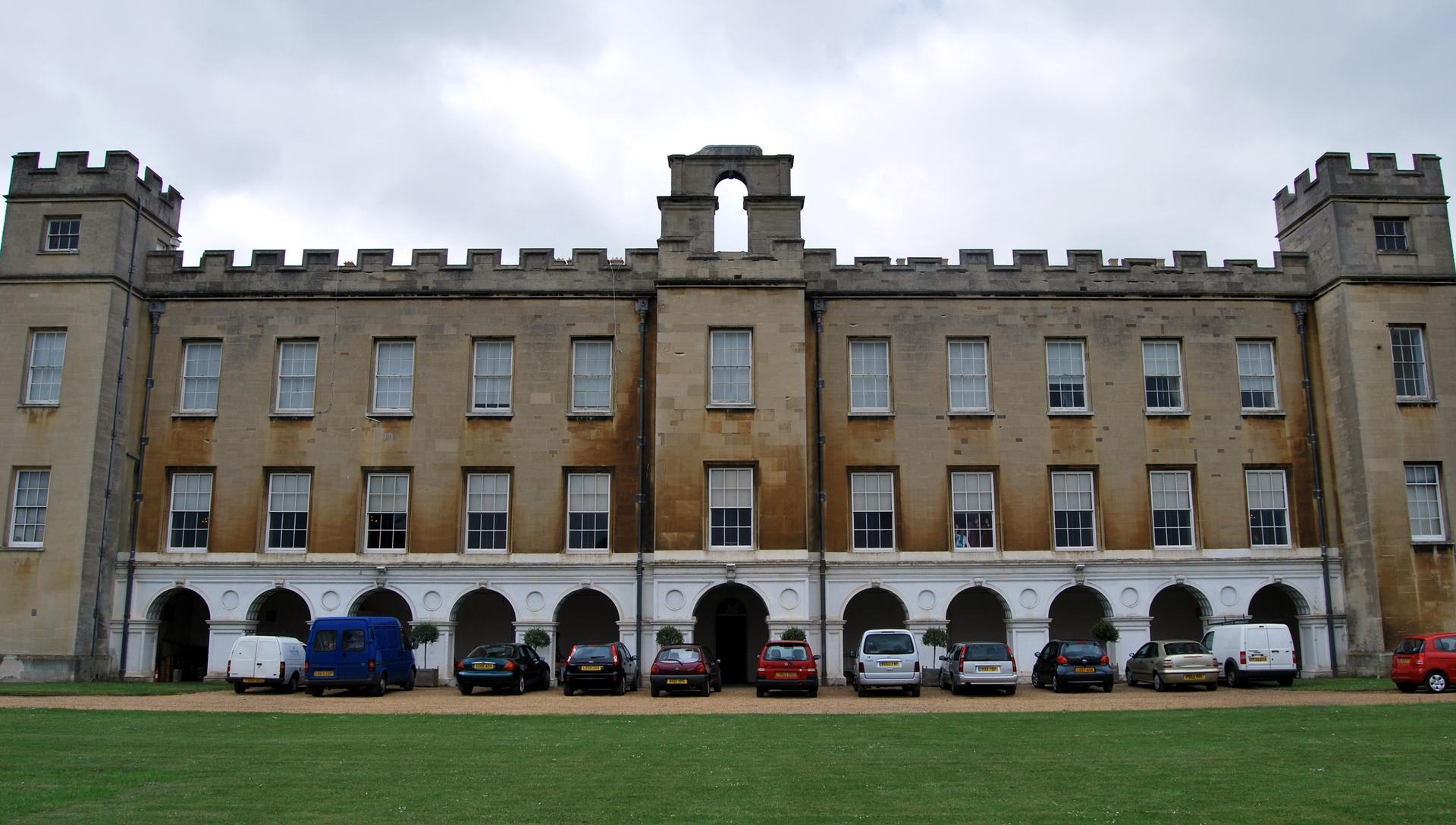
Looking beyond Billingsgate Roman House & Baths? Discover Middlesex for broader travel guides, local hot-spots, and regional highlights.
Explore Middlesex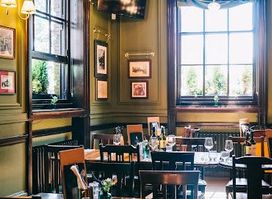
Historic pub near Tower Hill offering seasonal classics and craft ales in a setting steeped in London's dramatic past.
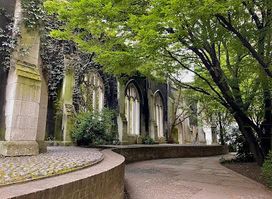
A tranquil garden oasis nestled within the historic ruins of a Wren-designed church in the heart of London’s financial district.