York Observatory, Leeds Travel Guide
Explore Yorkshire’s oldest working observatory, a historic gem in York’s Museum Gardens with rare public stargazing events.
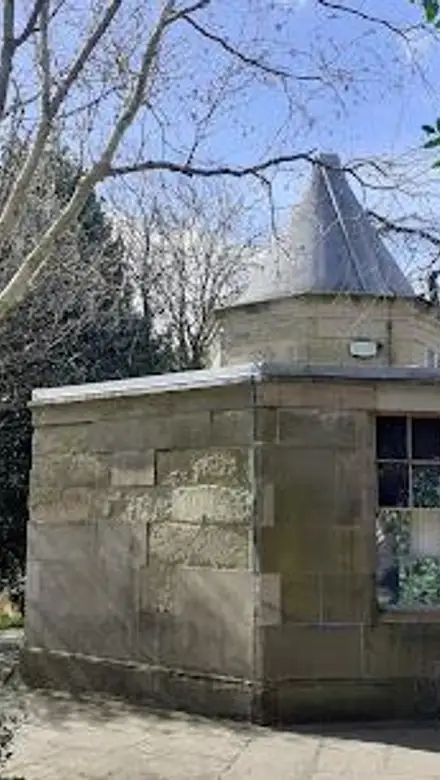
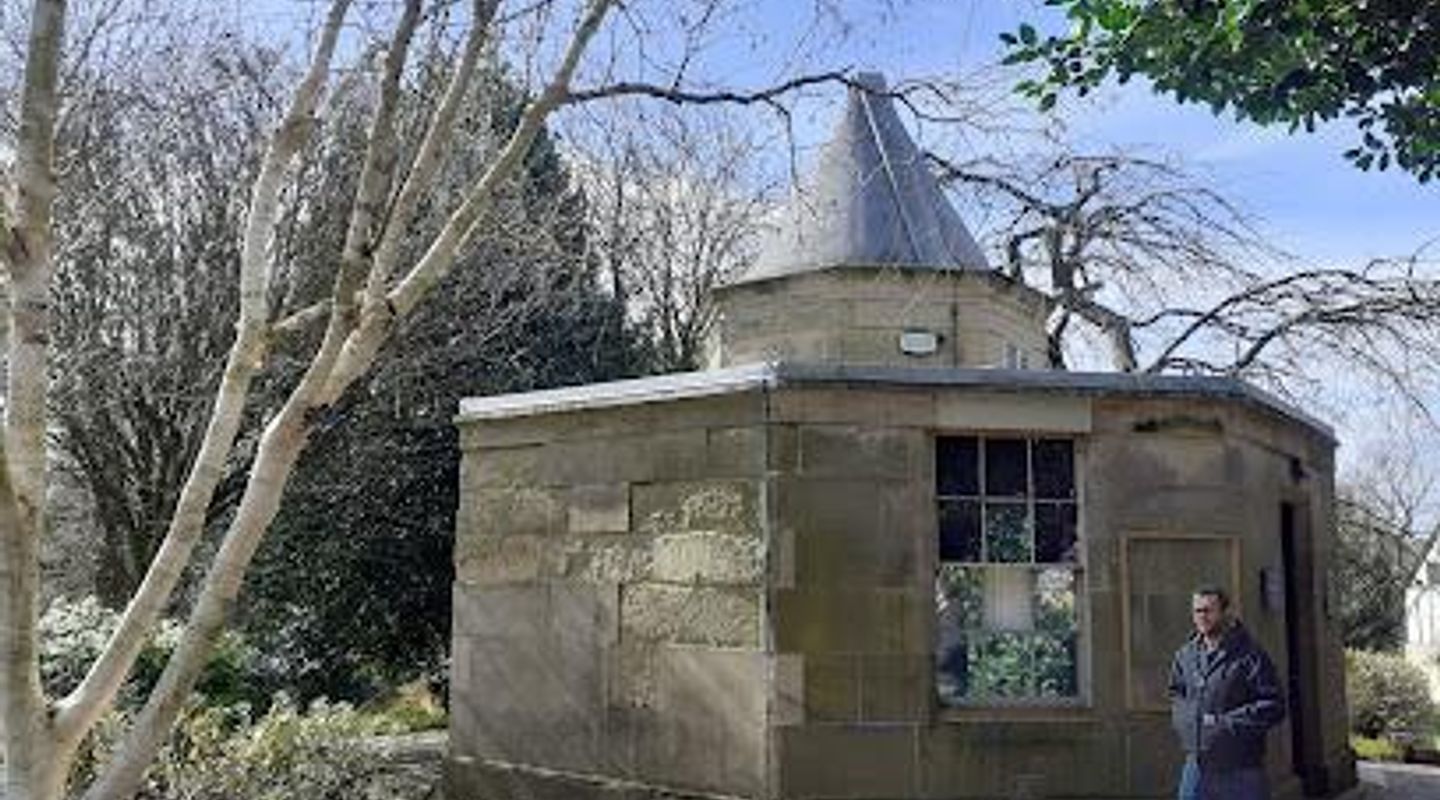
York Observatory, nestled within the scenic Museum Gardens in York, is Yorkshire’s oldest working observatory, built in 1832-33. It houses a historic 4-inch refractor telescope crafted by local maker Thomas Cooke in 1850 and an 1811 star-position clock that once set the time for all York clocks. The observatory offers rare public access during special open nights, providing a unique glimpse into astronomical history and celestial observation.
A brief summary to York Observatory
- Museum Gardens, York, YO30 7BH, GB
- Click to display
- Click to display
- Duration: 0.5 to 2 hours
- Budget
-
 Outdoor
- Mobile reception: 4 out of 5

Know before you go
Hi, I'm Eve. Here are a few practical things to know before exploring York Observatory.
- Check the official York Museum Gardens website for scheduled open nights, as the observatory is only accessible during special events.
- Dress warmly for evening visits, as open nights involve outdoor telescope viewing that can get chilly.
- Combine your visit with a stroll through Museum Gardens to enjoy the scenic setting and other historic features.
- Arrive early for open nights to secure a good spot and take advantage of guided tours by knowledgeable volunteers.
Do you manage this location?
Take control to get all the benefits, like improved information, better appearance, and stronger visibility across AI-powered discovery. Learn more about listing your business on Evendo
Activate your presenceOther nearby places you may find interesting
The closest places of the same kind, if this one is not quite what you had in mind.

Explore York Observatory on the Map
A handpicked selection of must-see spots near York Observatory, mapped for you.
Unlock the Best of York Observatory
Buy tickets
-
No tickets available
Book tours with entry
-
No tours available
Book tours without entry

Getting There
-
Bus
Take York’s local bus services to the city centre; from there, Museum Gardens are a 10-15 minute walk. Buses run frequently with tickets costing around £2-£4 one way.
-
Train and Walk
Arrive at York Railway Station, then enjoy a 10-15 minute walk along the River Ouse to Museum Gardens. The walk is mostly flat and accessible, with no entry fee to the gardens.
-
Car
Drive to central York and use nearby public parking facilities such as Marygate Car Park. Parking fees typically range from £3 to £10 depending on duration. Museum Gardens is a short walk from parking areas.
For the on-the-go comforts that matter to you
-
 Restrooms
-
 Seating Areas
-
 Information Boards
Discover more about York Observatory
A Historic Beacon of Astronomy in York
York Observatory stands as a distinguished landmark within the verdant Museum Gardens, embodying nearly two centuries of astronomical heritage. Constructed between 1832 and 1833, it holds the title of the oldest working observatory in Yorkshire. The building itself is a testament to 19th-century scientific ambition and craftsmanship, situated on a main footpath through the gardens, inviting visitors into a world where science and nature intertwine.Remarkable Instruments and Innovations
At the heart of the observatory is the 4-inch refractor telescope, a masterpiece built in 1850 by Thomas Cooke, a York-born instrument maker who later gained international acclaim for creating the world's largest telescope of his time. Installed in the observatory during a 1981 restoration, this telescope remains a focal point for astronomical observation. Complementing it is an 1811 clock that measures time based on stellar positions, historically used to set all other clocks in York. This clock is famously set four minutes and twenty seconds behind Greenwich Mean Time, a charming quirk rooted in its celestial calibration.Legacy of York’s Astronomical Pioneers
York’s rich astronomical tradition is further highlighted by figures such as John Goodricke and Edward Pigott, 18th-century astronomers who pioneered the study of variable stars. Their legacy is woven into the city’s scientific fabric, with Goodricke commemorated by a college at the University of York and Pigott recognized as the first Englishman to have a comet named after him. The observatory stands as a monument to these early contributions to the field of astronomy.Visitor Experience and Special Access
Public access to York Observatory is limited and typically available only during scheduled 'open nights' or special events, often held in the evenings. These sessions offer visitors the rare opportunity to peer through historic telescopes, guided by knowledgeable volunteers who share insights into celestial phenomena. While the observatory is not regularly open, these events are prized for their educational value and the chance to witness planets, stars, and other celestial wonders firsthand.Setting Within the Museum Gardens
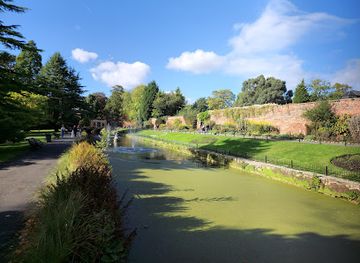
The observatory’s location within Museum Gardens enriches the visit, placing it amid a beautifully landscaped area beside the River Ouse. The gardens themselves are a blend of natural beauty and historical significance, featuring botanical collections and archaeological remains. This serene environment enhances the contemplative experience of stargazing and scientific discovery.Preservation and Community Engagement
Maintained by York Museums Trust, the observatory benefits from ongoing conservation efforts to preserve its historic instruments and structure. The dedicated team of volunteers and staff work to foster public interest in astronomy and heritage, ensuring that York Observatory remains a vibrant educational resource. Though currently temporarily closed, future open nights and events are anticipated to continue this tradition of community engagement and scientific exploration.












Your all‑in‑one travel companion app
Explore expert travel guides, compare and book tours, experiences, hotels, and more—all from the palm of your hand. Download now for seamless trip planning wherever your wanderlust takes you.


Explore More of Leeds

Looking beyond York Observatory? Discover Leeds for broader travel guides, local hot-spots, and regional highlights.
Explore Leeds
Explore Yorkshire’s rich history from prehistoric fossils to Viking treasures in York’s iconic Greek Revival museum nestled in tranquil gardens.
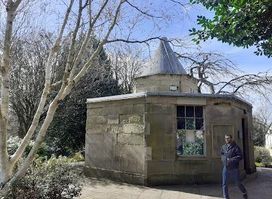
Explore Yorkshire’s oldest working observatory nestled in York’s scenic Museum Gardens, home to historic telescopes and star clocks.