

Bradgate House Travel Guide
Free Guide: Explore the haunting Tudor ruins of Bradgate House, childhood home of Lady Jane Grey, set within Leicestershire’s historic medieval deer park.


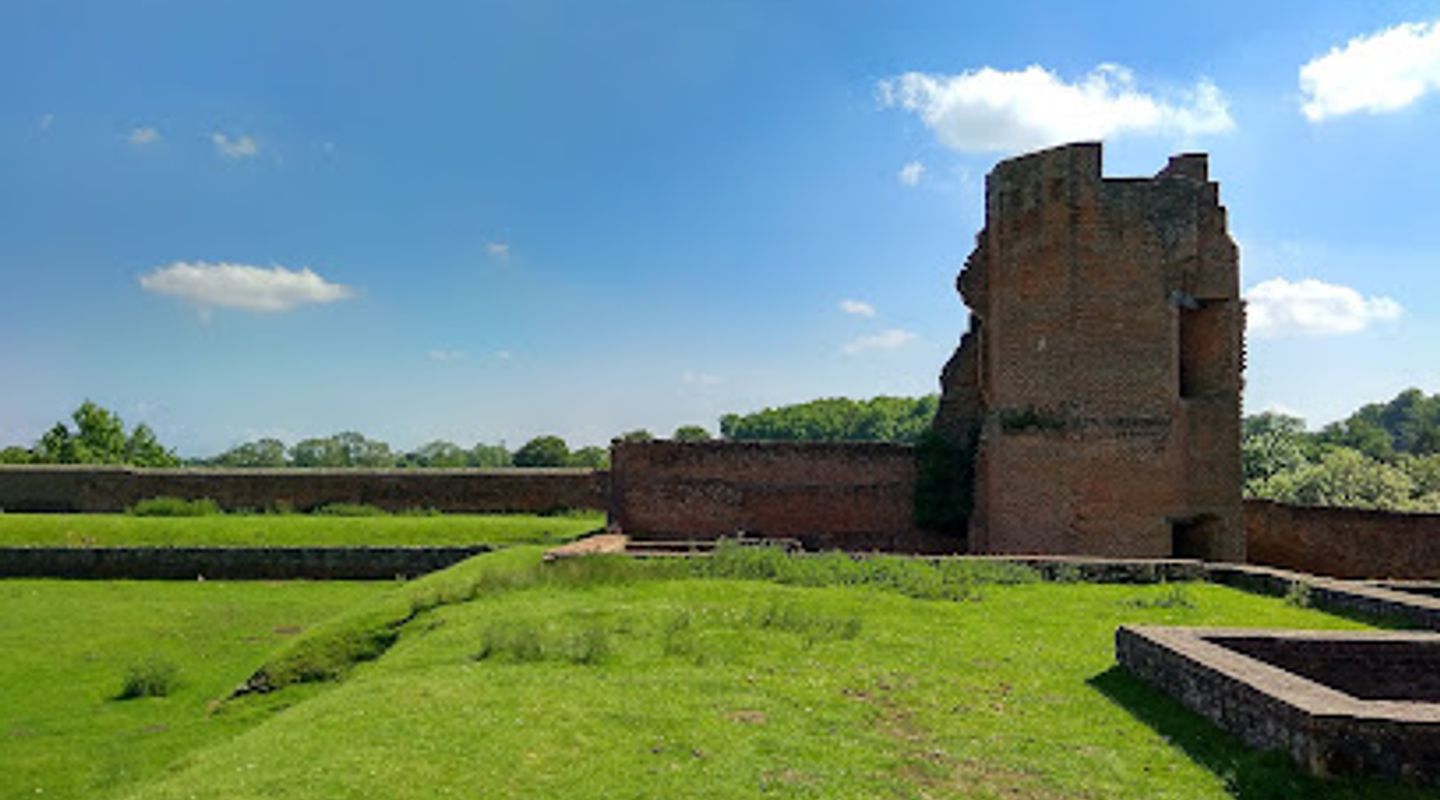
A brief summary of Bradgate House
Explore the haunting Tudor ruins of Bradgate House, childhood home of Lady Jane Grey, set within Leicestershire’s historic medieval deer park.
Bradgate House is the evocative 16th-century ruin nestled within Bradgate Park, Leicestershire, once the grand home of the Grey family and the childhood residence of Lady Jane Grey, England's 'Nine Day Queen.' Constructed between 1499 and 1520, it was among England’s earliest brick mansions, notable for its unfortified design. Though abandoned in the 18th century, its ruins remain a poignant historical landmark amid the medieval deer park’s natural beauty.
On-site amenities
 Restrooms
 Drink options
 Food options
 Seating areas
 Information boards
 Visitor centre
 Trash bins
Opening hours
- MonClosed
- TueClosed
- Wed11 am–4 pm
- ThuClosed
- FriClosed
- Sat11 am–4 pm
- Sun11 am–4 pm
Opening hours as listed on the venue’s Google Business Profile. Hours can change for services and special events, so check with the venue before you go.
- Address
- Newtown Linford, Leicester LE6 0HE
- Phone
- Website
Getting there
Bus
Car
Walking
Discover more about Bradgate House
The Tudor Origins and Architectural Significance
Bradgate House was begun in the late 15th century by Thomas Grey, 1st Marquess of Dorset, and completed by his son around 1520. It stands out historically as one of England’s first large brick-built mansions, notable for its unfortified design at a time when defensive features were common. The house featured a grand hall approximately eighty feet long, flanked by two wings; the east wing housed private family apartments and a chapel, while the west wing contained kitchens and servants’ quarters. Its design bore resemblance to Hampton Court, reflecting the Grey family’s wealth and status in Tudor society.
Lady Jane Grey’s Childhood and Historical Impact
Bradgate House is famously known as the childhood home of Lady Jane Grey, born here in 1537. Jane’s brief and tragic reign as Queen of England in 1553, lasting just nine days, is deeply tied to the house’s legacy. Raised under strict supervision within these walls, Jane’s life was marked by political intrigue and ambition, culminating in her execution at age 16. The house witnessed the rise and fall of the Grey family’s fortunes, including confiscation and restoration of the estate amid Tudor power struggles.
The Decline and Romantic Ruins
After nearly 250 years as the Grey family seat, Bradgate House was abandoned around 1739. Without maintenance, the mansion fell into ruin, accelerated by weathering and local removal of materials. Today, the evocative remains offer a romantic glimpse into Tudor architecture and aristocratic life. Visitors can explore the ruins set within Bradgate Park’s medieval deer park, surrounded by ancient oak trees and free-roaming deer, blending history with natural beauty.
Bradgate Park’s Natural and Cultural Setting
The house is located in Bradgate Park, a historic medieval deer park spanning over 830 acres. The park is a Site of Special Scientific Interest, renowned for its ancient woodland, geological significance including some of England’s oldest rocks, and rich wildlife such as red and fallow deer. The park also features landmarks like Old John Tower and a visitor centre that tells the story of the park’s natural and human heritage. Bradgate House’s ruins lie at the heart of this landscape, linking cultural history with the environment.
Preservation and Visitor Experience
Bradgate House is managed as a historical landmark open to the public, with access to the ruins free of charge. Archaeological investigations have enhanced understanding of the house’s layout and history, supported by grants for preservation. The site offers a unique opportunity to connect with Tudor history amid the tranquil and scenic surroundings of Bradgate Park. Interpretive signage and volunteer guides enrich the visitor experience, making it a compelling destination for history enthusiasts and nature lovers alike.
Legacy and Symbolism
Bradgate House symbolizes the ambitions and tragedies of Tudor nobility, particularly through its association with Lady Jane Grey. The ruins evoke themes of political upheaval, familial ambition, and the passage of time. As both a cultural heritage site and a natural haven, it continues to inspire reflection on England’s complex history and the enduring beauty of its landscapes.
Evendo Review Centre
 Google
Guest reviews
Best time to go
Quietest: Jan, Feb & Dec · before 6am or at 8pm
Busy times are Evendo estimates for a typical year, to help you plan. Actual crowds vary with events, school holidays and the weather.
Explore Bradgate House on the map
A handpicked selection of must-see spots near Bradgate House, mapped for you.
Get your free copy of our complete guide to Bradgate House, delivered straight to you.
Everything on this page, from opening hours and how to get there to Eve’s tips and the best time to go, in one PDF you can read offline, print or share.
Already have an account? Sign in
Your Bradgate House guide is ready.
We'll send it to · Not you? Sign out

Getting your guide ready…
We are putting together a fresh copy of the Bradgate House guide. This can take up to a minute.
This can take a few moments. If your browser asks, choose Allow so the download can start. You'll find the guide in your Downloads folder.
Nothing happened? Download it again
Sorry, the guide is taking longer than usual. Please try again in a minute, or get it by email instead.
Other nearby places you may find interesting
The closest places of the same kind, if this one is not quite what you had in mind.
-
-
-
-
-


Swipe for more places
More to explore near Bradgate House

 Best experiences near Bradgate House
 Best hotels near Bradgate House
 Best landmarks near Bradgate House
 Best attractions near Bradgate House
 Best shops near Bradgate House
 Best restaurants near Bradgate House
 Best bars near Bradgate House
Do you manage this location?
Take control to get all the benefits, like improved information, better appearance, and stronger visibility across AI-powered discovery.
Explore more

Explore more of Leicestershire
Discover Leicestershire: A captivating blend of history, nature, and culture in the heart of England, offering unique experiences for every traveler.
Explore Leicestershire
Explore more of United Kingdom
Discover the United Kingdom: A blend of rich history, stunning landscapes, and vibrant cities, offering a unique travel experience for every visitor.
Explore United Kingdom
