Altab Ali Park, London Travel Guide
A small Whitechapel memorial park where the former churchyard of St Mary Matfelon meets Bengali heritage, anti-racism remembrance, and local street life.
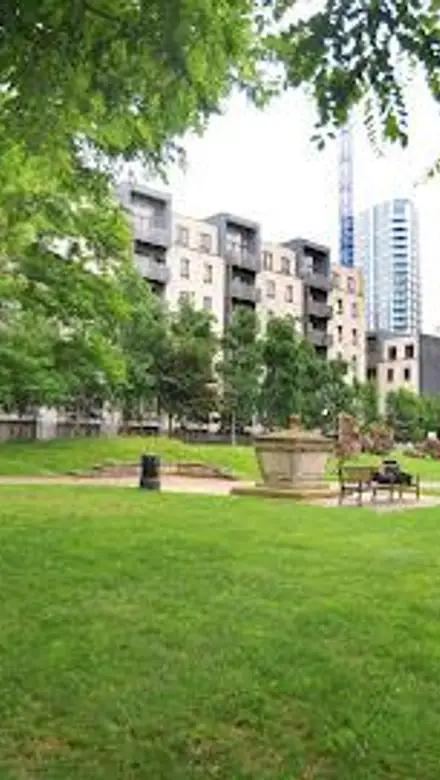
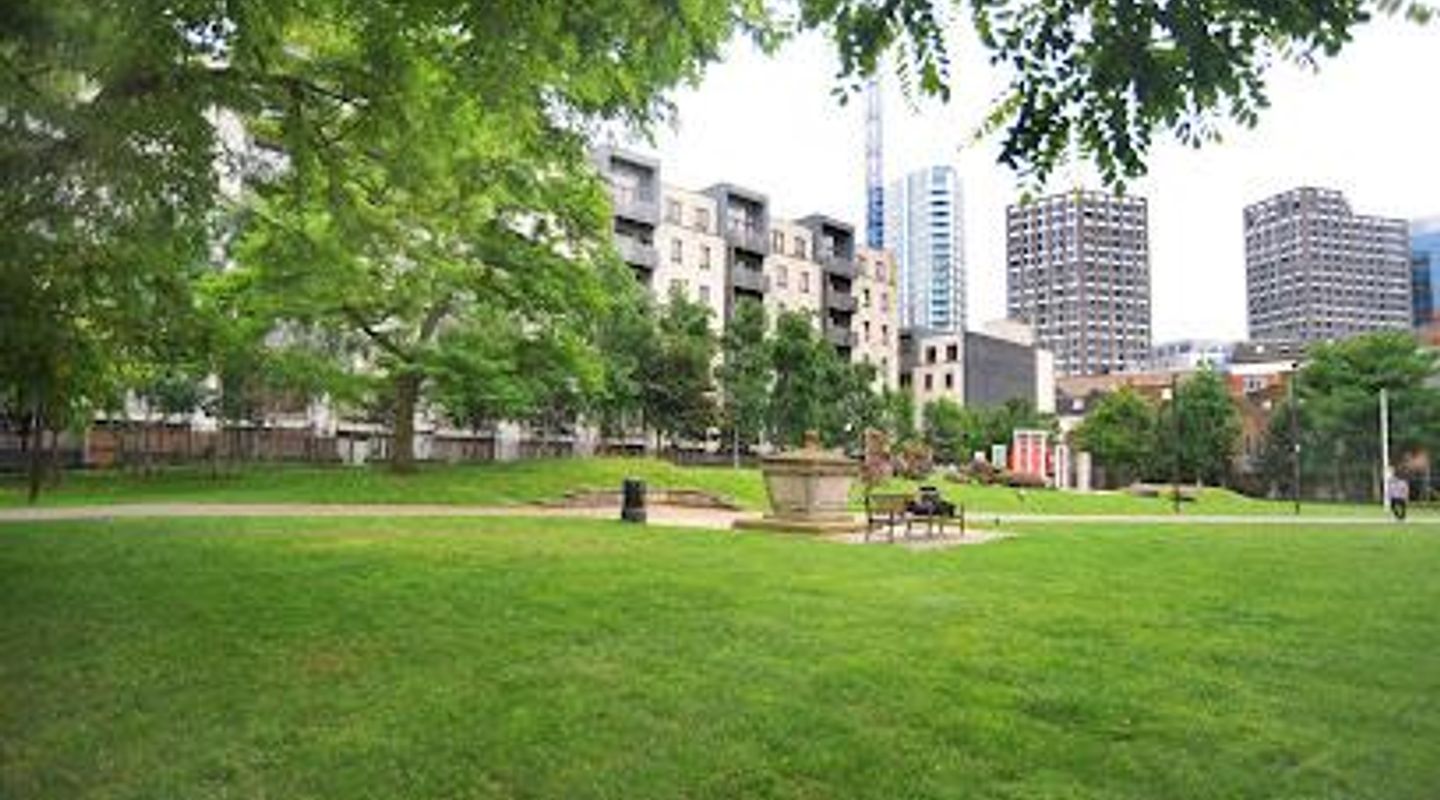
Altab Ali Park is a compact memorial park in Whitechapel, set on the former churchyard of St Mary Matfelon. It is less a destination park than a place to pause, read plaques, and trace East London’s layered history through the Shaheed Minar, the church floor plan, and memorials to Altab Ali and the Bengali Language Movement.
A brief summary to Altab Ali Park
- Adler St, London, E1 1FD, GB
- Click to display
- Click to display
- Duration: 0.2 to 1 hours
- Free
-
 Outdoor
- Mobile reception: 4 out of 5

Know before you go
Hi, I'm Eve. Here are a few practical things to know before exploring Altab Ali Park.
- Pair the park with a Whitechapel walk; it is compact and works best as part of a wider heritage route.
- Read the memorials slowly. The site’s meaning comes from its plaques, church traces, and the Shaheed Minar.
- Bring weather protection if you plan to linger; the park is open and exposed to street noise and wind.
Do you manage this location?
Take control to get all the benefits, like improved information, better appearance, and stronger visibility across AI-powered discovery. Learn more about listing your business on Evendo
Activate your presenceOther nearby places you may find interesting
The closest places of the same kind, if this one is not quite what you had in mind.


Explore Altab Ali Park on the Map
A handpicked selection of must-see spots near Altab Ali Park, mapped for you.
Unlock the Best of Altab Ali Park
Buy tickets
-
No tickets available
Book tours with entry


Book tours without entry
-
No tours available
Getting There
-
Tube
Aldgate East is the most practical Underground access point, usually a short walk away; journey time from central London is often around 15 to 30 minutes depending on where you start.
-
Bus
Local buses serving the Whitechapel and Aldgate East area include routes 25, 205, and 254, making the park easy to fold into an east London day out.
-
On foot
Walking from nearby Whitechapel or Aldgate East is straightforward and often the most natural way to arrive, since the park sits in a dense street grid.
-
Taxi or rideshare
A taxi or rideshare is simple in this part of London, though traffic and parking pressure make driving a less practical choice than public transport.
For the on-the-go comforts that matter to you
-
 Seating Areas
-
 Information Boards
Discover more about Altab Ali Park
What it is
Altab Ali Park is a small public park in Whitechapel, on Adler Street beside Whitechapel Road, and it works more as a memorial landscape than a leisure park. The site occupies the former churchyard of St Mary Matfelon, once the church that gave Whitechapel its name. What remains today is a compact, flat green space with traces of the old church floor plan, a few graves, and memorial features that give the park its purpose and character.The park is closely tied to East London’s Bangladeshi community and to anti-racism remembrance. It was renamed in 1998 for Altab Ali, a young Bangladeshi Sylheti clothing worker murdered nearby in 1978. The Shaheed Minar monument, linked to the Bengali Language Movement, is the park’s most recognisable feature and the main reason many visitors come.How a visit feels
A visit is usually brief and direct. You enter from a busy city street, step into a small pocket of green, and move along a simple layout that leads you past memorials, plaques, and the monument. There is little in the way of spectacle or long wandering. Instead, the park asks for a slower pace: read the inscriptions, take in the contrast between the quiet interior and the traffic outside, and spend a few minutes sitting on a bench.The atmosphere is reflective and local. It suits travellers who want to understand Whitechapel through memory, migration, and community identity rather than through grand architecture or scenic views. The park is also useful as a short break during a wider East London walk, especially if you are moving between Whitechapel, Aldgate East, and the surrounding streets.History and meaning
The site carries several layers of history in a very small footprint. St Mary Matfelon was a 14th-century church, and the churchyard later became public space. The church was heavily damaged in the Blitz in 1940, leaving only traces that can still be read in the park’s layout. That older religious history sits alongside a much more recent story of migration, labour, and political memory.Altab Ali Park is significant because it turns a modest patch of land into a public statement. It commemorates a murder that resonated across the local Bangladeshi community and marks Whitechapel as a place shaped by successive waves of settlement and struggle. For visitors, that makes the park more than a green shortcut: it is a small but pointed record of East London’s social history.Practical expectations
Expect a short stay rather than a full outing. The park is free to enter, easy to understand, and best approached on foot from nearby transport links. Seating is available, and there are play areas for children, but confirmed facilities are limited. It is a straightforward stop in dry, mild weather and a less comfortable place to linger in rain, wind, or winter cold. Most travellers spend 10 to 45 minutes here, longer only if they are following a heritage route through Whitechapel.












Your all‑in‑one travel companion app
Explore expert travel guides, compare and book tours, experiences, hotels, and more—all from the palm of your hand. Download now for seamless trip planning wherever your wanderlust takes you.


Explore More of London
Looking beyond Altab Ali Park? Discover London for broader travel guides, local hot-spots, and regional highlights.
Explore London
A compact Shoreditch passage inside the Old Truman Brewery, where warehouse brickwork, pop-ups, cafes, and event traffic shape a brisk urban stop.
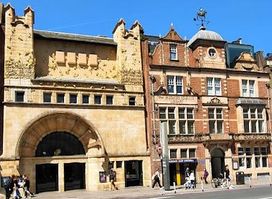
Discover cutting-edge contemporary art and historic masterpieces in East London’s iconic Whitechapel Gallery, a century-old cultural landmark.