

Foundling Museum, London Travel Guide
A compact Bloomsbury museum tracing the Foundling Hospital’s history through art, tokens and social history in a calm, reflective setting.
Set on Brunswick Square in Bloomsbury, the Foundling Museum turns a difficult chapter of London history into a compact, absorbing visit. It traces the story of the Foundling Hospital, founded in 1739 as Britain’s first children’s charity and first public art gallery, through tokens, portraits and carefully interpreted galleries. Expect a quiet, reflective museum rather than a high-energy attraction.
A brief summary to Foundling Museum
- 40 Brunswick Square, London, WC1N 1AZ, GB
- Click to display
- Click to display
- Duration: 0.75 to 4 hours
- Mid ranged
-
 Mixed
Mixed
- Mobile reception: 4 out of 5
- Tuesday 10 am-5 pm
- Wednesday 10 am-5 pm
- Thursday 10 am-5 pm
- Friday 10 am-5 pm
- Saturday 10 am-5 pm
- Sunday 11 am-5 pm

Know before you go
Hi, I'm Eve. Here are a few practical things to know before exploring Foundling Museum.
- Allow time to read the displays; the museum rewards slow looking more than a quick walk-through.
- Weekdays are usually quieter than weekends, especially in the afternoon.
- Use nearby Tube stations rather than driving; central London parking is limited and inconvenient.
Do you manage this location?
Take control to get all the benefits, like improved information, better appearance, and stronger visibility across AI-powered discovery. Learn more about listing your business on Evendo
Activate your presenceOther nearby places you may find interesting
The closest places of the same kind, if this one is not quite what you had in mind.

Explore Foundling Museum on the Map
A handpicked selection of must-see spots near Foundling Museum, mapped for you.
Unlock the Best of Foundling Museum
Buy tickets
-
No tickets available
Book tours with entry


Getting There
-
Tube
Russell Square is the closest station, with King’s Cross St Pancras and Euston also within a reasonable walk.
-
Bus
Several central London bus routes serve the Brunswick Square and Russell Square area, making it easy to combine with other Bloomsbury stops.
-
Cycle
Santander Cycles docking stations nearby make cycling practical for short central-London journeys.
-
Car
Driving is possible but not ideal; parking is limited and paid parking nearby is constrained by central London conditions.
For the on-the-go comforts that matter to you
-
 Restrooms
-
 Seating Areas
-
 Sheltered Areas
-
 Information Boards
Discover more about Foundling Museum
What it is
The Foundling Museum is a history and art museum devoted to the Foundling Hospital, the institution created in 1739 by Thomas Coram to care for abandoned and vulnerable children in London. It stands on the original site in Bloomsbury, in a 1930s building that incorporates architectural elements from the earlier hospital. The museum opened in 2004 and keeps the subject matter tightly focused: social history, philanthropy, childhood, and the art and music connected with the hospital.What the visit feels like
This is an indoor, self-guided museum where the pace is measured and the tone is serious. Visitors move through galleries of objects, documents and interpretation, often pausing to read rather than rushing from room to room. The collections include surviving tokens, artworks and material linked to the children and supporters of the hospital, so the experience is as much about individual lives as institutional history. It is a calm place, but not a light one: the emotional weight of the story is part of what gives the museum its force.Why travellers come
People come here for London social history at close range. The museum is especially rewarding if you are interested in the city’s charitable past, the history of childhood, or the relationship between art and institutions. It also suits travellers who prefer smaller museums with clear themes and time to read. You are unlikely to spend all day here, but you can easily lose an hour or two in the galleries if you stop to absorb the details. Guided tours and temporary events add variety, though the core visit remains compact and reflective.Setting and access
The museum sits in central Bloomsbury, a dense part of London with nearby transport and other cultural institutions. The setting is urban rather than scenic: Brunswick Square provides a little breathing space, but the experience is mainly architectural and gallery-based. Access is straightforward by Tube, bus or on foot from nearby stations, and the building is step-free to all floors via lift, with a ramp at the entrance. Toilets, accessible toilets, seating and large-print interpretation make it practical for a broad range of visitors.Practical expectations
Plan on a short to moderate visit. A quick look can be done in under an hour, while a more careful visit with reading and time in the collections usually takes around two hours. The museum is generally quiet on weekdays and busier at weekends, with school holidays and special events bringing the most noticeable crowds. It is a good choice in wet or cold weather, since the whole experience is indoors and sheltered. If you want a museum that is compact, thoughtful and historically specific, this one delivers that without excess scale or noise.












Your all‑in‑one travel companion app
Explore expert travel guides, compare and book tours, experiences, hotels, and more—all from the palm of your hand. Download now for seamless trip planning wherever your wanderlust takes you.


Explore More of London
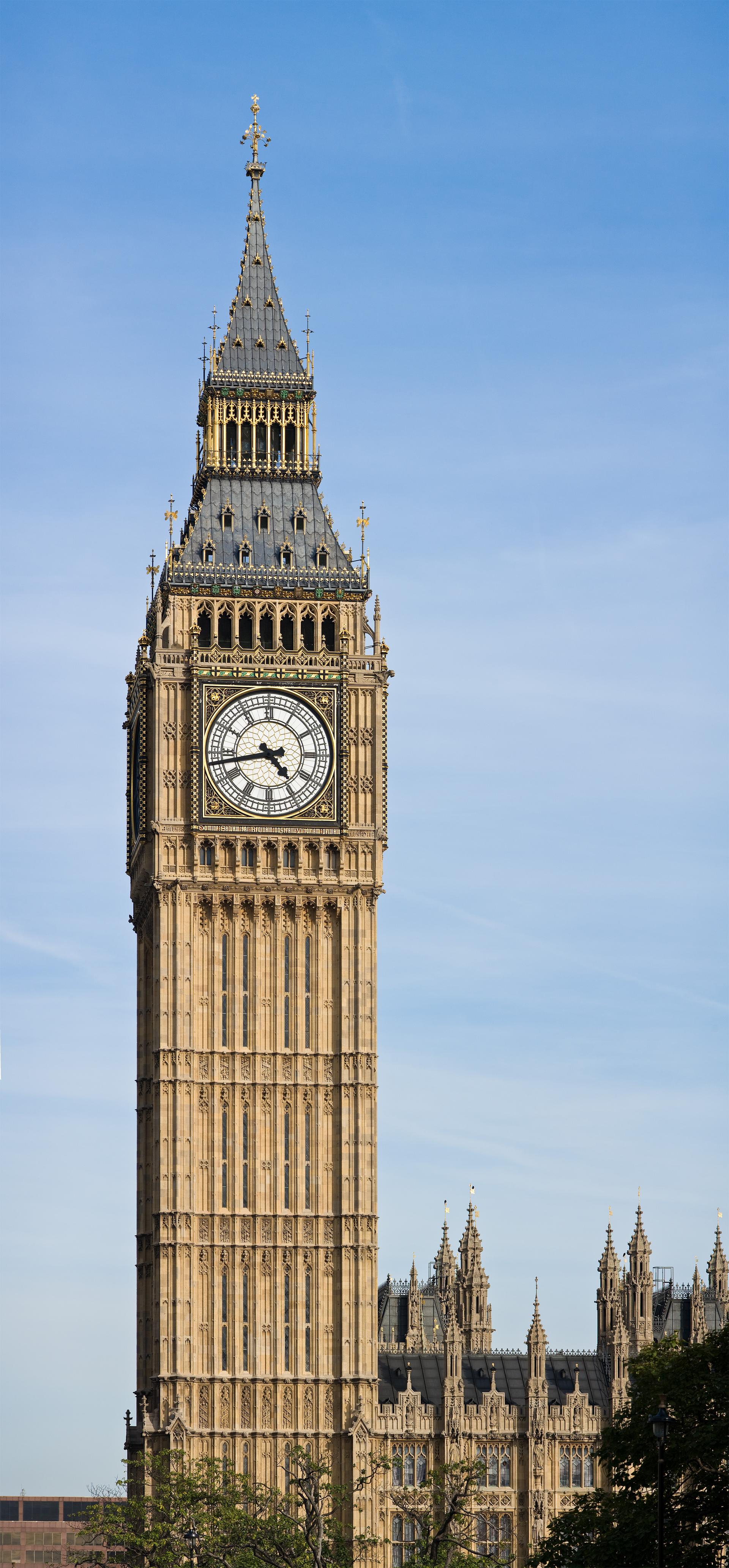
Looking beyond Foundling Museum? Discover London for broader travel guides, local hot-spots, and regional highlights.
Explore London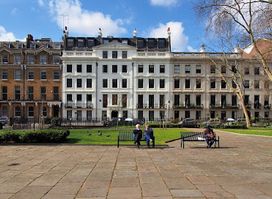
Discover Bloomsbury Square Garden, London's serene historic square blending 17th-century heritage with tranquil green space in the heart of Bloomsbury.

A compact Georgian garden square in Bloomsbury, Brunswick Square Gardens offers benches, mature trees, and a quiet break from central London streets.
