
Lincoln's Inn Fields, London Travel Guide
A broad Georgian-era garden square in Holborn, used for lunch breaks, short walks and quiet pauses beside London’s legal district.
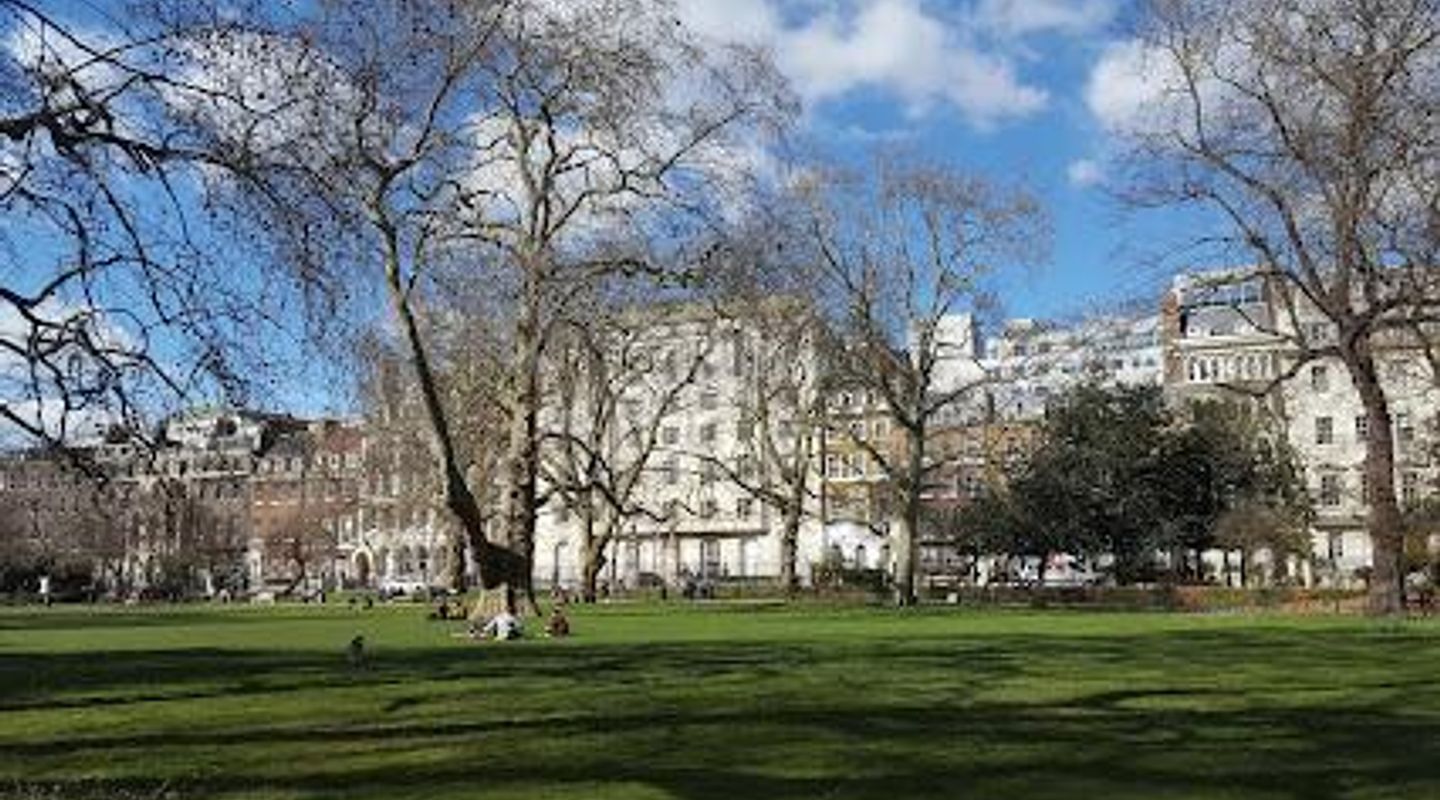
Lincoln’s Inn Fields is a broad, formal green square in Holborn, set among legal chambers, offices and museums. It is less a destination than a pause point: a place to cross, sit, read, eat lunch or reset between central London appointments. The lawns, trees and perimeter paths give it a calm, civic feel that changes noticeably with the weather and the time of day.
A brief summary to Lincoln's Inn Fields
- London, GB
- Duration: 0.25 to 3 hours
- Free
-
 Outdoor
- Mobile reception: 5 out of 5

Know before you go
Hi, I'm Eve. Here are a few practical things to know before exploring Lincoln's Inn Fields.
- Visit in mild, dry weather if you want the lawns and benches to feel inviting; rain and wind reduce the appeal quickly.
- Treat it as a short stop rather than a full attraction; most visits are best measured in minutes, not hours.
- Combine it with nearby Holborn, Temple or Chancery Lane sights to make the walk feel worthwhile.
Do you manage this location?
Take control to get all the benefits, like improved information, better appearance, and stronger visibility across AI-powered discovery. Learn more about listing your business on Evendo
Activate your presenceOther nearby places you may find interesting
The closest places of the same kind, if this one is not quite what you had in mind.


Explore Lincoln's Inn Fields on the Map
A handpicked selection of must-see spots near Lincoln's Inn Fields, mapped for you.
Unlock the Best of Lincoln's Inn Fields
Buy tickets
-
No tickets available
Book tours with entry


Book tours without entry

Getting There
-
Underground
Use nearby Holborn, Temple or Chancery Lane stations, then walk a short distance; this is the most practical option for central London visitors.
-
On foot
If you are already in Holborn, Covent Garden, Temple or Bloomsbury, walking is often quicker than changing transport.
-
Taxi or rideshare
Possible, but rarely necessary in this part of London because traffic, parking limits and short distances reduce the advantage.
For the on-the-go comforts that matter to you
-
 Seating Areas
-
 Trash Bins
-
 Information Boards
Discover more about Lincoln's Inn Fields
What it is
Lincoln’s Inn Fields is a large public garden square in central London, long associated with the legal quarter around Lincoln’s Inn. It is widely regarded as the city’s largest garden square, and its identity is shaped more by open civic space than by a single monument. The park is flat, formal and easy to read at a glance: lawns in the middle, paths around the edge, trees softening the hard lines of the surrounding streets and buildings.How it feels on the ground
The atmosphere is measured and local rather than touristy. On a weekday you are likely to see office workers eating lunch, students cutting across the square, residents walking dogs, and visitors using the grass or benches for a short break. It is a place for lingering if the weather is kind, but most visits are brief and self-directed. The appeal lies in the contrast between open green space and the dense, stone-and-brick city around it. It feels orderly, quiet and slightly detached from the traffic and noise just beyond the perimeter.History and setting
The square has a long history as open ground in Holborn, later formalised into landscaped public space. Its past is tied to the Inns of Court and to the legal and academic institutions nearby, and older uses of the land included walking, sport and other public gatherings. That layered history is part of the interest, even if the park itself is not a museum-like site. What you experience now is a piece of central London that still functions as shared civic ground, framed by heritage buildings and a professional district that remains active throughout the week.What to do during a visit
Most travellers come here to walk the perimeter, sit for a while, or use it as a quiet break between nearby museums, courts, universities and offices. It works well for a low-cost lunch stop, a short photowalk, or a slower moment with a book. The lawns and tree cover make it more appealing in mild weather, while rain and wind quickly turn it into a place to pass through rather than stay. There are no major indoor facilities inside the square, so expectations should stay simple: open air, benches, grass, and a steady urban rhythm rather than a full attraction programme.Practical expectations
Lincoln’s Inn Fields is easy to reach from central London and best treated as a flexible stop rather than a scheduled half-day outing. A quick visit may take 15 to 30 minutes; a more relaxed pause can stretch to an hour or more if you are sitting, reading or meeting someone. The square is most pleasant in dry, mild weather and during daylight. It suits travellers who like urban green spaces, historic neighbourhoods and places that reveal London through everyday use rather than spectacle.












Your all‑in‑one travel companion app
Explore expert travel guides, compare and book tours, experiences, hotels, and more—all from the palm of your hand. Download now for seamless trip planning wherever your wanderlust takes you.


Explore More of London
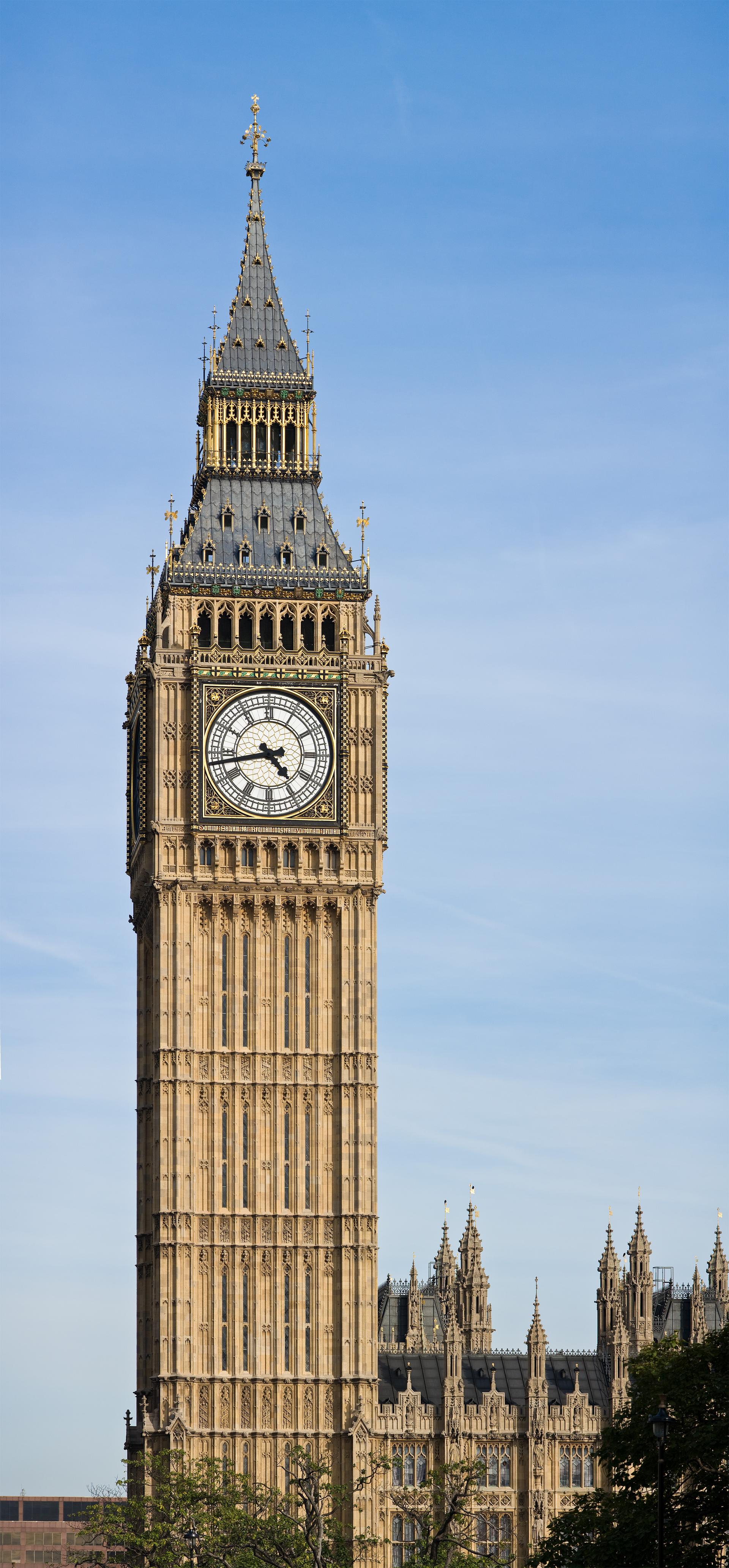
Looking beyond Lincoln's Inn Fields? Discover London for broader travel guides, local hot-spots, and regional highlights.
Explore London
Discover the historic charm of The Old Bank of England, a premier pub in London, offering delicious food, local brews, and a vibrant atmosphere.

A compact London house museum where Soane’s preserved rooms, antiquities and architectural fragments create one of the city’s most distinctive interiors.
