
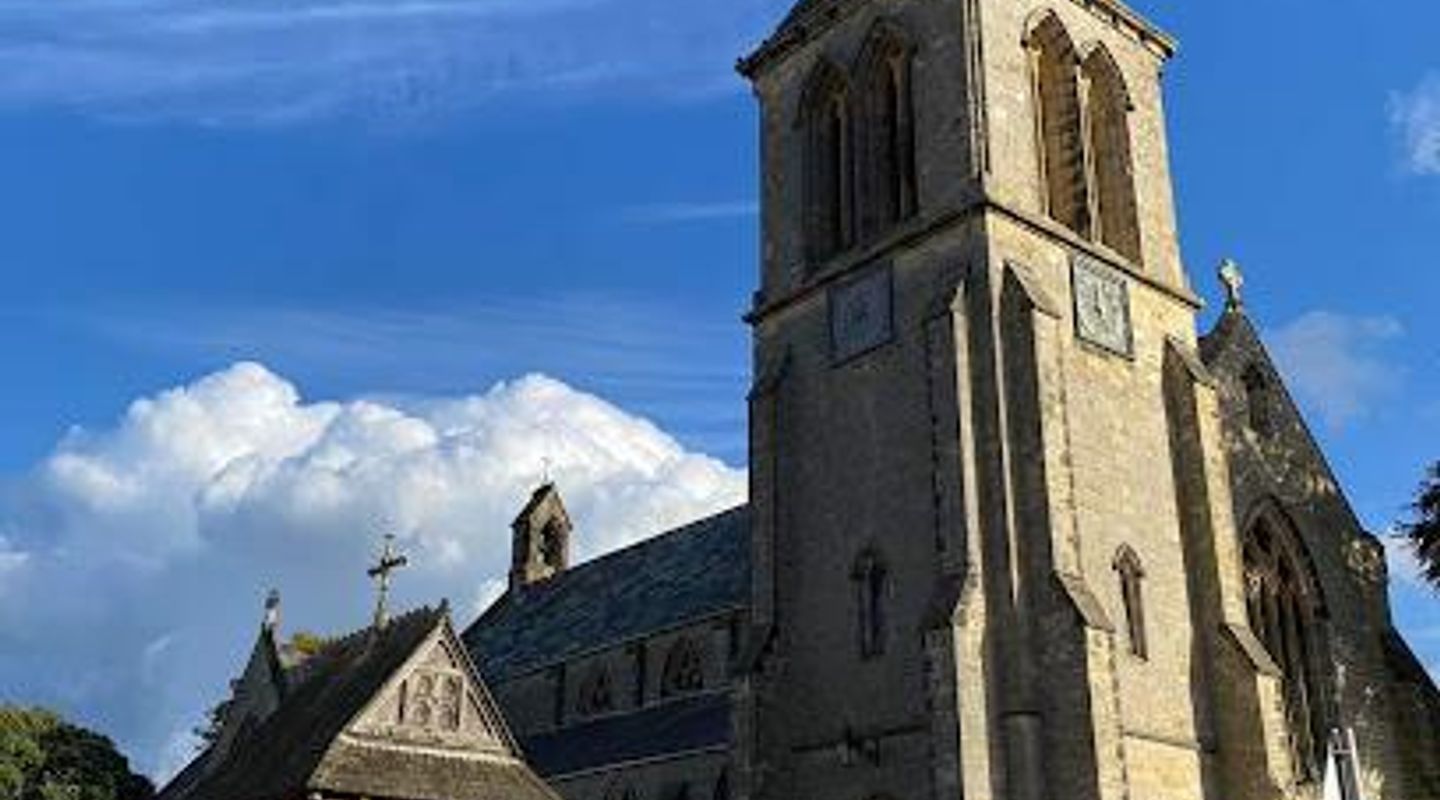
Trinity Church Square, London Travel Guide
A compact Georgian square in Bermondsey, where brick terraces, railings, and a converted church create one of south London’s quieter heritage walks.
Trinity Church Square is a compact Georgian garden square in Bermondsey, framed by early 19th-century terraces and a former church now used as Henry Wood Hall. It is less a sightseeing stop than a quiet urban composition: brick façades, railings, trees, and a formal central space that rewards slow walking and photography. Expect a short, low-key visit with a strong conservation-area feel.
A brief summary to Trinity Church Square
- London, GB
- Duration: 0.25 to 3 hours
- Free
-
 Outdoor
- Mobile reception: 4 out of 5

Know before you go
Hi, I'm Eve. Here are a few practical things to know before exploring Trinity Church Square.
- Treat it as a short heritage stop rather than a full attraction; the main reward is the square’s Georgian composition and calm atmosphere.
- Visit in dry, bright weather if you want the terraces, trees, and central building to photograph well.
- Combine it with a Bermondsey or Southwark walk, since the square itself offers limited facilities and little to do beyond looking around.
Do you manage this location?
Take control to get all the benefits, like improved information, better appearance, and stronger visibility across AI-powered discovery. Learn more about listing your business on Evendo
Activate your presenceOther nearby places you may find interesting
The closest places of the same kind, if this one is not quite what you had in mind.

Explore Trinity Church Square on the Map
A handpicked selection of must-see spots near Trinity Church Square, mapped for you.
Unlock the Best of Trinity Church Square
Buy tickets
-
No tickets available
Book tours with entry

Book tours without entry
-
No tours available
Getting There
-
Public transport
Use nearby Underground or rail stations in the Bermondsey, Southwark, Borough, or London Bridge area, then walk roughly 10 to 20 minutes depending on your starting point.
-
Walking
A walking approach works well if you are already exploring Southwark or Bermondsey; from central London it is a long urban walk rather than the most efficient option.
-
Taxi or rideshare
Useful for door-to-door access or reduced mobility, though local traffic and limited stopping space can affect convenience.
-
Cycling
Feasible for confident cyclists using London’s cycle network, but there is no dedicated visitor cycling setup at the square itself.
For the on-the-go comforts that matter to you
-
 Seating Areas
-
 Trash Bins
-
 Information Boards
Discover more about Trinity Church Square
What it is
Trinity Church Square is a Georgian garden square in Bermondsey, in south London, best approached as a heritage neighbourhood rather than a standalone attraction. Its character comes from the early 19th-century square plan, the surrounding terraces, and the central former Holy Trinity Church, now Henry Wood Hall. The result is a compact, orderly piece of historic London fabric, shaped more by architecture and conservation than by visitor infrastructure.Atmosphere and setting
The square feels enclosed and residential, with low-rise terraces, brick façades, railings, and mature trees creating a measured, almost formal calm. It is an outdoor urban space, but one with a distinctly composed quality: symmetry, repetition, and a clear focal point at the centre. Compared with the busier streets nearby, it feels subdued and self-contained. The appeal is not drama or scale, but the way the square holds together as a coherent Georgian ensemble.What visitors actually do
Most people come here to walk through, take photographs, and pause briefly to look at the terraces and the converted church building. It suits travellers who like architecture, conservation areas, and quiet city spaces. Visits are usually short: a quick circuit, a few photos, perhaps a bench stop if one is available, then on to a wider Bermondsey or Southwark walk. There is little in the way of on-site activity, so the experience depends on observation rather than entertainment.History and context
The square sits within the Trinity Church Square Conservation Area, reflecting a planned urban development from the early 19th century. The church at its centre has a layered history: originally a Catholic mission and later a church in the square, it now serves as Henry Wood Hall, a rehearsal and recording venue for orchestral music. That shift from religious use to cultural function gives the square an added sense of continuity, even though its significance is architectural rather than monumental.Practical expectations
This is a low-cost stop with limited facilities. Do not expect ticketing, staffed services, or a full set of visitor amenities. The square is best visited in mild, dry weather, when the brickwork, trees, and proportions read clearly and the walk feels comfortable. Public transport is the sensible way in, with a short walk from nearby stations in the Bermondsey, Southwark, Borough, or London Bridge area. For most travellers, Trinity Church Square works best as a quiet interlude within a broader south London itinerary.












Your all‑in‑one travel companion app
Explore expert travel guides, compare and book tours, experiences, hotels, and more—all from the palm of your hand. Download now for seamless trip planning wherever your wanderlust takes you.


Explore More of London
Looking beyond Trinity Church Square? Discover London for broader travel guides, local hot-spots, and regional highlights.
Explore London
A reconstructed Elizabethan theatre on Bankside, where guided tours, live Shakespeare, and the open-air yard bring literary history into central London.
A Georgian parish church on Borough High Street, where medieval parish history, wartime restoration and Dickens-era Southwark meet in a quiet interior.
