

St George the Martyr, Southwark: A Historic Georgian Church in London
Discover St George the Martyr, a historic Georgian church in Southwark with over 900 years of rich history and architectural heritage.
St George the Martyr, located on Borough High Street in London, is a Grade II* listed Anglican church with origins dating back to 1122. The current Georgian building, designed by John Price and completed in 1736, stands as one of the oldest dedications to St George in England. Rich in history, it features an ornate ceiling by Basil Champneys and survived extensive WWII bomb damage, with restorations preserving its heritage and community role.
A brief summary to St George the Martyr, Southwark
- Borough High St, London, SE1 1JA, GB
- +442073577331
- Visit website
- Duration: 0.5 to 1.5 hours
- Free
-
 Indoor
- Mobile reception: 5 out of 5
- Monday 9 am-5 pm
- Tuesday 9 am-5 pm
- Wednesday 9 am-5 pm
- Thursday 9 am-5 pm
- Friday 9 am-5 pm
Local tips
- Visit on weekdays between 9am and 5pm to experience the church's peaceful atmosphere and view its historic interior.
- Look for the stained glass east window featuring a small image of Little Dorrit, linking the church to Charles Dickens.
- Take time to admire the ornate ceiling designed by Basil Champneys, restored after WWII bomb damage.
- Explore the churchyard area, historically used as a burial ground for prisoners from the nearby Marshalsea prison.

For the on-the-go comforts that matter to you
- Restrooms
- Seating Areas
- Information Boards
Getting There
-
London Underground
Take the Northern Line to Borough station, approximately a 10-15 minute walk from the church. The station is well-served with frequent trains, and walking routes are accessible but include some street crossings.
-
Bus
Bus routes 21, 35, 133, and 343 stop near Borough High Street. Journey times vary from 20 to 40 minutes depending on traffic. Buses run regularly throughout the day, but check schedules for evening services.
-
Taxi or Ride-Hailing
Taxis and ride-hailing services provide direct access to Borough High Street. Travel time from central London is typically 15-25 minutes depending on traffic, with fares ranging from £8 to £15.
-
Walking
From London Bridge station, it is a 15-20 minute walk along well-paved urban streets. The route is flat and suitable for most visitors, offering views of the historic Borough area.
St George the Martyr, Southwark location weather suitability
-
 Any Weather
-
 Rain / Wet Weather
-
 Clear Skies
-
 Mild Temperatures
Discover more about St George the Martyr, Southwark
Ancient Origins and Early History
St George the Martyr's roots trace back over nine centuries, with the first recorded church on this site dating to 1122 under the patronage of Bermondsey Abbey. Its dedication to St George is notably one of the earliest in England, marking it as a rare and significant ecclesiastical landmark. The medieval church is depicted in Wyngaerde’s 1544 panorama of London, though little of the original structure remains today beyond some 16th and 17th-century silverware and burial markers from the early 1600s.Georgian Rebuilding and Architectural Features
By the early 18th century, the medieval church had fallen into ruin, prompting a complete rebuild between 1734 and 1736. Architect John Price designed the new church in a classical Georgian style, characterized by red brick complemented with Portland stone pediments, string courses, and dressings. This design remains largely intact and has earned the church its Grade II* listing, reflecting its national historic and architectural importance. The interior saw alterations in 1808, including the installation of box pews, and the galleries were modified to enhance the worship space.Artistic Enhancements and War-time Restoration
A highlight of the church’s interior is the ornate ceiling designed by Basil Champneys in 1897, which replaced the original plainer 18th-century ceiling. This ceiling suffered severe damage during the Second World War bombing raids, necessitating extensive restoration work completed in the early 1950s. The church’s stained glass windows, except for the St George window installed in 1933, were destroyed during the war and replaced post-war, including the east window designed by Marion Grant in 1951.Literary Connections and Community Role
St George the Martyr holds a special place in London’s cultural history, notably featuring in Charles Dickens’s novel "Little Dorrit." Dickens’s father was imprisoned nearby in Marshalsea prison, and the churchyard served as a burial ground for debtors from this prison. The church remains an active place of worship and community hub, serving both local residents and the surrounding institutions of London’s Knowledge Quarter.Preservation Challenges and Ongoing Care
Despite its historical significance and continued use, St George the Martyr faces challenges typical of an 18th-century building, including aging infrastructure and the need for ongoing restoration. It is currently listed on the Heritage “At Risk” register, with efforts focused on securing funding and support to preserve the church for future generations. The congregation and local community remain dedicated to maintaining the church’s role as a sanctuary of peace and historical continuity amid the bustling city.Setting and Atmosphere Today
Nestled on Borough High Street, the church offers a tranquil contrast to the vibrant urban surroundings. Its classical Georgian façade and serene interior invite reflection and admiration, while the echoes of centuries of worship and community life resonate within its walls. Visitors can appreciate not only the architectural beauty but also the deep historical layers that make St George the Martyr a unique and enduring London landmark.Iconic landmarks you can’t miss

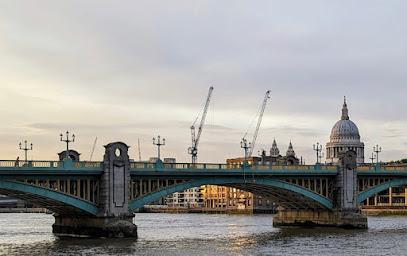
Southwark Bridge
0.9 km
A graceful steel-arched Thames crossing with a rich history, distinctive green-and-yellow detailing, and a key role in London’s illuminated river landscape.
Historic England
1.1 km
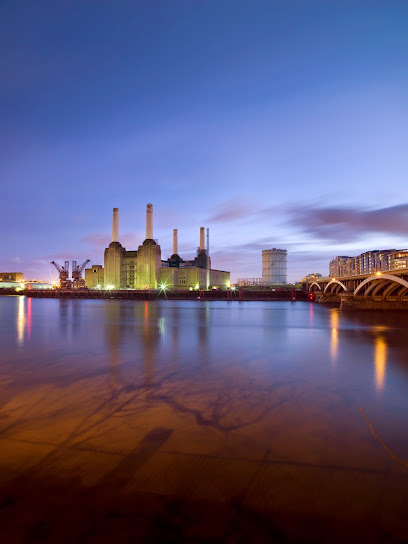
Discover the rich tapestry of England's history at Historic England, a key organization dedicated to preserving the nation’s architectural treasures.
Monument to the Great Fire of London
1.1 km
An iconic Doric column commemorating the Great Fire of London, offering panoramic city views from its historic 311-step climb.

St Michael's Church : Paternoster Royal
1.1 km
Historic Anglican church on College Hill, rebuilt by Wren and linked to Dick Whittington, featuring stunning stained glass and a Hawksmoor spire.

Custom House
1.1 km
Historic Custom House on London’s Thames waterfront, a grand 19th-century customs hub echoing centuries of maritime trade and empire.
London Stone (remaining part)
1.2 km
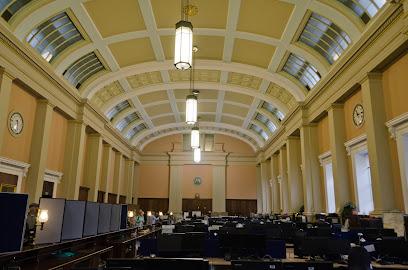
Discover London Stone, the ancient and mysterious limestone relic at 111 Cannon Street, a symbol of London's enduring history and legend.

113 Cannon St
1.2 km
A distinguished Grade II listed classical building in London’s financial district, showcasing early 20th-century architectural elegance.
Philpot Lane Mice Sculpture
1.2 km
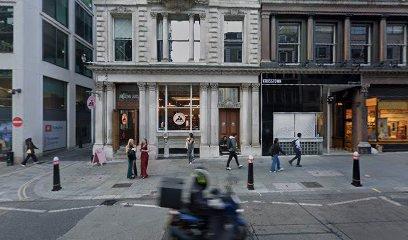
Discover London’s tiniest public sculpture—two bronze mice locked in a timeless tussle over cheese, steeped in legend and Victorian charm.
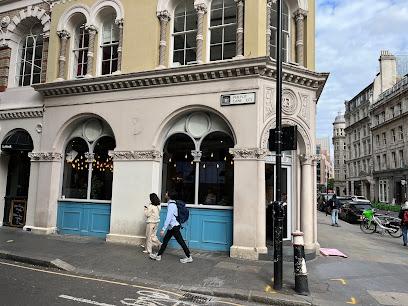
Blackfriars Bridge
1.2 km
Historic and widest Thames crossing in London, blending Victorian engineering with medieval heritage and stunning river views.
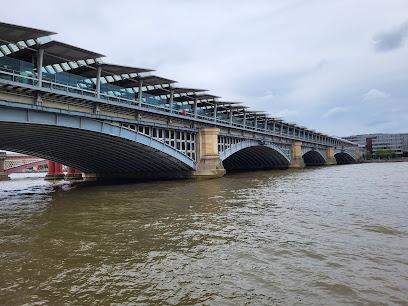
City of London
1.2 km
Experience the captivating blend of history and modernity in the City of London, where iconic landmarks meet vibrant culture and culinary delights.
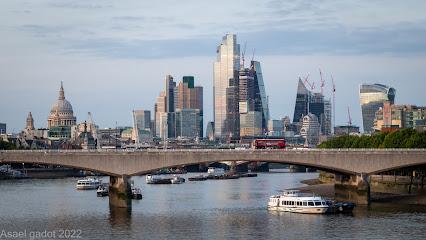
St Margaret Pattens Eastcheap
1.3 km
Medieval guild church with Wren's only 'true spire'—a 950-year sanctuary in the City's financial heart.
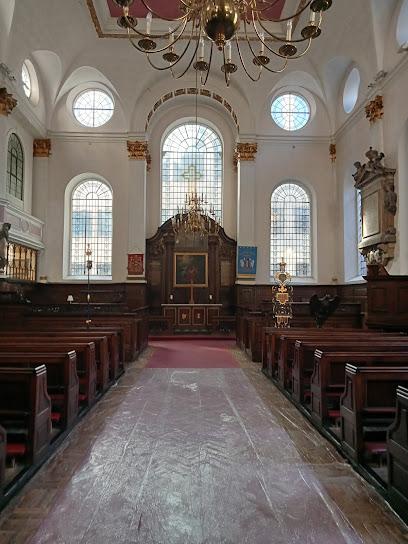
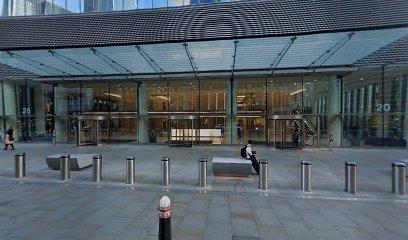
20 Fenchurch St
1.3 km
Iconic London skyscraper with a unique top-heavy design, featuring the Sky Garden — a free public rooftop oasis with panoramic city views and dining.
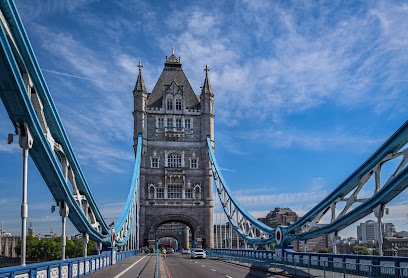
Tower Bridge
1.3 km
Experience the grandeur of Tower Bridge, a Victorian marvel combining stunning architecture and engineering, offering breathtaking views of London's skyline.
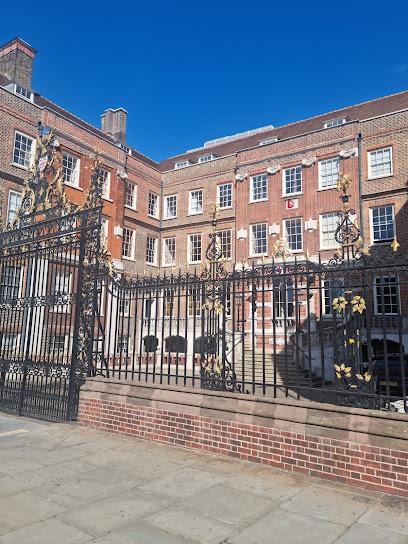
College of Arms
1.3 km
Discover the College of Arms: A Historic Icon of British Heraldry in the Heart of London, Showcasing Art and Tradition.
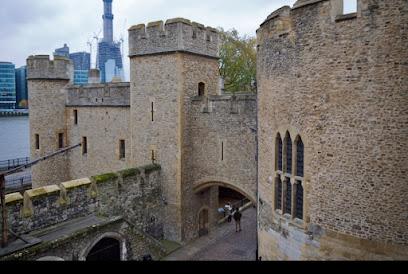
Wakefield Tower
1.3 km
Medieval royal tower steeped in 13th-century splendor and tragic history within the Tower of London.
Unmissable attractions to see

Red Cross Garden
0.2 km
A historic Victorian pocket park in Southwark offering tranquil green space, heritage cottages, and a wildlife pond in the heart of London.

Trinity Church Square
0.3 km
Tranquil historic garden square in London with a Roman-rooted statue and a classical music rehearsal church at its heart.
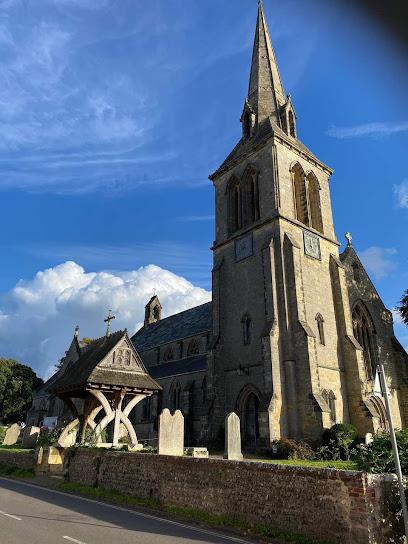
Crossbones Graveyard & Garden of Remembrance
0.3 km
A poignant garden and memorial in London honoring the outcast dead, transforming a forgotten paupers’ graveyard into a place of remembrance and community.

George
0.4 km
Step into London’s last galleried coaching inn, The George, where centuries of history meet traditional pub charm in a unique Southwark setting.
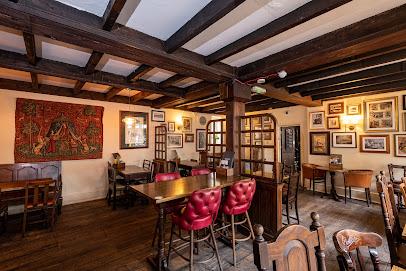
Menier Chocolate Factory
0.4 km
Experience cutting-edge theatre in a historic 19th-century chocolate factory with intimate performances and rich industrial charm in Southwark, London.
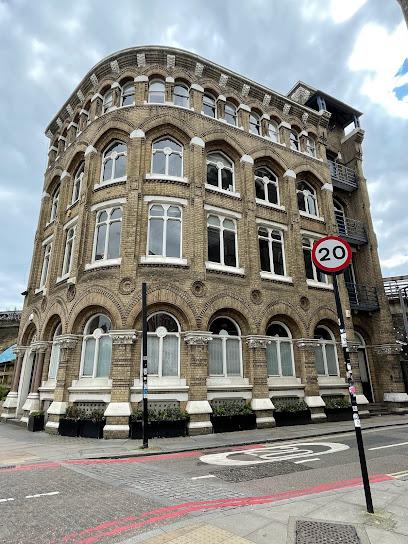
Borough Market
0.5 km
Discover Borough Market, London's historic food haven blending ancient tradition with vibrant culinary delights near London Bridge.
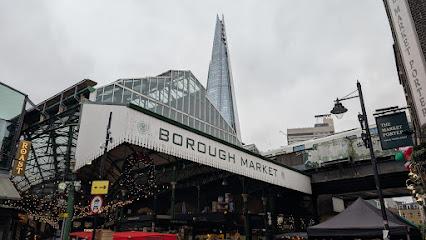
Borough Yards
0.5 km
Discover Borough Yards, London’s vibrant fusion of historic railway arches and contemporary shopping, dining, and cultural experiences.
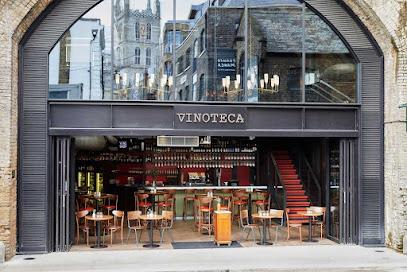
The Old Operating Theatre Museum and Herb Garret
0.5 km
Step into Europe’s oldest surviving surgical theatre, hidden in a church attic, and explore the raw, pre-anaesthetic world of 19th-century surgery and herbal medicine.
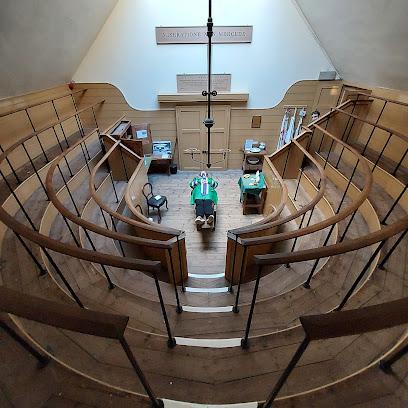
Mercato Metropolitano
0.5 km
London’s first sustainable community food market, where global street food, craft drinks, and live culture meet in a converted paper factory.
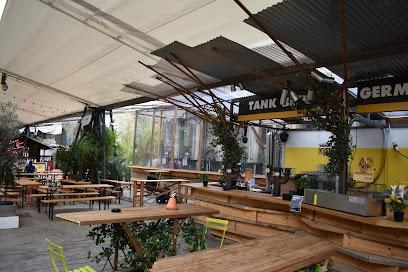
Lantern Ghost Tours
0.5 km
Discover London’s haunted past with Lantern Ghost Tours, blending history, ghost stories, and atmospheric pub stops near London Bridge.
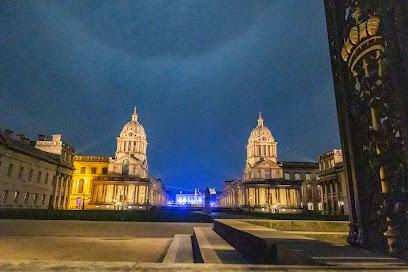
The View from The Shard
0.5 km
Experience London’s highest panoramic views from the iconic glass spire of The Shard, with stunning 360-degree vistas and luxury amenities.
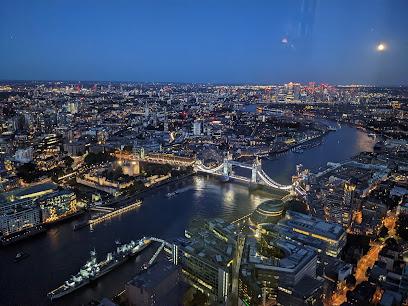
The Shard
0.6 km
Experience breathtaking views of London from The Shard, the tallest building in the UK, where modern architecture meets stunning landscapes.
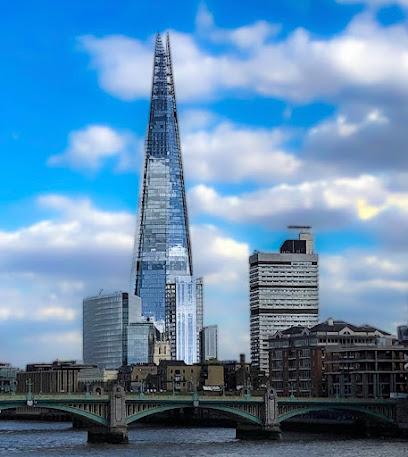
Southwark Cathedral
0.6 km
Discover Southwark Cathedral’s rich history, stunning Gothic architecture, and cultural ties in the heart of London’s historic South Bank.
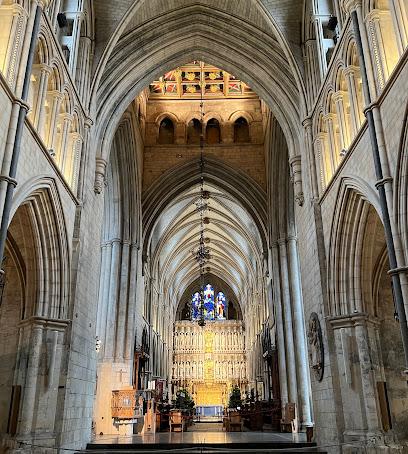
St Mary Overie's Dock
0.6 km
Historic Thames dock in London’s Southwark, home to the Golden Hinde II and steeped in medieval and maritime heritage.
Ministry of Sound
0.6 km
Unleash your nightlife experience at Ministry of Sound in London, where world-class DJs and vibrant parties come alive in a legendary setting.

Essential places to dine

Restaurant Story
1.0 km
Experience a two Michelin-starred culinary journey where storytelling meets British fine dining in the heart of London Bridge.
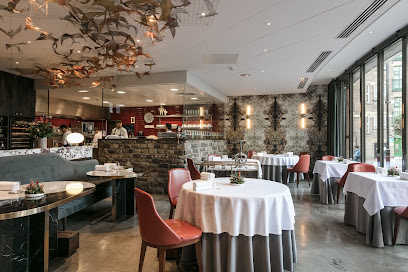
Sea Containers Restaurant
1.3 km
Stylish Modern British dining with iconic Thames views on London’s vibrant Southbank, perfect for brunch, dinner, and special occasions.
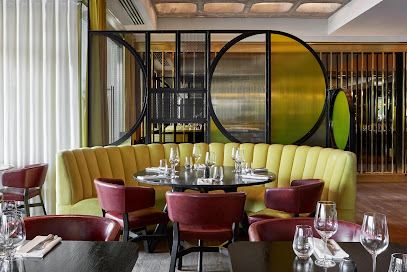
Madison
1.4 km
Stylish rooftop dining and cocktails with breathtaking views of St Paul’s Cathedral and London’s skyline.
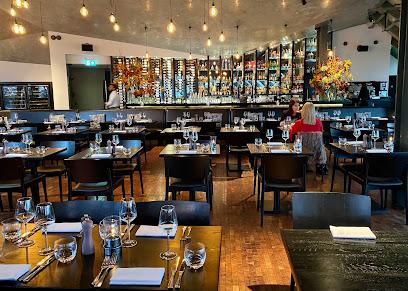
La Dame de Pic London
1.4 km
Discover refined French gastronomy and elegant dining in a historic London landmark with two Michelin stars and innovative cuisine.
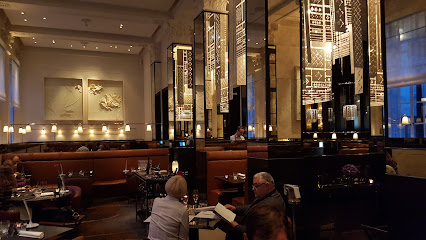
Paradiso Burger & Cocktail Bar Southbank
1.4 km
Vibrant riverside spot in Southbank serving gourmet burgers, cocktails, and bottomless brunch with stunning Thames views.
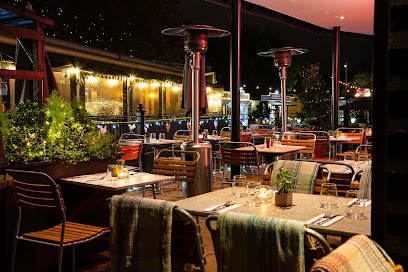
14 Hills
1.5 km
Experience modern British cuisine in a lush, sky-high garden with breathtaking panoramic views over London’s iconic skyline.
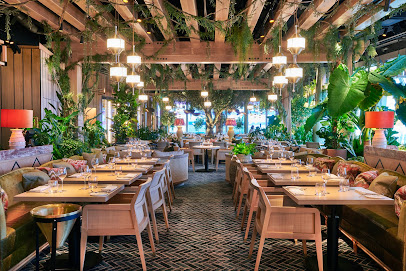
Brasserie Blanc - Southbank
1.6 km
Authentic French brasserie dining with hearty seasonal dishes and rustic charm on London’s lively South Bank.
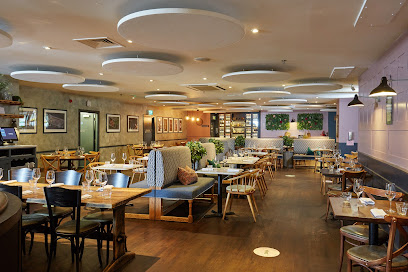
The Archduke
1.7 km
Lively steakhouse and wine bar in Waterloo with superb Scotch beef, classic desserts, and live jazz in a buzzy, inviting atmosphere.
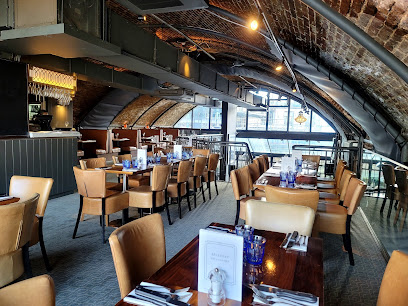
Park Plaza London Westminster Bridge
1.7 km
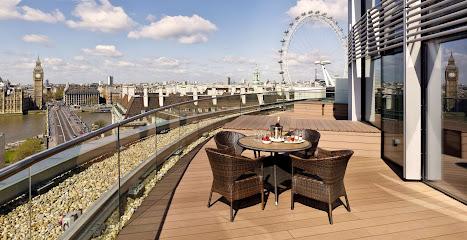
Stylish 4-star hotel on London’s South Bank with exceptional dining, event spaces, and modern amenities near iconic landmarks.
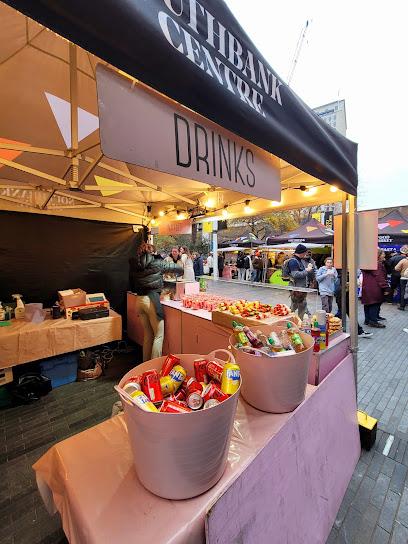
Southbank Centre Food Market
1.7 km
A lively weekend street food market on London’s South Bank offering diverse global cuisines in a vibrant riverside setting.
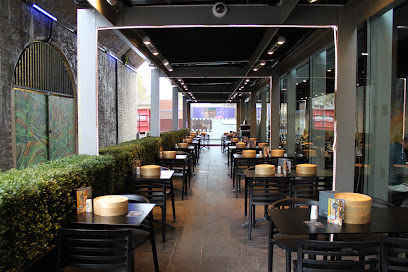
Ping Pong Southbank
1.7 km
Lively Southbank dim sum and cocktail bar blending traditional Chinese flavors with modern Asian fusion in a bustling riverside setting.
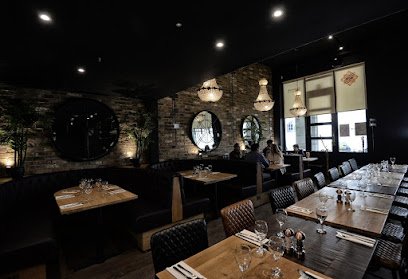
Troia Southbank
1.7 km
Experience authentic Mediterranean and Middle Eastern cuisine with halal options in a vibrant riverside setting near the London Eye.
Wahaca Southbank
1.7 km
Experience vibrant Mexican street food in a unique riverside setting with scenic Thames views and lively atmosphere at Wahaca Southbank.
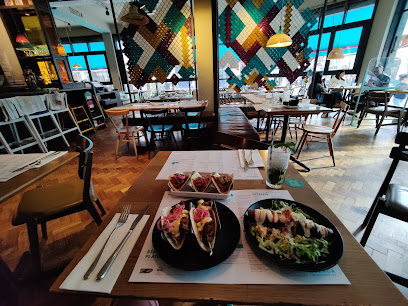
OKAN South Bank
1.8 km
Experience authentic Osaka-style okonomiyaki and Japanese street food in a cozy, lively South Bank eatery with friendly service and a nostalgic vibe.
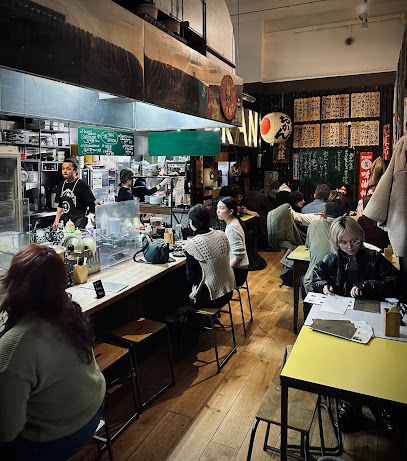
Strada Southbank
1.8 km
Authentic Southern Italian flavors served with vibrant riverside views in the heart of London’s Southbank.
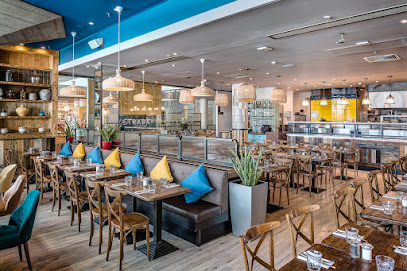
Markets, malls and hidden boutiques

Bankside Arches Boutique
1.1 km
Discover unique London gifts and handcrafted treasures inside Blackfriars Station’s charming Bankside Arches Boutique.
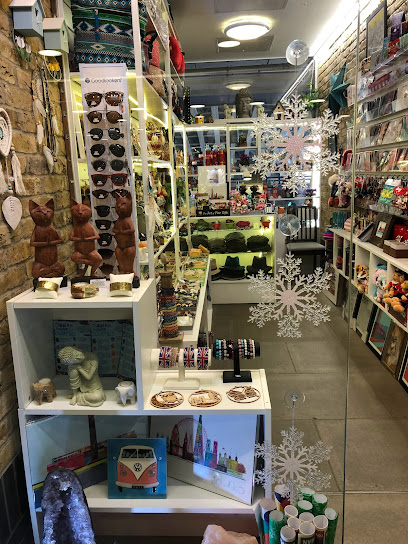
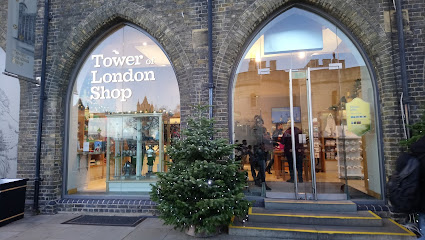
Tower of London Shop
1.2 km
Explore the Tower of London Shop for unique souvenirs that celebrate British heritage and history in the heart of London.
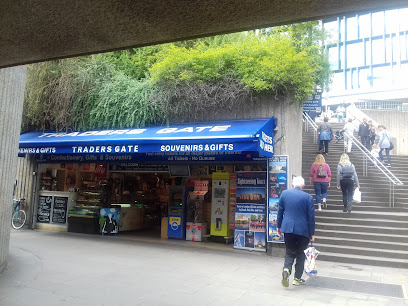
Traders Gate
1.3 km
A long-standing family-run gift shop on Tower Hill, offering classic London souvenirs and local charm just steps from the Tower of London.
SUCK UK Alternative Gifts (OXO Tower)
1.3 km
Discover quirky, clever gifts and homewares at SUCK UK’s flagship store in London’s iconic OXO Tower.
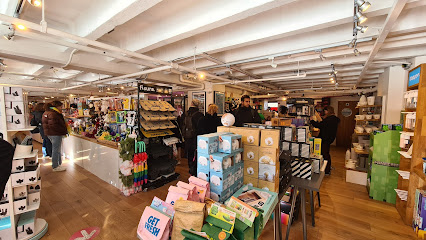
Brand Academy Independent Gift Shop
1.3 km
Dive into a world of whimsical designs and unique finds at this South Bank gem, where global brands meet emerging talents in the heart of Oxo Tower Wharf.
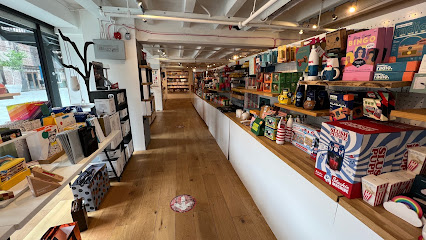
j-me original design ltd
1.3 km
Whimsical designs with a humorous twist from London's Oxo Tower creative hub – quirky home gifts blending fun, function, and British ingenuity.

1 Poultry
1.4 km
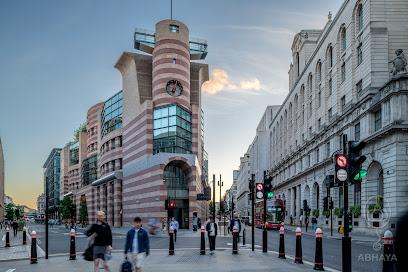
Iconic postmodern office and retail building with vibrant limestone stripes, a colorful atrium, and a rooftop garden overlooking London’s financial district.
Sugar And Style
1.4 km
Discover design-led fashion accessories in Gabriel's Wharf, London's arty South Bank riverside haven blending style, creativity, and Thames views.

The Royal Exchange
1.4 km
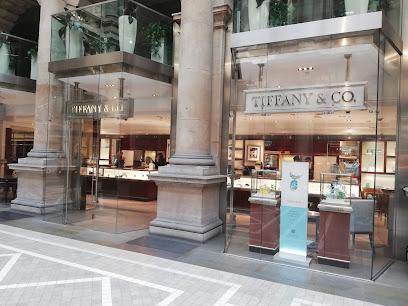
A majestic neoclassical landmark blending 450 years of London’s trading history with luxury shopping in the City’s financial heart.
One New Change
1.4 km
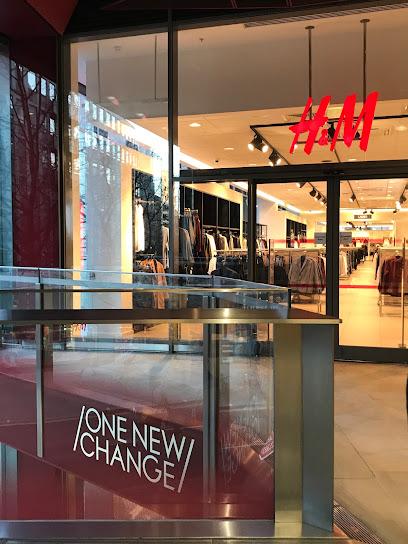
Modern glass landmark with free rooftop views of St Paul's Cathedral and London skyline.
The Giftree London
1.4 km
Discover London's soul in souvenirs, crafts, and conveniences at this Lambeth gem—unique gifts, luggage storage, and local flair await.
Southbank Centre Shop, Mandela Walk
1.7 km
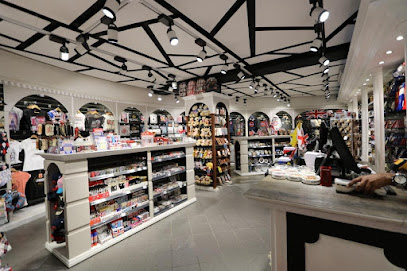
Discover creative gifts, sustainable homewares, and arts-inspired souvenirs on vibrant Mandela Walk, opposite Royal Festival Hall—a stylish treat amid South Bank's cultural heartbeat.
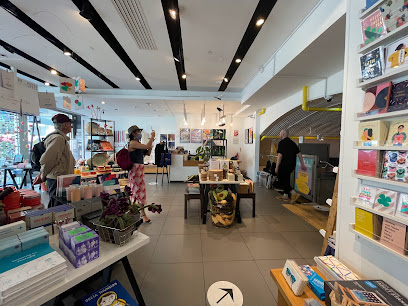
Gift Shop - London Eye Shop
1.8 km
Capture London's magic at the London Eye Gift Shop: exclusive souvenirs, Thames views, and iconic keepsakes from the wheel's base.
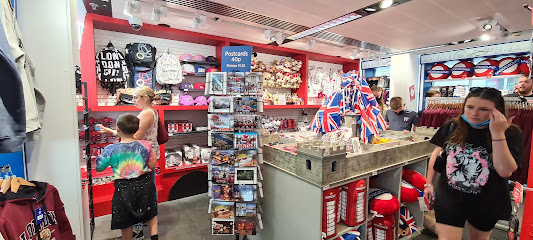
Custom Gifts By Jupiter
1.8 km
Unleash creativity with bespoke gifts and custom decor from this South Bank artisan haven near the Thames and iconic landmarks.
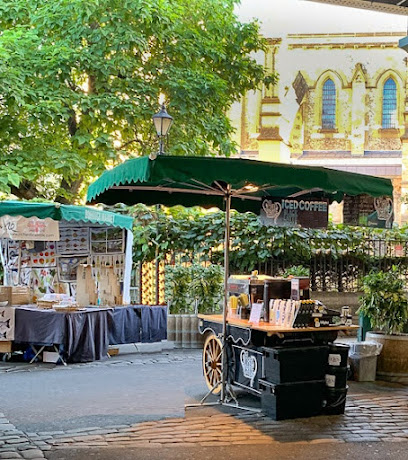
Browns of London
1.9 km
Explore Browns of London for unique handcrafted gifts and local treasures in the heart of the city, perfect for memorable souvenirs from your travels.
Essential bars & hidden hideouts

The Old School Yard
0.3 km
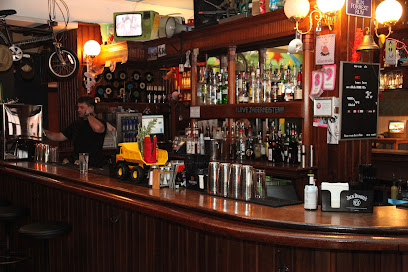
Step into a lively retro playground with expertly crafted cocktails, classic arcade games, and a vibrant 80s and 90s atmosphere in London Bridge.
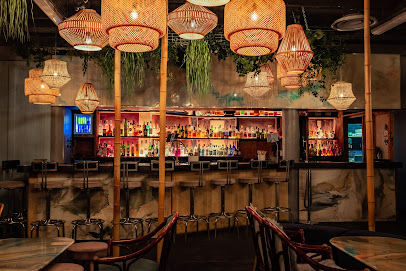
Nine Lives
0.8 km
A subterranean Bermondsey bar blending Mexican spirits, sustainable craft cocktails, and vibrant sharable dishes in a boho-chic setting.
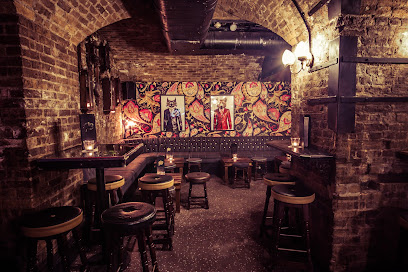
The Cocktail Club - Cocktail Bar near Monument
1.2 km
Vibrant underground cocktail bar near Monument, blending creative drinks with a lively, speakeasy-style party atmosphere.
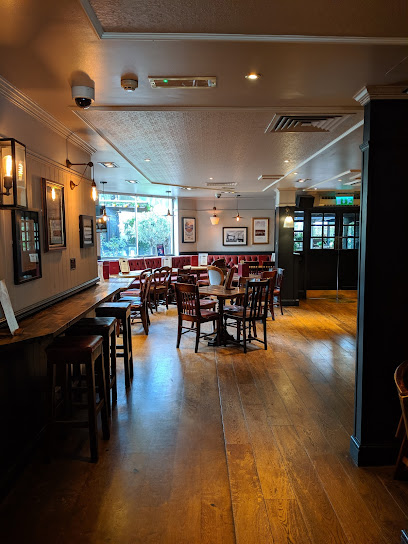
Doggett's Coat and Badge
1.2 km
A large, riverside Nicholson’s pub on Blackfriars Bridge offering classic British fare, real ales and a rooftop terrace with strong Thames views.
The Hung Drawn & Quartered, EC3
1.2 km
Historic pub near Tower Hill, blending dark medieval history with refined ales and classic British fare in a Grade II listed building.
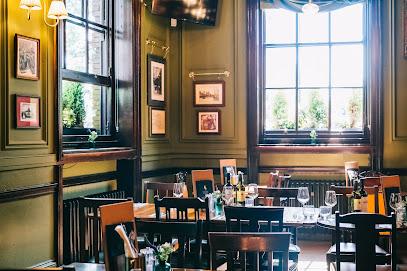
Lyaness
1.2 km
Innovative cocktails and sustainable mixology with stunning Thames views in London’s stylish South Bank hotspot.
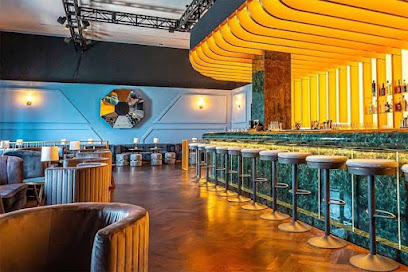
The Bootlegger
1.3 km
Step into The Bootlegger’s hidden Lime Street basement for expertly crafted cocktails, live jazz, and a true 1920s speakeasy vibe in the heart of London.
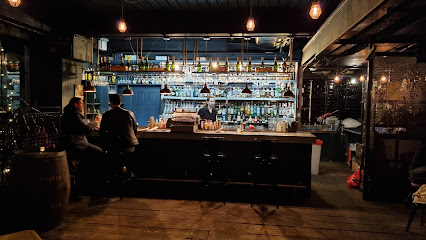
Waterloo Lost Property Office Speakeasy
1.6 km
Discover a hidden 1920s-inspired speakeasy in Waterloo serving expertly crafted cocktails in a seductive, vintage setting.
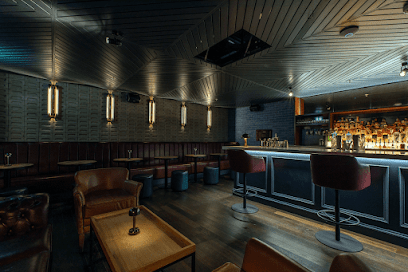
Demon, Wise & Partners
1.6 km
Classic basement cocktail bar blending historic City charm with expert mixology in London’s financial district.
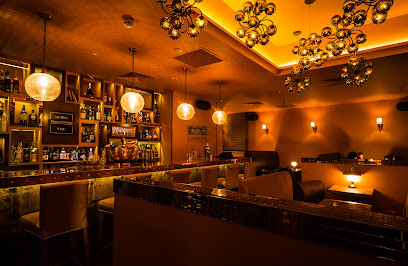
The Understudy
1.6 km
Riverside craft beers, KERB street food, and Thames views at the National Theatre's lively bar – perfect for pre-show bites or late-night hangs on London's South Bank.
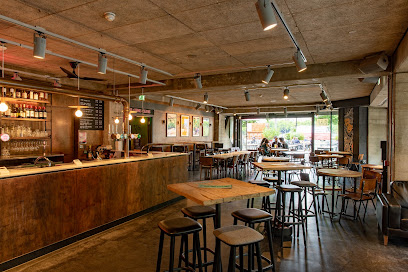
Bar @ 26 Leake Street
1.6 km
Experience London’s vibrant street art and nightlife culture at 26 Leake Street, a unique cocktail bar and event venue in Waterloo’s iconic graffiti tunnels.
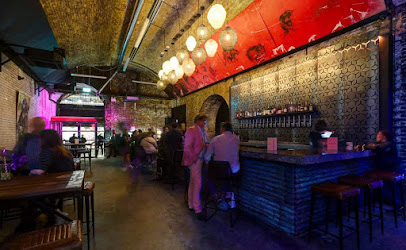
Black Parrot
1.6 km
Discover London’s top rum bar with expertly crafted cocktails, immersive masterclasses, and a lively yet intimate atmosphere in Bride Court.
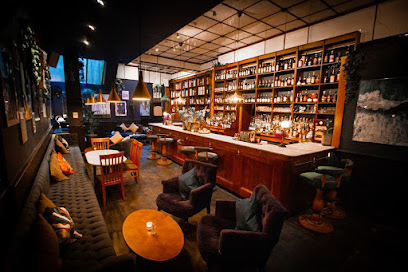
Punch Tavern
1.7 km
Historic Victorian Gin Palace on Fleet Street, famed for its Punch magazine heritage and vast gin selection in the heart of London.
Primo Bar, London
1.7 km
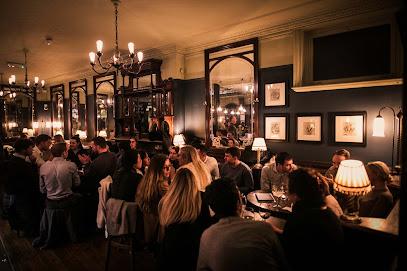
Sophisticated South Bank cocktails and live jazz with Big Ben views—Primo Bar blends daytime lounge ease with electrifying nightly performances in stylish 60s-inspired surrounds.
Slug & Lettuce - County Hall
1.7 km
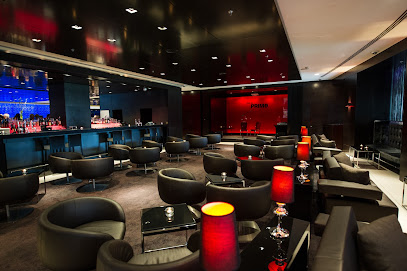
Chic South Bank cocktail haven in County Hall: bottomless brunches, 2-for-1 sips, pub classics, and Thames views for London's liveliest lunches and nights out.
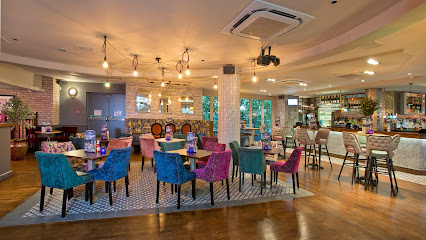
Nightclubs & after hour spots

Corsica Studios
1.0 km
Experience London’s underground music pulse at Corsica Studios, where intimate vibes meet exceptional sound beneath historic railway arches.
The Steel Yard
1.0 km
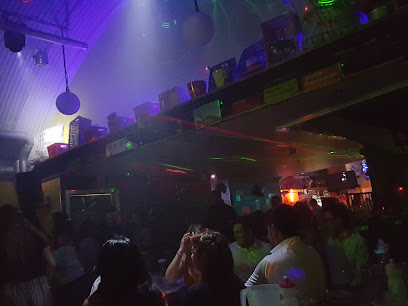
Experience London’s premier industrial-chic nightclub set in historic Victorian railway arches, with world-class sound and late-night energy until 6am.
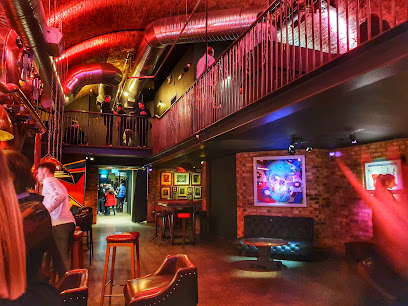
STRAWBERRY SUNDAE
1.6 km
Retro rave haven in Waterloo Arches: Daytime hardcore beats, 90s DJ legends, and industrial euphoria from midday to midnight.
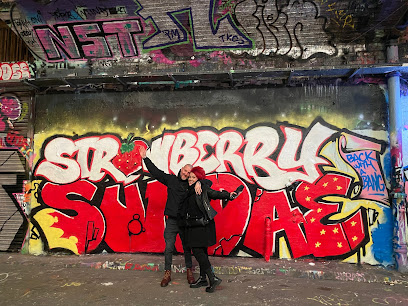
Cirque Du Soul
1.6 km
Dive into Leake Street's graffiti tunnel for soul-stirring electronic nights at this underground nightclub haven.
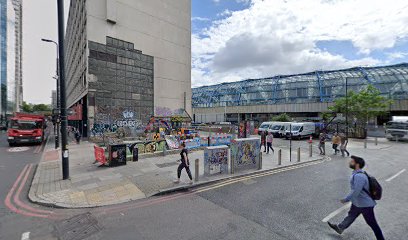
We Are Waterloo
1.6 km
Dive into Leake Street's graffiti heart where street art meets thumping beats in London's ultimate underground nightclub haven.
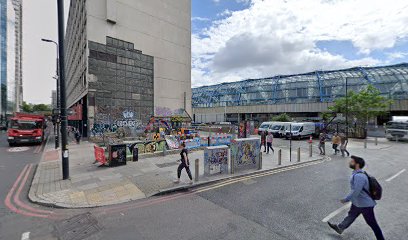
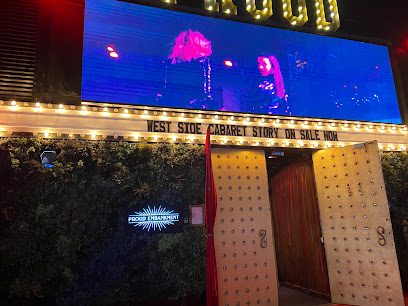
Proud Late
2.0 km
Dive into two-storey glamour under Waterloo Bridge: cabaret acrobatics, burlesque dazzle, supper feasts, and non-stop clubbing till 5am in London's West End nightlife epicenter.
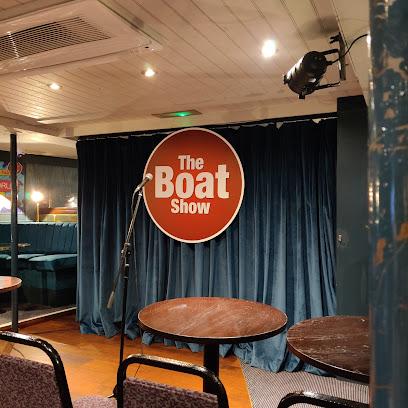
The Boat Show Comedy Club
2.1 km
London’s premier floating comedy club aboard the historic Tattershall Castle, blending laughter with iconic riverside views and vibrant nightlife.
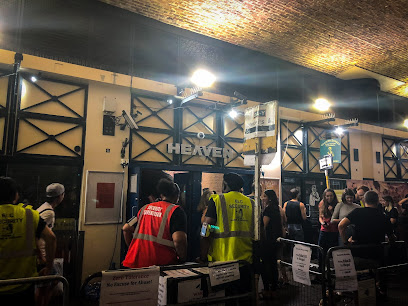
Heaven
2.3 km
London’s iconic gay superclub under the railway arches — big nights, loud music, drag, and late finishes in the heart of the West End.
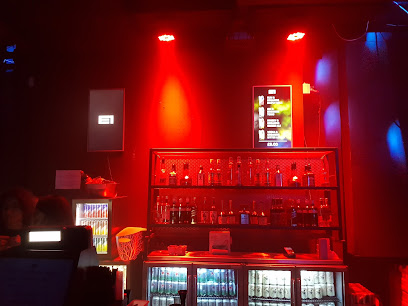
E1
2.3 km
Experience East London’s underground pulse with E1’s cutting-edge sound, immersive visuals, and vibrant club nights.
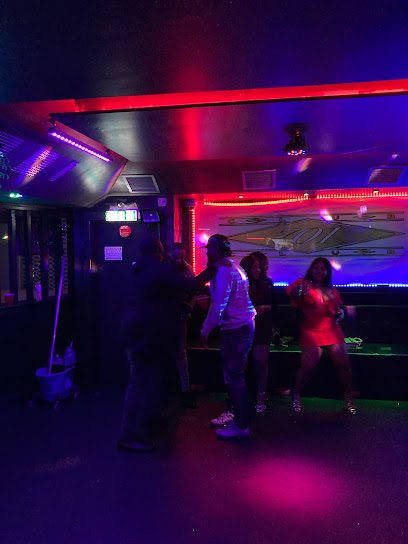
Club 701
2.5 km
Experience the vibrant nightlife and dynamic clubbing scene at Club 701, South London's energetic hotspot on Old Kent Road.
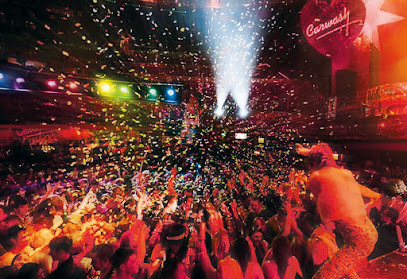
Carwash Nightclub
2.5 km
Experience Europe’s longest-running disco club in London’s West End, where retro beats, vibrant crowds, and themed parties create unforgettable nights.
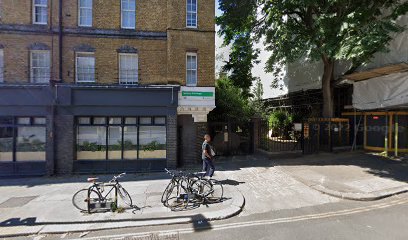
London Best Night Clubs
2.5 km
Experience London’s legendary Ministry of Sound, where cutting-edge sound meets dynamic club culture in a multi-room dance haven.
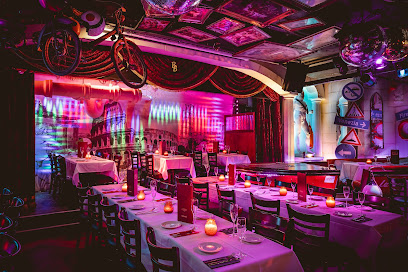
Bunga Bunga Covent Garden
2.6 km
A neon-soaked, pizza-and-karaoke supper club under Drury Lane — 90s nostalgia, stage shows and shareable Italian feasts.
Union
2.6 km
Vauxhall's relentless nightclub heartbeat: techno-fueled nights stretching to dawn in multi-zone bliss along the Thames.
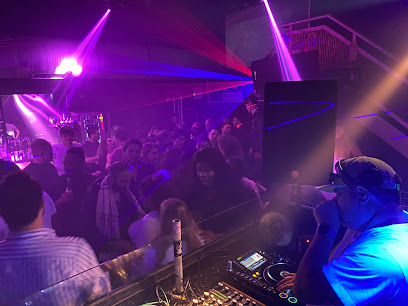
Bootylicious London last Saturday of the month
2.6 km
Late-night Vauxhall institution for raw techno, queer-focused party nights and after-hours clubbing on Albert Embankment.
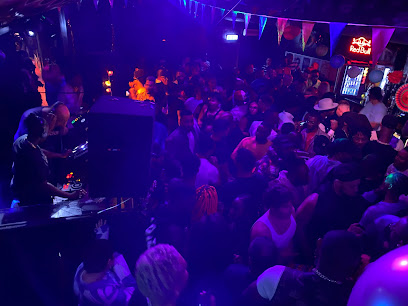
For the vibe & atmosphere seeker
- Tranquil
- Scenic
- Unique
- Casual
For the design and aesthetic lover
- Vintage Styles
- Rustic Designs
For the architecture buff
- Historic
- Landmarks
- Sacred Sites
For the view chaser and sunset hunter
- Iconic Views
For the social media creator & influencer
- Instagrammable
- Photo Spots
- Architectural Shots
For the eco-conscious traveler
- Public-Transport Accessible
For the kind of experience you’re after
- Cultural Heritage
- Myth & Legends
- Photowalk
- Day Trip
For how adventurous you want the journey to be
- Easy Access
Location Audience
- Family Friendly
- Senior Friendly
- Child Friendly
- Teen Friendly
- Wheelchair Access
- Solo Friendly
- Couple Friendly
- Solo Female Friendly


