

Churchill War Rooms
Britain's secret WWII command center, preserved exactly as it was when the lights went out in 1945.
Step into the secret underground headquarters where Winston Churchill directed Britain's war effort during World War II. This meticulously preserved bunker beneath Whitehall contains over 100 rooms, including the Cabinet War Room, Map Room, and Churchill's personal quarters. Explore authentic period furnishings, original documents, and the Churchill Museum's comprehensive biographical exhibition. Audio guides included with admission provide rich historical context and personal accounts from those who worked here.
A brief summary to Churchill War Rooms
- King Charles St, London, SW1A 2AQ, GB
- +442074165000
- Visit website
- Duration: 2 to 3.5 hours
- Mid ranged
-
 Indoor
- Mobile reception: 4 out of 5
Local tips
- Book tickets online in advance to secure your preferred time slot and minimize queues. Walk-up tickets are sometimes available but cannot be guaranteed, especially during peak seasons.
- Arrive early in the day, ideally just before opening at 9:30 AM, to experience the narrow corridors with fewer crowds and better atmosphere. Weekday mornings offer the most immersive experience.
- Allow at least 2.5 to 3 hours for your visit to properly explore both the Cabinet War Rooms and the Churchill Museum without rushing through the extensive exhibits.
- Use the included audio guide actively—it provides essential historical context, personal accounts, and details that bring the preserved spaces to life and enhance understanding.
- Wear comfortable shoes with good grip, as the concrete floors can be slippery and the corridors involve considerable walking through a complex layout.

For the on-the-go comforts that matter to you
- Restrooms
- Drink Options
- Food Options
- Seating Areas
- Trash Bins
- Information Boards
- Visitor Center
Getting There
-
London Underground (Tube)
Westminster station is the closest, approximately 8 minutes' walk from the entrance. Exit the station, walk past the Houses of Parliament and Big Ben, and follow signs toward Parliament Square. The entrance is clearly signposted near a statue of Sir Winston Churchill. Westminster station is served by the Jubilee, District, and Circle lines, providing excellent connectivity across London. Single journey fares within central London typically range from £1.75 to £2.80 depending on your starting point.
-
National Rail Train
Charing Cross station is approximately 11 minutes' walk from the War Rooms, while Victoria station is about 20 minutes' walk. Both stations offer frequent services to destinations across southern England. From either station, walk toward Parliament Square and follow signs to the Churchill War Rooms entrance. Train fares vary significantly depending on your origin and time of travel, typically ranging from £3 to £15 for journeys within the southeast.
-
London Bus
Multiple bus routes serve the Westminster area near Parliament Square. Routes 3, 11, 12, 24, 29, 53, 87, and 88 stop nearby. Journey times from central London typically range from 15 to 30 minutes depending on traffic and your starting point. Bus fares are £1.75 for a single journey within central London, or use an Oyster card or contactless payment for discounted fares.
-
Walking from Central London
If staying in central London's West End or near Trafalgar Square, the War Rooms are accessible on foot. The walk from Trafalgar Square takes approximately 15 minutes via the Strand and Parliament Street. The route is straightforward and well-signposted, passing through Westminster's historic streets. This option is free and allows you to experience London's architecture en route.
Churchill War Rooms location weather suitability
-
 Any Weather
Discover more about Churchill War Rooms
A Fortress Beneath the Streets
The Churchill War Rooms represent one of London's most extraordinary historical sites—a three-meter-thick concrete bunker buried beneath the streets of Whitehall that served as the nerve center of British military operations during World War II. Constructed in the 1930s and fully operational by August 27, 1939, these rooms were designed to protect the nation's leadership during enemy bombardment. The complex remained sealed and unchanged for decades after the war ended on August 16, 1945, preserving an authentic snapshot of wartime life frozen in time. Walking through the narrow corridors feels like stepping directly into history. The rooms were used 115 times during the conflict, most intensively during the devastating Blitz and V-weapon attacks when London faced relentless aerial assault. Here, Churchill and his War Cabinet made decisions that shaped the course of the Second World War, coordinating military strategy, monitoring troop movements, and communicating with Allied leaders across the Atlantic.The Heart of Command
The Cabinet War Room stands as the centerpiece of the complex, where Churchill presided over critical meetings with military chiefs and government officials. Adjacent to this nerve center lies the Map Room, where officers meticulously tracked every aspect of the war—from naval positions to air operations—using colored pins and constantly updated charts. The Transatlantic Telephone Room, with its secure scrambler technology, connected Churchill directly to President Franklin D. Roosevelt, representing the vital Anglo-American alliance. Churchill's personal quarters reveal intimate details of his wartime life. His bedroom, modest and austere, sits mere steps from the conference rooms where he conducted affairs of state. The broadcasting room, where Churchill recorded his famous speeches to rally the British people, remains preserved with its original equipment. These spaces collectively paint a vivid portrait of leadership under extraordinary pressure.Preservation and Discovery
The War Rooms opened to the public in 1984, initially as a standalone attraction. Parliament had designated the site as a historic monument in 1948, recognizing its national significance. Preservation work began in the 1970s under the Imperial War Museum's stewardship. The Churchill Museum, added in 2005, expanded the visitor experience by providing comprehensive biographical context spanning Churchill's 90-year life, from his early military career through his post-war years. The museum's curators have maintained extraordinary authenticity throughout the complex. Furniture remains in original positions, documents rest on desks as if their authors had just stepped away, and the dim lighting—necessary to protect artifacts—creates an appropriately atmospheric environment. Over 100 rooms comprise the labyrinth, though visitors typically explore the most significant chambers with audio guide assistance.The Visitor Experience
All admission includes a comprehensive multimedia audio guide available in multiple languages, allowing visitors to explore at their own pace. The self-guided format proves ideal for this complex, as the warren of corridors and interconnected rooms can be disorienting without clear directional signage. Knowledgeable volunteers in red uniforms stationed throughout offer additional context and answer questions. The experience balances historical education with immersive atmosphere. Interactive displays complement the preserved spaces, while the Churchill Museum provides deeper biographical and historical analysis. Visitors encounter personal accounts from those who worked in the bunker, bringing human dimension to the grand historical narrative. The café and gift shop offer respite and commemorative items.Practical Considerations for Your Visit
The site's historic nature shapes the visitor experience in important ways. Corridors are narrow in places, and certain areas feature low lighting to preserve the collections. Wheelchair accessibility is available throughout the War Rooms, with an alternative entrance via Birdcage Walk near St James's Park for those with mobility considerations. Large luggage cannot be admitted, and visitors are asked to wear small backpacks on their fronts to prevent damage to the historic environment. Photography is permitted for personal use, though flash photography is prohibited.Iconic landmarks you can’t miss

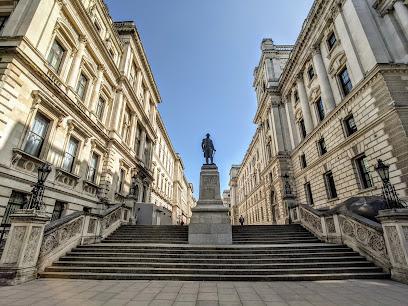
Clive Steps
0.0 km
A Grade II-listed bronze statue commemorating the controversial architect of British imperial power in India.
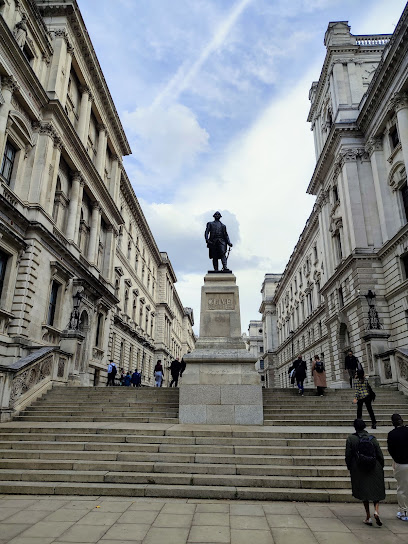
Clive of India Memorial
0.0 km
A towering Edwardian statue in London commemorating Robert Clive, founder of British rule in India, embodying imperial triumph and controversy.
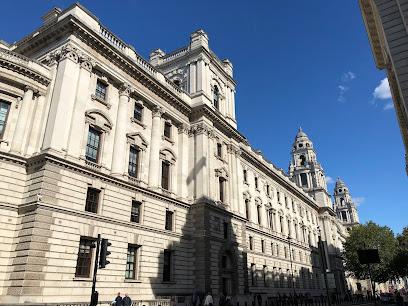
His Majesty's Treasury
0.0 km
The historic and strategic heart of the UK government’s economic policy, located in the iconic government district of Westminster, London.
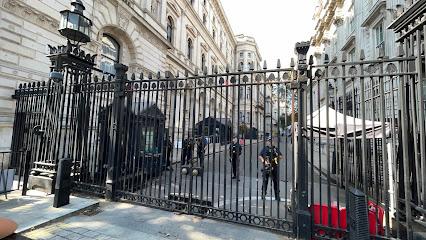
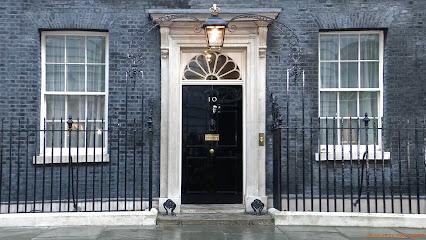
10 Downing St
0.2 km
Discover the historic seat of British leadership, where iconic moments and political power converge behind the famous black door.
10 Downing Street
0.2 km
Iconic London residence and office of the UK Prime Minister, steeped in centuries of political history and power.
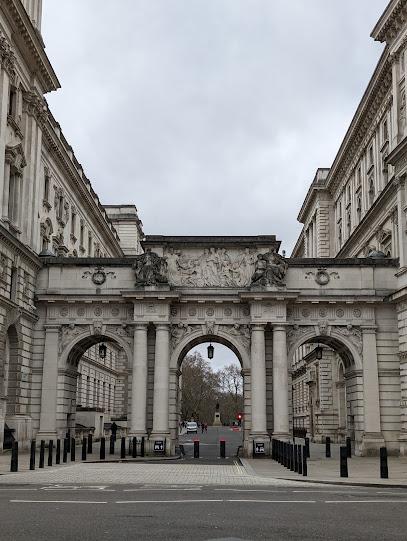
King Charles Street Arch
0.2 km
A grand 1908 triple-arched gateway in London’s Whitehall, rich in sculptural detail and historical significance.
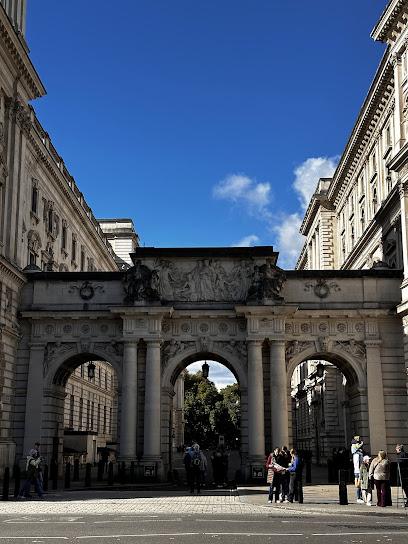
King Charles Street
0.2 km
Explore King Charles Street, a historic London government hub famed for its grand Victorian architecture and pivotal role in British political life.
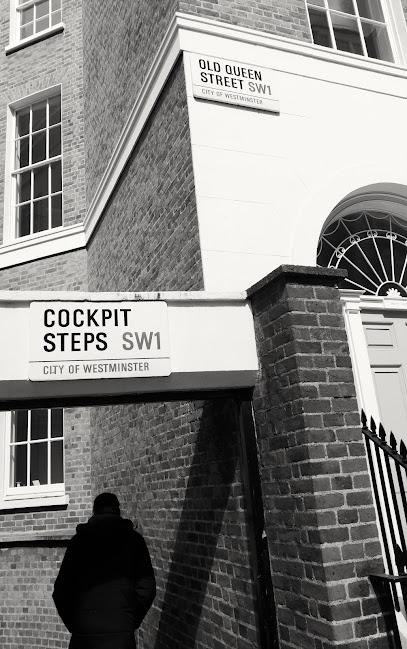
Cockpit Steps
0.2 km
Discover Cockpit Steps, a hidden historic passage in Westminster where London’s royal cockfighting past meets ghostly legend and quiet charm.
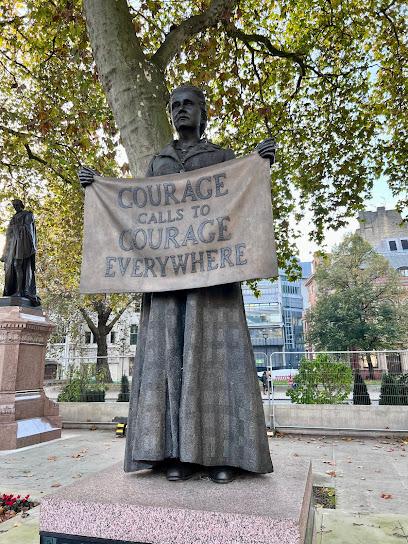
Millicent Garrett Fawcett Statue
0.2 km
Honoring Millicent Garrett Fawcett, the first woman commemorated in Parliament Square, inspiring equality through her iconic statue and legacy.
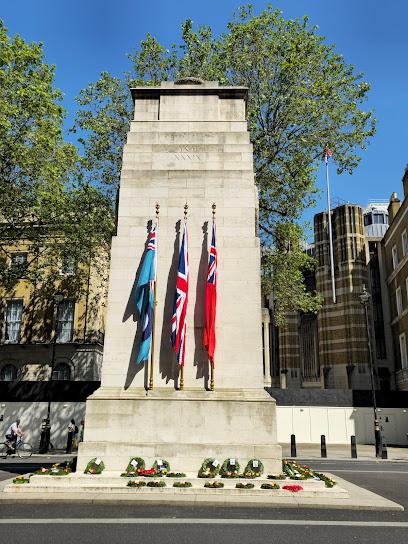
The Cenotaph
0.2 km
Britain’s national war memorial in Whitehall, a solemn tribute to the fallen of the World Wars and later conflicts.
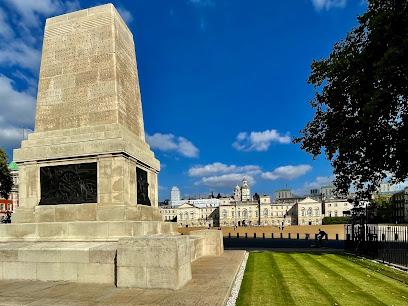
Guards Memorial
0.3 km
A solemn tribute to the valor and sacrifice of the Guardsmen who fell in World War I, set amidst London’s historic ceremonial heart.
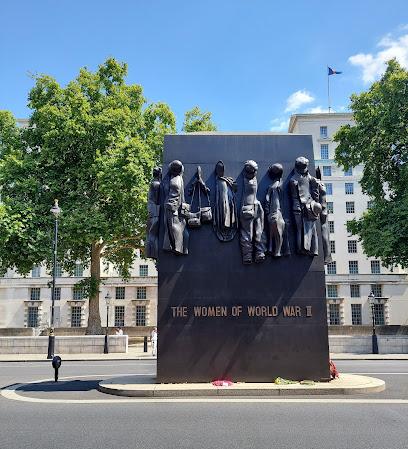
The Women of World War II
0.3 km
A powerful bronze tribute in Whitehall honoring over seven million British women’s vital roles during World War II.
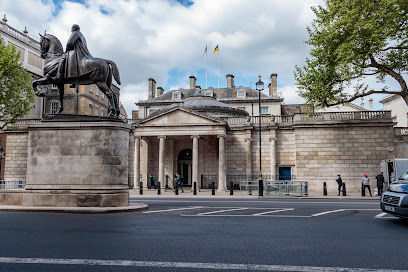
Dover House
0.3 km
Historic neoclassical mansion on Whitehall, home to the Scotland Office with a unique rotunda entrance and rich aristocratic past.
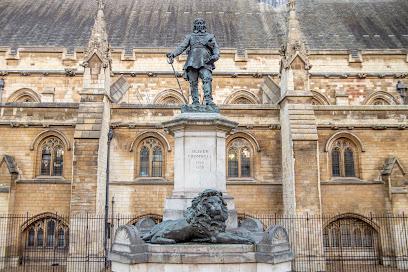
Statue of Oliver Cromwell
0.4 km
A commanding bronze tribute to Oliver Cromwell, standing outside Westminster Hall as a symbol of Britain’s turbulent 17th-century history and contested legacy.
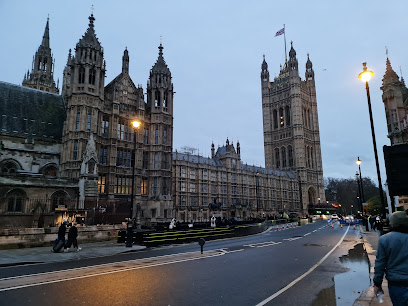
Westminster Hall
0.4 km
Step into Westminster Hall, a majestic medieval masterpiece that has witnessed a millennium of British history, law, and monarchy.
Unmissable attractions to see

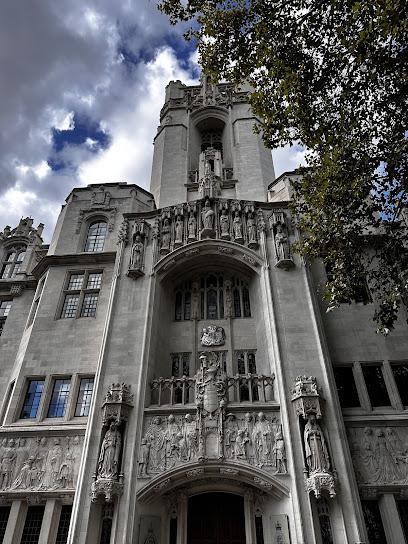
The Supreme Court
0.2 km
Explore the UK's highest court in a stunning neo-Gothic building at the heart of London’s political and judicial district.
Parliament Sq
0.2 km
Historic London square at the heart of British democracy, adorned with iconic statues and framed by world-famous landmarks.
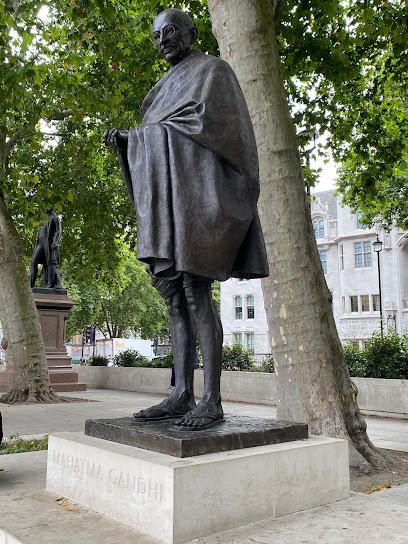
Mahatma Gandhi statue
0.2 km
A dignified bronze tribute to Gandhi’s peaceful legacy, standing humbly among world leaders in the heart of London’s historic Parliament Square.
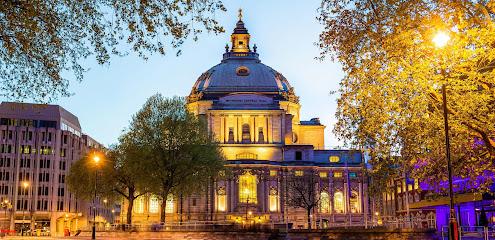
Central Hall Westminster
0.2 km
Iconic Grade II* listed venue with Europe’s largest self-supporting dome, hosting historic and modern events in central London.
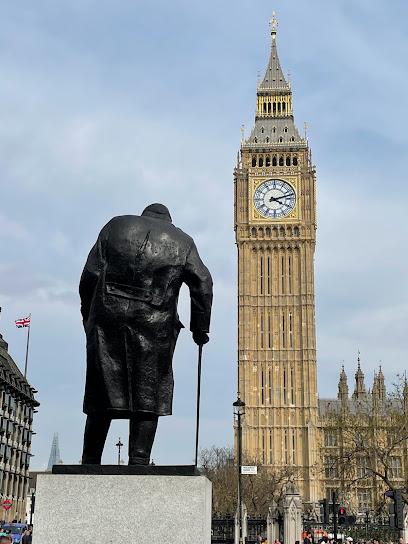
Sir Winston Churchill statue
0.2 km
Iconic bronze statue of Winston Churchill in Parliament Square, symbolizing British resilience and leadership during World War II.
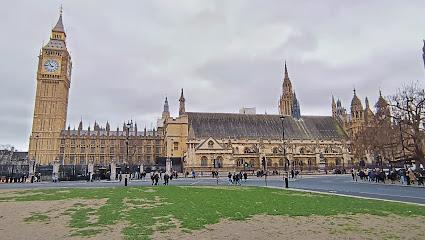
Parliament Square Garden
0.3 km
A historic green oasis in Westminster, offering iconic views and monuments at the heart of London’s political heritage.
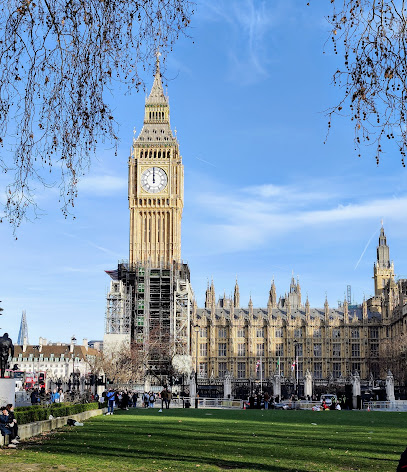
The Sanctuary
0.3 km
Historic charm meets modern comfort in the heart of Westminster, with cozy rooms, a classic pub, and sustainable hospitality.
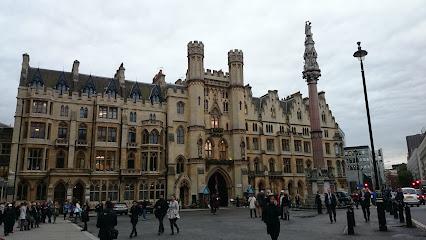
St Margaret's Church
0.3 km
Explore the serene St Margaret's Church, a historic Anglican church in London, next to Westminster Abbey, rich in history and stunning architecture.
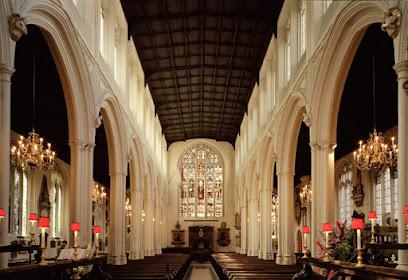
Bridge St
0.3 km
Historic Bridge Street in London offers riverside views, rich heritage, and vibrant urban life beside the iconic London Bridge.
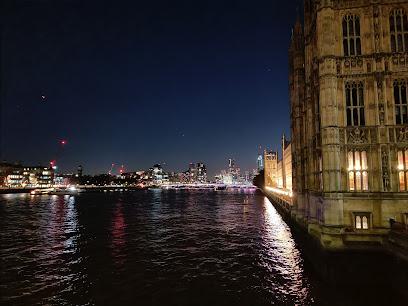
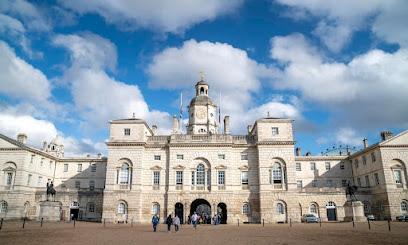
Horse Guards Parade
0.3 km
Historic ceremonial parade ground in London’s Whitehall, famed for royal pageantry and military tradition since the 16th century.
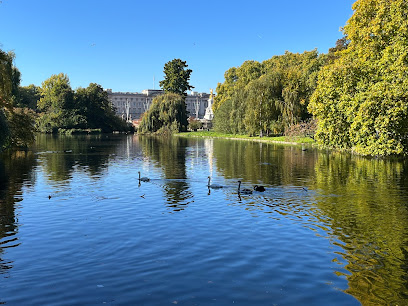
St James's Park
0.3 km
London’s oldest Royal Park, a serene green oasis with iconic palace views, historic charm, and a famous pelican colony in the city center.
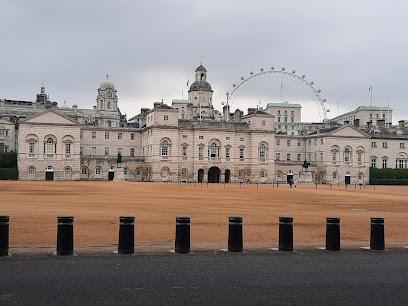
The Household Cavalry Museum
0.3 km
Explore the living history and pageantry of Britain’s elite Household Cavalry at their historic London headquarters.
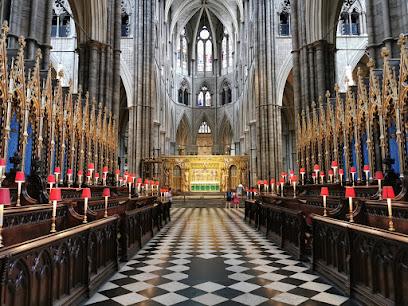
Westminster Abbey
0.3 km
Discover the majestic Gothic abbey where British monarchs have been crowned since 1066 and history echoes through every stone.
Royal Naval Division War Memorial
0.4 km
A solemn Lutyens-designed fountain and obelisk memorial honoring the Royal Naval Division’s WWI sacrifices on historic Horse Guards Parade.
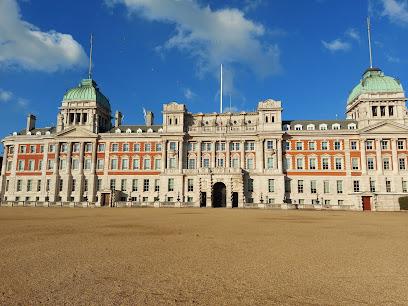
Banqueting House
0.4 km
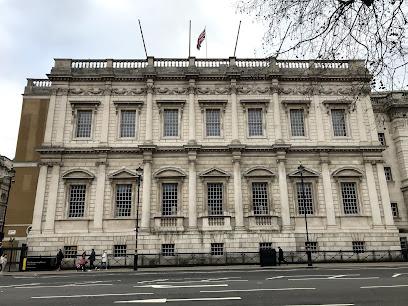
Explore London's Banqueting House, a Palladian masterpiece with Rubens' ceiling and the historic site of King Charles I’s execution.
Essential places to dine

The Pem
0.4 km
Elegant modern British dining in Westminster, honoring heritage with exquisite seasonal menus and refined ambiance.
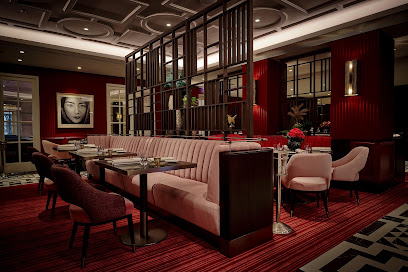
Caxton Grill
0.5 km
Refined British grill cuisine with fresh rooftop garden produce in a relaxed Westminster setting inside St Ermin’s Hotel.
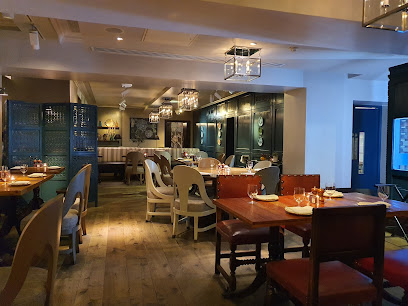
Ekstedt at The Yard
0.5 km
Experience Nordic wood-fired cuisine by Michelin-starred chef Niklas Ekstedt in the historic Great Scotland Yard Hotel, blending ancient fire cooking with British seasonal ingredients.
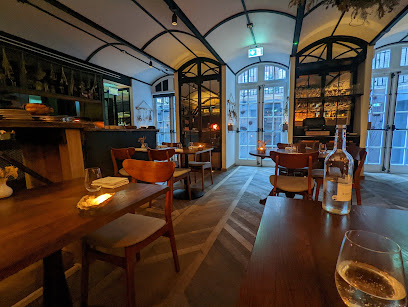
Chez Antoinette Victoria
0.6 km
Authentic French bistro in London’s Victoria offering classic Lyonnais and Parisian dishes in a cozy, Parisian-style setting.
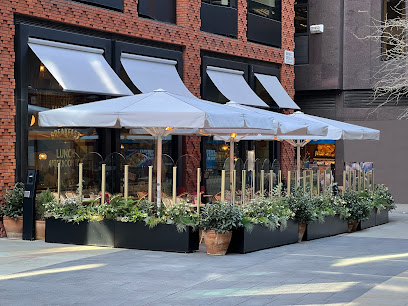
Ma La Sichuan
0.6 km
Experience authentic, boldly spiced Sichuan cuisine in the heart of Westminster with vibrant flavors and a welcoming atmosphere.
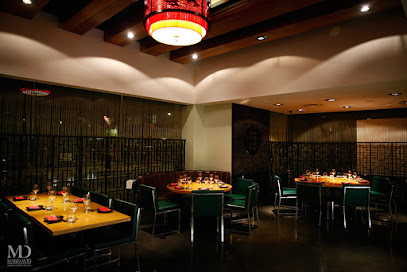
The Garden
0.6 km
A Mediterranean-inspired garden oasis offering refined seafood and elegant dining in the heart of London’s Corinthia Hotel.
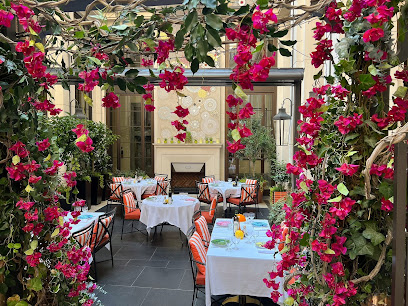
Wild Honey St James
0.6 km
Michelin-starred French-influenced cooking in a Grade II-listed banking hall, where refined technique meets understated elegance.
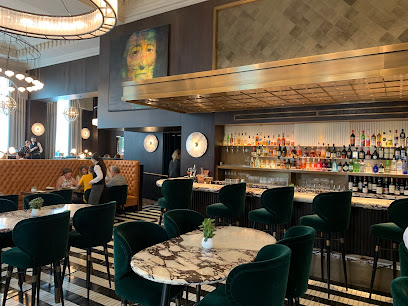
The Northall
0.6 km
Refined British dining with seasonal flair in a grand, elegant setting at Corinthia London’s distinguished restaurant.
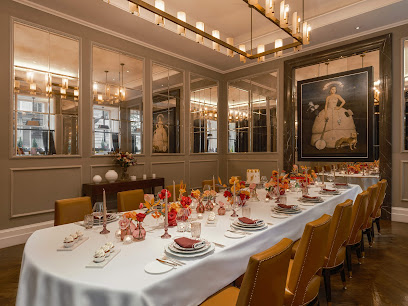
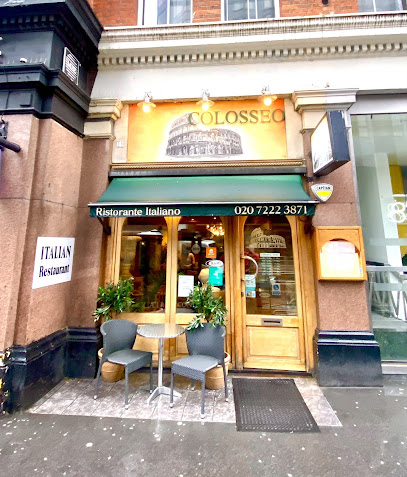
Colosseo Restaurant
0.6 km
Experience authentic Italian flavors and warm hospitality in the heart of London’s Victoria at Colosseo Restaurant.
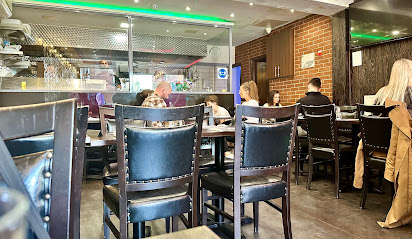
Mio Restaurant & Bar
0.7 km
Authentic Italian flavors and warm hospitality await you in this cozy central London gem with generous portions and great value.
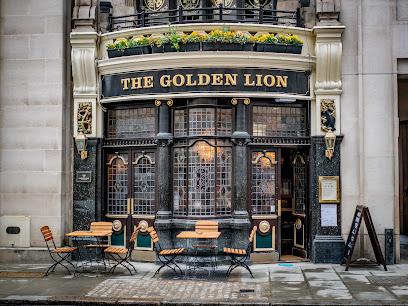
Golden Lion
0.7 km
Historic 1690s pub in St James's offering classic British fare, rich heritage, and a warm, family-friendly atmosphere near Buckingham Palace.
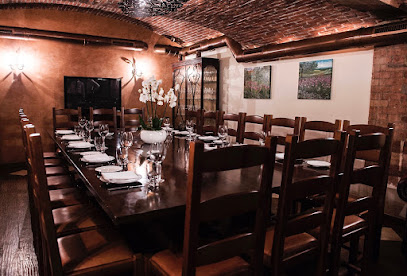
Osteria dell'Angolo
0.7 km
Classic Italian flavors and fresh pasta in a warm, elegant Westminster setting with attentive service and a visible kitchen.
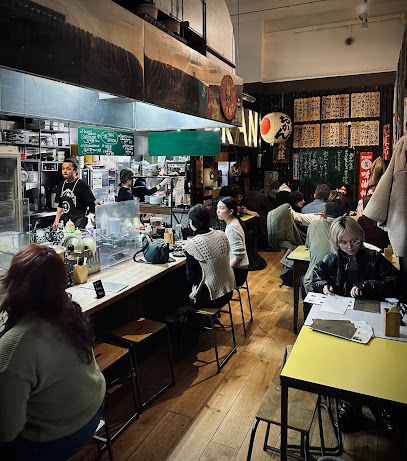
OKAN South Bank
0.8 km
Experience authentic Osaka-style okonomiyaki and Japanese street food in a cozy, lively South Bank eatery with friendly service and a nostalgic vibe.
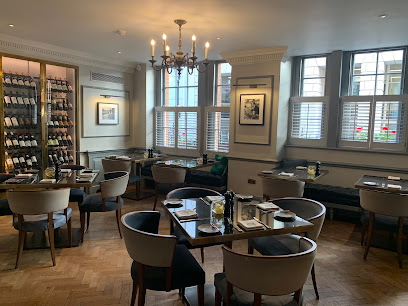
Great British Restaurant
0.8 km
Elegant British dining in the heart of St James’s, blending traditional flavors with modern sophistication in a tranquil hotel setting.
Troia Southbank
0.8 km
Experience authentic Mediterranean and Middle Eastern cuisine with halal options in a vibrant riverside setting near the London Eye.
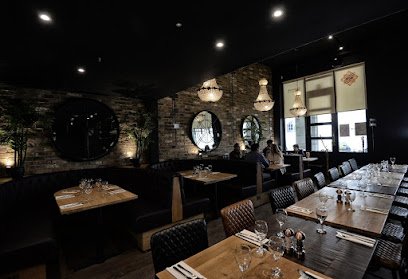
Markets, malls and hidden boutiques

Houses of Parliament Shop
0.3 km
Discover parliamentary pride in souvenirs, books, and gifts at this cozy Bridge Street boutique, steps from Westminster's iconic halls.
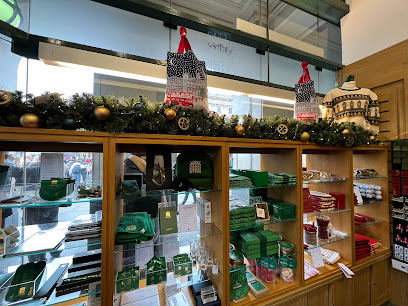
Westminster Abbey Shop
0.3 km
Discover exclusive Abbey-inspired gifts and souvenirs that support Westminster Abbey’s heritage and conservation efforts.
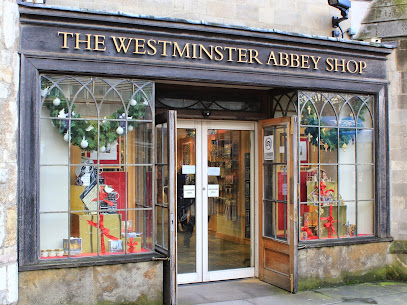
Jubilee Shop (Houses of Parliament Gift Shop)
0.3 km
Discover exclusive British political gifts and souvenirs inside the historic Westminster Hall at the Jubilee Shop, Houses of Parliament.
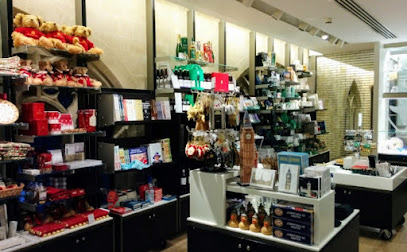
Crest of London Ltd
0.6 km
Discover authentic London souvenirs and local crafts at Crest of London Ltd, your premier gift shop in historic Whitehall.
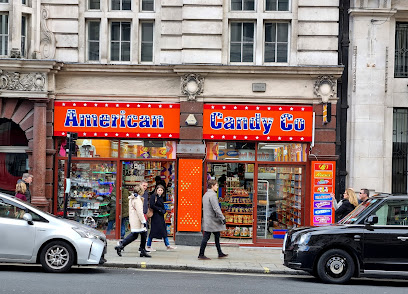
Browns of London
0.7 km
Explore Browns of London for unique handcrafted gifts and local treasures in the heart of the city, perfect for memorable souvenirs from your travels.
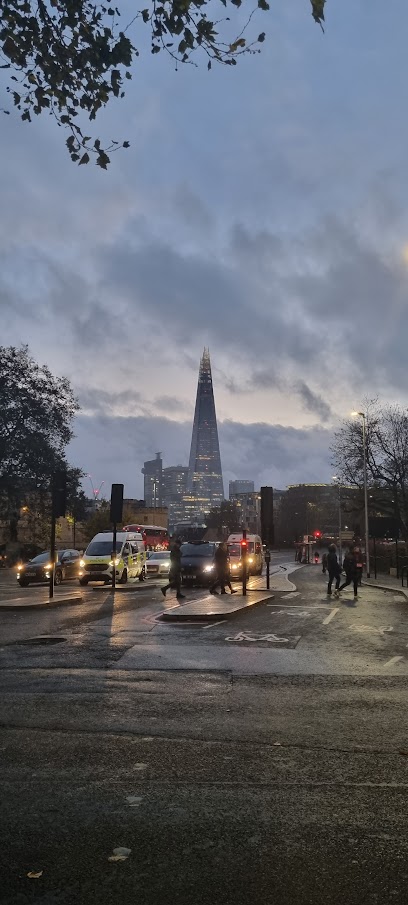
Berry Bros. & Rudd Wine Shop
0.7 km
London’s oldest family-run wine merchant since 1698, blending royal tradition with expert wine and spirits in a historic Pall Mall setting.
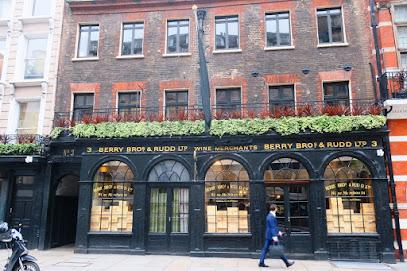
Lock & Co. Hatters
0.7 km
Discover the world’s oldest hat shop, where centuries of British style and craftsmanship come to life in the heart of London.
Gift Shop - London Eye Shop
0.7 km
Capture London's magic at the London Eye Gift Shop: exclusive souvenirs, Thames views, and iconic keepsakes from the wheel's base.
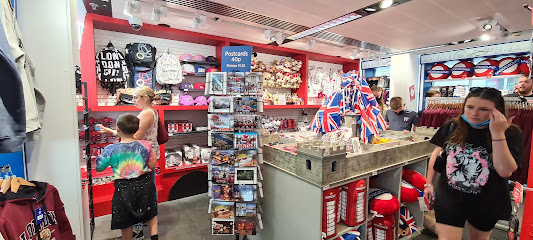
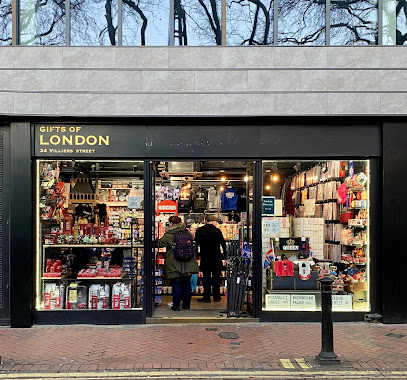
Gifts of London
0.7 km
Discover unique souvenirs and gifts that embody the spirit of London at Gifts of London, your perfect shopping destination.
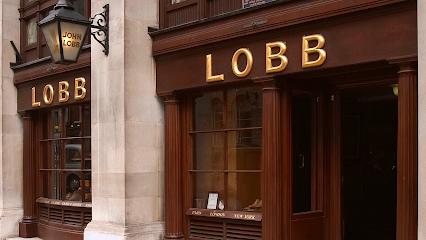
John Lobb St. James
0.8 km
Where 170 years of royal patronage meets handcrafted perfection in every stitch.
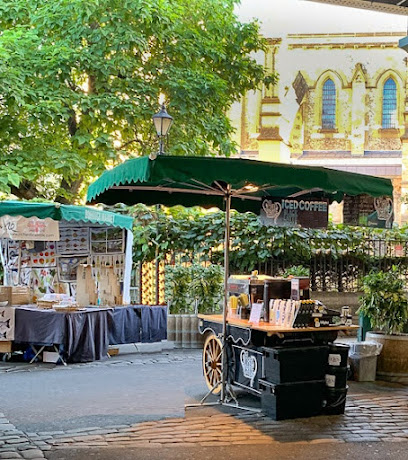
Custom Gifts By Jupiter
0.8 km
Unleash creativity with bespoke gifts and custom decor from this South Bank artisan haven near the Thames and iconic landmarks.
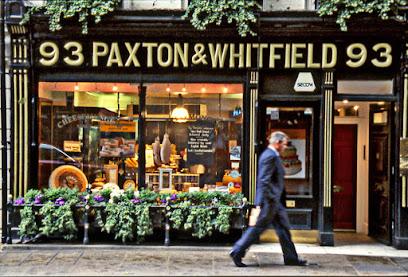
Paxton & Whitfield Ltd
0.9 km
London’s oldest cheesemonger, serving artisan cheese with royal heritage and timeless charm.
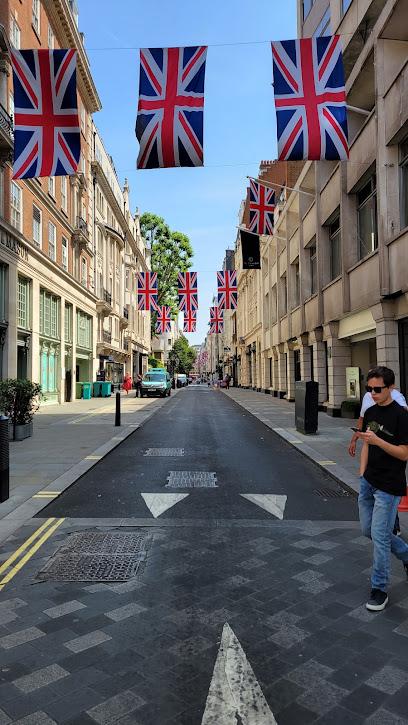
Jermyn St
0.9 km
Discover Jermyn Street, London’s historic menswear enclave blending timeless craftsmanship with contemporary style and refined elegance.
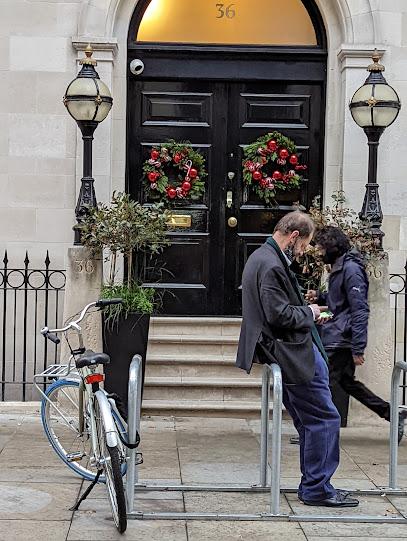
Floris London
0.9 km
Experience nearly three centuries of British fragrance heritage at Floris London’s historic boutique on iconic Jermyn Street.
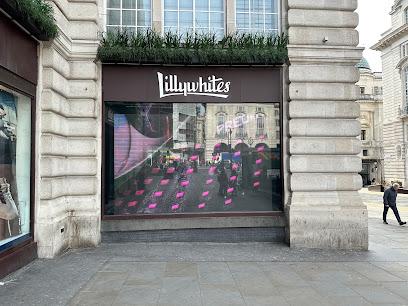
Lillywhites
0.9 km
London's iconic sports megastore at Piccadilly Circus—where athletic excellence meets retail tradition.
Essential bars & hidden hideouts

Westminster Arms
0.2 km
Historic Westminster pub with parliamentary division bell, Shepherd Neame ales, and cozy alcoves steps from Abbey and Parliament—timeless British charm in political heart.
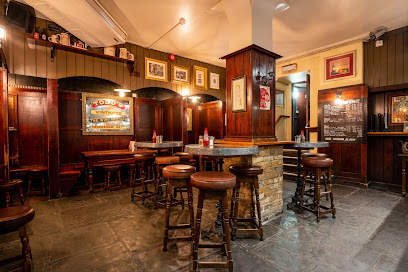
Two Chairmen
0.2 km
Traditional Westminster pub serving hearty pies, fresh ales, and classic British cheer just steps from St. James's Park and Parliament.
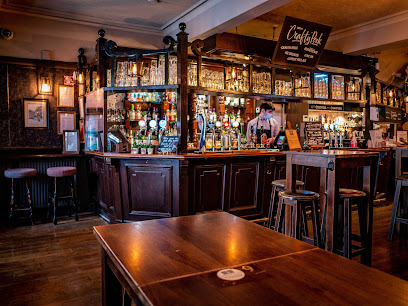
The Red Lion, Parliament Street
0.3 km
A venerable Westminster corner pub — late‑Victorian fittings, political atmosphere and a long history beside Downing Street and Parliament.
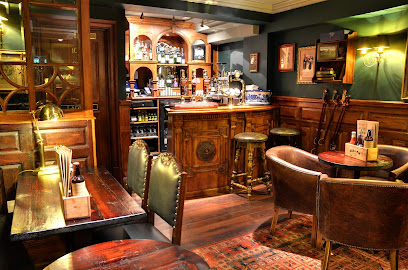
Blue Boar Pub
0.3 km
Traditional Westminster pub serving hearty British classics in a cozy, historic setting near Abbey and Parliament—perfect for ales, roasts, and relaxed evenings.
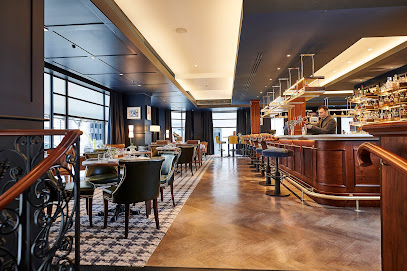
The Spy Bar
0.4 km
Step into London’s secret subterranean bar where espionage history meets masterful cocktails and exclusive, no-photos privacy.
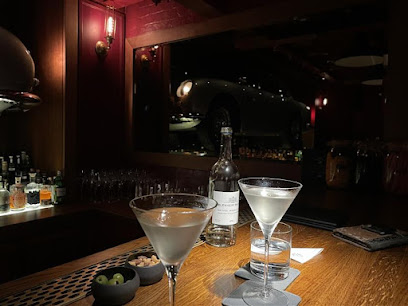
Old Shades
0.5 km
Historic Whitehall pub pouring cask ales and pub classics since 1898, steps from Trafalgar Square—a true taste of London tradition.
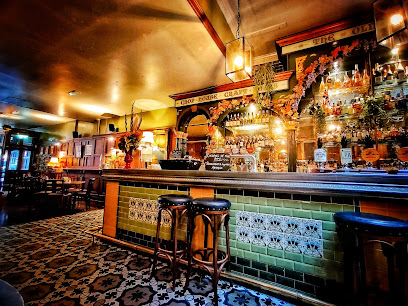
Adam & Eve
0.5 km
Classic Westminster pub pouring real ales and hearty grub amid historic streets—a cozy haven near Parliament and the Abbey for authentic London pints.
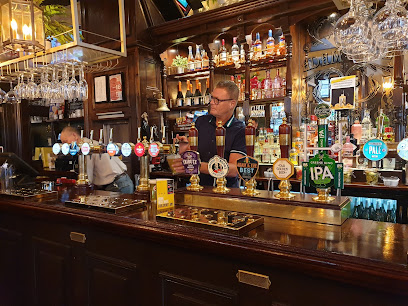
Le Champagne Bar
0.7 km
A compact riverside champagne lounge beside the London Eye—perfect for a celebratory flute and framed Thames views.
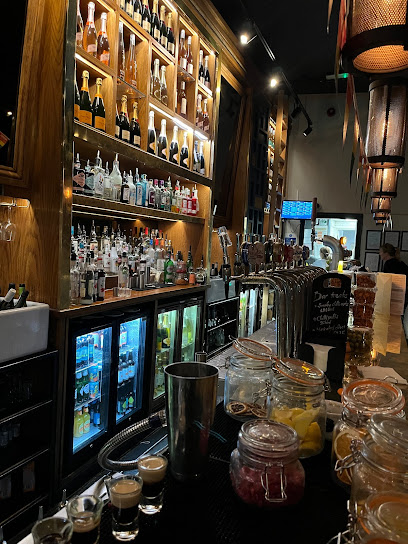
All Bar One Victoria
0.7 km
Sophisticated wines, global bites, and lively vibes on Victoria Street – London's go-to for stylish drinks and casual feasts near Westminster's heart.
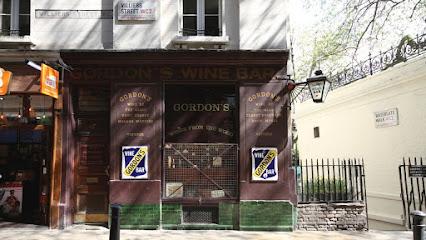
Gordon's Wine Bar
0.8 km
Step into London's oldest wine bar, where history, candlelight, and award-winning wines create an unforgettable cellar experience.
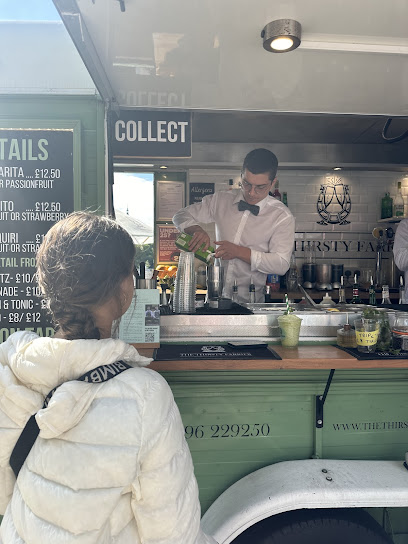
The Thirsty Farrier Cocktail Bar
0.8 km
A vibrant London cocktail bar offering expertly crafted seasonal drinks with scenic riverside views and a welcoming atmosphere.
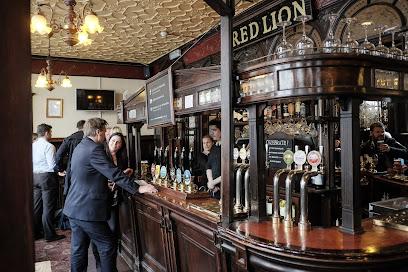
The Red Lion, Mayfair
0.8 km
Historic Victorian pub in Mayfair famed for its political heritage and classic London charm, steps from Downing Street.
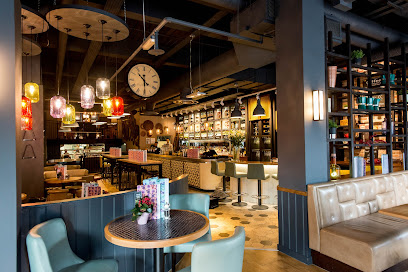
All Bar One Waterloo
0.8 km
Sophisticated South Bank bar serving creative cocktails, sharing plates, and wines in a lively spot near Waterloo Station and the London Eye.
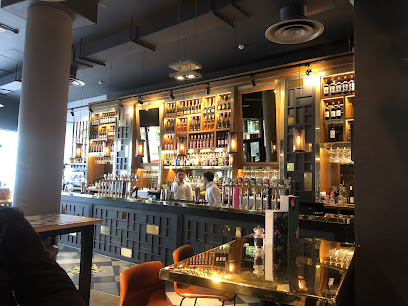
Slug & Lettuce - County Hall
0.9 km
Chic South Bank cocktail haven in County Hall: bottomless brunches, 2-for-1 sips, pub classics, and Thames views for London's liveliest lunches and nights out.
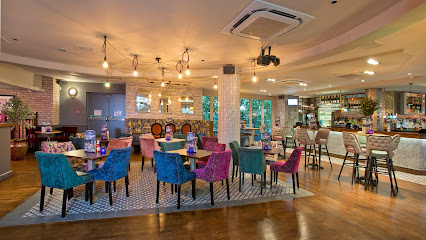
Hampshire Restaurant and Bar
0.9 km
Intimate bar and restaurant serving vibrant Mexican and Peruvian cuisine in the heart of Leicester Square’s iconic theatre district.
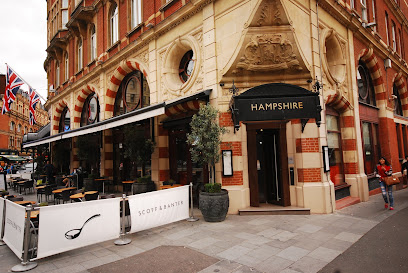
Nightclubs & after hour spots

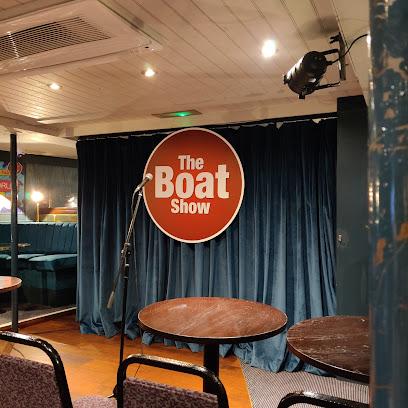
The Boat Show Comedy Club
0.5 km
London’s premier floating comedy club aboard the historic Tattershall Castle, blending laughter with iconic riverside views and vibrant nightlife.
TSQ Club
0.6 km
Dive into Trafalgar Square's nightlife pulse at TSQ Club, where eclectic beats, dazzling lights, and craft cocktails fuel unforgettable weekend nights in London's heart.
Heaven
0.7 km
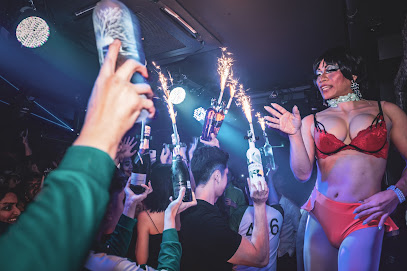
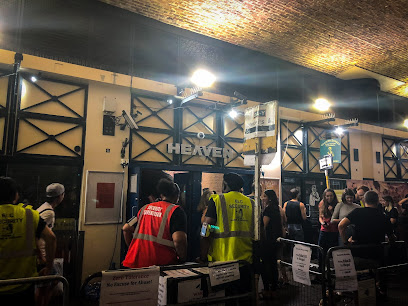
London’s iconic gay superclub under the railway arches — big nights, loud music, drag, and late finishes in the heart of the West End.
The Scotch of St James
0.8 km
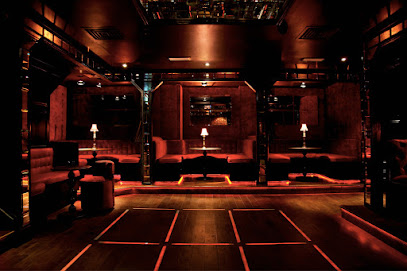
Legendary Mayfair speakeasy where 60s rock stars jammed and today's elite dance till dawn in velvet-clad intimacy.
Tiger Tiger London
0.9 km
Experience London’s iconic Haymarket nightclub with six vibrant rooms, lively DJs, and a dynamic party atmosphere just moments from Piccadilly Circus.
Luxe Club
0.9 km
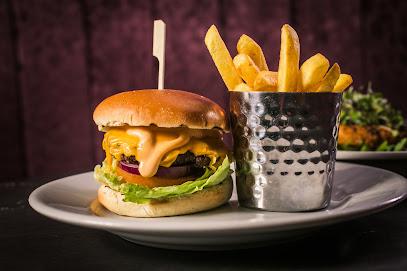
Experience London's vibrant nightlife at Luxe Club, a central hotspot for music, dancing, and late-night entertainment.
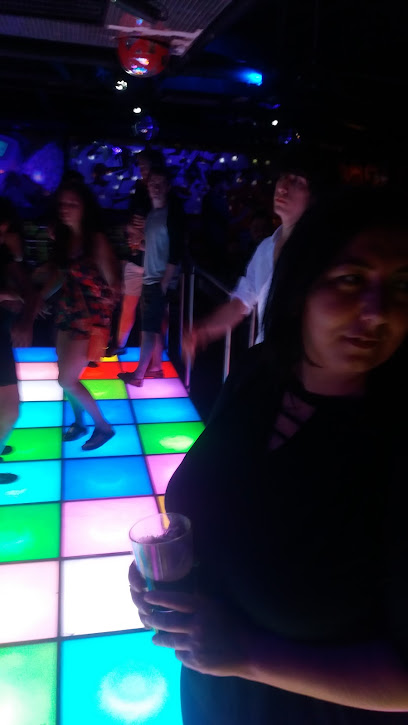
Cirque Du Soul
0.9 km
Dive into Leake Street's graffiti tunnel for soul-stirring electronic nights at this underground nightclub haven.
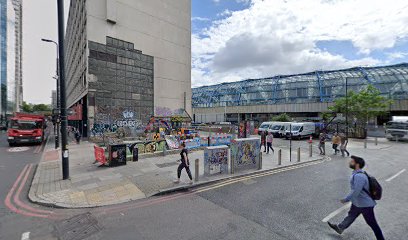
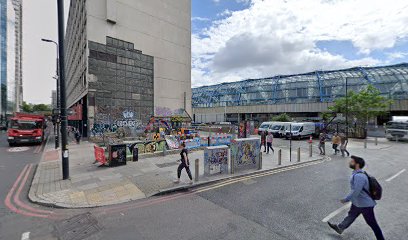
We Are Waterloo
0.9 km
Dive into Leake Street's graffiti heart where street art meets thumping beats in London's ultimate underground nightclub haven.
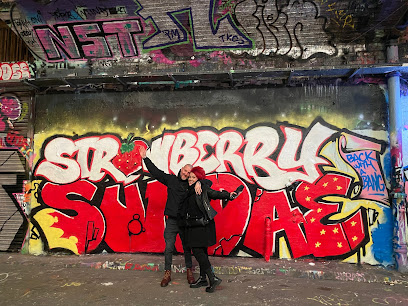
STRAWBERRY SUNDAE
0.9 km
Retro rave haven in Waterloo Arches: Daytime hardcore beats, 90s DJ legends, and industrial euphoria from midday to midnight.
Café de Paris
0.9 km
Step into London’s iconic West End nightclub where history, glamour, and electrifying cabaret create unforgettable nights.
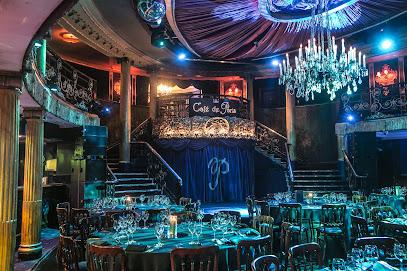
The Penthouse London
1.0 km
A compact, rooftop nightclub above Leicester Square — reached by a side lift, built for late‑night private parties and skyline glimpses.
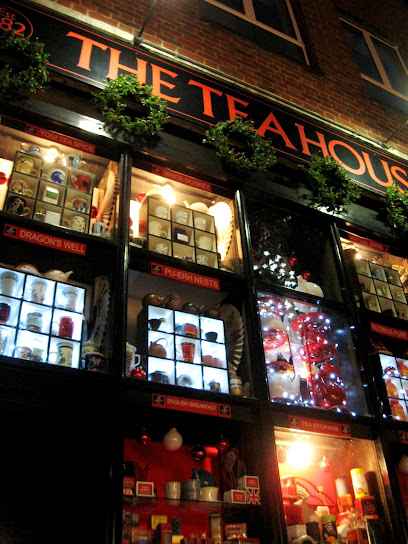
Zoo Bar & Club
1.0 km
Dive into Leicester Square's edgy nightlife hub: two floors of R&B beats, sports screens, and wild energy until 3am at Zoo Bar & Club.
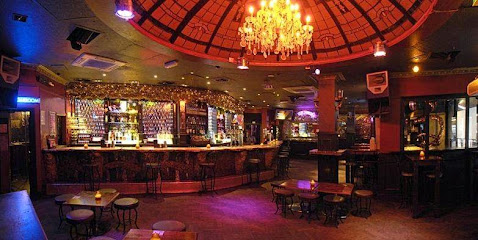
The Cuckoo Club
1.0 km
Exclusive Mayfair nightclub and restaurant blending glamorous design, contemporary cuisine, and vibrant nightlife in London’s upscale scene.
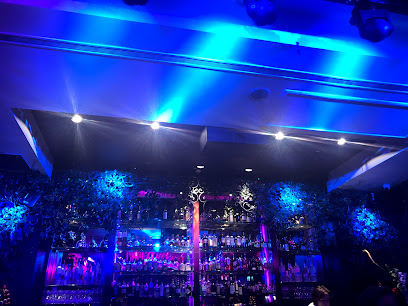
Tabu London
1.0 km
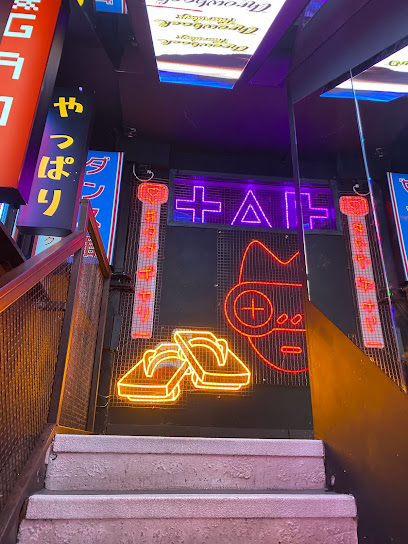
Escape Mayfair's polish for Tokyo's neon-lit Shinjuku alleys at Tabu London—retro gaming vibes, caged dancers, hip-hop beats, and upscale bites fuel epic nights.
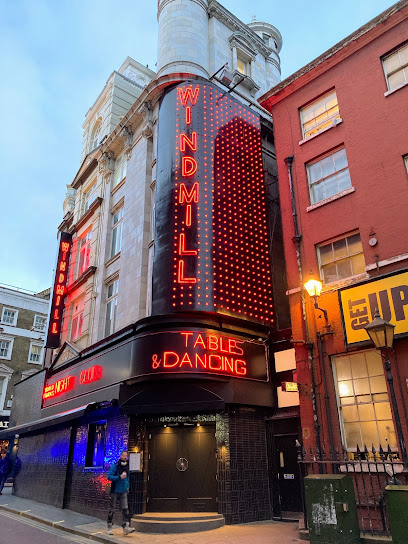
The Windmill Soho | Restaurant, Cabaret & Nightclub in Soho, London
1.1 km
Soho's legendary cabaret den revived: burlesque bites, theatrical feasts, and all-night beats in a historic hotspot of hedonism.
For the vibe & atmosphere seeker
- Unique
- Scenic
- Adventurous
For the design and aesthetic lover
- Vintage Styles
- Industrial Designs
- Retro Vibes
For the architecture buff
- Historic
- Sacred Sites
- Landmarks
For the view chaser and sunset hunter
- Iconic Views
For the social media creator & influencer
- Instagrammable
- Photo Spots
- Architectural Shots
For the eco-conscious traveler
- Protected Area
- Locally Managed
For the kind of experience you’re after
- Cultural Heritage
- Myth & Legends
- Day Trip
For how adventurous you want the journey to be
- Easy Access
Location Audience
- Family Friendly
- Senior Friendly
- Wheelchair Access
- Solo Friendly
- Couple Friendly
- Business Friendly


