Execution Dock House, London Travel Guide
Free Guide: Explore the haunting site where London's Admiralty court executed pirates and maritime criminals for over 400 years along the Thames foreshore.


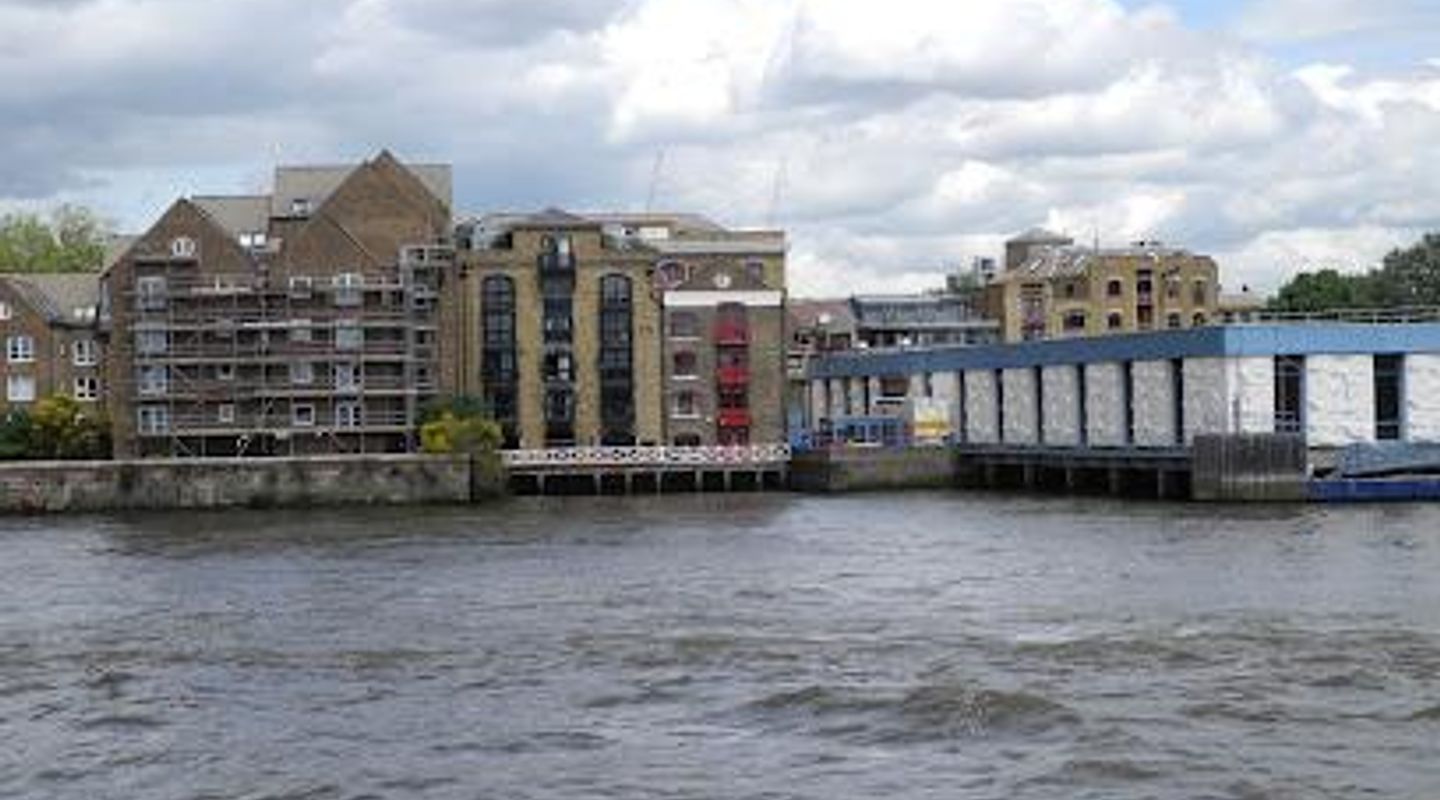
A brief summary of Execution Dock House
Explore the haunting site where London's Admiralty court executed pirates and maritime criminals for over 400 years along the Thames foreshore.
Execution Dock in Wapping, London, was a notorious site where maritime criminals, including pirates and smugglers, were executed for over 400 years until 1830. Situated on the Thames foreshore, it symbolized the Admiralty court's jurisdiction over crimes at sea. The dock witnessed grim public hangings, often using shortened ropes causing prolonged deaths, with bodies left to be submerged by tides as a stark warning. Today, the site offers a somber reflection on London's maritime legal history amid the historic riverside atmosphere.
On-site amenities
 Restrooms
 Drink options
 Food options
 Seating areas
 Information boards
- Address
- 80 Wapping High St, London E1W 2NE
Getting there
London Underground
Bus
Walking
Discover more about Execution Dock House
A Grim Legacy of Maritime Justice
Execution Dock, located along the River Thames in Wapping, London, served as the principal execution site for seafaring criminals for more than four centuries until its last use in 1830. This dock was not a traditional pier but a platform situated on the river's foreshore, marking the boundary of Admiralty jurisdiction. Here, pirates, smugglers, mutineers, and other maritime offenders sentenced to death by the High Court of Admiralty met their fate. The dock’s location below the low tide line was symbolic, emphasizing that the Admiralty’s power extended even into the waters of the Thames estuary.
The Procession and Public Spectacle
Convicted prisoners were typically held in London prisons such as Marshalsea or Newgate before being paraded in a solemn procession through the city. Led by the High Court Marshal carrying a silver oar—an emblem of Admiralty authority—the condemned were transported across London Bridge and past the Tower of London to the dock at Wapping. The journey was a public event, drawing crowds who lined the riverbanks or moored boats to witness the executions. A chaplain accompanied the prisoners to offer spiritual counsel, and tradition allowed the condemned a last drink of ale at a nearby inn to calm their nerves before the ordeal.
The Execution Method and Its Harrowing Details
Executions at Execution Dock were carried out by hanging, but with a shortened rope that prevented a quick death by neck break. Instead, the condemned died slowly from suffocation, their limbs convulsing in what was known as the "Marshals Dance." After death, bodies were often left hanging until three tides washed over them, serving as a grim deterrent. Notorious pirates, such as Captain William Kidd, were sometimes tarred and displayed in iron cages called gibbets along the riverbanks for years, reinforcing the severity of maritime law.
Historical Uncertainty and Present-Day Remembrance
The exact location of Execution Dock is debated, with several nearby pubs—the Prospect of Whitby, Captain Kidd, and Town of Ramsgate—claiming proximity to the original site. The Town of Ramsgate, near Wapping Old Stairs, is widely regarded as the likeliest spot, where steps lead down to the foreshore at low tide. Though the original gallows are long gone, a replica gallows at the Prospect of Whitby pub commemorates the site’s dark history. Today, Execution Dock stands as a solemn landmark, offering visitors a glimpse into London's maritime past and the harsh justice meted out on the Thames.
The Dock’s Role in London's Maritime Heritage
Execution Dock was integral to London’s status as a major port and maritime power. By enforcing strict punishments on pirates and other sea criminals, it helped maintain order on the high seas and protect trade routes vital to the British Empire. The dock’s history reflects broader themes of law, punishment, and spectacle in London’s urban and maritime culture. Visitors to the area can appreciate the atmospheric riverside setting, historic cobbled streets of Wapping, and the enduring legacy of maritime law enforcement.
Visiting Execution Dock Today
While Execution Dock is not a bustling tourist attraction, its quiet presence invites reflection on a turbulent past. The surrounding Wapping area, with its historic warehouses and scenic river views, complements the experience. Informational plaques and the replica gallows help contextualize the site’s significance. Visiting early in the day offers a peaceful atmosphere and better photographic opportunities, allowing visitors to absorb the poignant history that lingers along the Thames.
Evendo Review Centre
 Google
Guest reviews
Best time to go
Quietest: Jan, Feb & Dec · before 3am
Busy times are Evendo estimates for a typical year, to help you plan. Actual crowds vary with events, school holidays and the weather.
Explore Execution Dock House on the map
A handpicked selection of must-see spots near Execution Dock House, mapped for you.
Get your free copy of our complete guide to Execution Dock House, delivered straight to you.
Everything on this page, from opening hours and how to get there to Eve’s tips and the best time to go, in one PDF you can read offline, print or share.
Already have an account? Sign in
Your Execution Dock House guide is ready.
We'll send it to · Not you? Sign out

Getting your guide ready…
We are putting together a fresh copy of the Execution Dock House guide. This can take up to a minute.
This can take a few moments. If your browser asks, choose Allow so the download can start. You'll find the guide in your Downloads folder.
Nothing happened? Download it again
Sorry, the guide is taking longer than usual. Please try again in a minute, or get it by email instead.
Unlock the best of Execution Dock House
Skip-the-line tickets, guided tours with entry, and walking tours of the area, booked in a few clicks.

Other nearby places you may find interesting
The closest places of the same kind, if this one is not quite what you had in mind.
-

-
-
-
-


Swipe for more places
More to explore near Execution Dock House

 Best experiences near Execution Dock House
 Best hotels near Execution Dock House
 Best landmarks near Execution Dock House
 Best attractions near Execution Dock House
 Best shops near Execution Dock House
 Best restaurants near Execution Dock House
 Best bars near Execution Dock House
Do you manage this location?
Take control to get all the benefits, like improved information, better appearance, and stronger visibility across AI-powered discovery.
Explore more

Explore more of London
Explore London: A city of iconic landmarks, rich history, vibrant culture, and endless attractions that cater to every taste, making it a must-visit destination.
Explore London
Explore more of United Kingdom
Discover the United Kingdom: A blend of rich history, stunning landscapes, and vibrant cities, offering a unique travel experience for every visitor.
Explore United Kingdom