

Quayside (Newcastle upon Tyne) Travel Guide - Free
Explore Quayside in Newcastle upon Tyne with Evendo's free guide. Find the best shops, historic streets, restaurants, and gems on web or mobile.


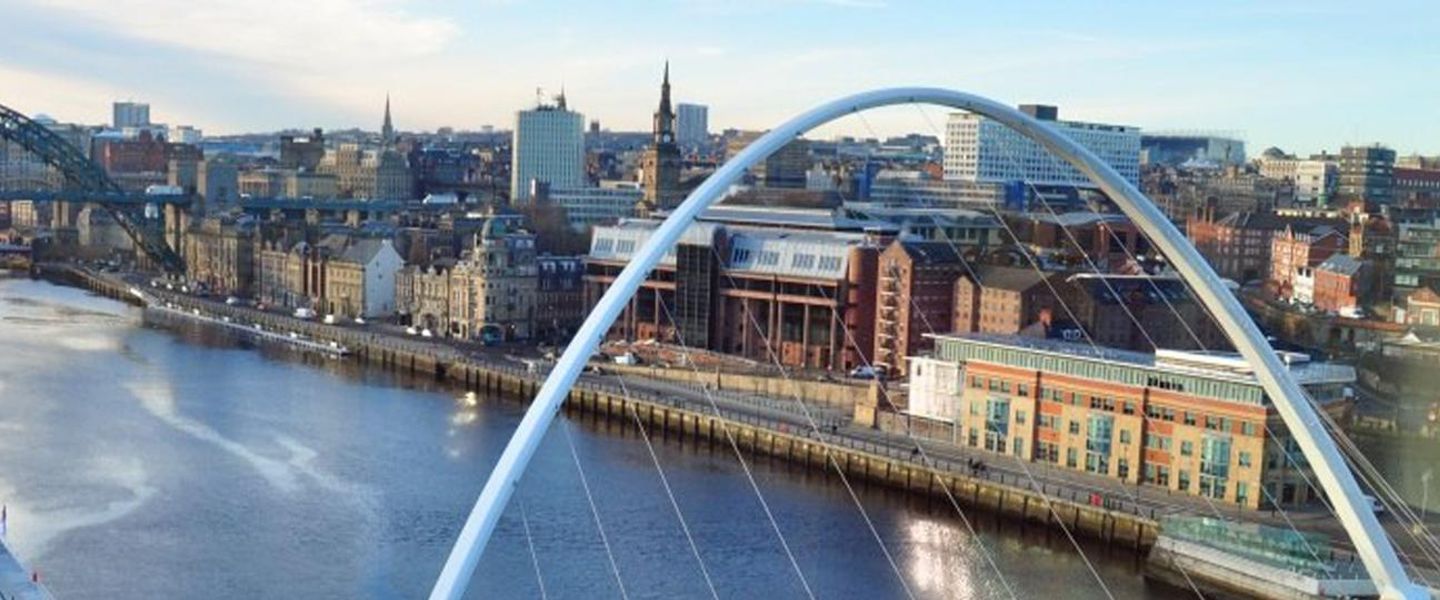


Quayside Newcastle upon Tyne pairs historic coal-trade warehouses with riverside walks, landmark bridges, restaurants and evening cultural venues by the Tyne.
A Riverside District Shaped by Trade
Quayside follows the Newcastle bank of the River Tyne beneath the city centre, occupying the narrow strip between steep streets and the water. Its identity was formed by the river: medieval wharves, coal shipping, shipbuilding and warehouses once connected Newcastle to national and international trade. Many of the surviving brick and stone buildings now contain restaurants, bars, offices and apartments, while the broad riverside promenade provides one of the city's most distinctive walks.Read more about Quayside
Bridges and Architecture
Culture, Food and Evening Life
Best attractions in Quayside
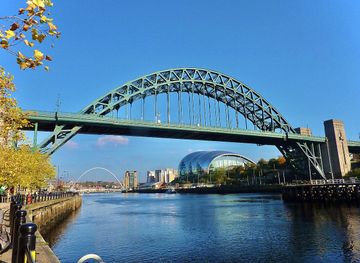
Quayside's principal attraction is the river itself, viewed along a broad promenade framed by the Tyne Bridge, Swing Bridge, High Level Bridge and Millennium Bridge. The bridges create changing perspectives as visitors walk between them, while the Quayside Market brings stalls and public activity to the waterfront on Sundays. The Guildhall, at the eastern end of the Newcastle riverfront, adds a civic and historic dimension, and the converted warehouse buildings show how the former trading district has been reused. Across the river in Gateshead, the Millennium Bridge provides direct pedestrian access to BALTIC Centre for Contemporary Art and The Glasshouse, both prominent parts of the wider Tyne panorama but not attractions within Newcastle's Quayside. The river walk also offers views towards the upper city, steep historic streets and the industrial edges of the wider Tyne corridor.
-
 Bridge
Gateshead Millennium Bridge
Experience the world’s only tilting pedestrian bridge gracefully spanning the River Tyne, a modern marvel linking Gateshead and Newcastle.
4 min walk · 0.3 km from neighbourhood centre
-
Tourist attraction
Great North Museum: Hancock
Discover natural history, ancient cultures, and Hadrian’s Wall at Newcastle’s free, family-friendly Great North Museum: Hancock.
17 min walk · 1.4 km from neighbourhood centre
-
Castle
Newcastle Castle
Explore Newcastle Castle, a majestic Norman fortress with panoramic city views and nearly 2,000 years of history at the heart of Newcastle upon Tyne.
5 min walk · 0.4 km from neighbourhood centre
-
Park and Garden
Jesmond Dene
A tranquil Victorian woodland park in Newcastle, featuring waterfalls, historic ruins, family-friendly attractions, and scenic river trails.
7 min drive · 2.5 km from neighbourhood centre


Best landmarks in Quayside
Quayside's landmarks form an unusually concentrated record of Tyneside's transport, civic and industrial history. The Tyne Bridge, completed in 1928, is the most recognisable structure, while the High Level Bridge of 1849 and the Swing Bridge of 1876 show earlier solutions to crossing a busy working river. The Millennium Bridge, opened in 2001, introduced a distinctly modern landmark and a pedestrian connection to Gateshead. Near the eastern end, the Guildhall anchors the historic civic waterfront, and the surviving warehouse buildings recall the district's commercial past. These structures are significant not simply as viewpoints but as evidence of the changing relationship between Newcastle, Gateshead, engineering, trade and the River Tyne. The bridges are shared urban landmarks, so their opposite-bank approaches should not be described as part of Newcastle Quayside itself.
-
Monument
Grey's Monument
Discover Newcastle’s historic Grey's Monument, a towering tribute to Earl Grey and a gateway to the city’s Georgian elegance and vibrant urban life.
10 min walk · 0.8 km from neighbourhood centre
-
Historical landmark
Trinity House
Explore Newcastle’s maritime heritage and medieval history in the historic Trinity House on Broad Chare.
2 min walk · 0.1 km from neighbourhood centre
-
Historical landmark
River God
An iconic statue on Newcastle’s Quayside embodying the city’s deep connection to the River Tyne and its maritime heritage.
3 min walk · 0.3 km from neighbourhood centre
-
Historical landmark
Blacksmiths Needle
A captivating 7.6m steel sculpture on Newcastle Quayside, blending maritime themes with the five senses and a mysterious sixth sense.
6 min walk · 0.5 km from neighbourhood centre


Explore Quayside on the map
A handpicked selection of must-see spots in Quayside, mapped for you.
Best hotels in Quayside
Best restaurants in Quayside
Quayside's dining scene is concentrated in converted warehouses and riverside buildings, where restaurants, pubs and cafés take advantage of views towards the bridges. Options range from contemporary European and British menus to relaxed all-day dining and traditional pub food, with The Broad Chare providing a well-established gastropub presence near the waterfront and venues such as Pitcher & Piano occupying a former riverside setting. The area is convenient for a meal before or after cultural visits across the river, although BALTIC's cafés and restaurants are in Gateshead rather than Newcastle Quayside. The strongest concentration is around the promenade and adjoining streets, while the climb towards the city centre opens access to the much broader dining scene of central Newcastle. Tables with river views are particularly sought after, but the neighbourhood's food identity rests as much on adaptive reuse and atmosphere as on a single local speciality.
-
Pub
The Quayside - JD Wetherspoon
Historic Quayside warehouse transformed into a lively Wetherspoon haven, serving affordable pub grub and pints in Newcastle's riverside heart from dawn till deep into the night.
5 min walk · 0.4 km from neighbourhood centre
-
Brasserie
Babucho
Stylish Italian brasserie in Newcastle offering classic dishes, a lively atmosphere, and attentive service in a chic city-center setting.
4 min walk · 0.3 km from neighbourhood centre
-
Restaurant
Tomahawk Steakhouse - Newcastle
Premium steakhouse on Newcastle’s Quayside offering expertly cooked tomahawk steaks and a vibrant riverside dining experience.
2 min walk · 0.2 km from neighbourhood centre
-
Gastropub
The Broad Chare
Newcastle's Quayside gastropub gem: Michelin Bib Gourmand British classics, seasonal bar snacks, and cask ales in a historic red-brick haven buzzing with proper pub cheer.
1 min walk · 0.1 km from neighbourhood centre


Best bars in Quayside
Quayside is an evening dining and drinking district rather than Newcastle's main late-night clubbing quarter. Riverside pubs and bars occupy former commercial buildings, including the Bridge Tavern beneath the Tyne Bridge and the RedHouse on Sandhill, while cocktail-led and restaurant bars add a more contemporary layer along the waterfront. The atmosphere changes with the day: the promenade is relaxed in daylight, busier around dinner and livelier on Friday and Saturday nights. Live entertainment and cultural events are more strongly associated with venues across the river in Gateshead, while Newcastle's larger club scene lies uphill in the city centre. Visitors staying directly on the waterfront should expect occasional evening noise near popular venues, with a quieter feel towards less commercial stretches of the river walk.
-
Bar
Pitcher & Piano Newcastle
A multi-level Quayside bar with panoramic Tyne views, long cocktails and a lively weekend vibe for groups and riverfront people-watching.
5 min walk · 0.4 km from neighbourhood centre
-
Bar
The Botanist Newcastle
Newcastle's blooming secret garden: botanical cocktails, live music, and seasonal feasts in a lush, two-floor haven amid Monument Mall's buzz.
10 min walk · 0.8 km from neighbourhood centre
-
Bar
Pleased To Meet You
A social, design‑leaning bar and restaurant on High Bridge — extensive gins, crafted cocktails and seasonal plates in a lively late‑night setting.
8 min walk · 0.6 km from neighbourhood centre
-
Pub
Lady Greys
Newcastle's quirkiest ale haven: real ales, cozy vibes, and late-night Geordie spirit on Shakespeare Street.
8 min walk · 0.6 km from neighbourhood centre


Best nightclubs in Quayside
Quayside is an evening dining and drinking district rather than Newcastle's main late-night clubbing quarter. Riverside pubs and bars occupy former commercial buildings, including the Bridge Tavern beneath the Tyne Bridge and the RedHouse on Sandhill, while cocktail-led and restaurant bars add a more contemporary layer along the waterfront. The atmosphere changes with the day: the promenade is relaxed in daylight, busier around dinner and livelier on Friday and Saturday nights. Live entertainment and cultural events are more strongly associated with venues across the river in Gateshead, while Newcastle's larger club scene lies uphill in the city centre. Visitors staying directly on the waterfront should expect occasional evening noise near popular venues, with a quieter feel towards less commercial stretches of the river walk.
-
Nightclub
Flares - Newcastle
Newcastle's ultimate retro disco den: neon grooves, cheesy anthems, and non-stop dancing from 70s to 00s in the heart of the nightlife scene.
7 min walk · 0.5 km from neighbourhood centre
-
Nightclub
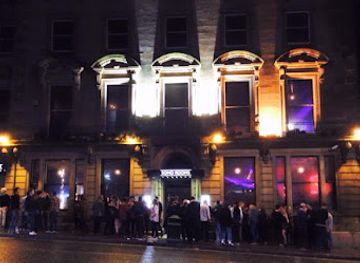
SOHO ROOMS | Newcastle
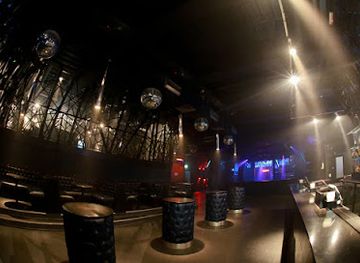
Four floors of unrelenting beats, epic drink deals, and Newcastle's fiercest nightlife vibes—your ultimate late-night escape awaits.
6 min walk · 0.5 km from neighbourhood centre
-
Nightclub
Digital
Newcastle's sonic fortress: Funktion-One legend, industrial beats, and Geordie nights that thump till dawn in Times Square.
13 min walk · 1.1 km from neighbourhood centre
-
Nightclub
Popworld - Newcastle
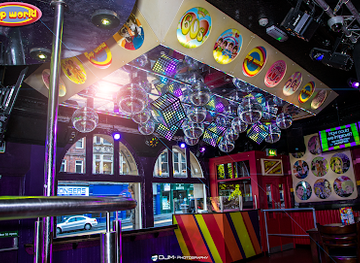
Dive into pop paradise on Bigg Market: cheesy hits, disco lights, cheap drinks, and inflatable antics fuel Newcastle's ultimate guilty-pleasure nightclub.
9 min walk · 0.7 km from neighbourhood centre

Best shops in Quayside
Shopping on Quayside is centred more on the Sunday market and occasional independent stalls than on a permanent high-street retail offer. Market traders bring food, crafts, vintage items and other small-scale goods to the riverside, creating a changing commercial setting that contrasts with central Newcastle's chain stores and established shopping streets. The historic lanes rising from the waterfront towards Sandhill and the city centre contain independent businesses and places to browse, but the district is primarily known for restaurants, bars, offices and apartments rather than specialist retail. Visitors interested in creative work can combine the market with a walk across the Millennium Bridge to BALTIC in Gateshead, where exhibitions and cultural programming may include a shop, though that venue lies outside Quayside. Market availability and stall composition can vary, so the waterfront is best approached as a social and browsing experience rather than a guaranteed source of particular products.
-
Gift shop
Geordie Gifts
Handmade Geordie-themed cards, mugs and keepsakes in Alley 4 of Newcastle’s historic Grainger Market — small souvenirs with big local character.
10 min walk · 0.8 km from neighbourhood centre
-
Gift shop
UpSide Down Presents
Quirky Geordie gifts, original cards and locally made keepsakes tucked beneath a Tyne-side railway arch.
5 min walk · 0.4 km from neighbourhood centre
-
Gift shop
Souvenirs upon Tyne
Newcastle's tiniest trove of Geordie gems, under historic arches—locally made magnets, mugs, and chutneys capture the Toon's indomitable spirit.
5 min walk · 0.4 km from neighbourhood centre
-
Vintage Clothing Shop
The Yesterday Society Vintage Boutique
A compact, friendly vintage boutique in Newcastle's Grainger Market — stuffed with hand-picked retro clothing, hats and accessories for everyday wear and one-off finds.
10 min walk · 0.8 km from neighbourhood centre


Quayside essentials
Getting There
Getting Around
Safety
Emergency Situations
Do's and Don'ts
Local Tips

From Eve
Local phrases worth knowing
You don't need to get them perfect. A few words go a long way, and locals appreciate the effort.
Basics
| English | Local | Say it |
|---|---|---|
| Hello | Alright? | [al-right?] |
| Goodbye | Ta-ra | [ta-ra] |
| Yes | Aye | [aye] |
| No | Nah | [nah] |
| Please/You're welcome | Ta | [ta] |
| Thank you | Cheers | [cheers] |
| Excuse me/Sorry | Sorry | [so-ree] |
| How are you? | How do? | [how do?] |
| Fine. And you? | Sound. You? | [sound. you?] |
| Do you speak English? | D'ya speak English? | [d'ya speak English?] |
| I don't understand | I ain't got a clue | [I ain't got a clue] |
Eating & Drinking
| English | Local | Say it |
|---|---|---|
| I'd like to see the menu, please | Can I see the menu, please | [Can I see the menu, please] |
| I don't eat meat | I'm veggie | [I'm veggie] |
| Cheers! | Cheers! | [Cheers!] |
| I would like to pay, please | Can I pay, please | [Can I pay, please] |
Emergencies
| English | Local | Say it |
|---|---|---|
| Help! | Help! | [Help!] |
| Go away! | Clear off! | [Clear off!] |
| Call the Police! | Ring the Bill | [Ring the Bill] |
| Call a doctor! | Get a medic | [Get a medic] |
| I'm lost | I'm all at sea | [I'm all at sea] |
| I'm ill | I'm poorly | [I'm poorly] |
Shopping
| English | Local | Say it |
|---|---|---|
| I'd like to buy... | I'm after... | [I'm after...] |
| I'm just looking | Just browsing | [Just browsing] |
| How much is it? | How much is that? | [How much is that?] |
| That's too expensive | That's dear | [That's dear] |
| Can you lower the price? | Any chance of a discount? | [Any chance of a discount?] |
Time & Numbers
| English | Local | Say it |
|---|---|---|
| What time is it? | What's the time? | [What's the time?] |
| It's one o'clock | It's one | [It's one] |
| Half past (10) | Half ten | [Half ten] |
| Morning | Mornin' | [Mornin'] |
| Afternoon | Afternoon | [Afternoon] |
| Evening | Evenin' | [Evenin'] |
| Yesterday | Yest'day | [Yest'day] |
| Today | Today | [Today] |
| Tomorrow | Morrow | [Morrow] |
| 1 | One | [One] |
| 2 | Two | [Two] |
| 3 | Three | [Three] |
| 4 | Four | [Four] |
| 5 | Five | [Five] |
| 6 | Six | [Six] |
| 7 | Seven | [Seven] |
| 8 | Eight | [Eight] |
| 9 | Nine | [Nine] |
| 10 | Ten | [Ten] |
Transport & Directions
| English | Local | Say it |
|---|---|---|
| Where's a/the...? | Where's the...? | [Where's the...?] |
| What's the address? | Where's the gaff? | [Where's the gaff?] |
| Can you show me (on the map)? | Can you show us? | [Can you show us?] |
| When's the next (bus)? | When's the next un? | [When's the next un?] |
| A ticket (to ....) | A ticket (to ....) | [A ticket (to ....)] |
History of Quayside
Medieval Wharves and River Trade
Quayside developed along the tidal Tyne below Newcastle's medieval town, where landing places and wharves supported the movement of grain, wool, salt, wine and other goods. The river also served the castle town above it, while the steep routes climbing towards the Sandhill and the Guildhall connected waterfront commerce with the historic centre. The exact shoreline changed over time as embankments, quays and retaining walls were built, but the area's essential role remained constant: it was Newcastle's working interface with the river and an important source of commercial wealth.
Coal, Warehouses and Industrial Expansion
From the eighteenth century, Newcastle's prominence in the coal trade transformed the waterfront. Quayside handled coal and other cargoes associated with the wider Tyne shipping economy, and warehouses, counting houses and ship-related businesses filled the riverside. The surviving historic fabric reflects this commercial period, particularly in robust brick buildings and long warehouse fronts. The river was busy with keels, ferries and larger vessels, while the bridges and engineered embankments increasingly shaped movement between Newcastle and Gateshead.
Bridges and the Modern Riverfront
The construction of major bridges changed Quayside's relationship with the rest of the region. The High Level Bridge opened in 1849, followed by the Swing Bridge in 1876 and the Tyne Bridge in 1928, each reflecting a different phase of railway, road and industrial engineering. Their arrival improved connections but also intensified the waterfront's role as an infrastructure corridor. By the twentieth century, changing shipping patterns and the decline of traditional port activity left parts of Quayside underused, even as the bridges remained essential symbols of Tyneside.
Regeneration and Cultural Reuse
Late twentieth-century regeneration recast Quayside from a largely working waterfront into a mixed public, cultural and leisure district. Historic buildings were adapted for hospitality, offices and homes, and the riverside became a place for walking, markets and public events. The opening of the Millennium Bridge in 2001 strengthened the pedestrian connection to Gateshead's cultural quarter, while nearby redevelopment brought new restaurants and accommodation. This transformation preserved important industrial and civic structures, although it also changed the balance between everyday river commerce and visitor-oriented activity.
Quayside in Photos
Browse through our photo collection highlighting the charm and character of the destination.
Neighbourhoods near Quayside
The closest neighbourhoods to Quayside, if you have time for more than one stop.
-

-


Swipe for more neighbourhoods
Explore more
Explore more of Newcastle upon Tyne
Newcastle upon Tyne combines Roman history, grand architecture, famous bridges, riverside culture, lively neighbourhoods and distinctive North East character.
Explore Newcastle upon Tyne