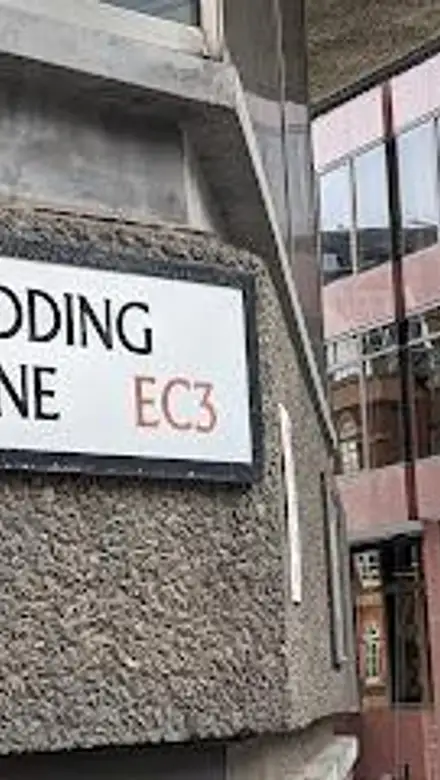
Pudding Ln Travel Guide
Free Guide: Pudding Lane: Historic street where the Great Fire of London ignited, shaping the city’s future and urban heritage.


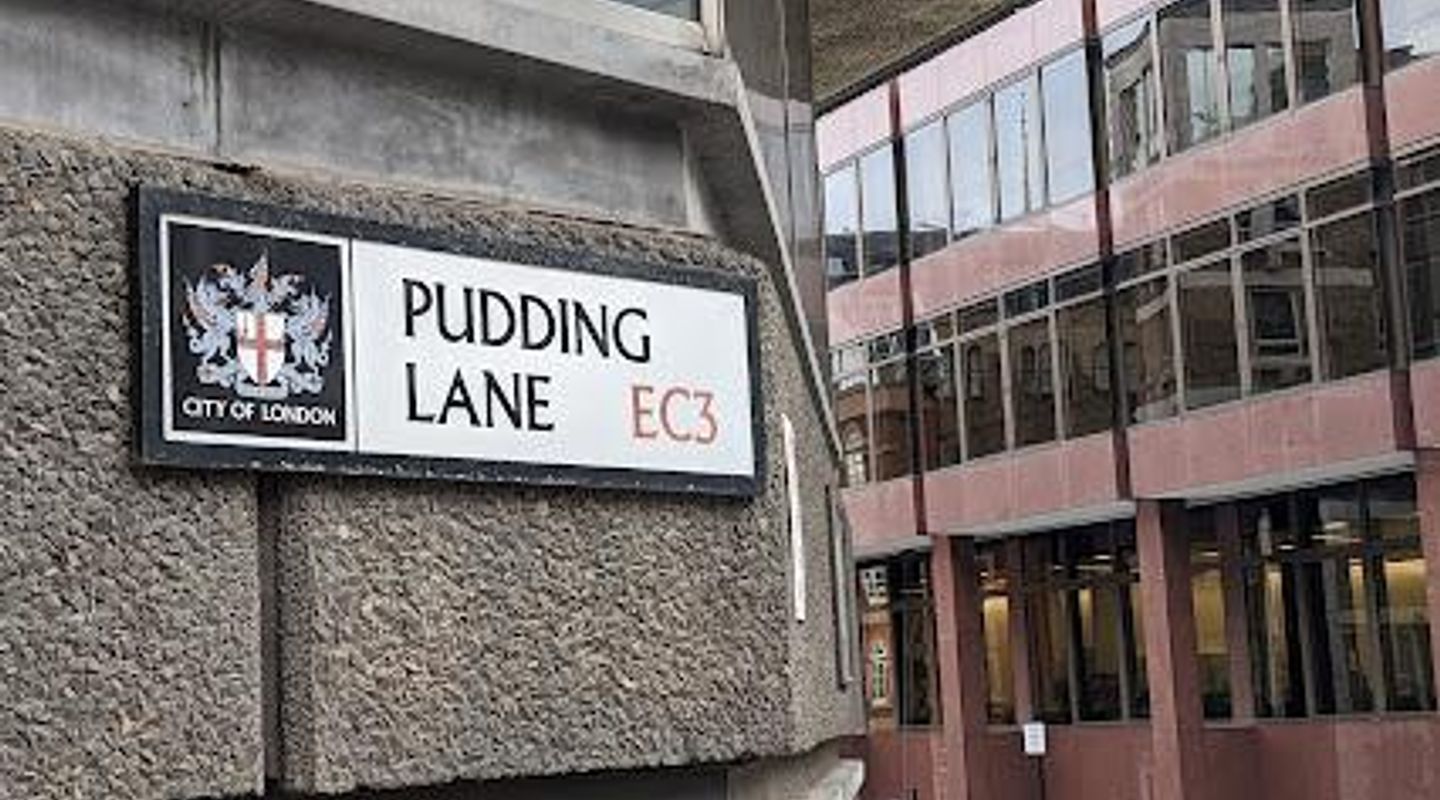
A brief summary of Pudding Ln
Pudding Lane: Historic street where the Great Fire of London ignited, shaping the city’s future and urban heritage.
Pudding Lane in London is famously known as the site where the Great Fire of London began in 1666, originating from Thomas Farriner’s bakery. This narrow street, once part of a bustling meat market district, played a pivotal role in shaping London’s history and urban development. Beyond its fiery legacy, Pudding Lane is notable for being one of the world’s earliest one-way streets, reflecting early traffic regulation efforts in the city.
On-site amenities
 Restrooms
 Drink options
 Food options
 Information boards
- Address
- London
Getting there
Underground
Bus
Taxi or Rideshare
Discover more about Pudding Ln
The Origins and Name of Pudding Lane
Pudding Lane’s name is rooted in medieval London’s meat trade rather than sweet desserts. The term "pudding" historically referred to butchers’ offal—animal guts and entrails—rather than the creamy desserts the word evokes today. In medieval times, Pudding Lane was lined with butchers’ stalls connected to the nearby Eastcheap meat market. Butchers would dispose of offal by carrying it down Pudding Lane to waste barges on the Thames or, earlier, by tossing it directly into the river during ebb tide. The lane was also known by other names such as Rother Lane and Red Rose Lane, reflecting its varied historical identity.
The Great Fire of London’s Fiery Beginning
Pudding Lane is most famously remembered as the starting point of the devastating Great Fire of London on September 2, 1666. The fire began in the early hours at the bakery of Thomas Farriner, the King’s baker, when sparks from an oven ignited nearby sacks of flour. Fueled by strong winds and the dense wooden structures of medieval London, the fire rapidly spread, consuming about 85 percent of the city over four days. Major landmarks including St. Paul’s Cathedral, London Bridge, and numerous churches and guild halls were destroyed. Despite the massive destruction, recorded deaths were few, though many unrecorded casualties likely occurred.
Urban Transformation and Legacy
The aftermath of the fire led to significant changes in London’s urban landscape and regulations. King Charles II enacted the Rebuilding Act of 1667, introducing new building codes to prevent future fires. Pudding Lane itself holds the distinction of being one of the world’s first designated one-way streets, a traffic regulation established in 1617 to control cart movement near the Thames. The fire also spurred the creation of the first fire insurance companies, with insured buildings displaying metal plaques called Fire Marks. A commemorative Doric column, known simply as the Monument, was erected nearby about a decade later to mark the fire’s origin and honor the city’s resilience.
The Character and Atmosphere of Pudding Lane Today
Today, Pudding Lane is a quiet, narrow street located in the City of London, near the Monument underground station. The modern street is overshadowed by the concrete structure of Faryners House at the corner of Pudding Lane and Monument Street, a subtle reminder of the historic bakery site. While the butchers have long since moved to other markets, the lane’s name and legacy remain a vivid link to London’s medieval past and its dramatic transformation following the Great Fire.
Cultural and Historical Significance
Pudding Lane’s story is interwoven with London’s cultural fabric, appearing in literary works and historical chronicles. It symbolizes both the vulnerability and resilience of the city, marking a turning point in urban planning, fire safety, and municipal governance. The lane’s connection to the Great Fire continues to captivate historians and visitors alike, serving as a tangible reminder of a pivotal moment that reshaped London forever.
Preservation and Commemoration
The Monument near Pudding Lane, designed by Sir Christopher Wren, stands as a lasting tribute to the fire and the city’s rebirth. The area is marked by information boards and historical references that educate visitors about the fire’s origins and impact. Pudding Lane remains an essential stop for those exploring London’s rich history, offering insight into the city’s medieval commerce, urban evolution, and the dramatic events of 1666.
Evendo Review Centre
 Google
Guest reviews
Best time to go
Quietest: Jan, Feb & Dec · before 6am or at 10pm
Busy times are Evendo estimates for a typical year, to help you plan. Actual crowds vary with events, school holidays and the weather.
Explore Pudding Ln on the map
A handpicked selection of must-see spots near Pudding Ln, mapped for you.
Get your free copy of our complete guide to Pudding Ln, delivered straight to you.
Everything on this page, from opening hours and how to get there to Eve’s tips and the best time to go, in one PDF you can read offline, print or share.
Already have an account? Sign in
Your Pudding Ln guide is ready.
We'll send it to · Not you? Sign out

Getting your guide ready…
We are putting together a fresh copy of the Pudding Ln guide. This can take up to a minute.
This can take a few moments. If your browser asks, choose Allow so the download can start. You'll find the guide in your Downloads folder.
Nothing happened? Download it again
Sorry, the guide is taking longer than usual. Please try again in a minute, or get it by email instead.
Unlock the best of Pudding Ln
Skip-the-line tickets, guided tours with entry, and walking tours of the area, booked in a few clicks.
Other nearby places you may find interesting
The closest places of the same kind, if this one is not quite what you had in mind.
-
-
-
-
-


Swipe for more places
More to explore near Pudding Ln

 Best experiences near Pudding Ln
 Best hotels near Pudding Ln
 Best landmarks near Pudding Ln
 Best attractions near Pudding Ln
 Best shops near Pudding Ln
 Best restaurants near Pudding Ln
 Best bars near Pudding Ln
Do you manage this location?
Take control to get all the benefits, like improved information, better appearance, and stronger visibility across AI-powered discovery.
Explore more
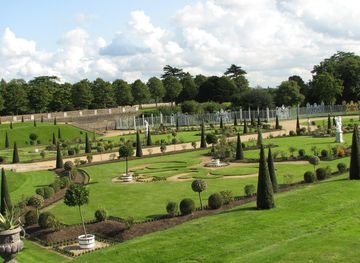
Explore more of Surrey
Explore the picturesque landscapes, historic landmarks, and charming villages of Surrey, a quintessential English countryside retreat just a stone's throw from London.
Explore Surrey
Explore more of United Kingdom
Discover the United Kingdom: A blend of rich history, stunning landscapes, and vibrant cities, offering a unique travel experience for every visitor.
Explore United Kingdom