
Assynt Viewpoint
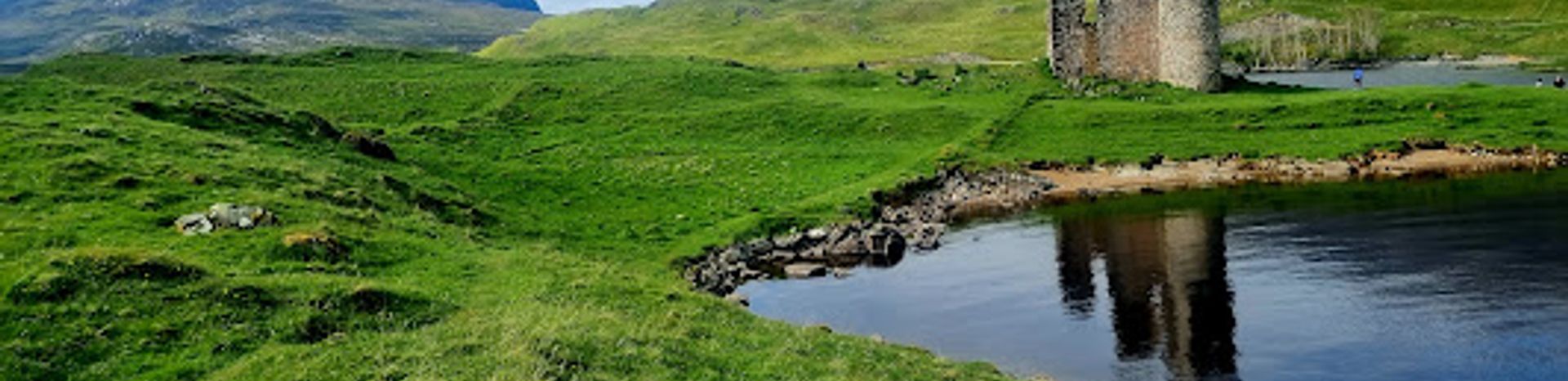
Dramatic Highland peaks frame an ancient loch and castle ruins in Scotland's remote geological wonderland.
Assynt Viewpoint is a free, accessible day-use area in the Scottish Highlands near Lairg, offering panoramic vistas of one of Scotland's most dramatic landscapes. Perched above Loch Assynt, the viewpoint showcases towering peaks including Quinag, Canisp, and Beinn Uidhe, alongside ancient Ardvreck Castle ruins. The site features walking tracks, ample parking for vehicles and RVs, and is dog-friendly, making it an ideal stop for photographers, hikers, and nature enthusiasts exploring the remote Assynt region.
A brief summary to Assynt Viewpoint
- Lairg, GB
- Duration: 1 to 4 hours
- Free
-
 Outdoor
- Mobile reception: 2 out of 5
- Monday 12 am-12 am
- Tuesday 12 am-12 am
- Wednesday 12 am-12 am
- Thursday 12 am-12 am
- Friday 12 am-12 am
- Saturday 12 am-12 am
- Sunday 12 am-12 am
Local tips
- Visit during clear weather for optimal photography and mountain visibility. Bring binoculars for spotting red deer, golden eagles, and other wildlife across the moorlands.
- Explore Ardvreck Castle ruins on the loch's north shore—accessible in all but the worst weather and offering intimate historical perspective alongside excellent photo opportunities.
- Plan day trips to nearby waterfalls including Falls of Kirkaig (5km) and Wailing Widow Falls. Visit after heavy rain when water volumes are highest and most dramatic.
- Allow time to simply sit and observe the landscape's changing light and atmospheric conditions—the mountains and sky shift dramatically throughout the day.
- Download offline maps before arriving, as mobile reception is unreliable. Bring weather-appropriate clothing as conditions can change rapidly in this exposed location.

For the on-the-go comforts that matter to you
- Seating Areas
- Picnic Areas
- Trash Bins
- Information Boards
Getting There
-
By Car from Lochinver
Drive east from Lochinver on the A837 towards Inchnadamph, approximately 15 kilometres, taking 20–25 minutes. The viewpoint carpark is clearly signposted along this route. The road is a single-track road with passing places in sections. Suitable for all standard vehicles and RVs. Free parking available at the viewpoint.
-
By Car from Ullapool
Travel north from Ullapool on the A835 for approximately 40 kilometres, then continue on the A837 towards Inchnadamph for a further 15 kilometres, totalling approximately 55 kilometres and 1 hour 15 minutes of driving. The route passes through dramatic Highland scenery. Parking is free at the viewpoint carpark.
-
Walking from Inchnadamph
Inchnadamph village lies approximately 3 kilometres south of the viewpoint. A walking route of 45–60 minutes follows the landscape alongside Loch Assynt, offering ground-level perspectives of the water and mountains. Terrain is moorland with uneven ground; waterproof footwear recommended. This option suits experienced walkers comfortable with remote, exposed terrain.
-
Seasonal Access Considerations
The viewpoint remains accessible year-round, though winter weather can be severe with snow, ice, and poor visibility. The A837 may experience temporary closures during extreme weather. Summer and autumn offer the most reliable access and best weather conditions. Check local weather forecasts before travelling in winter months.
Assynt Viewpoint location weather suitability
-
 Any Weather
-
 Clear Skies
-
 Cold Weather
-
 Mild Temperatures
Discover more about Assynt Viewpoint
A Gateway to Scotland's Geological Theatre
Assynt Viewpoint sits at the heart of one of Scotland's most geologically significant landscapes, where ancient Lewisian Gneiss and Torridonian sandstone mountains create a dramatic amphitheatre of stone and sky. The viewpoint itself occupies a commanding position overlooking Loch Assynt, a 6-mile-long freshwater loch that stretches between three iconic peaks: Quinag to the north at 808 metres, Canisp to the west, and Beinn Uidhe to the south. This arrangement of mountains and water creates a composition of such striking beauty that it has inspired poets, artists, and travellers for generations. The landscape here feels primordial and untamed, with weathered rock formations and sparse vegetation creating an almost otherworldly atmosphere.Historical Echoes and Architectural Remnants
Dominating the northern shore of Loch Assynt stands Ardvreck Castle, a haunting ruin that occupies a rocky promontory one mile northwest of Inchnadamph. This 15th-century stronghold was once the ancient seat of the MacLeods of Assynt, and its crumbling walls tell stories of clan conflicts, strategic importance, and the passage of centuries. The castle is surprisingly accessible despite its weathered appearance, and visitors can reach it across the landscape to explore its ruins and enjoy intimate views across the water. A small waterfall cascades down the rocks beside the castle, adding another layer of visual interest to this historically charged location. The presence of the castle transforms the viewpoint from a mere scenic overlook into a window onto Highland history.Waterfall Wonders and Natural Spectacles
The Assynt region contains an extraordinary concentration of freshwater lochs—680 in total—and is home to some of Scotland's most spectacular waterfalls. From the viewpoint, visitors can plan excursions to nearby natural wonders including the Ardvreck Castle Waterfall, which flows directly into the loch, and the Falls of Kirkaig, a 20-metre cascade that plunges into a rocky ravine approximately 5 kilometres away. The Wailing Widow Falls, considered among Scotland's most beautiful waterfalls, lie within reasonable reach, as does the magnificent Eas a' Chual Aluinn, Britain's highest waterfall at 200 metres. These waterfalls are particularly dramatic after heavy rain, when water volumes surge and the landscape becomes even more dynamic and photogenic.Flora, Fauna, and Ecological Significance
Despite the harsh climate and remote location, the Assynt landscape supports diverse ecosystems. Ancient birch and oak woodlands soften the stark mountain scenery, while native species including hazel and rowan thrive in sheltered valleys. The region is renowned for its wildlife viewing opportunities, with red deer frequently spotted across the moorlands and mountains. Birdwatchers find rich rewards in the varied habitats, from golden eagles soaring above the peaks to smaller species sheltering in the woodlands. The loch itself supports populations of trout, sea-trout, and salmon, making it a destination for anglers. The entire area forms part of the Northwest Highlands Geopark, a designation reflecting the landscape's exceptional geological and ecological importance.Seasonal Transformations and Weather Dynamics
The viewpoint offers distinctly different experiences across the seasons. Summer brings extended daylight and the possibility of seeing salmon leaping in nearby waterfalls, while spring and autumn offer dramatic cloud formations and changing light that transform the mountains hourly. Winter can bring snow to the higher peaks, creating a stark monochromatic beauty, though weather conditions can be severe and unpredictable. The landscape's exposure means that weather changes rapidly—what appears as brooding grey skies can suddenly break into brilliant sunshine, or vice versa. This atmospheric volatility is part of the viewpoint's appeal, as each visit presents a unique visual experience shaped by the interplay of light, cloud, and season.Access and Practical Considerations
Assynt Viewpoint operates as a free, accessible day-use area with no overnight camping or parking permitted. The site includes a carpark suitable for standard vehicles and RVs, making it accessible to a wide range of visitors. Walking tracks radiate from the viewpoint, offering options ranging from short strolls to more ambitious hikes. The area is dog-friendly, welcoming visitors travelling with pets. Mobile reception can be variable in this remote location, so visitors should plan accordingly. The nearest settlement is Lochinver, approximately 15 kilometres away, which offers services including accommodation, food, and fishing permits for those wishing to fish the loch.Iconic landmarks you can’t miss

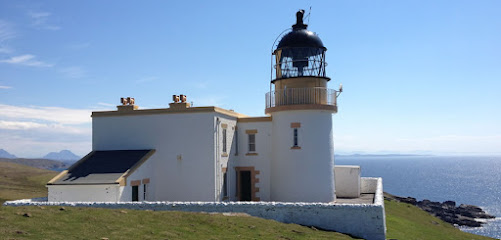
Stoer Lighthouse
20.8 km
Experience a unique self-catering lighthouse stay with panoramic coastal views on Scotland’s remote and rugged Stoer Head.
Ardgay Bespoke Tours
59.4 km
Experience the Scottish Highlands like never before with personalized tours that celebrate nature, history, and culture in Ardgay.
Walkhighlands
61.7 km
Explore Scotland step by step with Walkhighlands, your comprehensive guide to hiking and walking routes across the Highlands and beyond.
Duke Of Sutherland Monument
69.1 km
A towering Highland landmark blending breathtaking views with the complex legacy of the Duke of Sutherland’s era.
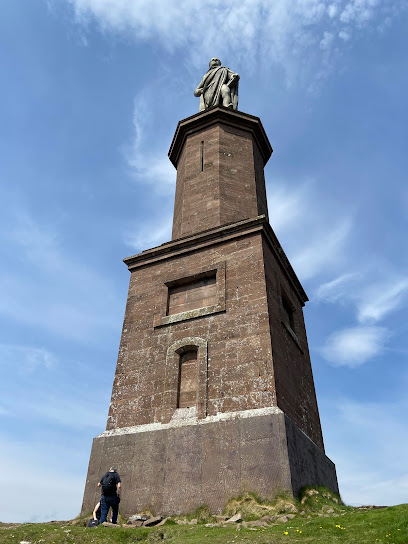
Monument to Harriet, Duchess of Sutherland
72.0 km
A dignified monument in Golspie honoring Harriet, Duchess of Sutherland, a Victorian political hostess and social reformer with a lasting Highland legacy.

Butt of Lewis Lighthouse
75.7 km
Scotland’s northernmost red-brick lighthouse, a historic beacon amid rugged cliffs and wild Atlantic winds on the Isle of Lewis.
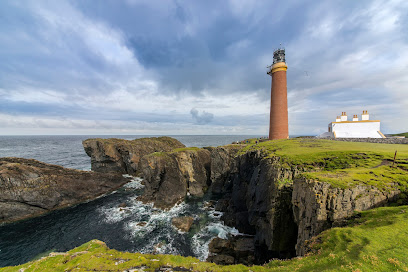
Rogie Falls
79.9 km
Experience the breathtaking beauty of Rogie Falls, a stunning waterfall in the Scottish Highlands, perfect for hiking and nature photography.
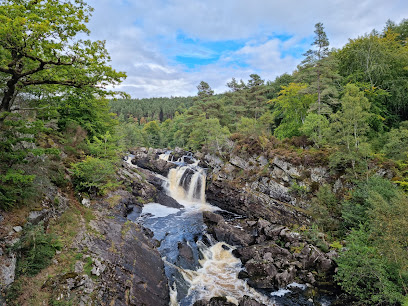
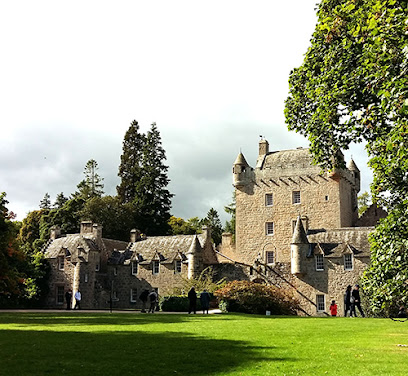
Castle Leod
80.4 km
Explore Castle Leod, a stunning Scottish castle in Strathpeffer, rich in history and surrounded by breathtaking nature.
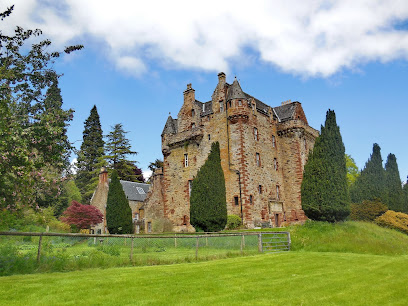
Clach an Tiompain
81.1 km
Explore Clach an Tiompain, a historic stone landmark in Strathpeffer, and immerse yourself in the captivating tales of Scotland's ancient past amidst stunning landscapes.
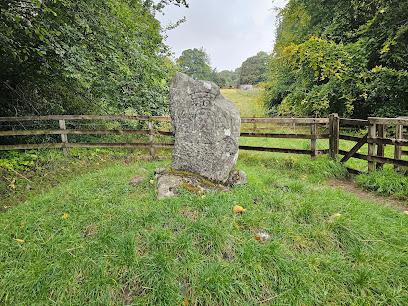
Eagle Stone Path
81.2 km
Explore the enchanting Eagle Stone Path in Strathpeffer - a historical landmark that combines natural beauty with rich Scottish heritage.
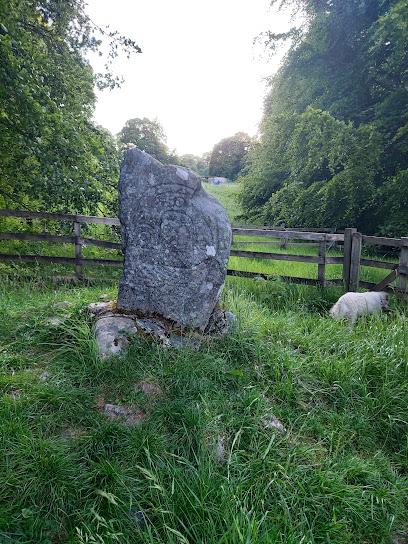
Craig Castle
82.5 km
Explore the evocative ruins of Craig Castle, a 16th-century fortress overlooking the scenic Cromarty Firth on Scotland’s historic Black Isle.
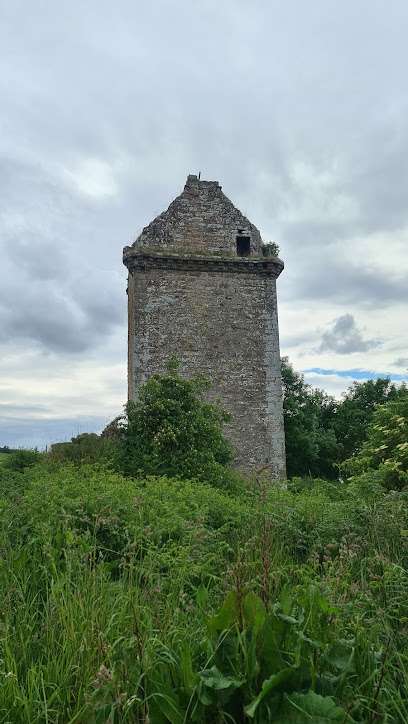
Dingwall Castle Doocot
83.2 km
Explore the historic Dingwall Castle Doocot, a rare surviving tower from a medieval Scottish fortress steeped in centuries of history and conflict.

Ord of Caithness
86.3 km
Discover the breathtaking Ord of Caithness, a mountain peak offering panoramic views and a perfect escape into Scotland's natural beauty.
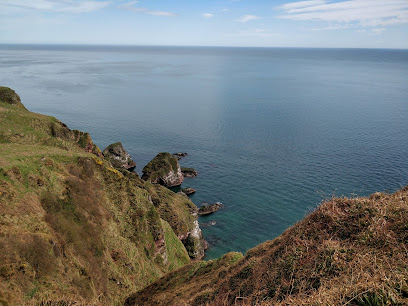
Shandwick Stone
88.0 km
Explore the ancient Shandwick Stone, a remarkable historical landmark showcasing Scotland's rich cultural heritage amidst stunning coastal views.
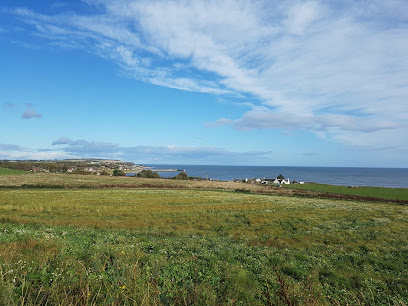
Mermaid of the North
88.1 km
Discover the stunning Mermaid of the North, a majestic statue on the Scottish coast that captures the essence of folklore and natural beauty.
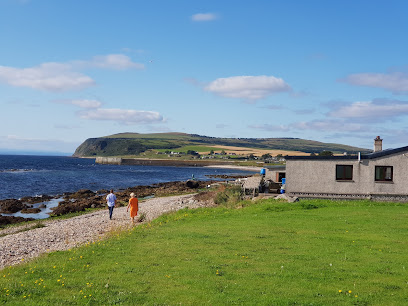
Unmissable attractions to see

Kylesku Bridge
2.0 km
A visually striking curved concrete bridge in the Scottish Highlands offering stunning views and rich history along the North Coast 500.
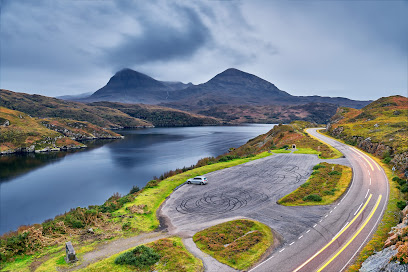
North West Highlands Geopark
3.1 km
Explore ancient landscapes and geological wonders at Scotland’s North West Highlands UNESCO Global Geopark, where Earth’s history comes alive.
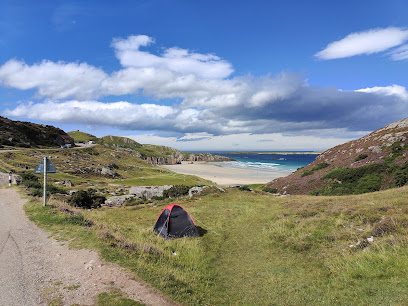
Allt Chranaidh Waterfall
6.5 km
Discover the dramatic beauty and serene wilderness of Allt Chranaidh Waterfall, a hidden gem cascading through the Scottish Highlands.
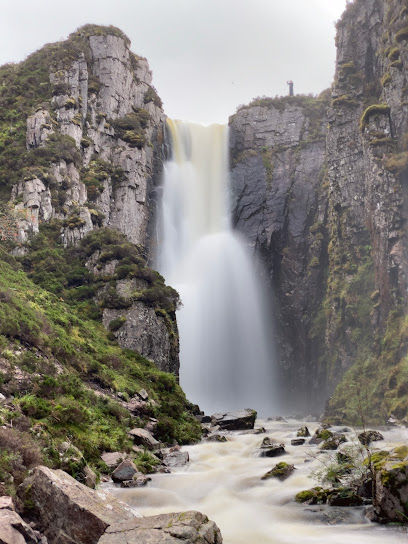
Loch Assynt
10.6 km
A breathtaking freshwater loch in the Scottish Highlands, framed by rugged peaks and historic castle ruins, perfect for nature and history lovers.
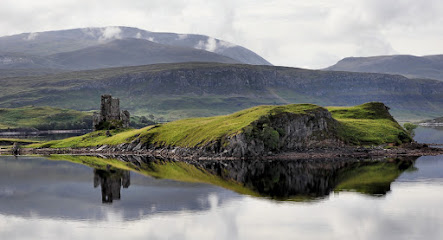
Ardvreck Castle Waterfall
11.5 km
Discover the haunting ruins and cascading waterfall of Ardvreck Castle, where Scottish history meets breathtaking Highland nature.
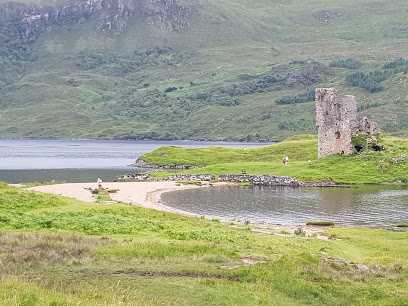
Ardvreck Castle
11.7 km
Explore the haunting ruins of Ardvreck Castle, a dramatic Highland landmark steeped in history, legend, and stunning lochside views.
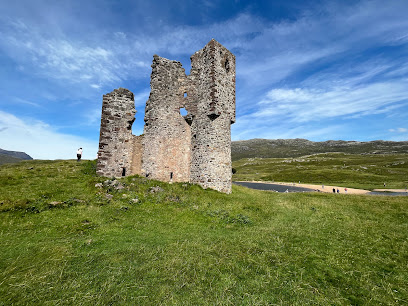
North West Sutherland National Scenic Area
14.3 km
Explore ancient landscapes, rich wildlife, and rugged beauty in Scotland’s North West Sutherland National Scenic Area.
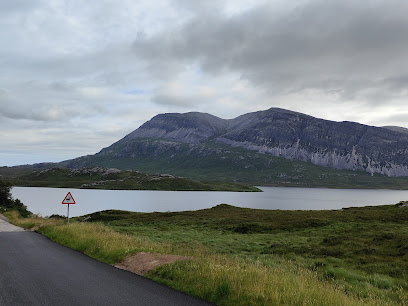
Clashnessie Falls
16.4 km
Discover the tranquil 15-meter Clashnessie Falls and its wild Highland surroundings, where rugged beauty meets serene coastal charm.
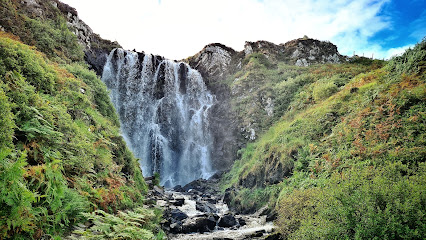
Achmelvich Bay
18.4 km
Discover Achmelvich Bay’s pristine white sands, vibrant watersports, and breathtaking Highland scenery on Scotland’s northern coast.
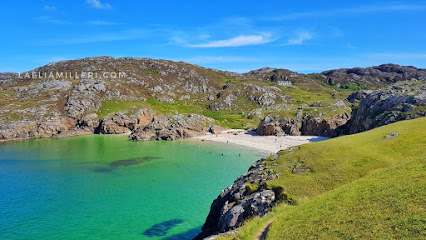
Achmelvich Beach
18.4 km
Discover Achmelvich Beach, a tranquil white-sand paradise with turquoise waters and rugged Highland beauty on Scotland’s iconic North Coast 500.
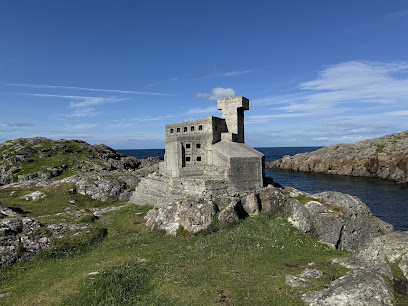
Clachtoll Beach
18.8 km
Discover the serene white sands and turquoise waters of Clachtoll Beach, a pristine Highland paradise rich in wildlife and ancient history.
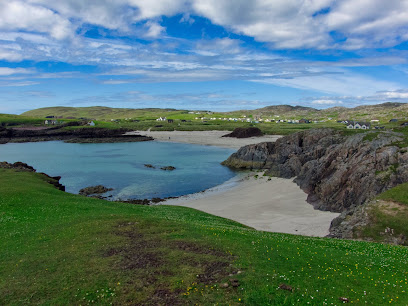
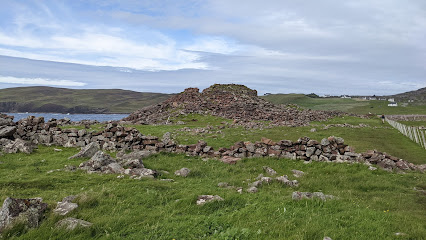
Clachtoll Broch
18.8 km
Explore Clachtoll Broch, a remarkable Iron Age drystone tower on Scotland’s coast, preserved by fire and time with stunning sea views.
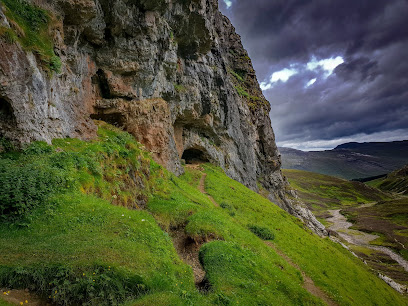
The Bone Caves
18.8 km
Explore ancient limestone caves high in the Scottish Highlands, where Ice Age animal bones and stunning views tell a story of prehistoric wilderness.
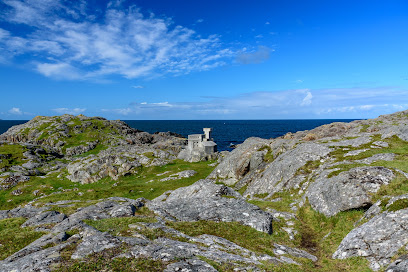
Hermit's Castle
18.9 km
Discover the enigmatic Hermit's Castle, a tiny Brutalist bothy blending into Scotland’s rugged coast with a mysterious story and stunning views.
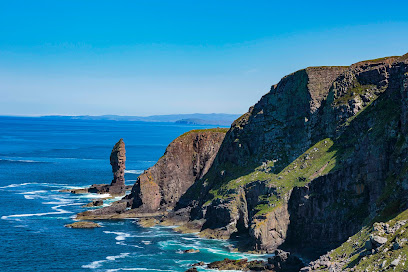
Old Man of Stoer
19.4 km
A towering Torridonian sandstone sea stack on Scotland’s wild northwest coast, famed for dramatic hikes, climbing, and stunning wildlife encounters.
Essential places to dine

Kylesku Hotel
2.2 km
Experience Highland charm and fresh seafood with breathtaking views over Loch Glencoul at the welcoming Kylesku Hotel.
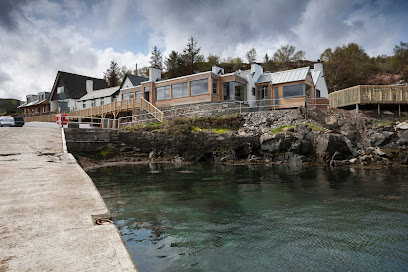
Eddrachilles Hotel
8.3 km
Charming Highland hotel with stunning sea views, authentic hospitality, and refined Scottish dining on the shores of Badcall Bay.
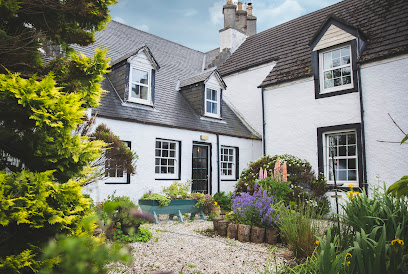
Scourie Hotel
11.1 km
A charming Highland fishing hotel on Scotland’s northwest coast, blending rustic tradition with cozy comfort and excellent local cuisine.
Shorehouse Restaurant
14.6 km
A cozy family-run seafood haven in Tarbet offering fresh catches, stunning Highland coast views, and a warm, welcoming atmosphere.
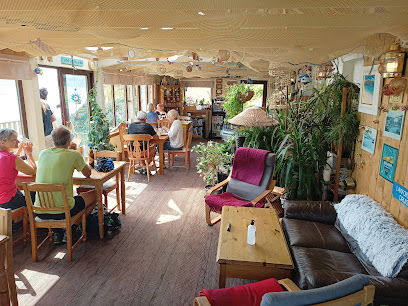
Lochinver Larder
16.7 km
Savor handcrafted Highland pies amid stunning Scottish scenery in the welcoming village of Lochinver.
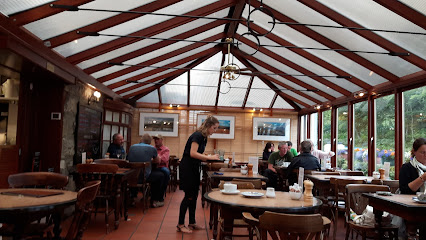
Delilah's
17.2 km
A lively, family-friendly Highland restaurant serving fresh, locally sourced seafood with stunning sea views and a buzzing atmosphere.
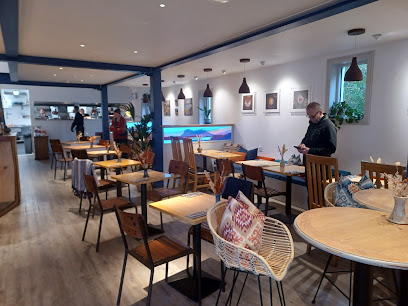
An Cala Café
17.5 km
Fresh seafood and hearty Scottish fare served year-round in a cozy café and bunkhouse nestled in Lochinver’s scenic Culag Park.
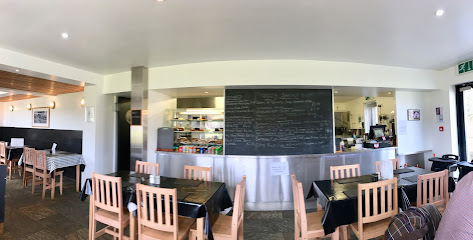
The Crask Inn
32.8 km
A remote Highland inn where simple rooms, hearty home-cooked meals, and genuine hospitality meet wild moorland and Munro country.
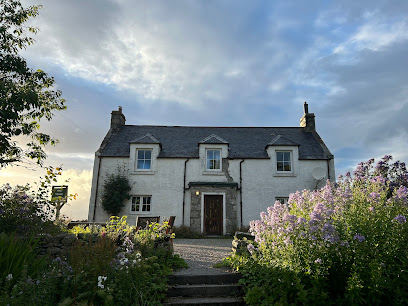
The Dipping Lugger
41.9 km
An intimate, Michelin-recognized restaurant in an 18th-century harbour manse, serving inventive tasting menus of hyper-local seafood and game in the heart of Ullapool.
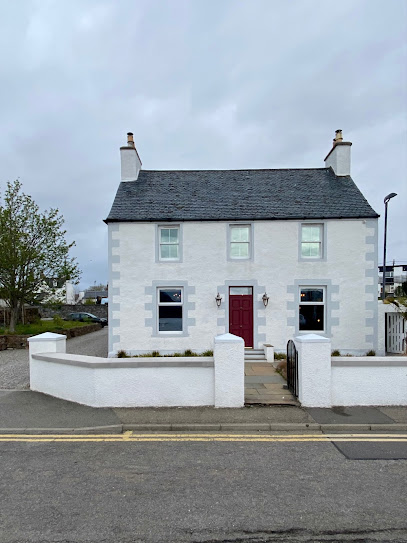
Tongue Hotel
43.7 km
Historic Highland lodge with modern luxury, stunning views, and authentic Scottish hospitality on the NC500.
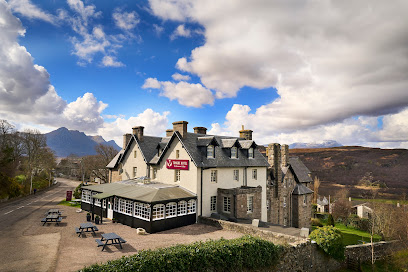
The Pier
46.4 km
A charming lakeside café in Lairg offering local produce, panoramic Loch Shin views, and a warm, family-friendly atmosphere.
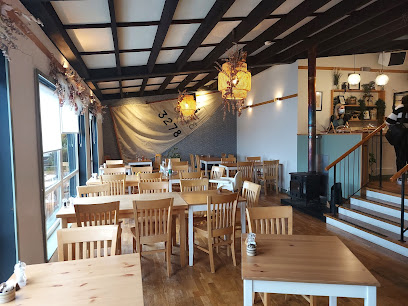
The Store Bistro & Bar
56.3 km
Charming Highland bistro with diverse menus, warm hospitality, and a cozy atmosphere in scenic Bettyhill, perfect for all-day dining and local flavors.
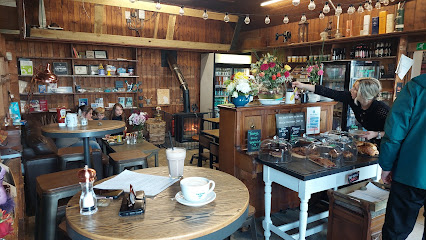
The Breakwater
73.0 km
Coastal café with stunning harbour views, fresh homemade fare, and warm hospitality in the heart of Port of Ness, Isle of Lewis.
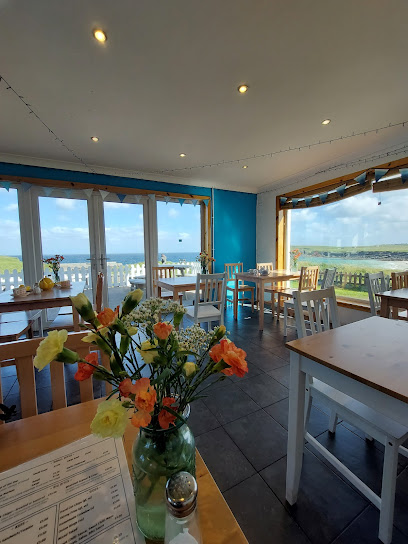
Halladale Inn
73.4 km
Cozy Highland inn and bistro in Melvich offering hearty Scottish fare, welcoming hospitality, and excellent touring park facilities.
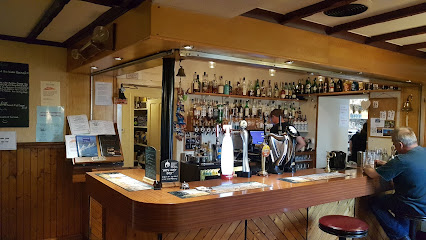
Meikle Ferry Station
73.7 km
Historic railway charm meets traditional Scottish fare and cozy lodging near Tain, a welcoming stop on the scenic NC500 route.
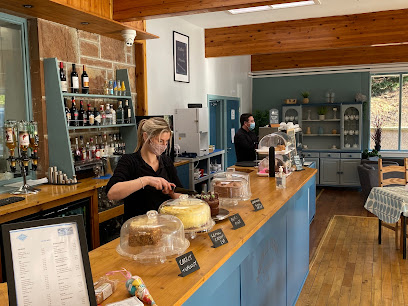
Markets, malls and hidden boutiques

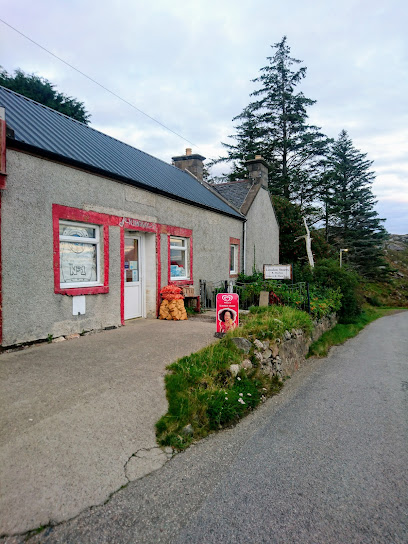
London Stores
20.9 km
Discover local flavors at London Stores, the premier supermarket in Lairg, blending quality groceries with a warm, inviting atmosphere for every traveler.
The Captain's Cabin
41.8 km
Discover a cozy treasure trove of Scottish gifts, crafts, and friendly service at Ullapool’s charming Captain's Cabin.
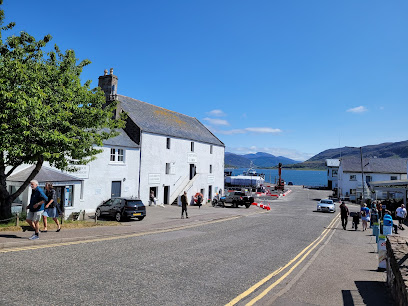
Gairloch Gifts
71.3 km
Discover authentic Scottish crafts and heartfelt souvenirs at Gairloch Gifts, your charming Highland stop on the scenic North Coast 500.
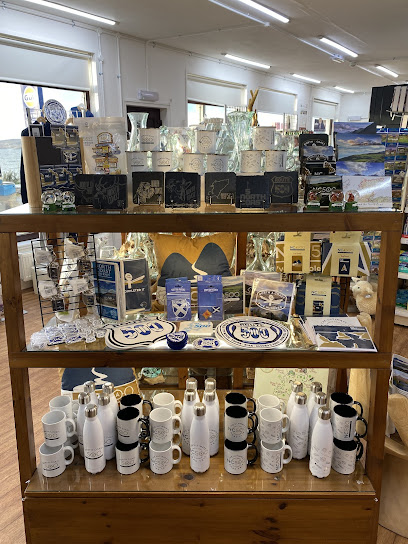
Jail Dornoch
74.0 km
Discover a historic former jail transformed into a charming gift shop with authentic Highland spirit and unique local treasures.
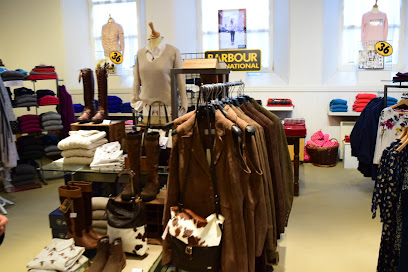
Simply The Best Fair Trade Gifts
74.0 km
Discover ethically crafted fair trade gifts supporting global artisans in the heart of Dornoch Retail Park.
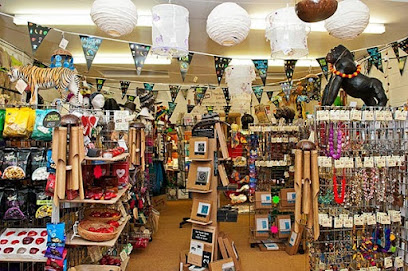
Cross Stores
75.2 km
Island butcher and grocer serving the Hebridean community with fresh provisions and artisanal prepared foods.
Co-op Food - Brora - Gower Street
75.8 km
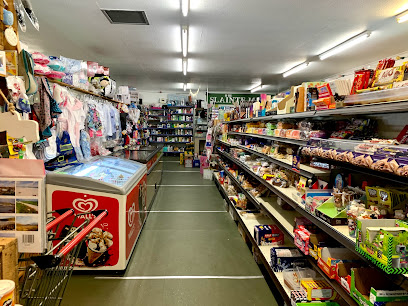
Discover the convenience of Co-op Food in Brora, the perfect stop for all your travel essentials and local products.
Sileas She-Liss
78.2 km
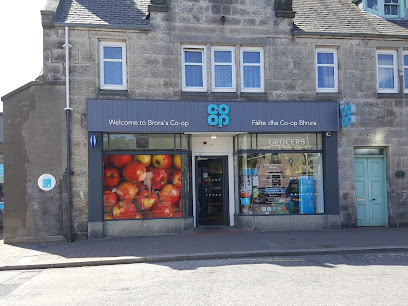
Discover unique clothing and accessories at Sileas She-Liss, a charming boutique in Stornoway that celebrates local craftsmanship and style.
The Original Factory Shop (Co-op Stornoway)
78.2 km
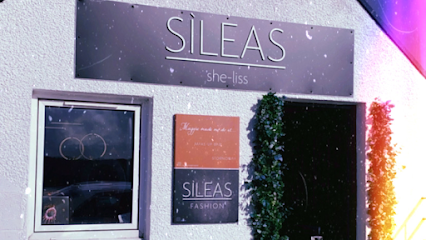
Affordable brand-name fashion, beauty, and homeware all under one roof in Stornoway’s popular department store.

Bayhead Gift House
78.4 km
Explore the charming Bayhead Gift House in Stornoway for unique local crafts and souvenirs that celebrate the rich heritage of the Hebrides.
Salka – Gift Shop on the Rock
78.4 km
Discover unique handmade gifts and exquisite SeaGlass jewellery inspired by the Isle of Lewis at Salka – Gift Shop on the Rock.
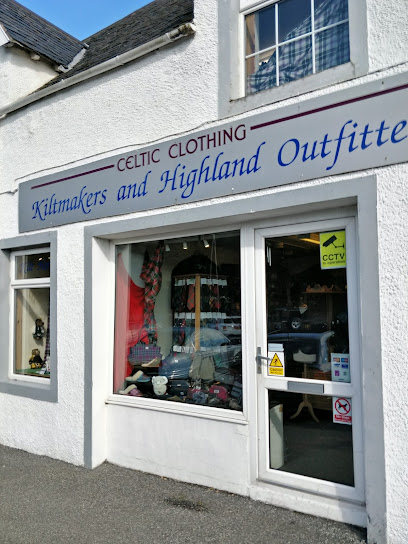
Celtic Clothing
78.5 km
Experience authentic Scottish heritage with bespoke kilts and Harris Tweed craftsmanship at Celtic Clothing in Stornoway.
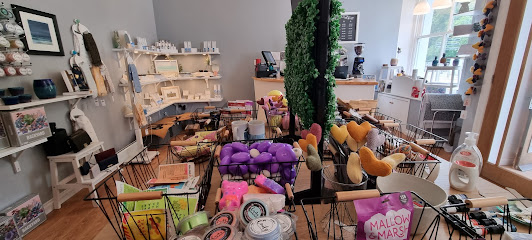
Hebridean Gifts
78.5 km
Discover authentic Hebridean crafts, jewellery, and souvenirs in the heart of Stornoway’s vibrant artisan scene.
The Hebridean Hobby Centre
78.5 km
A cozy craft shop in Stornoway showcasing handmade Hebridean crafts, textiles, and local art – perfect for unique island souvenirs and creative inspiration.
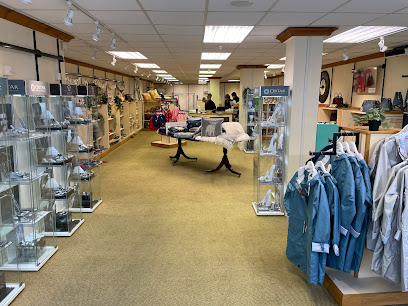
Bonmarché
78.5 km
Bonmarché Stornoway offers stylish, affordable women's fashion in sizes 10-28, conveniently located on Cromwell Street in the town centre.
Essential bars & hidden hideouts

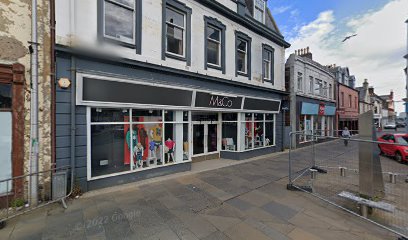
The Rip
69.8 km
A cozy bar on the Isle of Lewis where local culture, craft beers, and scenic beauty create a warm retreat for travelers and locals alike.
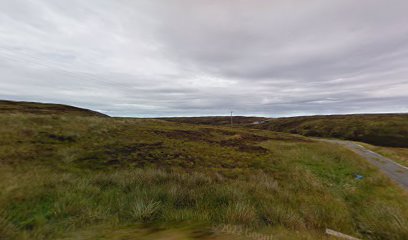
The Badachro Inn
74.7 km
Coastal Highland inn renowned for fresh seafood, stunning bay views, and warm, rustic charm in the heart of Badachro.
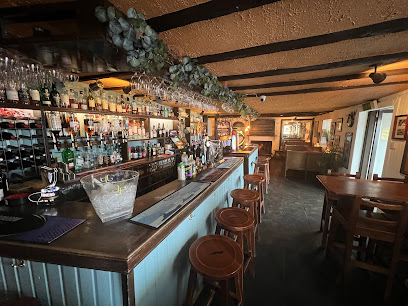
Old Barn Bar
75.4 km
Authentic crofters’ barn pub with rustic charm, local flavors, and warm hospitality on the Isle of Lewis.
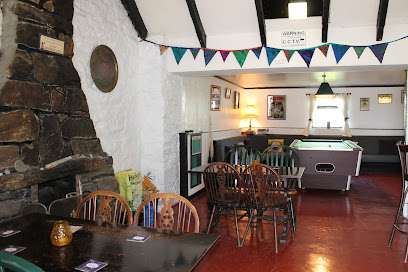
Cross Inn
75.5 km
A cozy, characterful inn and pub offering warm hospitality, excellent local food, and comfortable stays on the Isle of Lewis.
Platform 1864
77.4 km
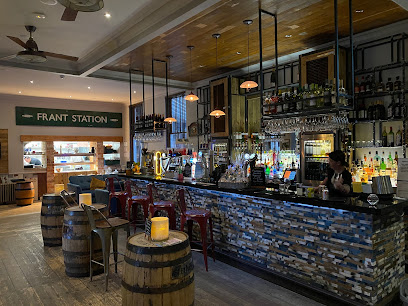
Historic charm meets contemporary dining at Platform 1864, Tain’s beloved bar and restaurant in a stunning old train station.
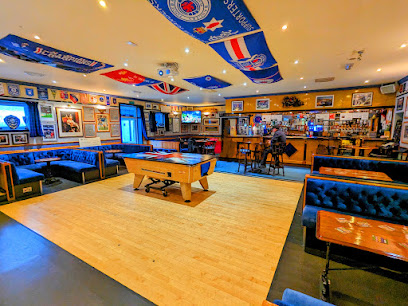
Lewis & Harris Rangers Supporters Club
78.1 km
A spirited social hub and the world’s largest Rangers supporters club, uniting fans in Stornoway with football passion and community warmth.
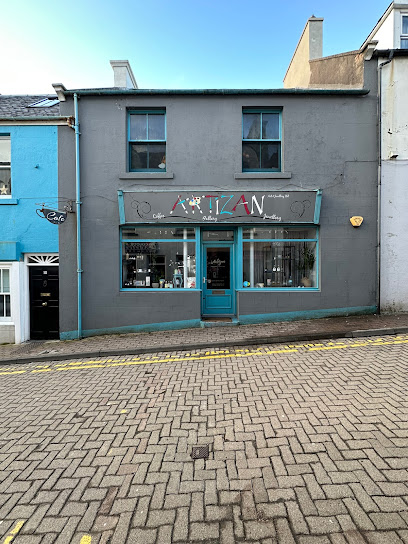
Artizan
78.5 km
Artizan blends local flavors, creative cocktails, and unique crafts in a warm, welcoming café and event space in the heart of Stornoway.
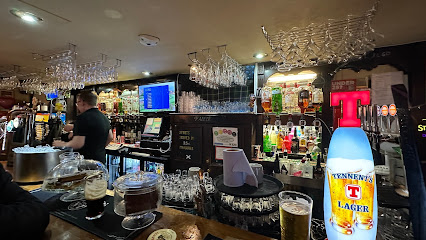
McNeills
78.5 km
Experience Stornoway’s vibrant live music and warm hospitality at McNeills, a historic bar with authentic Hebridean spirit.
Stornoway Distillers @ The Fank
78.5 km
Experience authentic Hebridean flavors and craft gin in the heart of Stornoway’s vibrant culinary scene.
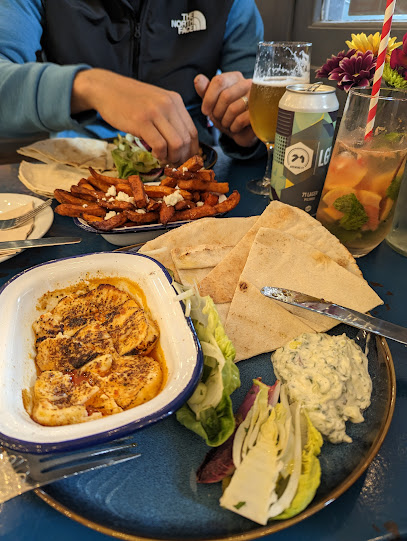
The Criterion Bar
78.6 km
A cozy, traditional Scottish bar in Stornoway known for its friendly service, quality drinks, and authentic Hebridean atmosphere.
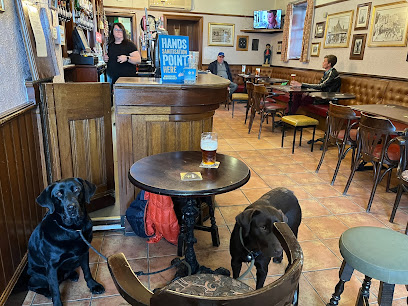
THE HARBOUR BAR
78.7 km
A warm, inviting bar in Stornoway offering local brews, hearty Scottish fare, and live music in the heart of the Isle of Lewis.
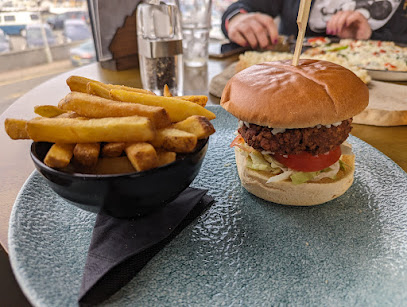
The Ship Inn
82.9 km
Experience warm Highland hospitality and home-cooked meals at The Ship Inn, your cozy retreat in Invergordon by the Cromarty Firth.
The Inver Inn
83.3 km
Cozy, dog-friendly pub in Tain’s Inver village serving fresh Scottish fare with warm hospitality and scenic Highland charm.
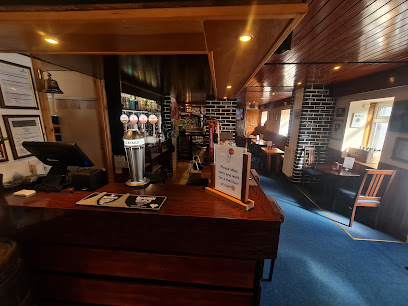
Beinn Bar
86.9 km
Cozy up with Scotland’s finest whiskies, ales, and gins in a historic Highland bar nestled within The Torridon estate.

The Fishertown Inn
88.8 km
A cozy Georgian pub in Cromarty offering exceptional food, local ales, and a warm Highland welcome on historic Church Street.
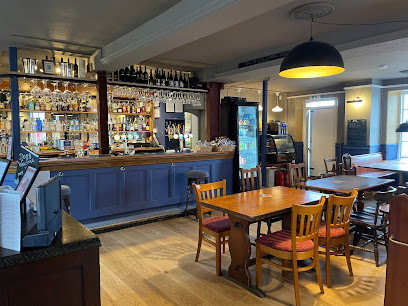
Nightclubs & after hour spots

The Ross Shire Club
83.2 km
Experience Dingwall’s vibrant nightlife with a welcoming vibe, BYOB policy, and lively social scene at The Ross Shire Club.
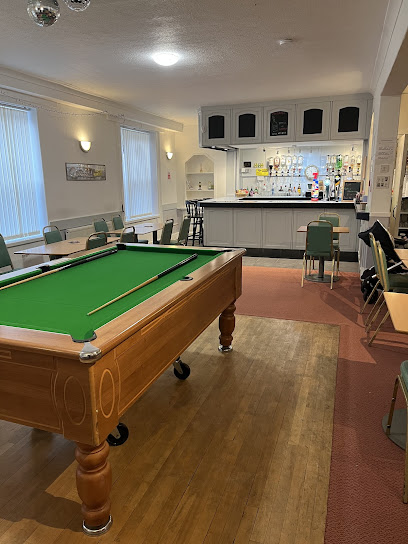
Skinandi's Nightclub
96.1 km
Experience the vibrant nightlife at Skinandi's, the northernmost nightclub on Scotland’s mainland with two bars and two dance floors.
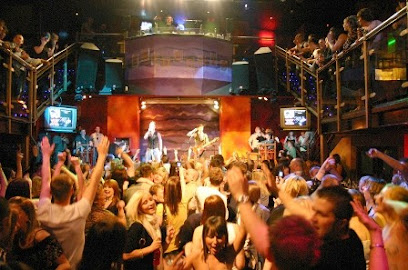
For the vibe & atmosphere seeker
- Scenic
- Adventurous
- Tranquil
- Unique
For the design and aesthetic lover
- Rustic Designs
For the architecture buff
- Historic
- Landmarks
- Viewpoints
- Parks & Gardens
For the view chaser and sunset hunter
- Iconic Views
- Panoramas
- Sunrise Spots
- Sunset Spots
For the social media creator & influencer
- Instagrammable
- Photo Spots
- Architectural Shots
- Aesthetic Corners
For the eco-conscious traveler
- Protected Area
- Nature Reserve
- Low Impact
- Locally Managed
- Wildlife Habitat
For the kind of experience you’re after
- Photowalk
- Nature Escape
- Day Trip
- Myth & Legends
- Cultural Heritage
For how adventurous you want the journey to be
- Easy Access
- Requires Hike
Location Audience
- Family Friendly
- Pet Friendly
- Solo Friendly
- Couple Friendly
- Senior Friendly


