Rievaulx Abbey: Majestic Ruins of Northern England's First Cistercian Monastery
Explore the evocative ruins of Rievaulx Abbey, Northern England’s first Cistercian monastery, set in a tranquil Yorkshire valley rich with history and architectural grandeur.
Rievaulx Abbey, founded in 1132 in the Yorkshire countryside, is the first Cistercian monastery in northern England. Its evocative ruins, set in a tranquil valley, reveal the architectural and spiritual legacy of a once-thriving medieval religious community. The abbey’s history spans from its influential founding through its dissolution in 1538, with extensive remains including the grand church, cloister garden, and on-site museum offering deep insights into monastic life and medieval craftsmanship.
A brief summary to Rievaulx Abbey
- Rievaulx Bank, York, Rievaulx, Helmsley, YO62 5LB, GB
- Click to display
- Click to display
- Duration: 2 to 4 hours
- Mid ranged
-
 Outdoor
- Mobile reception: 4 out of 5
- Wednesday 10 am-4 pm
- Thursday 10 am-4 pm
- Friday 10 am-4 pm
- Saturday 10 am-4 pm
- Sunday 10 am-4 pm

Know before you go
Hi, I'm Eve. Here are a few practical things to know before exploring Rievaulx Abbey.
- Book tickets online in advance to save 15% and secure your entry time, especially during peak seasons.
- Bring a picnic to enjoy in the scenic cloister garden, as the on-site café can be expensive.
- Use the free audio guide available on-site for a richer understanding of the abbey’s history and architecture.
- Visit on weekdays or outside school holidays for a quieter experience and easier parking.
Do you manage this location?
Take control to get all the benefits, like improved information, better appearance, and stronger visibility across AI-powered discovery. Learn more
Activate your presenceGetting There
-
Train and Bus
From York, take a train to Malton (approximately 30 minutes), then catch the local bus towards Helmsley, which stops near Rievaulx Abbey. Total travel time is around 1.5 to 2 hours. Bus services may be limited on weekends and holidays. Tickets cost approximately £10-£15.
-
Car
Driving from York to Rievaulx Abbey takes about 45 minutes via the A64 and local roads. Parking is available on-site for a fee of around £3. Note that the car park is small and fills early during peak times.
-
Guided Tour
Join a guided day tour from York that includes Rievaulx Abbey and nearby North York Moors highlights. Tours typically last 6–8 hours and cost between £50 and £80 per person, including transport and entry fees.
For the on-the-go comforts that matter to you
-
 Restrooms
-
 Drink Options
-
 Food Options
-
 Seating Areas
-
 Picnic Areas
-
 Trash Bins
-
 Information Boards
-
 Visitor Center
Discover more about Rievaulx Abbey
Origins and Spiritual Significance of Rievaulx Abbey
Founded in 1132 by a group of twelve monks from Clairvaux Abbey in Burgundy, Rievaulx Abbey was the pioneering Cistercian monastery in northern England. Its remote location in the peaceful valley of the River Rye suited the order’s ideals of prayer, austerity, and self-sufficiency. Under the leadership of its second abbot, Saint Aelred, the abbey flourished both spiritually and architecturally, growing to house a community of around 140 monks and 500 lay brothers. Aelred’s tenure marked a golden age, with the abbey becoming a center of monastic reform, renowned for its devotion and hospitality.Architectural Grandeur and Monastic Life
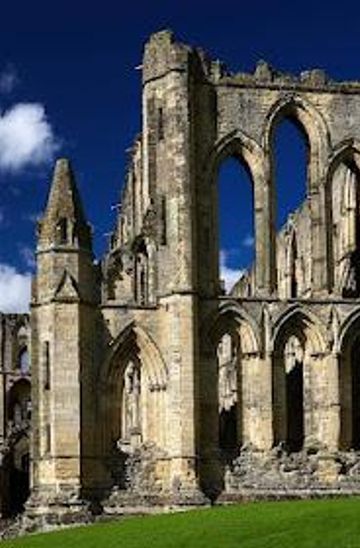
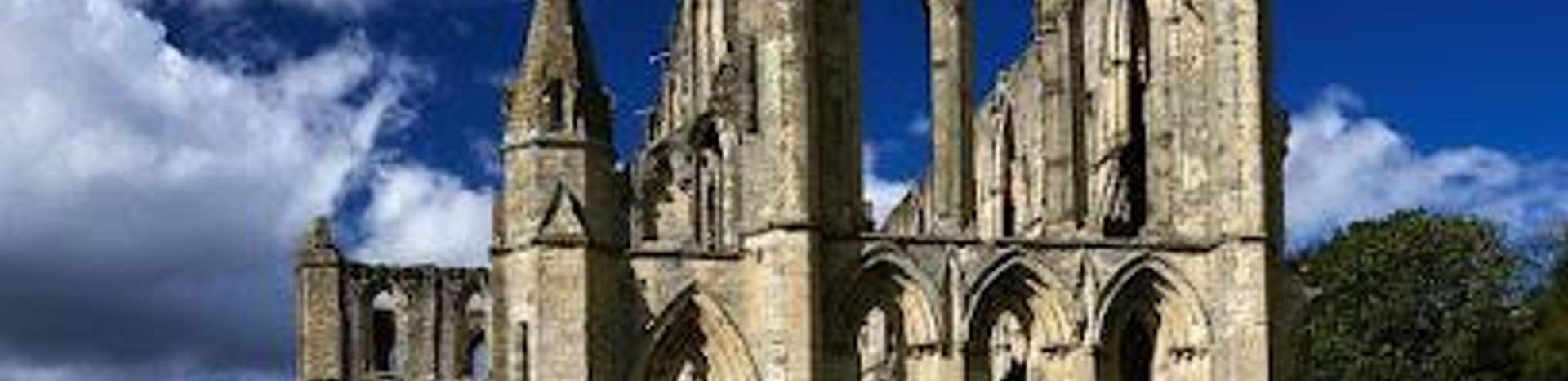
The abbey’s ruins showcase some of the earliest and most influential examples of Cistercian architecture in Europe. The stone monastery, begun under Abbot William and expanded by Aelred, features a revolutionary chapter house design unique among Cistercian sites. The great church blends Romanesque solidity with early Gothic elegance, reflecting the abbey’s growth and wealth. The layout includes the grand nave, cloister garden, refectory, dormitories, and infirmary, all designed to support the monks’ rigorous spiritual and communal life. The abbey’s buildings were functional yet majestic, embodying the Cistercian balance of simplicity and grandeur.Economic Power and Landscape Management
Beyond spirituality, Rievaulx Abbey was an economic powerhouse. The monks engineered the diversion of the River Rye to create flat land for construction and agriculture. They managed extensive sheep farming, mining lead and iron ore, and trading wool across Europe, making the abbey one of England’s wealthiest religious houses. The surrounding precincts and granges, with earthworks and water meadows, reveal a sophisticated estate management system. After the Dissolution, the site’s industrial legacy continued with ironworks established within the abbey precinct.The Dissolution and Romantic Legacy
In 1538, Rievaulx Abbey was dissolved under Henry VIII’s sweeping Reformation policies. At that time, the abbey comprised 72 buildings and housed 21 monks. The community was disbanded, valuables stripped, and the buildings left to decay. In the 18th century, the ruins inspired Romantic artists and were enhanced by the Duncombe family with terraces and Grecian temples overlooking the valley, integrating the abbey into a picturesque landscape. Today, the ruins are preserved by English Heritage, offering a poignant glimpse into England’s religious and cultural transformations.Visitor Experience and On-Site Features
Visitors to Rievaulx Abbey can explore extensive ruins that include the church remains, cloister garden, and monks’ quarters. The on-site museum houses artifacts uncovered during archaeological digs, enriching understanding of Cistercian life. Information boards and an audio guide provide contextual history and architectural insights. The peaceful setting invites contemplation amid the historic stones, while amenities such as a café and picnic areas support a comfortable visit. The site is dog-friendly and accessible, making it suitable for a wide range of visitors.Preservation and Cultural Importance
Rievaulx Abbey is a Scheduled Ancient Monument and a vital link to medieval monasticism and England’s heritage. Its architectural innovations influenced monastic church design across Europe. The site’s preservation allows study of monastic economy, religious practices, and post-medieval adaptations. The abbey stands as a testament to the spiritual devotion, economic ingenuity, and turbulent history that shaped the region and the nation.Explore the best of what Rievaulx Abbey has to offer













More about Yorkshire And The Humber
Discover Yorkshire and the Humber: A captivating blend of stunning landscapes, historic cities, and culinary delights in the heart of Northern England.
Tell me more about Yorkshire And The Humber