

Free Dixie Travel Guide & Mobile App
Explore Dixie with free travel guides. Discover regional history, expert tips, proposed trips, and audio guides on web or mobile app.


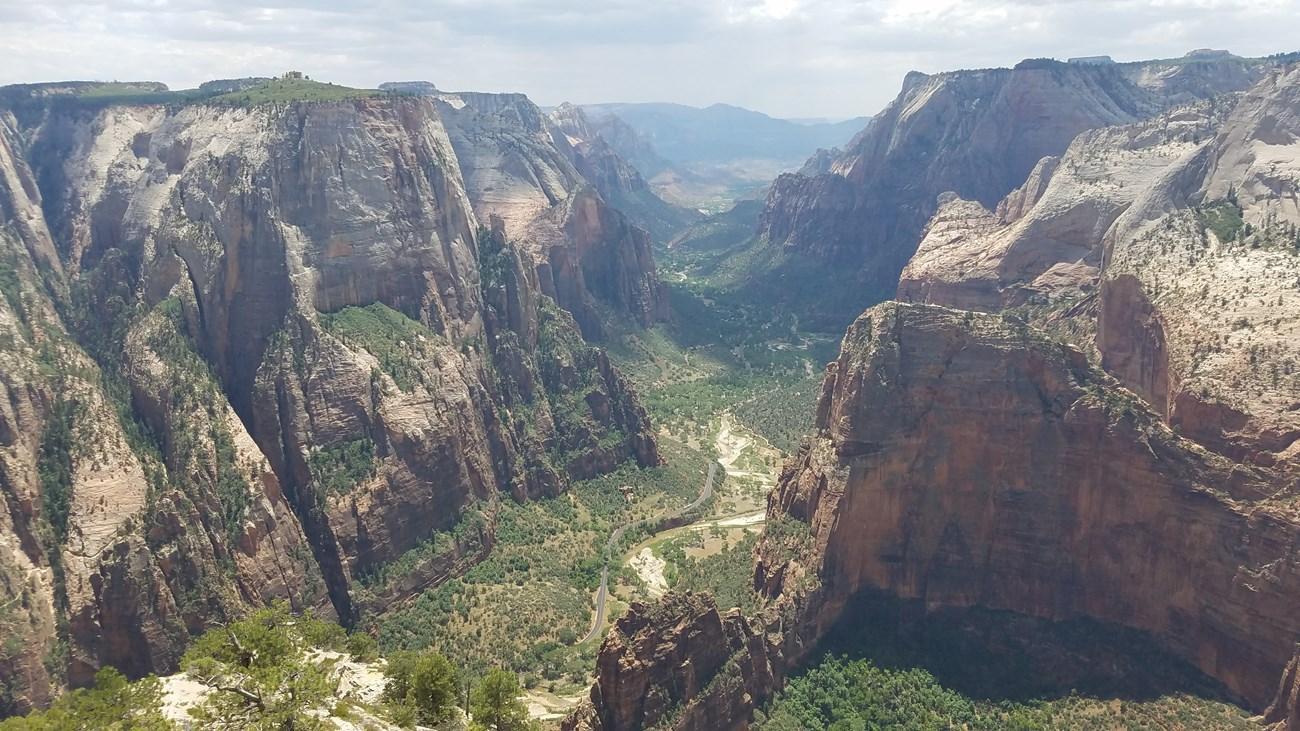


Explore Dixie Utah for red-rock canyons, desert trails, St George heritage, high plateaux and access to Zion’s dramatic landscapes.
Read more about Dixie
Getting to and around Dixie
How to get there
Transportation
Top city travel guides in Dixie
The cities of Dixie, and the easiest places to base yourself.
-

-

-
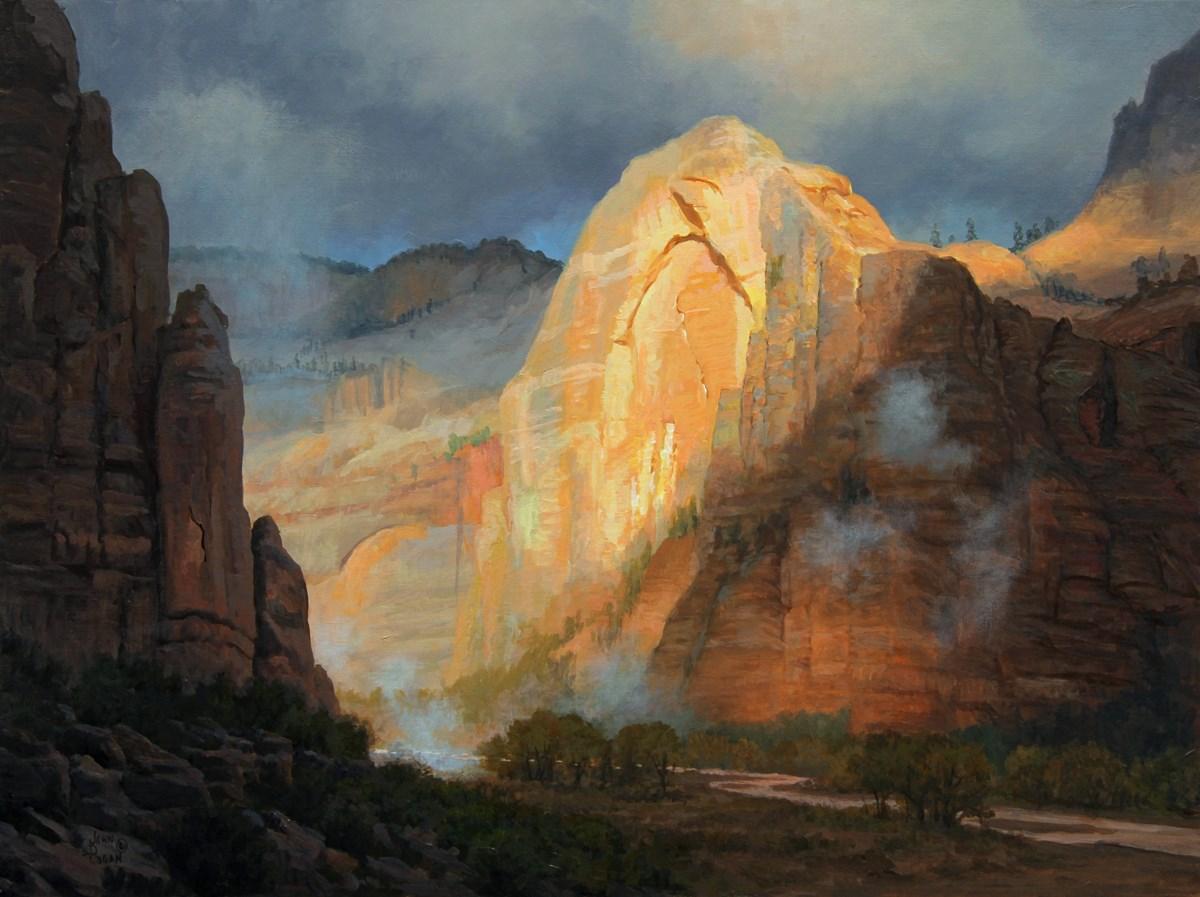 Mt Carmel
, Utah, offers quiet high-desert scenery, pioneer history and easy access to Zion National Park, scenic drives and canyon-country adventures.
Mt Carmel
Mt Carmel, Utah, offers quiet high-desert scenery, pioneer history and easy access to Zion National Park, scenic drives and canyon-country adventures.


Swipe for more cities
Destinations in Dixie
Resorts, valleys and scenic spots worth a trip of their own.
-

-

-

-

-


Swipe for more destinations
Best attractions in Dixie
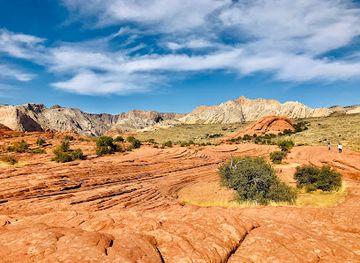
Dixie’s attractions range from accessible urban heritage to demanding wilderness landscapes. In and around St George, visitors can explore the St George Dinosaur Discovery Site, local museums, historic residences and the preserved buildings of the early Cotton Mission. Snow Canyon State Park provides concentrated scenery of red sandstone, petrified dunes, lava flows and volcanic cinder cones, with trails and climbing areas close to town. Red Cliffs Desert Reserve protects habitat and canyon landscapes along the Virgin River basin. Zion National Park is the region’s best-known nearby draw, offering major canyon scenery and walking routes, although access arrangements and some park geography extend beyond the informal core of Dixie. North of St George, Cedar Breaks National Monument displays a high-elevation amphitheatre of eroded red, orange and white rock, while Brian Head provides summer mountain recreation and winter snow sports. Cedar City adds museums, galleries and the Utah Shakespeare Festival to the outdoor programme. Across the region, the strongest attraction is the rapid shift between desert, riparian, plateau and alpine environments rather than any single sightseeing circuit.
-
National forest
Dixie National Forest
Explore the breathtaking landscapes of Dixie National Forest in Utah, a paradise for outdoor enthusiasts and nature lovers.
-
Tourist attraction
Sand Hollow State Park
Explore the stunning landscapes and outdoor adventures at Sand Hollow State Park in Hurricane, Utah, where red rock formations meet sparkling waters.
-
State park
Snow Canyon State Park
Explore the stunning landscapes, unique rock formations, and outdoor adventures at Snow Canyon State Park in Utah.
-
City park
Thunder Junction All Abilities Park
Experience the inclusive charm of Thunder Junction All Abilities Park, where fun and adventure await visitors of all ages and abilities in St. George, Utah.
Best landmarks in Dixie
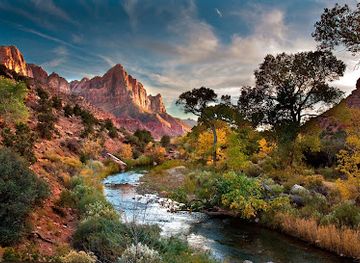
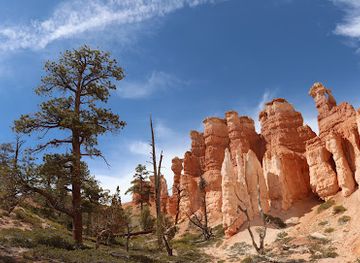
The St George Temple is Dixie’s most recognisable historic landmark, its white walls and distinctive towers standing above the city as a reminder of the nineteenth-century Cotton Mission. Nearby, the Brigham Young Winter Home and historic downtown buildings preserve the architectural character of the early settlement. The red cliffs and lava formations of Snow Canyon form a major natural landmark close to St George, while the Virgin River’s green corridor cuts a contrasting line through the surrounding arid terrain. Zion National Park’s great sandstone walls, including the canyon scenery around Springdale and the park’s principal valley, are the region’s most internationally familiar geological symbols, though visitors should distinguish the park from the informal administrative idea of Dixie. Cedar Breaks National Monument provides a very different landmark at high elevation: a vast, eroded amphitheatre whose colours intensify with changing light and weather. Around Cedar City, the older civic and religious buildings reflect the area’s settlement history, while the surrounding plateaux mark the transition from Mojave Desert country to the cooler forests of southern Utah.
-
Tourist attraction
Zion National Park
Explore the breathtaking landscapes and diverse ecosystems at Zion National Park, a must-visit national park in Utah for nature lovers and adventure seekers.
-
Tourist attraction
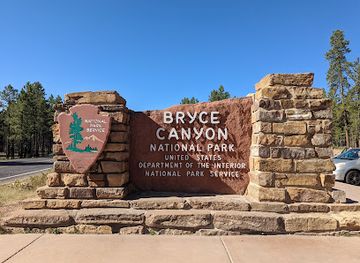
Bryce Canyon National Park
Explore Bryce Canyon National Park, a breathtaking natural wonder in Utah, famous for its stunning rock formations and vibrant landscapes.
-
Visitor center
Bryce Canyon National Park Visitor Center
Explore the enchanting Bryce Canyon National Park Visitor Center, your gateway to Utah's stunning landscapes and unique geological wonders.
-
State park
Sand Hollow State Park
Discover the breathtaking landscapes and endless recreational opportunities at Sand Hollow State Park in Utah, a perfect getaway for nature lovers and adventure seekers.
Explore Dixie on the map
Plan your trip on one map. See where the top cities, national parks and sights are, and book hotels and experiences in a few clicks.
Best hotels in Dixie
Best restaurants in Dixie
Dining in Dixie reflects both its desert farming history and its modern role as a growing regional centre. St George and Cedar City offer broad American and international choices, independent cafés, bakeries, family restaurants and contemporary dining, with the greatest concentration in the larger towns and along main transport corridors. The Virgin River valley has long supported orchards, vineyards, vegetables and small agricultural enterprises, although not every locally grown product is available year-round. Farmers’ markets and farm shops can provide seasonal fruit, produce, preserves and baked goods when operating. Barbecue, burgers, Mexican-influenced cooking and familiar Southwestern flavours are common, while restaurants near Zion and other outdoor destinations cater to hikers with breakfasts, packed lunches and informal evening meals. In rural areas, opening days and choices may be limited, so plan provisions before heading into canyon or mountain country. Utah’s alcohol regulations differ from those in many countries, and visitors should expect service rules, identification requirements and availability to vary by establishment.
-
Restaurant
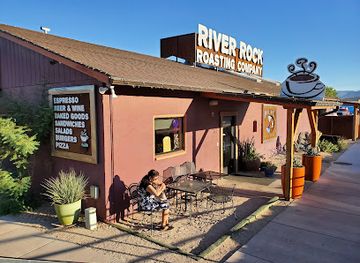
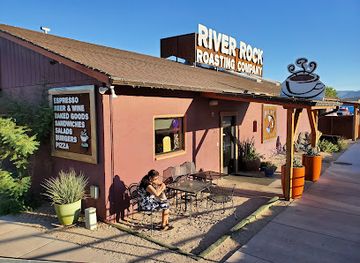
River Rock Roasting Company
Discover River Rock Roasting Company: A delightful culinary gem in La Verkin offering exceptional coffee and scrumptious meals in a cozy atmosphere.
-
Indian
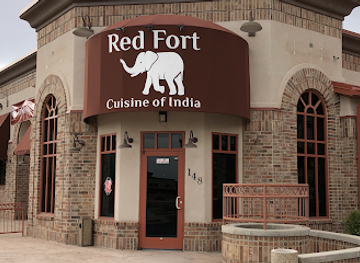
Red Fort Cuisine Of India
Experience authentic Indian flavors at Red Fort Cuisine in St. George - where every meal is a journey through India's culinary treasures.
-
Restaurant
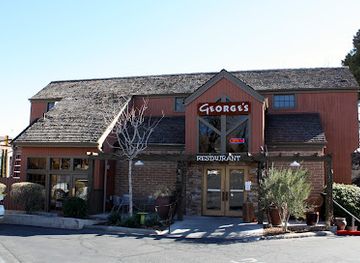
George's Corner Restaurant
Discover the flavors of St. George at George's Corner Restaurant - where creativity meets comfort in every dish.
-
Steak
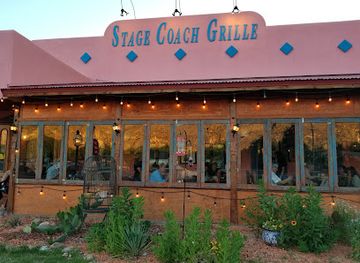
Stage Coach Grille
Discover delicious steaks and Southwestern flavors at Stage Coach Grille in La Verkin, Utah – an unforgettable dining experience awaits.
Best bars in Dixie
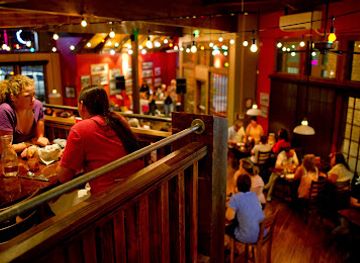
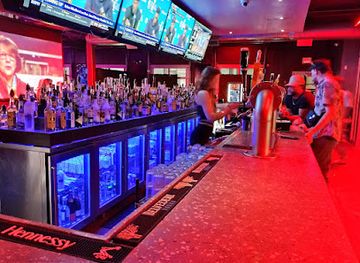
Dixie’s evening life is concentrated in St George and Cedar City rather than spread across a large club district. St George has restaurants with bars, breweries, coffee shops, live-music settings and a modest selection of later venues, while Cedar City’s university population and theatre calendar support a more arts-oriented evening scene. The Utah Shakespeare Festival brings performances and associated dining activity to Cedar City during its season, but it should not be treated as a year-round nightlife programme. Around Springdale, Hurricane and other outdoor gateways, evenings generally centre on restaurants, hotel lounges, breweries and relaxed social venues rather than nightclubs. Rural communities favour traditional restaurants, local gatherings and early-closing establishments. Utah alcohol laws apply across the region, so visitors should carry accepted identification, check service arrangements and avoid assuming that every restaurant or community venue serves alcohol.
-
Restaurant
River Rock Roasting Company
Discover the vibrant flavors of River Rock Roasting Company, where exceptional coffee meets delicious breakfast and gourmet burgers in La Verkin, Utah.
-
Restaurant
George's Corner Restaurant
Discover the vibrant flavors of American cuisine at George's Corner Restaurant in St. George, Utah, a delightful spot for every culinary enthusiast.
-
Steak
Stage Coach Grille
Delve into the flavors of the Wild West at Stage Coach Grille, La Verkin's premier destination for steak and Southwestern cuisine.
-
Restaurant
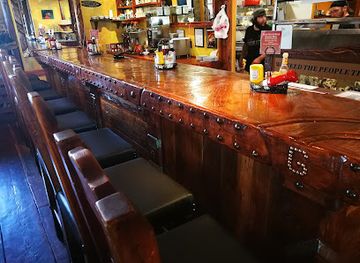
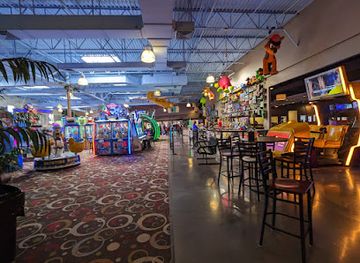
Fiesta Fun Family Fun Center
Experience the ultimate family entertainment at Fiesta Fun Family Fun Center in St. George, Utah, with go-karts, laser tag, bowling, and more!
Best nightclubs in Dixie
Dixie’s evening life is concentrated in St George and Cedar City rather than spread across a large club district. St George has restaurants with bars, breweries, coffee shops, live-music settings and a modest selection of later venues, while Cedar City’s university population and theatre calendar support a more arts-oriented evening scene. The Utah Shakespeare Festival brings performances and associated dining activity to Cedar City during its season, but it should not be treated as a year-round nightlife programme. Around Springdale, Hurricane and other outdoor gateways, evenings generally centre on restaurants, hotel lounges, breweries and relaxed social venues rather than nightclubs. Rural communities favour traditional restaurants, local gatherings and early-closing establishments. Utah alcohol laws apply across the region, so visitors should carry accepted identification, check service arrangements and avoid assuming that every restaurant or community venue serves alcohol.
-
Night club
Club 90
Discover the exhilarating nightlife at Club 90, a vibrant night club in Sandy, Utah, where unforgettable memories and great music await every visitor.
-
Night club
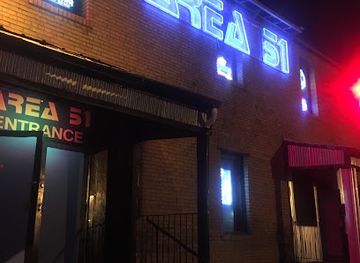
Area 51
Discover Salt Lake City's nightlife at Area 51, the ultimate dance club with thrilling music, karaoke, and a vibrant atmosphere for all.
-
Bar
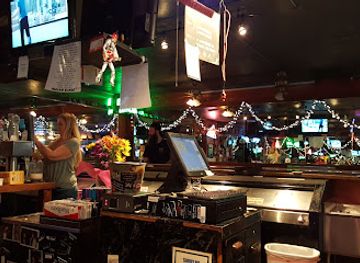
One & Only
Discover the lively spirit of One & Only Bar in St. George, where karaoke, pool tables, and great company await every night.
-
Night club
Sky SLC
Discover Salt Lake City's nightlife at Sky SLC, a premier venue for dancing, live music, and unforgettable events in a vibrant atmosphere.

Best shops in Dixie
Shopping in Dixie is centred on the commercial districts of St George and Cedar City, with national retailers and practical services supplemented by independent boutiques, galleries, bookshops, outdoor suppliers and craft businesses. Historic downtown St George provides a more local setting for art, gifts, jewellery and regional food products, while Cedar City has shops serving university residents, theatre audiences and visitors bound for the high country. Farmers’ markets and seasonal farm stands may offer fruit, vegetables, preserves, baked goods and other products from the Virgin River region, but availability varies by season. Outdoor equipment is particularly useful for travellers preparing for desert walks, canyon trips or mountain weather. Suitable keepsakes include locally made ceramics, paintings, photography, books about Utah landscapes and regional foods rather than objects removed from public land. Do not buy archaeological artefacts, fossils, plants or rocks whose collection is prohibited or whose provenance is unclear.
-
Shopping mall
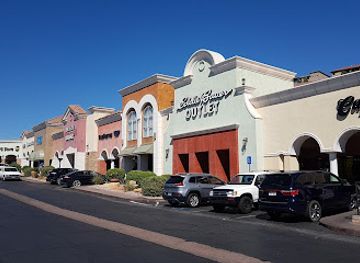
The Shoppes at Zion
Discover unique shops and delightful dining at The Shoppes at Zion, a must-visit shopping mall in St. George, Utah, surrounded by breathtaking scenery.
-
Gift shop
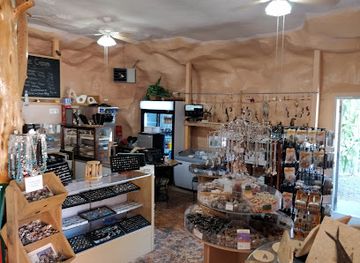
The Rock Stop
Discover unique rocks, minerals, and freshly brewed coffee at The Rock Stop, your ultimate gift shop in scenic Utah.
-
Rock shop
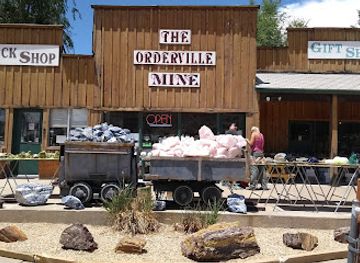
Orderville Mine Rock Shop
Explore stunning minerals and fossils at Orderville Mine Rock Shop, a must-visit for rock enthusiasts and curious travelers in Utah.
-
Gift shop
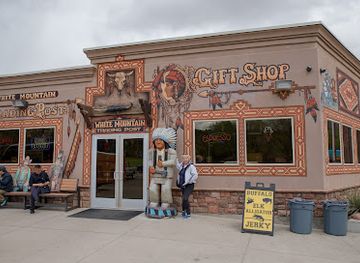
White Mountain Trading Post
Explore the charming White Mountain Trading Post in Orderville, Utah, for unique souvenirs and local crafts that celebrate the beauty of the region.
Get your free copy of our complete guide to Dixie, delivered straight to you.
Everything on this page, from attractions and restaurants to essentials and local phrases, in one PDF you can read offline, print or share.
Already have an account? Sign in
Your Dixie guide is ready.
We'll send it to · Not you? Sign out

Getting your guide ready…
We are putting together a fresh copy of the Dixie guide. This can take up to a minute.
This can take a few moments. If your browser asks, choose Allow so the download can start. You'll find the guide in your Downloads folder.
Nothing happened? Download it again
Sorry, the guide is taking longer than usual. Please try again in a minute, or get it by email instead.
Dixie essentials
Currency and Payment
Safety
Emergency Situations
Do's and Don'ts
Local Tips
From Eve
Local phrases worth knowing
You don't need to get them perfect. A few words go a long way, and locals appreciate the effort.
Basics
| English | Local | Say it |
|---|---|---|
| Hello | Howdy | [How-dee] |
| Goodbye | See ya | [See ya] |
| Yes | Yup | [Yup] |
| No | Naw | [Naw] |
| Please/You're welcome | Please/No problem | [Please/No prob-lum] |
| Thank you | Thanks a bunch | [Thangs a bunch] |
| Excuse me/Sorry | Pardon me/Sorry 'bout that | [Pardon me/Sorry 'baut that] |
| How are you? | How ya doin'? | [How ya doin'?] |
| Fine. And you? | I'm doin' good. How 'bout you? | [I'm doin' good. How 'bout ya?] |
| Do you speak English? | Do ya speak English? | [Do ya speak English?] |
| I don't understand | I ain't followin' | [I ain't followin'] |
Eating & Drinking
| English | Local | Say it |
|---|---|---|
| I'd like to see the menu, please | Can I see the menu, please? | [Can I see the menu, please?] |
| I don't eat meat | I don't eat no meat | [I don't eat no meat] |
| Cheers! | Cheers! | [Cheers!] |
| I would like to pay, please | I’d like to settle up, please | [I’d like to settle up, please] |
Emergencies
| English | Local | Say it |
|---|---|---|
| Help! | Help! | [Help!] |
| Go away! | Leave me be! | [Leave me be!] |
| Call the Police! | Call the cops! | [Call the cops!] |
| Call a doctor! | Get a doctor! | [Get a doctor!] |
| I'm lost | I’m all turned around | [I’m all turned around] |
| I'm ill | I ain't feelin' well | [I ain't feelin' well] |
Shopping
| English | Local | Say it |
|---|---|---|
| I'd like to buy... | I wanna buy... | [I wanna buy...] |
| I'm just looking | I'm just browsin' | [I'm just browsin'] |
| How much is it? | What’s it gonna cost? | [What’s it gonna cost?] |
| That's too expensive | That’s a bit pricey | [That’s a bit pricey] |
| Can you lower the price? | Can ya make it cheaper? | [Can ya make it cheaper?] |
Time & Numbers
| English | Local | Say it |
|---|---|---|
| What time is it? | What time’s it? | [What time’s it?] |
| It's one o'clock | It's one o'clock | [It's one o'clock] |
| Half past (10) | Half past ten | [Half past ten] |
| Morning | Mornin' | [Mornin'] |
| Afternoon | Afternoon | [Afternoon] |
| Evening | Evenin' | [Evenin'] |
| Yesterday | Yestiddy | [Yestiddy] |
| Today | Today | [Today] |
| Tomorrow | Tomorra' | [Tomorra'] |
| 1 | One | [One] |
| 2 | Two | [Two] |
| 3 | Three | [Three] |
| 4 | Four | [Four] |
| 5 | Five | [Five] |
| 6 | Six | [Six] |
| 7 | Seven | [Seven] |
| 8 | Eight | [Eight] |
| 9 | Nine | [Nine] |
| 10 | Ten | [Ten] |
Transport & Directions
| English | Local | Say it |
|---|---|---|
| Where's a/the...? | Where's the...? | [Where's the...?] |
| What's the address? | What’s the address? | [What’s the address?] |
| Can you show me (on the map)? | Can ya point it out on the map? | [Can ya point it out on the map?] |
| When's the next (bus)? | When's the next bus? | [When's the next bus?] |
| A ticket (to ....) | One ticket to... | [One ticket to...] |
History of Dixie
Ancestral Puebloan and Virgin River Communities
Long before Euro-American settlement, Indigenous peoples lived along the Virgin River and across the mesas, valleys and canyonlands of southwestern Utah. Archaeological evidence records farming, hunting, gathering, pottery production and trade among communities often described by archaeologists as Virgin Anasazi or Ancestral Puebloan. Irrigated fields and sheltered settlements took advantage of the river corridor, while rock art and artefacts provide evidence of changing lifeways. These remains are part of a much longer human history than the nineteenth-century settlement narrative, although archaeological sites are fragile and many are protected or difficult to access.
Southern Paiute Homelands
Southern Paiute peoples have deep and continuing relationships with the lands and waters of southwestern Utah, including the Virgin River basin, desert springs, plateaux and mountain routes. Their knowledge supported life in an arid environment through seasonal movement, cultivation, gathering and hunting. Nineteenth-century colonisation, introduced diseases, land loss and federal policies severely disrupted these communities. The Kaibab Band of Paiute Indians, Paiute Indian Tribe of Utah and other related communities remain part of the broader regional story. Visitors should treat Indigenous places, cultural materials and living traditions with respect rather than reducing them to remnants of the past.
The Mormon Cotton Mission, 1861–1860s
In 1861, Brigham Young directed Mormon settlers south to establish communities that could grow cotton and other crops for the expanding Utah Territory. St George became the mission’s administrative and cultural centre, while settlements developed along the Virgin River. Irrigation was essential, and the settlers built canals, fields, homes and public buildings in difficult desert conditions. Cotton production never became the economic success its promoters hoped for, but the effort shaped the region’s settlement pattern and left a substantial architectural legacy. The warm climate also encouraged experimenting with grapes, fruit, grains and other crops.
St George Temple and Regional Institution-Building
The St George Temple, begun in 1871 and dedicated in 1877, was the first temple completed by the Church of Jesus Christ of Latter-day Saints after the migration to the Rocky Mountain West. Its white-plastered form became a dominant landmark in St George and symbolised the permanence of the settlement. Around it, residents developed schools, meetinghouses, farms, mercantile businesses and civic institutions. The Brigham Young Winter Home and other surviving buildings demonstrate how church leadership, family life and local administration were intertwined during the town’s formative decades.
Iron, Agriculture and the Growth of Cedar City
Further north, Cedar City developed in connection with the region’s agricultural potential, livestock economy and iron resources. The short-lived Iron Mission established an ironworks in the late 1850s, using nearby ore, charcoal and local labour, though production proved difficult and eventually ceased. Cedar City continued as a service and farming centre, later benefiting from transport links, education and regional commerce. Its position between desert lowlands and the high plateaux helped make it an important gateway to Cedar Breaks, Brian Head and the wider national-park country.
Roads, Tourism and the Modern Regional Economy
Improved roads, the development of Interstate 15 and growing national interest in Utah’s public lands transformed southwestern Utah during the twentieth century. St George expanded from a small agricultural settlement into a regional centre for healthcare, education, retirement, construction and tourism. Zion National Park, established in 1919, became a major destination, while Cedar City developed a strong cultural profile through Southern Utah University and the Utah Shakespeare Festival. Outdoor recreation, second homes and population growth have brought investment as well as pressure on water, traffic, housing and fragile desert environments.
Dixie in Photos
Browse through our photo collection highlighting the charm and character of the destination.
Neighbouring regions of Dixie
The closest regions to Dixie, if you have time for more than one.
-

-
 Escalante Desert
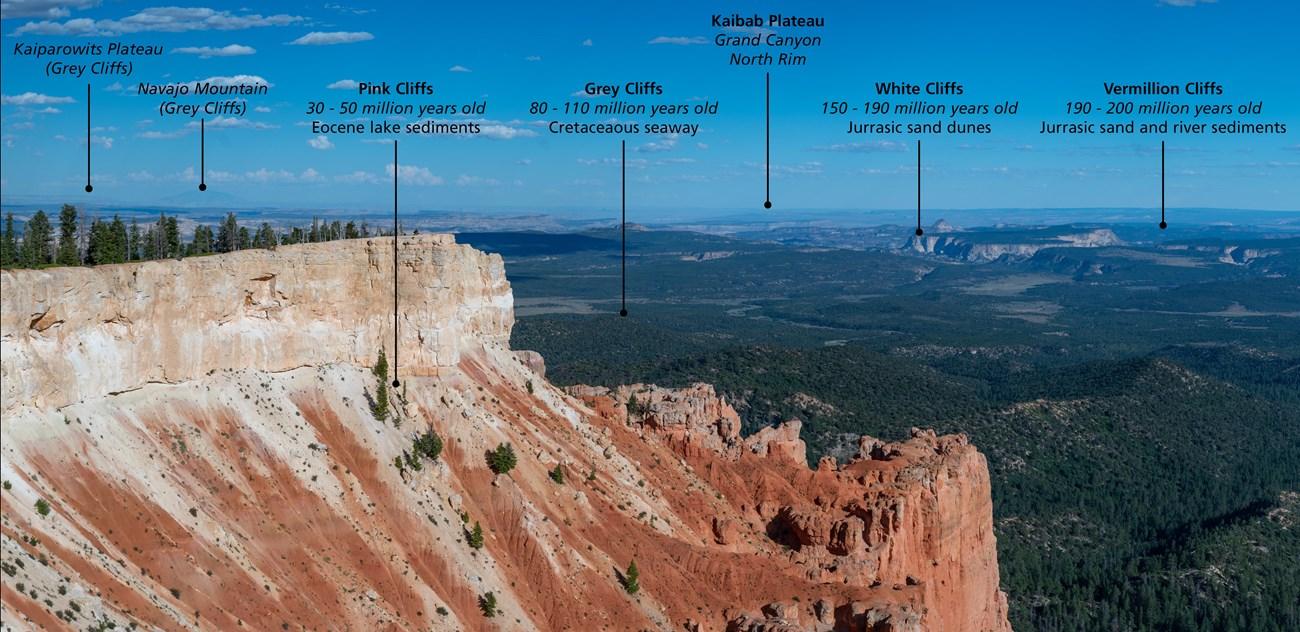
Explore Utah's Escalante Desert for sandstone canyons, river trails, dark skies, scenic drives and the wide-open landscapes of Grand Staircase country.
Escalante Desert
Explore Utah's Escalante Desert for sandstone canyons, river trails, dark skies, scenic drives and the wide-open landscapes of Grand Staircase country.
-

-

-
 Capitol Reef National Park
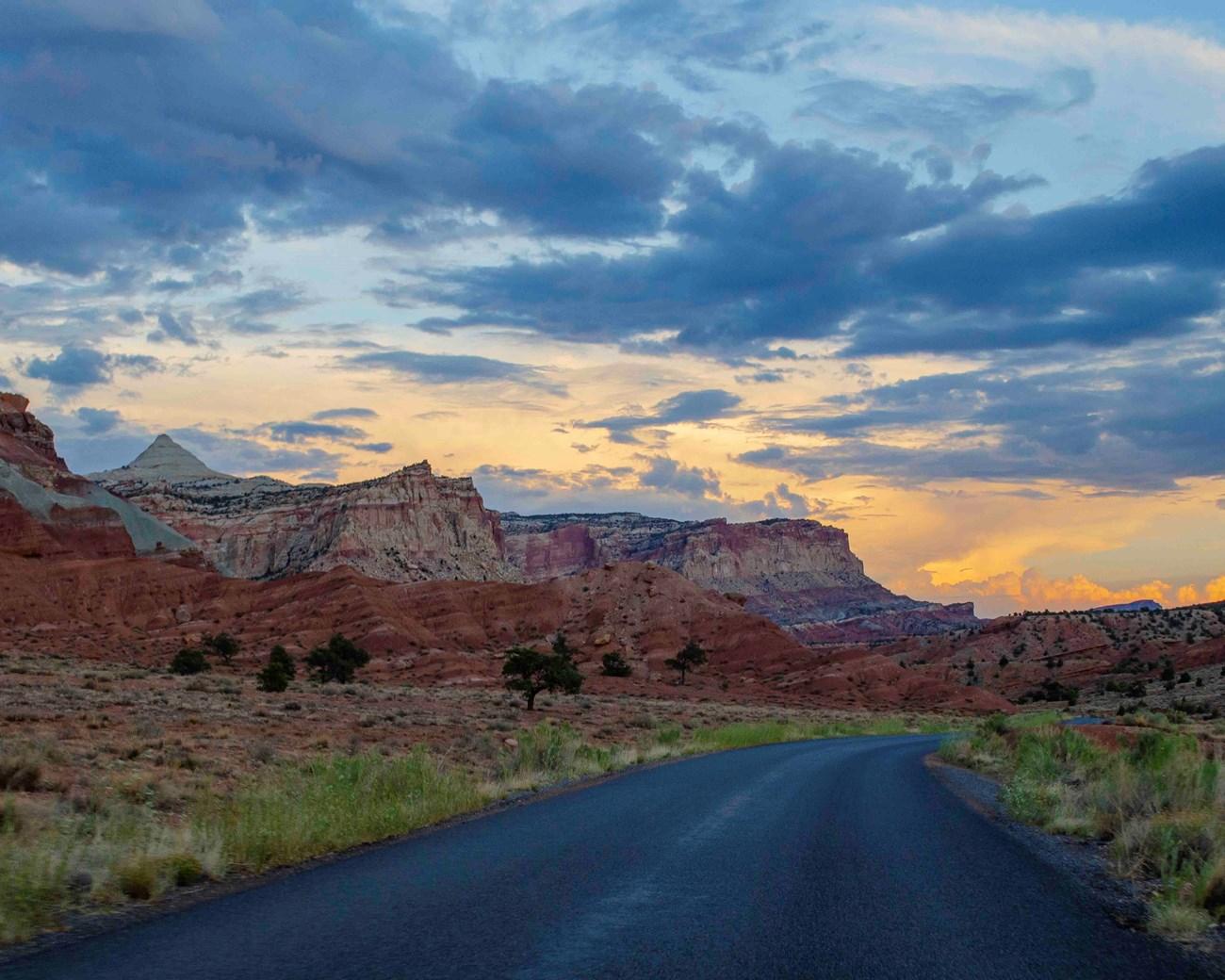
Explore Capitol Reef National Park in Utah for folded red-rock geology, historic Fruita orchards, scenic drives, canyons and remote desert trails.
Capitol Reef National Park
Explore Capitol Reef National Park in Utah for folded red-rock geology, historic Fruita orchards, scenic drives, canyons and remote desert trails.


Swipe for more regions
Explore more

Explore more of Utah
Explore Utah's stunning national parks, rich cultural heritage, and year-round outdoor adventures. Discover why this diverse state is a top destination for travelers.
Explore Utah