

Free Arkansas Valley Travel Guide & Mobile App
Explore Arkansas Valley with free travel guides. Discover regional history, expert tips, proposed trips, and audio guides on web or mobile app.


Explore Arkansas Valley landscapes, frontier history, mountain parks, river towns, wildlife refuges and lake recreation across west-central Arkansas.
Read more about Arkansas Valley
Getting to and around Arkansas Valley
How to get there
Transportation
Top city travel guides in Arkansas Valley
The cities of Arkansas Valley, and the easiest places to base yourself.
-
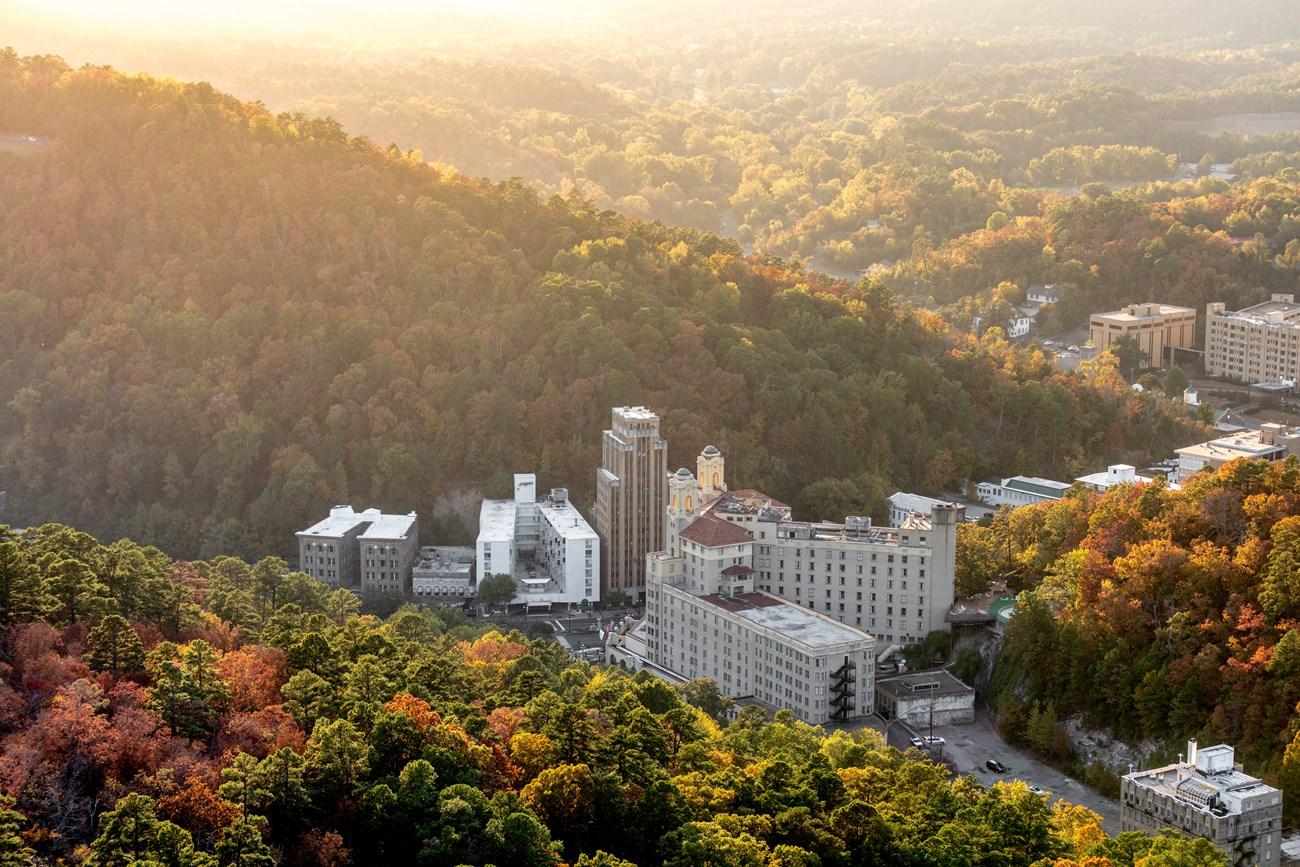 Hot Springs
, Arkansas blends thermal waters, Bathhouse Row, mountain scenery, historic architecture, arts, racing and lively Southern cuisine and arts.
Hot Springs
Hot Springs, Arkansas blends thermal waters, Bathhouse Row, mountain scenery, historic architecture, arts, racing and lively Southern cuisine and arts.
-

-

-

-

-


Swipe for more cities
Destinations in Arkansas Valley
Resorts, valleys and scenic spots worth a trip of their own.
-

-
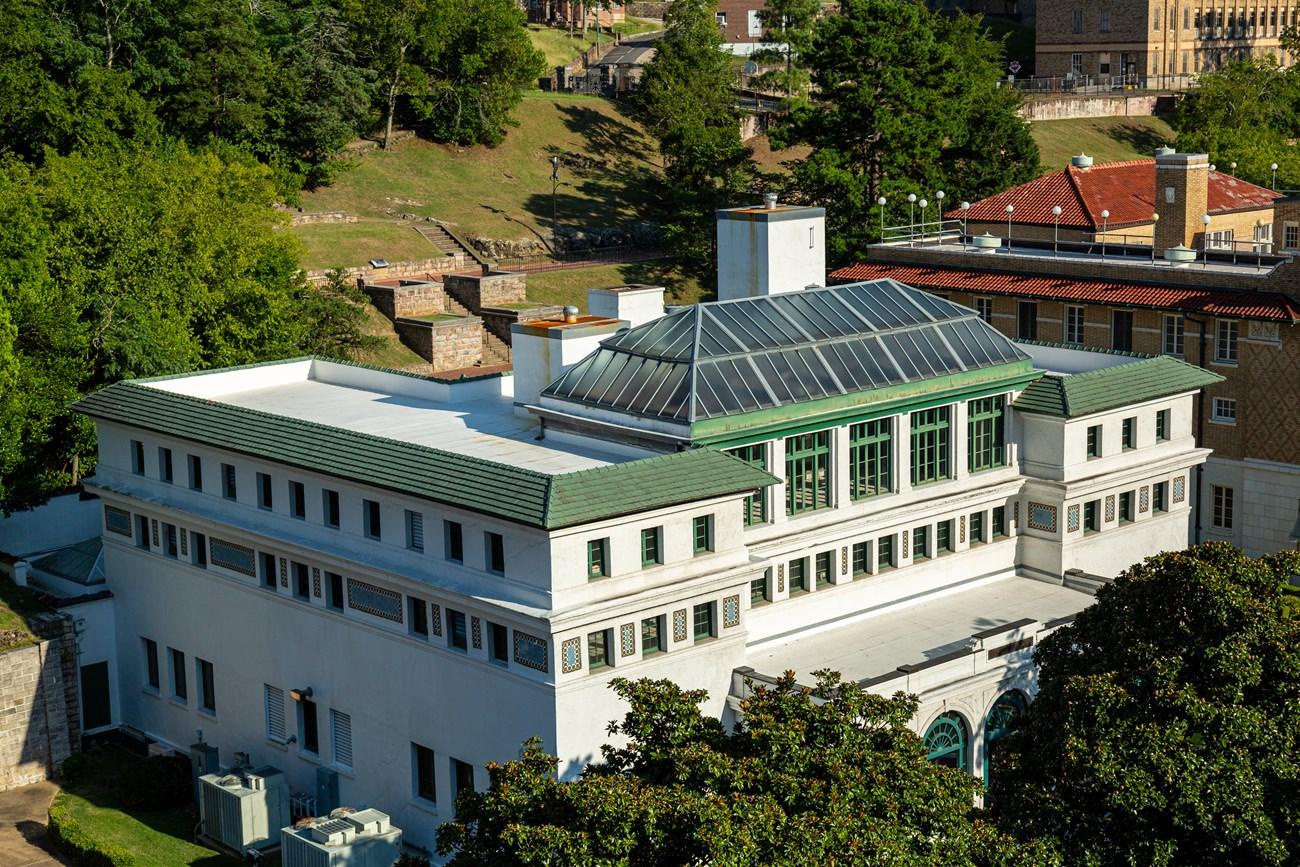 Hot Springs National Park
 in Arkansas pairs historic Bathhouse Row with thermal waters, forested Ouachita trails, scenic drives and American spa heritage.
Hot Springs National Park
Hot Springs National Park in Arkansas pairs historic Bathhouse Row with thermal waters, forested Ouachita trails, scenic drives and American spa heritage.
-

-

-

-


Swipe for more destinations
Best attractions in Arkansas Valley
The Arkansas Valley's attractions are spread across a long river corridor rather than concentrated in one resort centre. Fort Smith National Historic Site explains the military, Indigenous, legal and frontier histories of the western valley, while Van Buren's historic commercial district offers a more intimate view of nineteenth-century river-town development. In the central valley, Lake Dardanelle and its state park support boating, fishing, birdwatching and waterside picnics. Holla Bend National Wildlife Refuge protects wetland and agricultural habitats where migratory birds are especially important at seasonal peaks. The surrounding uplands provide the region's strongest outdoor experiences: Petit Jean State Park has forest trails, overlooks and Cedar Falls; Mount Nebo offers elevated roads and viewpoints above the river corridor; and Mount Magazine, Arkansas's highest mountain, combines highland scenery with hiking and outdoor recreation. Museums, galleries, farmers' markets and local heritage sites add cultural context in the larger towns, while rural drives reveal orchards, farms, wooded ridges and reservoir shorelines. Visitors should allow time for the distances between these places and check trail, weather and facility conditions before setting out.
-
National park
Hot Springs National Park
Explore Hot Springs National Park, a perfect blend of natural hot springs, stunning trails, and rich history in the heart of Arkansas.
-
National forest
Ouachita National Forest
Explore the Ouachita National Forest: Discover scenic trails, diverse wildlife, and rich history in the heart of Arkansas and Oklahoma's oldest national forest.
-
State park
Petit Jean State Park
Explore the breathtaking landscapes and rich history of Petit Jean State Park, Arkansas's first state park, perfect for outdoor adventure and family fun.
-
City park
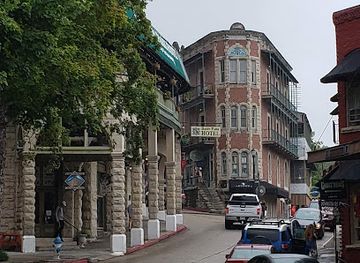
Eureka Springs Downtown
Discover Victorian charm, unique shops, and natural beauty in the heart of the Ozark Mountains at Eureka Springs Downtown.
Best landmarks in Arkansas Valley
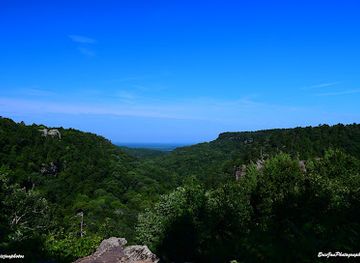
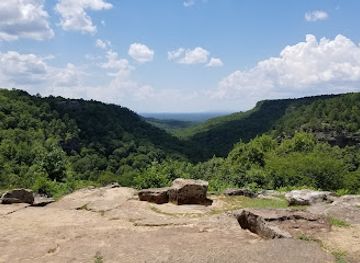
Fort Smith National Historic Site is the Arkansas Valley's most significant historical landmark, preserving the remains of two forts, the nineteenth-century courthouse and the jail associated with Judge Isaac Parker. In nearby Van Buren, the historic Main Street district forms a coherent architectural reminder of the town's role as a river and railway centre. The Arkansas River itself is the region's defining natural landmark, broadening around reservoirs and navigation works as it crosses the valley. Lake Dardanelle's waters and shorelines mark the central landscape, while the elevated profiles of Mount Nebo and Mount Magazine provide its most recognisable mountain viewpoints. Petit Jean's forested plateau, canyon scenery and Cedar Falls are equally important for their combination of geology and cultural history. Holla Bend's broad bottomland and wetlands show how the river's floodplain supports wildlife and agriculture. Together, these landmarks express the valley's central contrast: a major inland waterway bordered by working lowlands and rising wooded mountains.
-
National park
Hot Springs National Park
Experience the therapeutic waters and rich history of America's first national park, nestled in the heart of Hot Springs, Arkansas.
-
State park
Petit Jean State Park
Discover Arkansas's first state park: breathtaking views, historic sites, and outdoor adventures await at Petit Jean State Park.
-
Historical landmark
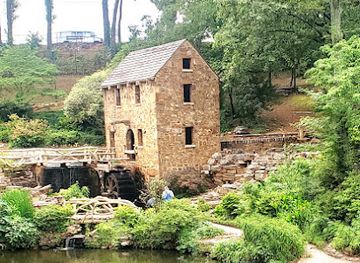
The Old Mill
Step back in time at The Old Mill in North Little Rock, a historic and picturesque landmark featured in 'Gone With The Wind'.
-
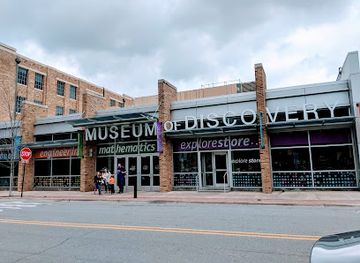
Science museum
Museum of Discovery
Explore interactive science exhibits, a Tesla coil, and live animals at Little Rock's premier STEM-focused museum for all ages!

Explore Arkansas Valley on the map
Plan your trip on one map. See where the top cities, national parks and sights are, and book hotels and experiences in a few clicks.
Best hotels in Arkansas Valley
Best restaurants in Arkansas Valley
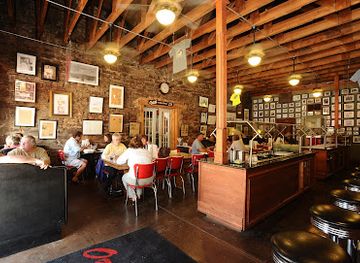
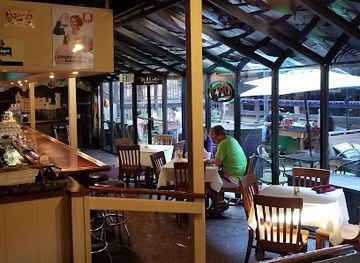
Dining in the Arkansas Valley reflects the wider culinary traditions of the American South while drawing on the region's farms, rivers and small-town communities. Barbecue, fried catfish, chicken, biscuits, beans, seasonal vegetables and homemade pies appear in family restaurants, cafés and informal roadside establishments. Fort Smith and Russellville provide the broadest choice, including contemporary American cooking, international food, coffee shops and breweries, while smaller towns are more likely to centre on diners, country cooking and locally owned cafés. The Arkansas River and reservoirs support a continuing association with freshwater fish, although menus vary by season and establishment. Farmers' markets and farm stands are useful places to find fruit, vegetables, preserves and baked goods, particularly in warmer months. Rural inns and historic-town restaurants can offer regional atmosphere, but opening patterns may be limited outside the main population centres. Visitors should distinguish genuinely local produce from generic souvenirs and ask about seasonal specialities rather than expecting one defining dish shared by the entire valley.
-
American
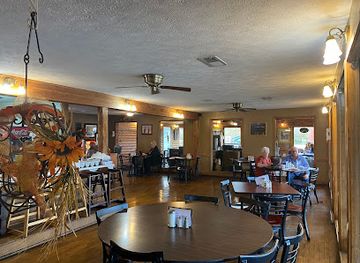
Ozark Cafe
Experience authentic American cuisine at Ozark Cafe in Jasper—your go-to spot for breakfast and delicious sandwiches amidst stunning natural beauty.
-
German
Steinhaus Keller
Experience authentic German dining at Steinhaus Keller in Hot Springs - where tradition meets flavor in a cozy basement atmosphere.
-
Southern
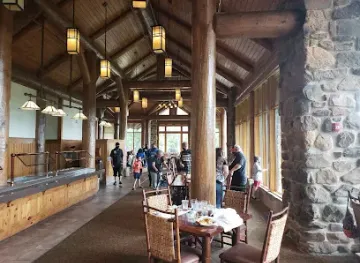
Mather Lodge Restaurant
Experience authentic Southern cuisine amidst breathtaking views at Mather Lodge Restaurant in Petit Jean State Park.
-
American
Riverbend Restaurant
Discover American cuisine at Riverbend Restaurant in Mammoth Spring - where every meal is made with local flavors and warm hospitality.
Best bars in Arkansas Valley
Evening life in the Arkansas Valley is generally low-key and centred on pubs, restaurants, breweries, live music and community events rather than a continuous nightclub scene. Fort Smith has the region's broadest urban choice, with bars and restaurants serving as meeting places after work and at weekends. Russellville also has a modest evening economy supported by its student population and local music culture, while Van Buren offers a quieter setting around its historic centre. In smaller river and mountain communities, evenings are more likely to involve a restaurant, traditional bar, seasonal festival or music performance than late-night dancing. Some breweries and taprooms highlight Arkansas-made beer, but availability and hours change, so check directly before travelling. Mountain parks and wildlife areas are not nightlife destinations: visitors staying nearby should plan transport, return before dark on unfamiliar roads and avoid drinking before driving or boating.
-
Steak
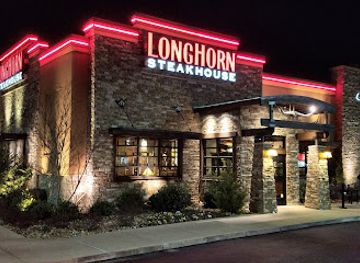
LongHorn Steakhouse
Experience the best of American cuisine at LongHorn Steakhouse, where every meal is a flavorful celebration of steak and tradition.
-
Steak
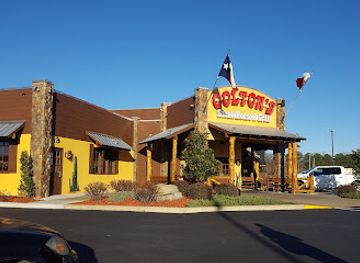
Colton's Steak House & Grill
Experience a hearty dining adventure at Colton's Steak House & Grill in Batesville, where juicy steaks and southern hospitality await every visitor.
-
Restaurant
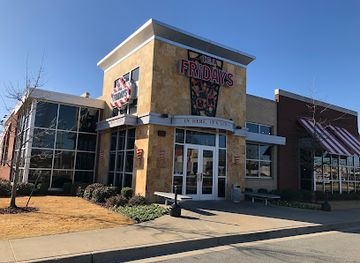
TGI Fridays
Discover the vibrant flavors of American cuisine at TGI Fridays in Conway, a perfect spot for families and sports fans.
-
Bar
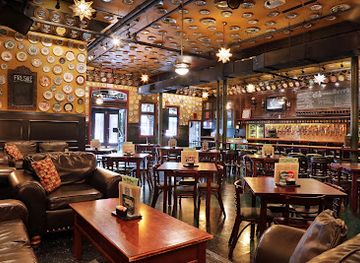
Flying Saucer Draught Emporium
Explore an extensive selection of over 200 beers at The Flying Saucer Draught Emporium in Little Rock, a vibrant spot for food and drink.
Best nightclubs in Arkansas Valley
Evening life in the Arkansas Valley is generally low-key and centred on pubs, restaurants, breweries, live music and community events rather than a continuous nightclub scene. Fort Smith has the region's broadest urban choice, with bars and restaurants serving as meeting places after work and at weekends. Russellville also has a modest evening economy supported by its student population and local music culture, while Van Buren offers a quieter setting around its historic centre. In smaller river and mountain communities, evenings are more likely to involve a restaurant, traditional bar, seasonal festival or music performance than late-night dancing. Some breweries and taprooms highlight Arkansas-made beer, but availability and hours change, so check directly before travelling. Mountain parks and wildlife areas are not nightlife destinations: visitors staying nearby should plan transport, return before dark on unfamiliar roads and avoid drinking before driving or boating.
-
Bar
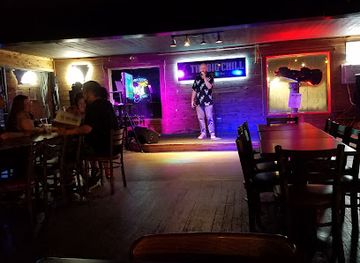
The Big Chill
Experience the vibrant nightlife of Hot Springs at The Big Chill, the ultimate bar and grill with live music and delicious food.
-
Bar
Club Frisco
Discover the lively Club Frisco, where exceptional cocktails and a vibrant atmosphere await you in Rogers, Arkansas.
-
Night club
Whiskey River Country
Experience the vibrant nightlife of Texarkana at Whiskey River Country, where great music and a lively atmosphere await.
-
Event venue
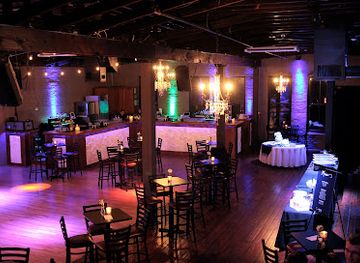
Club 27
Dive into the energetic nightlife of Little Rock at Club 27, a premier venue for dancing, events, and unforgettable experiences.


Best shops in Arkansas Valley
Shopping in the Arkansas Valley is primarily local and practical, with historic-town high streets, independent retailers, antique shops, galleries, bookshops and smaller specialist businesses providing more character than large luxury districts. Fort Smith and Russellville offer the widest selection of everyday shopping, while Van Buren's historic centre is suited to browsing gifts, antiques and locally made items. Farmers' markets and seasonal produce stands are useful for Arkansas fruit, vegetables, preserves, baked goods and other food products, although locations and market days vary through the year. Craft shops and galleries may feature pottery, woodwork, paintings, textiles and nature-inspired work from regional artists. Outdoor and fishing equipment is widely available in communities serving the lakes and mountains. Good practical souvenirs include local food products, locally made artwork and books about Arkansas history or landscape; visitors should check travelling restrictions before carrying fresh produce or other agricultural goods across borders.
-
Shopping mall
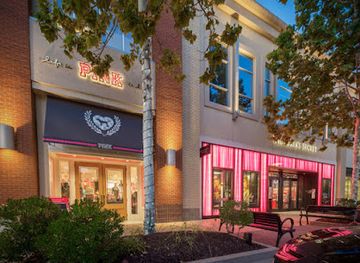
Pinnacle Hills Promenade
Discover Pinnacle Hills Promenade, a premier shopping mall in Rogers, Arkansas, featuring diverse stores, delicious dining, and fun entertainment for all ages.
-
Gift shop
A to Z Gifts & More
Discover a delightful gift shop in Alma, Arkansas, featuring unique home goods, crafts, and thoughtful gifts for every occasion.
-
Gift basket store
Gifts of Arkansas (4Square Cafe & Gifts)
Discover unique Arkansas gifts at Gifts of Arkansas, where local flavors and artisanal craftsmanship come together in delightful gift baskets.
-
Flea market
Fayetteville's Funky Flea Market
Explore Fayetteville's Funky Flea Market for a unique shopping experience that showcases antiques, vintage clothing, and local crafts in a vibrant atmosphere.
Get your free copy of our complete guide to Arkansas Valley, delivered straight to you.
Everything on this page, from attractions and restaurants to essentials and local phrases, in one PDF you can read offline, print or share.
Already have an account? Sign in
Your Arkansas Valley guide is ready.
We'll send it to · Not you? Sign out

Getting your guide ready…
We are putting together a fresh copy of the Arkansas Valley guide. This can take up to a minute.
This can take a few moments. If your browser asks, choose Allow so the download can start. You'll find the guide in your Downloads folder.
Nothing happened? Download it again
Sorry, the guide is taking longer than usual. Please try again in a minute, or get it by email instead.
Arkansas Valley essentials
Currency and Payment
Safety
Emergency Situations
Do's and Don'ts
Local Tips
From Eve
Local phrases worth knowing
You don't need to get them perfect. A few words go a long way, and locals appreciate the effort.
Basics
| English | Local | Say it |
|---|---|---|
| Hello | Howdy | [Ha-dee] |
| Goodbye | See ya later | [See ya lay-ter] |
| Yes | Yup | [Yup] |
| No | Nope | [Nope] |
| Please/You're welcome | Please/No problem | [Pleez/No prob-lum] |
| Thank you | Thank ya | [Thank ya] |
| Excuse me/Sorry | Excuse me/Sorry 'bout that | [Ex-cuse me/Sor-ree 'bout that] |
| How are you? | How ya doin'? | [How ya doin'?] |
| Fine. And you? | I’m good, and you? | [I’m good, and you?] |
| Do you speak English? | Can ya speak English? | [Can ya speak Ing-lish?] |
| I don't understand | I don't get it | [I don't get it] |
Eating & Drinking
| English | Local | Say it |
|---|---|---|
| I'd like to see the menu, please | Can I see the menu, please? | [Can I see the men-yoo, pleez?] |
| I don't eat meat | I ain't eatin' meat | [I ain't eatin' meet] |
| Cheers! | Cheers! | [Cheers!] |
| I would like to pay, please | Can I pay now, please? | [Can I pay now, pleez?] |
Emergencies
| English | Local | Say it |
|---|---|---|
| Help! | Help! | [Help!] |
| Go away! | Get outta here! | [Get outta here!] |
| Call the Police! | Call the cops! | [Call the cops!] |
| Call a doctor! | Get a doctor! | [Get a doc-tor!] |
| I'm lost | I’m lost | [I’m lost] |
| I'm ill | I ain't feelin' good | [I ain't feelin' good] |
Shopping
| English | Local | Say it |
|---|---|---|
| I'd like to buy... | I wanna buy... | [I wanna buy...] |
| I'm just looking | Just lookin' | [Just lookin'] |
| How much is it? | How much it cost? | [How much it cost?] |
| That's too expensive | That’s too pricey | [That’s too pry-see] |
| Can you lower the price? | Can ya lower the price? | [Can ya low-er the pryce?] |
Time & Numbers
| English | Local | Say it |
|---|---|---|
| What time is it? | What time is it? | [What time is it?] |
| It's one o'clock | It’s one o’clock | [It’s one o’clock] |
| Half past (10) | Half past ten | [Half past ten] |
| Morning | Mornin' | [Mornin'] |
| Afternoon | Afternoon | [Afternoon] |
| Evening | Evenin' | [Evenin'] |
| Yesterday | Yesterday | [Yesterday] |
| Today | Today | [Today] |
| Tomorrow | Tomorrow | [Tomorrow] |
| 1 | One | [One] |
| 2 | Two | [Two] |
| 3 | Three | [Three] |
| 4 | Four | [Four] |
| 5 | Five | [Five] |
| 6 | Six | [Six] |
| 7 | Seven | [Seven] |
| 8 | Eight | [Eight] |
| 9 | Nine | [Nine] |
| 10 | Ten | [Ten] |
Transport & Directions
| English | Local | Say it |
|---|---|---|
| Where's a/the...? | Where's a...? | [Where's a...?] |
| What's the address? | What’s the address? | [What’s the ad-dress?] |
| Can you show me (on the map)? | Can ya show me (on the map)? | [Can ya show me (on the map)?] |
| When's the next (bus)? | When's the next bus? | [When's the next bus?] |
| A ticket (to ....) | A ticket to ... | [A ticket to ...] |
History of Arkansas Valley
Indigenous River Corridors and Early European Contact
The Arkansas River was an important movement and trading corridor long before the arrival of European settlers. Indigenous peoples including the Caddo, Osage and Quapaw maintained connections with the river and surrounding uplands, while archaeological evidence across Arkansas records much older settlement and exchange. French explorers entered the wider Arkansas country in the seventeenth century, and the river later became a route through which imperial, commercial and military interests moved inland. These earlier histories remain essential to understanding why the valley became a strategic passage across the state.
Fort Smith and the Frontier Borderlands
The United States established the first Fort Smith in 1817 and rebuilt the post in the 1830s as federal authority expanded westward. The garrison stood near a contested frontier involving Indigenous displacement, migration and trade. Fort Smith became a major departure point for people travelling west and an important centre for federal administration. The surviving military buildings and grounds now form Fort Smith National Historic Site, where the layered history of soldiers, civilians, Indigenous nations and migrants is interpreted.
The Trail of Tears and Forced Removal
During the 1830s, Fort Smith and the Arkansas River corridor were connected to the forced removal of Indigenous peoples from the southeastern United States. Detachments of Cherokee, Muscogee, Chickasaw and other nations travelled through or near the region on routes associated with the Trail of Tears, often under harsh conditions. The removal transformed the human geography of Arkansas and had consequences that continue in Indigenous communities and historical memory. Sites and markers in and around the valley form part of a wider national story of dispossession.
Judge Isaac Parker and Federal Law
Isaac Parker served as United States district judge at Fort Smith from 1875 to 1896, administering federal law across a jurisdiction that reached deep into Indian Territory, now largely within Oklahoma. His courtroom dealt with disputes arising from migration, land, commerce and violence in a rapidly changing frontier region. Popular culture often reduced Parker's era to tales of outlaws and executions, but the courthouse also reflects the expansion of federal authority and the complicated legal relationships between the United States and Indigenous nations.
River, Railways and Agricultural Development
During the nineteenth and early twentieth centuries, river transport, railways and improved roads connected valley communities to wider markets. Towns such as Van Buren, Clarksville and Russellville grew as commercial centres serving farms, timber operations and river traffic. Agriculture benefited from the fertile bottomlands, while upland districts supported orchards, livestock and forestry. The arrival of rail links reduced the river's role as the principal means of movement but strengthened the region's integration with Fort Smith, Little Rock and markets beyond Arkansas.
Coal Mining and Industrial Change
Coal mining became important in parts of the western Arkansas River Valley, particularly around the coalfields near the Arkansas-Oklahoma border and the communities that supplied them. Mines fuelled railways, industry and domestic energy use, bringing workers and investment while also creating difficult and hazardous conditions. Production declined as energy systems changed, leaving a legacy visible in local landscapes, company-town histories and museums. Mining formed one part of a broader economy that also included timber, agriculture, manufacturing and transport.
Dams, Reservoirs and the Modern River Valley
Twentieth-century flood-control, navigation and hydroelectric projects reshaped the Arkansas River and its tributaries. Dams and reservoirs such as Lake Dardanelle altered river habitats while providing water storage, boating, fishing and economic infrastructure. The McClellan-Kerr Arkansas River Navigation System later linked the inland river to the Mississippi waterway, reinforcing the valley's role in freight transport. These projects brought practical benefits but also changed floodplains, wildlife habitats and the relationship between communities and the river.
Arkansas Valley in Photos
Browse through our photo collection highlighting the charm and character of the destination.
Neighbouring regions of Arkansas Valley
The closest regions to Arkansas Valley, if you have time for more than one.
-

-

-

-
 Ozark Mountains
Explore Arkansas's Ozark Mountains for limestone bluffs, clear rivers, forest trails, historic towns and enduring music traditions.
Ozark Mountains
Explore Arkansas's Ozark Mountains for limestone bluffs, clear rivers, forest trails, historic towns and enduring music traditions.
-


Swipe for more regions
Explore more

Explore more of Arkansas
Explore Arkansas: The Natural State with its stunning landscapes, rich history, and vibrant cultural experiences. Perfect for adventurers and culture seekers alike.
Explore Arkansas