Mission San Antonio de Padua: A Journey Back in Time
Discover California's hidden gem: Mission San Antonio de Padua, a remarkably preserved and serene historical landmark nestled in the Valley of the Oaks, offering an authentic glimpse into mission life.
Nestled in the Valley of the Oaks, near Jolon, California, Mission San Antonio de Padua offers a serene escape into California's rich history. Founded in 1771 by Father Junípero Serra, this remarkably well-preserved mission, the third in the California chain, stands as a testament to early Spanish influence and Native American collaboration. Its remote location, within Fort Hunter Liggett, has shielded it from modern encroachment, allowing visitors to experience an authentic glimpse into the past. Explore the meticulously restored church, wander through the historic grounds, and discover the innovative water system and the first Spanish tile roof in Alta California. The mission provides a unique opportunity to connect with California's heritage in a tranquil and picturesque setting, far removed from the hustle and bustle of contemporary life. Don't miss the chance to step back in time and immerse yourself in the beauty and history of Mission San Antonio de Padua.
A brief summary to Mission San Antonio de Padua
- 1 Mission Creek Rd, Fort Hunter Liggett, California, 93928, US
- +1831-385-4478
- Visit website
Local tips
- Be sure to check the Mission's website for the most up-to-date hours, as they can vary, especially around holidays or special events.
- Remember to bring a government-issued photo ID, as the mission is located within Fort Hunter Liggett, and you may be asked to present it for access.
- Consider visiting during the spring months to witness the surrounding hillsides come alive with vibrant wildflowers, enhancing the mission's picturesque setting.
- Pack a picnic lunch to enjoy on the mission grounds, as there are picnic tables available and limited dining options in the immediate vicinity.
- Take your time exploring the mission; allow at least 2-3 hours to fully appreciate the church, museum, gardens, and surrounding landscape.

Getting There
-
Driving
From Highway 101, exit at Jolon Road (Exit 252). Follow Jolon Road for approximately 26 miles. Turn onto Mission Road and proceed for about 5 miles to reach the Mission. Note that Mission Road enters Fort Hunter Liggett; have your ID ready. Be aware of speed limits on the base, as they are strictly enforced. The final stretch is well-signed, leading directly to the Mission's parking area.
Discover more about Mission San Antonio de Padua
Iconic landmarks you can’t miss

Mission San Antonio de Padua
0.0 km
Discover California's hidden gem: Mission San Antonio de Padua, a remarkably preserved and serene historical landmark nestled in the Valley of the Oaks, offering an authentic glimpse into mission life.
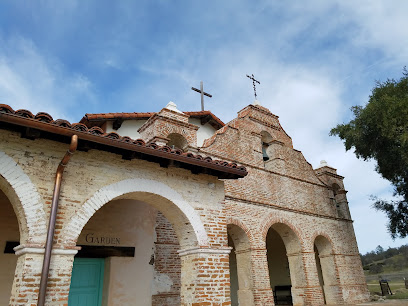
Historic Lime Kilns
24.3 km
Uncover the rich history and stunning beauty of Big Sur at the Historic Lime Kilns, a remarkable landmark of California's past.
Hearst Castle
37.4 km
Explore the opulent Hearst Castle, a historical landmark on California's coast, and immerse yourself in the grandeur of early 20th-century American luxury.

Piedras Blancas Light Station
39.0 km
Discover the captivating Piedras Blancas Light Station, a historical landmark on California's coast, blending maritime heritage with stunning natural beauty.
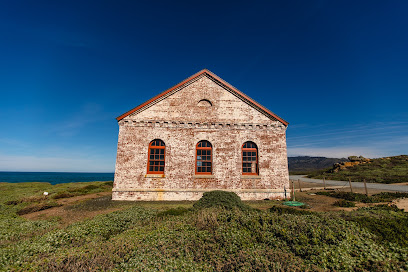
See Monterey
39.1 km
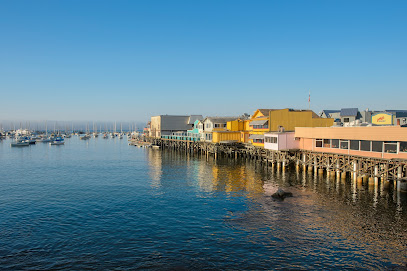
Discover the breathtaking beauty and vibrant culture of Monterey County with See Monterey, your ultimate travel guide to this coastal paradise.
52801 CA-1
41.0 km
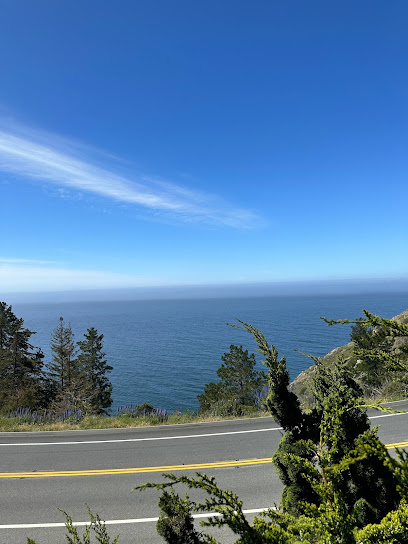
Explore the stunning coastline of Big Sur, California, where majestic cliffs meet the Pacific Ocean and nature unfolds in breathtaking beauty.
COAST Big Sur
47.5 km
Experience the unique blend of art, dining, and boutique shopping at COAST Big Sur, where creativity meets the stunning California coastline.
Piedras Blancas Light House Lens
51.9 km
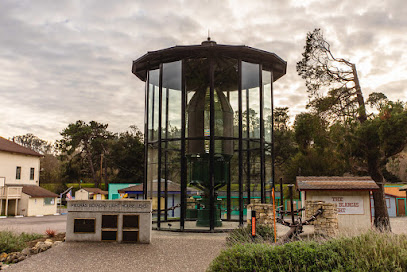
Explore the historic Piedras Blancas Light House Lens and experience the coastal beauty and maritime heritage of California's rugged shores.
Post Ranch Inn
52.6 km
Experience unparalleled luxury and breathtaking views at Post Ranch Inn, the ultimate retreat in Big Sur, California.
Sign | Pfeiffer Big Sur State Park
53.6 km
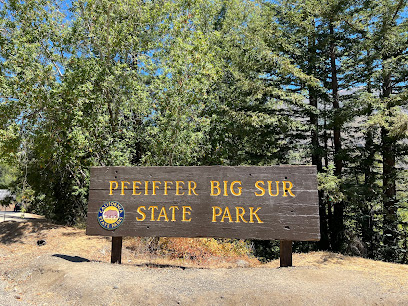
Discover the enchanting landscapes and rich history of Pfeiffer Big Sur State Park, a must-visit destination on California's stunning coastline.
Fernwood Campground and Resort
55.9 km
Discover the beauty of Big Sur at Fernwood Campground and Resort, where nature meets comfort and adventure awaits around every corner.
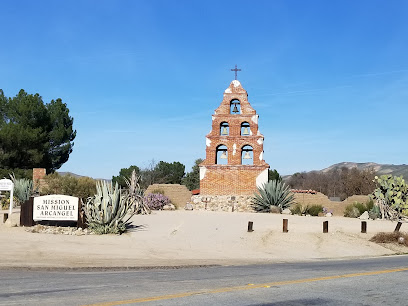
Mission San Miguel Arcángel
58.2 km
Explore the historic Mission San Miguel Arcángel, a beautiful Catholic church and museum showcasing California's rich heritage and stunning architecture.
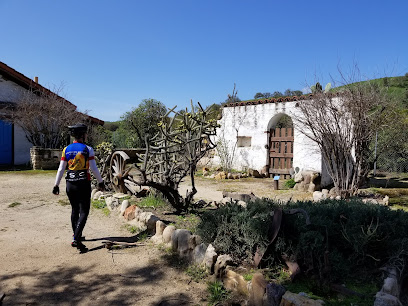
Rios Caledonia Adobe
58.4 km
Discover California's past at the Rios Caledonia Adobe in San Miguel: a historic stagecoach stop, museum, and library offering a glimpse into 19th-century life.
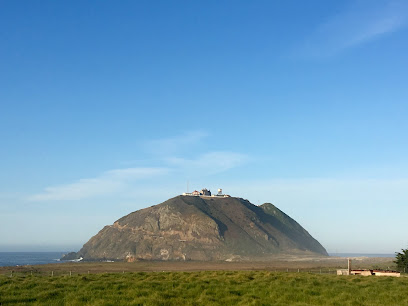
Point Sur Naval Facility
65.6 km
Discover the historical significance and breathtaking beauty of Point Sur Naval Facility along California's iconic Big Sur coastline.
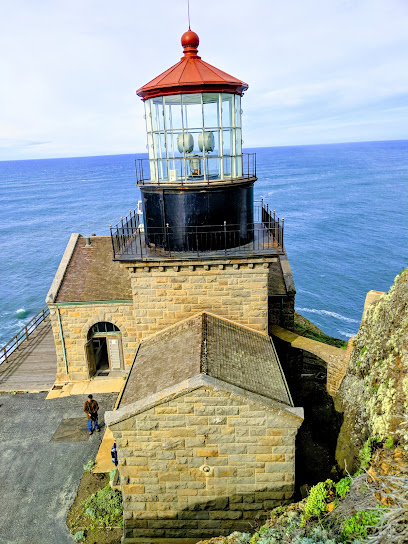
Point Sur Lighthouse
66.8 km
Explore California's maritime past at Point Sur Lighthouse in Big Sur: Guided tours, stunning views, and rich history await on this iconic coastal landmark.
Unmissable attractions to see

Pfeiffer Big Sur State Park
29.5 km
Experience the breathtaking beauty of Pfeiffer Big Sur State Park, where towering redwoods and stunning coastal views await your exploration.
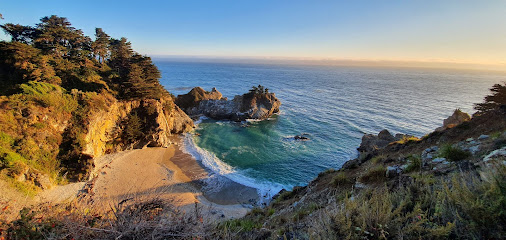
Gamboa Point
30.8 km
Explore Gamboa Point in Big Sur for breathtaking coastal views, tranquil nature, and unforgettable experiences in California's scenic paradise.
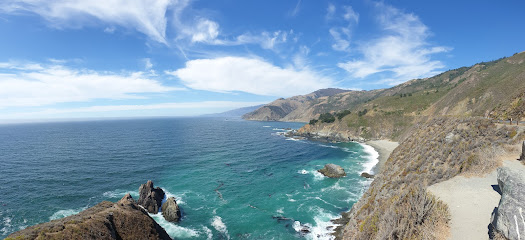
Big Creek Cove Vista Point
31.1 km
Experience the stunning coastal vistas and natural beauty at Big Creek Cove Vista Point, a must-see observation deck in Big Sur, California.
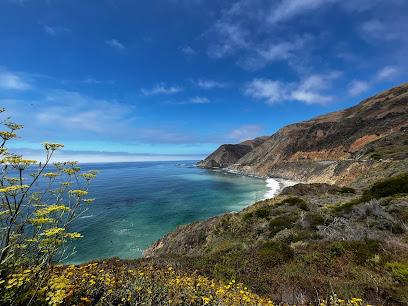
Big Creek Bridge
32.0 km
Experience the breathtaking beauty of Big Creek Bridge in Big Sur, where stunning views and natural wonders come together for an unforgettable visit.
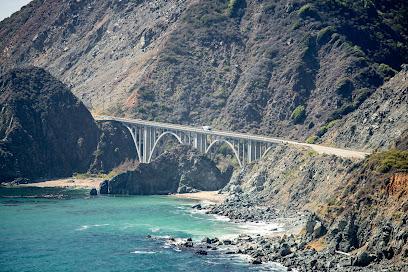
Esalen Institute
36.7 km
Discover your potential at Esalen Institute, a world-renowned retreat center in Big Sur, California, offering transformative workshops and breathtaking scenery.
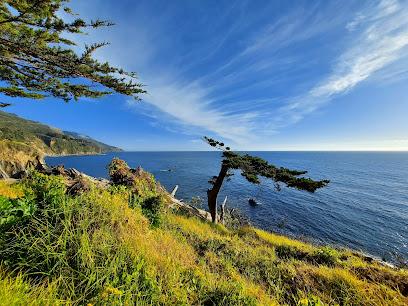
McWay Falls
41.1 km
Discover McWay Falls, a breathtaking waterfall in Big Sur, California, cascading into the Pacific Ocean amidst stunning coastal views and lush landscapes.
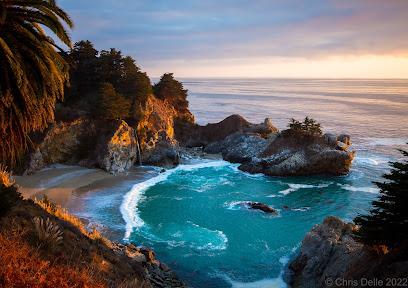
McWay Cove
41.2 km
Discover the stunning beauty of McWay Cove, where waterfalls meet the ocean amidst California's breathtaking Big Sur coastline.
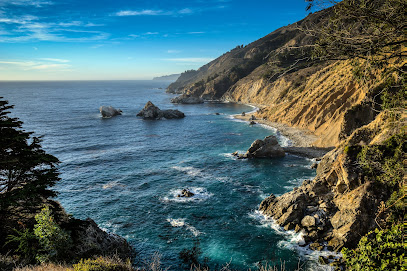
Julia Pfeiffer Burns State Park
41.5 km
Explore the breathtaking landscapes of Julia Pfeiffer Burns State Park, featuring iconic waterfalls, towering redwoods, and stunning coastal views.
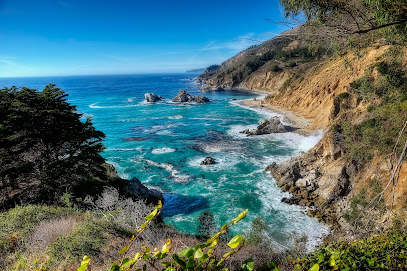
Julia Pfeiffer Burns State Park Vista Point
42.6 km
Experience the stunning coastal beauty and iconic McWay Falls at Julia Pfeiffer Burns State Park Vista Point, a must-see destination in Big Sur, California.
Los Coches Adobe
43.6 km
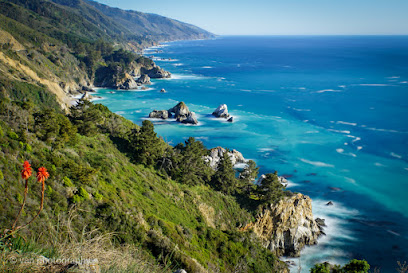
Explore the historic Los Coches Adobe in Soledad, California, a captivating landmark showcasing early Californian culture and architecture.
Partington Cove
43.8 km
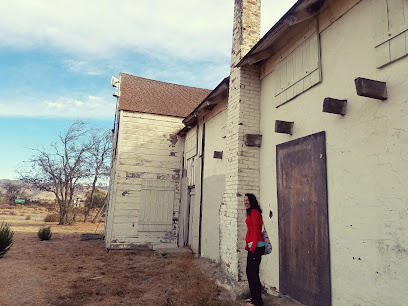
Experience the serene beauty of Partington Cove in Big Sur, California—where stunning vistas meet the tranquility of nature along the Pacific coastline.
Mission Soledad
44.3 km
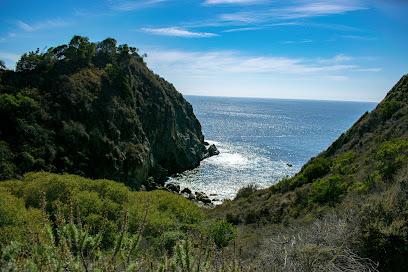
Discover the historic Mission Soledad, an iconic California mission that offers a glimpse into the state's rich cultural heritage and early Spanish colonial history.
The California Sea Otter State Game Refuge
44.4 km
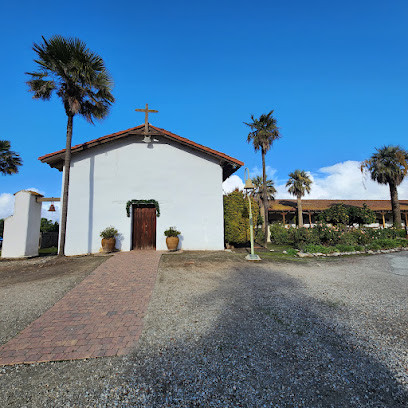
Discover playful sea otters in their natural habitat along Big Sur's rugged coastline, a haven for marine life and conservation.
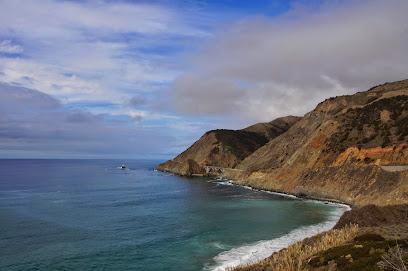
Seal Beach Overlook
47.7 km
Discover the breathtaking vistas at Seal Beach Overlook, a scenic spot in Big Sur where the cliffs meet the crashing waves of the Pacific Ocean.
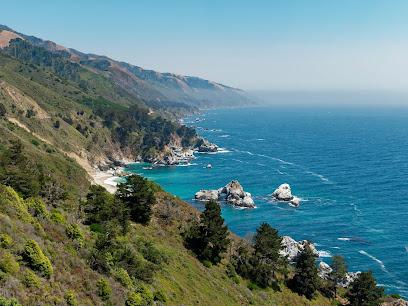
Grimes Point
48.6 km
Discover the stunning rock formations and ancient petroglyphs of Grimes Point, a natural wonder in California's beautiful peninsula region.
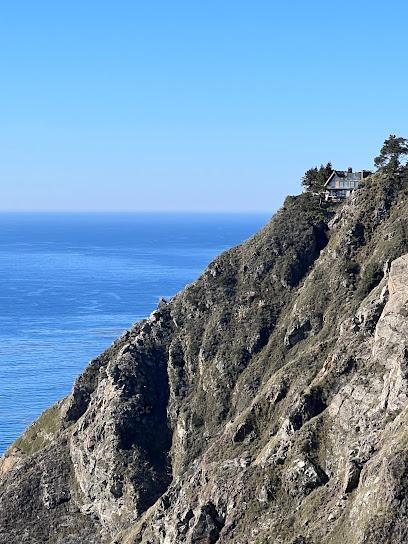
Essential places to dine

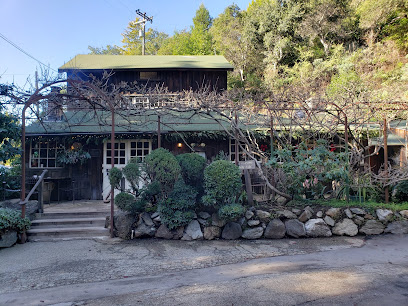
Deetjen's Restaurant
50.3 km
Discover Deetjen's Restaurant in Big Sur for a unique American dining experience amidst breathtaking coastal views.
Cafe Kevah
51.2 km
Experience breathtaking views and fresh local flavors at Cafe Kevah in Big Sur – an unforgettable culinary gem along California's coastline.
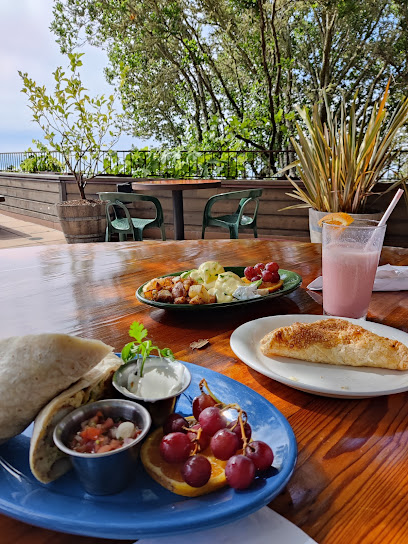
Nepenthe
51.2 km
Experience breathtaking views and exquisite American cuisine at Nepenthe in Big Sur - a true culinary gem overlooking the Pacific Ocean.
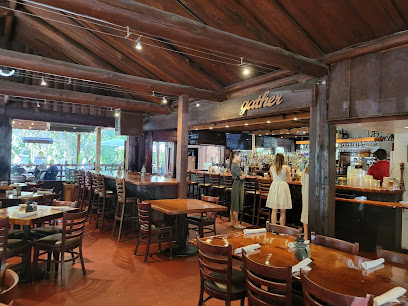
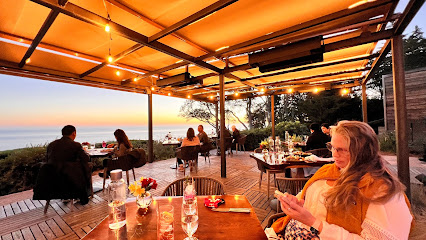
The Sur House
51.5 km
Experience breathtaking ocean views and organic cuisine at The Sur House in Big Sur - a perfect blend of nature and fine dining.
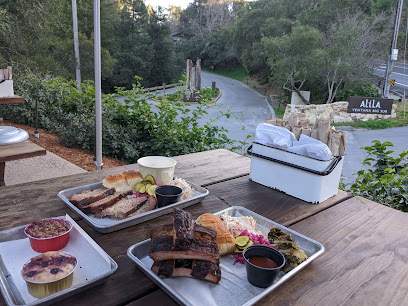
Big Sur Smokehouse
51.9 km
Discover delicious barbecue at Big Sur Smokehouse – where smoky flavors meet stunning coastal views in beautiful Big Sur.
Sierra Mar
52.6 km
Experience fine dining at Sierra Mar in Big Sur—where exquisite seafood meets breathtaking ocean views for an unforgettable culinary adventure.
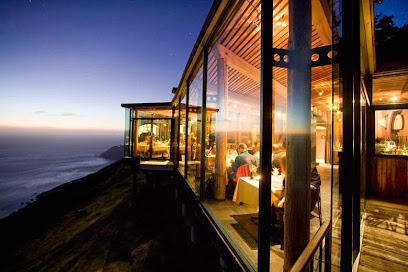
Big Sur Bakery
52.7 km
Discover delicious American cuisine at Big Sur Bakery—your perfect pitstop along California's scenic coast.
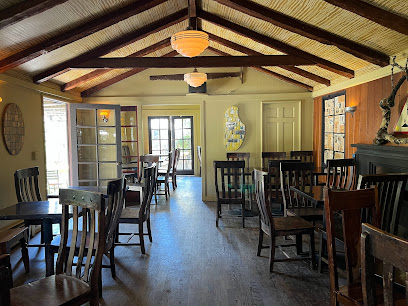
Homestead
54.7 km
Experience comfort food at Homestead in Big Sur—where delicious American cuisine meets breathtaking natural beauty.
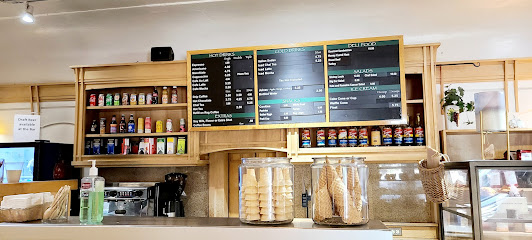
Fernwood Tavern
55.9 km
Experience delectable grilled dishes at Fernwood Tavern in Big Sur while surrounded by California's stunning natural beauty.
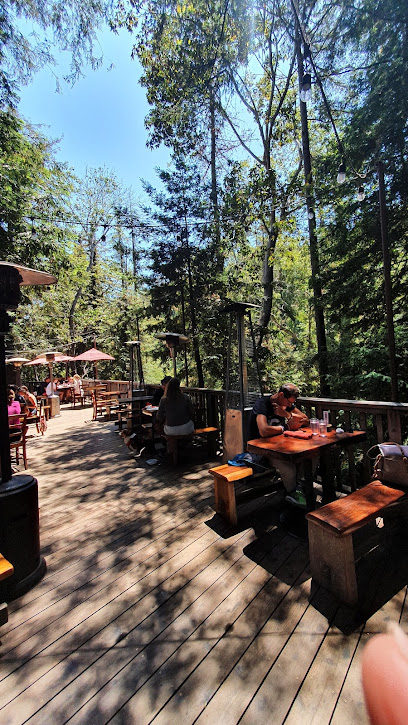
Big Sur Roadhouse
56.6 km
Experience the best of Californian cuisine at Big Sur Roadhouse, where local flavors meet stunning coastal views in an inviting atmosphere.
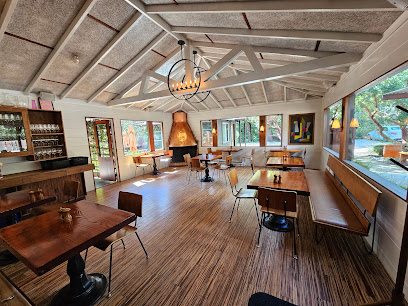
Cottages Grocery Restaurant
56.7 km
Experience exquisite coastal dining at Cottages Grocery Restaurant in Big Sur with fresh ingredients and breathtaking views.
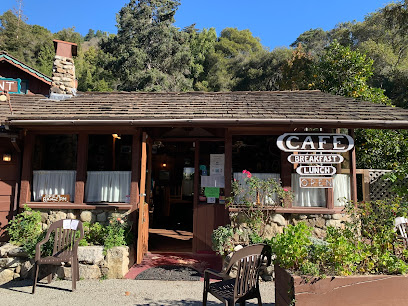
Sushi Jawn
57.1 km
Discover the taste of freshness at Sushi Jawn—a mobile sushi haven in Big Sur where quality meets convenience.
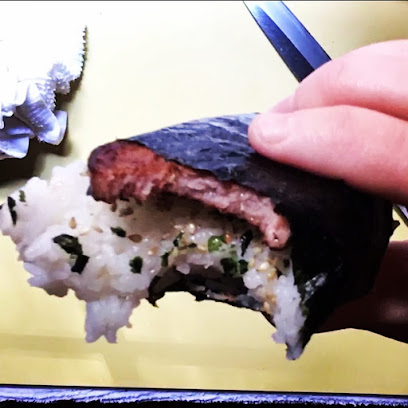
The Village, Big Sur
57.5 km
Experience wellness and tranquility at The Village in Big Sur - where healthy dining meets serene surroundings.
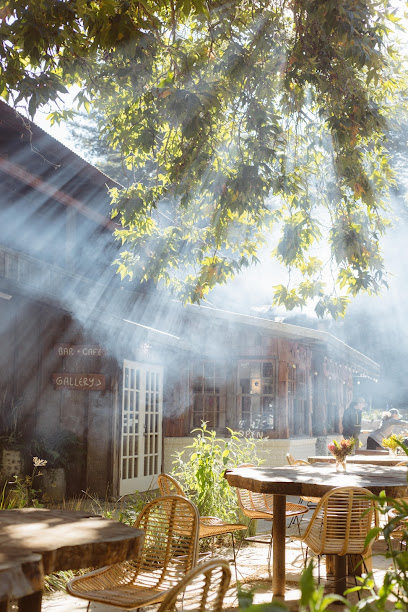
Restaurant at Big Sur River Inn
57.6 km
Experience authentic American cuisine amidst stunning landscapes at the Restaurant at Big Sur River Inn.
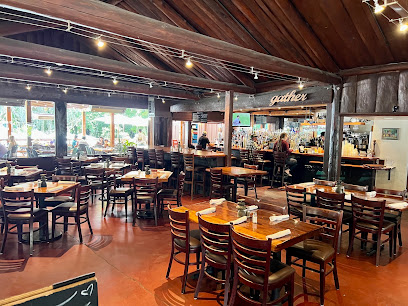
Big Sur River Inn
57.6 km
Discover tranquility at Big Sur River Inn - where rustic charm meets breathtaking nature along California's iconic coast.
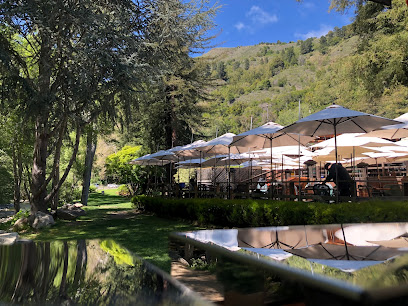
Markets, malls and hidden boutiques

kiyote of big sur
37.2 km
Discover unique clothing and gifts inspired by the breathtaking landscapes of Big Sur at Kiyote, a hidden gem along the Pacific Coast Highway.
Phoenix Shop
51.1 km
Explore the enchanting Phoenix Shop in Big Sur - your destination for unique gifts, local art, and memorable souvenirs.
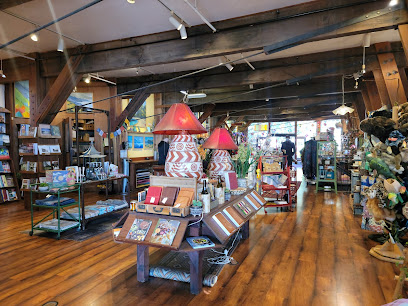
Post Ranch Mercantile
52.4 km
Discover the charm of Big Sur at Post Ranch Mercantile, where local artistry meets stunning coastal views in a delightful gift shop experience.
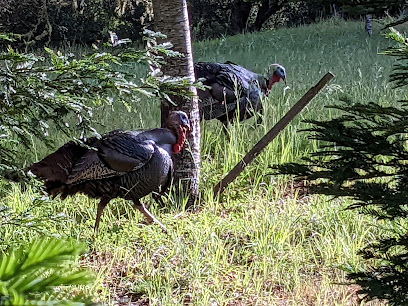
Mother Botanical & Shop
52.7 km
Explore Mother Botanical & Shop in Big Sur, a hidden gem offering unique gifts, beautiful plants, and a warm local atmosphere.
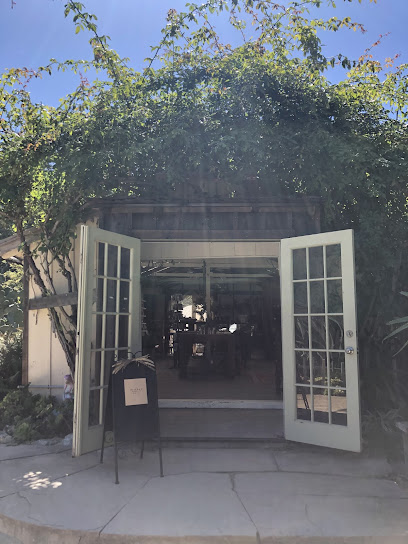
Big Sur Deli
52.8 km
Discover the flavors of Big Sur at Big Sur Deli, where delicious deli bites meet the captivating beauty of California's coastline.
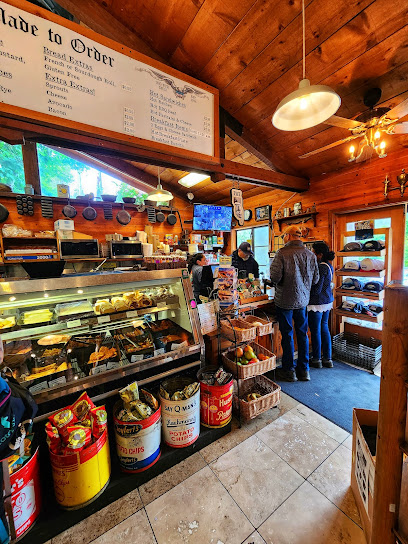
Fernwood General Store
55.9 km
Discover the charm of Big Sur at Fernwood General Store, your one-stop shop for local goods, fresh produce, and unforgettable souvenirs.
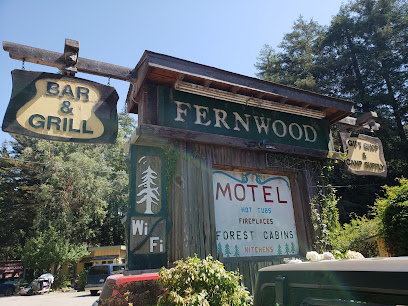
Big Sur Goods
56.7 km
Explore the artistic treasures of Big Sur Goods, a haven for photography and local art in the stunning landscape of Big Sur, California.
David's Coastal Collections
56.8 km
Explore the charm of Big Sur at David's Coastal Collections, where local artistry meets coastal beauty in a delightful shopping experience.
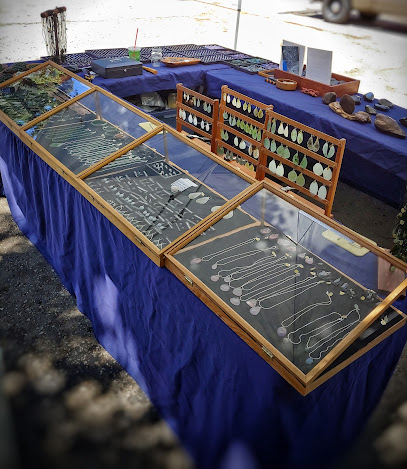
Studio One - Big Sur
57.5 km
Discover the enchanting Studio One - Big Sur, an art gallery that beautifully reflects the local culture and stunning landscapes of California's coastline.
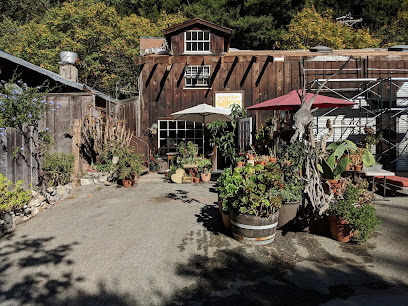
Big Sur River Inn General Store
57.6 km
Discover the essence of Big Sur at the Big Sur River Inn General Store, your one-stop shop for essentials and local treasures amidst stunning natural beauty.
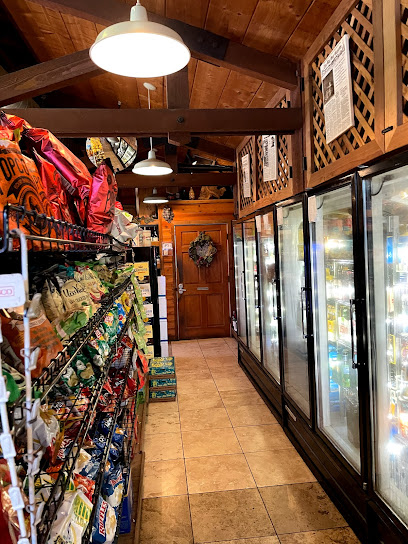
Big Sur inspirations
57.8 km
Explore Big Sur Inspirations for unique gifts and local artistry that capture the essence of California's stunning coastline.
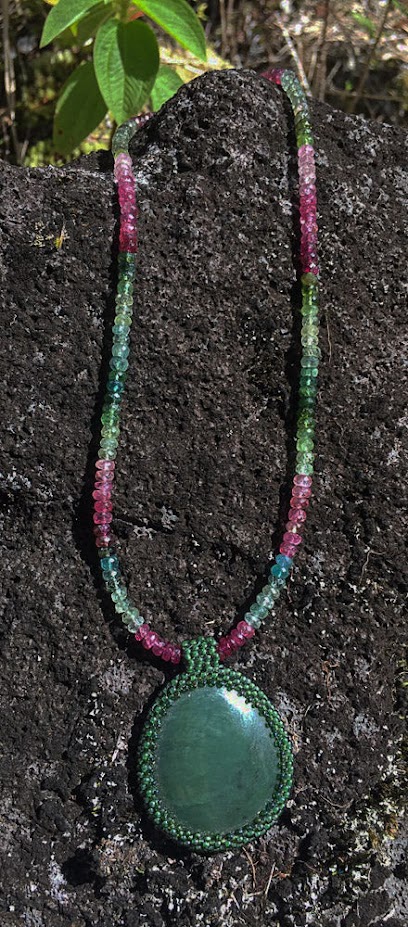
Givingtree Benefit Shop at Community Church of the Monterey Peninsula
82.2 km
Discover unique treasures at the Givingtree Benefit Shop, where every purchase supports local charities in Carmel-By-The-Sea.
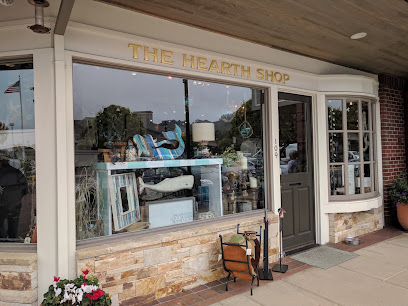
The Hearth Shop
82.8 km
Explore The Hearth Shop in Carmel-By-The-Sea for exquisite fireplaces and enchanting Christmas decor - a unique shopping experience awaits!
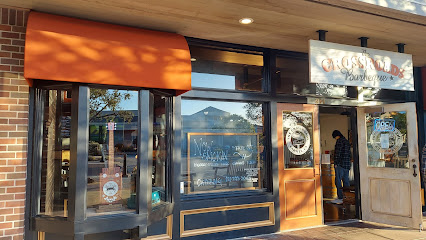
The Crossroads Carmel
82.9 km
Explore The Crossroads Carmel, a unique shopping mall in Carmel-By-The-Sea, where boutiques, art galleries, and local flavor meet in a stunning coastal setting.
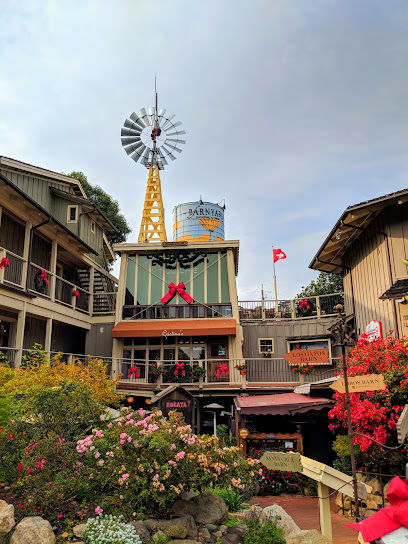
Carmel Rancho Shopping Center
82.9 km
Discover the charm of Carmel Rancho Shopping Center, where boutique shopping meets delightful dining in a picturesque coastal setting.
Essential bars & hidden hideouts

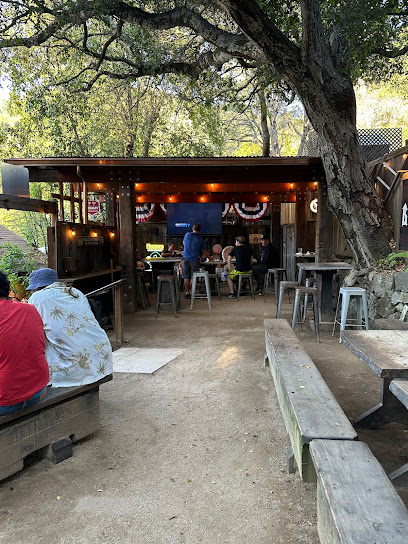
Big Sur Taphouse
52.8 km
Experience the best of California's craft beer culture at Big Sur Taphouse, your gateway to stunning views and local flavors.
Sunset Lounge
82.0 km
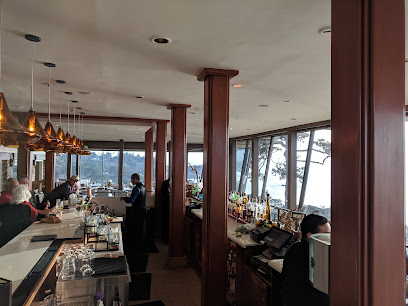
Experience the elegance of Sunset Lounge in Carmel-By-The-Sea, where breathtaking views meet exquisite cuisine in a luxurious setting.
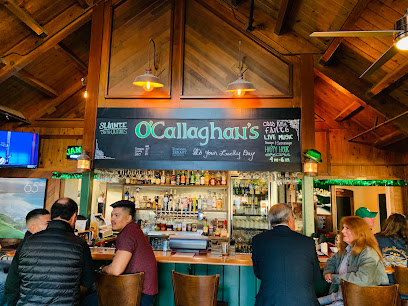
O'CALLAGHAN'S IRISH PUB
82.9 km
Discover the heart of Ireland at O'Callaghan's Irish Pub - where traditional flavors meet vibrant community spirit in Carmel-By-The-Sea.
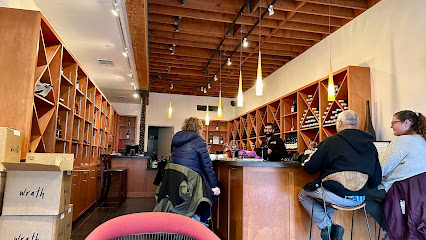
Wrath Wines- Carmel Tasting Room
84.8 km
Explore Wrath Wines in Carmel-By-The-Sea for a memorable wine tasting experience surrounded by breathtaking coastal views.
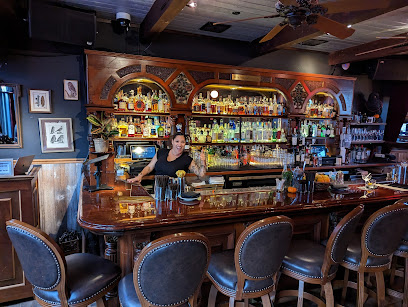
Barmel
84.9 km
Experience the cozy charm and handcrafted cocktails at Barmel, the perfect bar for relaxation in beautiful Carmel-By-The-Sea.
Bar Napoli
84.9 km
Discover the vibrant flavors of Italy at Bar Napoli, a charming bar and wine destination in the heart of Carmel-By-The-Sea.
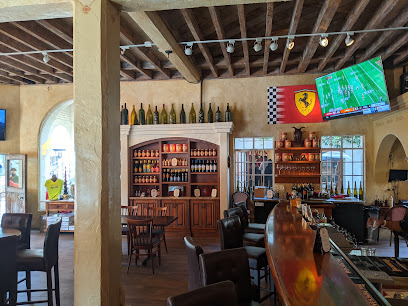
Del Monte Bar & Grill
85.0 km
Experience the best of American cuisine at Del Monte Bar & Grill, nestled in the scenic beauty of Monterey, California.
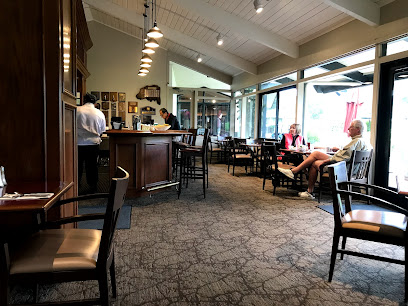
Mulligan Public House
85.0 km
Experience the warmth of Irish hospitality at Mulligan Public House, Carmel-By-The-Sea's premier bar for craft beers and traditional pub fare.
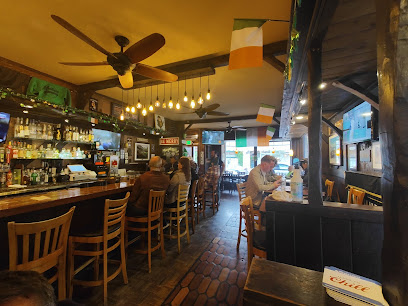
Galante Vineyards Tasting Room
85.0 km
Discover the exquisite wines and beautiful landscapes at Galante Vineyards in Carmel-By-The-Sea, a true treasure of California's wine country.
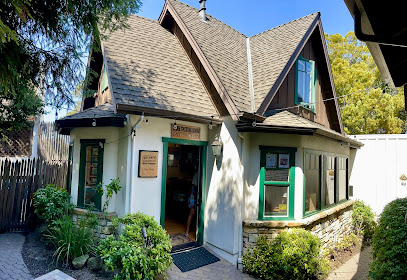
Bud's at La Playa
85.1 km
Experience the charm of Carmel-By-The-Sea at Bud's at La Playa, where exquisite cocktails and fine dining meet coastal elegance.
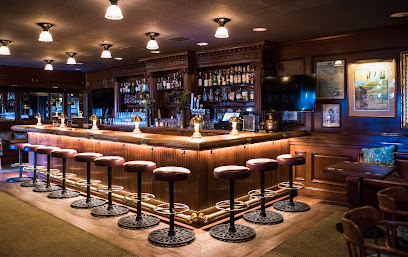
Sade's Cocktails
85.1 km
Experience the vibrant nightlife of Carmel-By-The-Sea at Sade's Cocktails, where exceptional mixology meets a cozy coastal ambiance.
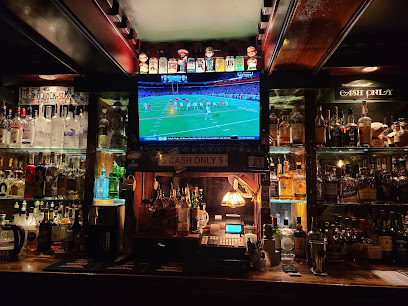
Brophy's Tavern
85.2 km
Experience the vibrant atmosphere and delicious fare at Brophy's Tavern, a cozy pub in the heart of Carmel-By-The-Sea.
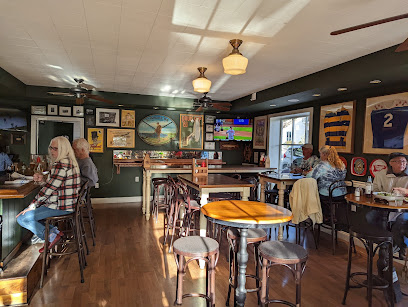
Trident Room
85.5 km
Discover the Trident Room in Monterey, offering a cozy atmosphere, exceptional drinks, and a perfect spot to unwind after your daily adventures.
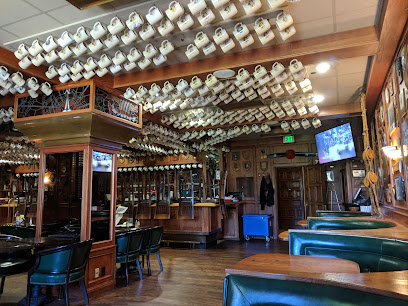
LindaRose Rooftop Bar & Grill at Hotel 1110
86.2 km
Discover the enchanting LindaRose Rooftop Bar & Grill, where mouthwatering cuisine meets stunning views in the heart of Monterey.
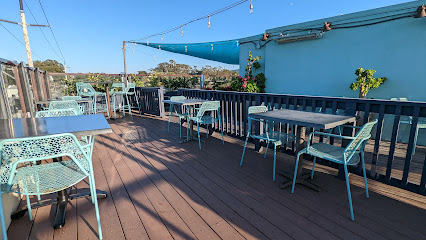
Alfredo's Cantina
86.7 km
Experience the vibrant nightlife at Alfredo's Cantina, Monterey's favorite cocktail bar with a lively atmosphere and exquisite drinks.
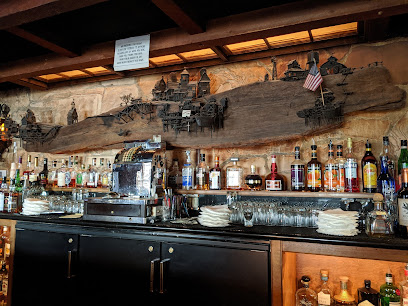
Nightclubs & after hour spots

Preez69Studio
84.8 km
Discover the vibrant nightlife at Preez69Studio, Carmel-By-The-Sea's premier adult entertainment club, perfect for an unforgettable evening.
Pacheco Club
86.5 km
Pacheco Club in Monterey: A premier nightlife haven offering dynamic entertainment, vibrant music, and an unforgettable clubbing experience.
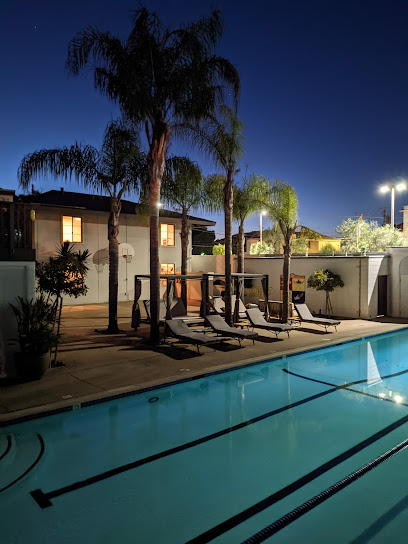
Old Capital Club
86.8 km
Discover the Old Capital Club, a historic social hub in Monterey, offering a cozy atmosphere and a taste of local culture.
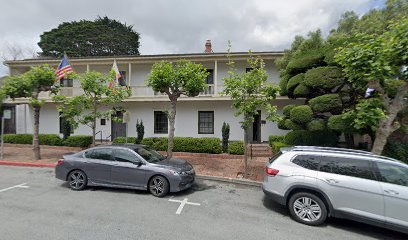
Monterey Civic Club
86.9 km
Discover the vibrant nightlife of Monterey at the Civic Club, where music, dancing, and community come together for an unforgettable experience.
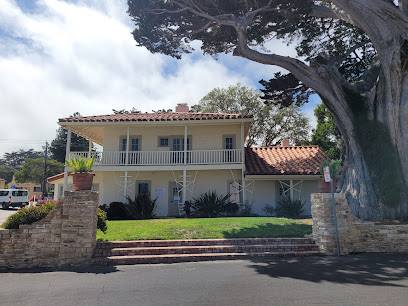
Indian summer
87.2 km
Discover the essence of Monterey nightlife at Indian Summer, a cocktail bar offering exquisite drinks and delightful dining in a vibrant atmosphere.
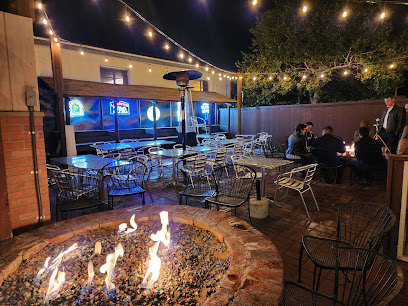
Terrace Lounge
87.8 km
Experience the serene ambiance and exquisite cocktails at the Terrace Lounge, a hidden gem in Pebble Beach, California.
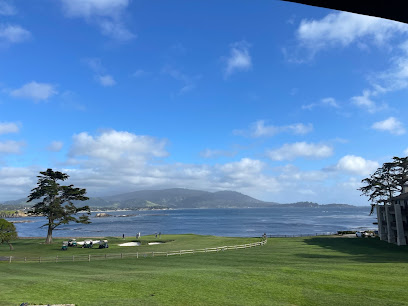
Sly McFly's
88.6 km
Experience the vibrant nightlife of Monterey at Sly McFly's, where live music, delicious food, and a lively atmosphere await.
Paper Wing Theatre & Supper Club
88.6 km
Discover the perfect blend of fine dining and live theater at Paper Wing Theatre & Supper Club, an unforgettable experience in Monterey.