Best Landmarks Near Kulen waterfall
Planning a trip to Kulen waterfall? Discover the best landmarks nearby with history, expert tips, and routes. Free on web or the Evendo app.


The best landmarks near Kulen waterfall
- Top rated
- Closest to Kulen waterfall
- A–Z
46 landmarks
-
Buddhist temple4.8★35,732 reviews
Angkor Wat
Angkor Wat, a UNESCO World Heritage site, is a stunning temple complex in Cambodia, originally built in the 12th century as a Hindu temple dedicated to Vishnu and later transformed into a Buddhist temple. It stands as a symbol of Cambodia and a remarkable example of Khmer architecture.
-
Buddhist temple4.8★11,369 reviews
Bayon Temple
Bayon Temple, located in the heart of Angkor Thom, is famed for its massive stone faces that adorn its many towers. Built in the late 12th or early 13th century by King Jayavarman VII, it served as the state temple and a unique blend of Buddhist and Hindu influences. Its captivating architecture and serene expressions make it a must-see destination.
Daily 7:30–17:30
-
Buddhist temple4.8★10,618 reviews
Ta Prohm Temple
Ta Prohm Temple, a captivating Buddhist temple nestled in the heart of Krong Siem Reap, Cambodia, is an unforgettable site where ancient architecture meets the wild embrace of nature. Known for its impressive tree roots intertwining with stone ruins, this temple offers a mystical atmosphere that enchants every visitor. Explore its fascinating history, stunning carvings, and the tranquil beauty that makes Ta Prohm a must-see destination for all travelers.
Daily 7:30–17:30
-
Buddhist temple4.8★2,675 reviews
Prasat Preah Khan
Prasat Preah Khan, meaning 'Royal Sword,' is a sprawling temple complex in Angkor, Cambodia, constructed in the 12th century by King Jayavarman VII to honor his father. Once a thriving city and center of learning, it offers a captivating glimpse into the Khmer empire's grandeur.
Daily 7:30–17:00
-
Historical landmark4.7★2,323 reviews
Pre Rup temple
Pre Rup, a 10th-century Hindu temple built by King Rajendravarman II, is a majestic three-tiered pyramid that offers a glimpse into Angkor's rich history and stunning views of the surrounding landscape. Dedicated to Lord Shiva, this temple mountain stands as a symbol of the Khmer dynasty's devotion to Hinduism.
Daily 7:30–17:30
-
Hindu temple4.6★1,958 reviews
Eastern Mebon Temple
The Eastern Mebon Temple, constructed in the 10th century by King Rajendravarman II, stands as a testament to the Khmer Empire's architectural prowess. Originally built on an artificial island in the center of the vast East Baray reservoir, it was only accessible by boat. Today, though the reservoir has dried up, the temple's intricate carvings and imposing structure continue to inspire awe.
Daily 7:30–17:30
-
Historical landmark4.7★1,879 reviews
Prasat Beng Mealea
Prasat Beng Mealea, also known as the 'Jungle Temple' or 'Lotus Pond Temple,' is an unrestored 12th-century Hindu temple located approximately 40 km east of the main Angkor complex. Built by King Suryavarman II, who also constructed Angkor Wat, Beng Mealea is a sprawling complex overtaken by the jungle, offering a unique and adventurous exploration experience.
Daily 7:00–17:30
-
Hindu temple4.7★1,858 reviews
Baphuon
Baphuon, a majestic temple-mountain in Angkor Thom, was built in the 11th century as the state temple of King Udayadityavarman II, dedicated to the Hindu god Shiva. Later converted to a Buddhist temple, it features intricate carvings and a massive reclining Buddha on its west side. After extensive restoration, it stands as a testament to Khmer architectural prowess.
Daily 7:30–17:00
-
Buddhist temple4.6★1,812 reviews
Neak Poan Temple
Neak Poan, meaning 'the entwined serpents,' is a unique Buddhist temple located on a man-made island in the center of the Jayatataka Baray. Constructed in the 12th century during the reign of King Jayavarman VII, it is believed to have been designed for medical purposes, with its pools thought to balance elements within bathers.
Daily 7:30–17:30
-
Hindu temple4.7★1,655 reviews
Banteay Srei Temple
Banteay Srei, a 10th-century Cambodian temple dedicated to the Hindu god Shiva, is celebrated for its intricate carvings and red sandstone architecture. Unlike other major temples in the Angkor region, it was built by courtiers, not a king, adding to its unique charm. Its miniature scale and exquisite detail make it a 'jewel of Khmer art'.
Daily 7:30–17:30


Terrace of the Elephants
The Terrace of the Elephants, located in Angkor Thom, Cambodia, is a 350-meter-long platform used in the 12th century by King Jayavarman VII as a viewing stand for royal ceremonies and returning armies. Adorned with intricate elephant carvings, it offers a glimpse into the Khmer Empire's grandeur.
Daily 7:00–17:30
Prasat Ta Keo
Prasat Ta Keo, also known as 'The Crystal Tower', is an imposing yet unfinished temple-mountain in Angkor, Cambodia, dating back to the late 10th and early 11th centuries. Built entirely of sandstone, it represents a significant shift in Khmer temple design and offers a unique glimpse into the architectural practices of the time.
Daily 7:30–17:30

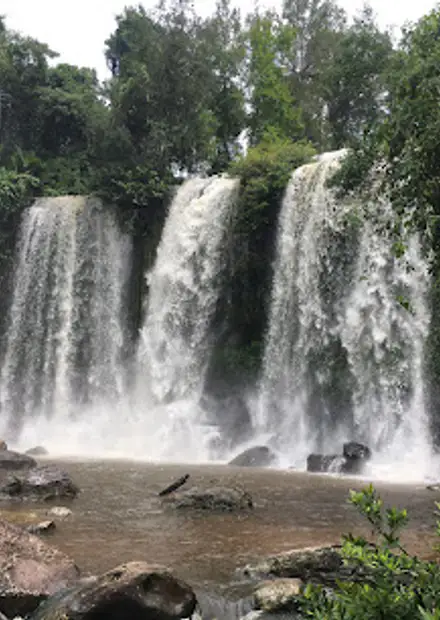
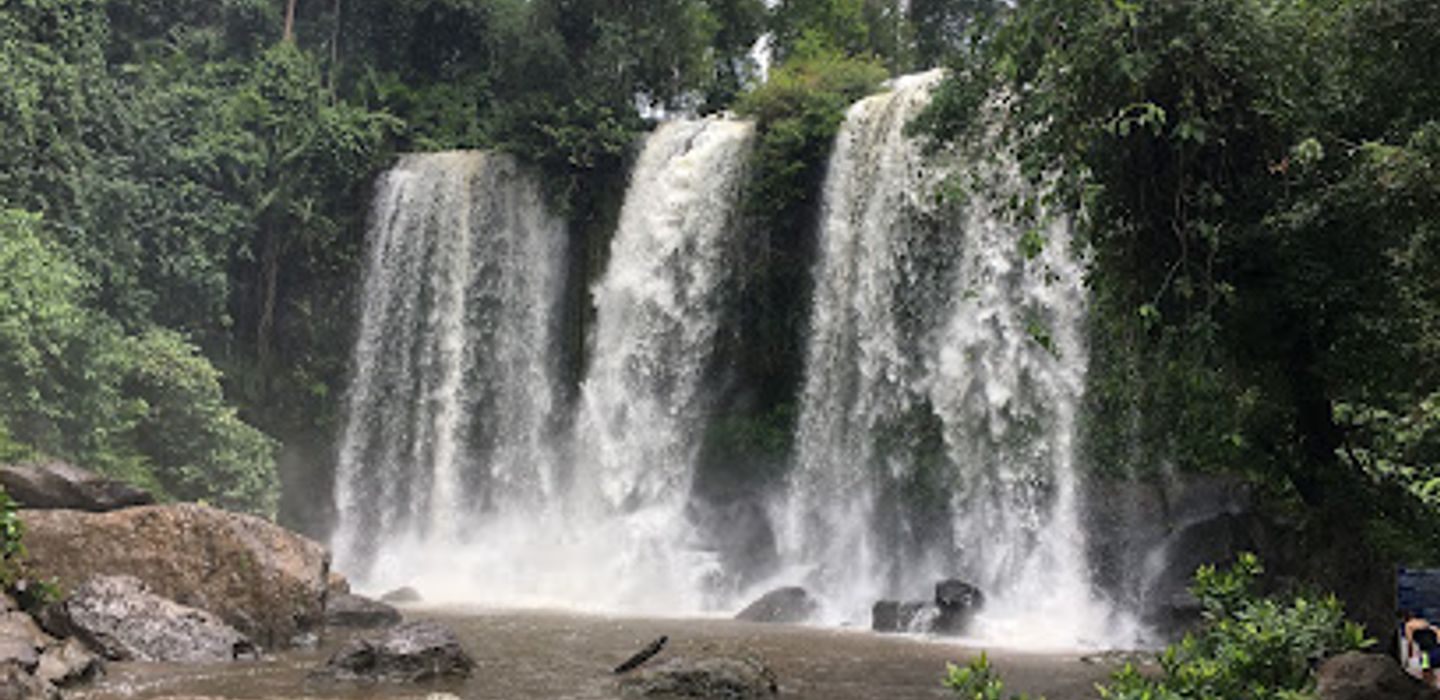
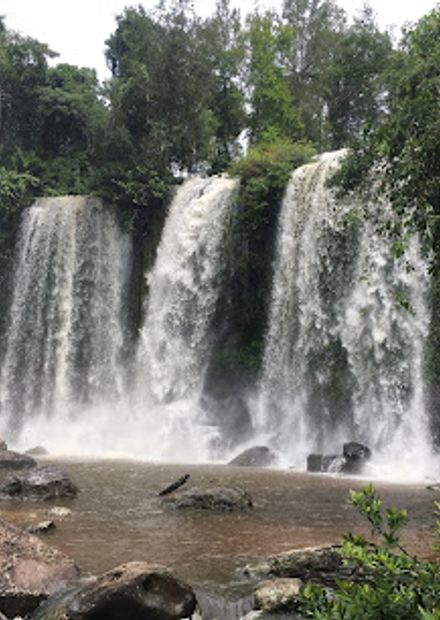
Kulen waterfall
Kulen Waterfall, nestled in Phnom Kulen National Park, is a stunning natural attraction with historical and spiritual significance. The falls offer a refreshing escape and a glimpse into Cambodia's rich cultural heritage.
Daily 8:00–18:00

Tonle Om Gate (Southern Gate)
The Tonle Om Gate, also known as the South Gate of Angkor Thom, is a monumental entrance to the ancient city, built in the late 12th to early 13th century during the reign of King Jayavarman VII. Adorned with four imposing faces and flanked by statues of gods and demons, it's a captivating monument steeped in history and symbolism.
Daily 7:00–18:00

Banteay Kdei
Nestled within the Angkor Archaeological Park, Banteay Kdei is an enchanting Buddhist temple that captivates visitors with its intricate carvings and peaceful ambiance. Known as the 'Citadel of the Cells', this historical landmark invites tourists to explore its ancient ruins, offering a glimpse into the rich cultural heritage of Cambodia. With its stunning architecture and spiritual significance, Banteay Kdei is a must-visit for anyone traveling to Siem Reap.
Daily 7:30–17:30

Ta Som
Ta Som, a late 12th-century Buddhist temple in Angkor Archaeological Park, offers a captivating glimpse into the past. Built during the reign of King Jayavarman VII, it's known for its well-preserved carvings, serene atmosphere, and the iconic Banyan tree engulfing its eastern gate, creating a unique blend of nature and ancient architecture.
Daily 7:30–17:30

Bakong Temples
Bakong Temple, constructed in the late 9th century, stands as a testament to the early Khmer Empire's architectural prowess. As the first sandstone temple mountain, it served as the state temple of King Indravarman I and a prototype for future Angkorian temple designs. Located in Roluos, it offers a serene and historically rich experience.
Daily 7:30–17:30

Phnom Kulen National Park
Phnom Kulen National Park, located 48km from Siem Reap, is a site of immense cultural, historical, and natural significance. Known as the 'Mountain of Lychees,' it played a pivotal role in the Khmer Empire's birth and is home to stunning waterfalls, ancient temples, and the revered River of a Thousand Lingas.
Open 24 hours

Banteay Samre
Banteay Samre, built in the early 12th century during the reigns of Suryavarman II and Yasovarman II, is a Hindu temple showcasing classic Angkor Wat style. Located east of the East Baray, it offers a tranquil experience away from the main crowds.
Daily 7:30–17:30

Cambodia Landmine Museum
The Cambodia Landmine Museum, located north of Siem Reap, stands as a stark reminder of Cambodia's war-torn past and the lingering threat of landmines. Founded by Aki Ra, a former child soldier, the museum showcases deactivated landmines and unexploded ordnance, educating visitors about their devastating impact and promoting mine-awareness. It also serves as a relief facility, providing education and support to at-risk youth and landmine victims.
Daily 7:30–17:30

Srah Srang
Srah Srang, also known as the "Royal Bath," is an ancient reservoir within the Angkor Archaeological Park. Built in the 10th century and modified in the 12th, it served as a ceremonial bathing place for royalty and a source of water for the community. Today, it offers a tranquil escape and stunning sunrise views.
Daily 7:00–18:00

Preah Ponlea Sdach Komlong (Terrace Of The Leper King)
The Terrace of the Leper King, or Preah Ponlea Sdach Komlong, is an intricately carved platform in Angkor Thom, near Siem Reap. Built in the late 12th century during the reign of King Jayavarman VII, it features detailed bas-reliefs and a mysterious statue, giving insight into Khmer history and artistry.
Daily 7:30–17:30

Preah Ko
Preah Ko, meaning 'Sacred Bull,' is a 9th-century Hindu temple in the Roluos group, marking the beginning of Khmer temple architecture. Built in 879 by King Indravarman I, it honors his ancestors and is dedicated to Shiva, featuring six brick towers adorned with intricate carvings and Nandi statues.
Daily 7:30–17:30

Kbal Spean
Kbal Spean, also known as the River of a Thousand Lingas, is an ancient Angkorian site located in the Phnom Kulen National Park, northeast of Angkor. The site features intricate stone carvings in the riverbed of lingas (phallic symbols representing the Hindu god Shiva) and other Hindu deities, dating back to the 11th and 12th centuries. Visitors can hike through the jungle to witness these unique underwater carvings and a picturesque waterfall.
Daily 7:00–17:30

Prasat Kravan
Prasat Kravan, a 10th-century Hindu temple dedicated to Vishnu, offers a unique and intimate look into Khmer architecture and artistry. Unlike the grander temples of Angkor, Prasat Kravan features five brick towers adorned with distinctive interior bas-reliefs, providing a serene and less-crowded experience.
Daily 7:30–17:30

Victory Gate
The Victory Gate, one of five gates guarding the ancient city of Angkor Thom, served as a symbolic entrance for returning Khmer kings and their victorious armies. Adorned with impressive carvings and giant faces, it offers a glimpse into the grandeur of the Khmer empire.
Daily 7:00–17:30

Thommanon
Thommanon, a compact yet exquisite Hindu temple constructed in the early 12th century during the reign of Suryavarman II, stands as a testament to the architectural prowess of the Khmer empire. Located near Angkor Thom's Victory Gate, it features intricate carvings and a serene atmosphere.

Phimeanakas
Phimeanakas, or "Celestial Temple," is a 10th-century Hindu temple located within the Royal Palace of Angkor Thom. This three-tiered pyramid offers a glimpse into ancient Khmer architecture and mythology, with its impressive height and symbolic design.
Daily 6:00–18:00

Prasat Chau Say Tevoda
Prasat Chau Say Tevoda, built in the mid-12th century during the reign of King Suryavarman II, is a captivating Hindu temple within Angkor Archaeological Park. Dedicated to Shiva and Vishnu, it showcases the architectural brilliance and artistic sophistication of the Khmer Empire, offering a tranquil experience away from the crowds.
Daily 7:30–17:30

Banteay Srey Butterfly Centre (BBC)
The Banteay Srey Butterfly Centre (BBC), near Siem Reap, is Southeast Asia's largest enclosed butterfly center, showcasing Cambodia's native butterfly species. More than just a tourist attraction, it's a conservation project providing sustainable livelihoods for local communities through butterfly farming.
Daily 9:00–17:00

Ta Nei Temple
Ta Nei Temple, constructed in the late 12th century during the reign of King Jayavarman VII, offers a tranquil retreat from the more crowded Angkor sites. This small, mostly unrestored Buddhist temple showcases the Bayon architectural style and provides a unique glimpse into the natural integration of history and jungle.
Daily 7:00–17:30

Angkor Center for Conservation of Biodiversity (ACCB)
The Angkor Centre for Conservation of Biodiversity (ACCB), near Angkor Wat, is Cambodia's first nature conservation center. It rescues, rehabilitates, and breeds endangered wildlife, while also promoting environmental education and research. Visitors can witness the center's work through guided tours, observing native animals in natural settings and learning about Cambodia's biodiversity.
Daily 8:00–15:00

Khmoch Gate (Gate of the Dead)
Khmoch Gate, also known as the Gate of the Dead, is one of the five entrances to the ancient city of Angkor Thom. Built in the late 12th century by King Jayavarman VII, it served a somber role as the primary route for funerary processions. Its serene and haunting atmosphere offers a unique glimpse into the Khmer Empire's history.
Daily 7:00–17:30

Phnom Bok
Phnom Bok is an ancient Hindu temple atop a hill near Siem Reap, Cambodia. Built in the late 9th to early 10th century by King Yasovarman I, it offers panoramic views and a peaceful escape. Though partially in ruins, its historical significance and tranquil atmosphere make it a rewarding visit.
Daily 7:30–17:30

Phnom Kulen
Phnom Kulen, or Kulen Mountain, holds immense historical and spiritual significance for Cambodia. As the birthplace of the ancient Khmer Empire, it features ancient temples, the River of a Thousand Lingas, a giant reclining Buddha, and stunning waterfalls, making it a unique destination for both pilgrims and tourists.

Elephant Pond-Srah Damrei
Explore Srah Damrei (Elephant Pond) in Phnom Kulen National Park, home to remarkable 8th-9th century sandstone monoliths including an elephant, lions, and other animal sculptures. A serene and historically significant site offering stunning views and a glimpse into ancient Khmer artistry.

Prasat Preah Pithu Group
Explore the serene Prasat Preah Pithu Group within Angkor Thom, a collection of five temples offering a peaceful escape from the crowds. These temples, though partially ruined, showcase intricate carvings and a unique blend of Hindu and Buddhist influences, dating back to the 12th and 13th centuries.
Daily 7:30–17:30

Chey Non Stupa
The Chey Non Stupa, an unusual cone-shaped structure, stands near the eastern entrance of Angkor Wat, offering a glimpse into Cambodia's post-Angkorian history. Built in 1701 by a grieving government official, it houses the remains of his family and serves as a poignant reminder of loss and devotion within the grand temple complex.
Daily 5:00–17:30

Prasat Khleang Khang Cheung (Prasat North Khleang)
Prasat Khleang Khang Cheung, or Prasat North Khleang, is an ancient temple in Angkor, dating back over a thousand years. Its majestic towers and sanctuaries offer a glimpse into the Khmer Empire's architectural prowess and rich cultural heritage.
Daily 7:00–17:30

World Monuments Fund Visitor Center at Preah Khan
Preah Khan, meaning 'Royal Sword,' is a sprawling temple complex built in the 12th century by King Jayavarman VII to honor his father. Once a thriving city, temple, and Buddhist university, it's now a captivating ruin where nature intertwines with ancient architecture, offering a unique glimpse into the Khmer empire.
Mon–Fri 8:00–11:30, 13:00–16:30

The Goddess Prajnaparamita
The Goddess Prajnaparamita is an archaeological site in Siem Reap, Cambodia, featuring a statue of Prajnaparamita, the goddess of transcendent wisdom. It offers a serene space to appreciate Khmer culture and artistry.
Daily 7:30–17:30

Krol Ko
Krol Ko, meaning 'Park of the Oxen,' is a small, often overlooked Buddhist temple within Angkor Archaeological Park, built in the late 12th century by King Jayavarman VII. Its peaceful atmosphere and unique blend of Buddhist and Hindu iconography make it a worthwhile stop.
Daily 7:30–17:30

Banteay Thom Temple
Escape the crowds at Angkor and discover Banteay Thom, a tranquil 12th-century temple showcasing Khmer architecture and artistry. Explore its detailed carvings and serene atmosphere, offering a peaceful retreat into Cambodia's rich cultural heritage.
Daily 7:30–17:30

Prasat Chrung Southeast
Prasat Chrung Southeast is one of four identical temples marking the corners of Angkor Thom. Built in the late 12th to early 13th century, it offers a peaceful escape with panoramic views and intricate carvings. Dedicated to the Bodhisattva Lokeshvara, it's a testament to Khmer architectural and artistic achievements.

Bamboo Bridge In Siem Reap
The Bamboo Bridge in Siem Reap is a seasonal structure built across the Siem Reap River, showcasing traditional Khmer craftsmanship. Rebuilt annually after the rainy season, it connects local communities and offers a unique cultural experience for tourists seeking a glimpse into rural Cambodian life.
Daily 9:00–19:00

Prasat Top (East)
Prasat Top (East), also known as Mangalartha or Monument 487, is a small, secluded Hindu temple within Angkor Thom, dating back to 1295 AD. Overlooked by mainstream tours, this 'secret temple' offers a tranquil escape and a glimpse into the Khmer Empire's spiritual heritage.
Daily 7:30–17:30
Explore Kulen waterfall on the map
A handpicked selection of must-see spots near Kulen waterfall, mapped for you.
More about Kulen waterfall
Kulen waterfall travel guide
Experience the serenity of Kulen Waterfall amidst nature's embrace
Tell me more about Kulen waterfallMore to explore near Kulen waterfall

 Best experiences near Kulen waterfall

 Best hotels near Kulen waterfall

 Best attractions near Kulen waterfall

 Best shops near Kulen waterfall

 Best bars near Kulen waterfall

 Best restaurants near Kulen waterfall

Getting your guide ready…
We are putting together a fresh copy of the Kulen waterfall guide. This can take up to a minute.
This can take a few moments. If your browser asks, choose Allow so the download can start. You'll find the guide in your Downloads folder.
Nothing happened? Download it again
Sorry, the guide is taking longer than usual. Please try again in a minute, or get it by email instead.