

South End Halifax (Halifax) Travel Guide - Free
Explore South End Halifax in Halifax with Evendo's free guide. Find the best shops, historic streets, restaurants, and gems on web or mobile.


South End Halifax blends Victorian streets, university life, the Public Gardens and Point Pleasant Park with coastal walks, cafés and museums in Halifax.
A Leafy Southern Quarter
South End Halifax stretches south from the city centre into a largely residential district shaped by universities, Victorian streets, institutional buildings and the Atlantic edge. Its informal boundaries are not fixed, but the area is commonly associated with the streets around Dalhousie University and Saint Mary's University, the Halifax Public Gardens, the Halifax Common and the broad green sweep of Point Pleasant Park. This is one of Halifax's most walkable areas, although its long slopes and occasional steep pavements are worth allowing for.Read more about South End Halifax
Campus Life and Historic Streets
Gardens, Coast and Everyday Halifax
Best attractions in South End Halifax
The Halifax Public Gardens are the South End's most formal attraction, a Victorian garden of curving paths, ornamental planting, mature trees and decorative features close to Spring Garden Road. Nearby, the Halifax Common offers broad lawns and open recreational space, while the campus grounds of Dalhousie University and Saint Mary's University introduce contemporary academic architecture, public art and occasional cultural programming. Point Pleasant Park forms the neighbourhood's largest outdoor experience, combining woodland trails, harbour outlooks, shoreline air and remnants of Halifax's former defences. Visitors interested in local culture can look for exhibitions, talks and performances connected with the universities, while the streets around South Street and Coburg Road reward slower exploration for their mix of historic houses, student life and everyday cafés. The exact boundary with central Halifax is informal, so attractions immediately north of Spring Garden Road are best described as nearby rather than automatically part of the South End.
-
Tourist attraction
Halifax Citadel National Historic Site
Discover the Halifax Citadel National Historic Site, a historic treasure in downtown Halifax, showcasing Canada's military heritage and stunning views.
5 min drive · 1.7 km from neighbourhood centre
-
Tourist attraction
Grand Parade
Discover the historic Grand Parade in downtown Halifax, a vibrant public square rich in culture and surrounded by stunning architecture.
5 min drive · 1.8 km from neighbourhood centre
-
Tourist attraction
Georges Island National Historic Site
Explore the historic Georges Island National Historic Site in Halifax, a serene destination showcasing Canada's maritime heritage amid stunning natural beauty.
6 min drive · 1.9 km from neighbourhood centre
-
Sculpture
The Wave
Experience the essence of Halifax through The Wave, a stunning sculpture that reflects maritime culture and the beauty of the ocean.
5 min drive · 1.8 km from neighbourhood centre


Best landmarks in South End Halifax
The Halifax Public Gardens are the South End's clearest civic landmark, with their formal Victorian layout providing a direct link to the city's nineteenth-century horticultural and public-space history. Point Pleasant Park is equally significant as a landscape landmark: its woods, harbour edge, monuments and surviving military structures recall Halifax's long strategic relationship with the Atlantic entrance. Dalhousie's Studley campus and Saint Mary's University are important modern markers of the neighbourhood's educational identity, even though their architecture spans several periods rather than forming a single historic ensemble. The Halifax Common, a large open space shaped partly by the city's military past, separates and connects the South End with central Halifax. Residential streets around Inglis Street, Morris Street and Tower Road add another layer, preserving substantial nineteenth- and early twentieth-century houses among later apartment buildings.
-
Tourist attraction
Halifax Waterfront
Experience the lively Halifax Waterfront, a blend of stunning views, rich history, and vibrant culture in the heart of Nova Scotia.
5 min drive · 1.7 km from neighbourhood centre
-
Garden
Halifax Public Gardens
Explore the enchanting Halifax Public Gardens, a historic floral paradise in Downtown Halifax, perfect for relaxation and discovering nature's beauty.
14 min walk · 1.1 km from neighbourhood centre
-
Historical landmark
Halifax Citadel National Historic Site
Discover the rich military history and stunning views at Halifax Citadel National Historic Site, a must-see landmark in Nova Scotia.
5 min drive · 1.7 km from neighbourhood centre
-
Historical landmark
Grand Parade
Discover Halifax's historic heart: Grand Parade, a vibrant civic space hosting events, memorials, and cultural experiences since 1749.
5 min drive · 1.8 km from neighbourhood centre


Explore South End Halifax on the map
A handpicked selection of must-see spots in South End Halifax, mapped for you.
Best hotels in South End Halifax
Best restaurants in South End Halifax
South End dining reflects its university population, established residential streets and position beside the central city. The strongest concentration is along South Street, Spring Garden Road, Barrington Street and the approaches to the campuses, where cafés, takeaways and casual restaurants sit alongside pubs and more substantial dining rooms. Expect a practical mix of breakfast and coffee spots, international food, sandwiches, pizza, seafood and contemporary Canadian cooking rather than a single defining cuisine. The area is useful for an informal meal before a university event or a walk through the Public Gardens, while the commercial corridors offer more choice than the quieter residential blocks. Halifax's wider seafood culture is available in the South End, but visitors should avoid assuming that every menu represents a specifically local tradition. Restaurants and independent businesses change over time, so current opening information is best checked directly.
-
Italian
The Bicycle Thief
Experience the finest Italian cuisine at The Bicycle Thief in Halifax - where every dish tells a story of flavor and passion.
5 min drive · 1.6 km from neighbourhood centre
-
Italian
Ristorante a Mano
Discover authentic Italian flavors at Ristorante a Mano in Downtown Halifax - where every dish tells a story.
5 min drive · 1.5 km from neighbourhood centre
-
Restaurant
Black Sheep Restaurant
Discover Black Sheep Restaurant in Downtown Halifax: A culinary haven celebrating local flavors with innovative dishes and exceptional service.
5 min drive · 1.5 km from neighbourhood centre
-
Restaurant
2 Doors Down Food & Wine Halifax
Discover the heart of Nova Scotia's cuisine at 2 Doors Down Food & Wine in Halifax - where local ingredients meet exquisite flavors.
5 min drive · 1.5 km from neighbourhood centre


Best bars in South End Halifax
South End nightlife is shaped more by pubs, casual bars, campus events and live cultural programming than by a dense club district. The university area around South Street and Coburg Road becomes busier during the academic year, while Spring Garden Road and Barrington Street provide evening dining and drinking options close to the Public Gardens and central Halifax. Some venues cater to students, but the neighbourhood also has long-established local meeting places and quieter bars suited to conversation. Large concerts, theatre and late-night clubbing are more widely distributed across downtown Halifax than concentrated in the South End, so visitors should check current programmes rather than expect a fixed entertainment circuit. Around residential streets and university accommodation, keep voices and music low late at night, and use well-lit main routes when walking home.
-
Irish pub
Durty Nelly's Irish Pub
Discover the flavors, music, and warmth of Ireland at Durty Nelly's Irish Pub in Halifax, a true gem for food and drink lovers.
5 min drive · 1.6 km from neighbourhood centre
-
Irish pub
The Old Triangle Irish Alehouse
Experience the best of Irish culture at The Old Triangle Irish Alehouse in Halifax, where great food, drinks, and live music create unforgettable moments.
5 min drive · 1.8 km from neighbourhood centre
-
Pub
The Lower Deck
Experience the vibrant atmosphere and delicious offerings at The Lower Deck, Halifax's premier pub for great food, drinks, and live entertainment.
6 min drive · 2.1 km from neighbourhood centre
-
Gastropub
The Stubborn Goat Gastropub
Experience innovative cuisine and a lively atmosphere at The Stubborn Goat Gastropub in Downtown Halifax, where every meal is a celebration of local flavors.
5 min drive · 1.5 km from neighbourhood centre


Best nightclubs in South End Halifax
South End nightlife is shaped more by pubs, casual bars, campus events and live cultural programming than by a dense club district. The university area around South Street and Coburg Road becomes busier during the academic year, while Spring Garden Road and Barrington Street provide evening dining and drinking options close to the Public Gardens and central Halifax. Some venues cater to students, but the neighbourhood also has long-established local meeting places and quieter bars suited to conversation. Large concerts, theatre and late-night clubbing are more widely distributed across downtown Halifax than concentrated in the South End, so visitors should check current programmes rather than expect a fixed entertainment circuit. Around residential streets and university accommodation, keep voices and music low late at night, and use well-lit main routes when walking home.
-
Night club
Roxbury Urban Dive Bar
Experience the vibrant nightlife of Halifax at Roxbury Urban Dive Bar, offering creative cocktails, a lively atmosphere, and a diverse crowd.
5 min drive · 1.7 km from neighbourhood centre
-
Bar
Pacifico
Pacifico in Halifax: Where live music, delicious dining, and a vibrant nightlife converge for an unforgettable experience.
6 min drive · 1.9 km from neighbourhood centre
-
Bar
Charlie's Club
Discover the lively atmosphere of Charlie's Club, Halifax's favorite bar and pool hall, where fun and great drinks await every visitor.
7 min drive · 2.3 km from neighbourhood centre
-
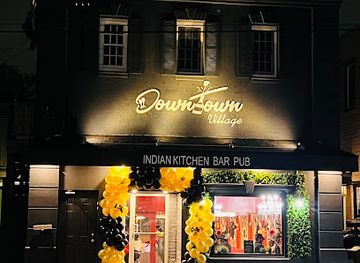
Indian
Downtown Village Club Halifax
Discover the best of Indian cuisine and nightlife at Downtown Village Club Halifax, where every night is an unforgettable experience.
6 min drive · 2.0 km from neighbourhood centre



Best shops in South End Halifax
Shopping in South End Halifax is concentrated on everyday retail and independent businesses rather than a specialist market district. Spring Garden Road is the principal commercial edge, with shops, cafés, services and connections towards central Halifax, while Barrington Street and the streets near Dalhousie and Saint Mary's universities provide practical food, stationery, books and convenience shopping. Smaller businesses around South Street and Coburg Road serve students and local residents, and the neighbourhood's cafés make browsing and taking a break part of the experience. Visitors should not expect the South End to function like the waterfront's souvenir-oriented shopping areas or the city's larger retail centres; its character is more local, institutional and mixed-use. For galleries, crafts, vintage goods and broader independent retail, nearby central districts provide a wider range, easily reached on foot or by Halifax Transit.
-
Boutique
Black Market Boutique
Explore Black Market Boutique in Downtown Halifax for unique handcrafted treasures that celebrate Nova Scotia's vibrant culture and creativity.
18 min walk · 1.4 km from neighbourhood centre
-
Gift shop
Jennifer's Of Nova Scotia
Explore Jennifer's Of Nova Scotia for unique gifts and local arts, capturing the charm of Halifax in every handcrafted item.
15 min walk · 1.2 km from neighbourhood centre
-
Gift shop
Sarah & Tom - Halifax
Explore Sarah & Tom, Halifax's premier gift shop, offering unique local treasures and artisanal crafts for every traveler.
6 min drive · 2.1 km from neighbourhood centre
-
Gift shop
Inkwell Modern Handmade Boutique & Letterpress Studio Inc.
Discover unique handmade gifts and artisanal stationery at Inkwell Modern Handmade Boutique in Halifax, where creativity meets craftsmanship.
13 min walk · 1.0 km from neighbourhood centre


South End Halifax essentials
Getting Around
Safety
Emergency Situations
Do's and Don'ts
Local Tips

From Eve
Local phrases worth knowing
You don't need to get them perfect. A few words go a long way, and locals appreciate the effort.
Basics
| English | Local | Say it |
|---|---|---|
| Hello | Hallo | [ha-lo] |
| Goodbye | Tschüss | [tʃʏs] |
| Yes | Ja | [ja] |
| No | Nein | [naɪn] |
| Please/You're welcome | Bitte | [bɪtə] |
| Thank you | Danke | [ˈdaŋ.kə] |
| Excuse me/Sorry | Entschuldigung | [ɛntˈʃʊldɪɡʊŋ] |
| How are you? | Wie geht's? | [viː ɡeːtʔs] |
| Fine. And you? | Gut. Und dir? | [ɡuːt ʊnt dɪr] |
| Do you speak English? | Sprichst du Englisch? | [ʃprɪçst du ˈɛŋlɪʃ] |
| I don't understand | Ich verstehe nicht | [ɪç fɛɐ̯ˈʃteːə nɪçt] |
Eating & Drinking
| English | Local | Say it |
|---|---|---|
| I'd like to see the menu, please | Ich würde gerne die Speisekarte sehen, bitte | [ɪç ˈvyːɐ̯də ˈɡɛʁnə diː ˈʃpaɪ̯zəˌkaʁtə ˈzeːən ˈbɪtə] |
| I don't eat meat | Ich esse kein Fleisch | [ɪç ˈɛsə kaɪ̯n flaɪ̯ʃ] |
| Cheers! | Prost! | [pʁoːst] |
| I would like to pay, please | Ich möchte bitte zahlen | [ɪç mœçtə ˈbɪtə ˈtsaːlən] |
Emergencies
| English | Local | Say it |
|---|---|---|
| Help! | Hilfe! | [ˈhɪlfə] |
| Go away! | Geh weg! | [ɡeː vɛk] |
| Call the Police! | Rufen Sie die Polizei! | [ˈʁuːfn̩ zi diː pɔˈliːtsaɪ̯] |
| Call a doctor! | Rufen Sie einen Arzt! | [ˈʁuːfn̩ zi ˈaɪnən ˈaʁts] |
| I'm lost | Ich habe mich verirrt | [ɪç ˈhaːbə mɪç fɛɐ̯ˈʔɪʁt] |
| I'm ill | Ich bin krank | [ɪç bɪn kraŋk] |
Shopping
| English | Local | Say it |
|---|---|---|
| I'd like to buy... | Ich würde gerne kaufen... | [ɪç ˈvyːɐ̯də ˈɡɛʁnə ˈkaʊ̯fən] |
| I'm just looking | Ich schaue nur | [ɪç ˈʃaʊ̯ə nuːɐ̯] |
| How much is it? | Wie viel kostet es? | [viː fiːl ˈkɔstət ɛs] |
| That's too expensive | Das ist zu teuer | [das ɪst tsuː ˈtɔɪ̯ɐ] |
| Can you lower the price? | Können Sie den Preis senken? | [ˈkœnən zi dɛn pʁaɪ̯s ˈzɛŋkən] |
Time & Numbers
| English | Local | Say it |
|---|---|---|
| What time is it? | Wie spät ist es? | [viː ʃpɛːt ɪst ɛs] |
| It's one o'clock | Es ist ein Uhr | [ɛs ɪst aɪ̯n ʔuːɐ̯] |
| Half past (10) | Halb zehn | [halb tsɛn] |
| Morning | Morgen | [ˈmɔʁɡən] |
| Afternoon | Nachmittag | [ˈnaχmɪˌtaːk] |
| Evening | Abend | [ˈaːbənt] |
| Yesterday | Gestern | [ˈɡɛstɐn] |
| Today | Heute | [ˈhɔʏtə] |
| Tomorrow | Morgen | [ˈmɔʁɡən] |
| 1 | Eins | [aɪ̯ns] |
| 2 | Zwei | [tsvaɪ̯] |
| 3 | Drei | [dʁaɪ̯] |
| 4 | Vier | [fiːɐ̯] |
| 5 | Fünf | [fʏnf] |
| 6 | Sechs | [zɛks] |
| 7 | Sieben | [ˈziːbən] |
| 8 | Acht | [axt] |
| 9 | Neun | [nɔʏ̯n] |
| 10 | Zehn | [tsɛn] |
Transport & Directions
| English | Local | Say it |
|---|---|---|
| Where's a/the...? | Wo ist ein/der...? | [vo ɪst aɪ̯n/deːɐ̯] |
| What's the address? | Was ist die Adresse? | [vas ɪst diː ˈaˌdʁɛsə] |
| Can you show me (on the map)? | Können Sie mir zeigen (auf der Karte)? | [ˈkœnən ziː miːɐ̯ ˈtsaɪ̯ɡən (aʊ̯f deːɐ̯ ˈkaʁtə)] |
| When's the next (bus)? | Wann kommt der nächste (Bus)? | [van kɔmt deːɐ̯ ˈnɛçstə (bʊs)] |
| A ticket (to ....) | Eine Fahrkarte (nach ....) | [ˈaɪ̯nə ˈfaːɐ̯kaʁtə (nax)] |
History of South End Halifax
Mi'kmaw Land and Colonial Halifax
South End Halifax lies within Mi'kma'ki, the traditional and continuing homeland of the Mi'kmaq. After the founding of Halifax in 1749, the peninsula's southern ground was gradually incorporated into the British colonial settlement, though it remained less intensively built than the central town. Point Pleasant became strategically important because of its position at the entrance to Halifax Harbour, and military works developed there alongside roads and paths leading south from the town. The area's relationship with the harbour, defensive landscape and wooded margins continued to shape its later character.
The Public Gardens and Expanding City
As Halifax expanded beyond its original grid, the southern part of the peninsula acquired institutions, villas and public open spaces. The Halifax Public Gardens developed in the nineteenth century from earlier horticultural societies and garden plots; its present Victorian character reflects the formal landscaping and improvements made during that period. The Halifax Common, also shaped by colonial military planning, remained a major open tract between the settled town and the developing South End. Streets extending south from Spring Garden Road increasingly connected these green spaces with new homes, schools and civic institutions.
Universities Reshape the South End
Higher education became central to the neighbourhood's identity during the twentieth century. Dalhousie University developed its Studley campus in the South End after moving from its earlier downtown location, and Saint Mary's University established a substantial campus farther south around Robie Street and Inglis Street. These institutions brought lecture halls, libraries, residences and a steady population of students and staff to an area that was also becoming a desirable residential district. The resulting mixture of academic architecture, older houses and rental buildings remains one of the South End's defining features.
Parks, Harbour and Contemporary Change
Point Pleasant Park has long provided South End residents with access to woodland and the harbour, while its military ruins and monuments preserve evidence of the peninsula's defensive history. The park was badly damaged by Hurricane Juan in 2003, after which extensive restoration replanted large areas and repaired paths. In recent decades, university expansion, apartment construction and the conversion of older houses into student accommodation have altered parts of the South End. The neighbourhood nevertheless retains a strong residential identity, with its gardens, campuses and parkland continuing to structure everyday life.
South End Halifax in Photos
Browse through our photo collection highlighting the charm and character of the destination.
Neighbourhoods near South End Halifax
The closest neighbourhoods to South End Halifax, if you have time for more than one stop.
-

-

-

-

-


Swipe for more neighbourhoods
Explore more

Explore more of Halifax
Halifax, Canada blends a harbourfront citadel, maritime history, Atlantic culture, museums, coastal walks and lively neighbourhoods for memorable sightseeing.
Explore Halifax