

Bornholm Technical Collection Travel Guide
Free Guide: A sprawling farmyard museum where Bornholm’s tractors, radios, toys and even a combat aircraft tell the island’s 20th‑century story through everyday technology.


A brief summary of Bornholm Technical Collection
A sprawling farmyard museum where Bornholm’s tractors, radios, toys and even a combat aircraft tell the island’s 20th‑century story through everyday technology.
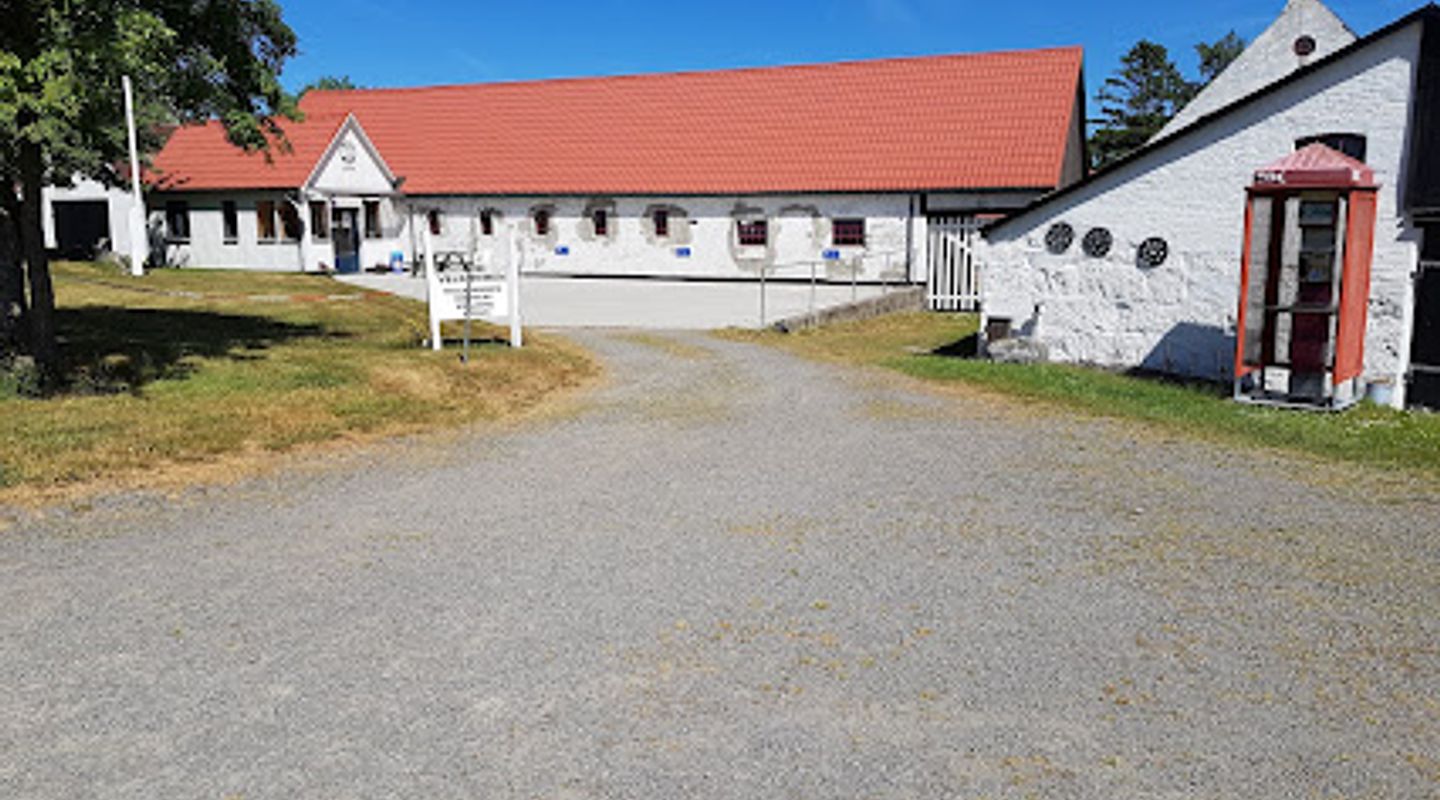
Set in a former farmstead near Allinge, the Bornholm Technical Collection is a sprawling, hands‑on museum of everyday technology and machinery from the island’s recent past. Across roughly 4,000 m² of barns and sheds, you wander between lovingly preserved tractors, cars, radios, toys, domestic appliances and even a combat aircraft. It feels part farm museum, part time capsule, revealing how work, industry and home life on Bornholm evolved through the 20th century.
On-site amenities
 Restrooms
 Seating areas
 Trash bins
 Information boards
Opening hours
- Every day10 am–4 pm
Opening hours as listed on the venue’s Google Business Profile. Hours can change for services and special events, so check with the venue before you go.
- Address
- Borrelyngvej 48, 3770 Allinge
- Phone
- Website
Getting there
Bus from Rønne to Allinge and short rural walk
Car or rental car from Rønne via island roads
Cycling from Allinge and nearby coastal villages
Discover more about Bornholm Technical Collection
A former farm turned island time capsule
Bornholm Technical Collection sits at Østre Borregård, a former farm once connected to the Hammershus estate on the island’s rugged north coast. Inside old barns and outbuildings, the museum now spreads over about 4,000 m², transforming agricultural courtyards into packed exhibition halls. Instead of livestock and hay, you find rows of tractors, old cars, tools and machines that once powered daily life on Bornholm.The setting still feels distinctly rural. Many of the buildings retain their original timber, whitewashed walls and big barn doors, so stepping inside feels like entering a working farm from another era. The contrast between rustic surroundings and humming rows of engines, polished metal and colourful signs gives the place a distinctive character that is both homely and fascinating.
Machines of work, transport and island industry
One major thread running through the collection is the story of work. Agricultural machinery dominates one wing, with tractors, ploughs, harvesters and hand tools that chart the shift from manual labour to mechanised farming. You can trace how Bornholm’s farmers moved from horse‑drawn implements to petrol and diesel power, gradually reshaping the landscape and the pace of rural life.Transport is another highlight. Classic cars, motorbikes and utility vehicles show how people and goods moved around the island before modern highways and ferries. In the outdoor areas and larger sheds, heavier equipment appears: from industrial engines to larger vehicles and, most dramatically, a combat aircraft that towers over smaller exhibits, underlining how global technology sometimes finds its way to this small Baltic island.
Everyday objects, radios and domestic nostalgia
Beyond big machines, the museum is full of small objects that once lived in Bornholm’s homes and workshops. Shelves of radios and televisions track the evolution from bulky wooden sets to sleek plastic designs, each one a reminder of evenings spent gathered around a single channel of news or entertainment. Old telephones, typewriters and office equipment show how communication and administration changed through the decades.Household appliances—from early washing machines to kitchen gadgets and electric irons—tell a quieter but important story about comfort, labour and free time. Toys, model cars and simple games add a playful note, hinting at childhoods shaped by clockwork, tinplate and early electronics instead of screens. Together they create an immersive picture of domestic life that is surprisingly easy to relate to.
Exploring at your own pace among dense displays
The experience here is less about formal showcases and more about wandering among densely packed displays. Items are often grouped by theme or function, encouraging you to follow your own curiosity rather than a strict route. You might drift from a row of vintage radios to a corner of workshop benches, then step outside to inspect tractors and larger machinery.Because many exhibits are arranged in open halls, there is a sense of discovery as you notice details on information signs, manufacturer plates or hand‑painted lettering. It is the sort of place where technically minded visitors can happily spend hours inspecting engineering solutions, while others simply enjoy recognising objects that match family stories and childhood memories.
Family‑friendly fun with a local Bornholm flavour
Bornholm Technical Collection is designed to appeal broadly. Children often gravitate toward the large machines, toys and anything with wheels or wings, while adults find themselves drawn into quiet nostalgia among radios, tools and household items. The museum’s spacious barns allow families to move comfortably between sections, and the rural setting lends a relaxed, unhurried feel.What ties everything together is a strong sense of place. Almost everything on display has some link to Bornholm—used on its farms, in its workshops, on its roads or in its homes. Rather than presenting anonymous technology, the museum shows how global inventions were adapted to a small Baltic island, making this not just a technical collection but a very personal slice of Bornholm’s social history.
Seasonal opening and practical expectations
The museum usually operates seasonally, opening daily in the daytime from spring through autumn, with a more limited schedule outside that period. Exhibitions are mostly indoors or under cover, so visits remain pleasant even on cooler or windier days. Lighting and pathways in the barns are generally good, though some floors can be slightly uneven, reflecting the site’s agricultural origins.Plan enough time to explore at a measured pace; there is more here than first impressions suggest. Many visitors find that what begins as a quick stop easily turns into several hours of slow wandering and quiet discovery among Bornholm’s accumulated technical treasures.
Evendo Review Centre
 Google
Guest reviews
Best time to go
Quietest: Jan, Feb & Nov · before 8am or from 6pm
Busy times are Evendo estimates for a typical year, to help you plan. Actual crowds vary with events, school holidays and the weather.
Explore Bornholm Technical Collection on the map
A handpicked selection of must-see spots near Bornholm Technical Collection, mapped for you.
Get your free copy of our complete guide to Bornholm Technical Collection, delivered straight to you.
Everything on this page, from opening hours and how to get there to Eve’s tips and the best time to go, in one PDF you can read offline, print or share.
Already have an account? Sign in
Your Bornholm Technical Collection guide is ready.
We'll send it to · Not you? Sign out

Getting your guide ready…
We are putting together a fresh copy of the Bornholm Technical Collection guide. This can take up to a minute.
This can take a few moments. If your browser asks, choose Allow so the download can start. You'll find the guide in your Downloads folder.
Nothing happened? Download it again
Sorry, the guide is taking longer than usual. Please try again in a minute, or get it by email instead.
Other nearby places you may find interesting
The closest places of the same kind, if this one is not quite what you had in mind.
-
Hammershus Castle Ruins Bornholm’s great clifftop fortress, where vast medieval ruins, Baltic Sea panoramas and a striking modern visitor centre bring 800 years of history to life.
-
Opal Lake A flooded granite quarry turned emerald lake, Opal Lake on Bornholm blends raw cliffs, deep clear water and coastal views with swimming, cliff jumps and rugged trails.
-
Bornholms Rovfugleshow Immersive birds-of-prey shows and evolution-themed encounters on Bornholm, where owls, falcons, reptiles and farm animals turn science into a full, family-friendly day out.
-
Bornholmertarnet Former top-secret NATO listening post turned Cold War museum, crowned by a 70 m viewing tower with sweeping panoramas over Dueodde and eastern Bornholm.
-
Hammeren Lighthouse Compact granite lighthouse on Bornholm’s highest headland, offering free summer access, sweeping Baltic views and heather-clad coastal walking trails.
Swipe for more places
More to explore near Bornholm Technical Collection
-
 Best experiences near Bornholm Technical Collection
-
 Best hotels near Bornholm Technical Collection
-
 Best landmarks near Bornholm Technical Collection
-
 Best attractions near Bornholm Technical Collection
-
 Best shops near Bornholm Technical Collection
-
 Best restaurants near Bornholm Technical Collection
-
 Best bars near Bornholm Technical Collection







Do you manage this location?
Take control to get all the benefits, like improved information, better appearance, and stronger visibility across AI-powered discovery.
Explore more

Explore more of Bornholm
Explore Bornholm: Denmark's Baltic gem, offering stunning nature, rich history, and vibrant local culture. Perfect for nature lovers, history buffs, and food enthusiasts.
Explore Bornholm
Explore more of Denmark
Discover Denmark: A perfect blend of history, modern design, and the cozy concept of hygge. Explore vibrant cities, serene landscapes, and world-class cuisine.
Explore Denmark
