Ronne Lighthouse, Bornholm Travel Guide
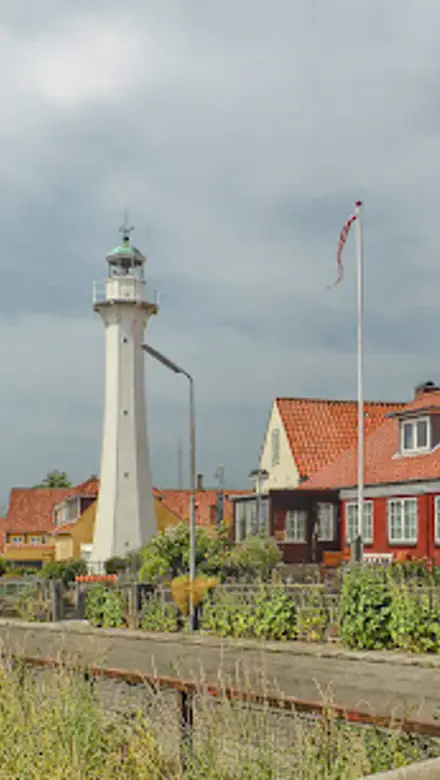
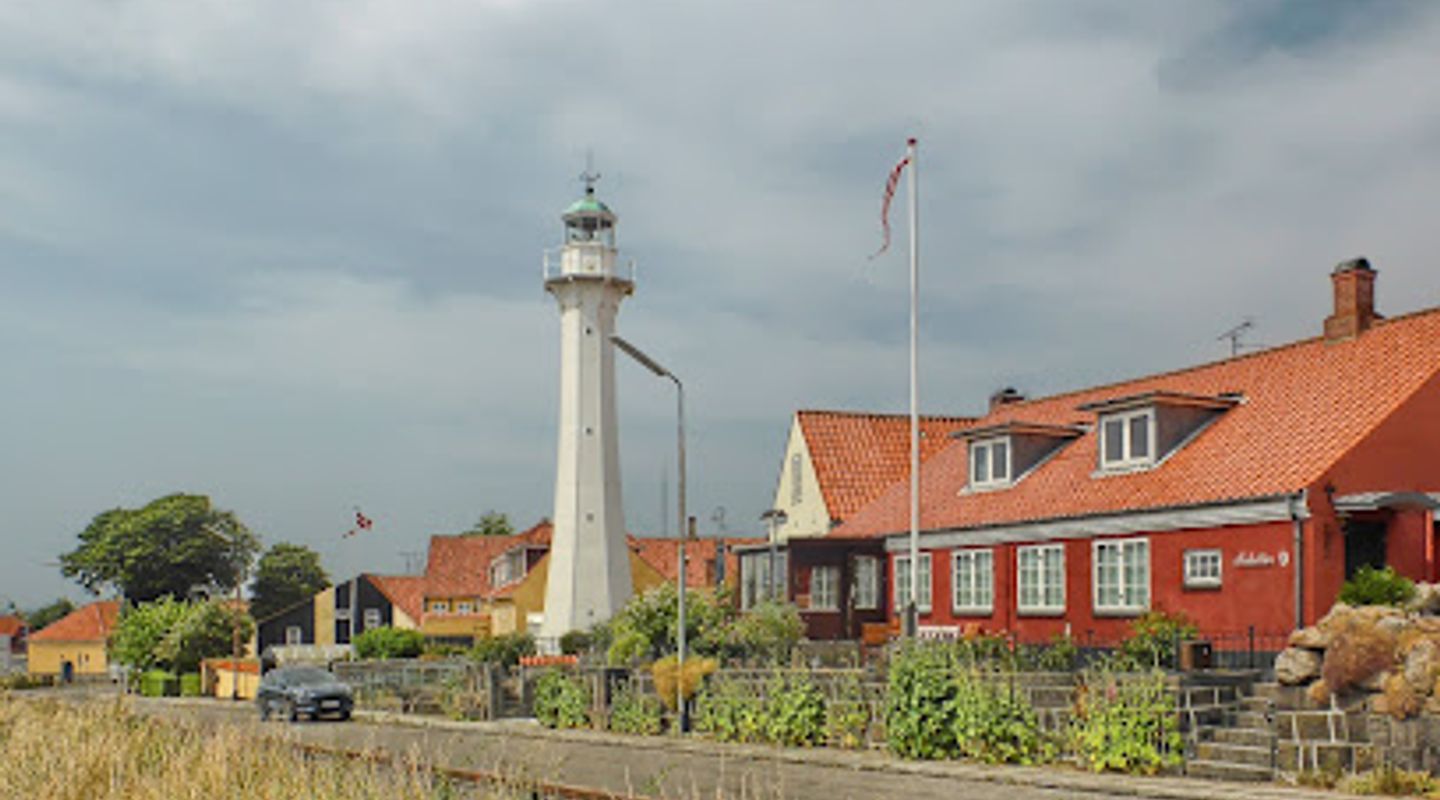
A slender white cast-iron lighthouse above Rønne’s harbour, once a vital guiding light and now a simple, elegant symbol of Bornholm’s maritime gateway.
Perched just above Rønne’s bustling harbour, the slender white Rønne Lighthouse has guided ships since 1880 and remains one of the town’s most recognisable symbols. This cast-iron tower, once a vital directional light for vessels entering Bornholm’s main port, now serves as a quietly elegant landmark beside St Nicolas’ Church. Even though it was decommissioned in 1989, its bright façade, maritime setting and views over the harbour basin make it a natural pause point on any walk through the island’s capital.
A brief summary to Ronne Lighthouse
- Lygtestræde, Rønne, 3700, DK
- Duration: 0.5 to 1 hours
- Free
-
 Outdoor
- Mobile reception: 5 out of 5

Know before you go
Hi, I'm Eve. Here are a few practical things to know before exploring Ronne Lighthouse.
- Visit around late afternoon or early evening for softer light on the white tower and pleasant views over the harbour without the glare of midday sun.
- Bring a windproof layer even in warmer months; the exposed position above the harbour can feel noticeably cooler and breezier than the town streets.
- Combine a short stop at the lighthouse with a visit to nearby St Nicolas’ Church and a stroll through Rønne’s historic streets for broader context.
Do you manage this location?
Take control to get all the benefits, like improved information, better appearance, and stronger visibility across AI-powered discovery. Learn more about listing your business on Evendo
Activate your presenceOther nearby places you may find interesting
The closest places of the same kind, if this one is not quite what you had in mind.
Explore Ronne Lighthouse on the Map
A handpicked selection of must-see spots near Ronne Lighthouse, mapped for you.
Getting There
-
Ferry to Rønne Harbour and short walk
Arrive on Bornholm by ferry to Rønne Harbour from ports such as Ystad or Køge, with typical crossings taking about 1.5–5 hours depending on route and season. Foot passenger fares usually range from about 150–350 DKK one way. Once you disembark, allow 10–15 minutes on foot along the harbourfront to reach the lighthouse area; the route is flat and paved, suitable for most visitors, though it can be windy and exposed in poor weather.
-
Local bus from elsewhere on Bornholm
If you are staying elsewhere on Bornholm, use the island’s regional buses to travel to the central bus terminal in Rønne, with journey times typically 20–45 minutes from larger villages. Single tickets generally cost around 25–50 DKK depending on distance. From the bus terminal, expect a 10–20 minute walk through town streets to the harbour and lighthouse on mostly level pavements; note that service frequency is reduced in evenings and on weekends.
-
Bicycle from Rønne town or nearby resorts
Cycling is a popular option on Bornholm, with dedicated paths and calm streets leading into Rønne from nearby coastal areas. From accommodation on the edge of town or close resorts, plan 10–30 minutes’ cycling to the harbour, depending on distance and wind conditions. Bike rental typically costs around 80–150 DKK per day. Bicycle parking is informal but generally easy near the waterfront; be prepared for occasional cobblestones and moderate inclines.
For the on-the-go comforts that matter to you
-
 Restrooms
-
 Drink Options
-
 Drinking Water
-
 Food Options
-
 Seating Areas
-
 Trash Bins
-
 Information Boards
Discover more about Ronne Lighthouse
A white sentinel above Bornholm’s main harbour
Rønne Lighthouse stands on a low rise just back from the harbour basin, its slim white silhouette cutting cleanly against the Baltic sky. Built in 1880 as a copy of the harbour lighthouse in Ystad, southern Sweden, it was positioned to give ships a clear directional light as they threaded the approaches into Bornholm’s principal port. The tower’s modest height is offset by its elevated site, making it visible from ferries and cruise ships as they glide into Rønne.The structure itself is a cast-iron cylinder, with subtle ribbing and a narrow gallery balcony beneath the lantern. Up close, you can see bolts, seams and small access hatches that hint at 19th‑century engineering rather than monumental masonry. The clean white paint, often freshly maintained, contrasts with the brick and stone of the neighbouring church and harbour buildings, giving the lighthouse a crisp, almost nautical neatness.From working light to enduring maritime symbol
For more than a century, Rønne Lighthouse functioned as a working aid to navigation, paired with other lights outside the harbour to guide captains safely to the quays. In 1989 it was decommissioned, its beam replaced by modern navigational systems and outer lighthouses, but the tower itself was preserved. Today it no longer flashes across the water, yet it still acts as a visual anchor for anyone arriving by sea.The lighthouse’s location just below St Nicolas’ Church underlines Rønne’s long relationship with the sea. The church, with origins in the 13th century, once watched over a community of fishermen and traders who depended on safe landfalls. The lighthouse added a practical, modern counterpart to that spiritual guardianship, and together they form an instantly recognisable skyline for Bornholm’s capital.A quiet stop in the heart of Rønne’s waterfront
Visiting Rønne Lighthouse is less about a formal attraction and more about appreciating a small but characterful piece of the town’s fabric. There is no large visitor centre or elaborate exhibition here; instead, the experience is of standing beside the tower, feeling the breeze, and looking out over the harbour where ferries, fishing boats and leisure craft share the water.Around the base, you can trace how the lighthouse fits into a working port: bollards, quays, warehouses and the occasional cruise ship form a constantly changing backdrop. A short stroll away, cobbled streets lead into the old town, while the sea view opens towards the wider Baltic. When the light is soft in the evening, the white tower takes on warmer tones, and its simple geometry makes it an inviting subject for photography.Bornholm’s maritime story in microcosm
Though small, Rønne Lighthouse connects to a broader story of Bornholm as a crossroads in the Baltic. The island’s history includes Hanseatic merchants, Swedish and German influence, and the strategic use of its natural harbour. The lighthouse belongs to the late 19th‑century phase of that history, when improved navigation and harbour facilities underpinned trade and ferry links.Today, the structure is sometimes opened for special occasions, but even when closed it serves as an accessible, open‑air reminder of the era when iron lighthouses and oil or electric lamps revolutionised coastal sailing. For many travellers the tower is both first greeting and last farewell to Bornholm, a small, steadfast marker of the island’s relationship with the sea.Planning a brief but memorable pause
Given its central position, Rønne Lighthouse is easy to include in a short harbour wander or a longer exploration of town sights such as St Nicolas’ Church and the nearby museum district. A quick visit of 15–30 minutes allows time to circle the tower, read any local information boards if present, and enjoy the harbour panorama.Those with more time can linger on nearby benches or low walls, watching the rhythms of port life: ferries docking, cyclists rolling along the waterfront, and seabirds riding the wind. In all seasons, the exposed position means conditions can feel cooler and windier than in the town’s sheltered streets, but that exposure is part of the lighthouse’s appeal—a reminder that this is where Rønne meets the Baltic.












Your all‑in‑one travel companion app
Explore expert travel guides, compare and book tours, experiences, hotels, and more—all from the palm of your hand. Download now for seamless trip planning wherever your wanderlust takes you.


Explore More of Bornholm

Looking beyond Ronne Lighthouse? Discover Bornholm for broader travel guides, local hot-spots, and regional highlights.
Explore Bornholm
Explore the historic Cape Arkona Lighthouse on Rügen Island, where breathtaking views meet rich maritime heritage.

Harbor-top parish church of Bornholm’s capital, where a medieval seafarers’ chapel evolved into the island’s largest Lutheran landmark of stone, music and light.