Lille Tårn Travel Guide
Free Guide: A 1685 fortress tower preserving military and local heritage on Denmark's easternmost inhabited islands.


A brief summary of Lille Tårn
A 1685 fortress tower preserving military and local heritage on Denmark's easternmost inhabited islands.
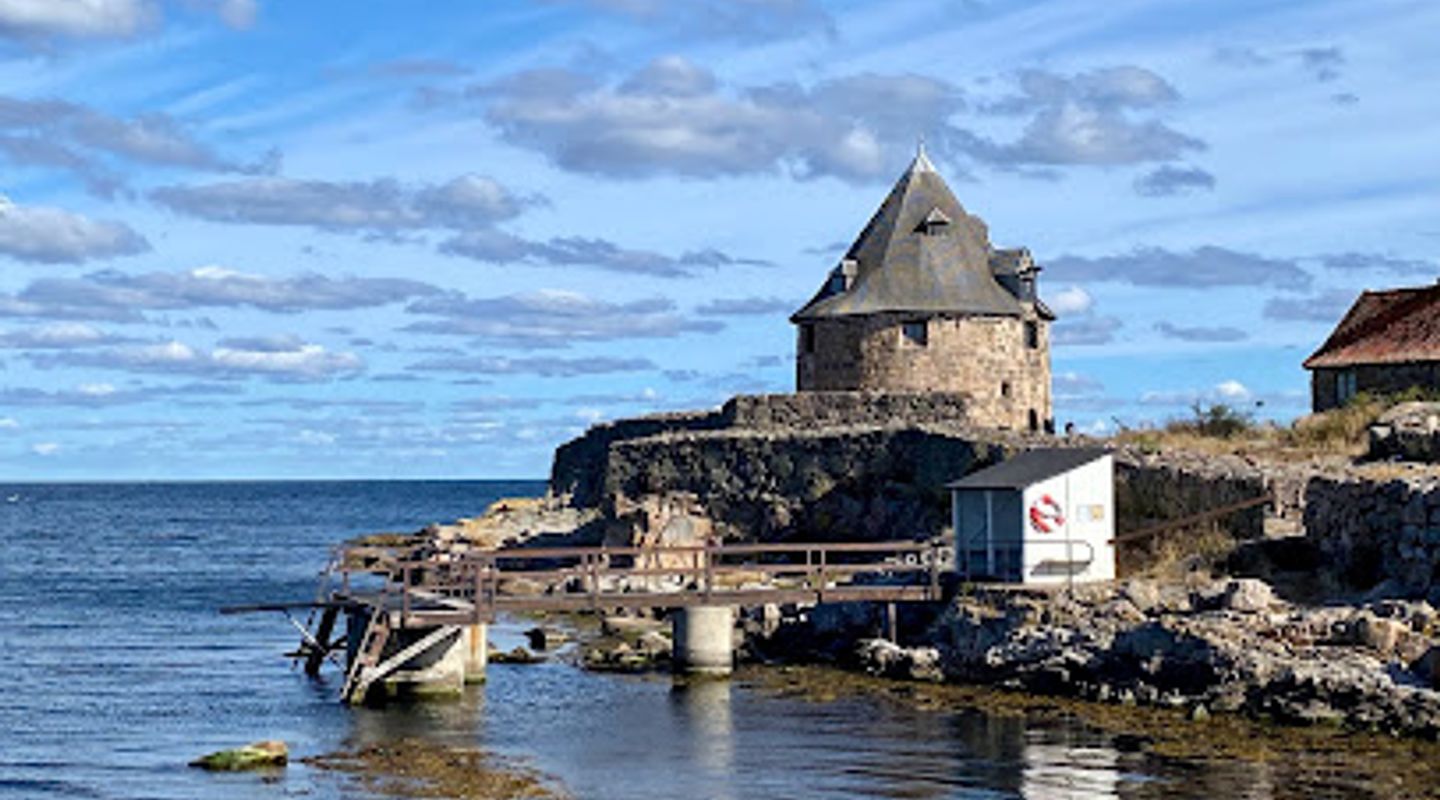
A historic 1685 tower on Frederiksø island housing a local history museum. Originally built as part of the archipelago's fortification, this compact museum displays fishing equipment, hand tools, ironworks, cannons, vintage furniture, and exhibits on local flora and fauna. Accessible via a scenic ferry journey from Gudhjem, Lille Tårn offers insight into the military and civilian heritage of Denmark's easternmost inhabited islands.
On-site amenities
 Information boards
Opening hours
- Every day8 am–2 pm
Opening hours as listed on the venue’s Google Business Profile. Hours can change for services and special events, so check with the venue before you go.
- Address
- 3760 Gudhjem
- Website
Getting there
Ferry from Gudhjem
Private boat or yacht
Guided tour from Bornholm
Discover more about Lille Tårn
A Fortress Tower Frozen in Time
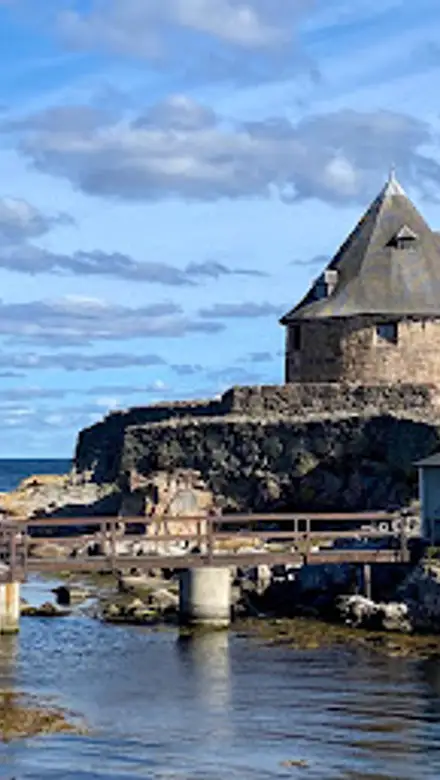
Lille Tårn stands as a tangible link to the 17th-century fortification of the Ertholmene archipelago. Built between 1685 and 1687, this compact tower was constructed as part of a defensive strategy to protect Denmark's eastern frontier. The structure has retained its original fortress appearance, with thick granite walls and period details that transport visitors back three centuries. After its military purpose waned, the tower served a darker chapter as a prison before being repurposed as a museum, transforming it from a place of confinement into one of education and cultural preservation.
The Museum's Layered Collections
Inside Lille Tårn, the ground floor showcases the practical tools of island life: fishing supplies, hand tools, and ironworks that reveal how residents sustained themselves through maritime trades. Ascending the narrow stairs, visitors encounter cannons positioned to defend the islands, alongside vintage furniture pieces that furnish a glimpse into domestic life during the fortress era. Models of the islands and their fortifications provide spatial context, while displays of local flora and fauna connect the human history to the natural environment that shaped daily existence on these remote islands.
Gateway to Frederiksø's Heritage
Located on Frederiksø, the smaller of the two inhabited islands in the archipelago, Lille Tårn serves as the primary museum for understanding the islands' original function as a military stronghold. Frederiksø itself, named after King Frederick IV, covers just 9.9 acres and is connected to the larger Christiansø island by a 30-metre swing bridge. The tower's position on this quieter island provides a more intimate setting for exploration, away from the busier Christiansø with its church and lighthouse. The museum's rustic, military-historical presentation maintains the authentic atmosphere of the fortress period.
Visiting the Easternmost Outpost
Access to Lille Tårn requires a ferry journey from Gudhjem on Bornholm, making it a deliberate pilgrimage rather than a casual stop. The archipelago's isolation has preserved its character remarkably well—the external appearance of the islands has changed little in over 300 years. Girdled by thick granite walls with old cannons still pointed seaward, the islands present a picturesque tableau seemingly suspended in history. The museum operates daily, with opening hours coordinated to the ferry schedule, ensuring visitors can explore the tower and return the same day or extend their stay in the island's handful of accommodations.
The Broader Fortress Context
While Lille Tårn houses the primary museum, its counterpart Store Tårn on Christiansø—a 25-metre diameter structure built in 1684—has served as a lighthouse for the past two centuries. Together, these towers represent the dual purposes of the fortification: military defense and maritime navigation. The islands' strategic location at Denmark's easternmost point made them valuable during periods of regional conflict, and their architectural legacy continues to define the character of this unique Danish outpost in the Baltic Sea.
Evendo Review Centre
 Google
Guest reviews
Best time to go
Quietest: Jan, Feb & Nov · before 8am or from 3pm
Busy times are Evendo estimates for a typical year, to help you plan. Actual crowds vary with events, school holidays and the weather.
Explore Lille Tårn on the map
A handpicked selection of must-see spots near Lille Tårn, mapped for you.
Get your free copy of our complete guide to Lille Tårn, delivered straight to you.
Everything on this page, from opening hours and how to get there to Eve’s tips and the best time to go, in one PDF you can read offline, print or share.
Already have an account? Sign in
Your Lille Tårn guide is ready.
We'll send it to · Not you? Sign out

Getting your guide ready…
We are putting together a fresh copy of the Lille Tårn guide. This can take up to a minute.
This can take a few moments. If your browser asks, choose Allow so the download can start. You'll find the guide in your Downloads folder.
Nothing happened? Download it again
Sorry, the guide is taking longer than usual. Please try again in a minute, or get it by email instead.
Other nearby places you may find interesting
The closest places of the same kind, if this one is not quite what you had in mind.
-
-
-
-
-


Swipe for more places
More to explore near Lille Tårn

 Best experiences near Lille Tårn
 Best hotels near Lille Tårn
 Best landmarks near Lille Tårn
 Best attractions near Lille Tårn
 Best shops near Lille Tårn
 Best restaurants near Lille Tårn
 Best bars near Lille Tårn
Do you manage this location?
Take control to get all the benefits, like improved information, better appearance, and stronger visibility across AI-powered discovery.
Explore more

Explore more of Bornholm
Explore Bornholm: Denmark's Baltic gem, offering stunning nature, rich history, and vibrant local culture. Perfect for nature lovers, history buffs, and food enthusiasts.
Explore Bornholm
Explore more of Denmark
Discover Denmark: A perfect blend of history, modern design, and the cozy concept of hygge. Explore vibrant cities, serene landscapes, and world-class cuisine.
Explore Denmark