Dragør havn, Copenhagen Region Travel Guide
A historic Danish harbour where cobbled quays, yellow houses and wooden boats meet wide Øresund views and centuries of seafaring life on the edge of Copenhagen.
Dragør Havn is the historic harbour at the heart of this former skipper town on Amager’s southern tip, just south of Copenhagen. Once one of Denmark’s busiest sailing ports, it still feels deeply maritime, with cobbled quays, wooden fishing boats, 18th‑ and 19th‑century warehouses and views across the Øresund towards the bridge to Sweden. Today, museums, yacht berths, seafood restaurants and cosy cafés share the waterfront, making the harbour a charming place to wander, linger and feel centuries of seafaring history.
A brief summary to Dragør havn
- Vestgrønningen 4, Dragør, 2791, DK
- Click to display
- Duration: 1 to 4 hours
- Free
-
 Outdoor
- Mobile reception: 5 out of 5

Know before you go
Hi, I'm Eve. Here are a few practical things to know before exploring Dragør havn.
- Explore both sides of the harbour: stroll the inner quays to see historic buildings up close, then walk out towards the moles for open views of the Øresund and the bridge.
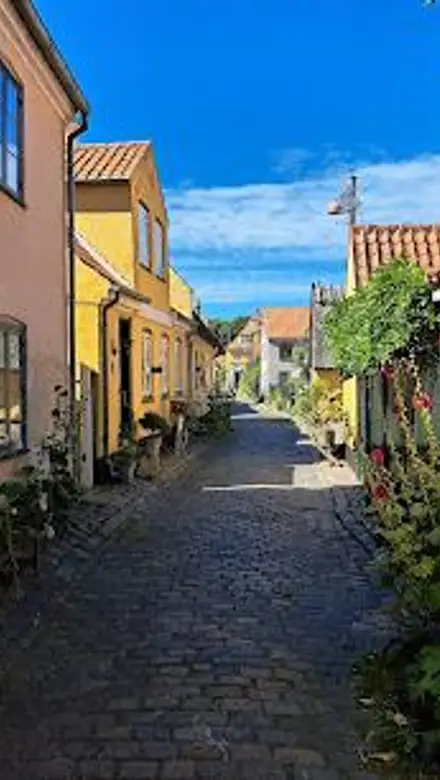
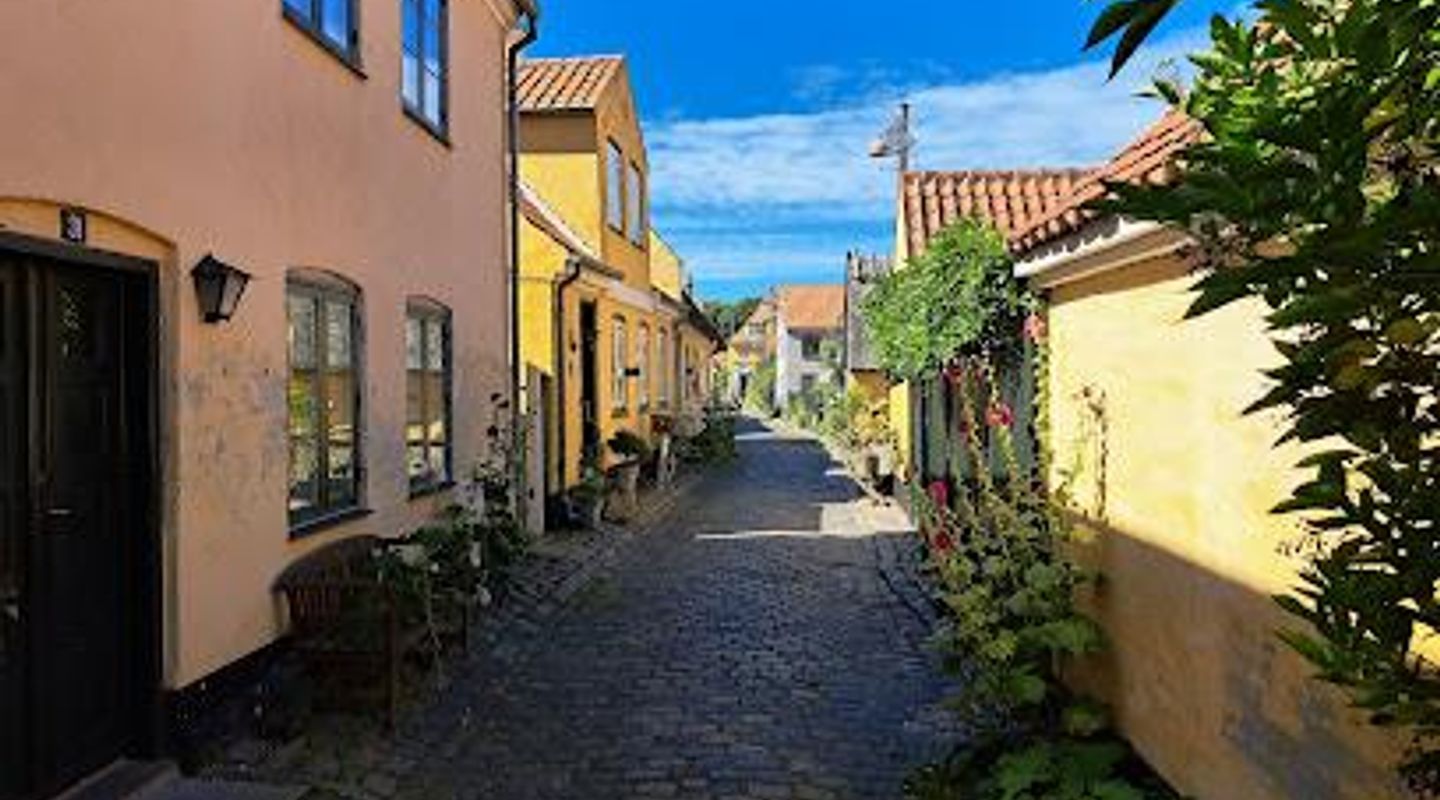
- Combine a harbour visit with time in Dragør’s old town; slip into the narrow cobbled lanes just behind the quays to appreciate how closely the town and harbour are linked.
- Bring a windproof layer outside the summer months; the flat, open coastline and sea breezes can make it feel cooler along the quays even on sunny days.
- Look for information boards near key buildings to understand their former roles as pilot station, port office, warehouse or quarantine facilities.
Do you manage this location?
Take control to get all the benefits, like improved information, better appearance, and stronger visibility across AI-powered discovery. Learn more about listing your business on Evendo
Activate your presenceOther nearby places you may find interesting
The closest places of the same kind, if this one is not quite what you had in mind.

Explore Dragør havn on the Map
A handpicked selection of must-see spots near Dragør havn, mapped for you.
Unlock the Best of Dragør havn
Buy tickets
-
No tickets available
Book tours with entry

Book tours without entry
-
No tours available
Getting There
-
Bus from central Copenhagen
From central Copenhagen, take bus line 250S towards Dragør and ride to the Dragør terminals near the old town; the journey usually takes 35–45 minutes depending on traffic. Buses run frequently throughout the day and accept the same tickets and travel cards used on the metro and trains, with a typical single adult fare in the range of 24–36 DKK within the greater Copenhagen zones. From the bus stops, it is an easy, mostly flat 5–10 minute walk along village streets to reach the harbour area, suitable for most mobility levels.
-
Bike from Copenhagen city centre
Cycling from central Copenhagen to Dragør Havn is a popular option in good weather, following signposted bike routes across Amager; the ride is roughly 15–20 km and usually takes 60–90 minutes depending on pace and wind. The route is largely flat and uses a mix of dedicated cycle paths and quieter roads, though exposed stretches near the coast can feel windy. Standard city bikes can be rented widely in Copenhagen, typically from about 100–150 DKK per day. This option is best for confident cyclists comfortable with a longer ride.
-
Taxi from Copenhagen or airport
A taxi from central Copenhagen to Dragør Havn generally takes 25–35 minutes outside rush hour, while from Copenhagen Airport the ride is often 10–20 minutes. Fares vary with traffic and time of day; from the city centre expect roughly 300–450 DKK, and from the airport around 150–250 DKK. Taxis can drop passengers close to the harbour, but some quayside areas are pedestrian‑focused, so you may walk a short distance on cobblestones. This is the most convenient but also the most expensive option.
For the on-the-go comforts that matter to you
-
 Restrooms
-
 Drink Options
-
 Drinking Water
-
 Food Options
-
 Seating Areas
-
 Sheltered Areas
-
 Picnic Areas
-
 Trash Bins
-
 Information Boards
-
 Visitor Center
Discover more about Dragør havn
Harbour at the heart of a skipper town
Dragør Havn is the working harbour that gave life to Dragør, a historic seafaring town on the edge of the Øresund. For centuries, this was a place of salt‑stiff sails, wooden hulls and shouted orders echoing between warehouses and shipyards. The broad basin you see today once hosted one of Denmark’s largest sailing fleets, with merchant ships and fishing boats jostling for space as they prepared to head out into the strait.Even now, the atmosphere is distinctly maritime. Fishing cutters, pleasure craft and visiting yachts lie side by side, their masts tracing a forest of lines against the sky. Ropes creak, halyards ping on metal, and the smell of brine and tar drifts in from the water. The harbour is more than a pretty backdrop: it remains Dragør’s social and cultural centre, where locals stroll the quays, meet in the boat clubs and watch the shifting light over the sea.From herring fair to royal pilots
The story of Dragør Havn reaches back to the Middle Ages, when the Danish king granted trading privileges here and a huge herring market grew up along the shore. For a time, thousands of merchants, fishermen and sailors converged on the harbour each autumn, loading barrels of salted fish bound for tables across northern Europe. The harbour’s strategic spot on the Øresund later made it vital for shipping routes, and in the 17th century one of Denmark’s first official pilot services was established here to guide vessels safely through the shallow, tricky waters.This pilotage tradition still shapes the harbour’s identity. Historic pilot buildings line parts of the quay, and exhibitions in the nearby pilot museum delve into the demanding work of navigating busy shipping lanes in wind, fog and ice. Around the basin, old port offices, blacksmith workshops and warehouses survive from the era when Dragør’s sailing ships ranked among the largest tonnage in the country, second only to Copenhagen itself.Historic buildings and cobbled quaysides
Walking around Dragør Havn is like moving through a compact, open‑air museum of maritime architecture. Along the water you pass low, yellow‑washed houses, former storehouses and harbour offices with red tile roofs and thick walls built to withstand sea winds. Some buildings once held tar boiling for ship’s rigging, others stored gear and provisions for long voyages, and a few have more sombre histories as quarantine and cholera stations for ships arriving from distant ports.Today many of these structures have found new roles. Cafés and restaurants occupy old warehouses, their terraces spilling onto the quayside in warmer months. Small maritime clubs and societies use former harbour buildings as clubhouses, hanging signal flags and ship models inside. Information boards in and around the harbour explain the function of particular buildings, allowing you to picture the noise and bustle when tall ships dominated the skyline.Views over Øresund and beyond the harbour walls
Stand at the outer mole or near the mouth of the harbour and the scene opens out dramatically. Ahead lies the shimmering Øresund, dotted with passing cargo ships, ferries and sailing boats. On clear days the long sweep of the Øresund Bridge stretches across the horizon, linking Denmark and Sweden in a graceful arc of steel. Closer by, low salt meadows and beaches frame the town, reminding you how closely Dragør is tied to its coastal landscape.A short walk from the harbour brings you to Dragør Fort, built on an artificial island in the early 20th century as part of Copenhagen’s sea defences. From the fort’s ramparts you gain wide views back towards the harbour, over the flat island of Amager and across the busy shipping lanes. The fort, the harbour and the old town together form a coherent maritime landscape that shows how defence, trade and everyday life once intertwined along this coast.Experiencing harbour life today
For visitors, Dragør Havn is a place to slow down and observe. You can watch boats being hauled up for maintenance, see fishermen unload their catch on quiet mornings, or simply sit on a bollard and listen to the gentle slap of water against the quay. In summer, outdoor tables fill with people enjoying fresh fish dishes, ice cream or coffee while sea breezes drift through the alleys leading into the old town.Museums around the harbour tell stories of pilots, fishermen and local artists, while seasonal events and small festivals occasionally spill out onto the quays. At other times it is the everyday rhythm that captivates: children fishing for crabs with a line and bucket, cyclists rolling along the waterfront, and the glow of evening light on yellow facades. Whether you stay for an hour or linger for a full day, the harbour offers an intimate glimpse into Denmark’s long relationship with the sea.












Your all‑in‑one travel companion app
Explore expert travel guides, compare and book tours, experiences, hotels, and more—all from the palm of your hand. Download now for seamless trip planning wherever your wanderlust takes you.


Explore More of Copenhagen Region
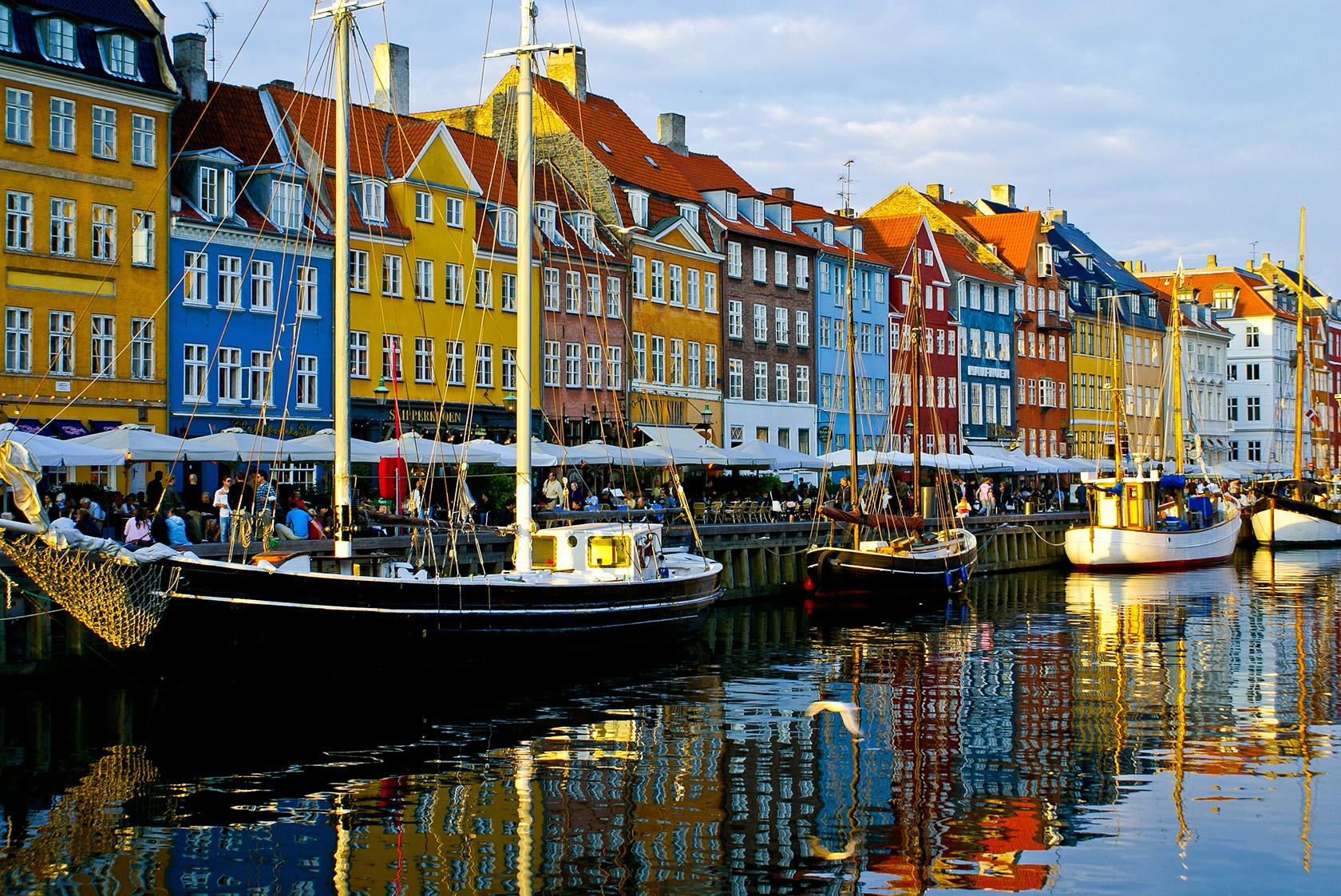
Looking beyond Dragør havn? Discover Copenhagen Region for broader travel guides, local hot-spots, and regional highlights.
Explore Copenhagen Region
A vast reclaimed seabed turned wild urban commons, where big skies, grazing herds, rich birdlife and long trails create a rare sense of wilderness beside Copenhagen.
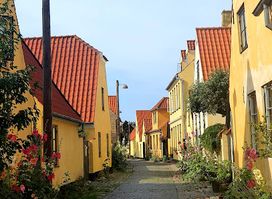
Copenhagen’s all‑in‑one island: wild grasslands, long sandy beaches, bold architecture and easygoing waterfront life, all just minutes from the historic city centre.