
Operaen (Copenhagen Opera House)
A striking harbourfront opera house where bold Danish architecture, gleaming materials and world-class performance spaces meet Copenhagen’s historic skyline.
Operaen, the Royal Danish Opera House, rises on the waterfront opposite Amalienborg Palace as one of Copenhagen’s most striking contemporary landmarks. Completed in 2004 as a gift to the Danish people, this vast, light-filled complex combines bold architecture, world-class acoustics and harbour views. Even without a performance ticket, visitors can admire its monumental canopy, stone and glass facades, and the calm, maritime setting that frames the city’s modern cultural heart.
A brief summary to Operaen
- Psyak 61C, Copenhagen, Indre By, 1440, DK
- Duration: 1 to 3 hours
- Mid ranged
-
 Mixed
Mixed
- Mobile reception: 5 out of 5
Local tips
- If you are not attending a performance, consider booking a guided tour in advance to access the main auditorium and some backstage areas that are otherwise closed.
- Arrive early in the evening to enjoy the harbour views from the foyer and terraces before the lights dim for a show.
- Bring a light extra layer, as the waterfront location can feel windy and cool even on bright days, especially on the outdoor terraces.
- Combine your visit with a stroll through the nearby Opera Park to experience a contrasting green, sheltered landscape beside the cultural complex.

For the on-the-go comforts that matter to you
- Restrooms
- Drink Options
- Drinking Water
- Food Options
- Seating Areas
- Sheltered Areas
- Trash Bins
- Information Boards
- Visitor Center
Getting There
-
Harbour bus
From central Copenhagen, one of the most atmospheric ways to reach Operaen is by harbour bus. Services on the inner harbour typically link areas such as Nyhavn and the royal district with the opera-side quay in around 10–20 minutes of sailing time. Boats run at regular intervals during the day and evening, with standard city public-transport tickets and passes valid on board; expect a single ride to cost roughly 20–30 DKK. Ramps make boarding relatively straightforward, but seating is limited at busy times.
-
City bus
Several city bus routes serve the Christianshavn and Holmen area, placing you within a 5–15 minute walk of Operaen depending on the stop. Typical journey times from central hubs such as the city hall area or Kongens Nytorv range from 15–30 minutes, including the final walk on level pavements. Standard bus fares apply, around 20–30 DKK for a single ticket if you do not use a travel card. In the evening, services run less frequently, so check departure times in advance.
-
Metro and walking
You can combine the M1 or M2 metro lines with a walk to reach the opera district. From a central metro station such as Kongens Nytorv or Christianshavn, trains run every few minutes and take 3–8 minutes to the nearest stop, after which you continue on foot for roughly 15–25 minutes across bridges and harbourfront paths. Metro tickets cost approximately 20–30 DKK for the short ride. The walking route is mostly flat and paved but can be exposed to wind and weather.
-
Taxi or rideshare
Taxis and rideshare services offer a direct route from central Copenhagen to Operaen, typically taking 10–25 minutes depending on traffic and starting point. Fares usually fall in the range of 120–220 DKK one way within the central zones. Drop-off points are close to the main entrance, making this the most convenient option for those with limited mobility or attending late-evening performances. At the end of events there can be short waits while cars navigate the limited access roads.
Operaen location weather suitability
-
 Any Weather
-
 Clear Skies
-
 Cold Weather
-
 Mild Temperatures
Discover more about Operaen
A modern icon on Copenhagen’s harbour
Perched on the edge of the inner harbour, Operaen feels both monumental and surprisingly close to the water. The long, horizontal roof canopy projects far beyond the building, creating a dramatic overhang that seems to float above the quay. Beneath it, glass walls open the foyer to views back towards Amalienborg Palace and the city skyline, turning the building into a giant lantern when it is illuminated at night. The opera house covers around 41,000 square metres spread over fourteen floors, five of them below ground. Approaching from the waterfront, you sense its scale in the wide forecourt and broad steps, yet the lines remain clean and restrained. Cladding in warm Jura limestone and pale metals softens the structure so it never feels cold or purely industrial.Architecture, materials and artistic details
Operaen was designed by Danish architect Henning Larsen, and the building is as much an exploration of materials as of form. The foyer’s Sicilian marble floors and sweeping staircases create a luminous, almost nautical interior, while maple wood clads the curved wall of the main auditorium facing the harbour, adding warmth and intimacy. Inside the main hall, more than one hundred thousand sheets of gold leaf shimmer across the ceiling, lending the space a rich glow when the lights dim. Danish artists contributed key elements, from large bronze reliefs to sculptural lighting installations. Even if you only visit the public areas on a guided tour, you get a clear sense of how carefully the visual and acoustic design has been choreographed.Stages, technology and performance spaces
Behind the serene exterior lies a surprisingly complex machine for making opera and ballet. The complex incorporates a main stage seating about 1,400 spectators, several side and rear stages for rapid scene changes, and a series of rehearsal stages that mirror the main auditorium’s dimensions. These spaces are largely hidden from casual view, but tours often reveal glimpses of the vast backstage volumes. The stage machinery includes lifts, turntables and movable floors that can transform the set within minutes. Above, sophisticated rigging and lighting systems allow highly detailed control over atmosphere and focus. Even without attending a performance, learning how these spaces interlock helps you appreciate what it takes to stage large productions on a nightly basis.Harbour setting and surrounding landscape
The building’s position was chosen as much for its urban role as for its views. From the quayside terraces you can watch harbour buses glide past, see the dome of Frederik’s Church above the royal palaces, and follow the play of light on the water. The relatively low-lying shoreline means the opera house never dominates the city, but instead forms part of a chain of cultural sites along the harbour. Immediately around the opera house you find open plazas, seating and landscaped areas, often breezy but invigorating in all seasons. Nearby green spaces, including the contemporary Opera Park, add sheltered garden rooms, a greenhouse café and walking paths that contrast with the hard surfaces of the quays.Visitor experience and guided insights
Visitors can experience Operaen in several ways. On performance days, the building comes alive with evening light, bustling foyers and elegantly dressed audiences moving between bars and balconies. At other times, guided tours offer a quieter way to discover the auditoriums, backstage corridors and technical zones that remain closed during shows. Time inside can be as brief as a contemplative look at the foyer and views, or as in-depth as a tour paired with a performance. Either way, the combination of architecture, harbour landscape and cultural purpose makes Operaen a highlight for anyone interested in contemporary design and the performing arts.A contemporary gift with enduring significance
Operaen was donated to the Danish state by a private foundation, intended as a long-term cultural investment. Its construction sparked debates about cost, aesthetics and location, yet over time it has become an established part of Copenhagen’s identity. The building acts as a physical and symbolic bridge between royal history on one shore and creative experimentation on the other. For visitors, that story adds depth to the experience of simply standing beneath the huge cantilevered roof, feeling the wind from the harbour and looking back towards the historic city. Operaen manages to be both a working theatre and a public landmark, rewarding attention whether you come for grand opera, a behind-the-scenes glimpse, or a quiet moment by the water.Iconic landmarks you can’t miss

Copenhagen By Mie & Friends
0.7 km
Discover Copenhagen’s historic Botanical Garden, a serene oasis with Victorian glasshouses, winding paths, and thousands of rare plant species in the city’s heart.
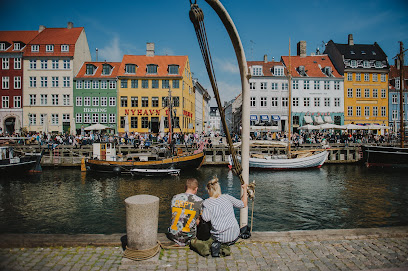
C.F. Tietgens Hus
0.8 km
A Neoclassical monument to Danish banking heritage and industrial vision, built for one of history's most influential entrepreneurs.
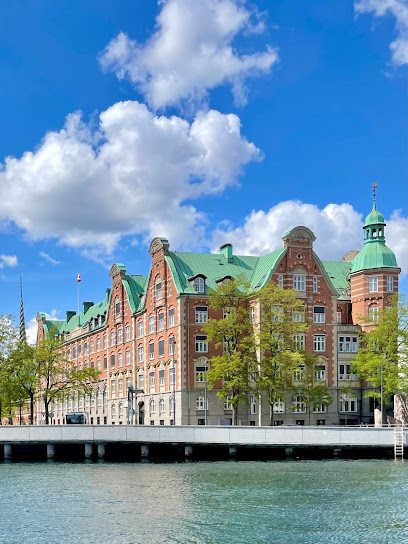
Sankt Annæ Pl.
1.0 km
Historic square blending royal heritage, climate innovation, and urban livability in central Copenhagen.
Circle Bridge
1.0 km
A five-masted circle of light and steel where art, everyday crossings and Copenhagen’s maritime history meet above the waters of Christianshavn Canal.
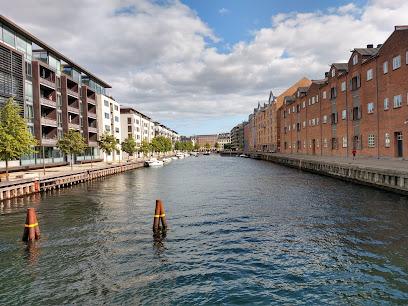
Stromma Canal Tours Copenhagen
1.0 km
A lush botanical oasis at the heart of Copenhagen, featuring historic glasshouses, rare Nordic plants, tranquil lakes, and immersive gardens for every season.
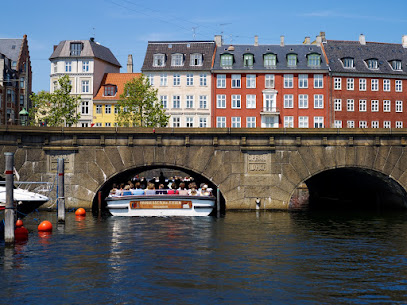
Black Diamond
1.1 km
A gleaming granite monument where cutting-edge architecture meets cultural heritage on Copenhagen's waterfront.
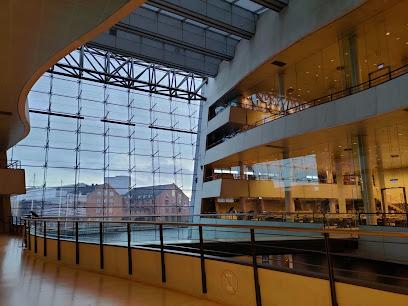
Memorial Anchor
1.1 km
A historic anchor monument honoring Danish WWII sailors, set at the heart of scenic Nyhavn, blending maritime history with Copenhagen’s lively canal atmosphere.
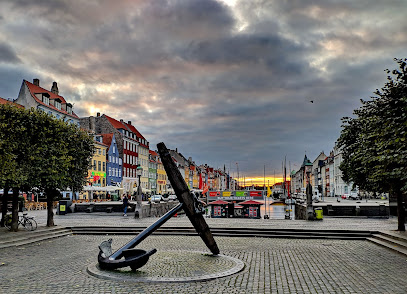
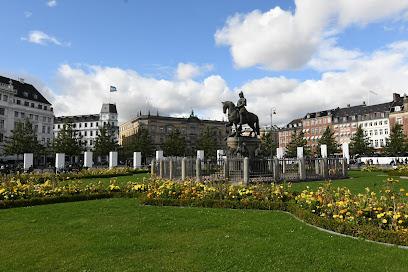
Kongens Nytorv
1.1 km
Historic observatory in Aarhus combining hands-on stargazing, interactive astronomy exhibits, and tranquil parkland with panoramic city views.
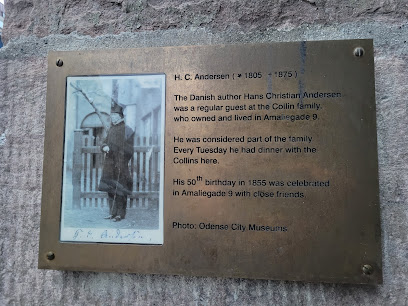
Hans Christian Andersen plaque
1.1 km
A modest plaque on elegant Amaliegade quietly marks Hans Christian Andersen’s presence amid the formal mansions and palace axis of Copenhagen’s Frederiksstaden.
Holmens Bro
1.1 km
A modest granite arch in central Copenhagen that quietly connects Slotsholmen’s palaces with the city’s streets, offering classic harbour views and everyday urban life.

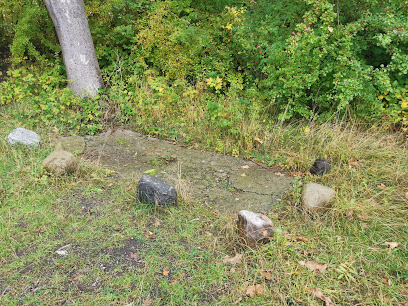
The Old Execution site in Copenhagen 1946-1950
1.1 km
A hidden concrete foundation marks where post-war Denmark executed Nazi collaborators in secrecy.
Bredgade 18
1.1 km
Explore the architectural elegance of Bredgade 18 in Copenhagen's historic Frederiksstaden district.
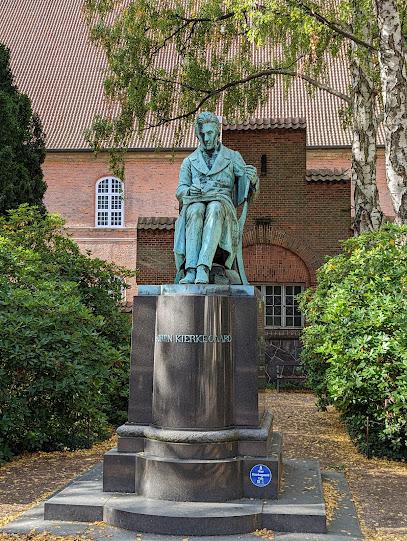
Søren Aabye Kierkegaard by Louis Hasselriis
1.2 km
Discover Nordic art, culture, and cuisine from Iceland, Greenland, and the Faroe Islands at North Atlantic House, a historic waterfront warehouse in Copenhagen.
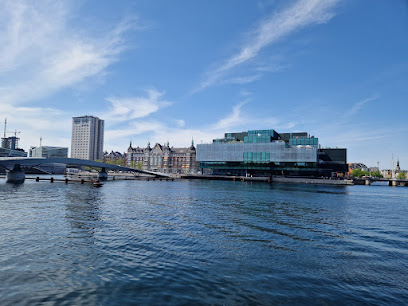
Kopenhagen
1.2 km
Spectacular palace at Copenhagen’s core, blending royal grandeur, political intrigue, and centuries of Danish history—home to Parliament, the courts, and the monarchy.
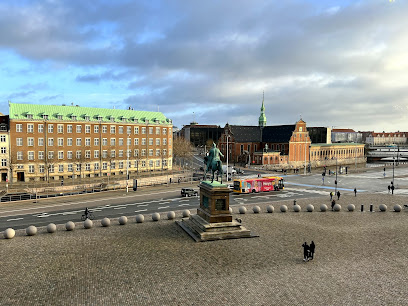
Frederik VII
1.2 km
Bronze monument in central Copenhagen commemorating King Frederik VII and Denmark’s 19th-century transition to constitutional monarchy, steps from political landmarks.
Unmissable attractions to see

Green George af Thomas Dambo - Trold nr. 50
0.1 km
A towering recycled-wood troll at Christiania’s entrance, Green George blends street art, sustainability and playful storytelling in the heart of Copenhagen.
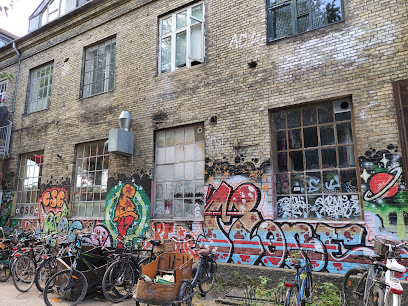
Christiania
0.2 km
A self-governing “freetown” of murals, lakeside paths and experimental living, tucked behind Copenhagen’s old ramparts in the heart of Christianshavn.
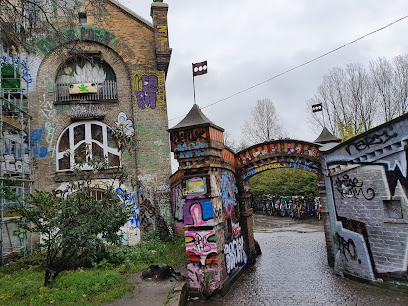
Lille Mølle
0.3 km
A compact windmill on Christianshavn’s ramparts, Lille Mølle blends defensive history, domestic interiors and gentle canal‑side views in one atmospheric museum.
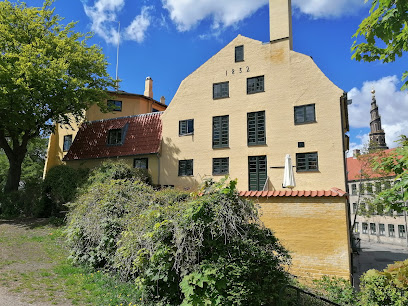
Church of Our Saviour
0.3 km
Copenhagen’s Baroque landmark with a daring spiral spire, soaring views over canals and rooftops, and a luminous interior rich in music, symbolism and royal history.
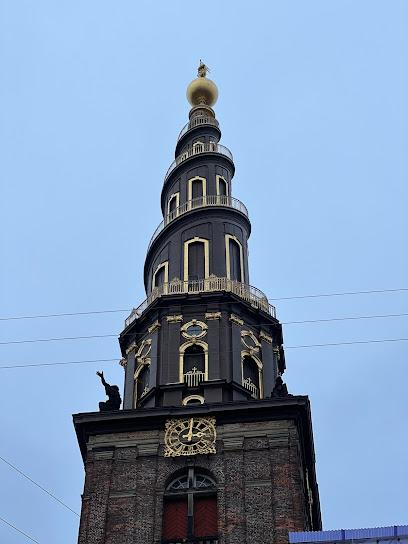
Sankt Annæ Gade
0.4 km
A narrow Christianshavn street where warehouses became homes, church bells echo over cobblestones, and Copenhagen’s maritime past meets everyday neighborhood life.
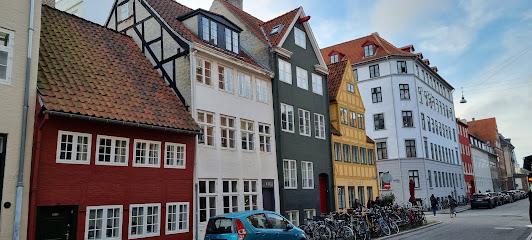
North Atlantic House
0.5 km
A 1767 waterfront warehouse transformed into Copenhagen’s vibrant gateway to the art, stories and flavors of Greenland, Iceland and the Faroe Islands.
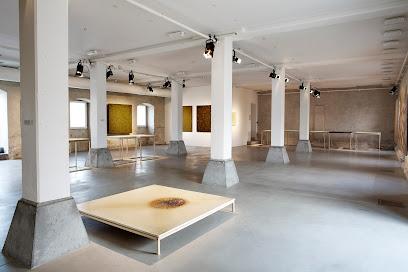
Christianshavns Kanal
0.5 km
A 17th‑century canal of cobbles, gables and sailboats, Christianshavns Kanal is Copenhagen’s quietly cinematic waterway at the heart of island life.
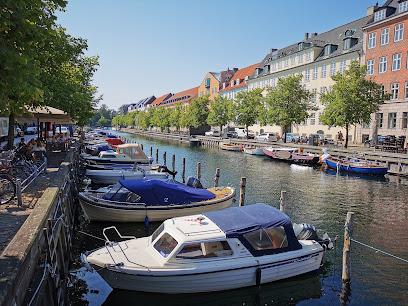
Inderhavnsbroen
0.6 km
Explore the evolution of Danish design at Copenhagen's historic Designmuseum Danmark.
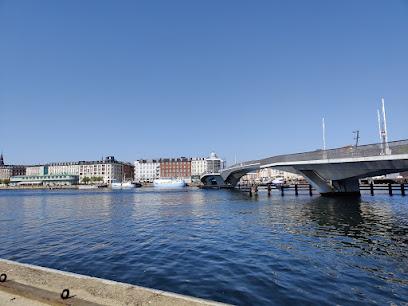
Christianshavn
0.6 km
Experience the lively heart of Helsingborg at Sundstorget, a vibrant square near the Northern Harbour.
Havnepromenade
0.7 km
Discover Copenhagen’s Garden of the Royal Library: an elegant and tranquil retreat bridging royal heritage and modern design in the heart of the Danish capital.
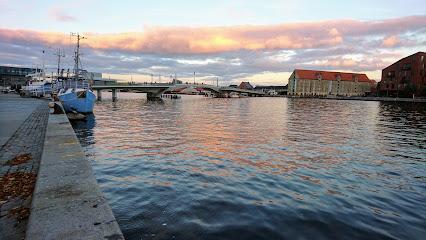
Havnegade Promenaden
0.7 km
Slottsträdgården is Malmö’s central organic garden retreat, blending vibrant themed gardens, historic castle views, and lively year-round events in a lush urban oasis.
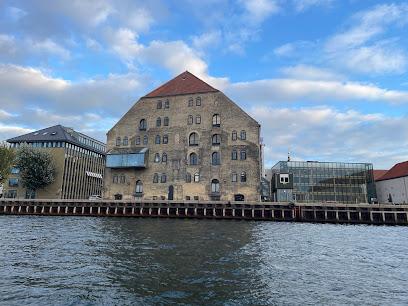
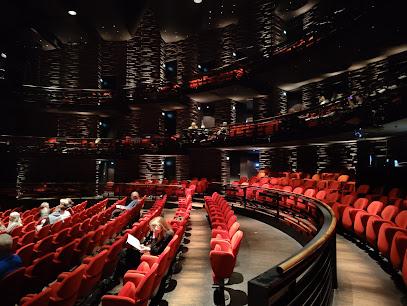
The Playhouse
0.8 km
A beautiful English gothic church in the heart of Copenhagen, St Alban’s blends British heritage and Danish history beside the city’s iconic fortifications.
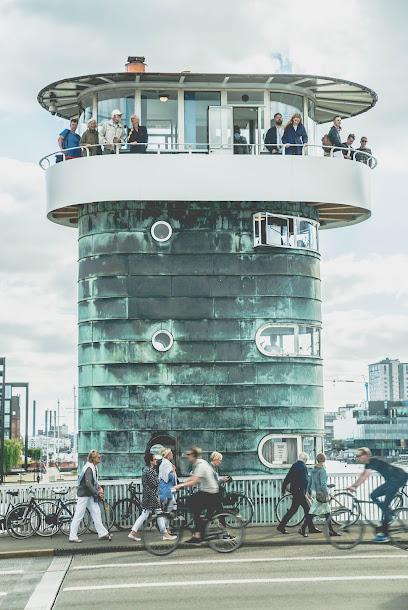
Culture Tower on Knippels Bridge
0.8 km
Innovative cocktails and cozy ambiance in a historic Copenhagen setting.
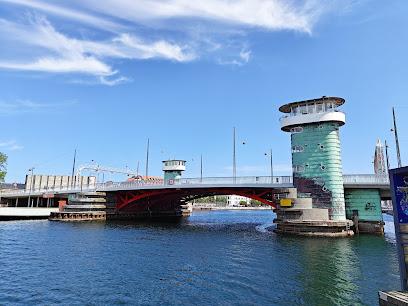
Knippelsbro
0.8 km
Copenhagen’s copper-towered bascule bridge, where four centuries of harbour crossings, functionalist design and everyday city life meet above the Inner Harbour.
Ofelia Plads
0.8 km
A UNESCO-listed Renaissance fortress where royal history, sea vistas, and Hamlet legends converge at the gateway between Denmark and Sweden.
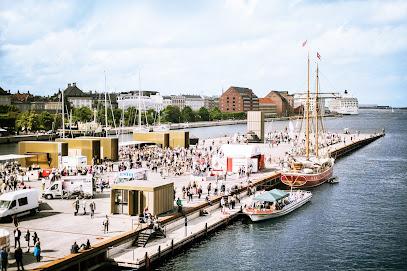
Essential places to dine

Restaurant Lola
0.3 km
Bold, travel-inspired cooking and inventive smørrebrød served in a sunny 17th‑century house with a leafy garden hideaway on Christianshavn’s historic ramparts.
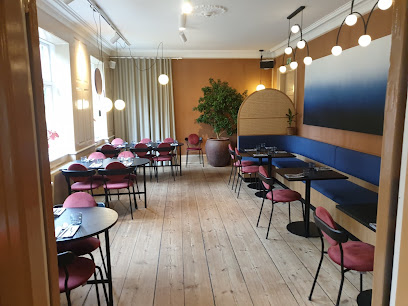
Restaurant Kanalen
0.4 km
Seasonal Danish cooking and relaxed Nordic elegance in a historic canalside house on Christianshavn, where boats glide past your table and the water sets the mood.
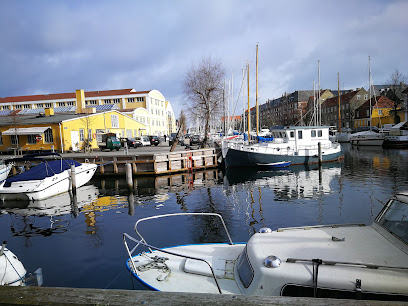
Cafe Wilder
0.5 km
A cherished French bistro where Parisian charm meets Copenhagen authenticity on the historic streets of Christianshavn.
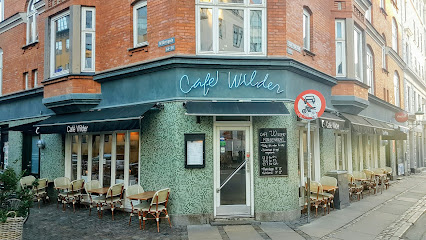
Restaurant Barr
0.5 km
Modern North Sea cuisine, serious beer and warm Nordic design meet in a historic harbor-front warehouse in the heart of Copenhagen’s Christianshavn.
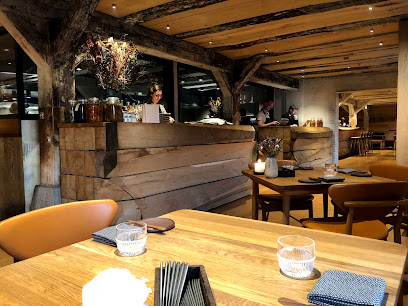
Kadeau
0.7 km
Bornholm’s wild pantry, refined in a serene Christianshavn dining room, where a seasonal New Nordic tasting menu and two-star precision define an intimate evening.
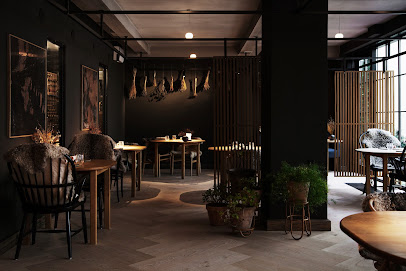
Khun Juk
0.8 km
Refined Thai dining tucked into Copenhagen’s iconic Nyhavn, where candlelit tables, fresh flowers and layered flavors turn dinner into an intimate evening event.
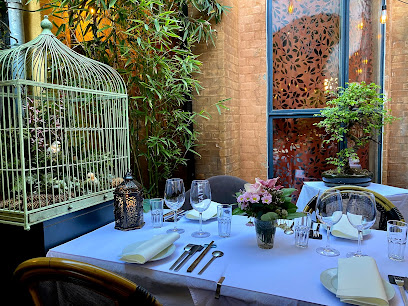
à terre
0.9 km
à terre brings French fine dining infused with Nordic creativity to central Copenhagen, offering an intimate, innovative tasting menu experience near Copenhagen’s key attractions.
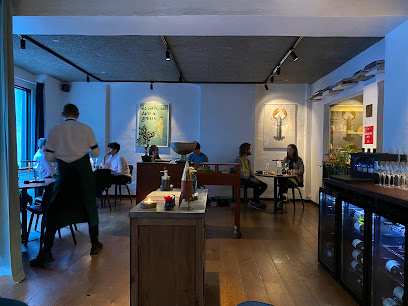
Skipperkroen
0.9 km
Harbourfront smørrebrød and seafood in an 18th‑century Nyhavn house, pairing classic Danish flavours with canal views from cosy rooms and a lively terrace.
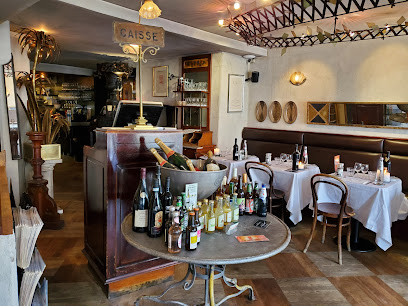
No. 2
1.0 km
Relaxed Nordic brasserie by the Copenhagen waterfront, pairing Michelin‑level know‑how with harbour views, seasonal Danish produce and polished yet informal service.
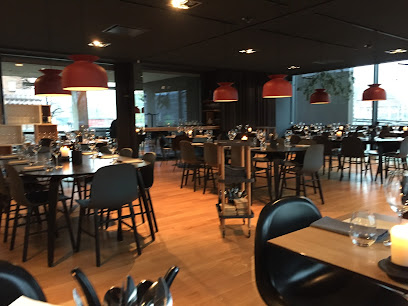
Cap Horn
1.0 km
Candlelit Nordic bistro in a historic Nyhavn townhouse, blending classic Danish seafood, canal views and cosy hygge from late morning to late evening.
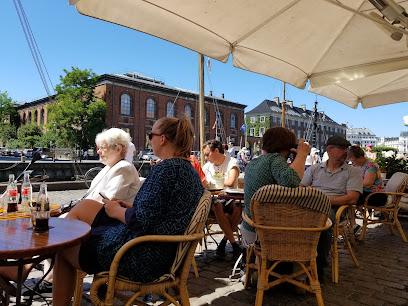
Nyhavns Færgekro
1.0 km
Classic Danish cooking and a famed herring buffet in a cozy canal-side tavern, set within one of Nyhavn’s colorful townhouses overlooking Copenhagen’s historic harbor.
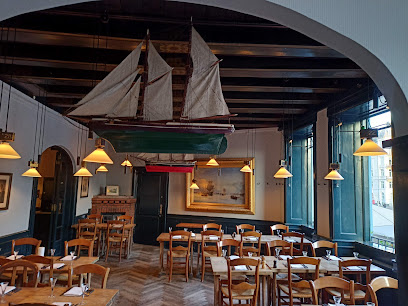
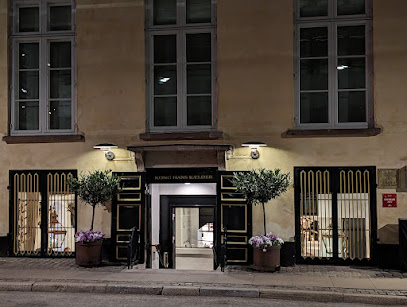
King Hans Cellar
1.1 km
Historic vaulted cellars, cutting-edge Nordic cuisine, and centuries-old royal ambiance converge at Copenhagen’s legendary King Hans Cellar fine dining restaurant.
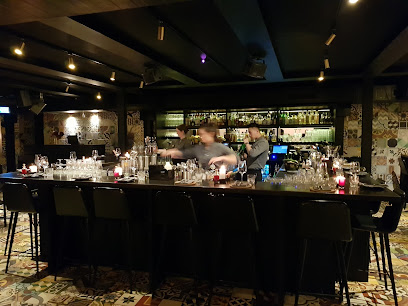
Llama
1.2 km
Latin American flavors, bold cocktails and patterned-tile design bring Peruvian and Mexican energy to a lively, late-night restaurant just off Kongens Nytorv.
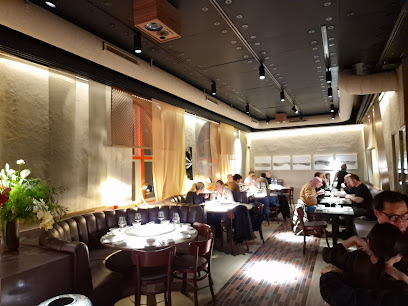
Goldfinch
1.2 km
Stylish Cantonese-inspired dining and cocktails on historic Kongens Nytorv, pairing shareable plates with a moody interior in the heart of Copenhagen.
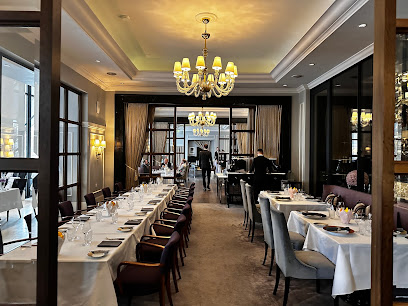
Marchal
1.2 km
Michelin-starred Nordic–French fine dining in the historic elegance of Hotel d’Angleterre on Copenhagen’s grand Kongens Nytorv.
Markets, malls and hidden boutiques

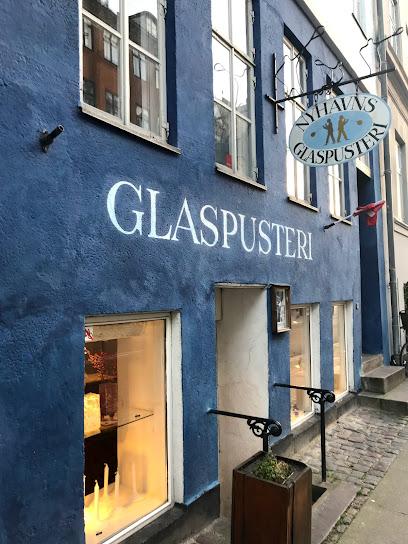
Copenhagenglass
0.9 km
Intimate glassblowing studio and shop near Nyhavn, where Danish maritime-inspired designs and hands-on sessions turn molten glass into memorable Copenhagen souvenirs.
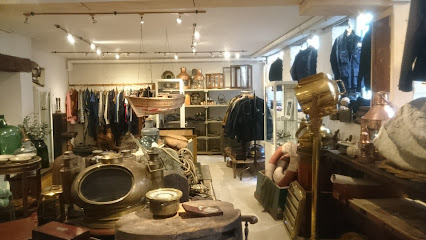
Maritime Antiques &
0.9 km
Atmospheric basement shop near Nyhavn where genuine maritime antiques share space with heritage-inspired clothing and rugged knitwear in a cosy, ship-like setting.
Zane
1.1 km
Intimate Copenhagen florist and design boutique on stylish Bredgade, blending seasonal blooms, Nordic homeware and thoughtful gifts in a cosy, lived-in space.
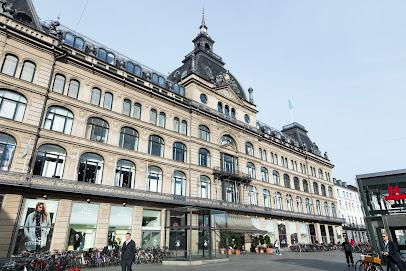
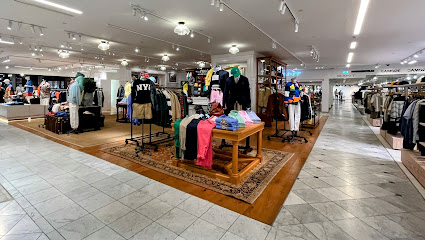
Magasin du Nord
1.1 km
Copenhagen’s classic department store: historic architecture, Nordic style, gourmet treats and relaxed cafés gathered under one elegant roof on Kongens Nytorv.
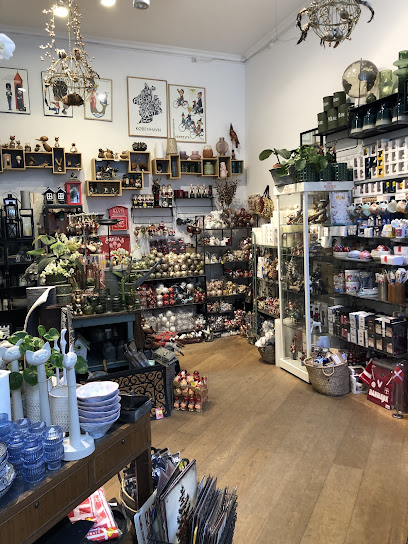
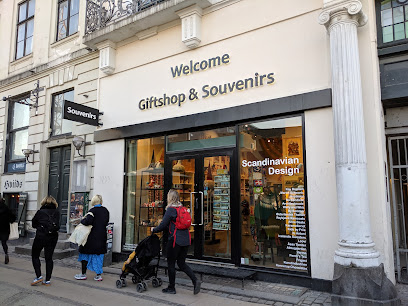
Welcome Giftshop & Souvenirs
1.1 km
Central Copenhagen’s cosy hygge boutique for Danish design, classic souvenirs, and easy last-minute gifts just off bustling Kongens Nytorv square.
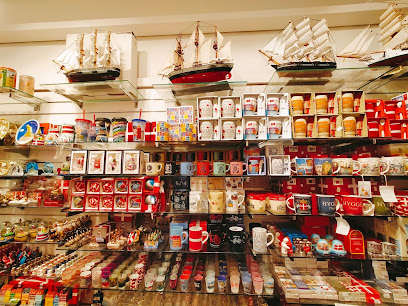
Viking Souvenirs
1.2 km
Authentic Danish and Viking-themed souvenirs in Copenhagen's historic city center.
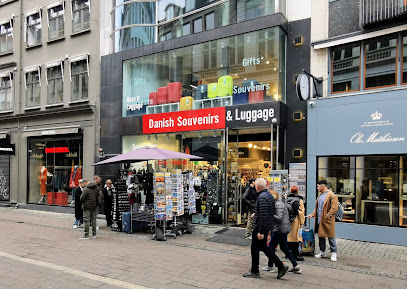
Danish Souvenirs & luggages
1.2 km
Central Strøget souvenir and luggage shop combining classic Danish mementos with practical travel gear, open long hours for convenient, last‑minute Copenhagen gifts.
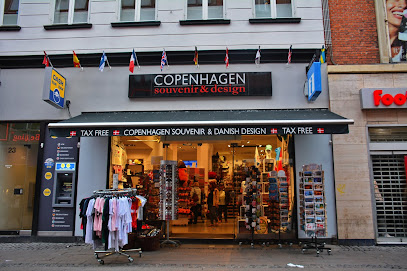
Copenhagen Souvenir & Design
1.2 km
Denmark's premier souvenir destination offering authentic Danish heritage, contemporary design, and quality gifts across seven city-center locations.
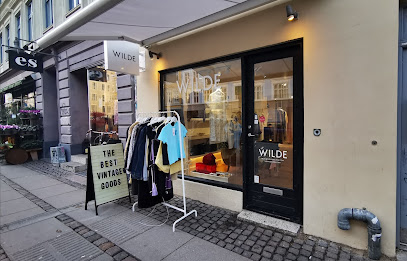
The Wilde Shop
1.2 km
A boutique vintage shop in Indre By, Copenhagen bringing together handpicked retro clothing, sustainable fashion, and curated Scandinavian style in a welcoming setting.
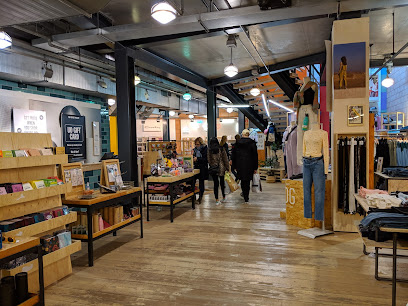
Urban Outfitters
1.3 km
Trendy multi-level fashion and lifestyle store bringing Urban Outfitters’ eclectic clothing, homeware and vinyl mix to the heart of Copenhagen’s Østergade.
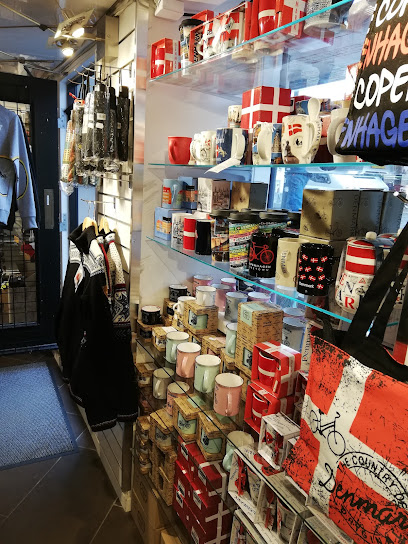
Danish Souvenirs
1.3 km
Central Copenhagen souvenir hub on Højbro Plads, packed with Danish icons, practical travel extras and long opening hours just steps from Strøget.
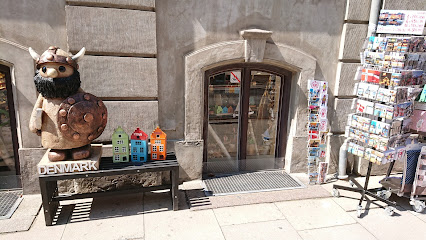
Royal Souvenir Shop
1.3 km
Compact and colourful, Royal Souvenir Shop on Bredgade distils Copenhagen into easy‑to‑pack gifts, from royal guards and Vikings to flags, mugs and playful keepsakes.
ILLUM
1.3 km
ILLUM is Copenhagen’s iconic department store, combining world-class fashion, Danish design, gourmet food, and rooftop views in historic Indre By.
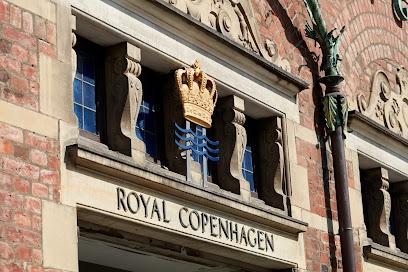
Royal Copenhagen Flagship Store
1.4 km
Historic Renaissance townhouse on Strøget where hand‑painted Royal Copenhagen porcelain, royal history and Danish design culture meet across three atmospheric floors.
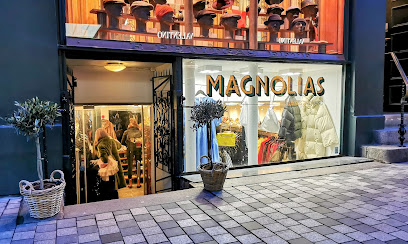
Magnolias
1.4 km
A compact, upscale secondhand boutique on Købmagergade, Magnolias blends Copenhagen chic with curated pre-loved designer fashion in the city’s historic shopping heart.
Essential bars & hidden hideouts

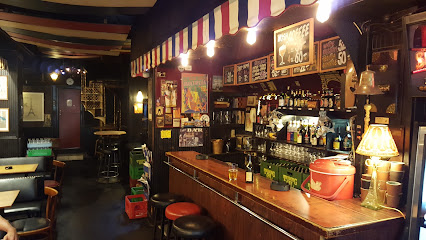
Eiffel bar
0.5 km
Experience the cozy atmosphere of Eiffel Bar in Copenhagen, where friendly service meets affordable drinks in a charming setting.
TATA Cocktail Bar
0.9 km
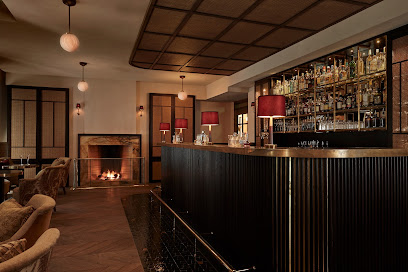
A velvet-draped, fireplace-warmed cocktail hideaway inside Hotel Sanders, where classic mixology, Danish design and theatre-inspired charm blend seamlessly.
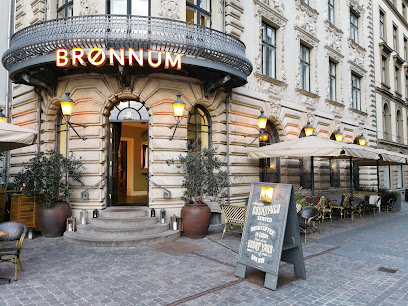
Brønnum
1.0 km
An opulent, multi‑room cocktail bar steps from Kongens Nytorv, where historic townhouse elegance meets contemporary mixology and candlelit late‑night conversation.
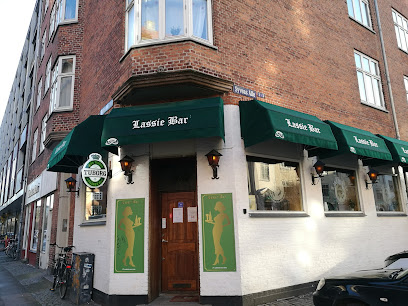
Lassie Bar
1.0 km
A classic Amager brown bar where bottled beer, schnapps and neighborhood chatter create a quietly authentic slice of everyday Copenhagen nightlife.
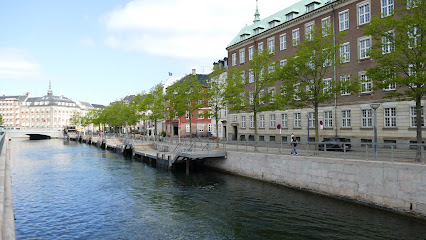
Ved Stranden
1.3 km
Canal-side natural wine bar and shop in a historic townhouse, blending Copenhagen charm, thoughtful bottles and relaxed, living-room warmth by Christiansborg Palace.
Balthazar
1.3 km
A luxurious Champagne bar at Hotel d’Angleterre, pairing an extensive bubbles list and crafted cocktails with velvet-luxe interiors and a lively DJ-backed ambience.
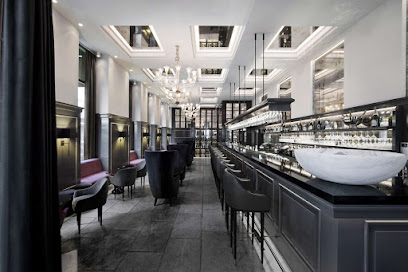
K-Bar
1.3 km
Intimate harbourfront cocktail den in central Copenhagen, known for monochrome style, inventive infusions and quietly confident classics poured with real care.
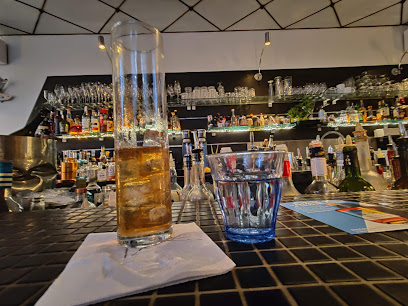
Whammy Bar
1.3 km
Colourful neighbourhood bar on Amager serving generous cocktails, draft beers and American‑style comfort food to a friendly crowd of locals and visitors.
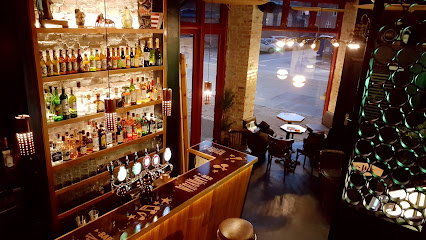
Bar Deco
1.3 km
Intimate Art Deco–inspired cocktail bar near Kongens Nytorv, pairing crafted drinks with moody lighting and a relaxed, grown‑up Copenhagen atmosphere.
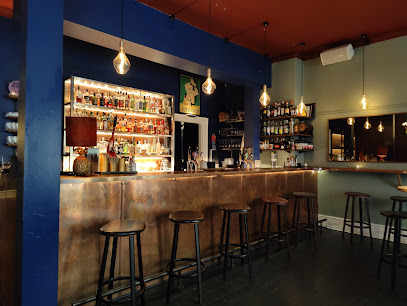
Aloha Beach Bar
1.3 km
Island-inspired cocktails, neon glow and late-night party vibes packed into a compact tropical bar just off Gothersgade in central Copenhagen.
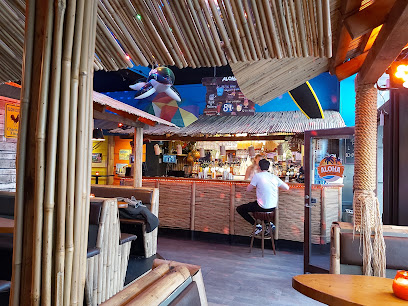
1105
1.3 km
Intimate, dimly lit cocktail bar in Copenhagen’s 1105 postcode, pairing dark, elegant interiors with carefully crafted Nordic-inspired drinks and classic mixes.
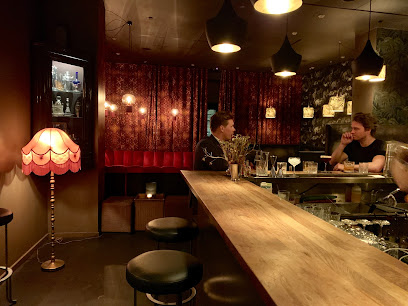
The Dubliner
1.4 km
Lively Irish pub energy on Copenhagen’s Amagertorv, serving hearty pub classics, well-poured pints, live music and big-screen sport in a cosy, wood-lined setting.
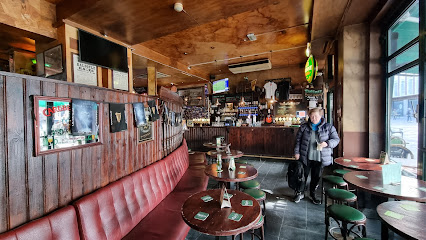
The Bird and The Churchkey
1.4 km
Discover the vibrant atmosphere of The Bird and The Churchkey, a must-visit bar in Copenhagen for craft beer and creative cocktails.
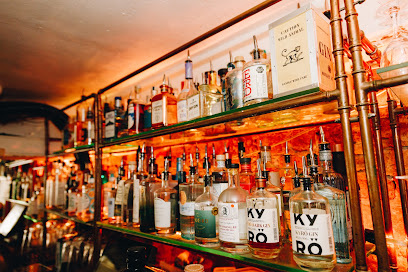
Charlie's Bar
1.4 km
Discover the enchanting atmosphere of Charlie's Bar, a cozy haven in Copenhagen offering a diverse drink selection and a vibrant local vibe.
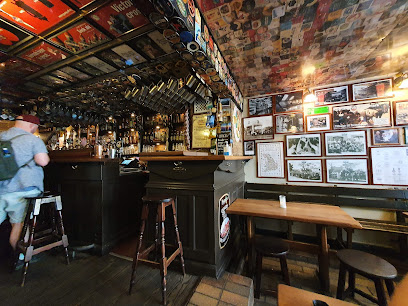
The Moose
1.4 km
Graffiti-plastered walls, infamous moose murals and cheap late-night beers make this smoky Indre By dive bar a gritty, unpolished slice of Copenhagen nightlife.
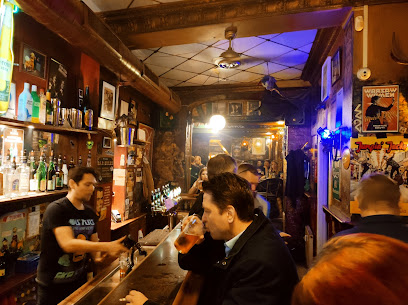
Nightclubs & after hour spots

Lusso
1.3 km
A compact, high-end Copenhagen nightclub with champagne-forward table service, dim lighting and a stylish late-night crowd just steps from Kongens Nytorv.
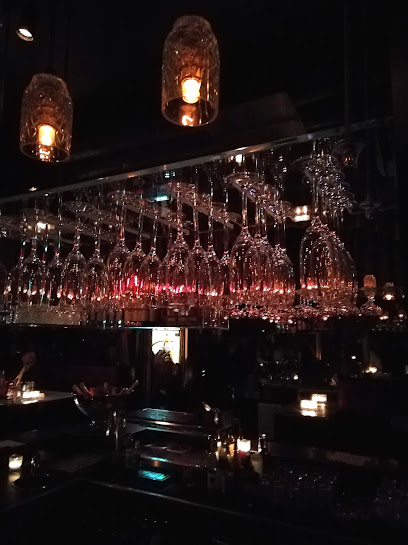
The Zoo
1.4 km
Intimate late-night nightclub on Sværtegade in Copenhagen’s historic center, blending a compact dance floor, DJ-driven beats and a casual, social bar atmosphere.
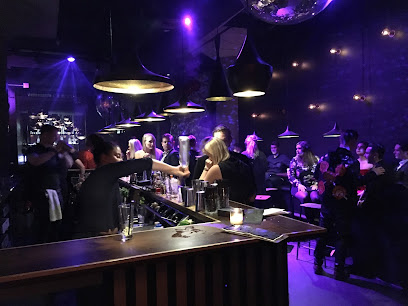
Mini Bar
1.4 km
Discover the vibrant nightlife of Copenhagen at Mini Bar, a premier night club offering eclectic tunes and a lively atmosphere for unforgettable nights.
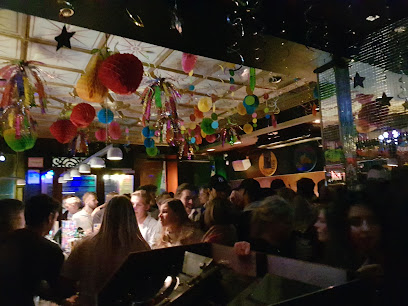
Chateau Motel
1.6 km
Discover the lively nightlife of Copenhagen at Chateau Motel, a top destination for cocktails and dancing in a vibrant atmosphere.
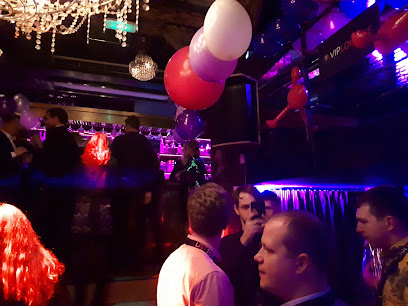
Culture Box
1.7 km
Discover the heartbeat of Copenhagen's nightlife at Culture Box, where music, art, and dance create an unforgettable experience.
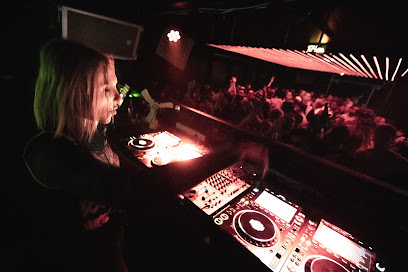
Club Mambo
1.7 km
Experience the energetic nightlife of Copenhagen at Club Mambo, a vibrant night club offering salsa dancing, cocktails, and delicious dining.
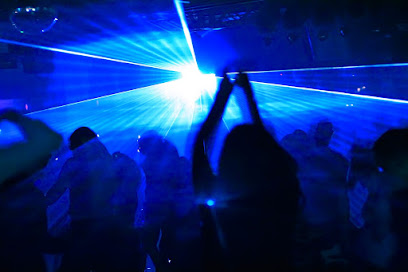
Hive
1.7 km
Copenhagen's premier high-end nightclub with cutting-edge design, VIP service, and immersive themed experiences.
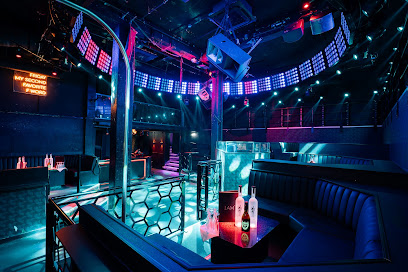
Mirror
1.8 km
Dive into the heart of Copenhagen's nightlife at Mirror, where the rhythm never stops and unforgettable memories are made.
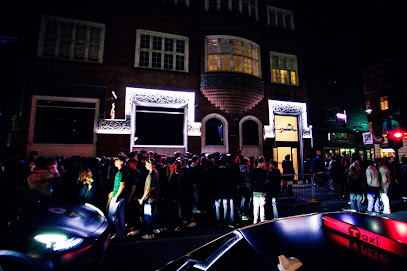
Rumors
1.8 km
Discover the heart of Copenhagen's nightlife at Rumors, where energetic vibes and unforgettable nights await you.
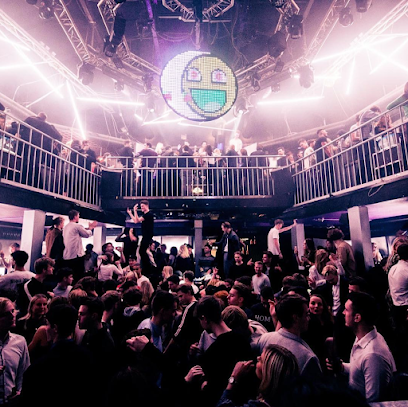
Miami Bar
1.8 km
Discover Copenhagen's nightlife at Miami Bar, where cocktails and dancing create unforgettable nights in a vibrant atmosphere.
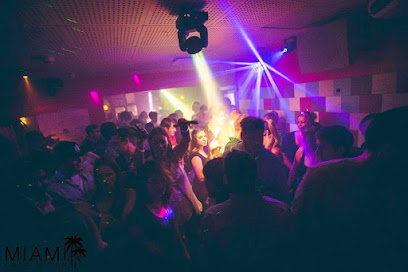
Dorsia
1.9 km
Central Copenhagen nightclub with late‑night DJs, cocktails and an image‑conscious crowd packed into a dark, modern interior off busy Kattesundet.
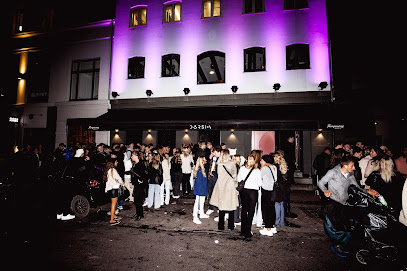
La Terraza
1.9 km
Compact nightclub on Studiestræde in Copenhagen’s old town, offering loud beats, straightforward drinks and an unpretentious late-night dance floor.
Arch
2.0 km
Discover the vibrant nightlife of Copenhagen at Arch, a premier night club offering electrifying music and an unforgettable atmosphere.
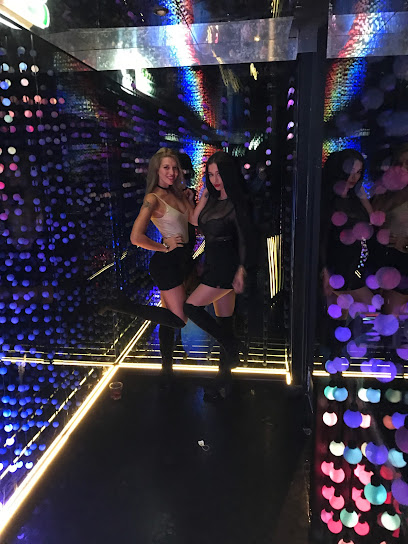
Mirage
2.0 km
Dive into the electrifying nightlife at Mirage, Copenhagen's premier night club for an unforgettable evening of music, dancing, and entertainment.

Cosy Bar
2.0 km
Discover the lively atmosphere of Cosy Bar, a top gay nightclub in Copenhagen offering fantastic music, vibrant crowds, and unforgettable nights.
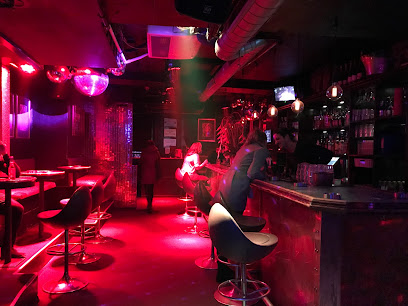
For the vibe & atmosphere seeker
- Romantic
- Relaxing
- Scenic
- Lively
- Unique
- Casual
For the design and aesthetic lover
- Modern Designs
- Minimalist Designs
For the architecture buff
- Modern
- Landmarks
- Art & Design
- Viewpoints
- Parks & Gardens
For the view chaser and sunset hunter
- Iconic Views
- Panoramas
- Waterfront
- Sunset Spots
For the social media creator & influencer
- Instagrammable
- Photo Spots
- Selfie Spots
- Architectural Shots
- Reel-Friendly
For the eco-conscious traveler
- Public-Transport Accessible
- Low Impact
- Car-Free Access
For the kind of experience you’re after
- Cultural Heritage
- Photowalk
- Adventure Photo Shoot
- Day Trip
- Mindfulness
For how adventurous you want the journey to be
- Easy Access
Location Audience
- Family Friendly
- LGBT Friendly
- Senior Friendly
- Child Friendly
- Teen Friendly
- Wheelchair Access
- Solo Friendly
- Couple Friendly
- Solo Female Friendly
- Business Friendly


