

Copenhagen Opera House (Operaen)
A bold modern opera house on Copenhagen’s harbor, blending cutting-edge performance spaces, dramatic design, and sweeping waterfront views on Holmen.
Rising from the edge of Copenhagen’s harbor on Holmen, the Copenhagen Opera House is a striking blend of bold modern design and meticulous craftsmanship. Commissioned by the A.P. Møller Foundation and opened in 2005, this state-of-the-art venue is home to the Royal Danish Opera and one of the most advanced stages in Europe. Visitors come for world-class performances, sweeping waterfront views, dramatic architecture, and the atmospheric public plazas that wrap around the building.
A brief summary to Copenhagen Opera House
- Ekvipagemestervej 10, København K, København K, 1438, DK
- +4533696969
- Visit website
- Duration: 1 to 4 hours
- Mid ranged
-
 Mixed
Mixed
- Mobile reception: 5 out of 5
Local tips
- Arrive at least 30–45 minutes before a performance to enjoy the harbor views from the foyer and terraces without rushing to your seat.
- Dress is generally smart-casual; bring a light extra layer in cooler months, as the waterfront can feel breezy after the show.
- Consider booking a guided tour on a non-performance day if you want to see backstage areas and learn more about the building’s architecture.
- If you plan to use the underground Opera Park garage, factor in time for entry and payment, especially on busy performance evenings.
- Bring a camera or phone for photos from the quayside; the alignment with Amalienborg and Frederik’s Church is especially striking at dusk.

For the on-the-go comforts that matter to you
- Restrooms
- Drink Options
- Food Options
- Seating Areas
- Sheltered Areas
- Trash Bins
- Information Boards
- Visitor Center
Getting There
-
Harbor bus
From central Copenhagen, use the harbor bus line that serves the Holmen stop near the Opera House; the ride from the city-center waterfront takes about 10–20 minutes depending on the route. Boats run regularly through the day and early evening, but service can be less frequent late at night. A single ticket typically costs around 20–30 DKK and is valid on the wider public transport network, making this a scenic and practical option.
-
City bus
Several city bus routes connect central Copenhagen with the Holmen area; travel time from major hubs in the inner city is usually 15–25 minutes, depending on traffic. Standard bus tickets cost roughly 20–30 DKK for a single journey and can be bought via travel apps or ticket machines at major stations. Buses generally run throughout the day and evening, though late-night frequency is lower after performances.
-
Bicycle
From the city center, cycling to the Opera House typically takes 10–20 minutes along mostly flat, well-marked bike lanes, reflecting Copenhagen’s strong cycling culture. Shared bikes and rental shops are widely available, and the final approach across the harborfront is especially pleasant in good weather. Be aware that the waterfront can be windy, and bring gloves or an extra layer in colder months.
-
Car and underground parking
Driving from central Copenhagen to Holmen generally takes 10–20 minutes outside rush hour. An underground parking garage beneath Opera Park next to the Opera House offers around 300 spaces, with automated entry and payment via parking apps or machines. Typical parking fees are about 35 DKK per hour, and during major performances spaces can fill quickly, so allow extra time for finding a spot and completing payment.
Copenhagen Opera House location weather suitability
-
 Any Weather
-
 Rain / Wet Weather
-
 Cold Weather
-
 Mild Temperatures
-
 Clear Skies
Discover more about Copenhagen Opera House
Harborfront Icon on Holmen
Set on the island of Holmen directly across the water from Amalienborg Palace, the Copenhagen Opera House commands the inner harbor with its vast, overhanging roof and glass-fronted foyer. The building seems to float above the quay, framed by the bustle of harbor traffic and the low skyline of Copenhagen beyond. Approaching from the waterfront, you step into a broad forecourt that doubles as an urban plaza, where visitors linger before and after performances, watching ferries glide past and the city lights flicker across the water. This location was carefully chosen to create an axial dialogue with the historic city. Look back across the harbor and you can trace a perfect line linking the opera, the marble dome of Frederik’s Church, and the royal residence. Even without a ticket in hand, simply standing outside offers a vivid sense of Copenhagen’s mix of royal heritage and contemporary design.Architecture Shaped for Performance
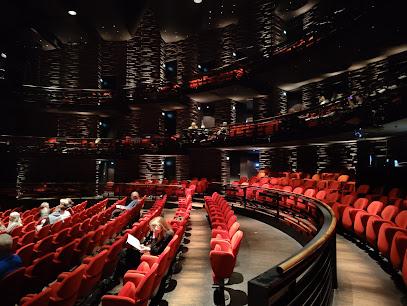
Designed by architect Henning Larsen, the opera is a study in controlled drama. The enormous cantilevered roof shelters a transparent lobby wall, behind which sweeping staircases, warm timber surfaces, and soft lighting create a theatrical prelude to the evening’s performance. Stone, glass, and metal are combined with Danish oak and other natural materials to craft interiors that feel both grand and distinctly Nordic. Inside, the main auditorium is wrapped in golden-toned wood, shaped to embrace the stage like a musical instrument. The horseshoe configuration and carefully tuned acoustics allow even the quietest notes to carry, while a sophisticated stage machinery system can shift entire sets in silence between scenes. Above, lighting bridges and fly towers disappear into the dark, leaving only the performers and the glow of the stage in focus.Life Beyond the Main Stage
While the grand auditorium is the heart of the complex, the building also houses smaller rehearsal rooms, a second performance space, and production workshops that support everything from costume making to set construction. This allows many elements of an opera production to be created under one roof, giving the house the feel of a self-contained creative campus. For visitors, the public foyers offer bars and lounge areas where you can pause with a drink while taking in views of the harbor through floor-to-ceiling glass. In daytime, guided tours are sometimes offered, opening backstage corridors, rehearsal halls, and technical spaces that are usually hidden from view. Even when you only experience the front-of-house areas, there is a strong sense of the bustling creative work that happens behind each performance.Harbor Views and Opera Park
Step outside again and the setting is as much a part of the experience as the architecture. Broad terraces and quayside paths invite you to wander along the water’s edge, watching kayakers, harbor buses, and working boats move between the city’s districts. In the other direction, the landscaped Opera Park creates a green counterpoint to the building’s sharp lines, with paths, planting beds, and viewpoints that frame the opera from different angles. At night, the building becomes a lantern for the harbor. The illuminated foyer glows through the glass facade while the roof appears to hover above it, a dark plane against the sky. Reflections shimmer across the water, and the approach to a performance feels almost cinematic as you cross the open spaces toward the entrance.Experiencing an Evening at Operaen
An evening here usually begins in the foyer, where the low hum of conversation mixes with the clink of glasses and a distant touch of tuning from the orchestra. When the call to take your seats sounds, you move from the bright lobby into the dim, cocoon-like auditorium, leaving the harbor and city behind for the world of the stage. Whether the program is grand opera, ballet, or a symphonic concert, the setting heightens the sense of occasion. Between acts, intermissions spill back into the foyers and terraces. Guests drift outside to the quayside or gather at tall tables by the glass, gazing across to the illuminated royal palace and church domes. The building and its surroundings are designed to stretch the experience well beyond the performance itself, turning a night at the opera into a fully shaped encounter with Copenhagen’s cultural and architectural life.Iconic landmarks you can’t miss

Larsens Pl.
0.3 km
Historic waterfront where Scandinavian dreams embarked for America, now a refined promenade of heritage and harbour views.
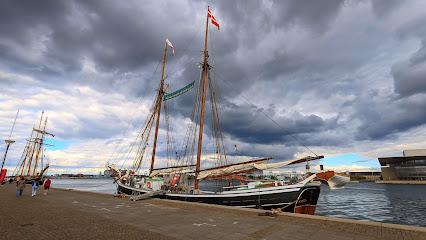
I am Queen Mary
0.5 km
A powerful harborfront monument honoring rebel leader Mary Thomas, confronting Copenhagen’s colonial past beside the historic West Indian Warehouse.
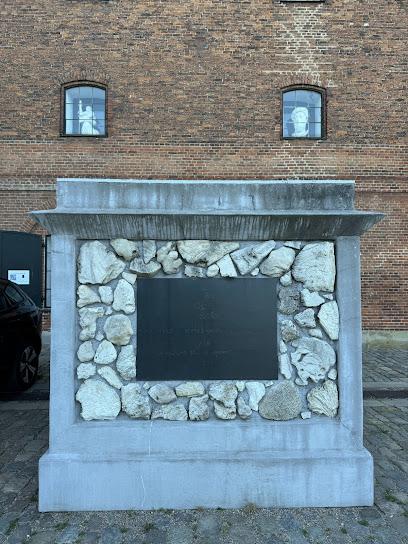
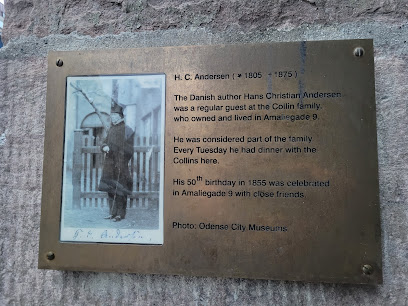
Hans Christian Andersen plaque
0.5 km
A modest plaque on elegant Amaliegade quietly marks Hans Christian Andersen’s presence amid the formal mansions and palace axis of Copenhagen’s Frederiksstaden.
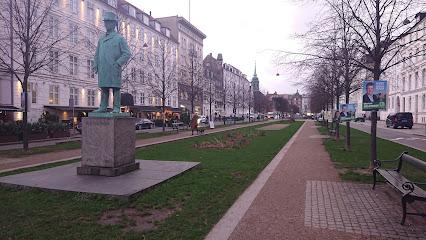
Sankt Annæ Pl.
0.5 km
Historic square blending royal heritage, climate innovation, and urban livability in central Copenhagen.
Horn mine
0.7 km
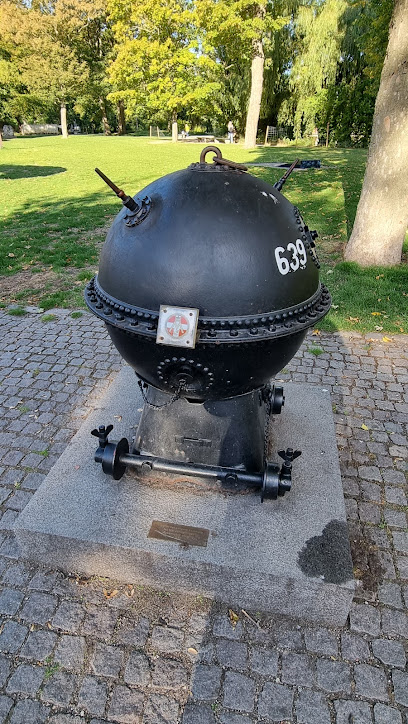
A disarmed World War II naval mine displayed in Churchill Park, turning a former weapon of the sea into a quiet reminder of conflict amid central Copenhagen’s greenery.
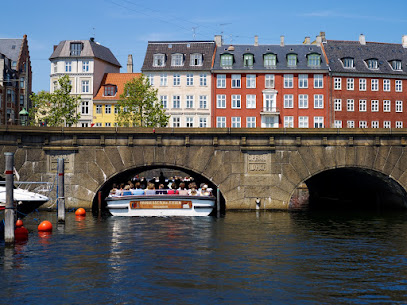
Stromma Canal Tours Copenhagen
0.8 km
A lush botanical oasis at the heart of Copenhagen, featuring historic glasshouses, rare Nordic plants, tranquil lakes, and immersive gardens for every season.
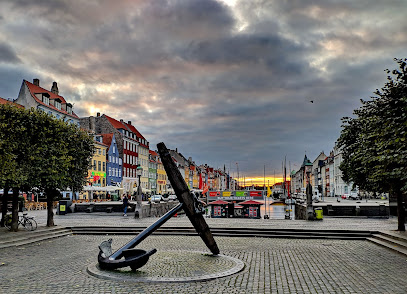
Memorial Anchor
0.8 km
A historic anchor monument honoring Danish WWII sailors, set at the heart of scenic Nyhavn, blending maritime history with Copenhagen’s lively canal atmosphere.
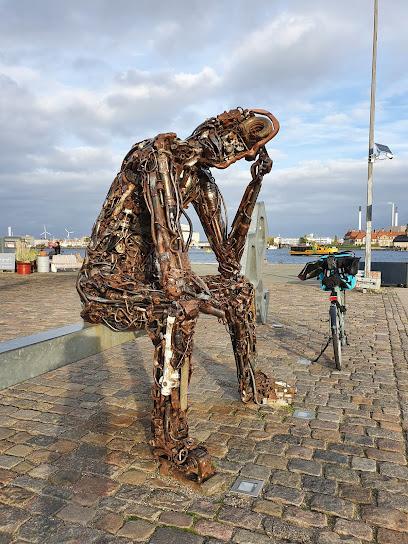
ZinkGlobal by Kim Michael
0.8 km
Aarhus University Park blends modernist architecture, landscaped gardens, and tranquil lakes to create an inviting oasis at the heart of Denmark’s vibrant student city.
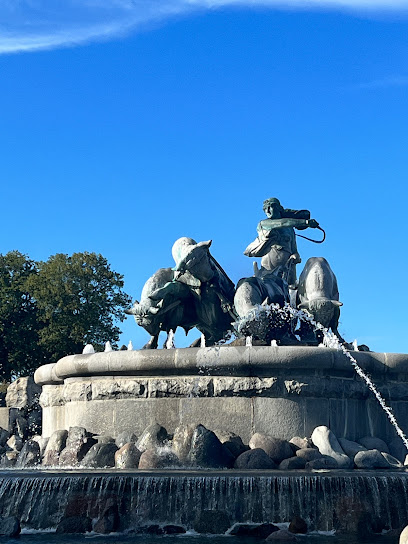
Gefion Fountain
0.8 km
A powerful Norse creation myth cast in bronze and spray, the Gefion Fountain unites legend, sculpture and harbor light on the edge of Churchillparken.
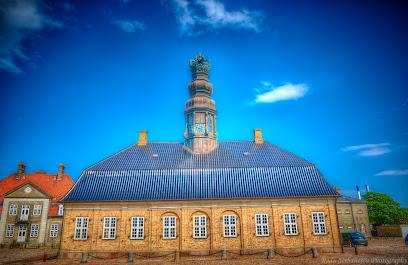
Nyholm Central Guardhouse
0.8 km
Discover Aarhus’s Latin Quarter, where historic charm meets a lively cultural scene, bustling cafés, artisan shops, and rich Danish heritage in the city’s oldest district.
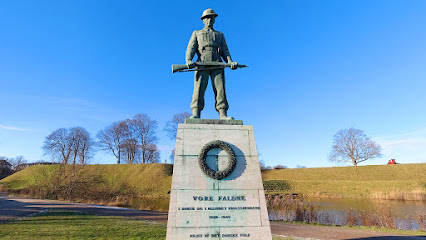
Our Fallen
0.9 km
A bronze tribute to World War II sacrifice, standing sentinel at Kastellet's gate since 1957.
Havnegade Promenaden
0.9 km
Copenhagen's revitalized waterfront promenade blending historic charm with playful modern recreation.
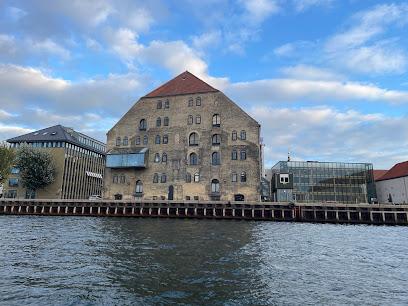
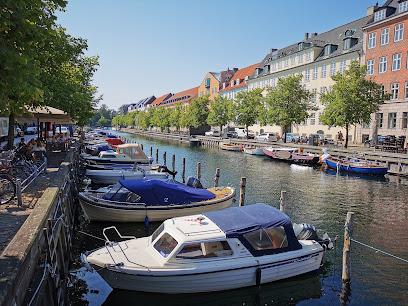
Christianshavns Kanal
0.9 km
Baroque grandeur and natural beauty meet at Denmark's Ledreborg Park, home to stately gardens, forested trails, cultural events, and peaceful countryside escapes.
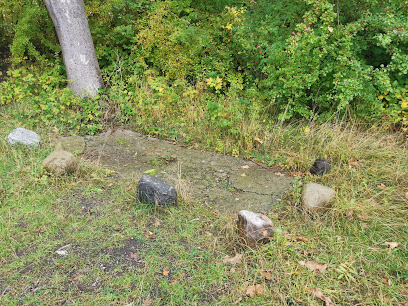
The Old Execution site in Copenhagen 1946-1950
0.9 km
A hidden concrete foundation marks where post-war Denmark executed Nazi collaborators in secrecy.
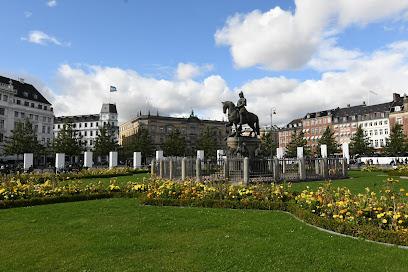
Kongens Nytorv
0.9 km
Historic observatory in Aarhus combining hands-on stargazing, interactive astronomy exhibits, and tranquil parkland with panoramic city views.
Unmissable attractions to see

Amaliehaven
0.3 km
A small but beautifully composed waterfront garden weaving royal vistas, sculpture, and harbor views into a calm green oasis in central Copenhagen.
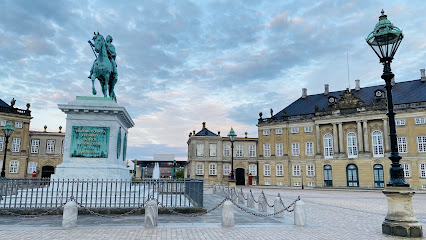
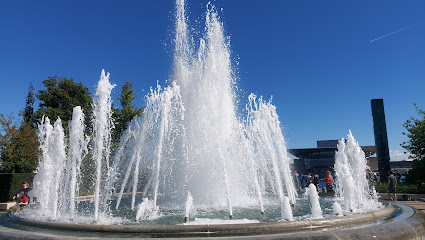
Springvandet i Amaliehaven af Arnaldo Pomodoro
0.3 km
A dramatic bronze fountain at the heart of Amaliehaven, where modern sculpture, royal views and harbor breezes meet in a tranquil geometric garden.
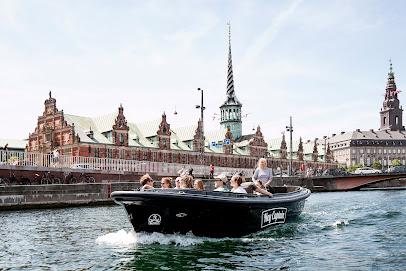
Hey Captain
0.4 km
Experience the heart of Hillerød at Fisketorvet, where shopping, dining, and culture converge in a historic market square.
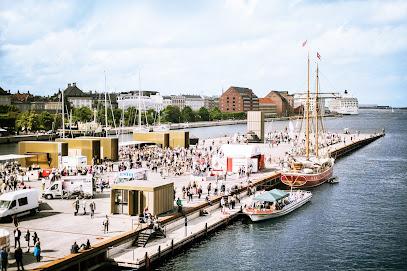
Ofelia Plads
0.4 km
A UNESCO-listed Renaissance fortress where royal history, sea vistas, and Hamlet legends converge at the gateway between Denmark and Sweden.
The Kissing Stairs
0.4 km
Stroll along Langelinie, Copenhagen’s bustling waterfront, where iconic statues, historic parkland, and sweeping harbor views create a quintessential maritime escape.
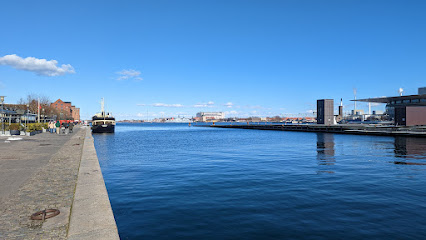
The Playhouse
0.4 km
A beautiful English gothic church in the heart of Copenhagen, St Alban’s blends British heritage and Danish history beside the city’s iconic fortifications.
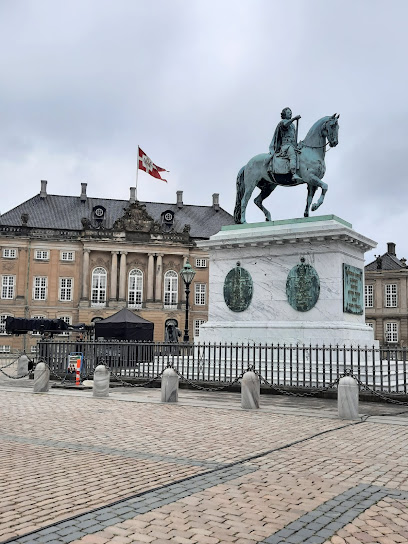
Rytterstatuen
0.5 km
A surreal subterranean art museum beneath Søndermarken Park, fusing Copenhagen’s 19th-century waterworks with modern installations and immersive experiences.
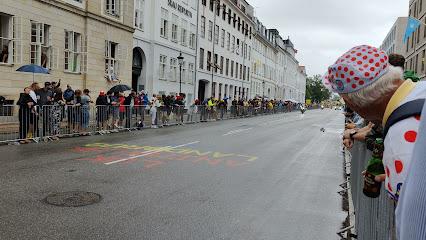
Amaliegade
0.5 km
A stately Copenhagen street where Rococo townhouses, royal colonnades and diplomatic mansions line a calm axis through the heart of Frederiksstaden.
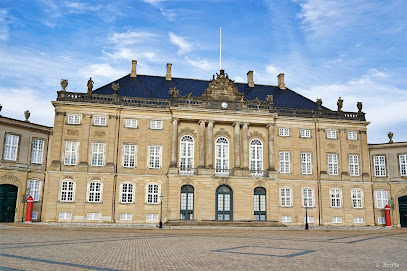
Amalienborg
0.5 km
Discover the majestic Rosenborg Castle—home to Denmark’s Crown Jewels, regal interiors, and lush gardens—offering a journey through centuries of royal Danish history.
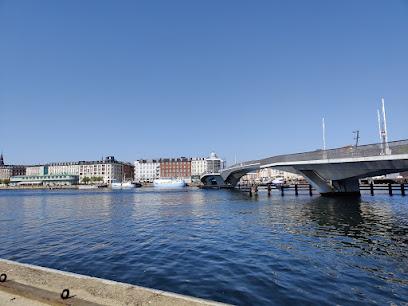
Inderhavnsbroen
0.5 km
Explore the evolution of Danish design at Copenhagen's historic Designmuseum Danmark.
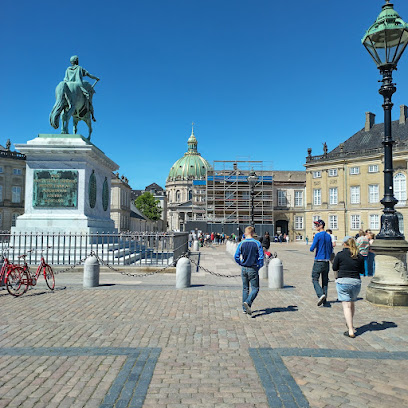
Amalienborg Palace Museum
0.5 km
Step behind the facades of Copenhagen’s royal square to explore intimate apartments, glittering gala halls and Fabergé treasures at Amalienborg Palace Museum.
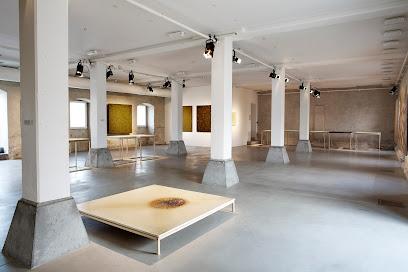
North Atlantic House
0.5 km
A 1767 waterfront warehouse transformed into Copenhagen’s vibrant gateway to the art, stories and flavors of Greenland, Iceland and the Faroe Islands.
Nyhavnsbroen & Nyhavn
0.6 km
A modest canal bridge with a grand view, Nyhavnsbroen is the perfect perch above Copenhagen’s most colourful harbour and its centuries of maritime stories.
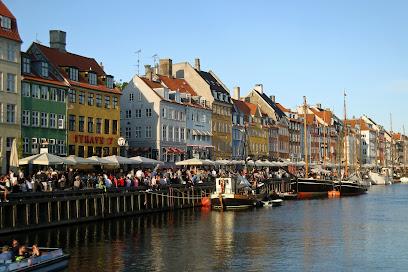
Nyhavn
0.6 km
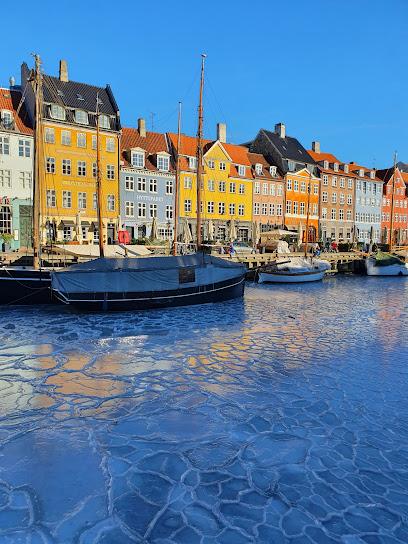
Copenhagen’s storybook harbour, where colourful 17th‑century houses, wooden ships and waterside cafés bring the city’s maritime history to life in one vivid canal.
Designmuseum Danmark
0.7 km
Copenhagen’s temple of design, where rococo halls, iconic Danish chairs and a tranquil garden reveal how beautifully made objects shape everyday life.

Essential places to dine

Restaurant Barr
0.5 km
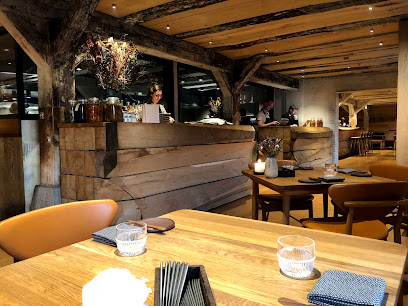
Modern North Sea cuisine, serious beer and warm Nordic design meet in a historic harbor-front warehouse in the heart of Copenhagen’s Christianshavn.
Khun Juk
0.5 km
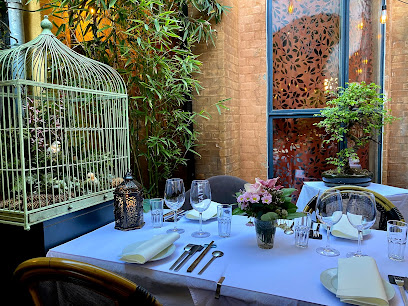
Refined Thai dining tucked into Copenhagen’s iconic Nyhavn, where candlelit tables, fresh flowers and layered flavors turn dinner into an intimate evening event.
Noma
0.7 km
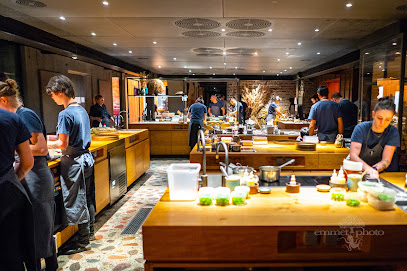
Boundary-pushing New Nordic tasting menus in an understated waterfront warehouse, where radical seasonality, fermentation and Danish warmth shape an immersive dining experience.
Skipperkroen
0.7 km
Harbourfront smørrebrød and seafood in an 18th‑century Nyhavn house, pairing classic Danish flavours with canal views from cosy rooms and a lively terrace.
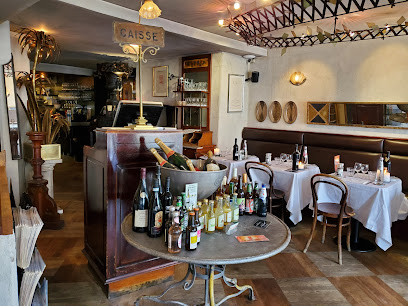
Cap Horn
0.7 km
Candlelit Nordic bistro in a historic Nyhavn townhouse, blending classic Danish seafood, canal views and cosy hygge from late morning to late evening.
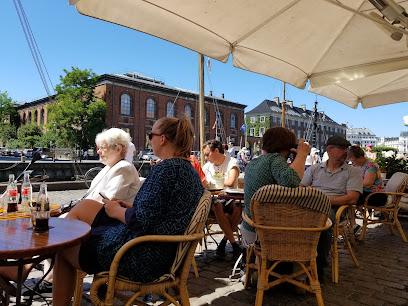
Aoc
0.7 km
Two Michelin stars of bold Nordic flavors in a historic 17th-century cellar.
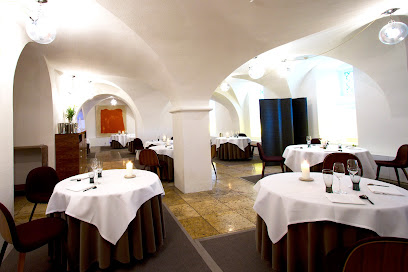
Nyhavns Færgekro
0.8 km
Classic Danish cooking and a famed herring buffet in a cozy canal-side tavern, set within one of Nyhavn’s colorful townhouses overlooking Copenhagen’s historic harbor.
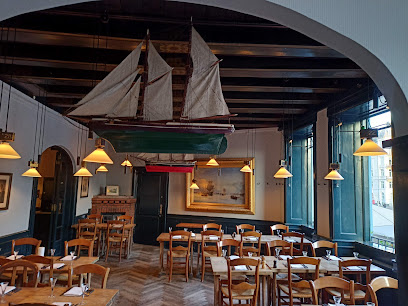
Restaurant Rebel
0.8 km
Seasonal Danish produce meets French technique at this relaxed, MICHELIN-recommended bistro on Store Kongensgade, where an open kitchen and inventive plates define the mood.
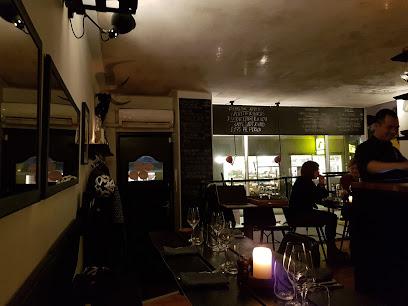
Restaurant Kanalen
0.9 km
Seasonal Danish cooking and relaxed Nordic elegance in a historic canalside house on Christianshavn, where boats glide past your table and the water sets the mood.
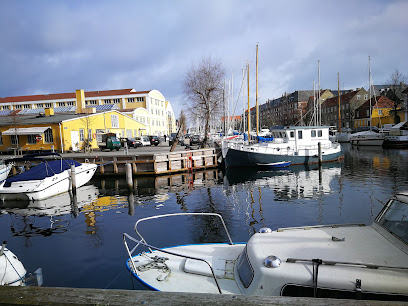
Goldfinch
0.9 km
Stylish Cantonese-inspired dining and cocktails on historic Kongens Nytorv, pairing shareable plates with a moody interior in the heart of Copenhagen.
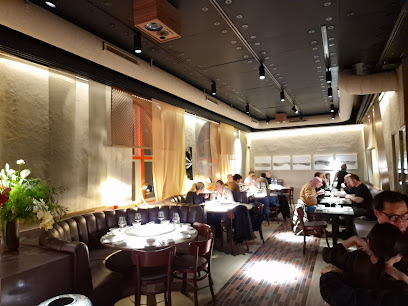
Restaurant Vita
0.9 km
Historic Danish dining in a former royal pharmacy, serving traditional smørrebrød and national classics.
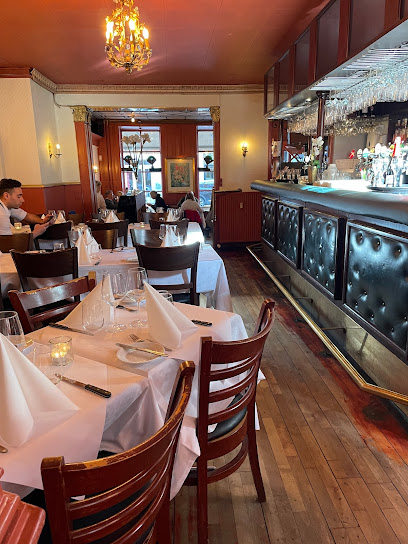
à terre
0.9 km
à terre brings French fine dining infused with Nordic creativity to central Copenhagen, offering an intimate, innovative tasting menu experience near Copenhagen’s key attractions.
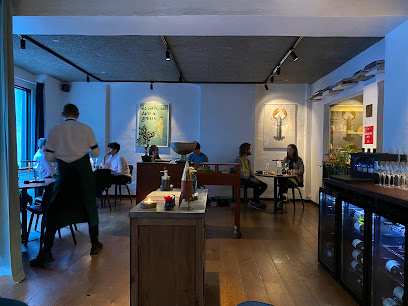
Den Lille Fede
0.9 km
Cosy, candlelit tasting-menu restaurant near Kongens Nytorv, where playful Nordic-inspired courses and thoughtful wine pairings turn dinner into an unhurried evening event.
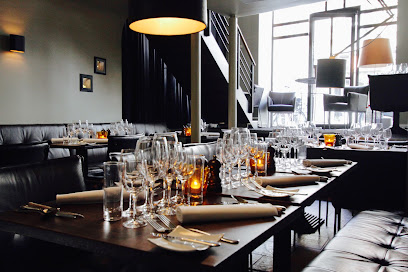
Restaurant Koefoed
0.9 km
Fine dining in a historic coal cellar celebrating Bornholm's culinary traditions and Danish gastronomy.
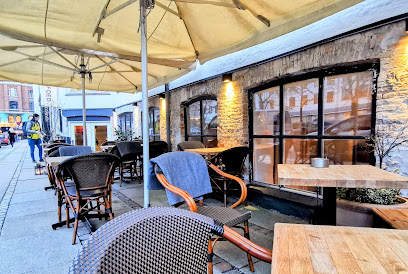
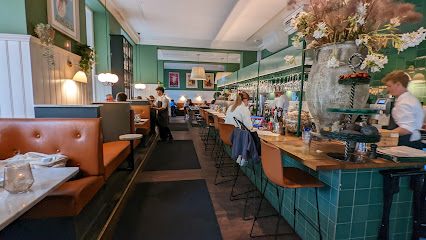
Bistro Royal
1.0 km
Elegant all‑day French‑Danish bistro on Kongens Nytorv, pairing brasserie classics with prime people‑watching and a lively, chandelier‑lit atmosphere.
Markets, malls and hidden boutiques

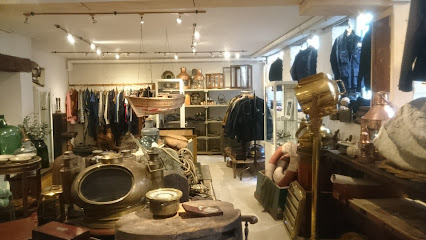
Maritime Antiques &
0.5 km
Atmospheric basement shop near Nyhavn where genuine maritime antiques share space with heritage-inspired clothing and rugged knitwear in a cosy, ship-like setting.
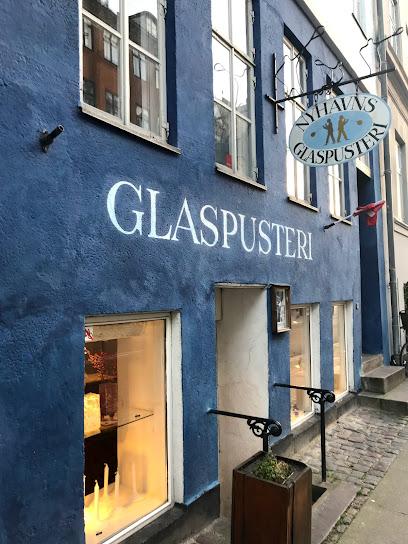
Copenhagenglass
0.6 km
Intimate glassblowing studio and shop near Nyhavn, where Danish maritime-inspired designs and hands-on sessions turn molten glass into memorable Copenhagen souvenirs.
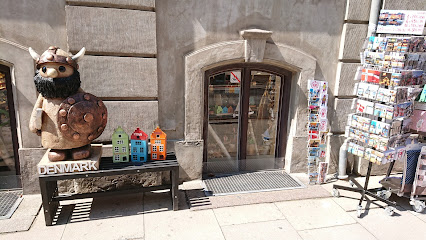
The Crown souvenir
0.6 km
Compact, colorful souvenir stop on elegant Amaliegade, perfect for picking up Danish flags, Little Mermaid trinkets and royal-themed keepsakes near Amalienborg.
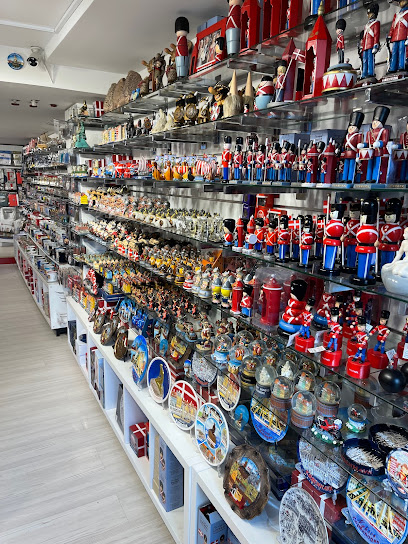
Royal Souvenir Shop
0.7 km
Compact and colourful, Royal Souvenir Shop on Bredgade distils Copenhagen into easy‑to‑pack gifts, from royal guards and Vikings to flags, mugs and playful keepsakes.
Zane
0.8 km
Intimate Copenhagen florist and design boutique on stylish Bredgade, blending seasonal blooms, Nordic homeware and thoughtful gifts in a cosy, lived-in space.
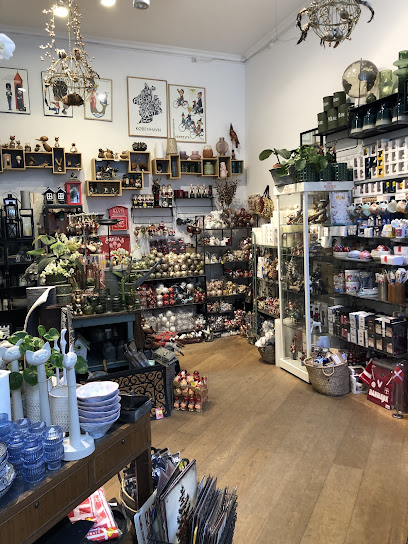
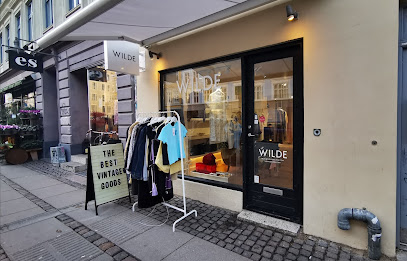
The Wilde Shop
0.9 km
A boutique vintage shop in Indre By, Copenhagen bringing together handpicked retro clothing, sustainable fashion, and curated Scandinavian style in a welcoming setting.
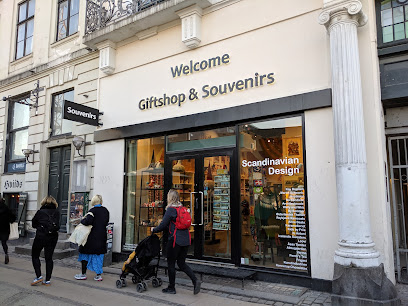
Welcome Giftshop & Souvenirs
1.0 km
Central Copenhagen’s cosy hygge boutique for Danish design, classic souvenirs, and easy last-minute gifts just off bustling Kongens Nytorv square.
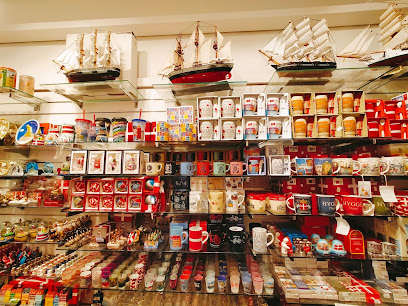
Viking Souvenirs
1.0 km
Authentic Danish and Viking-themed souvenirs in Copenhagen's historic city center.
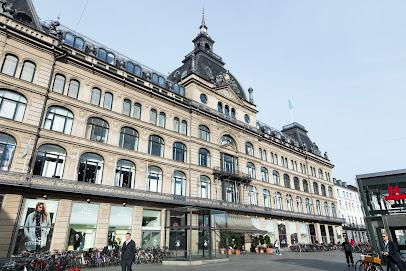
Magasin du Nord
1.0 km
Copenhagen’s classic department store: historic architecture, Nordic style, gourmet treats and relaxed cafés gathered under one elegant roof on Kongens Nytorv.
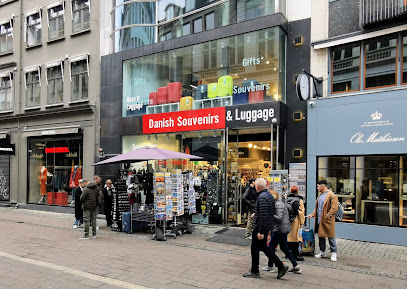
Danish Souvenirs & luggages
1.0 km
Central Strøget souvenir and luggage shop combining classic Danish mementos with practical travel gear, open long hours for convenient, last‑minute Copenhagen gifts.
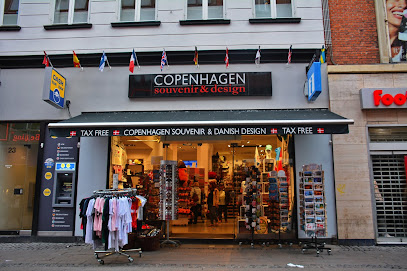
Copenhagen Souvenir & Design
1.0 km
Denmark's premier souvenir destination offering authentic Danish heritage, contemporary design, and quality gifts across seven city-center locations.
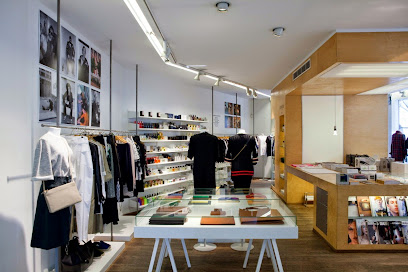
Storm - design art fashion
1.2 km
A pioneering Copenhagen concept store where avant-garde fashion, art, design objects and niche fragrances meet in a minimalist, gallery-like space on Store Regnegade.
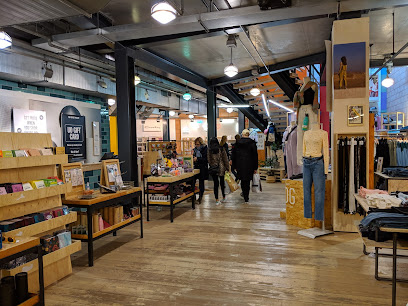
Urban Outfitters
1.2 km
Trendy multi-level fashion and lifestyle store bringing Urban Outfitters’ eclectic clothing, homeware and vinyl mix to the heart of Copenhagen’s Østergade.
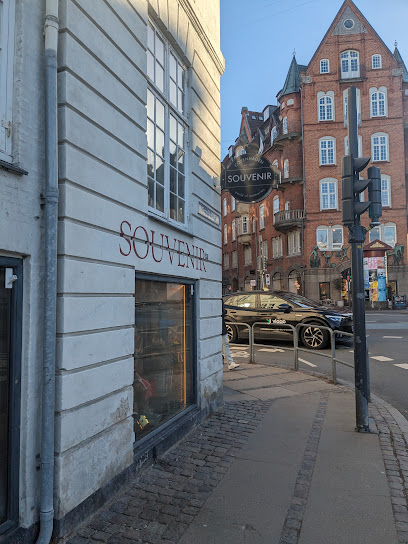
Copenhagen Souvenir & Design World of Memories
1.2 km
Denmark's largest souvenir chain with 14 locations offering over 2,000 authentic Danish keepsakes and contemporary design pieces.
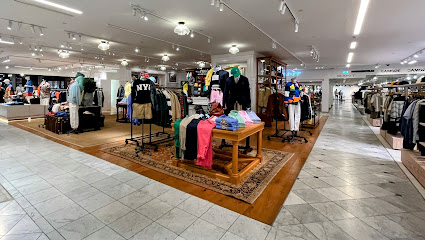
ILLUM
1.3 km
ILLUM is Copenhagen’s iconic department store, combining world-class fashion, Danish design, gourmet food, and rooftop views in historic Indre By.
Essential bars & hidden hideouts

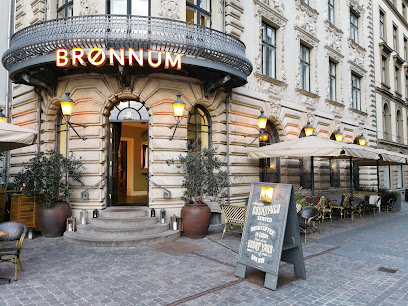
Brønnum
0.9 km
An opulent, multi‑room cocktail bar steps from Kongens Nytorv, where historic townhouse elegance meets contemporary mixology and candlelit late‑night conversation.
TATA Cocktail Bar
0.9 km
A velvet-draped, fireplace-warmed cocktail hideaway inside Hotel Sanders, where classic mixology, Danish design and theatre-inspired charm blend seamlessly.
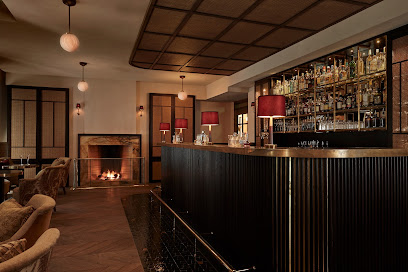
Black Swan
0.9 km
Craft-forward, cosy and unpretentious, Black Swan is Copenhagen’s inner-city local where rotating taps, serious cider and good conversation flow late into the night.
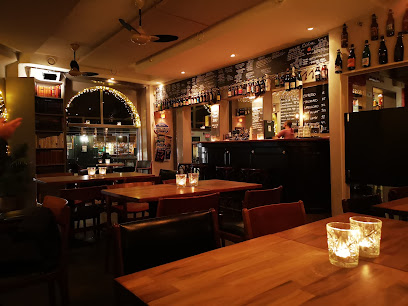
Aloha Beach Bar
1.0 km
Island-inspired cocktails, neon glow and late-night party vibes packed into a compact tropical bar just off Gothersgade in central Copenhagen.
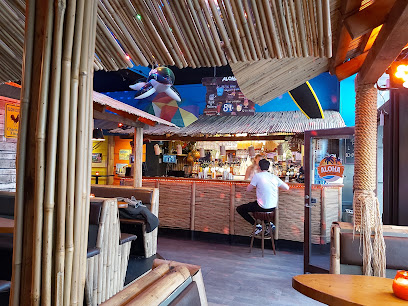
Bar Deco
1.0 km
Intimate Art Deco–inspired cocktail bar near Kongens Nytorv, pairing crafted drinks with moody lighting and a relaxed, grown‑up Copenhagen atmosphere.
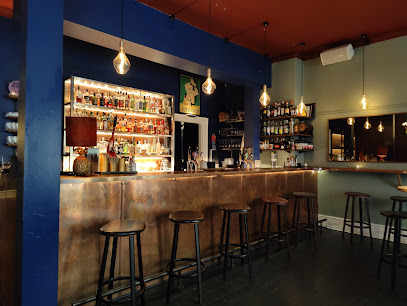
Eiffel bar
1.0 km
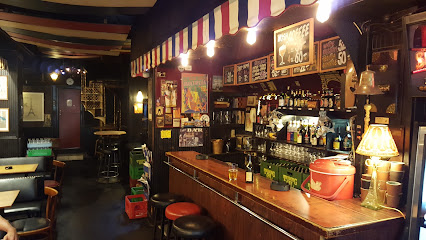
Experience the cozy atmosphere of Eiffel Bar in Copenhagen, where friendly service meets affordable drinks in a charming setting.
Balthazar
1.1 km
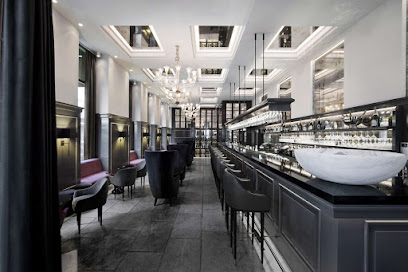
A luxurious Champagne bar at Hotel d’Angleterre, pairing an extensive bubbles list and crafted cocktails with velvet-luxe interiors and a lively DJ-backed ambience.
1105
1.1 km
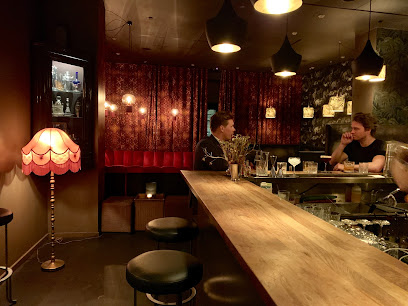
Intimate, dimly lit cocktail bar in Copenhagen’s 1105 postcode, pairing dark, elegant interiors with carefully crafted Nordic-inspired drinks and classic mixes.
The Moose
1.2 km
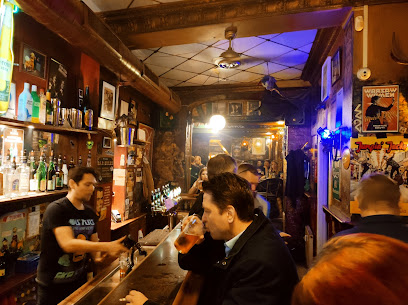
Graffiti-plastered walls, infamous moose murals and cheap late-night beers make this smoky Indre By dive bar a gritty, unpolished slice of Copenhagen nightlife.
Trykbar
1.2 km
Cosy, central Copenhagen bar with a strong beer list, warm lighting and a laid-back, inclusive atmosphere that blends hygge with lively late-night energy.
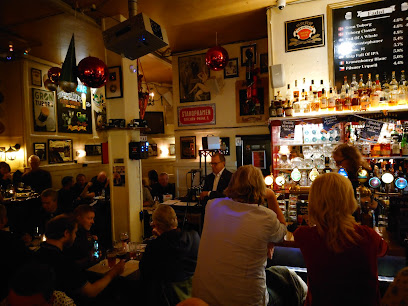
Charlie's Bar
1.3 km
Discover the enchanting atmosphere of Charlie's Bar, a cozy haven in Copenhagen offering a diverse drink selection and a vibrant local vibe.
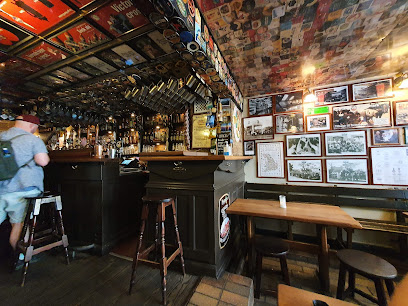
K-Bar
1.3 km
Intimate harbourfront cocktail den in central Copenhagen, known for monochrome style, inventive infusions and quietly confident classics poured with real care.
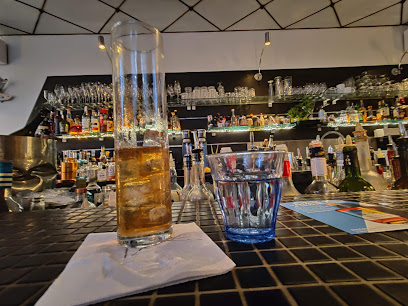
Ved Stranden
1.3 km
Canal-side natural wine bar and shop in a historic townhouse, blending Copenhagen charm, thoughtful bottles and relaxed, living-room warmth by Christiansborg Palace.
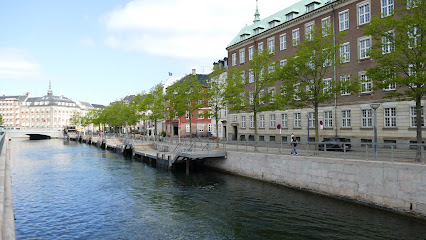
Bo-Bi Bar
1.3 km
Experience the vibrant nightlife of Copenhagen at Bo-Bi Bar, where delightful drinks and a welcoming atmosphere await.
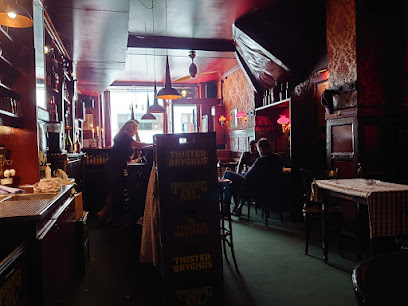
The Dubliner
1.4 km
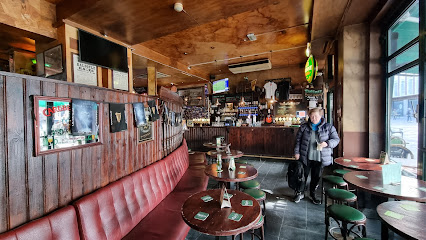
Lively Irish pub energy on Copenhagen’s Amagertorv, serving hearty pub classics, well-poured pints, live music and big-screen sport in a cosy, wood-lined setting.
Nightclubs & after hour spots

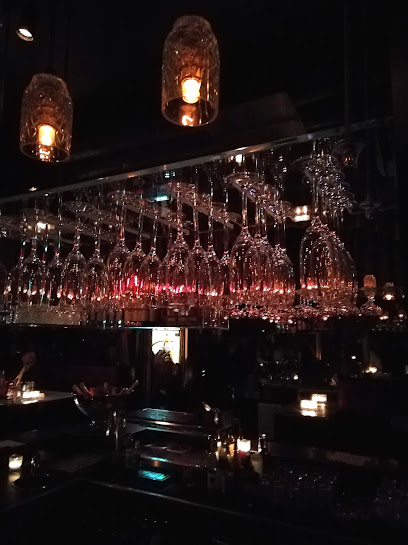
Lusso
1.1 km
A compact, high-end Copenhagen nightclub with champagne-forward table service, dim lighting and a stylish late-night crowd just steps from Kongens Nytorv.
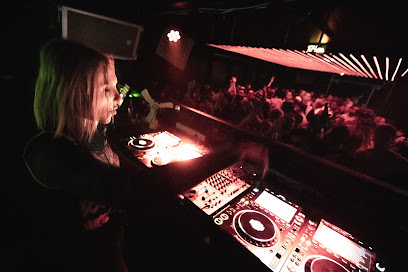
Culture Box
1.1 km
Discover the heartbeat of Copenhagen's nightlife at Culture Box, where music, art, and dance create an unforgettable experience.
Mini Bar
1.1 km
Discover the vibrant nightlife of Copenhagen at Mini Bar, a premier night club offering eclectic tunes and a lively atmosphere for unforgettable nights.
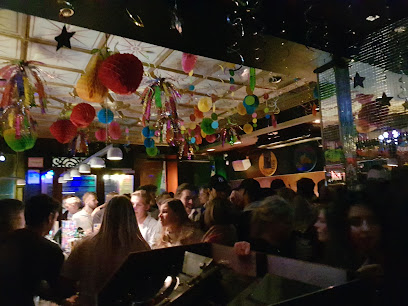
The Zoo
1.2 km
Intimate late-night nightclub on Sværtegade in Copenhagen’s historic center, blending a compact dance floor, DJ-driven beats and a casual, social bar atmosphere.
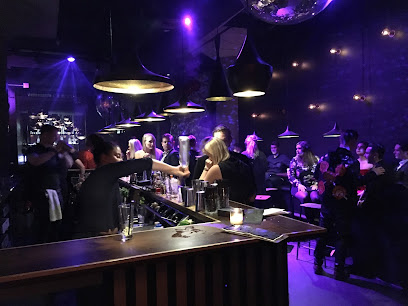
Chateau Motel
1.7 km
Discover the lively nightlife of Copenhagen at Chateau Motel, a top destination for cocktails and dancing in a vibrant atmosphere.
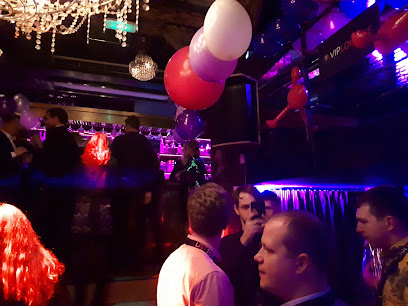
Hive
1.7 km
Copenhagen's premier high-end nightclub with cutting-edge design, VIP service, and immersive themed experiences.
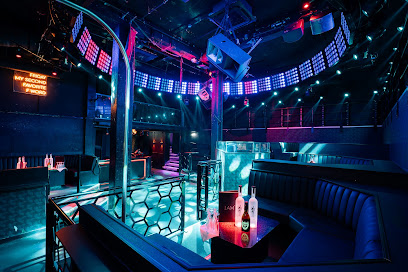
Rumors
1.8 km
Discover the heart of Copenhagen's nightlife at Rumors, where energetic vibes and unforgettable nights await you.
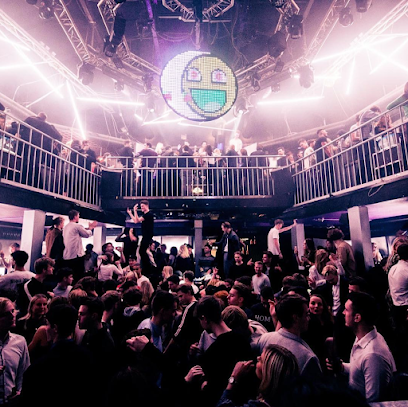
Mirror
1.8 km
Dive into the heart of Copenhagen's nightlife at Mirror, where the rhythm never stops and unforgettable memories are made.
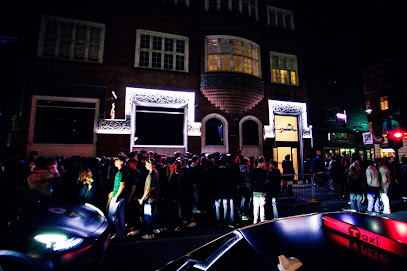
Arch
1.8 km
Discover the vibrant nightlife of Copenhagen at Arch, a premier night club offering electrifying music and an unforgettable atmosphere.
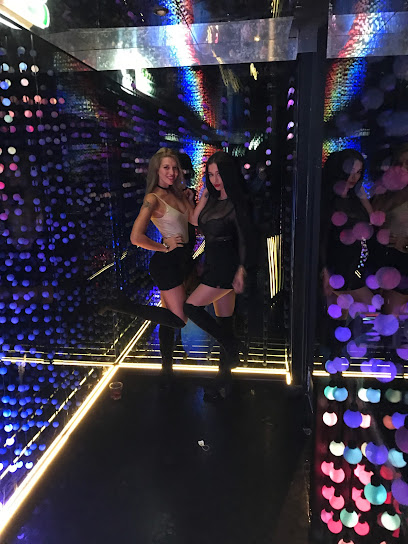
Mirage
1.8 km
Dive into the electrifying nightlife at Mirage, Copenhagen's premier night club for an unforgettable evening of music, dancing, and entertainment.

Miami Bar
1.8 km
Discover Copenhagen's nightlife at Miami Bar, where cocktails and dancing create unforgettable nights in a vibrant atmosphere.
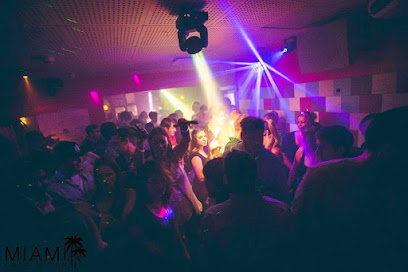
La Terraza
1.9 km
Compact nightclub on Studiestræde in Copenhagen’s old town, offering loud beats, straightforward drinks and an unpretentious late-night dance floor.
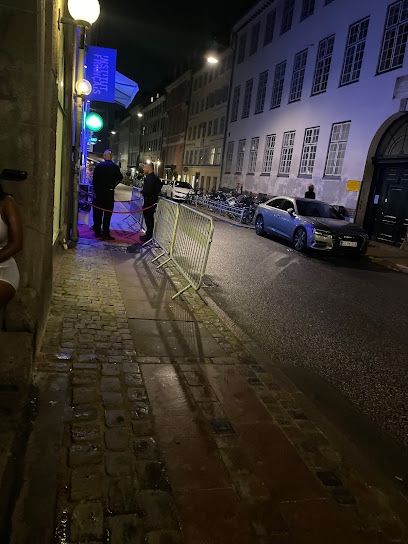
Club Mambo
1.9 km
Experience the energetic nightlife of Copenhagen at Club Mambo, a vibrant night club offering salsa dancing, cocktails, and delicious dining.
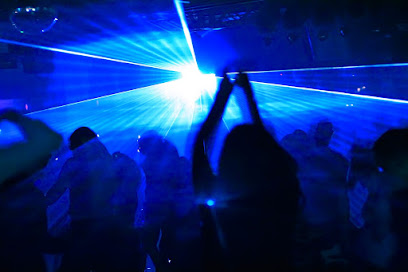
Dorsia
1.9 km
Central Copenhagen nightclub with late‑night DJs, cocktails and an image‑conscious crowd packed into a dark, modern interior off busy Kattesundet.
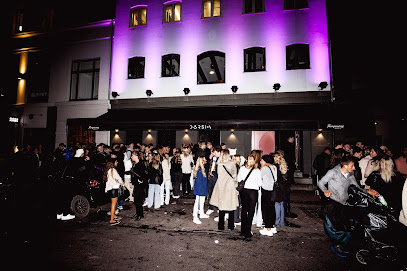
Cosy Bar
2.0 km
Discover the lively atmosphere of Cosy Bar, a top gay nightclub in Copenhagen offering fantastic music, vibrant crowds, and unforgettable nights.
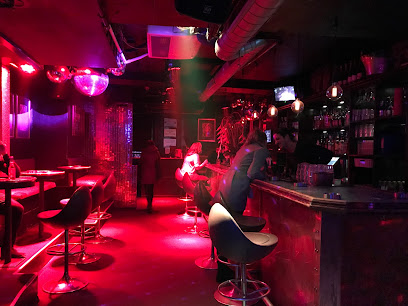
For the vibe & atmosphere seeker
- Scenic
- Unique
- Entertaining
- Romantic
- Lively
For the design and aesthetic lover
- Modern Designs
- Minimalist Designs
For the architecture buff
- Modern
- Landmarks
- Art & Design
- Viewpoints
For the view chaser and sunset hunter
- Iconic Views
- Waterfront
- Skyline
- Sunset Spots
For the social media creator & influencer
- Instagrammable
- Photo Spots
- Selfie Spots
- Architectural Shots
- Reel-Friendly
For the eco-conscious traveler
- Public-Transport Accessible
- Car-Free Access
- Low Impact
For the kind of experience you’re after
- Cultural Heritage
- Photowalk
- Adventure Photo Shoot
- Day Trip
- Weekend Getaway
For how adventurous you want the journey to be
- Easy Access
Location Audience
- Family Friendly
- Senior Friendly
- Child Friendly
- Teen Friendly
- Wheelchair Access
- Solo Friendly
- Couple Friendly
- Solo Female Friendly
- Business Friendly
- LGBT Friendly


