
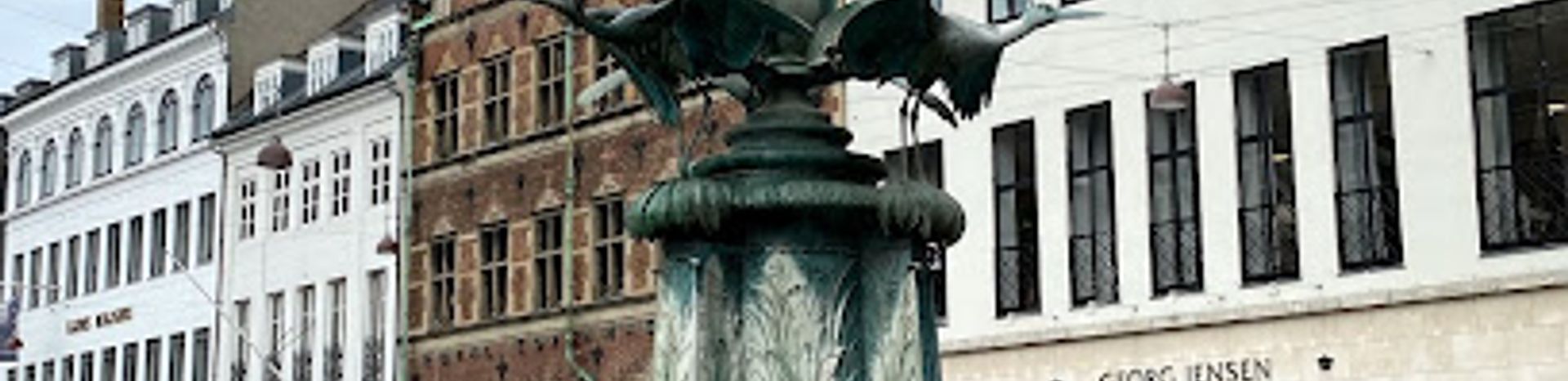
Stork Fountain (Storkespringvandet), Amagertorv
Elegant 1894 bronze fountain on Amagertorv, where storks, royal history and everyday city life meet in the busy heart of Copenhagen’s old town.
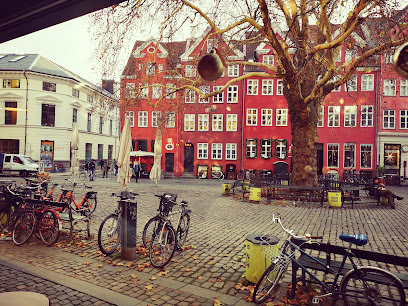
Set at the heart of Copenhagen’s old town on Amagertorv, the bronze Stork Fountain is a beloved 1894 landmark and classic meeting point along the Strøget pedestrian street. Three elegant storks poised as if about to take flight rise above a circular basin, framed by Renaissance façades, flagship shops and café terraces. Free to visit and always accessible, it is as much an everyday gathering place as a small piece of Danish history, complete with a quirky midwives’ dance tradition each May.
A brief summary to Stork Fountain
- Amagertorv 6, Copenhagen, København K, 1160, DK
- +4570222442
- Visit website
- Duration: 0.5 to 1.5 hours
- Free
-
 Outdoor
- Mobile reception: 5 out of 5
Local tips
- Come early in the morning for clear photos of the fountain and surrounding façades before Strøget fills with shoppers and street performers.
- Stand at the edge of the basin and look outward: the radiating streets give you an instant feel for the layout of Copenhagen’s historic core.
- If visiting in late May, ask locally whether newly graduated midwives are dancing around the fountain, a long-running Copenhagen tradition.
- Combine a quick stop here with a slow coffee at one of the nearby cafés to enjoy people-watching as the square steadily comes to life.

For the on-the-go comforts that matter to you
- Restrooms
- Drink Options
- Drinking Water
- Food Options
- Seating Areas
- Trash Bins
- Information Boards
- Visitor Center
Getting There
-
Metro from central Copenhagen
From Nørreport Station, take any Cityring metro line (M1, M2, M3 or M4) one stop to Gammel Strand or Kongens Nytorv; both stations are within a short urban walk of Amagertorv. The ride itself is around 2–3 minutes, with trains running every few minutes throughout most of the day. A single zone ticket or City Pass typically costs the same as any inner‑city metro journey in Copenhagen, and lifts and escalators make the stations accessible for most visitors.
-
Bus within the inner city
Several city bus lines serve stops close to Strøget and Amagertorv, with travel times from other central neighbourhoods usually between 5 and 20 minutes depending on distance and traffic. Standard bus fares match metro prices for equivalent zones, and tickets or travel cards cover both modes. Buses can be crowded at rush hour, but they offer a straightforward option if you prefer to minimise walking from outlying districts.
-
Cycling in the city centre
Copenhagen’s dense network of bike lanes makes cycling to Amagertorv a practical choice from most central districts, often taking 5–15 minutes. You can use a rental or shared bike; typical day rentals are priced at a modest daily rate, while app‑based bikes charge per minute. Remember that Strøget itself is pedestrianised, so you will need to dismount and walk the final stretch, and keep in mind that bike parking space near the square can be limited at busy times.
-
Walking from nearby central areas
From major central landmarks such as City Hall Square, Gammel Strand or Kongens Nytorv, reaching the Stork Fountain on foot usually takes about 5–15 minutes at a relaxed pace. The route is flat and fully paved, passing through busy pedestrian streets with frequent crossings and shopfronts, which makes it suitable for most visitors, including those pushing strollers or using mobility aids, though crowds can slow progress at peak shopping hours.
Stork Fountain location weather suitability
-
 Any Weather
-
 Clear Skies
-
 Mild Temperatures
-
 Cold Weather
-
 Rain / Wet Weather
Discover more about Stork Fountain
A bronze landmark in Copenhagen’s historic heart
The Stork Fountain stands in the middle of Amagertorv, one of Copenhagen’s oldest squares and a natural pause point along the Strøget pedestrian spine. Here, between ornate gabled townhouses and upscale shopfronts, the fountain’s slim bronze storks rise above the paving stones, catching the northern light and anchoring the bustle of the old town. Unveiled in 1894, the fountain quickly became a preferred rendezvous spot. Today it still serves as a kind of urban compass point: an easy place to say “meet me by the storks” before exploring nearby streets, cafés and side alleys.Royal celebrations and artistic craftsmanship
The fountain was presented in 1894 in connection with the silver wedding anniversary of Crown Prince Frederik, later King Frederik VIII, and Crown Princess Louise. This royal occasion gave the piece instant prestige and cemented Amagertorv’s role as a ceremonial as well as commercial space. The design was drawn by Edvard Petersen and realized in bronze by sculptor Vilhelm Bissen, who gave the storks their distinctive sense of movement. Perched on a central column, wings half-spread, they appear ready to lift off above the basin, a subtle symbol of renewal and forward motion in a city that was modernizing fast at the end of the 19th century.Symbolism, details and the life of the square
Storks carry rich associations in Danish folklore, tied to good fortune, fertility and new beginnings. That symbolism finds physical form here, where water spills gently from beaks and ledges into the round basin below. The sculpture is finely worked yet robust, made to withstand both coastal weather and constant human company. Around it stretches Amagertorv’s fan of cobblestones and geometric paving, lined by façades that reveal centuries of architectural styles. Outdoor tables cluster nearby in warmer months, street musicians often set up within earshot, and the fountain’s low rim becomes informal seating for shoppers, office workers and sightseers taking a short break.A quirky midwives’ tradition in May
One of the square’s more charming rituals dates back to 1950, when it became customary for newly graduated midwives to dance around the fountain. Each May, white-clad students arrive with flowers, laughter and music, circling the storks in celebration of their new profession. The sight underlines how closely the fountain is woven into the city’s social fabric. It is not just a decorative object, but a stage for small ceremonies, chance meetings and everyday rituals that repeat year after year.Experiencing the fountain throughout the day
Early in the morning, the fountain can feel almost contemplative, with only the sound of water and the echo of footsteps along largely empty streets. By midday the tone changes: shoppers crowd the paving, cyclists pass the ends of the square, and the air is filled with the clink of cups from nearby cafés. After dark, soft lighting picks out the bronze surfaces while the surrounding windows glow, giving the storks a slightly theatrical presence. Whether you linger for a photo, rest at the edge of the basin or simply cross the square on your way elsewhere, the fountain offers a brief but vivid snapshot of Copenhagen city life.A compact stop on a wider city wander
The Stork Fountain itself is small and can be appreciated in a short visit, making it an easy inclusion on a broader walk through the inner city. Its central position places you within steps of churches, historic squares and shopping streets, yet the immediate space still manages to feel contained and readable. Taken together—the royal backstory, folkloric storks, midwives’ dance and constant movement around the basin—this modest fountain encapsulates much of what defines Copenhagen: tradition carried lightly, artistry integrated into daily routines, and public space used as a shared living room.Iconic landmarks you can’t miss

Højbro
0.1 km
A historic iron arch bridging Copenhagen’s lively city centre and stately Slotsholmen, with hidden folklore sculptures stirring beneath its calm canal waters.
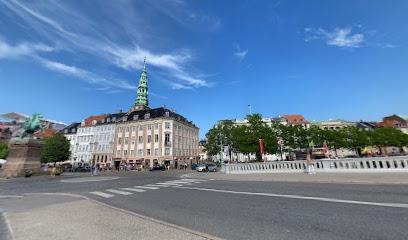
Varehuset Messen
0.2 km
A historic 1895 department store turned business college, crowned by Hermes and layered with centuries of mercantile and intellectual history on Købmagergade.

Frederik VII
0.3 km
Bronze monument in central Copenhagen commemorating King Frederik VII and Denmark’s 19th-century transition to constitutional monarchy, steps from political landmarks.
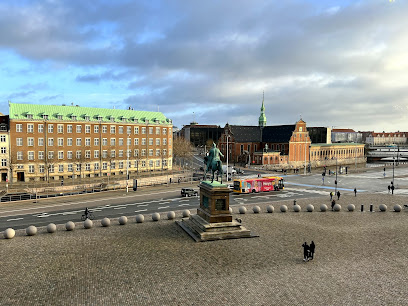
Holmens Bro
0.3 km
A modest granite arch in central Copenhagen that quietly connects Slotsholmen’s palaces with the city’s streets, offering classic harbour views and everyday urban life.
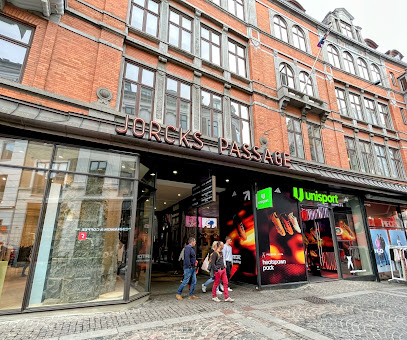
Jorcks Passage
0.3 km
Historic 1890s covered arcade where telephone wires once connected a nation, now a charming shopping passage in Copenhagen's heart.
Equestrian statue of Christian IX
0.4 km
A quiet yet powerful royal monument in Christiansborg’s riding ground, uniting a pivotal Danish king with the groundbreaking sculptor who cast him in bronze.
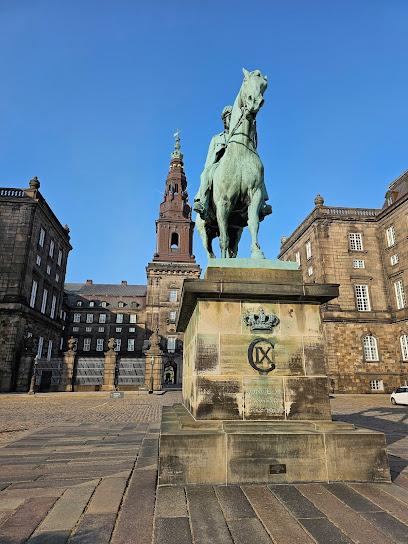
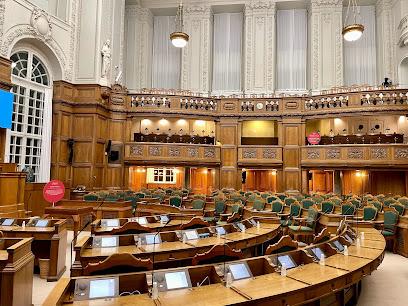
The Danish Parliament
0.4 km
Where copper spires, royal salons and granite façades frame the working heart of Danish democracy on Copenhagen’s historic Island of Power.
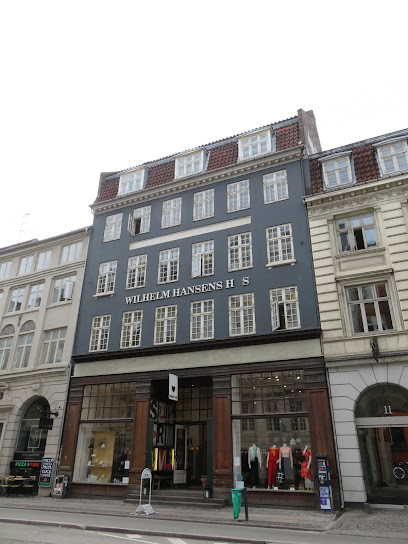
Wilhelm Hansens Hus
0.4 km
Former home of Denmark’s leading music publisher, quietly anchoring Gothersgade’s elegant streets between royal gardens and lively Kongens Nytorv.
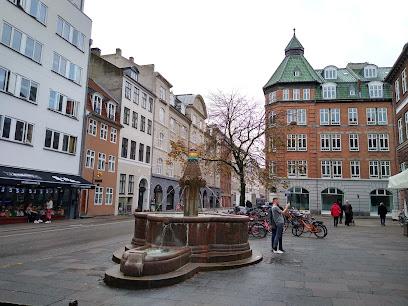
Vandkunsten Springvand
0.5 km
A hidden gem where medieval water engineering meets early 20th-century artistry in Copenhagen's charming Old Town.
Indre By
0.5 km
Medieval streets, royal palaces, and European shopping converge in Copenhagen's historic heart.
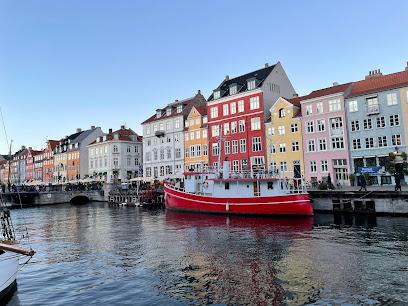
Børsen
0.5 km
Copenhagen's legendary Dragon Spire and Dutch Renaissance masterpiece—a 400-year-old trading hub bearing witness to centuries of Danish commerce.
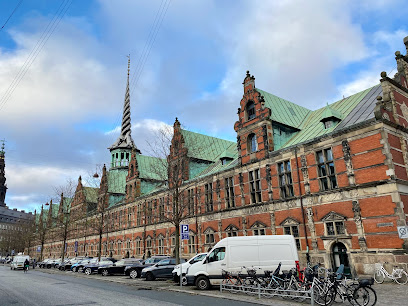
Gammeltorv
0.5 km
Discover Copenhagen's only Russian Orthodox Church, renowned for its gilded domes, lavish icons, and evocative ties to Denmark's royal and multicultural heritage.
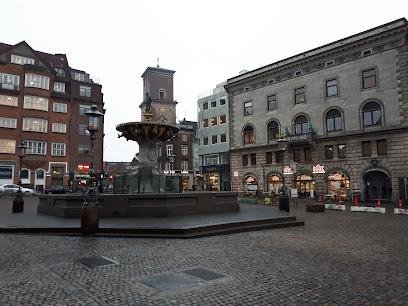
Church of Our Lady
0.5 km
Denmark's neoclassical cathedral, crowned with Thorvaldsen's masterpiece sculptures and centuries of royal ceremony.
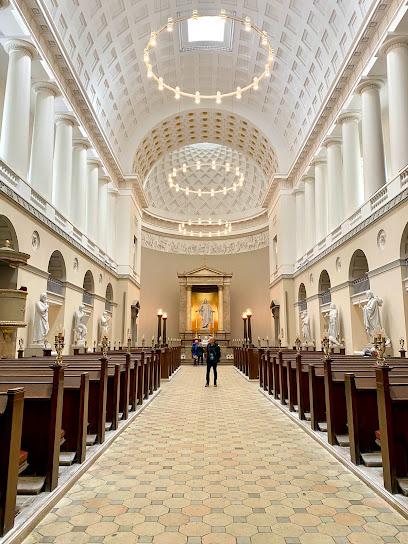
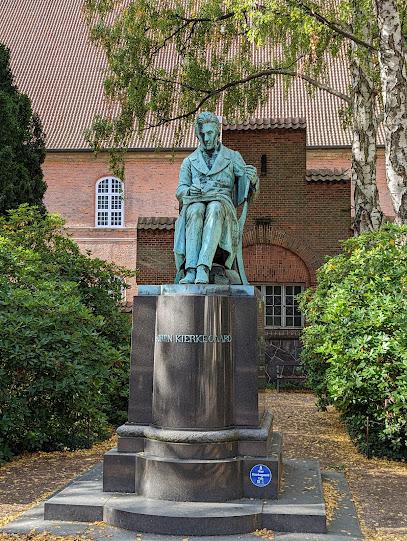
Søren Aabye Kierkegaard by Louis Hasselriis
0.5 km
Discover Nordic art, culture, and cuisine from Iceland, Greenland, and the Faroe Islands at North Atlantic House, a historic waterfront warehouse in Copenhagen.
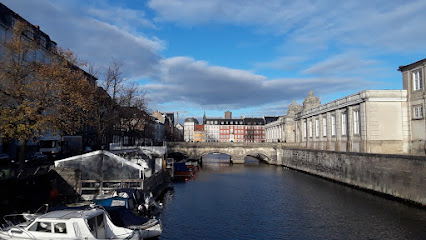
Frederiksholms Kanal
0.5 km
Discover the charm of Frederiksholms Kanal, Copenhagen's picturesque canal, perfect for peaceful strolls and cultural exploration.
Unmissable attractions to see

Højbro Pl.
0.1 km
Open, airy and steeped in history, Højbro Plads is Copenhagen’s neoclassical city living room between canal, palace views and busy pedestrian streets.
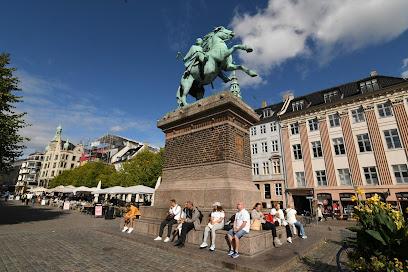
Højbro Plads
0.1 km
A historic canal in central Copenhagen, Frederiksholms Kanal blends royal heritage, elegant facades, and tranquil waterways in the heart of the Danish capital.
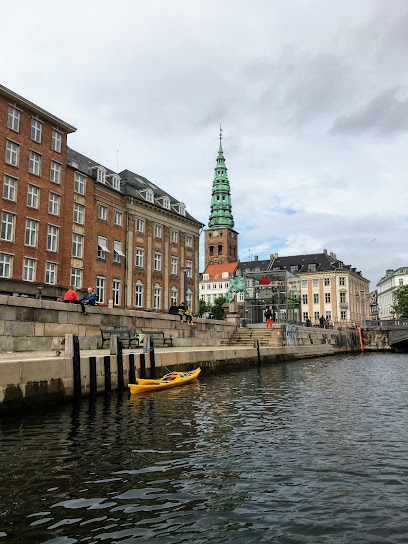
Læderstræde
0.1 km
A cosy Old Town side street where rebuilt 18th‑century townhouses, Danish design boutiques and laid‑back cafés create a calm, human‑scaled alternative to busy Strøget.
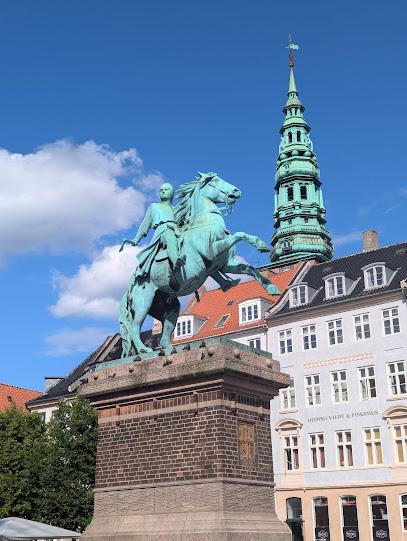
Bishop Absalon
0.1 km
Denmark’s national gallery showcases Nordic and international masterpieces in stunning, light-filled halls—SMK is a must-visit for art lovers in Copenhagen.
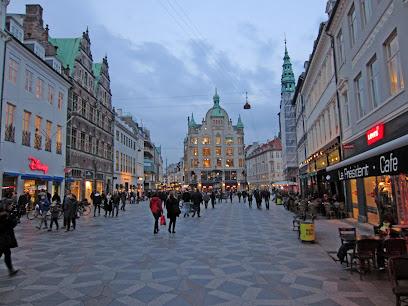
Amagertorv
0.1 km
Copenhagen’s historic marketplace turned elegant pedestrian square, where storks, cobblestones and centuries‑old facades meet modern design and city life.
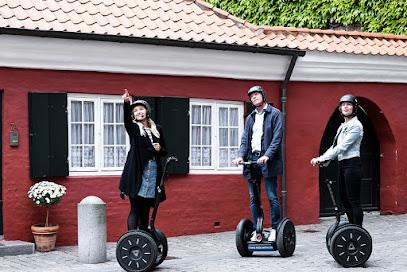
Segway Tours Copenhagen
0.1 km
Strikingly modern, immersive, and acoustically exceptional, DR Koncerthuset is Copenhagen's world-renowned concert hall and a must-visit for music and architecture lovers.
Nikolaj Art Gallery
0.1 km
Medieval church transformed into a beacon of experimental contemporary art in Copenhagen's historic heart.
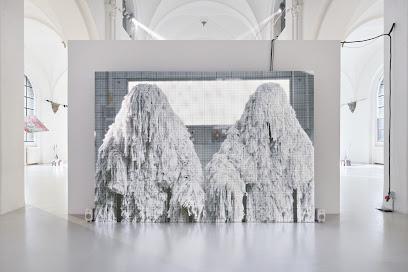
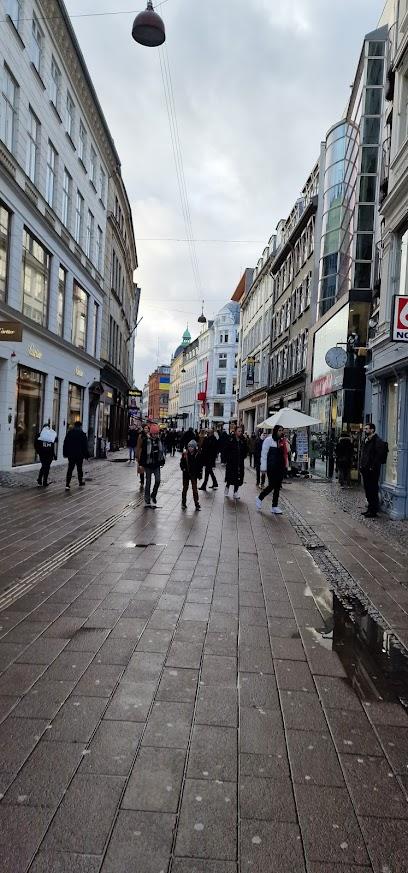
Strøget
0.1 km
Copenhagen’s longest pedestrian promenade, Strøget blends historic streets, designer boutiques and animated street life into one continuous urban stroll.
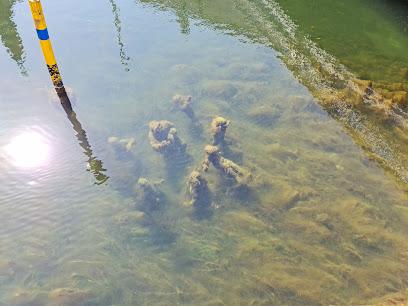
Agnete and the Merman Statue
0.1 km
A submerged family of bronze beneath Højbro Bridge brings an old Danish ballad of love, faith and abandonment to life in the heart of historic Copenhagen.
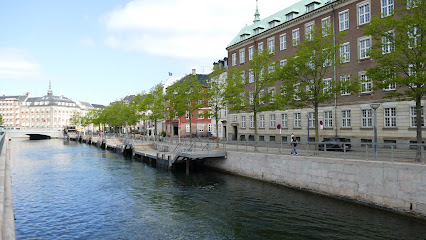
Ved Stranden
0.1 km
Copenhagen’s famous waterfront promenade blending royal history, iconic monuments, and scenic strolls along the city’s vibrant harborside.
Stromma Canal Tours
0.2 km
Discover the world of 'Nordic gold' at the Copenhagen Amber Museum, where history, science, and stunning amber artifacts meet in Nyhavn’s oldest house.
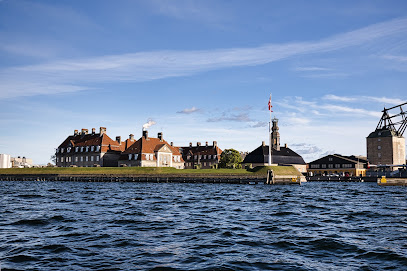
Gammel Strand
0.2 km
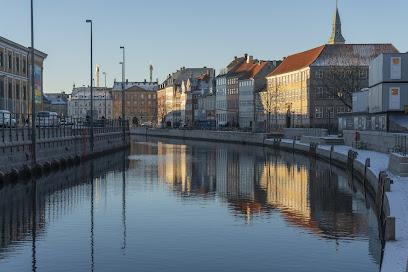
A historic Copenhagen harbourfront where Viking-age roots, colourful 18th‑century facades and a contemporary art centre meet beside the city’s central canal.
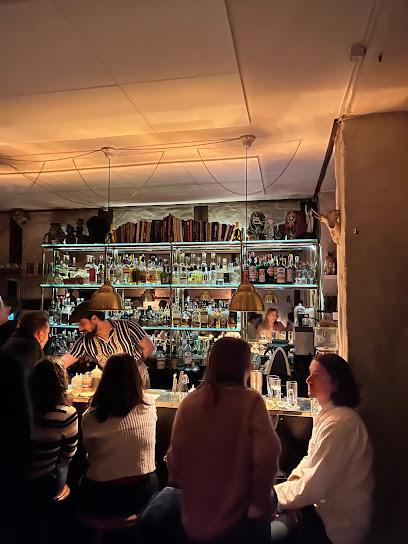
Balderdash
0.2 km
Strikingly designed by Jean Nouvel, Copenhagen’s DR Koncerthuset offers world-class acoustics and a dynamic program of classical, jazz, and international concerts.
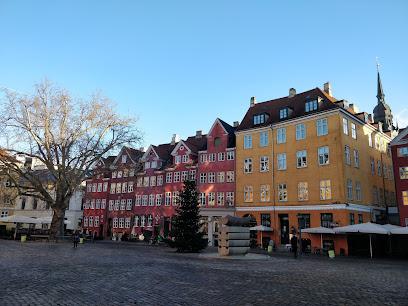
Gråbrødretorv
0.2 km
Mythic grandeur meets urban tranquility at Copenhagen’s spectacular Gefion Fountain, a must-see bronze sculpture and water feature rooted in Norse legend.
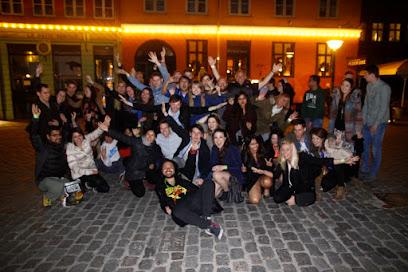
Pub Crawl Copenhagen
0.3 km
Experience the vibrant blend of history and modernity at Sankt Hans Torv, Nørrebro's lively public square.
Essential places to dine

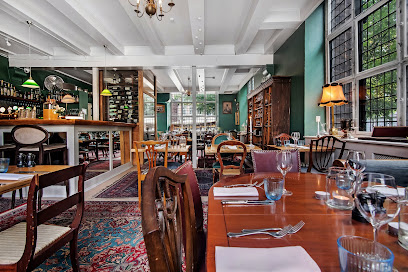
Restaurant Maven
0.1 km
Distinctive Scandinavian dining in the soaring nave of a former church, Restaurant Maven offers inventive cuisine and fine wine in Copenhagen's historic Indre By.
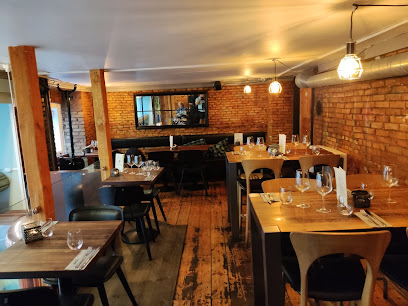
Restaurant Tight
0.2 km
Cozy multi-level townhouse restaurant in Copenhagen’s Old Town serving Nordic cuisine with a sunny southern twist, generous portions and a warm, brick-and-beam atmosphere.
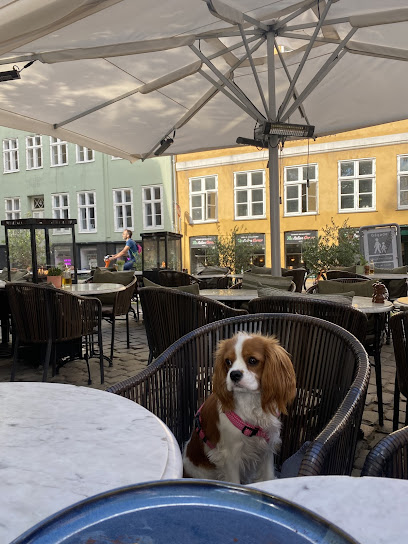
Restaurant Sole D’Italia - København
0.2 km
Classic stone-oven pizzas and familiar Italian favourites served on one of Copenhagen’s most atmospheric squares in the heart of the old town.
Marv & Ben
0.2 km
Inventive New Nordic tasting menus and Danish culinary artistry await in an atmospheric 18th-century townhouse in Copenhagen’s historic Indre By.
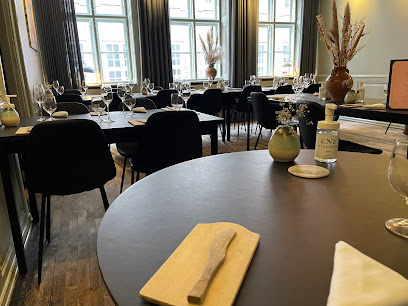
King Hans Cellar
0.3 km
Historic vaulted cellars, cutting-edge Nordic cuisine, and centuries-old royal ambiance converge at Copenhagen’s legendary King Hans Cellar fine dining restaurant.
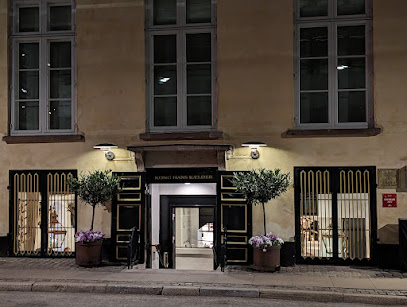
Llama
0.3 km
Latin American flavors, bold cocktails and patterned-tile design bring Peruvian and Mexican energy to a lively, late-night restaurant just off Kongens Nytorv.
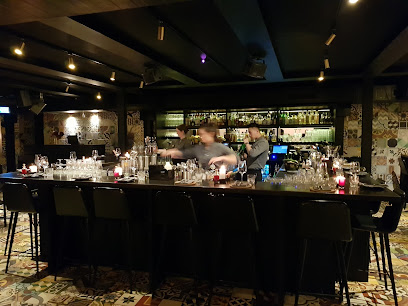
Wining and Dining
0.3 km
French-inspired fine dining with exceptional wines in Copenhagen's historic heart
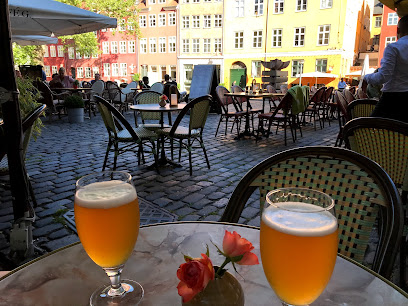
Københavner Cafeen
0.3 km
Traditional Danish comfort food and smørrebrød served in a cozy, low-lit cellar restaurant on a historic Copenhagen side street steeped in hygge.
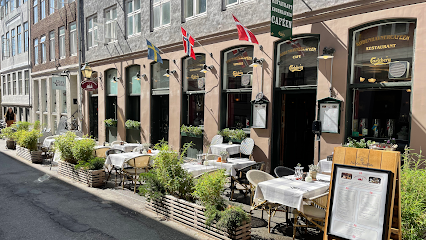
l’Alsace
0.3 km
Classic French bistro cooking, polished wines and candlelit charm in the heart of Copenhagen’s shopping streets.
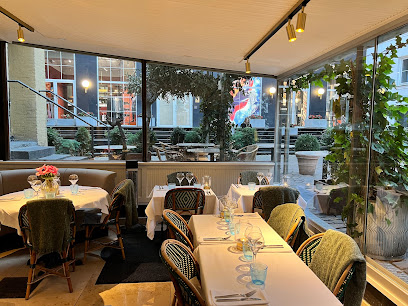
Restaurant 1733
0.3 km
Traditional Danish smørrebrød and hearty classics served in a cosy 18th‑century townhouse on Nybrogade, with canal views and warm, informal hospitality.
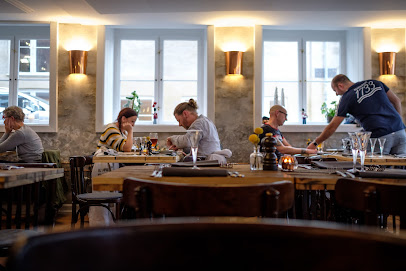
Restaurant Kronborg
0.3 km
Warm, candlelit hygge in Copenhagen’s old town, where classic Danish smørrebrød, hearty lunches and aquavit bring traditional flavors to a cosy side-street dining room.
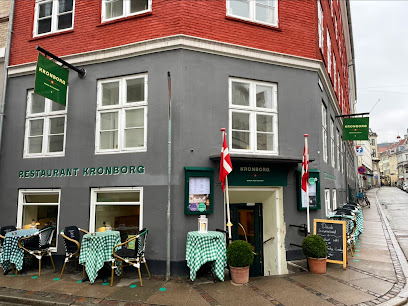
Det Lille Apotek
0.4 km
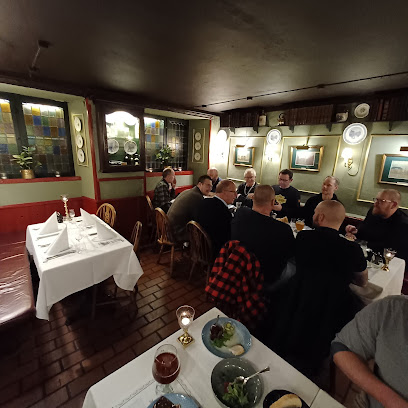
Copenhagen’s oldest restaurant, where candlelit wooden rooms, traditional Danish dishes and centuries of stories create a warm slice of true Danish hygge.
Marchal
0.4 km
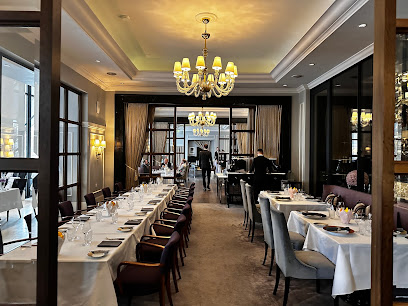
Michelin-starred Nordic–French fine dining in the historic elegance of Hotel d’Angleterre on Copenhagen’s grand Kongens Nytorv.
Frank
0.4 km
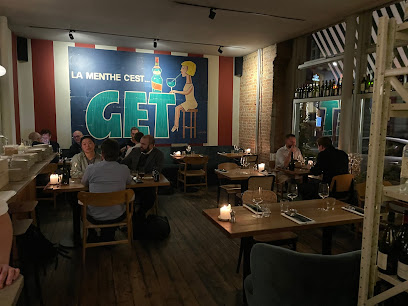
A candlelit Copenhagen luxury bistro where an open kitchen, bold seasonal cooking and an exceptional wine list create an intimate, wine-lover’s evening.
Restaurant Grønnegade
0.4 km
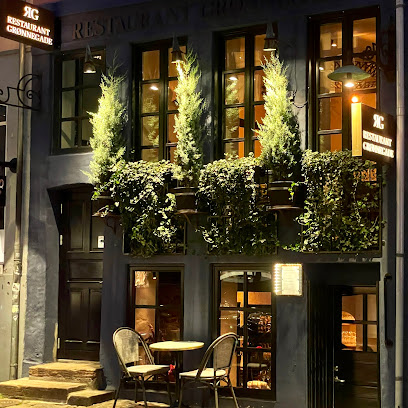
Seasonal Danish‑French fine dining in a 17th‑century Copenhagen townhouse, offering intimate, adults‑only evenings with polished service and thoughtful wine pairings.
Markets, malls and hidden boutiques

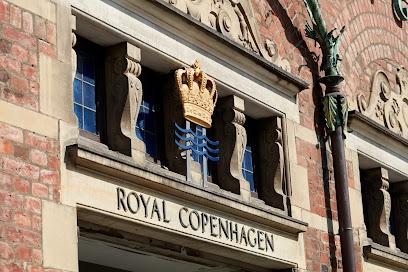
Royal Copenhagen Flagship Store
0.0 km
Historic Renaissance townhouse on Strøget where hand‑painted Royal Copenhagen porcelain, royal history and Danish design culture meet across three atmospheric floors.
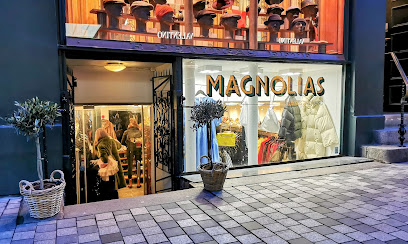
Magnolias
0.1 km
A compact, upscale secondhand boutique on Købmagergade, Magnolias blends Copenhagen chic with curated pre-loved designer fashion in the city’s historic shopping heart.
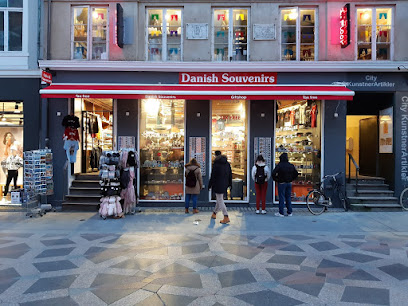
Danish Souvenirs & Luggages
0.1 km
Central Strøget gift shop combining classic Danish souvenirs with practical luggage and bags, perfectly placed for a quick browse between Old Town sights.
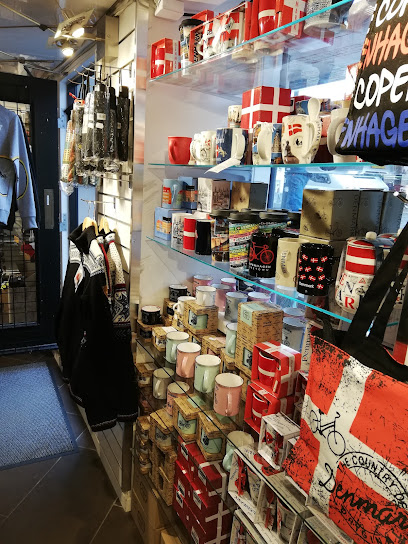
Danish Souvenirs
0.1 km
Central Copenhagen souvenir hub on Højbro Plads, packed with Danish icons, practical travel extras and long opening hours just steps from Strøget.
Hygge Original
0.1 km
A cozy Danish design shop on Amagertorv, offering hygge-inspired clothing, textiles and gifts in a calm, Scandinavian setting amid Copenhagen’s busiest streets.
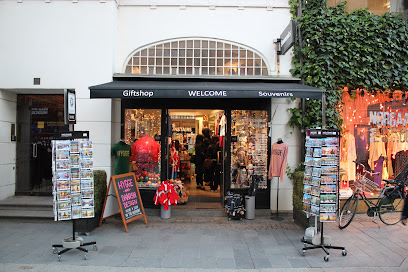
ILLUM
0.1 km
ILLUM is Copenhagen’s iconic department store, combining world-class fashion, Danish design, gourmet food, and rooftop views in historic Indre By.
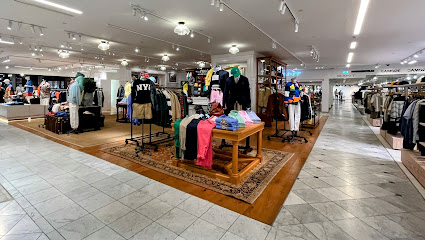
Urban Outfitters
0.1 km
Trendy multi-level fashion and lifestyle store bringing Urban Outfitters’ eclectic clothing, homeware and vinyl mix to the heart of Copenhagen’s Østergade.
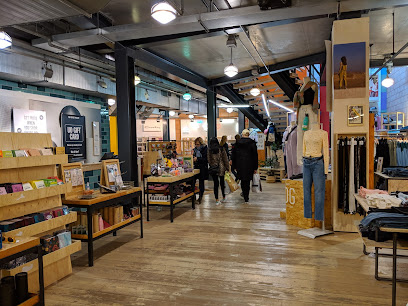
& Other Stories
0.2 km
Contemporary Scandinavian fashion, shoes, accessories and beauty in a bright, minimalist space on Copenhagen’s iconic Strøget shopping street.
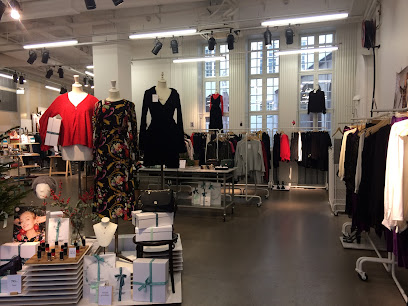
Akimbo
0.2 km
A cosy basement gift shop in Copenhagen’s old town, packed with colourful design, quirky treasures and hygge-infused souvenirs on charming Hyskenstræde.
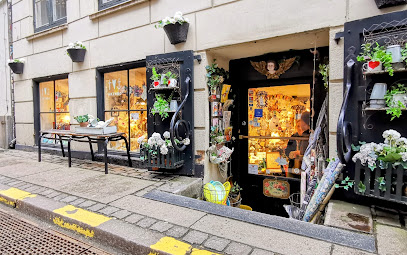
Norse Store
0.2 km
Minimalist Scandinavian fashion and lifestyle boutique in central Copenhagen, offering a curated mix of premium menswear, footwear and design-led essentials.
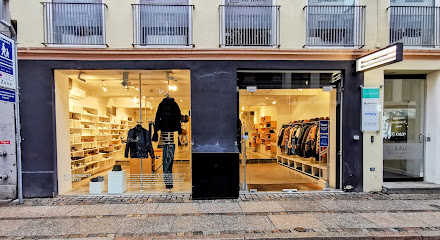
Audrey Vintage
0.2 km
Curated vintage fashion in Copenhagen's heart, where timeless style meets sustainable shopping.
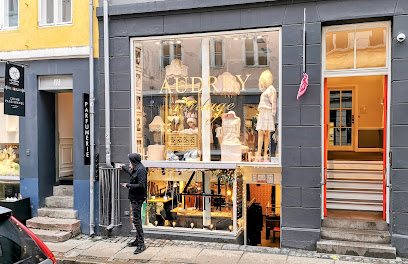
Magasin du Nord
0.3 km
Experience Danish elegance, international fashion, and gourmet food in Copenhagen’s historic Magasin du Nord—an iconic department store blending tradition and style since 1894.
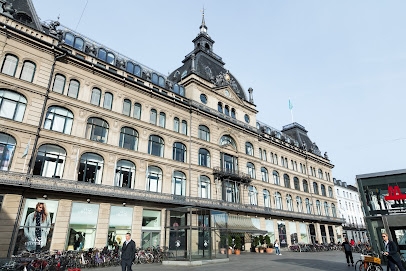
Norse Projects
0.3 km
Scandi-cool flagship store pairing minimalist Nordic design with functional, all-season clothing in a calm, gallery-like space in central Copenhagen.
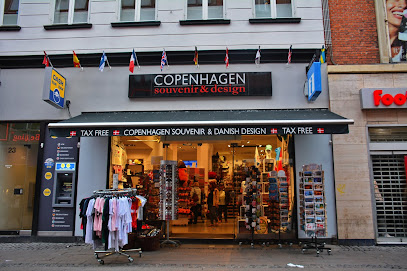
Copenhagen Souvenir & Design
0.3 km
Denmark's premier souvenir destination offering authentic Danish heritage, contemporary design, and quality gifts across seven city-center locations.
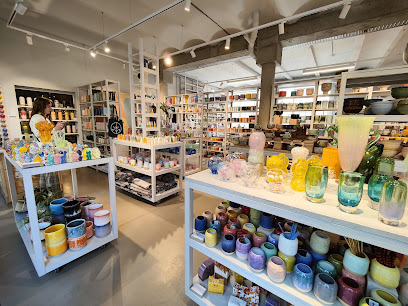
Studio Arhoj
0.3 km
A working Copenhagen design studio where shelves of colorful ceramics and glass meet the sights, sounds and warmth of craft being made in real time.
Essential bars & hidden hideouts

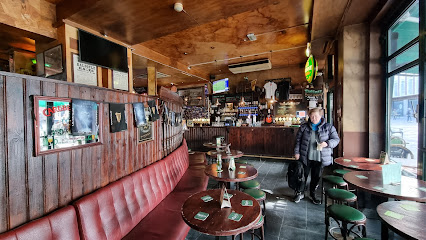
The Dubliner
0.0 km
Lively Irish pub energy on Copenhagen’s Amagertorv, serving hearty pub classics, well-poured pints, live music and big-screen sport in a cosy, wood-lined setting.
K-Bar
0.1 km
Intimate harbourfront cocktail den in central Copenhagen, known for monochrome style, inventive infusions and quietly confident classics poured with real care.
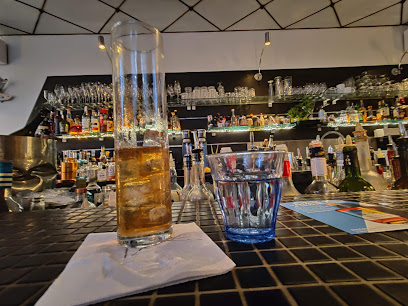
The Bird and The Churchkey
0.2 km
Discover the vibrant atmosphere of The Bird and The Churchkey, a must-visit bar in Copenhagen for craft beer and creative cocktails.
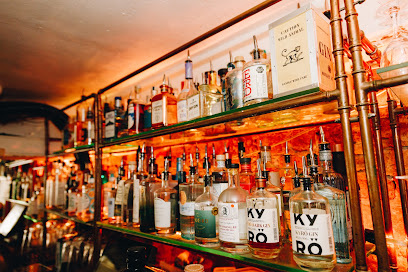
Lord Nelson Bar
0.2 km
Experience the vibrant nightlife and craft cocktails at Lord Nelson Bar, a historic gem in the heart of Copenhagen's bustling streets.
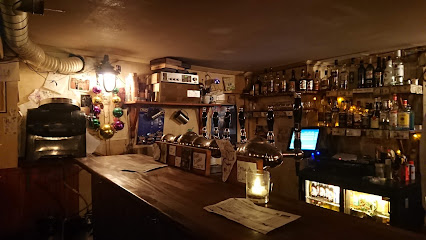
Charlie's Bar
0.2 km
Discover the enchanting atmosphere of Charlie's Bar, a cozy haven in Copenhagen offering a diverse drink selection and a vibrant local vibe.
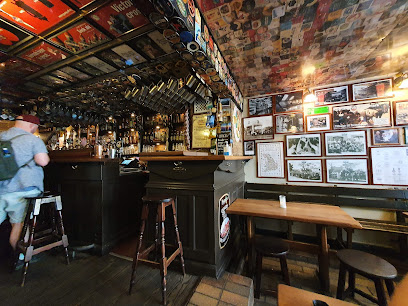
1105
0.3 km
Intimate, dimly lit cocktail bar in Copenhagen’s 1105 postcode, pairing dark, elegant interiors with carefully crafted Nordic-inspired drinks and classic mixes.
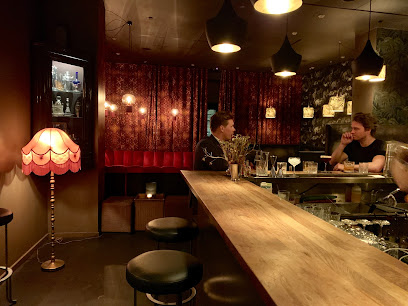
Bo-Bi Bar
0.3 km
Experience the vibrant nightlife of Copenhagen at Bo-Bi Bar, where delightful drinks and a welcoming atmosphere await.
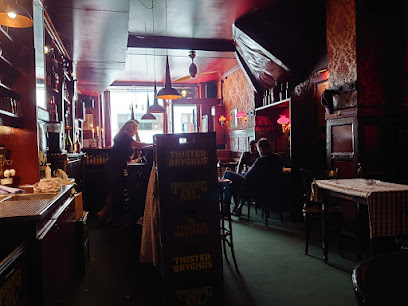
The Moose
0.3 km
Graffiti-plastered walls, infamous moose murals and cheap late-night beers make this smoky Indre By dive bar a gritty, unpolished slice of Copenhagen nightlife.
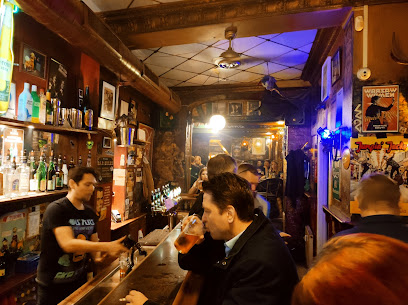
Strøm
0.3 km
Discover Strøm, Copenhagen's chic cocktail bar, blending a vibrant social club atmosphere with exquisite wine selections for an unforgettable night out.
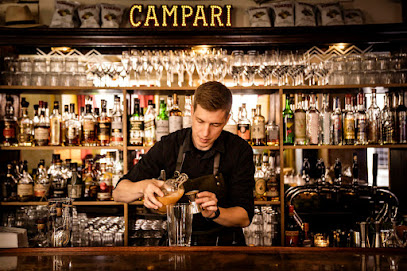
The Jane
0.3 km
Mad Men–style speakeasy meets late-night dance floor in a warren of hidden rooms, leather sofas and cocktail-fuelled energy beneath central Copenhagen.
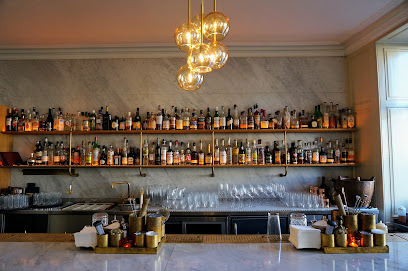
Ruby
0.3 km
An unmarked 18th‑century townhouse on Nybrogade hides Ruby, a quietly glamorous cocktail institution where inventive drinks meet candlelit canal-side charm.
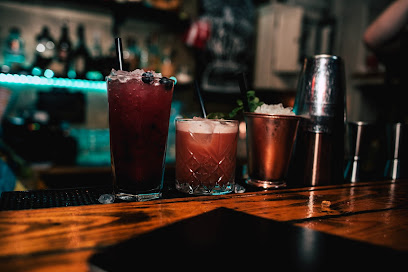
Bæst Cocktailbar
0.3 km
Intimate basement cocktail bar in Copenhagen’s old town, pairing creative drinks with warm lighting, easygoing music and a sociable late-night city-centre vibe.
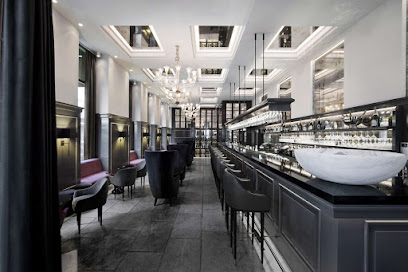
Balthazar
0.3 km
A luxurious Champagne bar at Hotel d’Angleterre, pairing an extensive bubbles list and crafted cocktails with velvet-luxe interiors and a lively DJ-backed ambience.
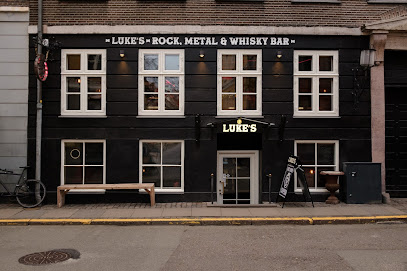
Luke's Bar
0.3 km
Copenhagen's premier luxury dive bar where fine whisky meets authentic rock and metal culture.
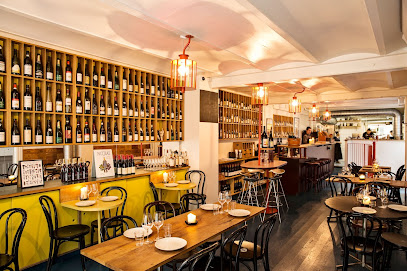
Bar'Vin
0.3 km
Discover the charm of Bar'Vin, a cozy restaurant and wine bar in Copenhagen, offering exquisite wines and delicious Danish cuisine.
Nightclubs & after hour spots

The Zoo
0.3 km
Intimate late-night nightclub on Sværtegade in Copenhagen’s historic center, blending a compact dance floor, DJ-driven beats and a casual, social bar atmosphere.
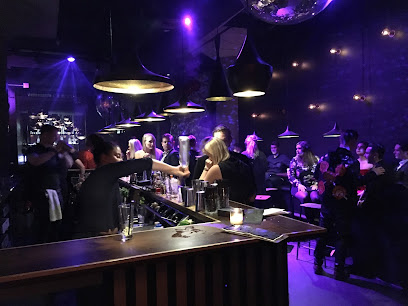
Lusso
0.3 km
A compact, high-end Copenhagen nightclub with champagne-forward table service, dim lighting and a stylish late-night crowd just steps from Kongens Nytorv.
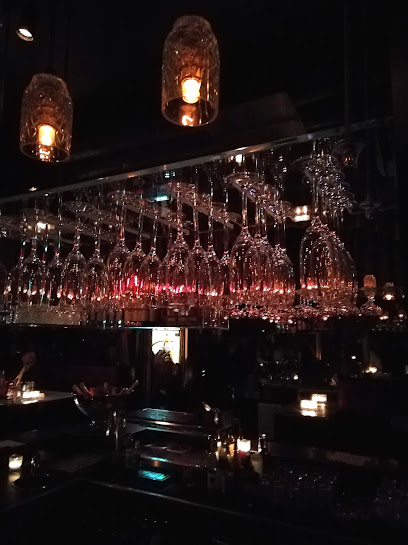
Chateau Motel
0.3 km
Discover the lively nightlife of Copenhagen at Chateau Motel, a top destination for cocktails and dancing in a vibrant atmosphere.
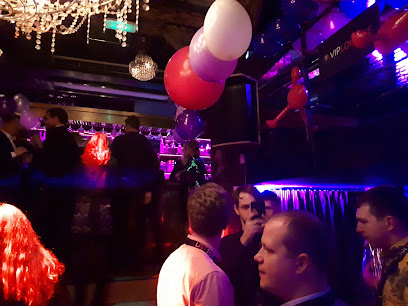
Mini Bar
0.4 km
Discover the vibrant nightlife of Copenhagen at Mini Bar, a premier night club offering eclectic tunes and a lively atmosphere for unforgettable nights.
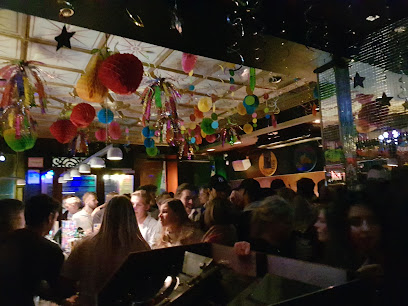
Hive
0.4 km
Copenhagen's premier high-end nightclub with cutting-edge design, VIP service, and immersive themed experiences.
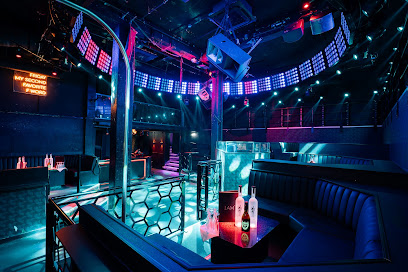
Rumors
0.5 km
Discover the heart of Copenhagen's nightlife at Rumors, where energetic vibes and unforgettable nights await you.
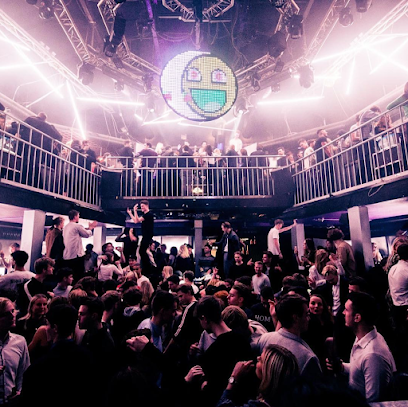
Mirror
0.5 km
Dive into the heart of Copenhagen's nightlife at Mirror, where the rhythm never stops and unforgettable memories are made.
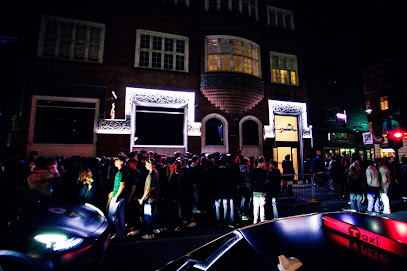
Miami Bar
0.5 km
Discover Copenhagen's nightlife at Miami Bar, where cocktails and dancing create unforgettable nights in a vibrant atmosphere.
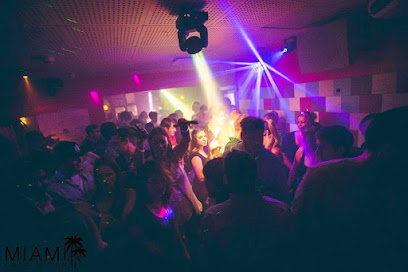
La Terraza
0.5 km
Compact nightclub on Studiestræde in Copenhagen’s old town, offering loud beats, straightforward drinks and an unpretentious late-night dance floor.
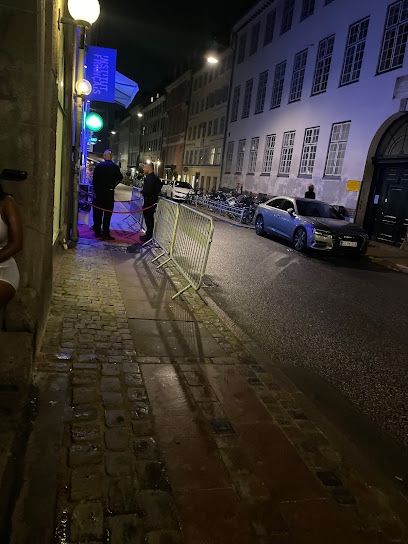
Dorsia
0.6 km
Central Copenhagen nightclub with late‑night DJs, cocktails and an image‑conscious crowd packed into a dark, modern interior off busy Kattesundet.
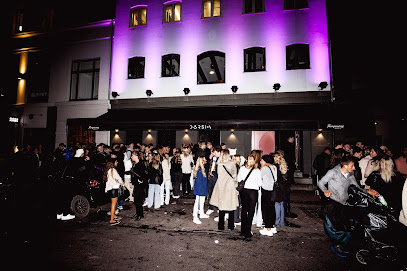
Arch
0.6 km
Discover the vibrant nightlife of Copenhagen at Arch, a premier night club offering electrifying music and an unforgettable atmosphere.
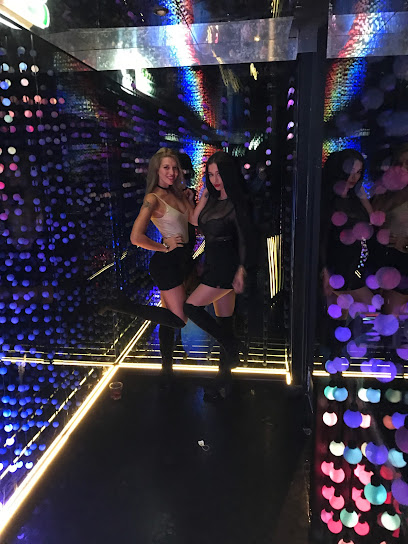
Club Mambo
0.6 km
Experience the energetic nightlife of Copenhagen at Club Mambo, a vibrant night club offering salsa dancing, cocktails, and delicious dining.
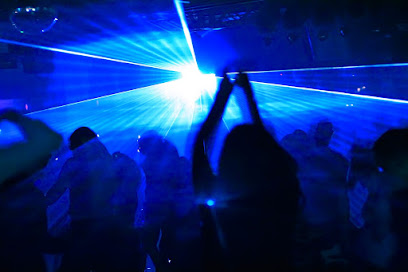
Mirage
0.6 km
Dive into the electrifying nightlife at Mirage, Copenhagen's premier night club for an unforgettable evening of music, dancing, and entertainment.

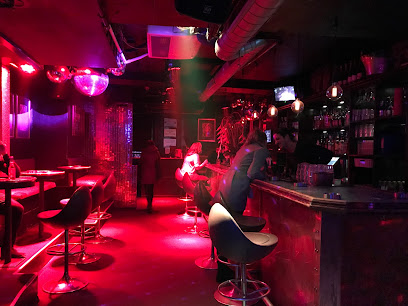
Cosy Bar
0.7 km
Discover the lively atmosphere of Cosy Bar, a top gay nightclub in Copenhagen offering fantastic music, vibrant crowds, and unforgettable nights.
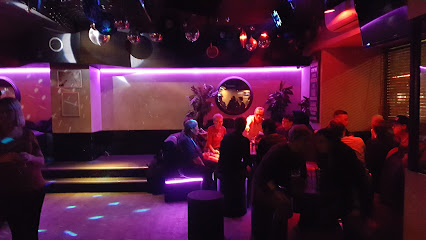
G*A*Y Copenhagen Nightclub
0.8 km
Experience the heart of LGBTQ+ nightlife at G*A*Y Copenhagen Nightclub, where vibrant energy and inclusive atmosphere await every visitor.
For the vibe & atmosphere seeker
- Scenic
- Fun-filled
- Lively
- Unique
- Casual
For the design and aesthetic lover
- Vintage Styles
- Modern Designs
For the architecture buff
- Historic
- Landmarks
- Heritage Neighborhoods
For the view chaser and sunset hunter
- Iconic Views
For the social media creator & influencer
- Instagrammable
- Photo Spots
- Selfie Spots
- Reel-Friendly
- Architectural Shots
For the eco-conscious traveler
- Low Impact
- Public-Transport Accessible
- Locally Managed
For the kind of experience you’re after
- Cultural Heritage
- Photowalk
- Roadtrip Stop
- Day Trip
For how adventurous you want the journey to be
- Easy Access
Location Audience
- Family Friendly
- Senior Friendly
- Child Friendly
- Teen Friendly
- Solo Friendly
- Couple Friendly
- Solo Female Friendly
- LGBT Friendly
- Business Friendly


