
Botanical Garden, Copenhagen Travel Guide
A historic 10-hectare oasis in central Copenhagen, where romantic landscaping, rare plants and the iconic Victorian Palm House bring the global plant kingdom to life.
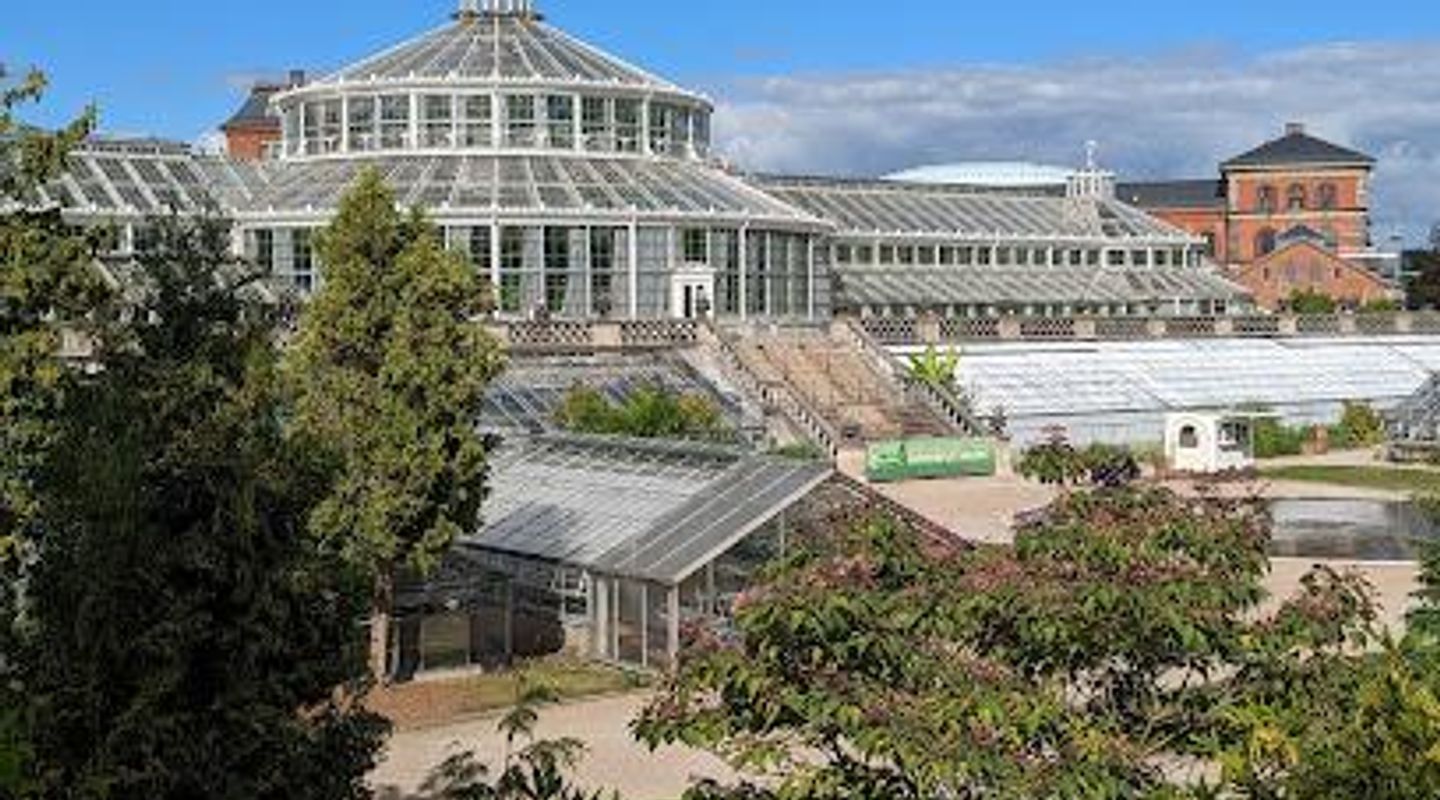
The Botanical Garden in Copenhagen is a 10-hectare green sanctuary in the heart of the city, home to Denmark’s largest collection of living plants. Laid out in the 1870s on the former city ramparts, it combines romantic landscaping with scientific collections, winding paths, rock gardens and tranquil ponds. Its star attraction is the ornate cast‑iron Palm House, a Victorian glasshouse inspired by London’s Crystal Palace, where visitors step into a humid world of soaring palms, tropical climbers and seasonal butterfly displays.
A brief summary to Botanical Garden
- Gothersgade 128, København K, København K, 1123, DK
- Click to display
- Click to display
- Duration: 1.5 to 3 hours
- Free
-
 Outdoor
- Mobile reception: 5 out of 5
- Monday 8:30 am-4 pm
- Tuesday 8:30 am-4 pm
- Wednesday 8:30 am-4 pm
- Thursday 8:30 am-4 pm
- Friday 8:30 am-4 pm
- Saturday 8:30 am-4 pm
- Sunday 8:30 am-4 pm

Know before you go
Hi, I'm Eve. Here are a few practical things to know before exploring Botanical Garden.
- Plan at least an extra hour if you want to visit the Palm House and Butterfly House in addition to strolling the outdoor grounds, as glasshouse queues can form on sunny weekends.
- Bring a light layer: the Palm House is warm and humid year‑round, but the outdoor garden can feel breezy, especially in spring and autumn.
- Look for plant labels and themed beds if you are interested in local flora; the section devoted to Danish plants is ideal for learning native species.
- Visit early in the morning on weekdays for the quietest atmosphere and soft light over the lake and glasshouses, ideal for photography.
- Check seasonal opening times for the Palm House and Butterfly House in advance, as their hours differ from the free‑to‑enter outdoor garden.
Do you manage this location?
Take control to get all the benefits, like improved information, better appearance, and stronger visibility across AI-powered discovery. Learn more about listing your business on Evendo
Activate your presenceOther nearby places you may find interesting
The closest places of the same kind, if this one is not quite what you had in mind.

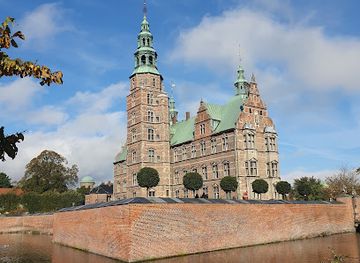
Explore Botanical Garden on the Map
A handpicked selection of must-see spots near Botanical Garden, mapped for you.
Unlock the Best of Botanical Garden
Buy tickets
-
No tickets available
Book tours with entry


Getting There
-
Metro and short walk from Nørreport Station
From anywhere in central Copenhagen, take the M1, M2, M3 or M4 metro line to Nørreport Station, one of the city’s main hubs, which usually involves a ride of 5–15 minutes. Services run every few minutes throughout the day and are included in regular zone tickets and city travel cards; expect a single adult ticket within the central zones to cost around 20–30 DKK depending on distance. From Nørreport it is an easy 5–10 minute walk on mostly flat pavements to the Botanical Garden, suitable for wheelchairs and strollers, though crossings can be busy at peak times.
-
City bus to Gothersgade area
Several city bus routes run along major streets near the Botanical Garden, with typical journey times of 10–25 minutes from central districts depending on traffic. Standard bus fares match metro pricing, and you can use the same tickets and travel cards, usually 20–30 DKK for a central trip. Buses run frequently during the day and early evening, but service can be less frequent late at night and on some holidays. From nearby stops, expect a 5–10 minute walk on paved sidewalks; most approaches are step‑free but can be crowded at rush hour.
-
Cycling through central Copenhagen
Copenhagen’s extensive cycle‑lane network makes cycling a popular way to reach the Botanical Garden from most central neighbourhoods in 5–20 minutes. You can use a city bike rental or shared bike service, with typical pay‑as‑you‑go prices around 10–25 DKK per 15–30 minutes depending on the provider. Dedicated cycle lanes lead to streets around the garden, where you will find bicycle racks but no guarded parking. Cycling is generally safe for confident riders, though you should be prepared for busy commuter traffic on weekdays and follow local cycling etiquette.
-
Taxi or ride‑hail within the city
Taxis in Copenhagen offer a convenient, weather‑proof option from hotels and train stations, with typical travel times of 5–20 minutes from most central areas depending on traffic. Fares generally start with a base fee of about 40–50 DKK, with total costs for central journeys often in the range of 120–250 DKK. Most taxis accept credit cards. Drop‑off is usually on surrounding streets, and you will walk a short distance on level pavements to the garden entrances. This option suits visitors with limited mobility who prefer to minimise walking between public transport and the site.
For the on-the-go comforts that matter to you
-
 Restrooms
-
 Drink Options
-
 Drinking Water
-
 Food Options
-
 Seating Areas
-
 Sheltered Areas
-
 Trash Bins
-
 Information Boards
-
 Visitor Center
Discover more about Botanical Garden
A living museum in the heart of Copenhagen
The Botanical Garden, or Botanisk Have, spreads across around 10 hectares right in central Copenhagen, yet feels worlds away from the surrounding streets. Managed by the Natural History Museum of Denmark under the University of Copenhagen, it functions both as a public park and as a scientific collection. More than 13,000 plant species are represented here, arranged in themed beds that reveal the diversity of plant life from Denmark and far beyond.Laid out on the city’s former fortifications, the garden gently rises and falls with the old ramparts. Curving paths lead past lawns, ponds and thoughtfully placed benches, encouraging slow wandering rather than rushed sightseeing. It is a place where students revise under shady boughs, botanists label specimens, and locals weave the garden into their daily routines.Centuries of horticultural history
The story of Copenhagen’s botanical garden dates back to 1600, when King Christian IV granted land for the first formal collection of medicinal and exotic plants. Over the centuries the garden moved several times as the city grew and scientific needs changed. Its current incarnation was laid out between 1871 and 1874, when the last remnants of the city’s defensive ramparts were transformed into a landscaped park.Landscape architect H.A. Flindt designed the garden in a romantic style, with meandering paths, unexpected viewpoints and a carefully orchestrated mix of open space and dense planting. In 1969 the garden was granted protected status, recognising both its historic value and its importance as a scientific and cultural landmark in Denmark.The Palm House and glasshouse world
At the centre of the garden stands the iconic Palm House, an ornate cast‑iron and glass structure dating from 1874. Inspired by London’s Crystal Palace and supported by brewer J.C. Jacobsen, it quickly became one of Copenhagen’s most recognisable silhouettes. Inside, a humid microclimate nurtures tall palms, lush ferns and climbing tropical plants that reach toward the domed roof.A narrow spiral staircase leads to the upper gallery, where visitors can walk at canopy level among the leaves and gaze down onto the green cathedral below. Nearby glasshouses hold collections of succulents, Mediterranean species and other climate‑sensitive plants. In summer, the Butterfly House opens as a seasonal highlight, filled with fluttering tropical butterflies among orchids and vanilla vines.From Danish flora to distant continents
Beyond the glasshouses, the outdoor areas are organised into distinct zones that mirror different habitats. A dedicated section for Danish plants showcases native species from moorland, coastline and woodland, highlighting the country’s own botanical heritage. Rock gardens and stony slopes display alpine flora, while the arboretum gathers mature trees, some more than a century old, into a leafy open‑air library of trunks and crowns.Labelled beds of perennials, old rose varieties and useful plants bridge the gap between scientific reference and ornamental display. The careful naming of species makes the garden a valuable resource for anyone learning botany, gardening, or simply curious about the plants that shape everyday life, from herbs and grains to ornamental shrubs.Quiet moments, views and café life
The atmosphere in the Botanical Garden ranges from hushed and reflective to gently sociable. Around the main lake, ducks and coots share the water with reflections of the Palm House, and the curved white bridge offers one of the most photogenic views in the garden. From the stony heights of the rock garden, you can look out toward Copenhagen’s copper spires rising above the trees.In the warmer months, a small outdoor café operates from a retro van, serving coffee, ice cream and light refreshments. Nearby, the garden shop sells plants, seeds, books and botanical prints, extending the experience for anyone inspired to bring a little of the garden home. Throughout, discreet paths and seating areas invite you to linger, read or simply sit and observe the changing light over leaves and water.Science, conservation and future seasons
Behind the serene scenes, the Botanical Garden plays an active role in research and plant conservation. It holds important collections of rare and threatened species, contributing to international efforts to safeguard biodiversity. The living beds are supported by herbarium specimens and seed banks managed by the Natural History Museum of Denmark, turning the garden into an open‑air laboratory as much as a pleasure ground.Open year‑round with extended opening hours in summer, the garden changes character with the seasons: spring bulbs and tree blossoms, dense summer foliage, autumn colour and winter silhouettes dusted with frost. The constancy of the Palm House and the historic layout anchors these shifts, offering returning visitors both familiarity and new details to notice on every visit.












Your all‑in‑one travel companion app
Explore expert travel guides, compare and book tours, experiences, hotels, and more—all from the palm of your hand. Download now for seamless trip planning wherever your wanderlust takes you.


Explore More of Copenhagen
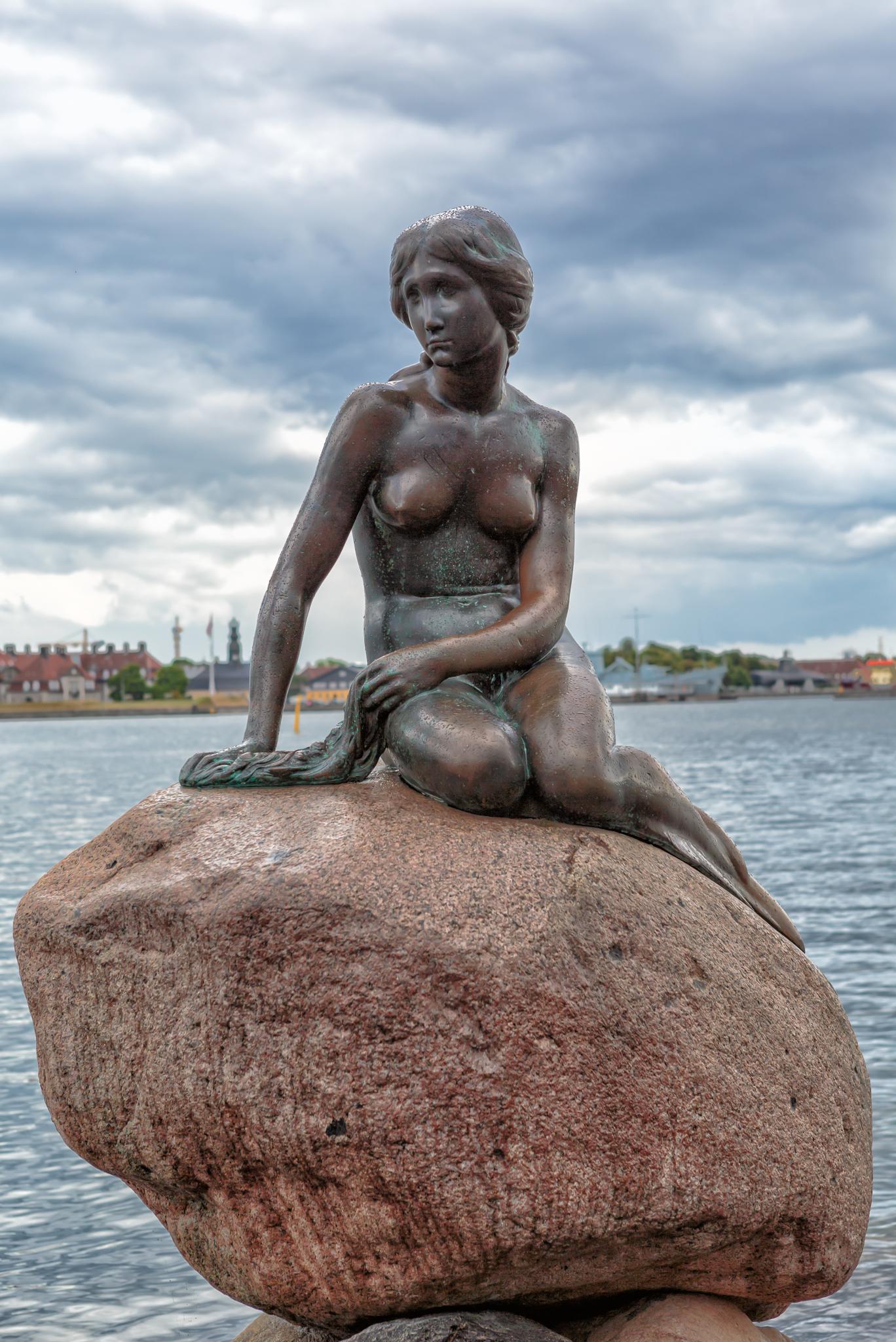
Looking beyond Botanical Garden? Discover Copenhagen for broader travel guides, local hot-spots, and regional highlights.
Explore Copenhagen
University-based museum of geology, zoology, and botany set beside Copenhagen’s Botanical Garden, linking scientific collections with the living world outside.

A verdant sanctuary preserving rare plants and tropical wonders in the heart of Copenhagen since 1600.
