Hans Christian Andersen Experience, Copenhagen Travel Guide
Step off Copenhagen’s busiest square and into a theatrical journey through Hans Christian Andersen’s life and timeless fairy tales, brought to life with light, sound and storytelling.
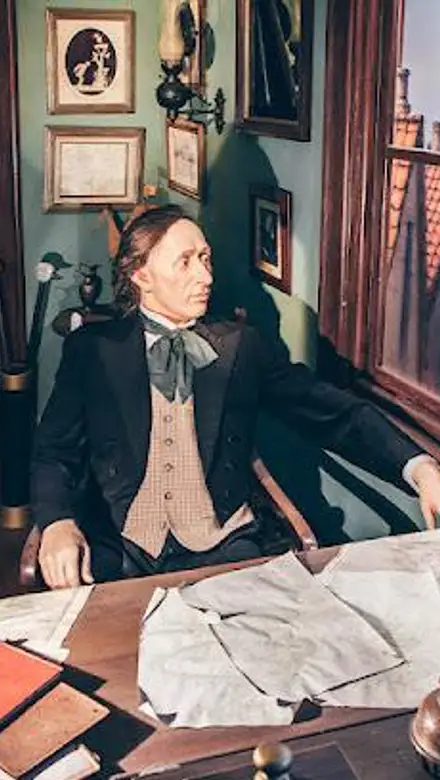
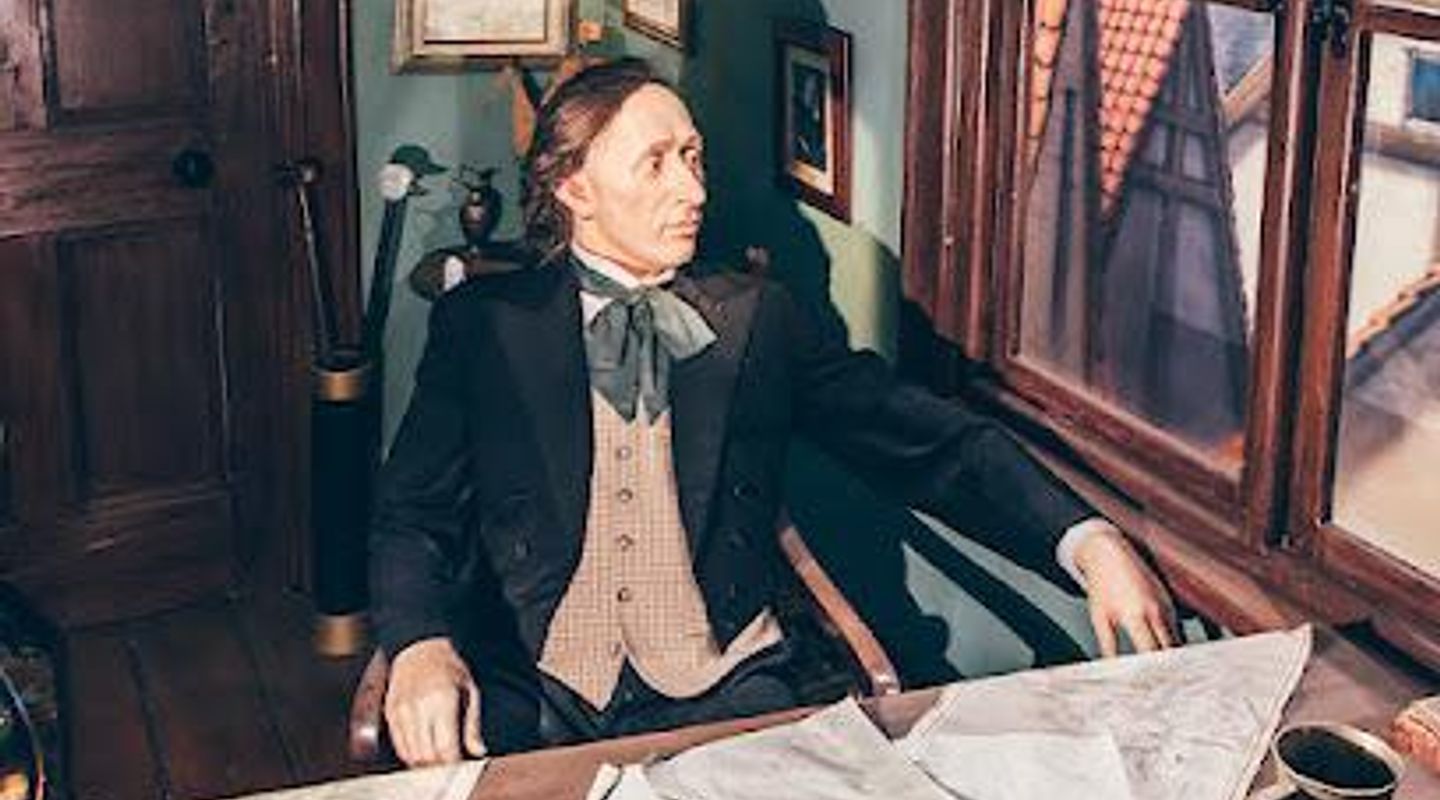
The Hans Christian Andersen Experience on Copenhagen’s City Hall Square invites you into the imaginative world of Denmark’s most celebrated storyteller. This atmospheric, family-friendly attraction blends immersive tableaux, soundscapes and subtle scents to bring classic tales like The Little Mermaid, The Ugly Duckling and The Princess and the Pea to life. Alongside scenes from the stories, engaging displays trace Andersen’s journey from a modest childhood in Odense to literary fame, all housed inside the same building as Ripley’s Believe It or Not! for an easy combined visit in the heart of the city.
A brief summary to Hans Christian Andersen Experience
- Rådhuspladsen 57, Copenhagen, Indre By, 1550, DK
- Click to display
- Click to display
- Duration: 1 to 2 hours
- Mid ranged
-
 Indoor
- Mobile reception: 5 out of 5
- Monday 10 am-7 pm
- Tuesday 10 am-7 pm
- Wednesday 10 am-7 pm
- Thursday 10 am-7 pm
- Friday 10 am-7 pm
- Saturday 10 am-7 pm
- Sunday 10 am-7 pm

Know before you go
Hi, I'm Eve. Here are a few practical things to know before exploring Hans Christian Andersen Experience.
- Buy a combined ticket with Ripley’s Believe It or Not! in the same building if you plan a longer visit; it offers better value than purchasing separate entries.
- Plan 45–90 minutes inside and keep your ticket handy, as last entry is typically one hour before closing and queues can form in busy holiday periods.
- Audio and signage are available in multiple languages; take time to listen to the narration in each room as it adds depth to the visual scenes.
- The attraction is indoors and largely level, making it a good option for rainy or chilly days and generally suitable for wheelchairs and strollers.
- If you’re exploring City Hall Square and Tivoli, schedule the Experience for mid-afternoon as a calmer, seated break between outdoor sights.
Do you manage this location?
Take control to get all the benefits, like improved information, better appearance, and stronger visibility across AI-powered discovery. Learn more about listing your business on Evendo
Activate your presenceOther nearby places you may find interesting
The closest places of the same kind, if this one is not quite what you had in mind.

Explore Hans Christian Andersen Experience on the Map
A handpicked selection of must-see spots near Hans Christian Andersen Experience, mapped for you.
Unlock the Best of Hans Christian Andersen Experience
Buy tickets
-
No tickets available
Book tours with entry


Book tours without entry
-

7-Day Scenic Scandinavian Tour from Copenhagen exploring Denmark, Sweden and fjords in Norway
27 reviews$1,671.52 -

7-Day Scenic Scandinavian Tour from Oslo exploring Denmark, Sweden and fjords in Norway
10 reviews$1,671.52 -

7-Day Scenic Scandinavian Tour from Stockholm exploring Denmark, Sweden and fjords in Norway
5 reviews$1,671.52
Getting There
-
Metro
Take metro line M3 or M4 to Rådhuspladsen Station, which lies directly beneath City Hall Square. From most central stops the ride takes 3–8 minutes and runs every few minutes throughout the day. A single zone 2 ticket in greater Copenhagen typically costs about 20–25 DKK and is valid on metro, buses and S-trains within its time window.
-
Train and walk
From Copenhagen Central Station, reach the attraction on foot in around 8–10 minutes at a relaxed pace. The route is flat and fully paved, crossing busy city streets and passing Tivoli Gardens on the way. This option is suitable for most visitors, though those with limited mobility may prefer the short metro hop to Rådhuspladsen.
-
City bus
Several city bus lines stop at or beside Rådhuspladsen, with journey times of 5–20 minutes from inner neighbourhoods depending on traffic. Buses share the same zone ticketing as the metro; expect to pay around 20–25 DKK for a short central trip. Services are frequent during the day but can thin out later in the evening and on weekends.
-
Bicycle
Copenhagen’s dense bike-lane network makes cycling to City Hall Square straightforward from most central districts in 5–15 minutes. Public bike-share schemes and hotel rentals are widely available, usually charging either a modest unlock fee plus per-minute rate or a daily rental around 100–150 DKK. Rådhuspladsen has bike racks nearby, but spaces can fill quickly at peak times.
For the on-the-go comforts that matter to you
-
 Restrooms
-
 Drink Options
-
 Food Options
-
 Seating Areas
-
 Trash Bins
-
 Information Boards
Discover more about Hans Christian Andersen Experience
A fairy-tale world on City Hall Square
Step off bustling Rådhuspladsen and you immediately swap traffic and trams for storybook hush. Tucked inside a historic building on Copenhagen’s central square, the Hans Christian Andersen Experience is a compact, atmospheric museum dedicated to Denmark’s best-known author. Instead of glass cases and long texts, it relies on theatrical sets, lighting and sound to draw you into his most beloved tales.The entrance area gently introduces Andersen’s life and era before you pass into the darker, more immersive rooms. The mood is playful rather than solemn, with soft lighting, rich colours and the distant echo of turning pages and whispered narration setting the tone for the journey ahead.Stepping into beloved stories
The core of the experience is a series of scenes that recreate moments from Andersen’s fairy tales at near life-size. One room places you face to face with the Little Mermaid, half in water and half in shadow, while ocean sounds and a faint salt tang suggest the harbour that inspired her. Another sets you among barnyard reeds with the Ugly Duckling as seasons shift around him in light and sound.Elsewhere, a teetering stack of mattresses hints at a hidden pea, and a proud emperor parades in unexpected attire, all framed by carefully staged sets and gentle narration. Rather than rushing you through, the layout encourages a slow wander, pausing to notice small visual jokes or details that hint at the original texts.The life behind the fairy tales
Alongside the story scenes, a biographical thread runs through the museum. Short displays and audio moments trace Andersen’s path from his childhood in Odense, through his arrival in Copenhagen as a teenager, to the years when his tales began to circle the globe. You see references to the theatres he longed to perform in, the guesthouses and apartments he called home and the journeys across Europe that fed his imagination.This human-scale portrait emphasises his determination as much as his creativity. Simple visuals and maps highlight how widely he travelled for his time, and how often those travels later resurfaced in his writing. Without overwhelming dates or detail, the displays give enough context to help younger visitors connect the man with the magical worlds he created.A family-friendly stop in the city centre
The museum is deliberately manageable in size, making it well suited to families and mixed-age groups. Children can focus on the scenes and characters, while adults linger over biographical notes or listen more closely to the Danish and English audio. The atmosphere stays gently theatrical rather than intense, with most rooms dim but not dark, and sound kept to a soft, enveloping level.Because it shares an entrance with Ripley’s Believe It or Not!, it works naturally as part of a longer visit in the same building. Yet it also stands on its own as a focused introduction to Andersen in the very city where he lived and wrote. With Tivoli Gardens, City Hall and Strøget just steps away, it slots easily into a wider day of urban exploring.Fairy tales in the heart of modern Copenhagen
What gives the Hans Christian Andersen Experience its particular charm is the contrast between inside and out. One moment you are in the half-light of a fairytale forest; the next, you emerge directly onto one of Copenhagen’s liveliest squares, with cyclists, trams and neon lights replacing mermaids and tin soldiers.This juxtaposition underlines how thoroughly Andersen’s legacy is woven into the modern cityscape, from statues and street names to this dedicated attraction. For anyone interested in children’s literature, storytelling or Danish culture, it offers a concise, sensory-rich way to connect the real Copenhagen with the imaginary worlds that grew out of it.More to explore near Hans Christian Andersen Experience
-

Best experiences near Hans Christian Andersen Experience
-

Best hotels near Hans Christian Andersen Experience
-

Best landmarks near Hans Christian Andersen Experience
-

Best shops near Hans Christian Andersen Experience
-

Best restaurants near Hans Christian Andersen Experience
-

Best bars near Hans Christian Andersen Experience







Your all‑in‑one travel companion app
Explore expert travel guides, compare and book tours, experiences, hotels, and more—all from the palm of your hand. Download now for seamless trip planning wherever your wanderlust takes you.


Explore More of Copenhagen

Looking beyond Hans Christian Andersen Experience? Discover Copenhagen for broader travel guides, local hot-spots, and regional highlights.
Explore Copenhagen
Discover masterpieces from the Danish Golden Age and European classics to contemporary art in Denmark’s largest art museum, set by Copenhagen’s serene city park.
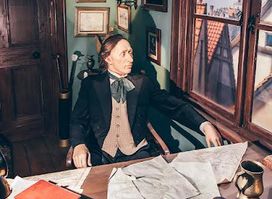
Step off bustling City Hall Square into a multisensory world where Hans Christian Andersen’s life and fairy tales unfold through atmospheric sets, light, sound and scent.