Jakriborg
A surreal, medieval-style townscape on the Skåne plains, Jakriborg blends Hanseatic pastiche and New Urbanism into one of Sweden’s most photogenic modern experiments.
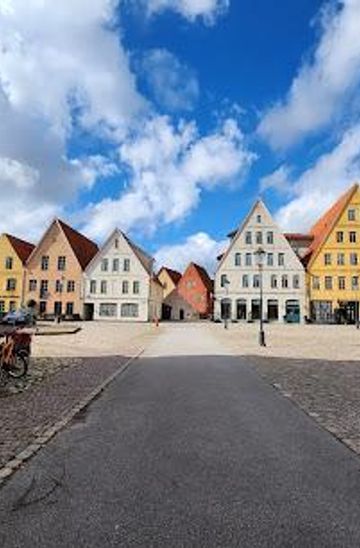
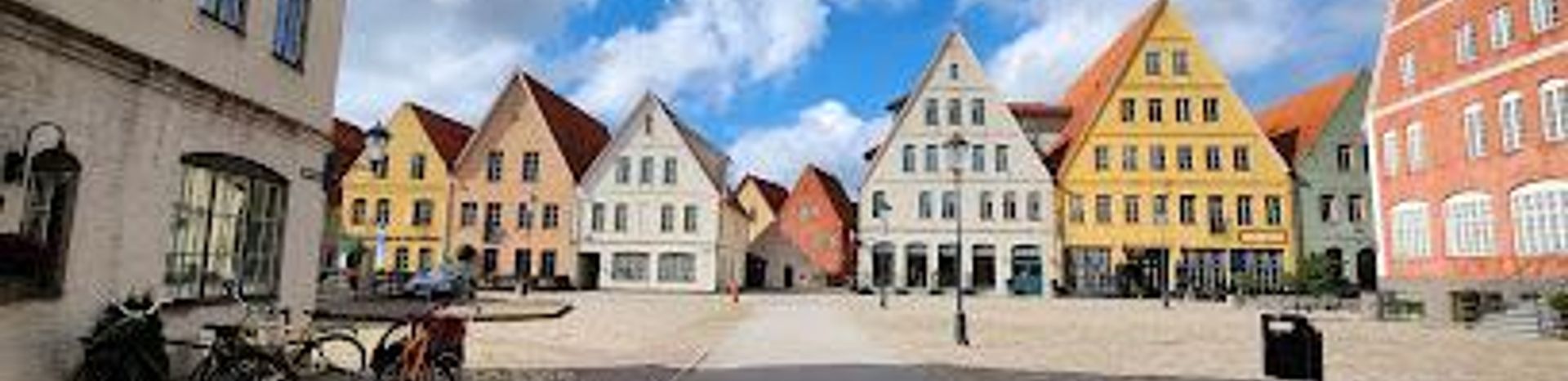
Jakriborg is a surreal, medieval-style housing quarter on the flat fields of Hjärup between Lund and Malmö in southern Sweden. Built from the late 1990s, it blends New Urbanism ideas with Hanseatic-inspired facades, steep gables and cobbled lanes that look centuries older than they are. Within its defensive-style wall and maze of narrow streets you’ll find apartments, a few small shops and cafés, and a famously atmospheric Christmas market that turns the district into a seasonal day-trip destination.
A brief summary to Jakriborg
- Södra Tvärvägen 10-11, Hjärup, 245 65, SE
- Click to display
- Click to display
- Duration: 1 to 3 hours
- Free
-
 Outdoor
- Mobile reception: 5 out of 5

Know before you go
Hi, I'm Eve. Here are a few practical things to know before exploring Jakriborg.
- Bring a camera or phone with plenty of storage; the narrow lanes, stepped gables and pastel facades make Jakriborg ideal for architectural and street photography.
- If visiting in December, check local listings for the Christmas market weekends and arrive early in the day to enjoy the streets before they become crowded.
- Wear comfortable shoes suitable for cobblestones and uneven paving, especially if you plan to explore every alley and courtyard.
- Shops and cafés here are limited and can keep varied hours, so consider eating in Lund or Malmö if you want a wider choice of food options.
Do you manage this location?
Take control to get all the benefits, like improved information, better appearance, and stronger visibility across AI-powered discovery. Learn more
Activate your presenceOther nearby places you may find interesting
Getting There
-
Train from Lund
From Lund central station, take a commuter train toward Malmö and get off at Hjärup station; the ride usually takes about 5–8 minutes and trains typically run several times per hour during the day. A one-way adult ticket on the regional system generally costs around 25–40 SEK, depending on discounts and ticket type. Hjärup station is adjacent to Jakriborg, making this the most convenient and reliable option in most weather conditions.
-
Train from Malmö
From Malmö central station, board a regional or commuter train heading toward Lund or further north and alight at Hjärup; the journey is commonly 10–15 minutes with frequent departures. Expect a one-way fare in the region of 30–50 SEK for an adult, with slightly lower prices using travel cards. Trains are generally accessible, but check for any service changes during late evenings or public holidays.
-
Car from Lund or Malmö
Driving from either Lund or Malmö to Hjärup typically takes 10–20 minutes in normal traffic, using main regional roads that are straightforward year-round except in severe winter conditions. Parking around Jakriborg is limited to local streets and small lots, so avoid peak times such as Christmas market weekends if you want an easier space. There is no entrance fee to visit the area, but observe local parking regulations to avoid fines.
For the on-the-go comforts that matter to you
-
 Restrooms
-
 Drinking Water
-
 Food Options
-
 Seating Areas
-
 Trash Bins
-
 Information Boards
Discover more about Jakriborg
A medieval-looking town born in the 1990s
Jakriborg feels at first glance like a tiny Hanseatic town stranded in the Skåne plains, yet it is a late‑20th‑century creation. Conceived by developer brothers Jan and Krister Berggren and built from the late 1990s onward, the estate was planned as a dense, walkable quarter next to Hjärup, halfway between Lund and Malmö. Its name fuses the first letters of the founders’ names and the suffix “‑borg,” hinting at the fortified look they wanted to evoke.The project reflects New Urbanism ideas: compact building, pedestrian‑friendly streets and a clear town center. Instead of Scandinavian functionalism, the architects embraced traditional and New Classical forms, giving Jakriborg a stage‑set historic character that can be startling when you arrive from the surrounding open farmland.Hanseatic facades and winding cobbled streets
Jakriborg’s architecture borrows heavily from the merchant cities of the southern Baltic and North Sea. Rows of tall, narrow houses with steep, pointed roofs line cobbled lanes, painted in soft pastels and earthy tones more reminiscent of Denmark, northern Germany or the Netherlands than of typical Swedish suburbs. Gables step and curve along the roofline, while passageways duck beneath houses into intimate courtyards.The street network is deliberately irregular, with curved alleys and sudden little squares that recall medieval town plans. A long, wall‑like facade runs along the railway, acting as both sound barrier and visual “city wall,” reinforcing the illusion of a compact, enclosed town. Despite its theatricality, this backdrop is very much lived‑in, with laundry on balconies and bicycles leaning against brightly colored plaster.Life between Lund’s skyline and the open plain
Set on the flat Lundaslätten plain, Jakriborg sits just west of the main railway line, visually separated from the rest of Hjärup. From the northern edge, there is an open sweep of fields and distant views toward the towers of Lund, while to the east the railway embankments block sightlines toward the more conventional villas of Staffanstorp municipality.Within the estate, most ground floors are residential with occasional shopfronts and a supermarket on the main commercial street. The compact scale means that residents and visitors move mostly on foot, and the general pace is slow: children play in the little squares, and cats patrol sun‑warmed corners. It can feel like a self‑contained small town despite being tightly linked by rail to the much larger cities nearby.Christmas markets and everyday wandering
For visitors, the main draw is simply wandering: following the maze of streets to admire color combinations, rooflines and quirky architectural details. Photographers are drawn to the narrow perspectives and stacked gables, which change character with every shift of light and weather. Even a short stroll offers countless corners that look as if they belong in a storybook illustration.In December, Jakriborg’s Christmas market transforms the streets into a festive backdrop of stalls, lights and seasonal decorations. On those weekends the area turns from quiet neighborhood to bustling day‑trip destination for people from Lund, Malmö and beyond, who come to browse handicrafts, pick up treats and soak up the atmosphere among the faux‑medieval facades.A planned experiment still evolving
Jakriborg was deliberately planned to grow slowly and in stages, with only part of the available land built so far. The intention has been to let the district expand organically while keeping a consistent architectural language. That approach, combined with its privately controlled land, has given the area a distinct identity but also limited the scale of local businesses.For travelers, however, the slow‑growing plan means the core feels cohesive and easily explored on foot within an hour or two. It offers an unusual chance to see how contemporary planning and stylized historic architecture intersect, all set against the wide skies of the Skåne countryside.Explore the best of what Jakriborg has to offer













More about Copenhagen Region
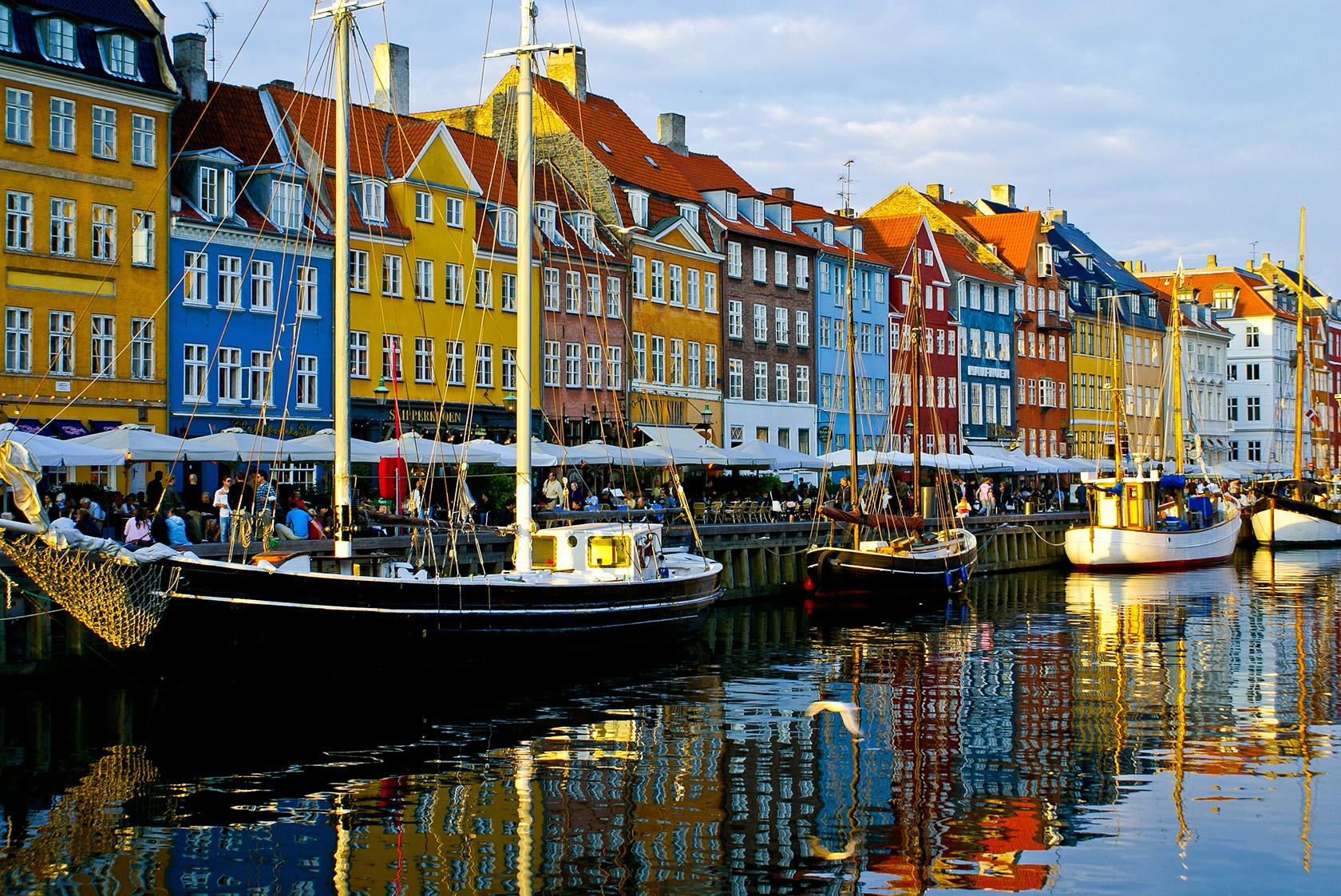
Discover the Copenhagen Region: A perfect mix of historic charm and modern vibrancy, offering scenic beauty, cultural landmarks, and a high quality of life.
Tell me more about Copenhagen Region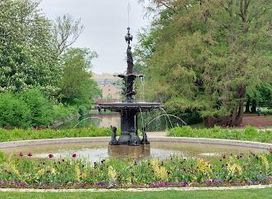
Malmö’s oldest park, Kungsparken, blends English-style landscapes, myth-laced fountains and castle-side canals into a tranquil green escape in the heart of the city.
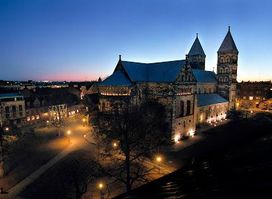
Sweden’s most visited church, Lund Cathedral blends Romanesque stone, medieval legends and a living spiritual life in the historic heart of this university city.