

Skissernas Museum, Zealand Travel Guide
A unique Lund museum where towering galleries, a sculpture park and bold architecture reveal the sketches, models and ideas behind the world’s public art.
Tucked beside Lund University’s leafy campus, Skissernas Museum is a one‑of‑a‑kind art museum devoted to the creative process behind public art. Founded in 1934 and now part of the university, it holds the world’s largest collection of sketches, models and preparatory works for murals, sculptures and other monumental pieces. Vast galleries, a sculpture park and a striking contemporary extension make this an inspiring stop for art lovers and the simply curious alike.
A brief summary to Skissernas Museum
- Finngatan 2, Lund, 223 62, SE
- Click to display
- Click to display
- Duration: 1.5 to 3 hours
- Budget
-
 Mixed
Mixed
- Mobile reception: 5 out of 5
- Tuesday 11 am-5 pm
- Wednesday 11 am-5 pm
- Thursday 11 am-7 pm
- Friday 11 am-5 pm
- Saturday 12 pm-5 pm
- Sunday 12 pm-5 pm

Know before you go
Hi, I'm Eve. Here are a few practical things to know before exploring Skissernas Museum.
- Plan at least two hours: the packed Swedish, International and Mexican galleries reward slow viewing, and the density of works can be overwhelming if rushed.
- Consider visiting on a Thursday afternoon to take advantage of the extended evening opening hours and enjoy the museum when it feels more relaxed.
- Combine your visit with a break at the on‑site restaurant, which offers Scandinavian dishes and is a pleasant spot to reflect between galleries.
- If accessibility is important, note that the museum is largely wheelchair‑friendly with lifts and an accessible toilet; only a small bridge in the Swedish Gallery is stair‑only.
- Check the programme for English‑language guided tours or family workshops, which provide helpful context about the creative process behind the works.
Do you manage this location?
Take control to get all the benefits, like improved information, better appearance, and stronger visibility across AI-powered discovery. Learn more about listing your business on Evendo
Activate your presenceOther nearby places you may find interesting
The closest places of the same kind, if this one is not quite what you had in mind.

Explore Skissernas Museum on the Map
A handpicked selection of must-see spots near Skissernas Museum, mapped for you.
Unlock the Best of Skissernas Museum
Buy tickets
-
No tickets available
Book tours with entry

Book tours without entry

Getting There
-
Train from Malmö and walk
From Malmö central station, frequent Öresundståg and Pågatåg regional trains reach Lund central station in about 10–15 minutes. A standard adult single ticket costs roughly 40–60 SEK, with discounts for youth and certain travel cards. From Lund station, allow around 15–20 minutes on foot through the compact city centre on mostly flat pavements; the route is suitable for most visitors, including those with strollers, though some older cobbled sections may feel slightly uneven.
-
Local bus within Lund
Lund’s city buses connect the central areas with the university district near the museum in roughly 10–15 minutes of travel time, depending on route and traffic. A single adult ticket purchased via app or card is typically in the range of 20–35 SEK, with reduced fares for children and youths. Buses usually run every 10–20 minutes during the day. Stops in the university area involve only a short urban walk on paved sidewalks to reach the museum entrance.
-
Cycling in Lund
Lund is a highly bike‑friendly city with an extensive network of cycle paths. From most central neighbourhoods, cycling to the museum takes about 5–10 minutes at a relaxed pace. Visitors using rental or hotel bikes will find dedicated bike lanes on main routes and ample bicycle stands in the streets around the university. Surfaces are generally smooth and level, making this an easy and inexpensive option in most seasons except during heavy snow or icy conditions.
-
Taxi from Lund central areas
For door‑to‑door convenience, taxis from Lund central station or nearby districts typically reach the museum in about 5–10 minutes, depending on traffic. Fares for such a short intra‑city journey are commonly in the range of 120–200 SEK, varying by company, time of day and any surcharges. Taxis provide the most straightforward option for travellers with limited mobility or those visiting outside peak bus frequency, though advance booking is advisable at busy times.
For the on-the-go comforts that matter to you
-
 Restrooms
-
 Drink Options
-
 Drinking Water
-
 Food Options
-
 Lockers
-
 Seating Areas
-
 Sheltered Areas
-
 Trash Bins
-
 Information Boards
-
 Visitor Center
Discover more about Skissernas Museum
Where ideas for public art come to life
Skissernas Museum, a short stroll from central Lund, is dedicated not to finished masterpieces but to the sketches, maquettes and models that come before them. Founded in 1934 by art historian Ragnar Josephson and now part of Lund University, it explores how public art is conceived, tested and refined before it ever reaches a square, façade or park.Instead of pristine, isolated canvases, you encounter walls packed floor to ceiling with drawings, colour studies and scale models. The result is an immersive sense of work in progress: you see corrections, second thoughts and abandoned ideas as clearly as the final direction. It is a museum about artistic decisions as much as artistic objects.Vast galleries filled with experiments and early visions
The museum’s core is a set of soaring halls devoted to Swedish, international and Mexican public art. In the Swedish Gallery, early twentieth‑century modernists such as Sigrid Hjertén and Isaac Grünewald hang alongside more contemporary artists, creating a visual dialogue across generations. Nearby, the International Gallery presents preparatory works by figures like Henri Matisse, Sonia Delaunay, Fernand Léger and Henry Moore.One highlight is the collection of sketches for Mexican muralism, with works linked to Diego Rivera and David Alfaro Siqueiros. Here, pencil outlines evolve into vivid, politically charged compositions that would later cover massive walls. Small notations, colour swatches and compositional shifts reveal just how much thought goes into turning an idea into a monumental statement.Architecture that echoes the spirit of a sketch
Skissernas has grown organically over decades into a cluster of interlinked buildings, from an early gymnasium hall to later concrete and brick additions. A major recent extension by architects Elding Oscarson reshaped the entrance with a corten‑clad façade, generous foyer, museum shop and restaurant opening onto the sculpture park. The rust‑toned metal and large, irregular windows deliberately evoke materials beloved by sculptors and the provisional feeling of a sketch.Inside, the covered inner courtyard, transformed into the Birgit Rausing Hall, feels like a light‑filled pavilion rather than a conventional auditorium. Its hovering reflective ceiling and tall clerestory windows bring in sky and hints of the surrounding facades, blurring the line between interior and open court. The architecture becomes another layer of the museum’s story about process, materials and experimentation.Programs, archives and a living hub for creativity
Beyond the galleries, the museum functions as an active centre for contemporary art and discussion. A changing programme of temporary exhibitions broadens the focus from public commissions to wider explorations of how artists work with space, community and context. Artists‑in‑residence schemes, talks and performances bring new voices into the conversation.Behind the scenes, a substantial archive preserves photographs, press clippings and documentation of public artworks from the 1930s onward. Together with more than thirty thousand sketches and models, it offers a deep resource on how societies choose to display art in shared spaces. For visitors, this translates into exhibitions that constantly draw lines between historical projects and current debates.Visiting the museum and its sculpture‑filled surroundings
A visit here is as much about atmosphere as individual pieces. The museum’s situation beside university buildings and green spaces gives it a relaxed campus feel. Outside, a small sculpture park extends the experience into the open air, featuring around twenty works, including a version of Carl Fredrik Reuterswärd’s iconic knotted‑barrel "Non‑Violence" pistol.Inside, you can pause between galleries in the café‑restaurant, whose Scandinavian menu leans on seasonal, local ingredients. Generous opening hours from Tuesday to Sunday and clear signage in English and Swedish make it easy to explore at your own pace. With accessible layouts, lifts and an inclusive programme for children, students and adults, Skissernas Museum invites anyone curious about how public art is made to step into the artist’s workshop in museum form.












Your all‑in‑one travel companion app
Explore expert travel guides, compare and book tours, experiences, hotels, and more—all from the palm of your hand. Download now for seamless trip planning wherever your wanderlust takes you.


Explore More of Zealand
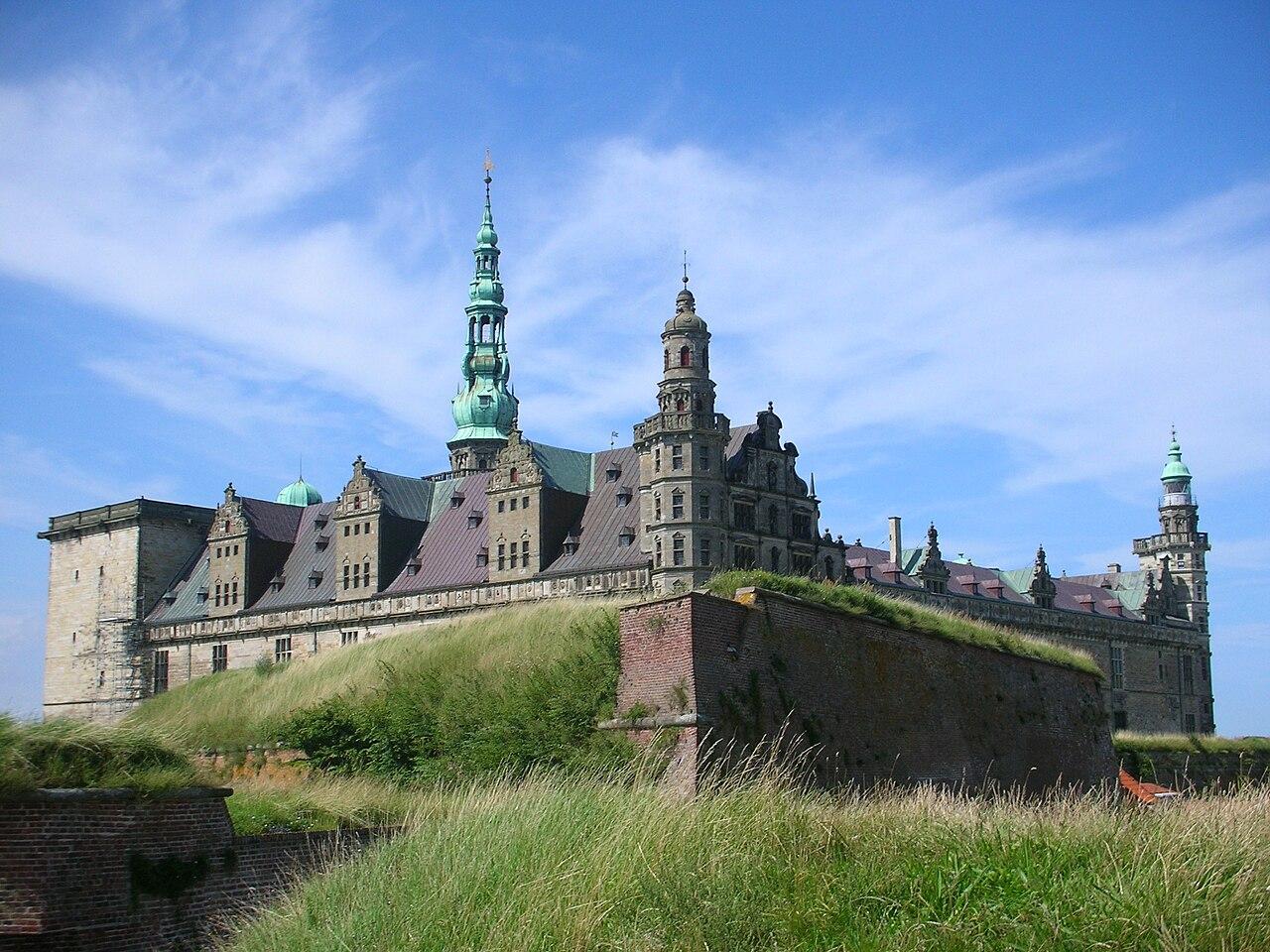
Looking beyond Skissernas Museum? Discover Zealand for broader travel guides, local hot-spots, and regional highlights.
Explore Zealand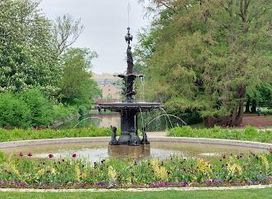
Malmö’s oldest park, Kungsparken, blends English-style landscapes, myth-laced fountains and castle-side canals into a tranquil green escape in the heart of the city.

Open‑air streets, historic houses and thoughtful exhibitions come together at Kulturen in Lund, a living museum village tracing everyday life in southern Sweden.
